Our Services
Others
- DFPP
- Shockwave
- IV Drip
Our Services

Vega Stem Cell’s laboratory operates under three internationally recognized quality frameworks: ISO 9001:2015, OECD Good Laboratory Practice (GLP) guidelines, and ISO/IEC 17025:2017.
ISO 9001:2015 governs the consistency of our laboratory operations, ensuring that quality management systems are applied reliably across every stage of our work. Adherence to OECD GLP guidelines upholds the integrity, traceability, and reproducibility of our experimental data — a standard we apply with close attention to detail throughout our quality control processes.
Our ISO/IEC 17025:2017 accreditation further confirms our laboratory’s technical competence in testing and calibration, supporting the precision and reliability of our analytical work.
Together, these standards are maintained by a team of experienced scientists working with modern laboratory equipment, reflecting our ongoing commitment to scientific rigor and the advancement of medical knowledge.
Stem cell banking refers to the collection and storage of stem cells for potential future research or clinical use. Common approaches include cord blood banking, which preserves cells from umbilical cord blood, and adult stem cell banking, which involves cells sourced from various tissues throughout the body.
Stem cell research and its clinical applications are subject to strict regulatory oversight in many countries. In Thailand, the Thai Food and Drug Administration (FDA) regulates stem cell-based biological products, and clinical practice is further guided by the Medical Council of Thailand’s ethical regulations on stem cell research. Our laboratory processes are developed with these frameworks in mind, with cell products characterized and quality-tested according to applicable standards prior to release.

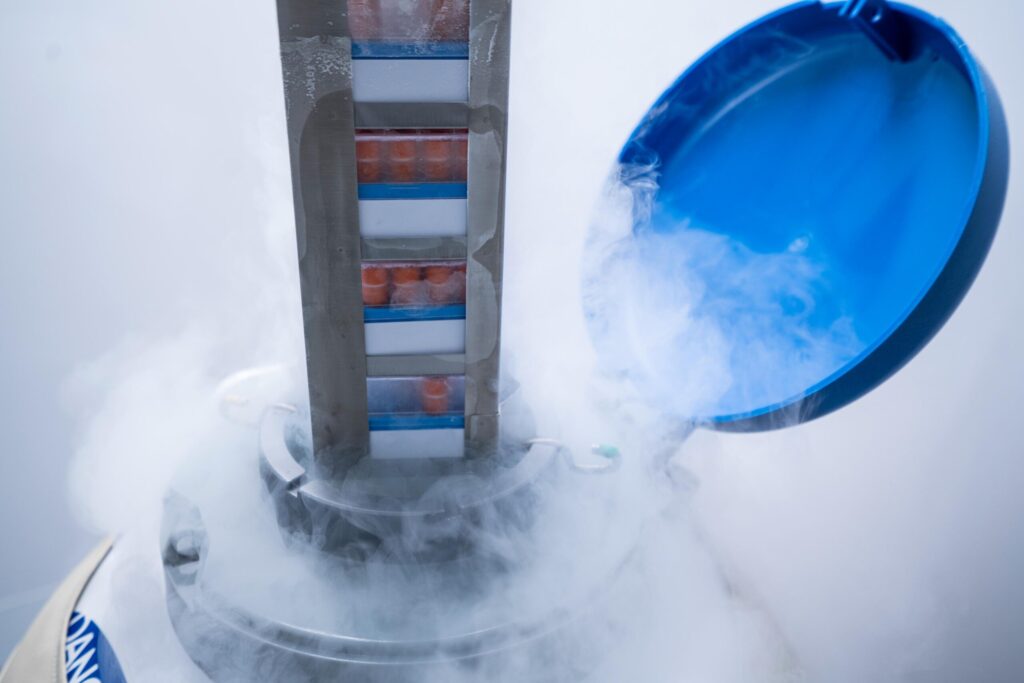
The quality of umbilical cord-derived mesenchymal stem cells begins with the careful selection of donor tissue. Our sourcing process emphasizes donor eligibility assessment, maternal health screening, and infectious disease testing to minimize potential biological risks. Umbilical cord tissue is collected following childbirth under controlled conditions, with appropriate donor consent and documented collection procedures. These measures establish a reliable foundation for subsequent cell isolation and cultivation, supporting the development of high-quality cellular products for research and potential clinical applications.
Scientific Resources
This website uses cookies to enhance your experience. Some are essential for site functionality, while others help us analyze and improve your usage experience. Please review your options and make your choice.
If you are under 16 years old, please ensure that you have received consent from your parent or guardian for any non-essential cookies.
Your privacy is important to us. You can adjust your cookie settings at any time. For more information about how we use data, please read our privacy policy. You may change your preferences at any time by clicking on the settings button below.
Note that if you choose to disable some types of cookies, it may impact your experience of the site and the services we are able to offer.
Some required resources have been blocked, which can affect third-party services and may cause the site to not function properly.
This website uses cookies to enhance your browsing experience and ensure the site functions properly. By continuing to use this site, you acknowledge and accept our use of cookies.