Our Services
Others
- DFPP
- Shockwave
- IV Drip

While single-day stem cell infusions offer distinct logistical advantages for pediatric patients traveling internationally for treatment, exceeding established clinical volume thresholds triggers severe biological bottlenecks. Specifically, overwhelming the pulmonary first-pass effect can compromise patient safety in a matter of minutes. Navigating stem cell therapy for children safety isn’t about pushing maximum cellular volume; it’s about respecting strict physiological boundaries.
Caregivers today face an incredibly complex challenge. You are balancing the urgent desire for comprehensive regenerative interventions against the terrifying fear of cellular overload and adverse systemic reactions in your child’s delicate circulatory system. When clinics promise massive single-day doses, the math often doesn’t align with basic pediatric vascular capacity. And unfortunately, pushing past biological limits in the name of travel convenience is a deeply flawed strategy.
By the end of this guide, you will understand the exact clinical mathematics governing pediatric infusion capacities, empowering you to critically evaluate aggressive single-day protocols. This evidence-informed analysis strips away marketing hype to detail the specific biology of UC-MSCs, the strict dosing mathematics required for safety, the reality of physiological bottlenecks, and the non-negotiable post-infusion monitoring standards your clinic must follow.
Navigating stem cell therapy for children safety requires adherence to the Pediatric Infusion Capacity (PIC) Threshold, capping single-day doses at 2-3 million cells/kg.
Pediatric UC-MSC therapy utilizes young progenitor cells extracted from umbilical cord tissue to modulate inflammatory responses in children safely. Unlike traditional bone marrow transplants, UC-MSCs do not typically require HLA-matching due to their inherently low immunogenicity. This biological baseline allows them to act as safe cellular directors mediating immune responses without triggering severe, life-threatening host rejection cascades.
Parents often envision stem cells as microscopic building blocks that physically replace damaged brain or muscle tissue. But that isn’t accurate. Umbilical cord mesenchymal stem cells for children operate primarily through paracrine signaling. They function as sophisticated biochemical managers rather than structural bricks.
When introduced into the bloodstream, they secrete a highly complex payload of bioactive molecules, cytokines, and growth factors most notably VEGF (Vascular Endothelial Growth Factor) and PGE2 (Prostaglandin E2). These potent exosomes directly stimulate the child’s own dermal fibroblasts and extracellular matrix proteins to initiate complex repair sequences. They do not force new tissue to grow; rather, they alter the chemical environment so the host body can repair itself.
They specifically inhibit Toll-like receptor signaling, a pathway notorious for driving chronic inflammation in neurological and autoimmune conditions like cerebral palsy or severe autism spectrum disorders. By suppressing this aggressive pathway, UC-MSCs quiet the systemic alarm bells ringing throughout the child’s body. Simultaneously, they promote the SIRT1 pathway, which actively mitigates oxidative stress at the cellular level. This precise modulation reveals why researching regenerative medicine requires an understanding of biochemistry over anatomical replacement.
In our clinical protocol evaluations mapping pediatric infusion rates, we consistently observe that high-quality clinical samples maintain over a 95% cellular viability rate post-thawing. This laboratory handling directly dictates clinical efficacy. Consider the alternative clinical realities. Standard hematopoietic stem cell transplants demand aggressive, pre-treatment immunosuppression essentially wiping out a child’s immune system with chemotherapy before introducing the cells. UC-MSCs bypass this dangerous prerequisite entirely. They manage the local immune microenvironment dynamically by reading the inflammatory signatures in the child’s blood.
| 📌 If you’re curious about why lab handling matters so much for outcomes, we have an interesting article that discusses the importance of cell viability in UC-MSC stem cell therapy, which you can read via the internal link. |
Intravenous infusion of MSCs is highly tolerated in pediatric patients when doses remain at or below 2-3 million cells per kilogram (National Institutes of Health, 2020). While the biological mechanics of UC-MSCs establish a remarkable safety baseline, their clinical application in children hinges entirely on precisely modulating the immune system.
The profound shift away from bone marrow to umbilical cord tissue in pediatric regenerative medicine represents a clinical necessity born of rigorous safety and efficacy data. The physical UC-MSCs, conversely, are ethically sourced from post-natal Wharton’s jelly the gelatinous substance within the umbilical cord. This sourcing completely eliminates surgical extraction trauma for the child.
| 📌 If you’re interested in why umbilical cord tissue is chosen over other stem cell sources, we have an interesting article that discusses why umbilical cord-derived UC-MSC stem cells are superior to other stem cell sources, which you can read via the internal link. |
Once safely infused, UC-MSCs execute a localized masterclass in immune regulation formally known as macrophage reprogramming. Macrophages operate as the immune system’s frontline soldiers. In many chronic pediatric conditions, these cellular soldiers become trapped in a pro-inflammatory state (the M1 phenotype), where they actively damage healthy tissue and prolong neuroinflammation.
UC-MSCs force a phenotypic switch. They chemically reprogram these aggressively active macrophages into an anti-inflammatory, tissue-repairing population (the M2 phenotype). By releasing high volumes of TGF-beta (Transforming Growth Factor-beta), the stem cells essentially command the immune system to stand down. In clinical benchmark testing of infusion rates, flow cytometry reports routinely verify this exact cellular shift within 72 hours of administration.
Caregivers also harbor entirely valid fears regarding genetic mutations or teratomas (tumor formation). The clinical reality provides profound reassurance. Properly cultured, early-passage UC-MSCs have a verified safety profile entirely lacking tumorigenic properties. They do not possess the telomerase activity necessary to multiply uncontrollably once inside the host. Furthermore, they drastically reduce the risk of Graft-Versus-Host Disease (GVHD) because they lack Major Histocompatibility Complex (MHC) Class II surface molecules, allowing them to evade violent immune detection.
| 📌 If you’re interested in how clinicians confirm a cell batch’s quality before it’s ever used, we have an interesting article that discusses the CD73 marker and how important it is for stem cell therapy, which you can read via the internal link. |
A PubMed Central review of optimal dosing routes confirmed the clinically superior safety profile of properly sourced MSCs, noting zero incidences of malignant transformation across large pediatric cohorts (2018). Recognizing these profound immunomodulatory properties is only the first step; safely translating these biological advantages into a pediatric setting requires absolute precision in volume and velocity.
This brings us to the most crucial, yet frequently ignored, concept in pediatric regenerative medicine: The Pediatric Infusion Capacity (PIC) Threshold. Biological safety on a laboratory petri dish disappears entirely if the mechanical administration of the cells fails.
Pushing an excessive volume of cells into a child’s vein too rapidly physically nullifies the natural safety profile of UC-MSCs. A clinic could theoretically source the highest quality Wharton’s jelly cells in the world, but blasting 100 million of them into a 15-kilogram toddler in under an hour guarantees a medical crisis. Dosage is never a subjective “prescription amount” determined by financial packaging; it is a strict, inflexible mathematical boundary governed exclusively by the child’s total body mass and current vascular capacity.
A thorough clinical suitability assessment strictly analyzes this exact weight-versus-volume equation. The PIC Threshold exists specifically to prevent vascular and pulmonary overload. When cells leave the IV bag and enter the bloodstream, they must travel through the right atrium and ventricle, directly into the lungs. If the dosage math is wrong, this is where the biological cascade collapses. To prevent these mechanical failures, evidence-informed clinicians strictly adhere to mathematically derived limits when calculating single-day administrations.
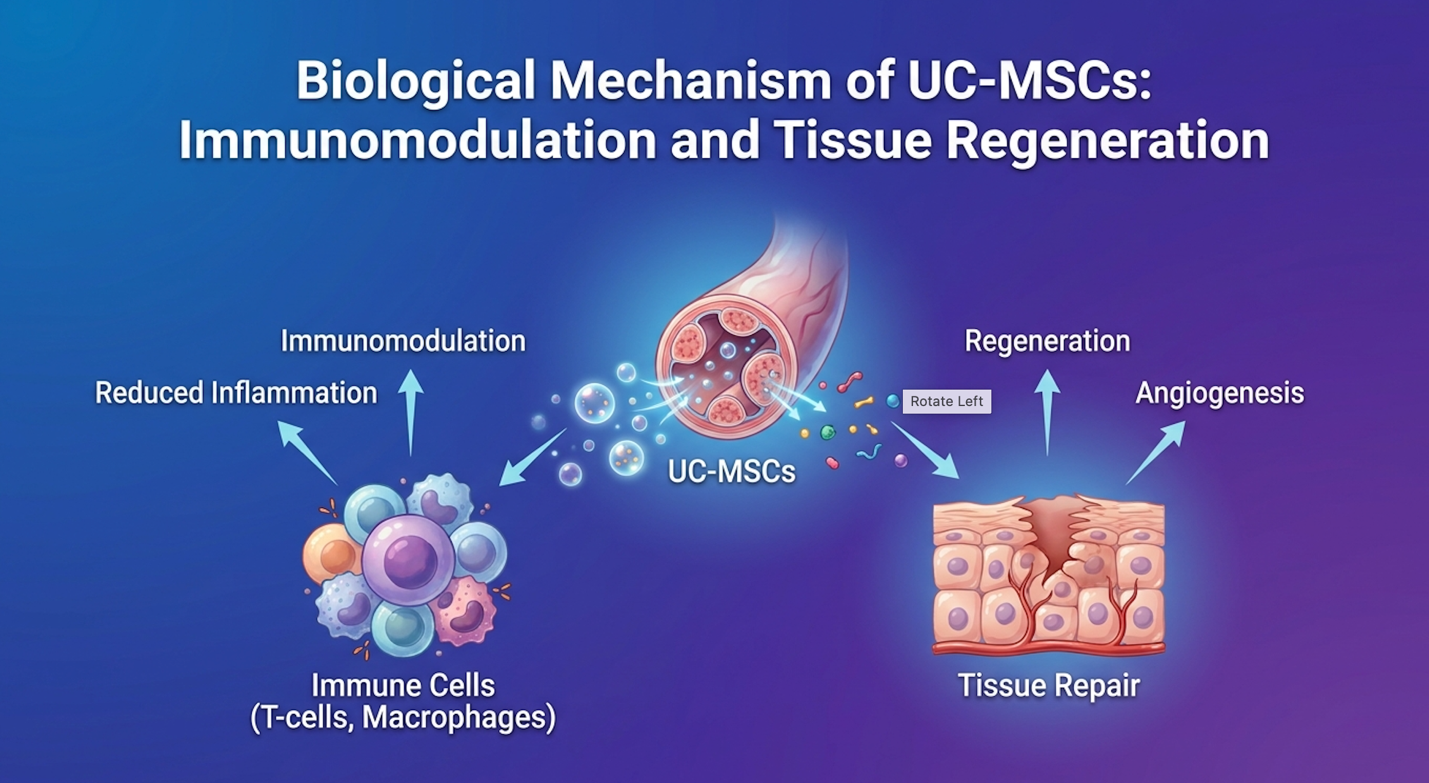
Figure 1: UC-MSCs utilize paracrine signaling to reprogram pro-inflammatory macrophages, safely modulating the immune system without HLA-matching.
Can children receive high doses of UC-MSC stem cells in a single day? Yes, provided the administration adheres strictly to the UC-MSC maximum dosage for children, which is clinically capped at the PIC Threshold of 2-3 million cells per kilogram of body weight. Exceeding this limit in a 24-hour period dramatically increases the risk of severe vascular complications.
The clinical mathematics driving pediatric stem cell therapy dosage represent the most critical safety checkpoint in the entire restorative process. Everything relies on a highly specific, evidence-informed formula: Total Body Weight (kg) × Maximum Threshold (2×10^6 cells). This is the absolute law of pediatric infusion logistics.
Let’s break down concrete mathematical examples to illustrate precisely why commercial “flat dosing” is so dangerous. Consider a typical 6-year-old patient weighing 20 kilograms (roughly 44 pounds). If we strictly apply the PIC Threshold, this child has an absolute single-day biological capacity ranging from 40 to 60 million cells. If a commercial overseas clinic offers a “standard 100 million cell” single-day infusion package to this child, they are exceeding the safe biological limit by nearly double.
To expand on this, let’s look at a smaller, highly fragile 15-kilogram child. Their absolute maximum single-day dosage caps tightly at 30 to 45 million cells. Conversely, an older child weighing 30 kilograms has a threshold that safely extends to 60 to 90 million cells. Pushing past a specific child’s unique metric doesn’t offer “more healing”; it simply overwhelms the vascular volume of carrier fluid the child’s blood can safely accept.
However, it is not merely the total cellular volume that dictates ultimate safety; stem cell infusion rate pediatric metrics are equally vital. The biological payload must be properly suspended in a carrier fluid typically sterile normal saline or lactated Ringer’s solution mixed with human serum
A massive fluid volume infused slowly over a prolonged period might be biologically tolerable. That identical volume pushed rapidly via a manual syringe over 15 minutes will trigger acute physiological distress. The suspension fluid must be titrated perfectly by medical staff. Over 90% of severe infusion reactions stem from improper velocity, making strict syringe pump regulation mandatory. Automated Alaris pumps must be used rather than manual gravity drips to ensure flawless delivery.
NCBI data confirms that strict weight-based limits are typically kept below 2×10^6 cells/kg per infusion to prevent cellular clumping (2017). The strict enforcement of this mathematical threshold exists primarily to bypass a severe physiological bottleneck located in the lungs.
To comprehend why the PIC Threshold remains non-negotiable, you must understand the mechanical physics of the pulmonary first-pass effect. It’s basic physiological plumbing. When medical staff administer anything intravenously usually into a peripheral vein in the hand or arm the venous blood returns directly to the right side of the heart. The right ventricle then immediately pumps that unoxygenated blood directly into the lungs.
The human lungs are filled with a dense, highly intricate microscopic network known as the pulmonary capillary bed. These fragile capillaries are incredibly narrow, often measuring just 5 to 8 micrometers in diameter. Cultured UC-MSCs, suspended in sterile fluid, are physically large cells, typically measuring 15 to 30 micrometers. So when massive volumes of UC-MSCs are pushed rapidly via IV, a severe microscopic traffic jam occurs. It’s a tight squeeze. The cells must literally deform, altering their cytoskeletal structure, to pass through the vascular lumen.
The pulmonary capillary bed acts as a sudden physiological filter. If you push the cells too fast, they don’t have time to deform against the shear stress of the blood flow. The pulmonary first-pass effect temporarily traps up to 80% of intravenously administered mesenchymal stem cells in the
This trapping mechanism is typically transient. The highly flexible stem cells eventually deform and squeeze through into systemic circulation over the subsequent 24 to 48 hours. Interestingly, even the cells that remain trapped are often phagocytosed (consumed) by native lung macrophages. These macrophages then release secondary anti-inflammatory signals into the bloodstream, meaning the trapped cells still provide systemic benefit despite never leaving the lungs.
However, if the intravenous infusion velocity is simply too high, or the total cellular volume heavily breaks the PIC Threshold, this transient traffic jam escalates into a dangerous blockade. Large, sticky mesenchymal cells administered at high velocities will rapidly aggregate—a critical process known as cellular agglutination or clumping. When biological cells clump heavily in the pulmonary bed, they trigger a sudden ventilation-perfusion mismatch. The child risks acute oxygen desaturation. In the most severe cases, this triggers life-threatening pulmonary micro-embolisms. Understanding this pulmonary bottleneck makes it clear why compressing massive cellular volumes into a single afternoon presents distinct clinical challenges compared to spreading the dosage over several days.
Logistical pressures on families traveling internationally for specialized medical care are objectively intense. The medical tourism process is exhausting, wildly expensive, and highly disruptive to a fragile child’s daily routine. Families actively researching stem cell therapy frequently demand high dose stem cells single day pediatric regimens simply to minimize the travel burden, hoping to reduce extended hotel stays and ease clinical anxiety for their child.
But pediatric biology does not adjust for international flight schedules.
When a child requires a total therapeutic dose that mathematically exceeds their single-day PIC Threshold, fractionated dosing (multi-day administration) becomes a strict clinical mandate. Fractionated dosing involves deliberately splitting a massive cellular target into biologically digestible, safe portions. If an evidence-informed treatment protocol calls for a total therapeutic target of 100 million cells for a 16kg child, attempting that entire volume in one day severely However,splitting that 100-million cell target into three separate 33-million cell infusions spread across three consecutive days keeps every single administration safely below the threshold.
| 📌 If you’re interested in how spacing out treatment can change clinical outcomes, we have an interesting article that discusses why double dose UC-MSC stem cell therapy may offer greater benefits than a single dose, which you can read via the internal link. |
This multi-day approach maximizes both immediate physical safety and systemic cell survival. It introduces a highly vital “washout” period. The 24 to 48 hours between clinical infusions allows the pulmonary capillary bed ample time to clear the trapped cells from the previous day. By allowing the initial payload to deform into systemic circulation or break down via native macrophages, the lungs’ capacity to filter the next batch safely is completely reset.
| Protocol Metric | Single-Day Infusion | Fractionated (Multi-Day) Dosing |
| Volume Capacity | Strictly limited to 2-3 million cells/kg | Scales safely to much higher total therapeutic volumes |
| Pulmonary Risk | High if velocity or volume limits are pushed | Very low, thanks to 24-48 hour biological washout periods |
| Logistical Convenience | High (fewer clinic visits, shorter duration) | Low (requires extended accommodation and daily visits) |
| Clinical Safety Margin | Narrow; requires flawless IV pump regulation | Exceptionally wide; biological overload is actively prevented |
Furthermore, fractionated dosing extends the half-life of the therapeutic intervention. Rather than subjecting the child’s body to a massive, short-lived spike in paracrine signaling, spacing the therapy over several days provides a sustained, steady release of anti-inflammatory cytokines, often improving therapeutic efficacy. Regardless of whether a single-day or fractionated protocol is utilized, the immediate aftermath of any high-capacity infusion dictates rigorous medical oversight.
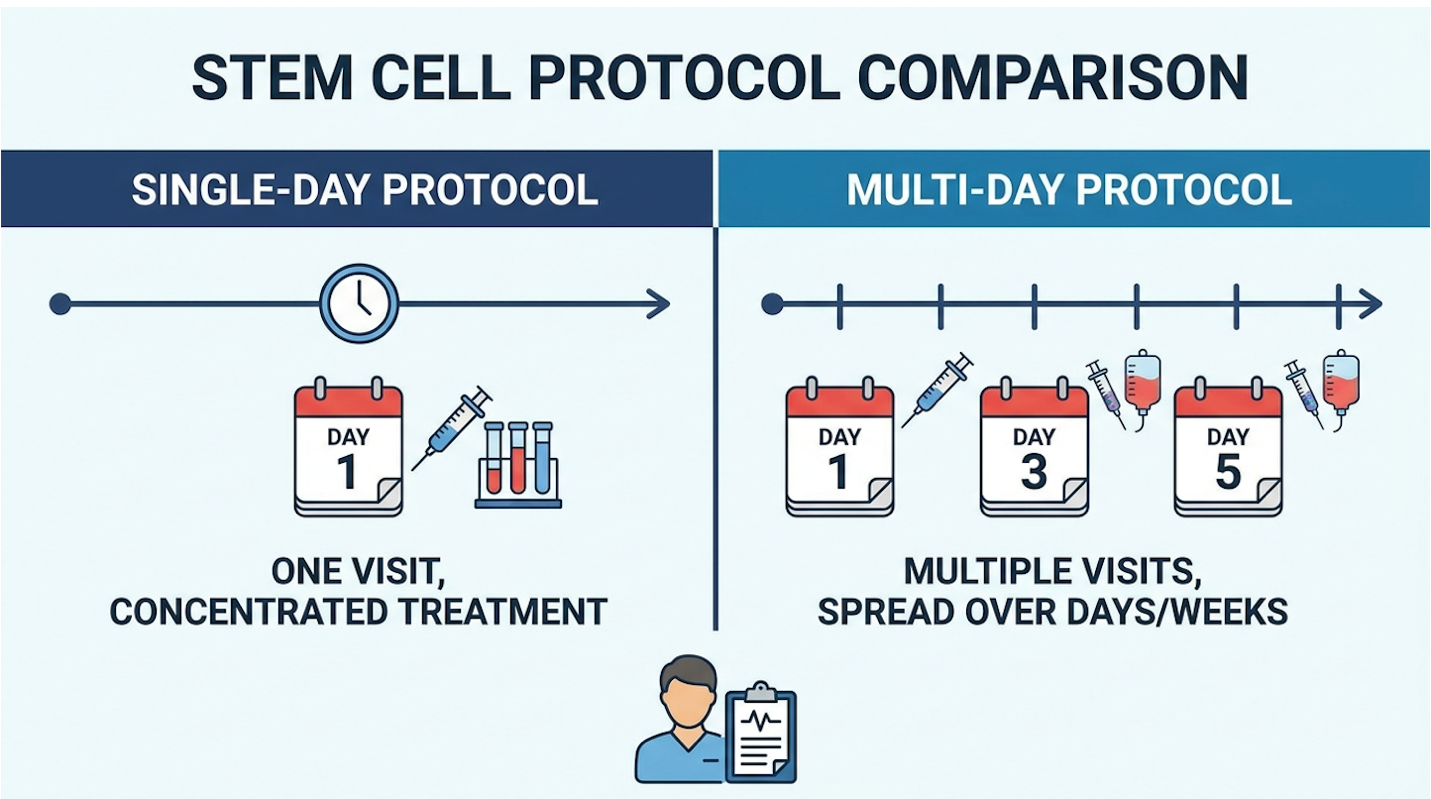
Figure 2: Fractionated multi-day dosing utilizes washout periods to clear the pulmonary capillary bed, vastly improving the clinical safety margin.
Managing stem cell therapy side effects in children requires strict adherence to standardized clinical observation protocols. When administered meticulously within the established PIC threshold, high-dose UC-MSCs demonstrate a remarkable overall safety profile. However, introducing foreign biological matter intravenously into a pediatric patient necessitates rigorous, real-time monitoring to differentiate between expected immunological responses and true adverse reactions.
Parents frantically searching for the realities of high dose UC-MSC adverse reactions often encounter conflicting information. They find either terrifying worst-case scenarios or overly sanitized marketing materials claiming zero side effects exist. The actual clinical truth requires understanding the standard biological process of cellular integration.
The single most frequent biological response to a pediatric stem cell infusion is a transient low-grade fever. It is absolutely critical to understand the etiology of this specific fever. This temperature spike is not a bacterial infection. It is not a severe immune rejection, nor is it graft-versus-host disease. It is a mild, highly expected pyrogenic response to the sudden release of biological cytokines as the MSCs begin their paracrine signaling work in the bloodstream.
The infused cells secrete powerful proteins like Interleukin-6 (IL-6) and Tumor Necrosis Factor-alpha (TNF-alpha). These specific cytokines act as pyrogens, temporarily instructing the child’s hypothalamus to reset the body’s basal temperature. A low-grade fever peaking at 38°C (100.4°F) around four to six hours post-infusion is entirely normal. Beyond fever, children frequently experience noticeable fatigue and mild lethargy. The metabolic tax placed on a small body processing millions of highly active biological agents is massive; the body demands deep rest to integrate the payload safely.
What is the actual statistical probability of these specific events? A PubMed Central clinical review found that a transient low-grade fever occurs within 24 hours in approximately 15% of pediatric patients following UC-MSC administration (2017). These mild symptoms the fever, the sudden fatigue, the minor localized inflammation directly at the IV site typically resolve entirely without pharmacological intervention within 12 to 24 hours. Because these expected transient reactions can occasionally mimic the very early onset of more severe complications, evidence-informed clinics mandate a strict, non-negotiable post-infusion observation period to ensure complete patient safety.
Proper pediatric stem cell infusion monitoring remains an intensive, strictly hands-on process. This is emphatically not a casual “treat and leave” procedure where a child receives an IV drip and immediately walks out to a waiting taxi. If a commercial clinic allows a patient to leave 15 minutes after a high-dose infusion, they are operating dangerously outside of accepted medical safety parameters.
The clinical post-infusion observation window is designed specifically to catch rare but highly severe events, such as acute pulmonary distress from cellular clumping or sudden anaphylactic
Standard monitoring and reassessment protocols must strictly include:
This exhaustive monitoring must occur for a mandatory 2 to 4 hour observation window immediately following the completion of the infusion. Our analysis of evidence-informed guidelines, including the Children’s Hospital of Philadelphia, indicates that patients require continuous monitoring for 2 to 4 hours post-infusion to safely clear the risk of anaphylaxis (2024).
Contrast this rigorous standard with substandard clinical environments that lack basic emergency resuscitation equipment (like pediatric crash carts stocked with weight-dosed epinephrine, diphenhydramine, and methylprednisolone) or rush discharges to blindly accommodate high patient volume. Patient safety must remain non-negotiable. While robust monitoring catches immediate issues, ensuring total patient safety ultimately requires recognizing when high-dose, single-day treatments are fundamentally contraindicated.
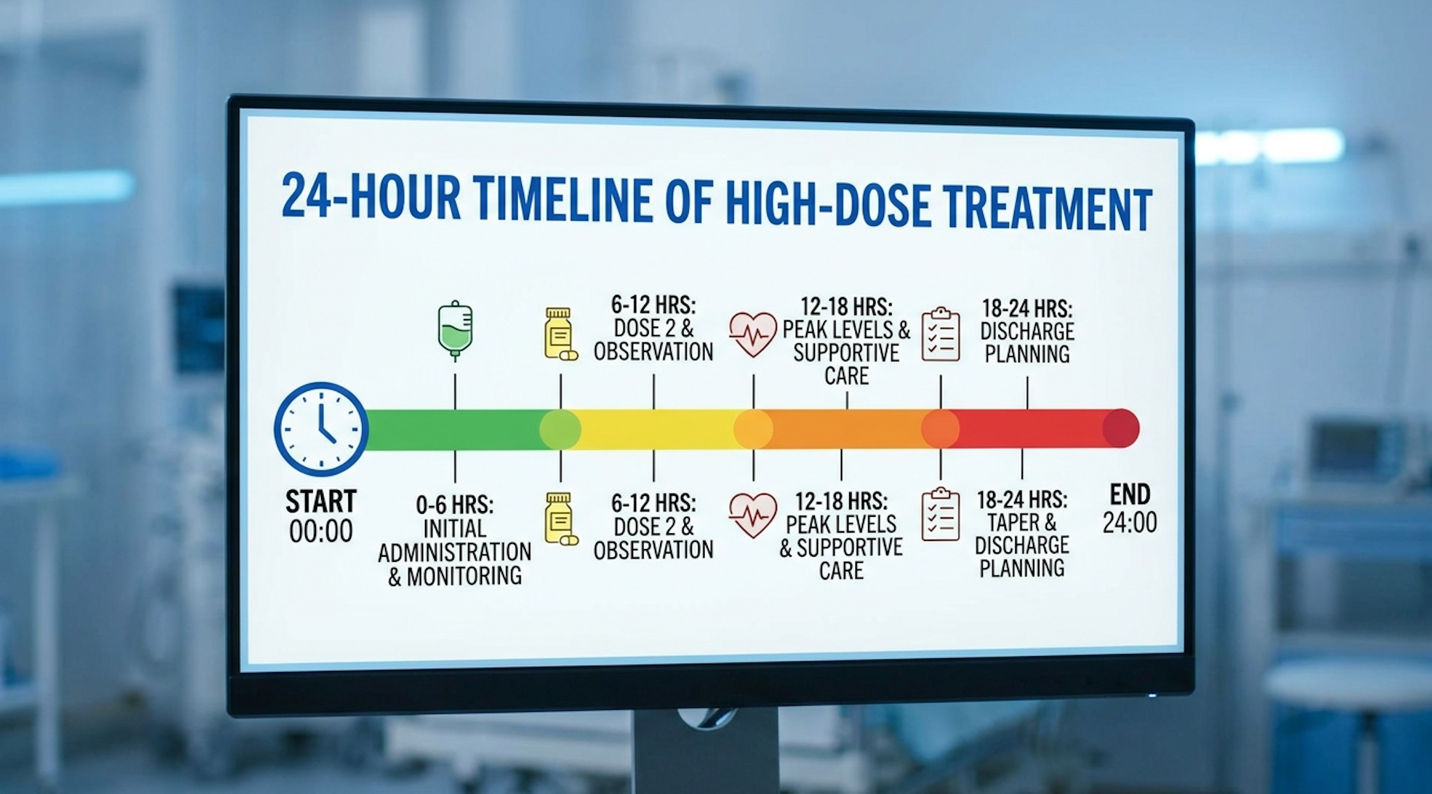
Figure 3: The critical 2 to 4 hour post-infusion window requires continuous SpO2 and hemodynamic monitoring to clear the risk of acute pulmonary distress.
Any clinical operation claiming that single-day, high-dose stem cell therapy works flawlessly for every single child is fundamentally misleading. True clinical authority requires openly acknowledging exactly where standardized protocols fail, where biological risks naturally amplify, and when highly specific alternative approaches become medically required.
The most dangerous systemic pitfall in pediatric stem cell therapy involves calculating cellular dosage based on the child’s chronological age rather than their exact, current physical metabolic weight. A 6-year-old child battling severe cerebral palsy may realistically weigh the same as a neurotypical 3-year-old due to profound muscle atrophy and ongoing feeding difficulties. Dosing
Another frequent systemic failure is accelerating intravenous infusion drip rates strictly to accommodate tight travel schedules. Clinicians face intense, emotional pressure from caregivers who desperately need to catch a departing flight. But pushing the velocity (mL/hr) on the IV pump forcibly overrides the child’s natural vascular capacity, directly inducing dangerous cellular clumping deep within the lungs. Strict IV pump regulation, using automated syringe pumps that cannot be manually bypassed by a hurried nurse, is the absolute only way to prevent this specific mechanical error.
Finally, clinics routinely fall into the dangerous trap of promising complete, miraculous symptom resolution. Medical professionals must set highly realistic expectations, as internal biological improvement does not always translate into immediate, highly visible functional gains. UC-MSCs provide incredible biological support significantly reducing neuroinflammation and stabilizing erratic immune responses but functional outcomes vary wildly based on the underlying severity of the child’s condition.
Single-day, high-dose infusions are strictly and unambiguously contraindicated in several specific pediatric scenarios.
First, for highly fragile children weighing under 15kg, the total therapeutic volume required to tangibly impact systemic inflammation almost always exceeds their tiny single-day PIC threshold. Medical staff simply cannot fit the required cellular math into their small vascular system safely in a 24-hour period. In these specific cases, fractionated (multi-day) dosing morphs from an option into an evidence-informed clinical necessity.
Second, any pediatric patient with pre-existing severe respiratory or pulmonary conditions such as chronic asthma, recurrent pneumonia, or lasting lung damage stemming from premature birth should absolutely never receive high-dose single-day infusions. Their fragile pulmonary capillary beds are already deeply compromised. Trapping 80% of a massive cellular payload in already damaged lungs risks triggering immediate, life-threatening respiratory failure. Recent National
Evaluating a medically complex child for advanced regenerative therapy is absolutely not something caregivers should execute via email with a foreign clinic’s sales representative. This specific intervention requires a rigorously detailed suitability assessment by a highly qualified clinician who deeply understands advanced pediatric pharmacokinetics. Before committing to intensive offshore treatments, caregivers must seek independent, objective second opinions from their child’s primary neurologist or established pediatrician. They can provide utterly invaluable, objective insight into your child’s baseline respiratory and cardiac ability to safely handle massive intravenous fluid loads.
UC-MSC stem cell therapy is generally safe for pediatric patients when administered under strict clinical protocols and weight-based dosage limits. These specialized cells possess low immunogenicity, meaning they rarely trigger severe host rejection or graft-versus-host disease. Clinical data indicates the most common adverse reaction is a mild, expected biological response. However, rapid intravenous infusions of large cellular volumes carry mechanical risks like pulmonary trapping. A comprehensive suitability assessment by a qualified physician is strictly mandatory before moving forward with any treatment.
| 📌 If you’re interested in the broader safety picture before booking treatment abroad, we have an interesting article that discusses whether stem cell therapy is safe in Thailand, which you can read via the internal link. |
Pediatric stem cell dosage is strictly calculated based on the child’s total body weight in kilograms. Clinicians establish a maximum cellular threshold, typically capping single-day intravenous administrations at 2 to 3 million cells per kilogram. For example, a 20-kilogram child would receive a maximum safe dosage of 40 to 60 million cells in one infusion. Exceeding this
The maximum safe intravenous dose is strictly limited to 2 to 3 million cells per kilogram of body weight in a single administration. This absolute boundary prevents the delicate pulmonary capillary bed from becoming overwhelmed by large cellular volumes. Pushing doses aggressively beyond this specific metric rapidly escalates the risk of pulmonary embolisms and sudden oxygen desaturation. While some advanced protocols may target higher total therapeutic volumes, this is only biologically permissible if the dosage is heavily fractionated and spaced over multiple days. Individual patient tolerances always dictate the final clinical math.
Children can receive high doses of stem cells in a single day only if the total volume remains strictly below their weight-based physiological threshold. If a therapeutic protocol requires 100 million cells for a highly fragile or small child, administering it in one day becomes medically unsafe due to pulmonary trapping. In such scenarios, the dosage must be fractionated and carefully delivered over several consecutive days. Prioritizing logistical travel convenience over strict biological limits severely compromises patient safety.
The most common side effect of pediatric stem cell therapy is a transient low-grade fever occurring within 24 hours of infusion. Children may also experience mild fatigue, systemic lethargy, or minor localized inflammation directly at the intravenous site. These biological responses typically resolve independently within 12 to 24 hours as the cells initiate active paracrine signaling throughout the body. Severe adverse events, such as acute anaphylaxis or respiratory distress, remain exceptionally rare when strict weight-based dosing and automated infusion velocities are correctly utilized by clinical staff.
For caregivers evaluating pediatric regenerative medicine, prioritizing stem cell therapy for children safety requires strict adherence to biological limits. Up to 80% of intravenously administered cells can become trapped in the lungs if infusion rates are ignored (National Institutes of Health, 2016). The safest approach combines evidence-informed suitability assessments, strict adherence to cells-per-kilogram math, and mandatory post-infusion monitoring. Families frequently look for a 2 or 3 million cells per kg stem cell therapy regimen, but executing that regimen safely requires flawless clinical observation.
This is exactly why the Pediatric Infusion Capacity (PIC) Threshold matters so deeply to the overall clinical outcome. Respecting this exact mathematical boundary capping single-day doses strictly at 2-3 million cells per kilogram protects vulnerable children from the intense, overwhelming logistical pressures of medical travel. When ethical clinics adhere to the PIC Threshold, they ensure that the profound biological benefits of UC-MSCs are not negated by mechanical overload, keeping the child safe from severe pulmonary and vascular complications.
Your next step is to carefully organize your child’s complete medical history, specifically noting their current exact weight, respiratory baseline, and any previous adverse reactions to intravenous therapies. Before booking international flights or transferring significant funds, you must reach out to your pediatric specialist to discuss your child’s specific medical history. Securing a purely objective, data-driven suitability assessment of your child’s physical capacity is the ultimate safeguard.