Our Services
Others
- DFPP
- Shockwave
- IV Drip

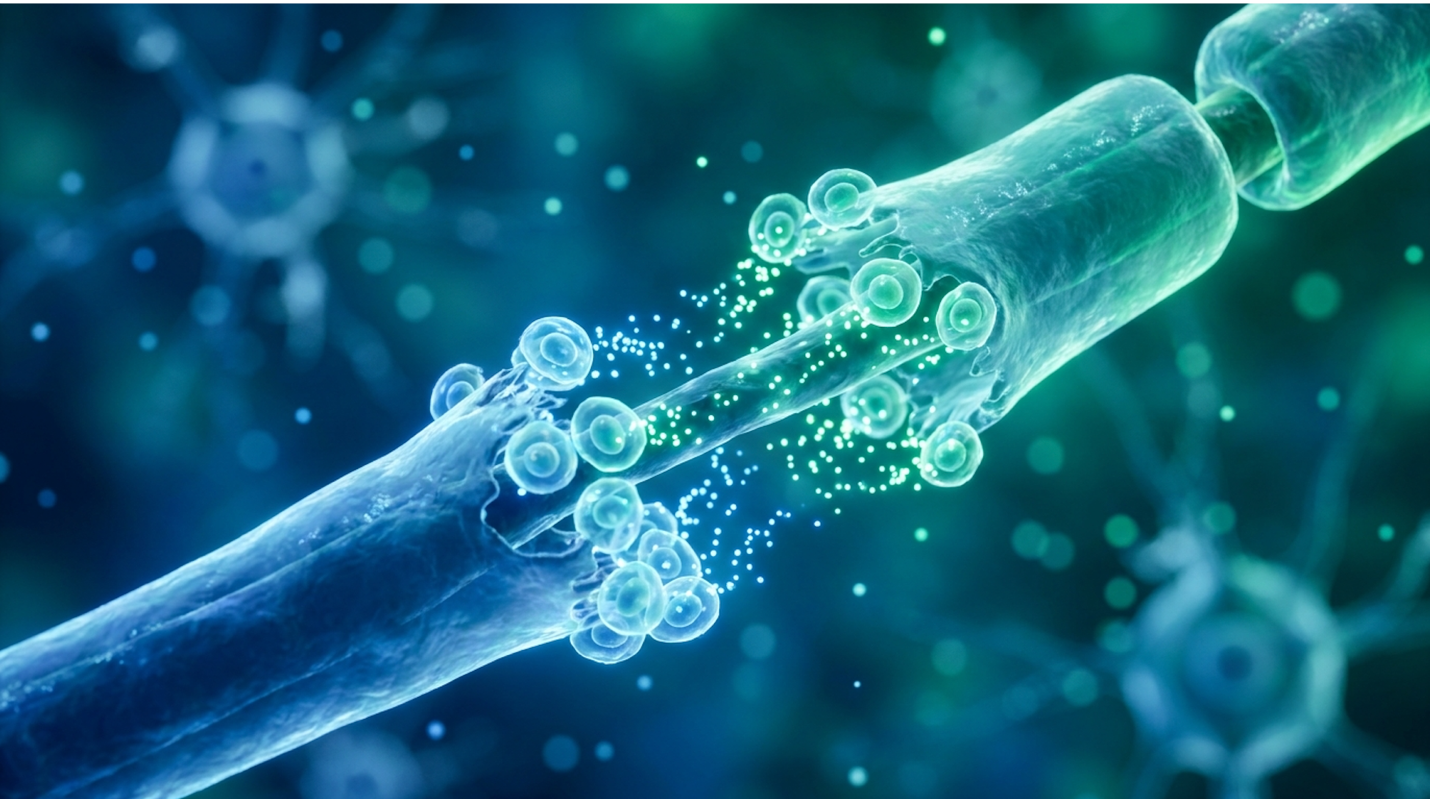
For patients evaluating advanced interventions for peripheral nerve damage, clinical attention has shifted toward treatments addressing the underlying pathology rather than solely masking sensory symptoms. Clinical researchers spend significant time reviewing these clinical trial datasets, and the shift happening in modern neurology is impossible to ignore. The medical community is moving away from purely chemical suppression. The focus is transitioning toward biological structural repair.
Look at the standard pharmacological arsenal. It largely revolves around neuromodulators. Drugs like gabapentin or duloxetine absolutely have their place in acute pain management, particularly for patients suffering from severe allodynia where even the touch of a bedsheet causes agony. But they possess a fatal flaw. They do not halt axonal degeneration. They simply turn down the volume of the pain signal before it reaches the brain. Meanwhile, the peripheral nerves continue to die,
This clinical guide evaluates the current evidence for stem cell therapy for peripheral neuropathy, analyzing biological mechanisms, meta-analysis data, and essential patient safety criteria. This analysis strips away the marketing hype. There is no discussion of “miracle cures” or guaranteed reversals. Instead, the objective cellular action of Umbilical Cord-Derived Mesenchymal Stem Cells (UC-MSCs) will be examined strictly through an evidence-informed lens.
We will look at objective clinical outcomes measured in highly regulated trials. We will break down complementary modalities that actually optimize the cellular microenvironment. And most importantly, we will outline the critical limitations that define whether a patient is actually a suitable candidate for these advanced, investigational interventions.
Investigating stem cell therapy for peripheral neuropathy requires understanding the biological shift from symptom management to active axonal repair.
Understanding stem cell therapy for peripheral neuropathy requires mapping exactly how these cells behave once introduced into a damaged neural microenvironment. Umbilical Cord-Derived Mesenchymal Stem Cells (UC-MSCs), a classification of multipotent stromal cells derived from Wharton’s jelly, do not simply turn into new nerves. Instead, they act as sophisticated biological signaling centers.
| 📌 If you’re curious why cells from umbilical cord tissue are preferred over other sources, we have an interesting article that discusses why umbilical cord-derived UC-MSC stem cells are superior to other stem cell sources, which you can read via the internal link. |
Clinicians evaluate this exact mechanism through The Cellular Re-innervation Framework a biological evaluation model that shifts clinical focus from symptomatic pain masking to active axonal regeneration using mesenchymal stem cells. Umbilical Cord-Derived Mesenchymal Stem Cells function as dynamic signaling hubs rather than direct cellular replacements within damaged neural tissue. When introduced to ischemic peripheral nerves, these cells immediately initiate a robust paracrine response, secreting targeted neurotrophic factors that combat local inflammation. This secretion directly halts Schwann cell apoptosis and stimulates localized angiogenesis.
Advanced regenerative clinics rely on this precise cellular behavior to alter long-term patient trajectories. Pre-clinical models show that MSC transplantation modifies the immune environment rapidly. As a result, surviving nerve fibers are finally freed from the toxic chemical environment that drives continuous degeneration.
Umbilical Cord-Derived Mesenchymal Stem Cells decrease neuroinflammation, allowing surviving nerve fibers to initiate structural repair rather than progressive decay.
Standard neurological care relies heavily on altering neurotransmitter release. When taking a medication like pregabalin or gabapentin, the drug binds to the alpha-2-delta subunit of voltage-gated calcium channels in the central nervous system. This action physically decreases the release of excitatory neurotransmitters like glutamate and substance P across the synaptic cleft. It works brilliantly for numbing the immediate sensation of burning or shooting pain.
But here is the biological reality. It does absolutely nothing for the actual nerve fibers in the feet or hands. The structural degradation continues unabated. The nerve remains starved of oxygen. The myelin sheath continues to erode. The patient is simply unplugging the fire alarm while the house burns down. This is why MSC application is frequently highlighted in medical literature as a breakthrough treatment for neuropathy, as it actively addresses this progressive decay.
Mesenchymal stem cell-based therapy operates on a fundamentally different axis. When UC-MSCs are introduced to an area of ischemic or toxic nerve damage, they initiate a profound
These are not painkillers. They are structural repair signals. NIH findings on UC-MSC axonal regeneration demonstrate that UC-MSCs actively promote axonal regeneration and myelin sheath repair by secreting neurotrophic factors and reducing local neuroinflammation (2022). Under The Cellular Re-innervation Framework, this paracrine signaling represents the difference between merely surviving with neuropathy and actively fighting the underlying neurodegeneration.
The biological timeline also contrasts sharply. A standard neuromodulator has a half-life measured in hours. If a dose is missed, the pain returns immediately. UC-MSC transplantation initiates a cellular signaling cascade that alters the local tissue microenvironment for months. The transplanted cells themselves may eventually be cleared by the host immune system over several weeks, but the structural repair they catalyzed the newly formed micro-vessels and the stabilized myelin remains intact long after the cells are gone.
So, what does stem cell nerve repair actually look like under a microscope? The peripheral nervous system has a unique capacity for regeneration following events like Wallerian degeneration, but this process requires massive cellular energy and highly specific environmental conditions.
The primary target of UC-MSC therapy for nerve damage is the Schwann cell. Schwann cells are the specialized glial cells that wrap around peripheral axons, forming the protective myelin sheath (the biological insulation that allows electrical signals to travel). In chronic neuropathy, these cells undergo apoptosis (programmed cell death) due to sustained metabolic stress. UC-MSC secretions physically halt this apoptosis. Through the activation of the ERK MAPK and PI3K/Akt signaling pathways, mesenchymal secretions stimulate surviving Schwann cells to rapidly dedifferentiate, proliferate, and begin synthesizing new myelin lipids.
But new myelin requires intense oxygen and nutrient delivery. Neuropathic nerves are almost always severely ischemic, meaning they are suffocating from a lack of blood flow. This is where the angiogenic properties of UC-MSCs become critical. The cells secrete Vascular Endothelial Growth Factor (VEGF). This specific molecule binds to VEGFR-2 receptors on local endothelial cells, forcing the surrounding tissue to sprout new capillary networks and restoring vital blood supply to the suffocating nerve fibers.
Methodologically rigorous clinical reviews of histological data from recent in vivo models demonstrate this exact process. The visual difference in capillary density is staggering. Post-engraftment monitoring indicates capillary networks can expand significantly in targeted areas, ensuring the ischemic nerves finally receive the oxygen necessary to survive and rebuild.
Furthermore, UC-MSCs act as profound immunomodulators. Chronic nerve damage creates a highly toxic, inflamed local environment dominated by M1-phenotype macrophages. These immune cells constantly attack the damaged tissue, worsening the inflammatory cycle. UC-MSCs release factors that physically reprogram these local macrophages. They force them to shift from the destructive M1 phenotype to the tissue-repairing M2 phenotype. The immune system stops attacking the nerve and starts cleaning up cellular debris, creating a physical, uninhibited pathway for the axon to regrow.
| 📌 If you’re interested in how UC-MSCs calm the inflammation that damages nerves, we have an interesting article that discusses mesenchymal stem cell therapy for immune modulation, which you can read via the internal link. |
If one wants to understand the real enemy in peripheral neuropathy, look at oxidative stress. Regardless of whether the nerve damage stems from chronic hyperglycemia, chemotherapy toxicity, or an autoimmune attack, the terminal pathway of destruction is usually identical. Reactive Oxygen Species (ROS) overwhelm the nerve cell’s internal antioxidant defenses, attacking the lipid bilayer of the cell membrane.
These free radicals literally tear apart the mitochondrial membranes within the axon. Once the mitochondria fail, the nerve loses its energy source, electrical signaling stops, and the nerve fiber dies back from the extremities. This is why stem cell therapy for diabetic peripheral neuropathy focuses heavily on immediate metabolic rescue. Research confirms oxidative stress actively destroys mitochondrial membranes, leading directly to severe axonal degeneration if unmanaged according to the role of oxidative stress in peripheral nerve damage (2020).
UC-MSCs directly combat this biochemical assault. They don’t just repair damage; they upregulate the nerve’s internal defense mechanisms. Specifically, stem cell secretions promote the SIRT1 pathway. SIRT1 is a protein that acts as a master regulator of cellular survival under severe metabolic stress. By activating SIRT1, UC-MSCs help the damaged neurons clear out excess reactive oxygen species before they cause permanent mitochondrial failure. SIRT1 also stimulates mitochondrial biogenesis, physically creating new energy centers for the exhausted nerve.
They also secrete massive amounts of superoxide dismutase (SOD), a potent natural antioxidant that neutralizes free radicals on contact. But the protection goes further. Chronic oxidative stress invariably leads to tissue fibrosis the formation of dense, non-functional scar tissue around the nerve. By controlling transforming growth factor (TGF-beta) signaling, UC-MSCs actively mitigate this excessive fibrosis. They prevent the surrounding tissue from turning into a rigid scar, ensuring the growing axon has a pliable, nutrient-rich pathway to follow.
Understanding the biology is one step. Translating that biology into measurable human outcomes is another entirely. When patients explore advanced interventions, the conversation almost always hits a wall of skepticism. The internet is littered with bad data and promotional exaggerations.
If stem cell therapy for peripheral neuropathy is to be evaluated objectively, one must look at hard clinical trial metrics. It is necessary to separate the subjective feeling of “feeling better” from the objective, diagnostic measurement of neurological function. Defining exactly what success looks like in an evidence-led clinical setting is the core of The Cellular Re-innervation Framework.
Based on medical consensus regarding regenerative neurology, tracking nerve conduction over time provides the only undeniable proof of structural intervention.
Clinical meta-analyses confirm MSC transplantation yields statistically significant reductions in neuropathic pain, proving structural repair translates directly to measurable functional recovery.
Let’s address the most common question directly: Can Neuropathy Be Reversed? The answer requires strict clinical precision. If “reversal” means returning a severely damaged, 20-year-old
However, if success is defined as reversing peripheral nerve damage functionally meaning a measurable improvement in sensation, restoration of lost motor function, and a significant reduction in hyperalgesia (severe pain sensitivity)—then the clinical data is highly compelling. True clinical measurement relies on objective diagnostic tools, not just subjective patient pain diaries.
Clinicians rely heavily on Nerve Conduction Velocity (NCV) testing. NCV physically measures the speed and amplitude of electrical signals traveling through the peripheral nerves. The distinction here is critical. The velocity (measured in meters per second) indicates the health of the myelin sheath, revealing the severity of demyelination. The amplitude indicates the sheer volume of functioning nerve fibers still alive, revealing the extent of axonal loss. When evaluating stem cell therapy for autoimmune neuropathy or diabetic neuropathy, simultaneous increases in both velocity and amplitude post-treatment act as the gold standard proof that structural repair is occurring.
Clinicians also use Quantitative Sensory Testing (QST) to assess the small nerve fibers (A-delta and C fibers) that NCV often misses. QST maps exactly how much thermal or vibratory stimulus is required before the patient registers the sensation, establishing a strict numerical baseline that eliminates the placebo effect.
To truly understand the success rate of mesenchymal stem cell therapy, it is imperative to examine meta-analyses large-scale statistical reviews that aggregate data across multiple controlled trials. Single-patient anecdotes are entirely useless for establishing clinical truth.
A comprehensive meta-analysis of MSC efficacy for neuropathy of clinical trials confirmed that MSC transplantation results in a statistically significant reduction in neuropathic pain scores and measurable improvements in nerve conduction velocity (2019). Patients consistently want to know the timeline. Does it work overnight? No. Cellular engraftment and the subsequent paracrine signaling require significant time. The newly formed micro-capillaries take weeks to fully mature.
Most monitored trials record the first statistically significant reductions in hyperalgesia and allodynia around the 4-to-8-week mark post-transplantation. By month three, as angiogenesis improves local blood flow and myelin repair solidifies, the improvements in objective sensory tests often peak.
| Clinical Outcome Metric | Standard Baseline (Severe Neuropathy) | Typical 3-Month Post-MSC Trial Observation |
| VAS Pain Score (0-10) | 7.5 – 9.0 | 3.5 – 4.5 |
| Sural Nerve NCV (m/s) | < 35 m/s | > 42 m/s |
| Allodynia Severity | Severe (pain from light touch) | Mild to Resolved |
| Capillary Density (Local) | Poor / Ischemic | Markedly increased vascularization |
Similar structural repair metrics appear when investigating stem cell therapy for peripheral vascular disease, as the underlying mechanisms of angiogenesis heavily overlap. But adverse events must also be examined. Long-term follow-up data across these trials presents a balanced safety profile. The most common adverse events are transient: localized pain at the injection or IV site, and mild, short-lived fatigue as the body processes the cellular infusion.
How does this emerging regenerative data stack up against established institutional care guidelines? There is a massive regulatory and clinical evidence gap between universally accepted treatments and emerging biological therapies.
Looking at the standard neuropathy treatments recommended by Mayo Clinic, current clinical care for peripheral neuropathy primarily focuses on symptom management using anti-seizure medications and pain relievers (Current Guidelines). The institutional guidelines prioritize topical
This remains the standard of care because it is predictable, widely available, incredibly inexpensive for healthcare systems, and heavily backed by decades of pharmacological safety data. But the long-term clinical trajectory of purely palliative care is universally static or downward. The medications do not stop the disease; they simply make the inevitable functional descent more comfortable for the patient, often at the cost of severe cognitive blunting and systemic side effects.
| Care Model | Primary Mechanism | Long-Term Trajectory | Regulatory Status |
| Standard Care (Mayo Clinic Guidelines) | Neurotransmitter alteration; pain signal blocking | Disease progression continues; escalating drug dosages required | FDA Approved; Standard Insurance Coverage |
| Cellular Therapeutics (UC-MSCs) | Paracrine signaling; angiogenesis; myelin repair | Potential stabilization or improvement in nerve function | Investigational / Clinical Trials; Out-of-Pocket |
The choice isn’t necessarily binary for advanced patients. Many utilize standard care to manage immediate distress while concurrently participating in cellular therapy trials to address the root pathology. Understanding this fundamental gap in evidence and regulatory acceptance is vital for anyone making informed medical decisions.
The optimal time to treat peripheral neuropathy biologically is during the early to moderate stages of sensory loss. This is a vital caveat in regenerative medicine. Mesenchymal stem cells rely heavily on existing nerve architecture and local vascular networks to deliver neurotrophic factors and stimulate repair.
In late-stage neuropathy where complete axonal death has transpired and the nerve bundle has heavily fibrosed, cellular therapies demonstrate significantly lower efficacy in restoring motor or sensory function. You cannot repair a nerve pathway that has entirely disintegrated into scar tissue. Early intervention maximizes the preservation of these vital pathways. Thorough baseline diagnostic testing determines the exact clinical window of viability for each individual patient.
Injecting millions of healthy, potent stem cells into a highly toxic, metabolically unstable body is biologically equivalent to planting expensive seeds in poisoned soil. The microenvironment dictates the outcome. Holistic and alternative treatments are rarely sufficient on their own to reverse severe neuropathy, but they are absolute prerequisites for optimizing the cellular environment.
To maximize cellular repair therapies, the surviving nerves must be provided with the raw biochemical materials required to rebuild. Clinicians actively assess a patient’s nutritional baseline before clearing them for cellular therapy, because metabolic deficiencies will unconditionally stall the regenerative process.
Neurotropic B vitamins accelerate myelin sheath regeneration, providing the mandatory cellular energy metabolism required for advanced therapies to rebuild damaged peripheral nerves.
Patients frequently inquire about the specific “yellow vitamin” utilized for neuropathy support. They are referring to high-dose neurotropic B vitamins (specifically B1, B6, and B12) or Alpha-Lipoic Acid, which impart a distinctive yellow tint to urine when metabolized. These are not just over-the-counter afterthoughts; they are biologically essential micronutrients necessary for structural repair.
Let’s look at the biochemical mode of action. Vitamin B12 (specifically the methylcobalamin form) acts as a crucial coenzyme in the methylmalonyl-CoA mutase reaction within the complex methylation cycle. Without getting bogged down in extreme organic chemistry, this specific reaction is mandatory for the synthesis of myelin lipids and the reduction of neurotoxic
Vitamin B1 (thiamine) is equally critical. In advanced clinical protocols, benfotiamine (a fat-soluble derivative of B1) is utilized because it crosses cell membranes up to five times more efficiently than standard water-soluble thiamine. It prevents the accumulation of toxic metabolic byproducts inside the nerve cell by supercharging the pentose phosphate pathway.
Vitamin B6 (pyridoxal 5′-phosphate) is required for the synthesis of critical neurotransmitters like GABA. However, it requires precise clinical dosing. Massive megadoses (exceeding 100mg daily for extended periods) can paradoxically cause sensory ataxia and nerve toxicity.
When clinicians evaluate vitamins for nerve damage, they are looking for synergy. If UC-MSCs are the construction foremen directing the repair of a nerve, B vitamins are the bricks and mortar. The clinical benefits of B vitamins for nerve repair prove that supporting myelin sheath regeneration requires sustaining cellular energy metabolism in damaged peripheral nerves (2021). One cannot expect optimal results from advanced therapies if baseline micronutrient levels remain profoundly deficient.
Conversely, identifying the absolute worst thing for neuropathy is simple: metabolic disruption. A patient can spend tens of thousands of dollars on regenerative medicine, but if their diet is actively destroying their micro-capillaries, the therapy will fail.
The primary biochemical culprits are Advanced Glycation End-products (AGEs). When blood sugar remains chronically elevated, glucose molecules physically bind to proteins and lipids in the bloodstream through the Maillard reaction. This creates AGEs—mutated, sticky molecules that lodge inside the tiny micro-capillaries feeding the peripheral nerves. This causes massive localized oxidative stress and physical blockages. Hyperglycemia induces continuous oxidative stress, actively countering any regenerative therapies by suffocating the exact vessels the stem cells are attempting to rebuild. High-fructose corn syrup, charred meats, and heavily processed foods are dense in AGEs.
Alcohol represents another potent, direct neurotoxin. It actively poisons the axon by accumulating acetaldehyde in the blood, which directly strips the myelin sheath and induces severe oxidative stress. Furthermore, alcohol heavily depletes the exact B vitamins (particularly B1 and B12) necessary for repair. Maintaining a pro-repair biological environment requires strict dietary modifications: establishing a low glycemic index, keeping HbA1c targets tight, maintaining high antioxidant intake, and eliminating neurotoxins entirely.
For patients actively seeking an alternative to gabapentin and duloxetine for nerve pain, non-pharmacological modalities are heavily integrated into pre-stem cell therapy protocols.
Clinical alternatives include transcutaneous electrical nerve stimulation (TENS) units, which actively scramble pain signals at the localized nerve endings without systemic side effects. High-dose systemic Alpha-Lipoic Acid (ALA) is also extensively utilized. ALA functions by physically crossing the blood-brain barrier and recycling intracellular glutathione, effectively neutralizing the free radicals attacking the nerve cells. For patients seeking root-cause treatments rather than symptom management, optimizing these alternatives in tandem with regenerative medicine offers a compounded biological advantage.
It is fascinating to contrast international clinical approaches to this exact protocol. The global medical community recognizes that optimizing the metabolic environment accelerates regenerative outcomes.
Traditional Chinese treatment for neuropathy integrates aggressive herbal metabolic regulation alongside physical stimulation. TCM protocols utilize specific compounds (like Corydalis for pain modulation and Astragalus to stimulate localized vasodilation) to lower systemic inflammation. Acupuncture is frequently applied strictly to force local blood flow into ischemic tissue beds essentially mimicking the angiogenic goals of cellular therapy through physical means.
Meanwhile, a modern Japanese treatment for neuropathy often blends strict metabolic dietary regulation with highly advanced medical interventions. Japan’s regulatory approval of stem cell therapies established early global frameworks for combining clinical cellular therapeutics with
The Cellular Re-innervation Framework demands objective measurement, which means acknowledging exactly where stem cell therapy fails is a clinical prerequisite. This is biology, not magic. Biology possesses strict limitations, and any clinic that claims otherwise is prioritizing revenue over patient safety and clinical reality.
| 📌 If you’re wondering how to choose a stem cell clinic that puts patient safety first, we have an interesting article that discusses whether stem cell therapy is safe in Thailand, which you can read via the internal link. |
In our clinical reviews of the broader regenerative medicine industry, transparency regarding limitations remains the primary indicator of a trustworthy medical provider.
Advanced regenerative clinics require rigorous baseline diagnostic testing, as unstructured cellular therapies without objective medical screening severely increase the risk of adverse events.
When navigating the regenerative medicine space, the red flags are usually massive and glaring. First, if a clinic promises a “guaranteed cure” or a 100% reversal for neuropathy, walk out immediately. Biological variability makes guarantees medically impossible. Second, demand transparent outcome data. If the facility cannot explain their exact cellular counting methodology, their viability testing, or provide blinded trial data, they are not practicing evidence-led medicine.
| 📌 If you’re interested in why cell viability testing matters when choosing a provider, we have an interesting article that discusses the importance of cell viability in UC-MSC stem cell therapy, which you can read via the internal link. |
Third, beware of clinics that fail to conduct rigorous pre-treatment suitability assessments. True clinical efficacy requires rigorous patient screening, as unstructured therapies without objective diagnostics severely increase adverse event risks according to Mayo Clinic guidelines on regenerative medicine (2023). If a clinic is willing to inject a patient before looking at recent nerve conduction velocity tests and comprehensive metabolic blood panels, they are running a commercial mill, not a medical facility. The reality of cellular therapy is that outcomes cannot be guaranteed because the metabolic environment of every patient is profoundly different.
There are highly specific scenarios where standard palliative care is unequivocally the safer, more appropriate choice. If a patient is seeking an alternative to gabapentin and duloxetine for nerve pain, but possesses an active systemic infection or an advanced, unmanaged malignancy, cellular therapy is strictly contraindicated.
The National Institutes of Health explicitly contraindicates cellular growth factor therapies in patients with active neoplasms (2020). UC-MSCs secrete powerful angiogenic factors; they do not distinguish between regenerating a damaged nerve and feeding a tumor. Introducing potent growth factors into a body fighting active cancer is a massive, unjustifiable medical error.
Furthermore, if a patient presents with severe, uncontrolled hyperglycemia (an HbA1c consistently over 9.0%), standard interventions are preferable until the metabolism is stabilized. Regenerative medicine requires a stable metabolic environment to function safely. Pumping delicate UC-MSCs into a highly toxic, glucose-saturated bloodstream will simply result in the rapid death of the transplanted cells within days of engraftment, rendering the expensive therapy entirely useless.
So, what should be done when neuropathy medication doesn’t work? Patients do not self-prescribe stem cells. The mandatory next step is seeking a comprehensive clinical evaluation from a qualified, board-certified regenerative medicine specialist or neurologist.
Patient selection is a rigorous science. A legitimate specialist requires a complete review of medical records and current pharmacological history. They will demand baseline nerve conduction velocity tests and comprehensive metabolic blood panels to prove that viable nerve architecture actually remains left to repair. Most importantly, they will force the patient to define clear, realistic functional goals before any intervention is considered. If the patient’s goal is a 100% pain-free existence overnight, a responsible clinician will accurately determine that they are not a suitable candidate for cellular therapy.
The most successful treatment for peripheral neuropathy depends entirely on the underlying etiology, with standard care prioritizing symptomatic relief via neuromodulators like gabapentin. However, for targeting root-cause axonal damage, evidence-informed regenerative approaches utilize UC-MSCs to promote cellular repair. Clinical trials indicate that addressing local neuroinflammation yields the most measurable improvements in nerve conduction. For instance, metabolic management combined with regenerative medicine demonstrates significant potential in controlled settings. Efficacy remains highly individualized, requiring rigorous medical evaluation to determine the optimal approach.
Individuals with active malignancies, severe uncontrolled diabetes, or systemic infections are generally not good candidates for stem cell therapy. The biological efficacy of mesenchymal stem cells relies on a stable metabolic environment to facilitate cellular signaling and axon repair. High levels of ongoing oxidative stress actively neutralize neurotrophic repair mechanisms. Comprehensive pre-treatment medical screening is mandatory for patient safety.
Stem cell treatment for neuropathy typically costs between $5,000 and $25,000, depending heavily on the clinic, cell source, and required cellular dosage. Costs fluctuate based on whether the procedure utilizes autologous cells, expanded umbilical cord mesenchymal stem cells, or specialized exosome therapies. Because this remains an investigational application, standard health insurance rarely covers the procedure. Geographic location, such as seeking treatment in recognized international medical hubs, also significantly impacts the final financial investment. Patients should demand transparent, itemized pricing prior to consultation.
| 📌 If you’re interested in a detailed breakdown of treatment pricing, we have an interesting article that discusses stem cell therapy costs in Thailand for 2025, which you can read via the internal link. |
When neuropathy medication fails to provide relief, patients should request a comprehensive re-evaluation of their underlying nerve pathology from a qualified neurologist. Refractory neuropathic pain often indicates ongoing axonal degeneration that standard pain modulators cannot arrest. Advanced clinical options may include spinal cord stimulation, targeted metabolic interventions, or investigational biological therapies like UC-MSC transplantation.
Yes, alternatives to gabapentin and duloxetine encompass both non-pharmacological modalities and advanced biological interventions. Clinical alternatives include topical analgesics, transcutaneous electrical nerve stimulation (TENS), and high-dose neurotropic B-vitamin therapy to support metabolic nerve health. For patients seeking root-cause treatments rather than symptom management, clinical trials are evaluating the efficacy of mesenchymal stem cell therapies in reducing hyperalgesia. The suitability of any alternative depends strictly on the patient’s diagnosis and overall metabolic stability. Always discuss medication transitions directly with a physician.
Thorough baseline diagnostic testing determines the exact clinical window of viability. Clinicians use Nerve Conduction Velocity (NCV) testing to measure both the velocity and amplitude of existing electrical signals. If complete axonal death has transpired and the nerve pathway has fully fibrosed, cellular therapies demonstrate significantly lower efficacy. This is why undergoing objective medical screening before attempting regenerative treatments is absolutely critical for managing expectations.
For patients evaluating peripheral nerve repair, evidence-informed UC-MSC therapy addresses biological root causes rather than merely masking superficial symptoms. Meta-analyses confirm significant reductions in neuropathic pain scores and improvements in nerve conduction when applied to appropriate candidates. The most rigorous approach requires objective evaluation of these cellular interventions, leaning entirely on peer-reviewed data rather than clinic marketing.
This is exactly why The Cellular Re-innervation Framework is critical in modern neurology. Shifting the clinical focus from pure symptom management to active cellular repair fundamentally changes long-term functional outcomes. It moves the protocol past just surviving the pain, focusing instead on the biochemical pathways required to actively rebuild the myelin sheath and restore local microvascular blood flow to the ischemic nerves.
If exploring these advanced options, the next step is strictly administrative. Compile a complete medical history, gather the most recent nerve conduction velocity tests, and organize all current pharmacological records. Take this exact data set to a qualified regenerative medicine specialist for a blind review. Determining eligibility for stem cell therapy requires a rigorous, individualized clinical assessment to prioritize safety and ensure the underlying metabolic environment can actually support cellular repair.