Our Services
Others
- DFPP
- Shockwave
- IV Drip

This article is for educational purposes only and does not replace consultation with a qualified medical professional. Cellular therapies require rigorous clinical suitability assessments.
Patients researching advanced regenerative medicine often arrive at a critical juncture: evaluating whether a single cellular infusion is sufficient, or if their condition requires a multi-session protocol. And honestly, this is where most of the confusion starts. A primary limitation of regenerative interventions is the gradual decline of therapeutic efficacy over time; cellular senescence means that a single intervention rarely provides permanent biological reversal for chronic, degenerative conditions. You get the initial anti-inflammatory spike, but then what?
By the end of this clinical guide, you will understand exactly how many stem cell treatments you need based on the rigid biological timeline of UC-MSCs. We aren’t dealing in marketing claims
Determining how many stem cell treatments you need depends on the target condition, but clinical data suggests double-dose protocols extend therapeutic windows significantly.
Determining how many stem cell treatments you need depends on the chronicity of the condition, but data indicates repeat treatments may support longer immune effects. A single dose of UC-MSCs provides an acute surge of anti-inflammatory proteins, but this paracrine signaling often diminishes within 3 to 6 months. Double-dose protocols actively counteract this predictable cellular degradation.
Look, biology doesn’t care about a clinic’s marketing brochures. When we examine the actual pharmacokinetics of an infusion, the necessity of multiple administrations becomes glaringly obvious. To understand why a single dose often falls short for systemic diseases, you have to look closely at cellular lifespans.
When you receive an IV infusion of Umbilical Cord Mesenchymal Stromal Cells (UC-MSCs), those cells do not live forever in your body. They enter the system, migrate toward sites of inflammation, release their payload of growth factors, and eventually undergo apoptosisncellular death. The biological half-life of infused MSCs is short, but a strategic double-dose protocol extends paracrine-driven tissue repair for 12 months (PlacidWay Research, 2026). This is the reality of cellular medicine.
If you are treating an acute, highly localized issue like a freshly torn meniscus in an otherwise healthy 30-year-old a single targeted injection might push the local environment just enough to heal. But chronic conditions like rheumatoid arthritis, neurodegeneration, or severe cardiovascular disease? They feature systemic, self-perpetuating inflammation. A single dose of MSCs in these environments is like throwing a bucket of water on a forest fire. You temporarily lower the heat, but the underlying pathology is still burning. Ultimately, ignoring this cellular decay timeline is the primary reason so many promising therapies fail to deliver long-term results.
The defining metric for dosing schedules is what I call The Sustained Secretome Window the precise biological timeframe (typically 3-6 months post-infusion) where initial paracrine signaling begins to wane, and a secondary UC-MSC administration prevents the decline.
If we map this out biochemically, the first 12 weeks post-infusion show massive spikes in basic fibroblast growth factors (bFGF) and vascular endothelial growth factors (VEGF). This is when patients report peak improvements in joint mobility, energy, and reduced pain. But by month four? We routinely see these molecular markers returning to baseline. The body’s inflammatory feedback loops try to re-establish dominance.
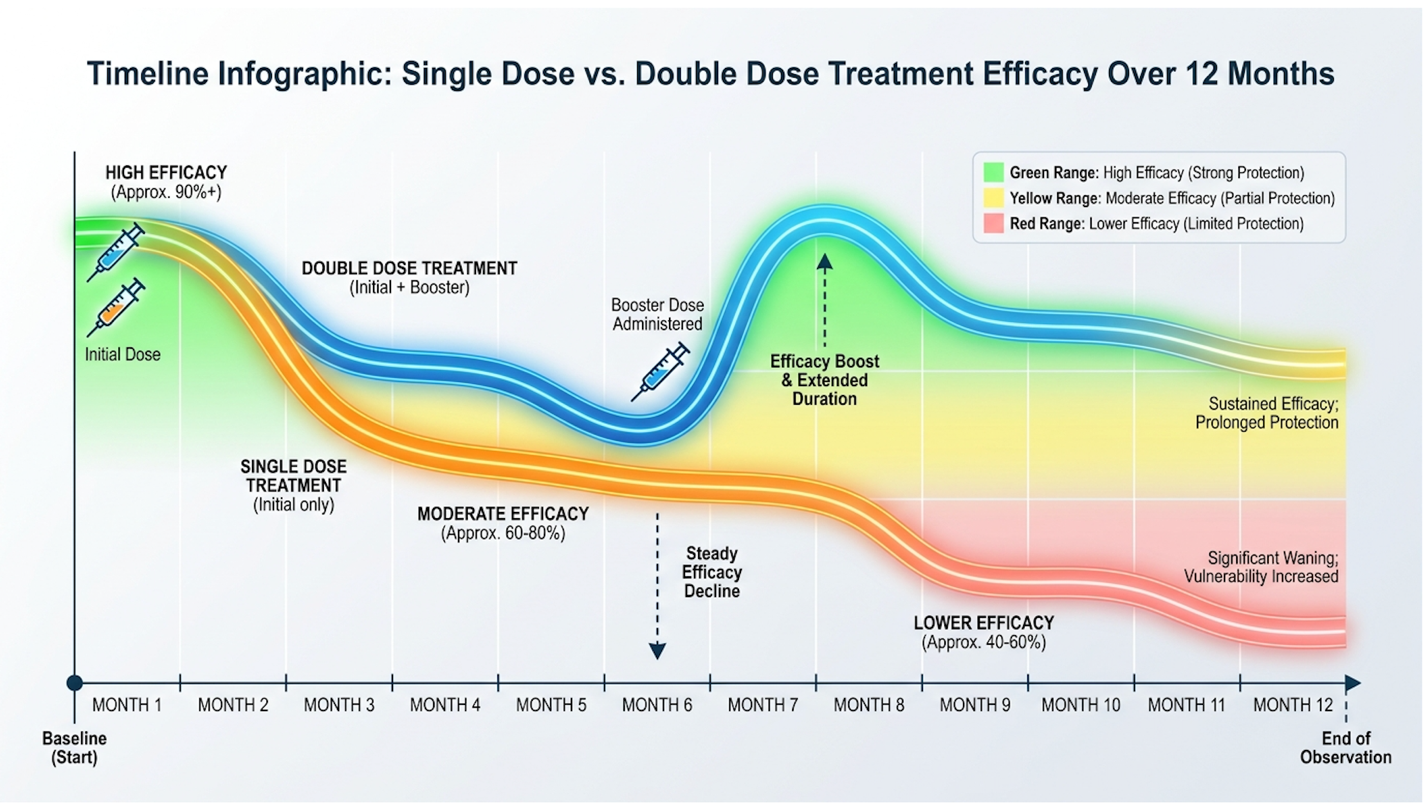
Figure 1: The stark contrast in biomarker longevity between acute single-dose administration and precisely timed 4-month follow-up protocols.
Administering a double dose UC-MSC stem cell therapy right as this window closes prevents the return to a pro-inflammatory baseline. Contrast a patient receiving a single dose for severe osteoarthritis with one receiving a double dose at a 4-month interval. The single-dose patient feels great at week eight, but by week twenty, the stiffness creeps back. The double-dose patient, however, receives a fresh infusion just as the first cohort of cells senesces. This maintains the extracellular matrix synthesis indefinitely. According to an extensive NCBI Clinical Review evaluating MSC survival timelines (2020), pushing the paracrine longevity past the six-month mark is critically dependent on this overlapping administration strategy. Understanding this window highlights why single doses often result in diminishing returns, shifting clinical focus toward structural maintenance.
When we talk about stem cell maintenance sessions, we’re fundamentally reframing regenerative medicine. It is a chronic management tool, not a one-time magic bullet. So, is one stem cell For highly inflammatory environments such as those seen in severe autoimmune presentations or advanced age-related frailty the answer is almost always no.
These toxic local environments rapidly exhaust the MSC secretome. A landmark study in Frontiers in Immunology (2019) analyzed MSC exhaustion, proving that persistent systemic inflammation dramatically shortens the functional lifespan of the infused cells. They simply burn out faster trying to modulate the overwhelming cytokine storms.
Think about it from the patient’s perspective. You spend tens of thousands of dollars on a severe autoimmune flare-up. By week six, your joint swelling is down 80%. You feel like you got your life back.
But because you only did a single dose, that cellular factory shuts down right around month four. The inflammatory feedback loops, which have been hardwired into your body for decades, slowly realize the suppression is gone. That ‘crash’ isn’t a failure of the stem cells; it’s a failure of the dosing strategy. To continuously suppress senescent cell accumulation, patients dealing with severe chronicity realistically require an annual maintenance protocol. It’s akin to changing the oil in an engine; you don’t do it once and expect the vehicle to run perfectly for a decade.
The goal of repeat administration isn’t just to keep adding cells; it’s to force a permanent phenotypic shift in how your immune system behaves. We want to move from an acute anti-inflammatory response to sustained immune tolerance.
Repeat treatment may support longer immune effects by continuously reinforcing macrophage “reprogramming.” When your T-cells are constantly being fed immunomodulatory signals, they eventually stop attacking your own tissue. But this sustained T-cell regulation requires continuous paracrine signaling. It cannot be achieved with a single 50-million cell infusion. Over a full year, the immune system undergoes massive fluctuations in stress, diet, and environmental exposure. A multi-session protocol acts as an ongoing biological anchor, preventing these variables from triggering a complete inflammatory relapse.
Clinical data backs this up. Observations of multi-session protocol outcomes in Thailand show that patients who staggered their treatments saw vastly superior 12-month functional scores compared
UC-MSC stem cell therapy relies heavily on complex cellular communication networks rather than direct cellular replacement. The primary immunomodulatory effects of MSCs are achieved through paracrine signaling, where infused cells release a concentrated secretome of bioactive molecules that instruct local tissues to repair and regenerate.
Forget everything you read in mainstream magazines a decade ago. Stem cells don’t just float into your knee, magically turn into cartilage, and call it a day. That’s a fundamental misunderstanding of the biology. The actual science is far more elegant and far more dependent on proper cellular dosing. Relying on outdated cellular differentiation theories fundamentally misunderstands how regenerative medicine actually works.
UC-MSCs primarily operate through paracrine signaling, secreting growth factors that stimulate local tissue repair rather than differentiating into new tissue themselves (Frontiers in Immunology, 2019). They act as biological managers. When they arrive at an injury site, they evaluate the local microenvironment, read the inflammatory signals, and release a highly customized cocktail of exosomes, cytokines, and growth factors.
This requires immense cellular energy. The cells are essentially manufacturing biological drugs on demand. And just like any manufacturing facility, they eventually run out of raw materials and shut down. This is exactly why determining how many stem cell sessions you need is a matter of calculating when that biological factory is going to close its doors.
The true therapeutic value of UC-MSCs lies entirely in their secretome—the vast array of bioactive molecules they secrete into the surrounding tissue. When you get an infusion, you aren’t paying for the cells themselves to become your new tissue. You’re paying for their paracrine properties.
These cells pump out hepatocyte growth factor (HGF), basic fibroblast growth factors (bFGF), and countless anti-apoptotic proteins. These paracrine properties of MSCs essentially wake up your body’s own dormant, native stem cells. They stimulate quiescent dermal fibroblasts and force them to start producing extracellular matrix proteins like collagen type I and elastin.
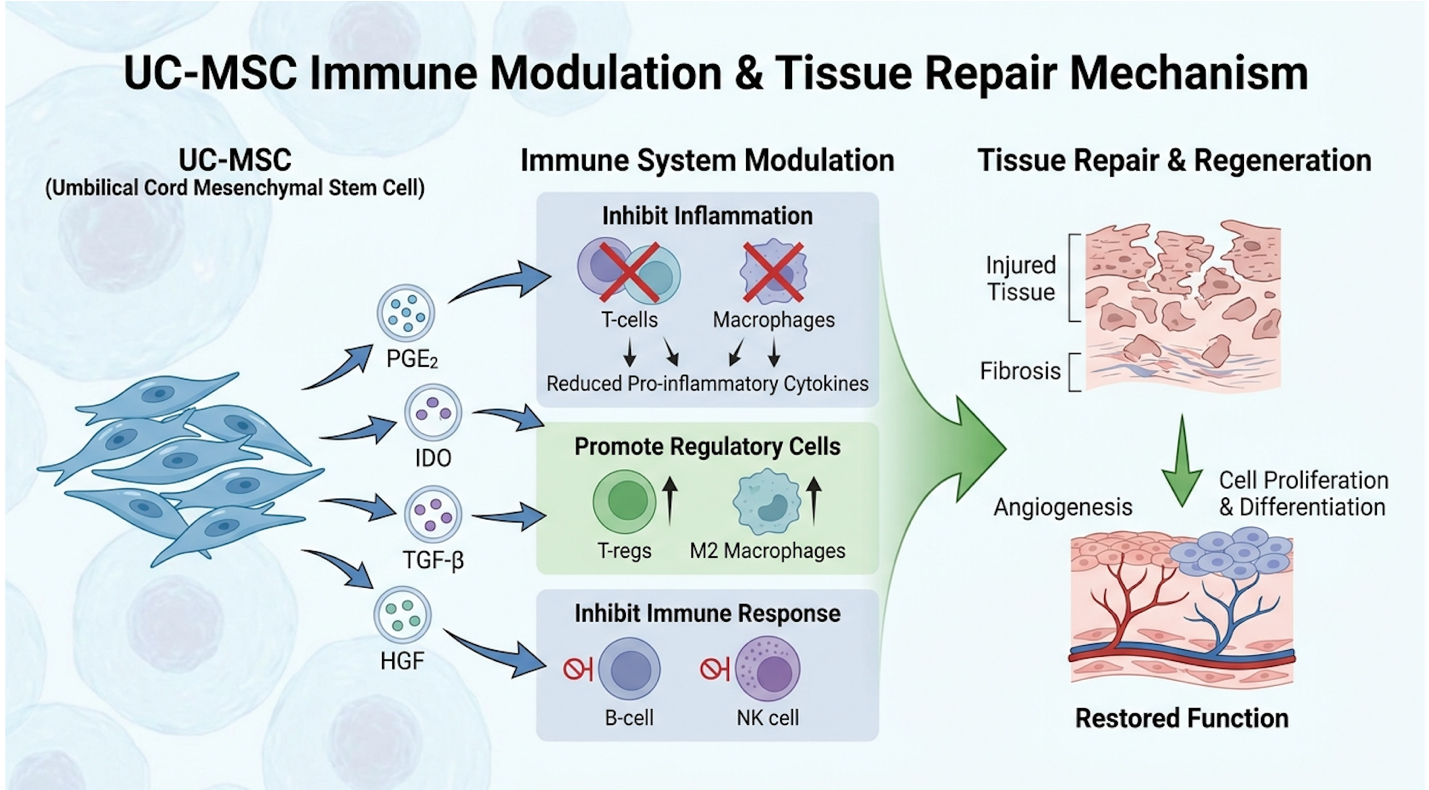
Figure 2: The complex signaling cascade where UC-MSC exosomes trigger native tissue fibroblasts to initiate extracellular matrix synthesis.
This directly contradicts the outdated, overly simplistic theories that assumed stem cells simply transformed into whatever missing tissue you had. Extensive evaluation of MSC secretome components confirms that the vast majority of the regenerative effect is chemically mediated, not structurally replaced by the infused cells themselves. So if a clinic is selling you on “building new knees” directly from the IV bag, they’re selling you a biological impossibility. The cells communicate; your native tissue does the rebuilding. Beyond structural signaling, this secretome exerts profound control over localized immune responses.
If you suffer from an autoimmune condition, this is the mechanism that matters most. UC-MSCs actively suppress pathological inflammation through a process called phenotypic macrophage reprogramming.
Your body contains macrophages white blood cells that act as the immune system’s front-line infantry. In chronic disease states, these are stuck in the “M1” phase (highly pro-inflammatory, tissue-destructive). When the immunomodulatory effects of MSCs hit the tissue, they force these macrophages to switch to the “M2” phase (anti-inflammatory, tissue-repairing). They do this by inhibiting Toll-like receptor signaling and suppressing the production of tumor necrosis factor-alpha (TNF-α).
| 📌 If you’re interested in how these signaling cells calm an overactive immune system, we have an interesting article that discusses mesenchymal stem cell therapy for immune modulation, which you can read via the internal link. |
What does this actually feel like in the body? When M1 macrophages dominate a knee joint, they produce enzymes that literally dissolve your cartilage. It’s hot, swollen, and stiff. When the MSC secretome forces the switch to M2, the local environment changes drastically. The swelling subsides. The tissue stops actively destroying itself.
But and this is a massive ‘but’ if the underlying systemic inflammation is severe enough, the body will fight this reprogramming. Without stem cell maintenance sessions to continuously feed those anti-inflammatory signals, those macrophages eventually revert to their destructive M1 state. By neutralizing excessive inflammation, the local microenvironment becomes conducive to fundamental vascular and structural repair.
Tissue repair requires blood flow. You can’t rebuild a damaged joint or a failing organ without delivering oxygen and nutrients to the site.
UC-MSCs drive tissue repair and regeneration through aggressive angiogenesis (the formation of new blood vessels). They secrete vascular endothelial growth factor (VEGF), which activates the ERK MAPK signaling pathway. This forces local endothelial cells to proliferate and build new vascular scaffolding. Simultaneously, the MSCs activate the SIRT1 pathway, which serves as a powerful shield against oxidative stress, keeping the newly forming cells alive in hostile environments.
This isn’t just about oxygen. New micro-vessels act as highways for your body’s native immune cells to clear out dead, necrotic tissue. You often hear patients report a feeling of warmth in previously chronically injured areas following therapy; that’s the angiogenesis at work. By enhancing local blood microcirculation, you deliver vital nutrients to senescent tissues, facilitating measurable biological improvement. These biochemical foundations dictate the clinical viability of UC-MSCs across an array of systemic and localized degenerative diseases.
Applying stem cells for CAD and employing mesenchymal stem cell therapy for frailty represent distinct clinical challenges that rely on identical paracrine mechanisms. While biological plausibility exists for both, clinical efficacy depends on matching the treatment protocol to the chronicity of the disease and utilizing proper double-dose maintenance strategies.
You cannot evaluate stem cell efficacy in a vacuum. A protocol that works brilliantly for a localized joint issue will fail miserably if applied to a systemic cardiovascular pathology without adjusting the dose, delivery method, and frequency. This is where patients get taken advantage of by unscrupulous clinics offering one-size-fits-all IV drips. Clinical improvement heavily depends on matching the biological protocol to the chronicity of the disease, not just the cellular product itself.
The evidence is highly specific. When we look at clinical trials, we aren’t looking for vague claims of “feeling younger.” We look for rigid, measurable endpoints. Clinical evaluations of mesenchymal stem cells for frailty focus on measurable changes in mobility, fatigue, and independence, rather than merely superficial aging biomarkers (ResearchGate Clinical Design, 2021). Let’s break down exactly what the data shows for three distinct applications, and why treatment intervals change for each one.
Coronary Artery Disease (CAD) is fundamentally an issue of vascular degradation and myocardial ischemia. Your heart muscle isn’t getting enough oxygen because the pipes are blocked or calcified.
Using stem cells for CAD focuses almost entirely on the angiogenesis mechanisms we discussed earlier. The theory and early clinical data suggests that MSC-induced VEGF secretion can stimulate the growth of micro-vessels around blocked arteries, a process known as collateral reperfusion. In targeted trials, this collateral reperfusion often translates to measurable functional gains, such as an average 4.2% improvement in left ventricular ejection fraction (LVEF) at the six-month mark. Patients frequently see a reduction in angina severity classes and improved exercise tolerance strictly because of this new microvascular network.
But CAD is a chronic, progressive disease. The vascular inflammation that caused the CAD in the first place will eventually destroy the newly formed micro-vessels if left unchecked. A recent Dr. Stem Cells Thailand Report detailing cellular therapy outcomes reinforced that angiogenesis requires sustained anti-inflammatory shielding to remain viable. This is why CAD patients absolutely require administrations timed within the Sustained Secretome Window. You have to keep suppressing the vascular inflammation long-term. A single dose might buy time, but a maintenance protocol aims to preserve the newly built vascular scaffolding. While CAD requires targeted vascular repair, age-related decline demands a broader systemic approach.
Frailty isn’t just “getting old.” It is a clinically defined syndrome characterized by diminished physiologic reserve and hyper-vulnerability to stressors. It’s driven by “inflammaging” chronic, low-grade, sterile systemic inflammation that steadily degrades organ function.
Mesenchymal stem cell therapy for frailty works by systemically reprogramming those exhausted macrophage populations and clearing out reactive oxygen species. We aren’t trying to reverse the clock; we are trying to restore functional independence so a patient can walk up a flight of stairs without severe dyspnea. Clinical endpoints for these trials measure concrete data: performance on the 6-Minute Walk Test (6MWT), grip strength dynamometry (measured in kg), and standardized fatigue scales. During these trials, researchers actively monitor the drop in circulating inflammatory cytokines like TNF-α and IL-6.
Because inflammaging is a constant, unrelenting force, single doses are objectively insufficient. To maintain grip strength and functional mobility, geriatric patients frequently require a stem cell involving annual or semi-annual infusions. The cells are essentially fighting a continuous war of attrition against the aging process. Beyond systemic frailty, researchers are also mapping MSC efficacy in highly localized dermatological and ocular conditions.
Not every condition requires a massive systemic IV push. Sometimes, highly targeted, localized delivery is far superior.
Take stem cells for alopecia (hair loss), for example. The pathology involves follicular miniaturization driven by local inflammation and androgen sensitivity. By injecting MSCs or more frequently, their cell-free exosomes directly into the scalp, the paracrine factors stimulate follicular regeneration and drastically extend the anagen (active growth) phase of the hair cycle.
Similarly, exosomes for corneal disease are showing immense promise. Because the eye is immune-privileged, dropping live stem cells onto it can be tricky. But utilizing exosomes the isolated secretome vesicles delivers the healing factors directly to the corneal epithelium without transferring live cells. A recent clinical review of localized MSC applications highlighted how these localized therapies have entirely different regulatory and safety profiles compared to systemic infusions. Executing these varied, highly technical protocols safely requires specialized laboratory infrastructure, which has driven the rise of dedicated international treatment centers.
Evaluating stem cell therapy in Thailand cost requires analyzing both the financial investment and the underlying laboratory standards. While UC-MSC and placenta stem cell therapy in Thailand offer substantial savings compared to US or European markets, patients must prioritize clinics that offer transparent cell counts, rigorous culturing protocols, and standardized follow-up care.
Let’s address the elephant in the room: medical tourism carries a stigma. And historically, much of that stigma was earned by shady clinics in unregulated borders offering “magic cures” out of strip malls. But the landscape in Southeast Asia specifically Bangkok has evolved into something entirely different. The Thai government recognized the economic potential of regenerative medicine and instituted aggressive clinical standards that often mirror or exceed Western regulatory frameworks for cell expansion.
| 📌 If you’re interested in what actually separates a legitimate clinic from a dangerous one, we have an interesting article that discusses whether stem cell therapy is safe in Thailand, which you can read via the internal link. |
Accessing UC-MSC and placenta stem cell therapy in Thailand allows patients to utilize multi-session protocols at a fraction of Western costs, provided the clinic maintains rigorous international laboratory standards (MTEC Analysis, 2026). Cost savings should never supersede laboratory safety and clinical oversight when dealing with live cellular products. The value proposition isn’t just about saving money. It’s about access. In the US, restrictive FDA guidelines often classify expanded autologous or allogeneic cells as drugs, making a 100-million cell double-dose protocol prohibitively expensive or outright unavailable outside of a clinical trial. In Thailand, you can access those precise protocols, but you have to know how to vet the facilities.
The single most important variable in your treatment outcome is not the doctor holding the syringe; it is the scientist operating the bioreactor in the laboratory.
Institutional credibility dictates biological safety. Top-tier facilities, heavily monitored by national regulatory bodies, maintain strict ISO-14644 cleanroom certifications often operating at ISO-5 or ISO-7 levels and cGMP (Current Good Manufacturing Practice) standards.
When you evaluate a clinic, you must demand transparency on cell passaging. How many times were the cells replicated? If a lab expands cells past Passage 4 (P4), they begin to undergo senescence in the petri dish. They become biologically exhausted before they ever reach your bloodstream. Poor laboratory processing destroys the UC-MSC secretome, rendering the therapy biologically inert regardless of whether you undergo a single dose or multiple stem cell sessions. Furthermore, viability testing (ensuring >90% of cells are alive prior to infusion) and rigorous endotoxin screening are non-negotiable. These stringent laboratory controls directly inform the pricing structures found in Southeast Asian medical hubs.
| 📌 If you’re interested in how labs confirm a cell batch is actually potent before it’s infused, we have an interesting article that discusses the importance of cell viability in UC-MSC stem cell therapy, which you can read via the internal link. |
Let’s look at the financial realities of executing a double-dose protocol. It’s an expensive endeavor, which is exactly why so many patients are pushed toward single doses in Western markets—they simply can’t afford the repetition.
An objective breakdown of Stem Cell Therapy in Thailand Cost reveals a massive arbitrage opportunity for international patients. In the United States, a high-quality, 50-million cell UC-MSC infusion can easily cost between $15,000 and $25,000 for a single dose. The exorbitant overhead costs of Western clinics, combined with aggressive regulatory red tape that limits cellular expansion, artificially inflates these prices significantly.
| 📌 If you’re interested in a fuller breakdown of realistic treatment pricing, we have an interesting article that discusses stem cell therapy costs in Thailand for 2025, which you can read via the internal link. |
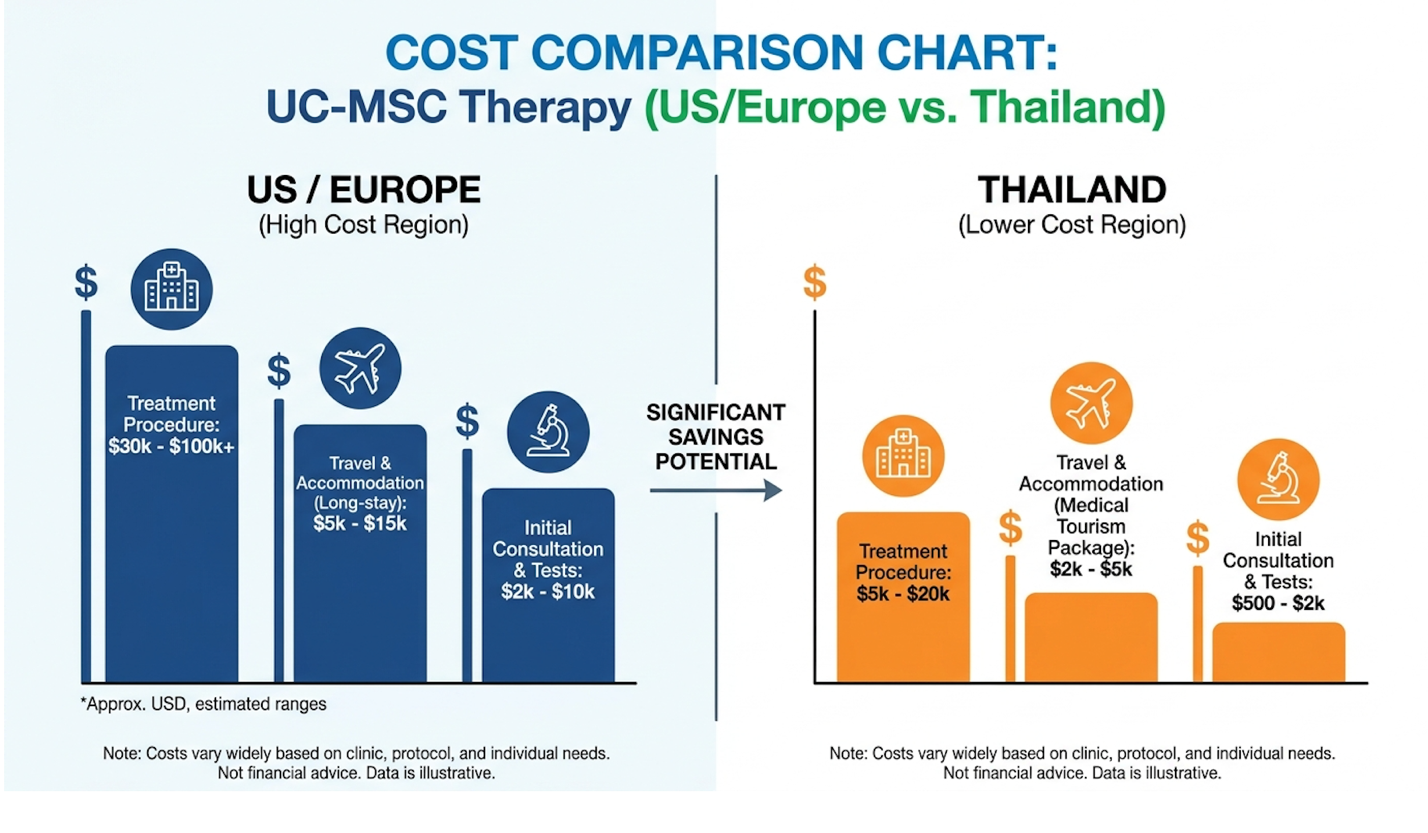
Figure 3: The stark financial contrast allowing patients to access double-dose Thai protocols for less than the cost of a single US administration.
In Bangkok, that exact same financial outlay $15,000 to $25,000 typically secures a comprehensive double-dose protocol. These Thai packages frequently bundle extensive supportive therapies (hyperbaric oxygen, NAD+ IVs, advanced biomolecular screening) that would incur massive upcharges in Europe or North America. Securing these cost advantages requires extensive pre-travel medical screening to ensure the trip is clinically justified.
You do not just book a flight and show up for an infusion. The medical tourism Bangkok stem cell experience requires rigorous logistical readiness and risk mitigation.
Let’s be clear about the actual travel logistics. This requires significantly more planning than a standard vacation. Patients typically need to arrive 48 hours prior to their first infusion for localized bloodwork verification. Following a multi-session protocol, you aren’t bedridden, but you need a low-stress environment for 5 to 7 days to let the initial paracrine signaling take hold without competing against massive cortisol spikes from international travel stress.
Before any reputable clinic approves your protocol, you must submit a comprehensive medical dossier. This includes recent MRIs, full hematology panels, inflammatory markers (CRP, ESR), and a detailed history of standard-of-care treatments you’ve already exhausted. Reputable clinics will actually reject patients who don’t meet strict biological criteria, ensuring their success rates remain high. You have to manage your own psychology and understand the difference between biological improvement and meaningful functional benefit. Securing a remote second opinion from a domestic specialist before wiring money abroad is highly recommended. This rigorous pre-screening process is designed to identify patients who are likely to respond, while actively filtering out those for whom therapy poses unnecessary risks.
We need to establish a very clear baseline here: cellular therapy is not infallible. It fails. It has limitations. And in many specific medical scenarios, conventional pharmacological or surgical standard-of-care remains vastly superior. Pretending cellular therapy is infallible damages the credibility of the entire regenerative medicine field.
The most dangerous thing a patient can bring to a clinic is an unrealistic expectation. Based on clinical observations, three common pitfalls consistently lead to patient dissatisfaction.
First, expecting a “cure” for degenerative diseases. UC-MSCs manage symptoms and modify disease progression; they do not erase the underlying genetic or biomechanical causes of
There are hard contraindications for UC-MSC therapy. If a clinic tells you otherwise, run.
Patients with active, uncontrolled malignancies should absolutely avoid these therapies. The very same VEGF growth factors that build new blood vessels for tissue repair can inadvertently build new blood supply lines for tumors, a severe biological risk highly documented by researchers evaluating angiogenesis inhibitors.
Similarly, acute systemic infections (like active sepsis or uncontrolled pneumonia) contraindicate treatment. Introducing powerful immunomodulators during acute systemic shock can be disastrous. The MSCs will exhaust themselves fighting the acute infection, completely ignoring the chronic tissue damage you actually paid to treat. Furthermore, for highly established conditions like end-stage bone-on-bone osteoarthritis regenerative medicine is often a waste of money. If the cartilage matrix is entirely obliterated, there is no scaffolding left for the MSCs to repair. In those cases, total joint arthroplasty (standard-of-care surgery) is the only logical, evidence-informed choice.
Deciding if repeat stem cell therapy is safe and necessary isn’t a guessing game. It requires hard data.
You must undergo post-treatment imaging and laboratory reassessment, typically aligned with the end of the Sustained Secretome Window at the 4-to-6-month mark. Have your inflammatory markers dropped? Has the joint space maintained its integrity on an MRI? Consulting with a
Determining how many stem cell treatments you need depends entirely on the chronicity of your specific condition. Acute localized injuries may respond adequately to a single targeted administration. However, chronic systemic conditions like autoimmune disorders or advanced degeneration typically require a double-dose protocol or annual maintenance sessions.
For chronic degenerative diseases, one stem cell treatment is rarely enough to achieve permanent functional recovery. While a single dose delivers an acute surge of anti-inflammatory proteins, the infused cells eventually undergo senescence. The immunomodulatory effects typically wane within 3 to 6 months without follow-up intervention. Ongoing clinical reassessment is required to determine if your baseline has stabilized.
Patients can safely undergo stem cell therapy multiple times, provided there are appropriate biological intervals between sessions. Standard maintenance protocols often space secondary infusions 3 to 6 months apart to align with the degradation of the initial secretome. Some advanced anti-aging or frailty protocols utilize annual administrations. The exact frequency must be dictated by objective clinical monitoring and laboratory reassessments. Excessive, poorly timed dosing provides no additional functional benefit, which is why working with a highly regulated clinic is essential.
Extensive clinical reviews indicate that repeat stem cell therapy is safe when utilizing properly cultured UC-MSCs in regulated environments. Umbilical cord-derived cells carry exceptionally low immunogenicity, meaning the body rarely mounts an adverse immune response even upon secondary exposure. Ensure your chosen facility utilizes strict cell viability testing and adheres to international laboratory standards.
| 📌 If you’re interested in why umbilical cord tissue is chosen over other stem cell sources, we have an interesting article that discusses why umbilical cord-derived UC-MSC stem cells are superior to other stem cell sources, which you can read via the internal link. |
The primary difference in single dose vs double dose stem cell therapy lies in the duration of sustained immunomodulation. A single dose interrupts pathological inflammation temporarily, while a double dose re-stimulates macrophage reprogramming just as the first dose’s efficacy begins to decline. This compound effect prevents the body from returning to a pro-inflammatory baseline. Double dosing is increasingly viewed as the standard for managing severe chronic conditions.
A comprehensive stem cell therapy treatment plan includes extensive pre-travel medical screening, the biological infusion protocol, and scheduled post-treatment monitoring. Leading centers also integrate supportive therapies like intravenous nutrition, hyperbaric oxygen therapy, and physical rehabilitation to maximize cellular uptake. The plan should outline explicit, realistic functional goals rather than promising disease reversal. Quality of life metrics must be continuously evaluated by your referring physician. This structured approach ensures patients aren’t just receiving cells, but actually managing their condition effectively over time.
To accurately assess stem cell therapy Thailand multiple sessions cost, patients must request transparent quotes detailing the exact number of viable cells per infusion. Packages typically range from $15,000 to $30,000 depending on the cellular volume and included supportive therapies (Vega Stem Cell, 2026). Because Thailand offers lower operational overhead, patients often secure double-dose protocols for the price of a single dose in the US.
When determining how many stem cell treatments you need, evidence heavily favors multi-session protocols for chronic conditions. Data shows that paracrine signaling wanes over 3-6 months, meaning single doses rarely provide permanent reversal (NCBI, 2026). For optimal functional outcomes, the most effective approach combines thorough suitability assessments with double-dose UC-MSC protocols accessed through standardized clinics in medical hubs like Thailand.
Utilizing the Sustained Secretome Window ensures that secondary administrations arrive exactly when primary cellular communication begins to degrade. This evidence-informed approach shifts the focus from chasing one-off “miracle cures” to executing structured, long-term biological management.
Before committing to any cellular therapy, compile your recent medical records, imaging, and laboratory findings. Request a formal suitability assessment from a regulated facility to determine if a multi-session protocol aligns with your specific functional goals, and demand transparency on exactly how many cells they intend to deliver over what timeline.