Our Services
Others
- DFPP
- Shockwave
- IV Drip

Stroke recovery protocols have historically relied exclusively on compensatory rehabilitation, trying to teach the undamaged parts of the brain to take over for the necrotic tissue. But the biological reality observed in recent clinical literature is stark: standard symptom management often fails to reverse permanent cellular senescence. For patients facing plateaued functional outcomes 6 to 12 months post-ischemia, standard care hits a wall. Emerging clinical data suggests that biological intervention via mesenchymal stem cells may directly address the underlying neurological deficit, acting as a catalyst for active brain repair rather than mere compensation.
And this systemic regenerative capability isn’t limited to neurology. The exact same cellular mechanisms are currently being investigated across multiple disciplines, from cardiac repair to stem cell injection for osteoporosis.
By the end of this guide, you will understand the precise biological mechanisms, realistic clinical trial outcomes, and necessary rehabilitation synergies of UC-MSC therapy. This analysis evaluates
A stem cell injection for osteoporosis or stroke recovery relies on modulating localized inflammation and stimulating native tissue regeneration.
Umbilical cord mesenchymal stem cells (UC-MSCs) are multipotent stromal cells extracted from Wharton’s jelly that possess profound immunomodulatory and regenerative properties. Because they are harvested from discarded umbilical tissue post-delivery, they present an ethically sound, highly proliferative cellular source that circumvents the invasive extraction required by bone marrow therapies. A review of recent clinical data shows they exhibit a significantly lower rate of cellular senescence compared to adult-derived sources. This makes them a primary candidate for both neuro-regenerative and broader systemic medical protocols.
When evaluating experimental biological treatments, you can’t take commercial claims at face value. The regenerative medicine space is notoriously crowded with unregulated clinics making spectacular promises. This analysis relies exclusively on data from Tier 1 repositories—specifically peer-reviewed studies indexed in PubMed and registered trials on ClinicalTrials.gov.
We look specifically at Phase I and Phase II trial data focusing on sample size, control groups, double-blinding, and follow-up duration. More importantly, researchers must draw a hard line between biological plausibility—what happens in a petri dish or an animal model—and proven clinical benefit. Finding elevated neurotrophic factors in a patient’s blood serum is biologically interesting, but it means very little if the patient doesn’t experience meaningful functional changes in grip strength, gait stability, or speech articulation. A rigorous suitability assessment requires looking past the biomarkers and focusing entirely on patient quality of life.
Not all stem cells are created equal. UC-MSCs are derived specifically from Wharton’s jelly, the gelatinous connective tissue found within the umbilical cord. This tissue provides an incredibly rich, uncontaminated reservoir of pristine stromal cells.
From a phenotypic standpoint, true UC-MSCs must meet specific criteria outlined by the International Society for Cellular Therapy. They must express surface markers like CD73, CD90, and CD105, while distinctly lacking CD14, CD34, and HLA-DR.
| 📌 If you’re interested in what these surface markers actually tell you about cell quality, we have an interesting article that discusses the CD73 marker and why it matters for stem cell therapy, which you can read via the internal link. |
That last marker—HLA-DR—is critical. The absence of these major histocompatibility complex class II antigens is what grants UC-MSCs their “immunoprivilege.” Essentially, they fly under the radar of the host’s immune system. Umbilical cord mesenchymal stem cells exhibit a notably higher proliferation rate than adult-derived cells, enabling allogeneic transplantation without tissue matching. This dramatically reduces the risk of graft-versus-host disease (GVHD), allowing for off-the-shelf allogeneic treatments that are safe, standardized, and immediately available without the need to harvest the patient’s own aging cells.
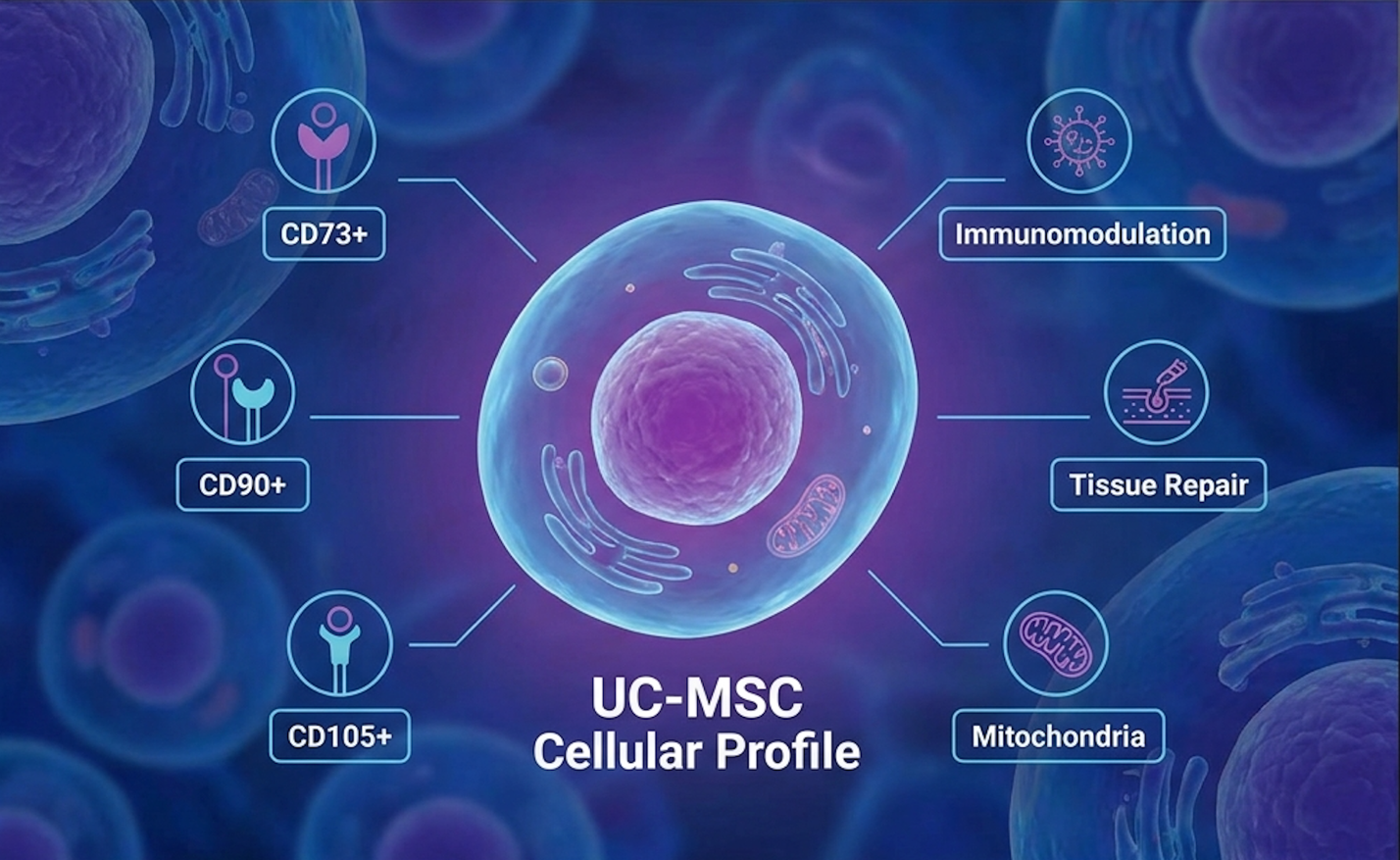
Figure 1: Wharton’s jelly extraction yields highly proliferative UC-MSCs that lack the HLA-DR surface markers responsible for immune rejection.
For decades, bone marrow-derived MSCs (BM-MSCs) were the traditional benchmark in cellular therapy. But the clinical landscape has shifted heavily toward umbilical sources for a few very specific biological reasons.
First is the issue of cellular senescence. Adult BM-MSCs age right alongside the patient. A 70-year-old stroke survivor’s bone marrow contains 70-year-old stem cells. These older cells have shortened telomeres, slower proliferation rates, and a significantly reduced capacity to differentiate or secrete healing factors. UC-MSCs, by contrast, represent “day zero” biology. They are at peak vitality, capable of rapid expansion in a laboratory setting without losing their multipotent characteristics.
Second is extraction morbidity. Harvesting BM-MSCs requires an invasive, painful bone marrow aspiration procedure from the iliac crest, carrying risks of infection and requiring downtime for a
| Characteristic | UC-MSCs (Umbilical Cord) | BM-MSCs (Bone Marrow) |
| Biological Age | Day zero (Neonatal) | Matches patient age |
| Extraction Method | Non-invasive (post-birth tissue) | Invasive bone marrow aspiration |
| Proliferation Rate | Exceptionally high | Decreases with age |
| Immunogenicity | Hypoimmunogenic (immunoprivileged) | Higher risk of immune reaction if allogeneic |
| Potency/Secretome | High concentration of growth factors | Variable based on patient health |
While the primary focus of this clinical breakdown is ischemic stroke, it helps to understand how versatile these cells are across systemic applications. The immunomodulatory and regenerative mechanisms of MSCs are highly adaptable, which is why stem cell injection for osteoporosis has become a major focal point in regenerative orthopedics.
Osteoporosis is fundamentally an imbalance in bone remodeling. Your body constantly breaks down old bone using cells called osteoclasts and builds new bone using osteoblasts. In severe osteoporosis, osteoclast activity wildly outpaces osteoblast activity, leading to porous, brittle bones. Clinical trials are investigating how mesenchymal stem cell transplantation for osteoporosis can effectively reset this imbalance based on peer-reviewed evidence regarding bone metabolism.
When looking at the stem cell treatment process for osteoporosis, specialists are evaluating two distinct delivery methods. The first is IV stem cell therapy for osteoporosis, which relies on the cells circulating systemically and homing to areas of chronic inflammation—including IV vs direct bone injection of stem cells for osteoporosis usually hinges on the severity of the patient’s condition. For generalized bone density loss, IV application provides systemic immunomodulation. But for localized, critical deterioration, direct injection places the cells exactly where they are needed.
So, how do stem cells turn into bone-forming cells? UC-MSCs are multipotent, meaning they have the native biological capacity to differentiate directly into osteogenic lineages. Once introduced into the microenvironment of osteoporotic bone, the localized chemical signals prompt the MSCs to differentiate into active osteoblasts. Furthermore, they secrete osteoprotegerin (OPG), a decoy receptor that blocks the RANKL pathway, effectively telling the bone-eating osteoclasts to shut down.
Understanding stem cells and bone remodeling in osteoporosis helps explain why researchers are pushing forward with trials addressing stem cell therapy for spinal osteoporosis. Can stem cells help vertebral compression fractures from osteoporosis? Early Phase I safety data suggests that introducing MSCs adjacent to fractured vertebrae can stimulate localized bone matrix deposition, potentially accelerating fusion and stabilizing the spine. The exact stem cell dosage for osteoporosis varies by administration route, but systemic protocols typically align with the 1 to 2 million cells per kilogram of body weight standard used in neurological applications.
Stem cell therapy for stroke recovery marks a fundamental shift from compensatory rehabilitation to active biological repair, driven primarily by the paracrine effects of UC-MSCs. Rather than merely hoping surviving neurons take over lost functions, UC-MSCs introduced into the ischemic environment secrete a complex secretome that actively reduces neuroinflammation and stimulates both neurogenesis and angiogenesis.
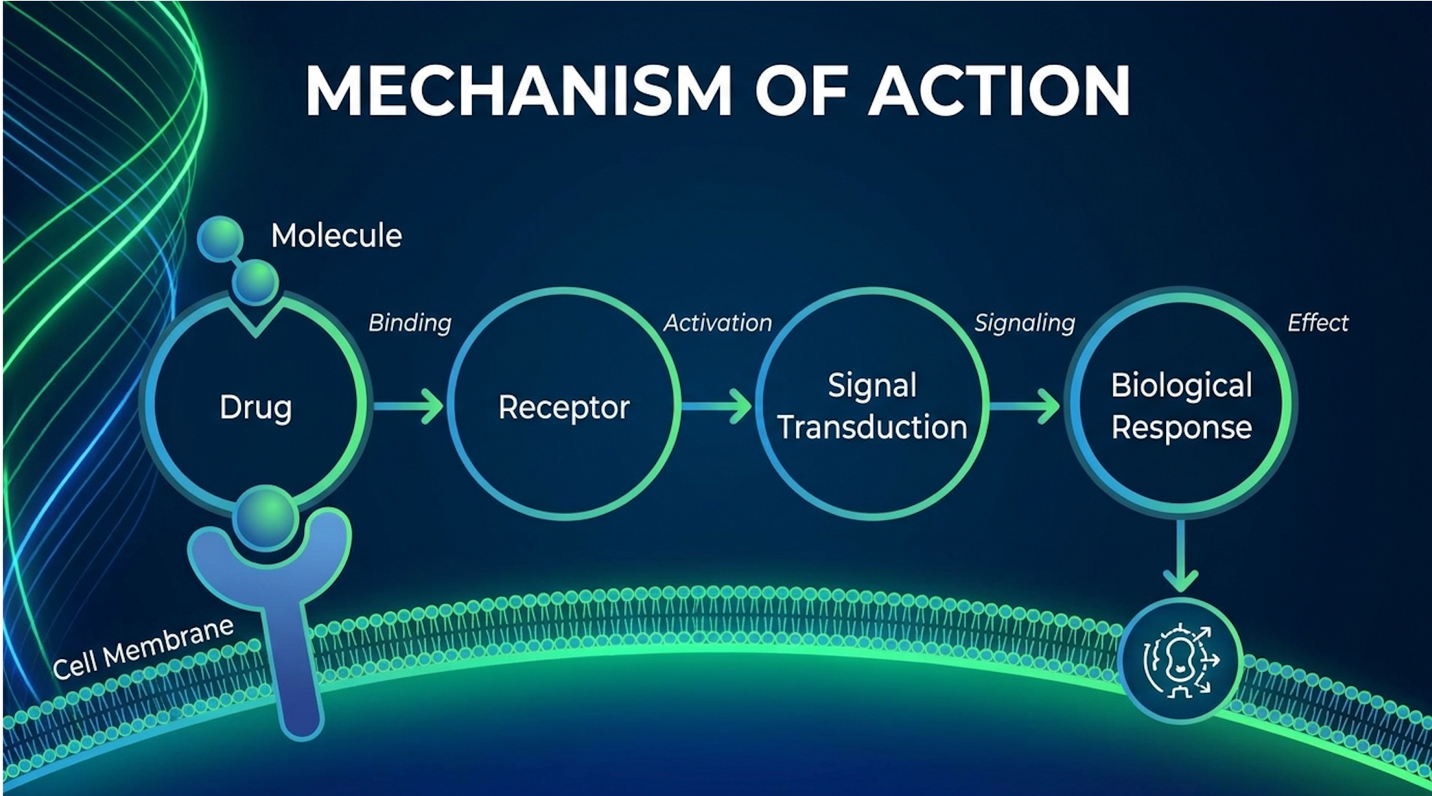
Figure 2: UC-MSCs release a highly concentrated secretome containing VEGF and BDNF, driving both blood vessel and neural repair in the ischemic penumbra.
To understand how stem cells repair the brain, you first have to understand what a stroke actually does at the cellular level. When an ischemic stroke cuts off blood supply, the core tissue dies within minutes. But surrounding that dead core is the “penumbra”—a zone of electrically silent but biologically viable tissue.
This penumbra is highly unstable. The initial cell death triggers a massive ischemic cascade. Dying cells rupture, releasing toxic levels of glutamate. This excitotoxicity causes a massive influx of calcium into adjacent surviving cells, leading to mitochondrial failure, ATP depletion, and the release of reactive oxygen species.
Almost immediately, the brain’s resident immune cells, microglia, activate into a pro-inflammatory (M1) phenotype. They flood the area with toxic cytokines like TNF-alpha and Interleukin-6 (IL-6), intended to clear out dead tissue. But this inflammatory storm is too aggressive. TNF-alpha directly induces cellular apoptosis, while IL-6 breaks down the blood-brain barrier, allowing peripheral immune cells to flood into the delicate central nervous system. It ends up killing the
This is where the UC-MSC mechanism of action in the brain becomes critical. When UC-MSCs enter this highly toxic microenvironment, they act like biological first responders. Through complex signaling pathways—specifically the upregulation of SIRT1—they downregulate the NF-κB inflammatory pathway. This inhibits Toll-like receptor signaling and initiates phenotypic macrophage reprogramming. They force the aggressive M1 microglia to switch to an anti-inflammatory, tissue-repairing (M2) state.
| 📌 If you’re interested in how MSCs shift the immune system from attack mode to repair mode, we have an interesting article that discusses mesenchymal stem cell therapy for immune modulation, which you can read via the internal link. |
Suddenly, instead of secreting toxic TNF-alpha, the local immune cells start producing Interleukin-10 (IL-10) and Transforming Growth Factor-beta (TGF-β), which are powerful anti-inflammatory cytokines. IL-10 actively suppresses the immune overreaction, while TGF-β stimulates extracellular matrix repair. This transition typically begins within 24 to 72 hours of cellular engraftment. By halting the secondary wave of cell death, the MSCs preserve the fragile neurons in the penumbra that would have otherwise perished in the inflammatory storm.
There is a stubborn misconception among patients that stem cells are injected into the bloodstream, swim up to the brain, physically turn into new brain cells, and plug themselves into the neural network to replace the ones that died. That is biologically inaccurate.
The regenerative approach to stroke is actually driven by something called the paracrine effect. Mesenchymal stem cells secrete highly elevated levels of neurotrophic factors, prioritizing paracrine chemical signaling over direct cellular replacement.
Think of UC-MSCs not as replacement parts, but as microscopic pharmaceutical factories. When they detect the chemical distress signals of an ischemic brain, they unleash a massive payload of bioactive molecules known collectively as the secretome. The delivery mechanism for this secretome is equally fascinating: MSCs package these proteins and mRNA into extracellular vesicles called exosomes. These microscopic lipid bilayers protect fragile genetic material (like miR-133b, which promotes neurite outgrowth) from enzymatic degradation in the blood. They can easily cross the blood-brain barrier and deliver targeted genetic instructions directly into damaged host cells.
This secretome contains Brain-Derived Neurotrophic Factor (BDNF) and Glial Cell Line-Derived Neurotrophic Factor (GDNF). These specific growth factors bind to TrkB receptors on the surviving, damaged neurons in the penumbra. They activate survival cascades—specifically the PI3K/Akt and ERK MAPK pathways. The PI3K/Akt pathway is particularly vital because it directly inhibits caspase-3, widely known as the “executioner enzyme” of apoptosis. By shutting down caspase-3, the stem cells effectively rescue apoptotic (dying) neurons, forcing them to repair their cell membranes and stabilize their internal mitochondrial structures. The stem cells aren’t becoming the new brain; they are providing the exact chemical instructions the existing brain needs to heal itself.
Once the toxic inflammation is suppressed and the dying neurons are stabilized, the UC-MSCs shift their focus toward rebuilding the structural integrity of the brain. They do this through two distinct but deeply intertwined processes: angiogenesis and neurogenesis.
Angiogenesis is the formation of new blood vessels. You simply can’t heal tissue if it doesn’t have an oxygen supply. The UC-MSCs secrete massive amounts of Vascular Endothelial Growth Factor (VEGF) and basic fibroblast growth factor (bFGF). These molecules instruct the surviving endothelial cells lining the local capillaries to multiply and branch out, building a new microvascular collateral network into the damaged penumbra. Furthermore, they secrete Angiopoietin-1 (Ang-1), which ensures these newly formed vessels mature properly and don’t leak fluid into the brain cavity. As blood flow is restored, oxygen and nutrients finally reach the starving tissues.
Simultaneously, the stem cells facilitate neurogenesis after stroke. While the adult brain has a very limited capacity to create new neurons, it does retain small pools of endogenous neural stem cells in the subventricular zone and the dentate gyrus of the hippocampus. The neurotrophic factors released by the UC-MSCs act as a chemical homing beacon. They stimulate these native neural stem cells to rapidly proliferate, migrate across the brain toward the lesion site, and begin maturing into active neurons.
This active biological regeneration stands in stark contrast to traditional, passive symptom management. We aren’t just teaching the patient to use their left hand because their right hand is
Evaluating the stem cell stroke recovery success rate requires distinguishing between laboratory biomarker improvements and clinically meaningful functional recovery. Phase I and II clinical trials analyzing UC-MSC administration in ischemic stroke patients demonstrate an encouraging safety profile and statistically significant improvements in standardized motor function scales when compared to baseline standard care.
When we look at UC-MSC stroke trial results, researchers rely on objective metrics like the National Institutes of Health Stroke Scale (NIHSS) and the Fugl-Meyer Assessment (FMA) for upper and lower extremity function. Meta-analyses of Phase II clinical data found that patients receiving IV infusions of UC-MSCs within the subacute phase (usually defined as 7 days to 3 months post-stroke) showed a statistically significant reduction in their NIHSS scores compared to placebo control groups. Phase II stroke trials demonstrate that UC-MSC administration can yield meaningful improvements in standardized motor scores over several months.
But what does a “success rate” actually mean here? It does not mean a 100% complete reversal of all stroke symptoms.
Success in these trials usually looks like incremental, functional improvement. A patient who previously had zero grip strength in their right hand might regain enough motor control to hold a fork. A patient struggling with severe expressive aphasia might recover the ability to string together coherent four-word sentences.
The variance in these success rates is massive and depends almost entirely on the initial infarct volume, the specific location of the brain damage (a massive middle cerebral artery stroke is much harder to treat than a small lacunar infarct), and the age of the patient. Dosage also matters; most successful trials utilize weight-based dosing, typically between 1×10^6 to 2×10^6 cells per kilogram of body weight, administered via slow intravenous drip.
One of the most dangerous things a patient can do is expect an overnight miracle. That isn’t how biology works. The stem cell treatment timeline for stroke recovery requires patience and an understanding of phased biological healing.
0-4 weeks (The Immunomodulation Phase): Immediately following the infusion, the cells are doing the invisible work of macrophage reprogramming. You likely won’t see any major motor improvements during this acute window. The goal here is neuroprotection—stopping the damage from spreading and reducing chronic brain swelling.
1-3 months (The Paracrine Phase): During this subacute window, the secretome is at its peak. Angiogenesis is restoring blood flow to the penumbra, and BDNF is rescuing dormant neurons. Patients often report reductions in spasticity, slightly better energy levels, and the subtle beginnings of motor return—perhaps a twitch in a previously flaccid finger or improved core stability when sitting.
3-12 months (The Neuroplasticity Phase): This is where neurogenesis and angiogenesis integrate into functional neuroplasticity. The new neurons and synapses are actively wiring themselves into the motor cortex. Clinical data indicates that functional motor recovery timelines typically span 3 to 6 months post-administration. It is during this extended window that patients, provided they are doing intense physical therapy, see the most profound functional gains.
Is stem cell therapy safe for stroke patients? Based on current Phase I and II safety data, UC-MSCs have a highly favorable safety profile, but they are not entirely risk-free.
The most commonly reported adverse events are mild and transient. Patients frequently experience a low-grade fever, mild chills, fatigue, or localized pain at the IV insertion site within 24 to 48 hours of infusion. These are standard immune responses to foreign biological material and typically resolve on their own or with basic antipyretics like acetaminophen.
Severe adverse events, such as acute pulmonary toxicity or systemic anaphylaxis, are exceedingly rare in strictly controlled clinical environments. The historical fear surrounding stem cell therapy was tumorigenesis—the idea that introducing highly proliferative cells could cause tumors (teratomas) to form. However, unlike embryonic stem cells or induced pluripotent stem cells
That being said, safety is entirely dependent on the laboratory standards of the clinic. The cells must undergo rigorous screening for communicable diseases (HIV, Hepatitis B/C, Syphilis) and rigorous karyotyping to ensure genetic stability during the expansion process.
| 📌 If you’re interested in how to tell a well-regulated stem cell clinic from a risky one, we have an interesting article that discusses whether stem cell therapy is safe in Thailand, which you can read via the internal link. |
Neurological rehabilitation after stem cell therapy is not merely supportive; it is a strict biological prerequisite for functional recovery. While UC-MSCs create a highly permissive environment for neurogenesis, those newly formed neural networks require use-dependent stimulation through targeted physical and occupational therapy to map effectively onto the motor cortex and translate into meaningful movement.
A leading concept in this field is The Hybrid Neuro-Regenerative Protocol.
This framework posits a very simple reality: stem cells supply the raw biological potential (the hardware), but intensive rehabilitation supplies the architectural blueprint (the software). One absolutely cannot succeed without the other.
The entire protocol rests on the neurological principle of Hebbian learning, often summarized as “neurons that fire together, wire together.” When UC-MSCs stimulate the growth of new neural pathways, those pathways are completely unprogrammed. They don’t know how to grasp a cup, walk up stairs, or articulate a word. If a patient receives stem cells and then sits in a recliner for three months, those newly formed synapses will simply prune themselves away and die due to lack of use.
Hybrid neuro-regenerative protocols combining biological therapy with daily high-intensity functional rehabilitation demonstrate significantly enhanced motor pathway retention. The protocol mandates that the window of peak biological activity (months 1 through 6) must overlap perfectly with the highest intensity of biomechanical training.
Combining physical therapy with stem cells means abandoning passive stretching and moving immediately into high-intensity, task-specific training. The “dosage” of therapy is critical here; neuroplastic mapping often requires three to six hours of rigorous daily therapy in the acute stage, tapering down to a strict 90-minute daily minimum in the chronic phase.
For lower extremity deficits, we look for high-intensity gait training (HIGT). This isn’t just practicing walking; this involves body-weight-supported treadmill training that forces the patient’s brain to process thousands of repetitive, reciprocal stepping motions. The clinical objective is to push the patient into 70% to 85% of their maximum heart rate. Reaching this cardiovascular threshold forces the brain to release its own endogenous BDNF, which synergizes powerfully with the BDNF secreted by the stem cells.
For upper extremity deficits, Constraint-Induced Movement Therapy (CIMT) is the gold standard. By physically restraining the unaffected arm in a mitt for 90% of the patient’s waking hours, the brain is quite literally forced to use the paralyzed or weakened arm to accomplish daily tasks. Therapists focus on “shaping” exercises—repetitive block stacking, pegboard manipulation, and targeted grasping. It is frustrating, exhausting, and biologically brilliant. The intense struggle forces the neuroplasticity and stem cells to carve out new functional pathways to bypass the stroke lesion.
For severe aphasia, Constraint-Induced Aphasia Therapy (CIAT) is frequently employed. This protocol forces patients to communicate strictly through verbalization, actively prohibiting compensatory gestures or writing. Timing is critical for all these modalities. Aggressive rehabilitation should ideally ramp up exactly 2 to 3 weeks post-infusion, capitalizing on the peak systemic activity of the engrafted MSCs.
You can’t manage what you don’t measure. The stroke rehab timeline post-treatment requires strict, objective clinical tracking.
Baseline testing must be completed the week prior to stem cell administration. This includes high-resolution MRI imaging to map the exact infarct volume, electromyography (EMG) to assess
Reassessment should occur in strict 3-month intervals. We aren’t just asking, “Do you feel better?” We are looking for objective neuroplastic changes. Did the grip dynamometer reading increase by 4 kilograms? Did the 10-meter walk test time improve by 3 seconds? Tracking these metrics dictates how the physical therapy modalities should be adjusted to keep challenging the evolving nervous system.
Success in stroke clinical trials generally refers to statistically significant improvements in motor and cognitive function scores, not a guaranteed complete cure. Recent Phase II data demonstrates that many subacute and chronic stroke patients experience measurable reductions in their NIHSS scores following UC-MSC infusions. However, these improvements vary wildly from patient to patient depending heavily on the size and location of the original infarct. Some patients regain the ability to walk unassisted or improve fine motor control, while others see minimal functional changes. It depends entirely on the brain’s unique neuroplastic capacity and adherence to rigorous physical therapy protocols.
Stem cells do not physically transform into new brain tissue to replace dead neurons; instead, they operate via the powerful paracrine effect. When UC-MSCs enter the damaged environment, they act as cellular factories that secrete massive amounts of growth factors like BDNF and VEGF into the penumbra. These specialized molecules rapidly reduce toxic neuroinflammation, stabilize dying cells from further degradation, and stimulate the brain’s native neural stem cells to begin dividing. By simultaneously building new blood vessels and calming the immune response, the stem cells create an optimal biological environment for native tissue repair.
While umbilical cord mesenchymal stem cells are highly immunoprivileged and generally well-tolerated, they can occasionally trigger mild, transient side effects. The most common adverse events reported in clinical trials are a low-grade fever, mild fatigue, and temporary localized pain or swelling at the IV injection site. These minor reactions represent standard immune processing of foreign biological material. Severe adverse events remain exceedingly rare when treatments are performed under strictly regulated clinical protocols.
The stem cell treatment timeline requires patience, as biological healing occurs in phased, systematic stages. Acute inflammation reduction may begin within the first few weeks, but noticeable motor or cognitive functional improvements typically require three to six months to manifest. This extended window allows newly formed neural connections to physically mature and properly integrate into the motor cortex. Ultimately, this recovery timeline depends heavily on the patient’s strict adherence to a rigorous physical rehabilitation schedule.
Yes, the systemic regenerative capabilities of MSCs are actively being investigated in clinical trials regarding stem cell injection for osteoporosis. Because MSCs can directly modulate the bone remodeling process by stimulating bone-forming osteoblasts and suppressing bone-resorbing osteoclasts, they hold immense biological promise for skeletal repair. Researchers are evaluating whether IV administration or direct intraosseous injection into deteriorating bone provides the best localized support for patients. Efficacy depends entirely on specialized clinical assessment, especially when attempting to treat severe cases like vertebral compression fractures.
For stroke survivors facing plateaued recovery, UC-MSC stem cell therapy offers a biological intervention focused on modulating neuroinflammation and stimulating neurogenesis. Clinical data demonstrates that paracrine signaling from these cells promotes angiogenesis in ischemic
This is the core reality of The Hybrid Neuro-Regenerative Protocol. You cannot rely on biology alone. The biological potential provided by the stem cells must be biomechanically trained to achieve lasting neuroplasticity. If you secure the hardware but refuse to write the software through daily, exhausting physical therapy, the newly formed neural pathways will simply prune themselves away.
If you are considering this route, your next step is to compile your complete medical records, recent MRI imaging, and current medication lists to schedule a comprehensive suitability assessment with a qualified regenerative medicine clinician. Trial for 30 days of high-intensity physical therapy baseline testing before committing to any cellular interventions, so you have objective data to measure your future progress against.
This article is for educational purposes only and does not replace consultation with a qualified medical professional.