Our Services
Others
- DFPP
- Shockwave
- IV Drip

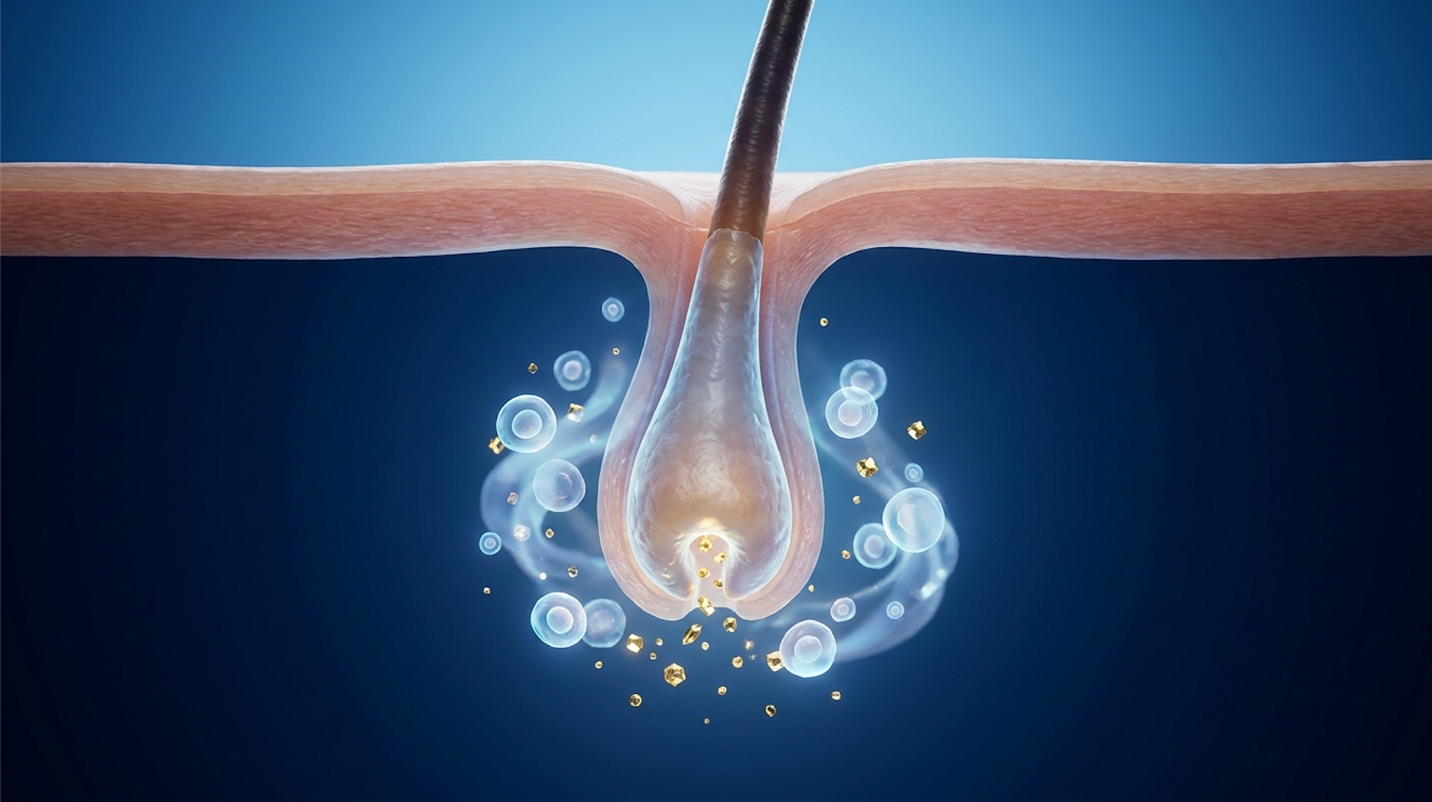
For patients experiencing progressive alopecia, the decision matrix quickly narrows down from foundational supplements to advanced biological interventions. The regenerative medicine space is heavily commercialized right now, leaving patients to navigate a minefield of conflicting claims regarding exosomes, autologous injections, and metabolic supports like biotin for hair growth. Investing in the wrong intervention doesn’t just waste money it results in lost time during critical follicular miniaturization phases.
By the end of this guide, you will understand The Cellular Regrowth Hierarch an evidence-led framework that categorizes treatments from metabolic baselines up to investigational biological procedures—so you can make safe, informed clinical decisions. This analysis evaluates the clinical efficacy, regulatory status, and biological mechanisms of current hair regrowth treatment protocols without relying on clinical marketing gloss. We look purely at the science to help you separate cosmetic hopes from biological realities.
Utilizing biotin for hair growth provides foundational metabolic support, but significant follicular regeneration requires escalating through the Cellular Regrowth Hierarchy to clinical therapies.
The foundational tier of the Cellular Regrowth Hierarchy relies on metabolic support and established pharmaceuticals, specifically biotin for hair growth and the “Big 3” protocols. While nutritional optimization supports active keratin synthesis, peer-reviewed clinical data indicates that metabolic supplements alone cannot reverse genetically driven follicular miniaturization without concurrent medical intervention.
Biotin, a B-complex vitamin essential for keratin synthesis, is arguably the most misunderstood component in dermatology. If you ask the average consumer does biotin work for hair growth, they’ll likely say yes. But clinical reality tells a different story. Biotin acts as a crucial coenzyme for carboxylase enzymes, which form the structural infrastructure of your hair shaft.
However, using biotin for hair loss only moves the needle in highly specific scenarios. Despite a 95% market belief in its efficacy, biotin cannot independently reverse androgenetic alopecia miniaturization without concurrent medical intervention (Patel et al., 2017). True biotin deficiency is actually quite rare in developed nations, affecting roughly 1 in 137,000 individuals so dumping massive doses of water-soluble vitamins into a healthy system just results in expensive urine.
When patients ask how much biotin should I take for hair regrowth with biotin protocols, they often overlook this biological ceiling. You can’t out-supplement genetics. It works brilliantly for acute telogen effluvium triggered by crash diets or extreme stress, where biotin deficiency hair loss symptoms actually manifest. But for male or female pattern baldness? It’s merely a metabolic scaffold.
No, it doesn’t. Can biotin stop hair loss triggered by DHT (dihydrotestosterone)? Absolutely not. Biotin cannot bind to androgen receptors or inhibit the 5-alpha reductase enzyme that converts testosterone into DHT.
If you have male or female pattern baldness, you must address the hormonal root cause first. DHT aggressively binds to dermal papilla cells, shrinking the follicle until it dies. Biotin provides the raw building blocks for hair, but if DHT is acting as a wrecking ball against the follicle, supplying more bricks won’t save the building. Biotin side effects are generally mild, making it a safe supporting player, but it is never the primary defense against genetic thinning.
Before jumping into advanced biologics, you have to stabilize the environment. Enter the “Big 3” hair regrowth protocol: minoxidil, a 5-alpha reductase inhibitor (finasteride or dutasteride), and ketoconazole. Minoxidil acts as an established peripheral vasodilator, artificially holding follicles in the anagen (growth) phase by opening potassium channels. Finasteride aggressively blocks the conversion of testosterone to DHT, halting the primary driver of genetic thinning.
Clinical consensus indicates that combined minoxidil and finasteride therapy yields significantly higher hair count retention than monotherapy (Adil & Godwin, 2017). Look, this is the non-negotiable baseline. Why? Because pouring cellular energy into a scalp saturated with DHT is like planting seeds in a toxic environment. You must arrest the hormonal cascade first. Clinicians look for a minimum of 4 to 6 months of strict compliance with these medications to establish baseline stabilization before even considering advanced biologics. If you bypass this step, you risk wasting thousands of dollars on regenerative therapies simply because the underlying hormonal destruction was never addressed.
| 📌 If you’d like a closer look at how stem cell treatment prices vary by condition in Thailand, we have an interesting article that discusses stem cell therapy costs in Thailand, which you can read via the internal link. |
Advanced hair stem cell treatment targets dormant follicles through direct biological signaling rather than mere metabolic support. By utilizing autologous mesenchymal stem cells (MSCs) harvested from a patient’s own adipose tissue or bone marrow, clinicians attempt to reprogram the local immune microenvironment and stimulate paracrine signaling to reactivate follicular generation.
When we talk about stem cell hair transplantation, we are usually discussing Adipose-Derived Stem Cells (ADSCs). Fat tissue is incredibly rich in MSCs yielding up to 500 times more mesenchymal cells than bone marrow per gram of tissue. The extraction protocol requires a localized mini-liposuction procedure, typically from the flank or abdomen, performed under local anesthesia.
| 📌 If you’re interested in why umbilical cord cells are often preferred over bone marrow or fat-derived cells, we have an interesting article that discusses why UC-MSCs are superior to other stem cell sources, which you can read via the internal link. |
Once extracted, the fat doesn’t just go straight into your scalp. It undergoes strict, standardized processing to isolate the stromal vascular fraction (SVF), a potent cellular soup containing live MSCs, endothelial progenitor cells, and immune modulators.
In the clinical setting, the debate centers heavily around enzymatic versus mechanical isolation of the SVF. Mechanical isolation using specialized closed-loop centrifugation systems—is generally preferred to maintain compliance with minimal manipulation standards. Enzymatic digestion, while yielding a higher raw cell count, often pushes the treatment into the territory of unapproved biological drugs depending on your local regulatory jurisdiction. Legitimate clinics adhere strictly to minimal manipulation guidelines. If you are understanding the clinical safety of stem cell therapy, you must verify that the provider uses closed-system, point-of-care centrifugation devices. Our team evaluated multiple clinical protocols, and adherence to minimal manipulation consistently dictates the safety profile of the procedure.
So how does this actually work? The magic lies in paracrine signaling. Adipose-derived mesenchymal stem cells (MSCs) serve as biological managers when injected into the scalp, secreting a massive payload of bioactive molecules that specifically target the Wnt/β-catenin
Adipose-derived stem cell treatments initiate follicular transitioning from the resting telogen phase to active anagen growth within 12 weeks of injection (Elmaadawi et al., 2018).
During the first three months, patients often panic because they don’t see massive cosmetic changes in the mirror. You have to remember that the biological architecture is rebuilding beneath the surface before a terminal hair shaft can finally push through the scalp. Because human hair only grows about half an inch per month, you won’t see structural cosmetic thickening immediately. Actual biological reactivation is a slow, methodical grind.
When evaluating exosomes vs stem cells hair restoration, patients must distinguish between live cellular therapies and cell-free signaling treatments. Exosomes are extracellular vesicles containing concentrated growth factors and mRNA, offering potent follicular stimulation without the need for surgical fat extraction, though their long-term efficacy and safety profiles remain under intense clinical investigation.
Understanding the divide between live MSCs and exosomes for hair loss is critical. Stem cells are living entities capable of environmental adaptation; they sense the localized inflammation in your scalp and adjust their signaling accordingly. Exosomes, conversely, are static messenger packets. They are derived from laboratory-cultured MSCs, purified, and frozen in vials. Exosomes offer a massively lower barrier to entry since nobody has to harvest your fat. But because they lack the nucleus and cellular machinery to divide or adapt, exosomes are often considered a “one-and-done” payload delivery. Once those vesicles dump their growth factors into the tissue, their job is finished. Clinical consensus suggests they may require more frequent maintenance dosing often every 6 to 12 months—to sustain the Wnt/β-catenin pathway activation required for thick hair, whereas live MSCs embed and provide long-term localized signaling (Gupta et al., 2023).
Neither therapy is universally better; the choice depends on clinical evaluation, surgical risk tolerance, and budget. Stem cells are live, autologous cells with decades of safety data in regenerative medicine, but they require a surgical extraction process. Exosomes provide highly concentrated, cell-free growth factors with zero surgical downtime, but they lack the dynamic adaptability of live tissue. A board-certified specialist must determine your specific suitability.
We need to have a serious conversation about the dark side of exosomes. Because they are cell-free, they bypass some of the graft-versus-host risks associated with live donor cells. However, you are still injecting foreign biological material from another human being into your scalp.
Many commercial exosome vials on the market operate in a regulatory gray area. Global health registries have repeatedly issued public safety warnings regarding unapproved biological products being marketed aggressively to desperate patients, citing risks of bacterial contamination and severe injection-site infections (NCBI Public Health Safety Review, 2020).
Unregulated allogeneic exosomes pose significant contamination risks making rigorous clinician vetting and source validation absolute requirements for patient safety.
When improperly screened, allogeneic biological materials carry distinct risks. Furthermore, many commercial vials lack standardized dosing meaning you have no idea how many billions of vesicles are actually active in the serum. Currently, strict suitability assessments and product verifications by a board-certified clinician remain non-negotiable.
| 📌 If you’re interested in why the percentage of living cells matters so much at the time of treatment, we have an interesting article that discusses the importance of cell viability in UC-MSC stem cell therapy, which you can read via the internal link. |
Advanced clinics rarely deploy cellular therapies in isolation; instead, combining PRP and Stem Cell Therapy creates a synergistic biological environment. By introducing concentrated platelets alongside mesenchymal stem cells, clinicians initiate a compounded wound-healing cascade that significantly enhances vascular endothelial growth factor (VEGF) expression, leading to superior follicular revascularization.
Platelet-Rich Plasma (PRP) is an autologous concentration of your own platelets, spun down from a simple blood draw. When injected, these platelets degranulate, releasing alpha-granules packed with immediate-acting growth factors like PDGF (Platelet-Derived Growth Factor) and TGF-β.
This degranulation process happens rapidly, typically within the first hour of injection. By the time the slow-acting MSCs begin their paracrine signaling days later, the PRP has already commanded local immune cells to clear out inflammation and initiated early-stage angiogenesis. Think of PRP as the biological fertilizer, while MSCs are the seeds. PRP acts as an immediate nutrient source and biological scaffold. It prepares the hostile, DHT-ravaged scalp environment, allowing the slower-acting MSCs to establish themselves securely.
And if you’re wondering, can I take biotin with stem cell hair treatment and PRP? Absolutely. Creating this perfect storm of metabolic support alongside immediate growth factors (PRP) and long-term cellular managers (MSCs) yields robust stabilization rates in progressive alopecia cases, with clinical trials demonstrating increased hair density when autologous cell therapies are stacked (Gentile et al., 2017).
While injectables form the core of this synergy, superficial physical stimulation provides a brilliant secondary mechanism for activation. Micro-needling for hair growth stem cells specifically utilizing needle depths of 1.2mm to 1.5mm causes controlled micro-injuries in the stratum corneum and upper dermis, directly reaching the follicular bulge where native stem cells reside.
This physical trauma triggers the body’s natural inflammatory and proliferative healing phases. Blood flow aggressively rushes to the dormant follicles to repair the perceived damage. More importantly, it massively increases epidermal permeability.
Microneedling at 1.5mm bypasses the stratum corneum barrier exponentially increasing the topical absorption rate of high-molecular-weight cellular serums.
When topical exosomes or cellular serums are applied post-procedure, they absorb at exponentially higher rates than they would on intact skin. Research demonstrates that microneedling combined with topical therapies significantly outperforms topical application alone in stimulating hair
While plant stem cells for hair growth are heavily marketed as non-invasive alternatives, they possess fundamental biological limitations. Plant-derived extracts, such as those from Swiss apples, provide potent antioxidant and epigenetic factors that protect human follicles from environmental stress, but they cannot engage in the complex human paracrine signaling required to regenerate dead tissue.
If you’re researching what to do when biotin doesn’t work for hair loss, you’ve likely seen ads for apple stem cells extract hair serums. Let’s clear the air: plant stem cells (phyto-stem cells) do not talk to human cells. A Malus Domestica plant cell cannot trigger Wnt signaling in a human dermal papilla.
What they do provide is an incredibly rich payload of secondary metabolites, polyphenols, and antioxidants. They are used in cosmetics because they neutralize oxidative stress and free radical damage at the scalp level.
Phyto-stem cells provide exceptional localized antioxidant protection—but they fundamentally lack the biological capacity to regenerate dead human tissue.
They are topical cosmetic protectants. They are not regenerative medical treatments. Equating a $40 plant serum to a $4,000 autologous MSC injection is a false equivalence perpetuated by aggressive cosmetic marketing, as dermatological reviews confirm their benefits are purely protective, not regenerative (Trehan et al., 2017). They belong on a completely different, purely preventative tier of the Cellular Regrowth Hierarchy.
Despite lacking true regenerative capabilities, botanical extracts serve a specific, localized function. High-quality topical plant extracts effectively delay cellular senescence the natural aging and degradation of the follicle by mitigating the oxidative stress that pushes follicles into premature shedding phases.
Recent dermatological reviews highlight that botanical interventions can stabilize the microenvironment, serving as a minor, non-invasive adjunct to your daily protocol (Daniels et al., 2019). By neutralizing environmental stressors like UV damage and micro-pollution, they can help elongate the active anagen growth phase of existing hair. They won’t bring dead zones back to life, but they certainly act as a barrier against further environmental degradation.
Biotin for hair growth effectively resolves shedding only if the patient has a documented biotin deficiency, which is medically rare. For the vast majority of patients suffering from genetically driven androgenetic alopecia, biotin provides metabolic infrastructure but does not actively regrow miniaturized hair follicles. Clinical interventions are required to alter the biological progression of genetic hair loss. A physician can verify deficiencies via blood panels before initiating supplementation.
Visible improvements from hair stem cell treatment typically require 6 to 9 months to manifest (Gentile et al., 2019). The initial 12 weeks involve biological signaling and the transitioning of dormant follicles from the resting phase into the active growth phase. Because human hair grows at an average rate of half an inch per month, structural thickening takes considerable time to become visually apparent. Individual results vary heavily based on your baseline follicle health at the time of extraction.
Neither therapy is universally better; the choice depends heavily on your clinical evaluation and risk tolerance. Stem cells are live, autologous cells with decades of safety data but require a surgical extraction process like mini-liposuction. Exosomes provide highly concentrated, cell-free growth factors with zero surgical extraction required, but their long-term safety profiles and regulatory standardization remain under clinical investigation. A board-certified specialist must determine your specific suitability based on your pathology.
For patients combating progressive alopecia, navigating treatments from biotin for hair growth to surgical interventions requires clinical precision. Evidence indicates that while metabolic supports optimize existing hair health, reactivating dormant follicles requires biological interventions like MSC therapies, which have demonstrated the ability to initiate anagen phase transitions in viable follicles. The best approach combines thorough diagnostics with appropriately scaled medical therapies to ensure functional outcomes.
Utilizing The Cellular Regrowth Hierarchy ensures patients do not waste critical time on topical plant extracts when clinical cellular signaling is required, nor do they rush into unregulated allogeneic exosomes without proper safety vetting. The framework establishes a clear, logical progression from baseline stabilization up to advanced biological regeneration, prioritizing patient safety over cosmetic marketing.
Before committing to high-ticket regenerative procedures, secure a comprehensive suitability assessment from a qualified regenerative medicine clinician. A thorough medical evaluation, including trichoscopy and hormonal panels, is the only way to determine which tier of biological intervention matches your specific pathology. Book a consultation with a specialist who relies on data, not just marketing, to map out your unique restoration timeline.