Our Services
Others
- DFPP
- Shockwave
- IV Drip

This article is for educational purposes only and does not replace consultation with a qualified medical professional. The biological deterioration associated with aging is no longer viewed strictly as an inevitable decline, but rather as a complex, potentially modifiable accumulation of cellular senescence and chronic inflammation. For decades, conventional interventions from synthetic pharmaceuticals to invasive surgeries have primarily focused on masking this biological deterioration without addressing the underlying deficit in cellular repair capabilities.
This analysis examines the clinical evidence behind Umbilical Cord Mesenchymal Stem Cells (UC-MSCs) as a targeted modality for addressing both aesthetic degradation and systemic organ decline. We will evaluate the specific physiological mechanisms, current clinical protocols, and strict suitability requirements necessary for pursuing regenerative therapies. For patients stem cell therapy for longevity Thailand has emerged as a major clinical hub, but navigating this landscape requires rigorous scientific literacy.
Advanced cellular therapy utilizing UC-MSCs targets chronic inflammation and cellular senescence to support biological repair.
Umbilical Cord Mesenchymal Stem Cells (UC-MSCs) operate as advanced cellular therapy agents that utilize paracrine signaling to promote tissue regeneration across multiple physiological systems. Unlike traditional allopathic interventions that merely suppress or mask superficial symptoms, UC-MSCs act as biological modulators. They secrete a complex array of bioactive molecules including vital epidermal and vascular growth factors that actively target and reverse cellular senescence. By intervening at the molecular level, these cells effectively reprogram the local tissue microenvironment, shifting it from a state of chronic degradation to one of active structural regeneration.
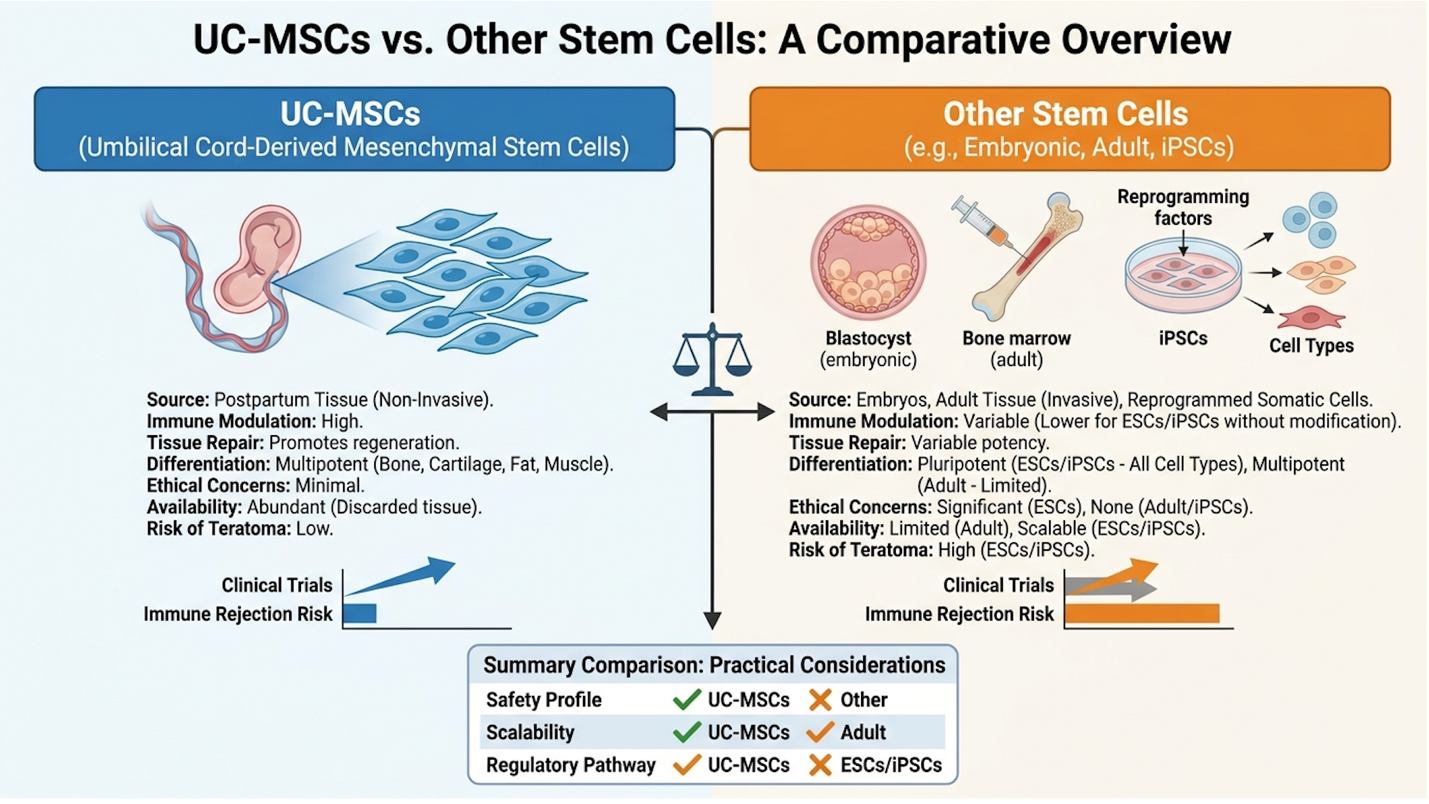
Figure 1: UC-MSCs offer vastly superior proliferative capacities compared to older autologous stem cells extracted from bone marrow or adipose tissue.
To understand the efficacy of modern regenerative medicine, patients must first discard the outdated notion that all stem cells are functionally identical. They aren’t. The origin source entirely dictates the biological ceiling of the therapy. UC-MSC stem cells are isolated specifically from Wharton’s Jelly the dense, gelatinous connective tissue found within the human umbilical cord. Because these cells are collected immediately post-birth, they exist precisely at “day zero” of biological aging. They possess exceptionally long telomeres, meaning their cellular division cap (the Hayflick limit) remains entirely intact, allowing for rapid, robust proliferation.
Compare this pristine biological state to autologous stem cells, which are harvested directly from a patient’s own bone marrow (BMA) or adipose (fat) tissue via the stromal vascular fraction (SVF). The math here is unforgiving. If a patient is sixty years old, their autologous stem cells are also sixty years old. These older progenitor cells are already heavily burdened by the senescence-associated secretory phenotype (SASP). SASP is a pathological state where aging cells stop dividing and instead begin secreting pro-inflammatory cytokines that actively degrade surrounding healthy tissue.
Using aged autologous cells to treat the systemic symptoms of aging is biologically counterproductive and often yields disappointing clinical outcomes. By utilizing Day 0 UC-MSCs, clinicians introduce highly energetic, pristine progenitor cells that haven’t been subjected to decades of oxidative stress, environmental toxins, or accumulating genetic degradation. This stark contrast highlights why advanced cellular therapy is moving almost entirely away from autologous harvesting. Standard clinical protocols show that donor-derived umbilical cells simply outperform adult tissues across every measurable regenerative metric.
| 📌 If you’re curious how umbilical cord cells compare with bone marrow and fat-derived cells in more detail, we have an interesting article that discusses why UC-MSCs are superior to other stem cell sources, which you can read via the internal link. |
Furthermore, the ethical sourcing of UC-MSCs from post-natal discarded tissue entirely bypasses the deep moral controversies historically associated with embryonic stem cells. The tissue is ethically collected following healthy, full-term cesarean sections with maternal consent. But here’s the fundamental biological reality: while the source of the cells dictates their baseline vitality, their true clinical efficacy relies entirely on how they communicate with surrounding damaged tissues.
For years, the mainstream medical community operated under the assumption that stem cells worked primarily through direct engraftment and differentiation. The prevailing theory was beautifully simple inject a stem cell into a damaged liver, and it transforms directly into a new liver cell. We now understand that the actual mechanism is vastly more sophisticated. UC-MSCs function less as structural building blocks and more as microscopic cellular paramedics. They do not typically become new tissue themselves. Instead, they operate predominantly via the paracrine signaling cascade.
Paracrine signaling is a highly localized form of cell-to-cell communication where UC-MSCs release bioactive factors into the immediate extracellular environment to influence the behavior of neighboring cells. The primary vehicles for this intricate signaling are exosomes. Exosomes are tiny extracellular vesicles, roughly 30 to 150 nanometers in diameter, protected by a robust lipid bilayer. They are densely packed with messenger RNA (mRNA), microRNA, and a massive payload of specialized growth factors. When considering mesenchymal stem cells aging applications, this exosome secretome is the actual active biological ingredient doing the heavy lifting.
These secreted factors include basic fibroblast growth factor (bFGF), which stimulates dormant tissue cells to wake up and divide, and hepatocyte growth factor (HGF), which prevents cell death (apoptosis) in highly stressed internal organs. The regenerative power of stem cells is largely mediated by paracrine signaling, a process where secreted exosomes transfer regenerative proteins directly to damaged cells (Stanford University Medicine, 2021). By transferring this genetic and protein material directly into damaged host cells, UC-MSCs effectively rewrite the local biological programming.
Clinical reviews indicate that this exosomal transfer actively downregulates pro-apoptotic genes while upregulating pathways responsible for cellular survival and mitosis. This paracrine approach proves exponentially more efficient than attempting to force donor cells to engraft permanently into host tissues. This intricate communication network is precisely what allows MSCs to operate systemically, governed by a specialized biological framework that targets damage autonomously.
When patients inevitably ask, can stem cells reverse aging, the clinical answer requires a deep understanding of exactly how these cells find the physiological damage in the first place. They don’t just float randomly through the bloodstream hoping to bump into a deteriorating organ. They are guided by a highly specific mechanism known as The Systemic Homing and Repair Matrix (SHRM).
The SHRM is the precise biochemical pathway by which intravenously administered UC-MSCs detect systemic inflammation markers and deploy exosomes precisely where tissue repair is required. When human tissue is damaged, hypoxic, or aging rapidly, it acts as a chemical beacon, releasing specific distress signals into the bloodstream. The most critical of these signals are chemokines, specifically Stromal Cell-Derived Factor 1 (SDF-1).
UC-MSCs are biologically equipped with corresponding surface receptors, primarily the CXCR4 receptor, which perfectly bind to these circulating distress signals. This interaction creates a profound biological magnetic pull. The stem cells actively follow the chemical gradient through the vascular system, moving from areas of low chemokine concentration to high concentration. Once they reach the site of maximum inflammation, they anchor themselves to the blood vessel wall and prepare for localized deployment.
This active migration ensures that the regenerative payload is not wasted on healthy tissue but is instead concentrated exactly where the body is actively failing. From an analytical perspective, this autonomous targeting system represents the most significant evolutionary advantage of mesenchymal therapy over static pharmaceutical interventions. By understanding how these cells locate damage via the SHRM, clinicians can apply these mechanisms first to highly visible localized areas, such as the skin, before graduating to complex systemic organ repair.
Stem cell skin rejuvenation relies entirely on biological reconstruction rather than the superficial masking provided by traditional aesthetic cosmetics. By utilizing localized UC-MSC protocols, the dermal layers receive targeted exosomes that actively stimulate quiescent fibroblasts to wake up and rebuild the extracellular matrix. UC-MSCs secrete exosomes rich in growth factors that directly promote collagen synthesis and visibly reduce cellular senescence in skin tissue (National Institutes of Health, 2021). This intense biological stimulation results in genuine structural tissue repair, vastly enhanced microcirculation, and the restoration of dermal thickness.
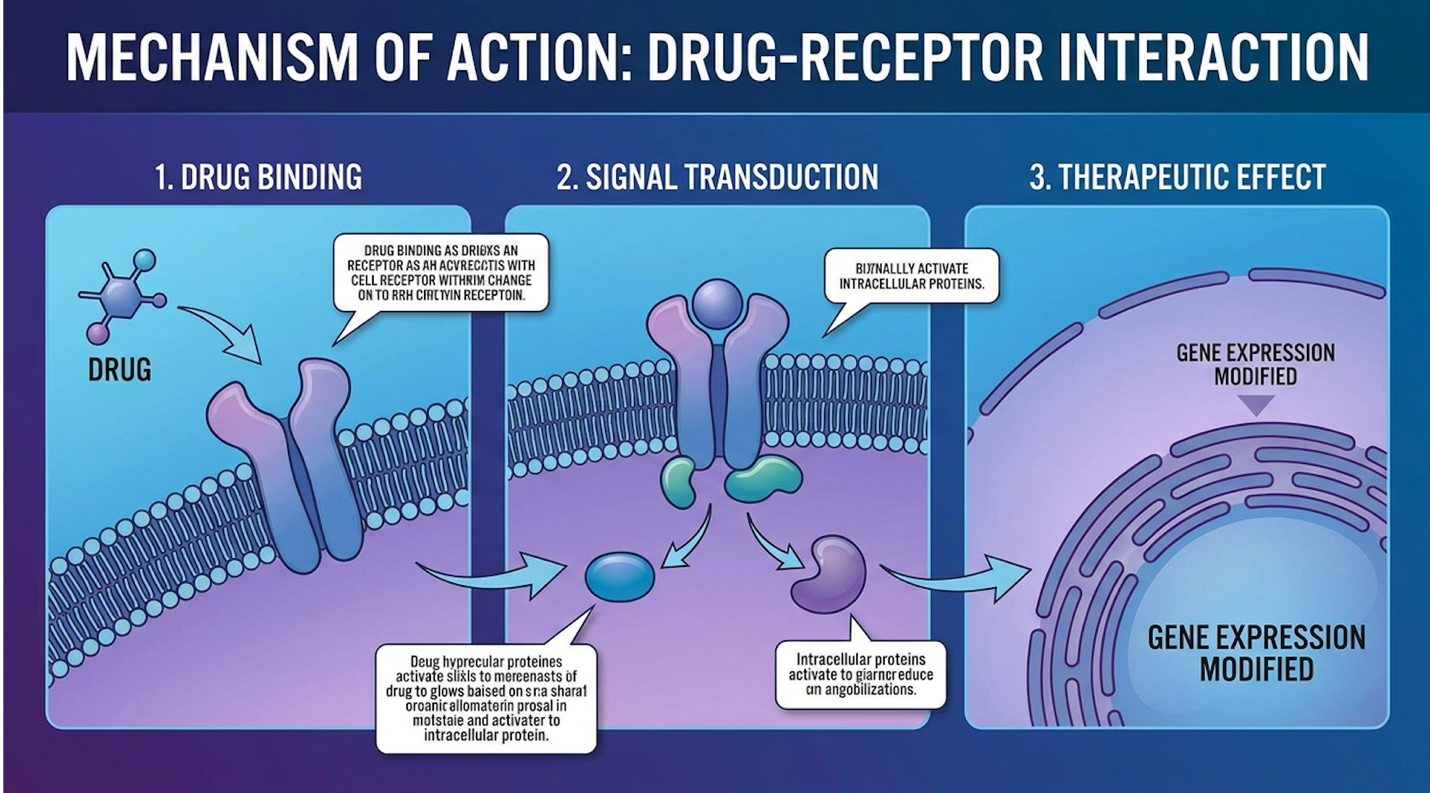
Figure 2: Exosomes secreted by UC-MSCs bypass the epidermal barrier to directly stimulate deep dermal fibroblasts, accelerating collagen type I synthesis.
If you walk into a standard commercial dermatology clinic, the interventions offered generally rely on the archaic principle of controlled trauma. Chemical peels systematically burn the top layer of skin with acid. Microneedling physically punctures the dermis thousands of times. Lasers thermally damage the tissue. The overarching goal is always to force the body into a panic-driven, emergency healing response to desperately produce new collagen. Or, alternatively, clinicians bypass the cellular level entirely and simply fill the aesthetic gaps with synthetic hyaluronic acid fillers that degrade over a few months.
Advanced stem cell rejuvenation therapy Bangkok protocols take a fundamentally different, trauma-free approach. Instead of causing damage to force repair, localized UC-MSCs provide direct biological stimulation to the deteriorating extracellular matrix. The mechanism begins entirely with dermal fibroblasts the specialized cellular factories responsible for producing collagen, fibronectin, and elastin. As we age, chronologically and through photoaging (sun damage), these fibroblasts become senescent; they effectively go to sleep. When UC-MSC exosomes penetrate these dermal layers, they deliver massive payloads of transforming growth factor-beta (TGF-β) and vascular endothelial growth factor (VEGF).
VEGF plays a particularly crucial role in aesthetic restoration. It directly stimulates local endothelial cells to form entirely new micro-blood vessels a complex physiological process called angiogenesis. This operates via the ERK MAPK signaling pathway, essentially overriding the skin’s aged programming to increase blood flow. This newly formed vascular network delivers vital oxygen, micronutrients, and hydration directly to the previously starved senescent dermal tissues.
Simultaneously, the awakened fibroblasts drastically increase their production of Type I and Type III collagen, restoring the optimal youthful ratio of these structural proteins. Crucially, this isn’t the rigid scar tissue generated from a chemical burn. This is the endogenous, healthy, flexible collagen network that gives youthful skin its structural integrity, elasticity, and resilient thickness. Clinical reviews indicate this biological method produces vastly superior, long-lasting dermal architecture compared to any trauma-based alternative.
Aging skin doesn’t just lose volume; it actively becomes discolored, fibrotic, texturally uneven, and hyperpigmented. This widespread aesthetic degradation is largely driven by chronic localized inflammation, severe oxidative stress, and the overproduction of matrix metalloproteinases (MMPs) enzymes that literally chew up existing healthy collagen. For true UC-MSC anti-aging results to manifest visually, the cells must manage scarless repair while actively downregulating these destructive enzymes.
Stem cells achieve this complex balance through a process called phenotypic macrophage reprogramming. Macrophages are primary immune cells responsible for clearing cellular debris. In aging or sun-damaged skin, they are often stuck in a highly aggressive, pro-inflammatory “M1” state, constantly attacking the tissue. UC-MSCs release specific cytokines that force these macrophages to switch rapidly into an anti-inflammatory, tissue-repairing “M2” state. This halts the localized autoimmune damage instantly.
Furthermore, UC-MSCs actively inhibit Toll-like receptor signaling in the skin. Toll-like receptors normally trigger aggressive immune responses that lead to micro-fibrosis (scarring) and accelerated cellular aging. By turning these specific receptors down, and simultaneously upregulating the SIRT1 longevity pathway, stem cells shield the skin against deep oxidative stress caused by ultraviolet radiation, airborne pollutants, and environmental toxins. UC-MSCs increase dermal fibroblast proliferation by up to 40% in clinical environments so patients achieve measurable improvements in skin density without the severe inflammatory downtime associated with deep laser resurfacing.
Then there is the pervasive issue of melanin accumulation, which presents visibly as age spots, melasma, and hyperpigmentation. Traditional cosmetics rely on harsh chemical bleaching agents like hydroquinone, which physically destroy melanocytes and frequently trigger severe rebound hyperpigmentation. UC-MSCs, conversely, secrete highly specific paracrine factors that degrade the microphthalmia-associated transcription factor (MITF) responsible for excess melanin production. They regulate pigment biologically at the genetic level, promoting an even, luminous complexion without causing cytotoxicity.
We need to address a remarkably common patient misconception right now: regenerative stem cell therapy is not Botox, nor is it a synthetic dermal filler. Because true cellular therapy is a profound biological process of cellular turnover, matrix synthesis, and structural rebuilding, results are absolutely never instantaneous. If a commercial clinic promises you a facelift-level surgical result within 48 hours of an injection, they are fundamentally lying about the biology of the treatment.
Biological repair requires a physiological runway. Following a localized administration, the initial inflammatory modulation occurs relatively quickly, usually within days. Redness subsides, and patients often notice an immediate improvement in skin hydration and “glow.” However, the peak timeline for authentic new collagen neogenesis and visible structural tissue improvement typically ranges from 6 to 12 weeks. The fibroblasts literally need time to synthesize and construct the new extracellular matrix protein by protein.
Many patients logically ask exactly how many stem cells are needed for anti-aging IV protocols versus localized aesthetic treatments. Dosing for superficial skin applications versus deep systemic internal repair varies massively based on stringent physician assessment. Localized facial treatments might require a highly concentrated dose of 10 to 20 million cells, whereas full systemic IV protocols require vastly higher cell counts often 100 million or more to account for distribution across the entire circulatory system.
Chronologic age, baseline skin health, sun exposure history, and overall metabolic function all dictate the precise timeline and the ultimate extent of visible aesthetic improvements. The profound localized effects observed in dermal tissues serve as a clear, highly visible indicator of the even more significant regenerative potential when these cells are deployed systemically.
Full body rejuvenation using systemic stem cells forcefully shifts the clinical focus away from localized symptom management toward profound, widespread biological restoration. When administered intravenously, UC-MSCs bypass localized barriers and rely on the Systemic Homing and Repair Matrix (SHRM) to actively hunt and migrate toward deep localized sites of chronic inflammation across deteriorating organ systems. Intravenous infusion of UC-MSCs exhibits (National Institutes of Health, 2019). This mechanism offers unparalleled potential for extending functional healthspan.
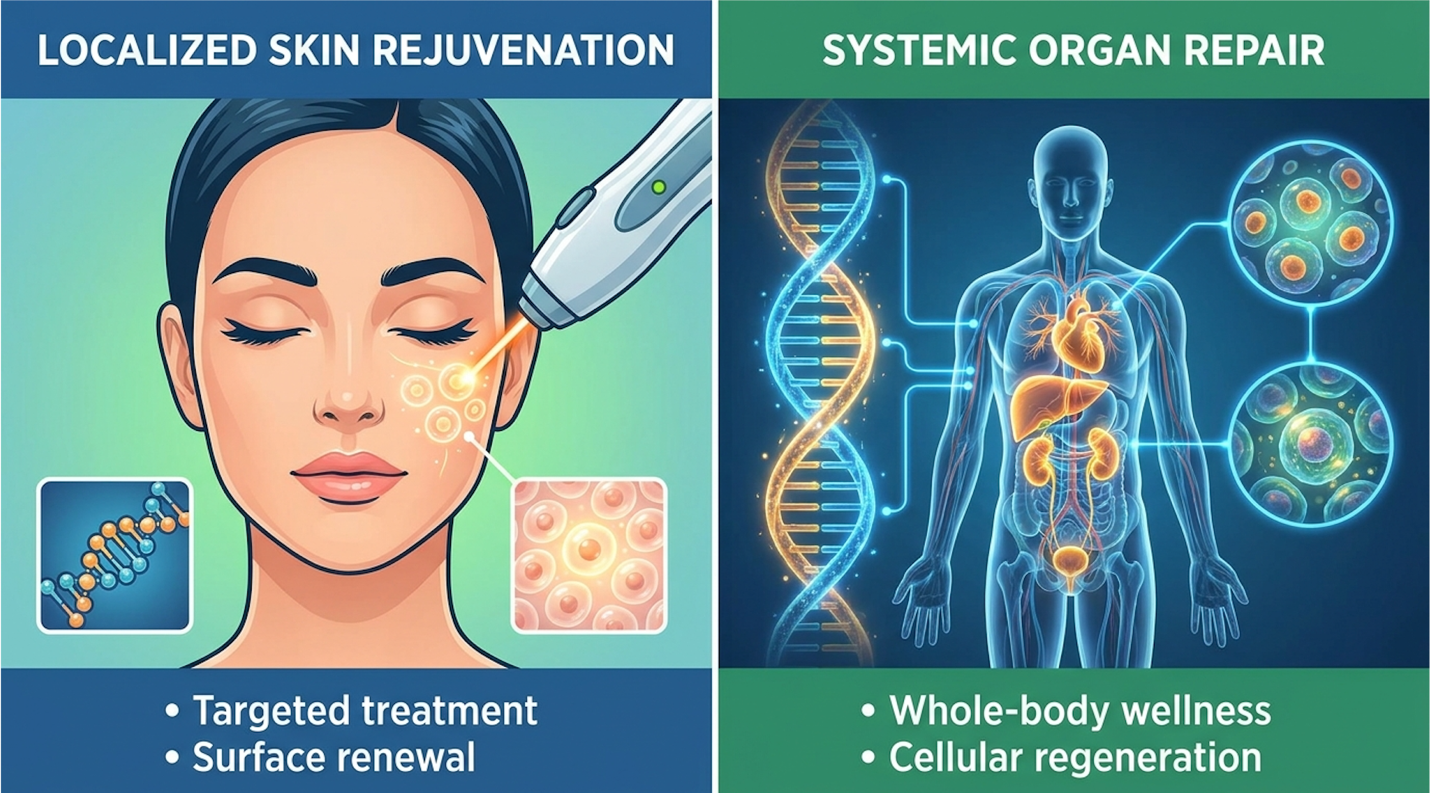
Figure 3: While localized injections target specific dermal deficits, intravenous administration relies on the SHRM to distribute stem cells across multiple distressed internal organs simultaneously.
When sophisticated patients pursue full body rejuvenation stem cells protocols, the core biological engine driving the efficacy of the therapy is the targeted homing mechanism. Without this mechanism, IV therapy would be entirely useless. Let’s look closely at the complex pharmacokinetics of an intravenous (IV) stem cell infusion to understand exactly how organ repair initiates.
Once the UC-MSCs enter the systemic circulation typically via the median cubital vein in the arm they face their first major biological hurdle: the pulmonary first-pass effect. The human lungs contain a massive, incredibly dense capillary bed. Because mesenchymal stem cells are relatively large (typically 15 to 20 micrometers in diameter compared to an 8-micrometer red blood cell), a significant percentage of them temporarily lodge in the pulmonary vasculature.
In previous decades, critics argued this lung entrapment meant the cells never reached the rest of the deteriorating body. We now know definitively that even while lodged in the pulmonary capillaries, these cells act as highly active endocrine-like factories. They secrete massive amounts of healing exosomes directly into the arterial bloodstream to act systemically. Furthermore, within a critical 24 to 48-hour window, the vast majority of these cells clear the lungs and enter the broader arterial circulation to hunt for damage.
Once in the wider systemic circulation, The Systemic Homing and Repair Matrix (SHRM) fully activates. The stem cells are constantly reading the biochemical environment of the blood. If a patient’s liver is suffering from early-stage fibrosis, that distressed hepatic tissue is constantly emitting inflammatory cytokines like TNF-alpha and Interleukin-6. The UC-MSCs detect this chemical gradient. They upregulate specific adhesion molecules on their surface, specifically VCAM-1 and ICAM-1.
These molecules act like biological velcro, allowing the stem cells to literally grab onto the endothelial lining of the blood vessel adjacent to the liver. They then execute a remarkable physiological process called diapedesis squeezing physically through the vessel wall and embedding deeply into the inflamed hepatic tissue. This precise, chemokine-driven targeting mechanism is exactly why organ rejuvenation stem cells do not simply proliferate randomly or create dangerous ectopic tissue in healthy areas. They go only where they are chemically summoned.
Aging is not merely the passive passage of time, nor is it simple mechanical wear and tear. It is a highly active biological pathology heavily driven by a phenomenon clinically termed “inflammaging.” Inflammaging is defined as the chronic, sterile, low-grade systemic inflammation that directly contributes to the pathogenesis of almost all age-related degenerative diseases. It is the smoldering internal fire that degrades your cardiovascular system, damages your neurological tissue, and brutally suppresses your immune function over decades.
Traditional allopathic medicine attempts to manage this systemic fire with NSAIDs, powerful statins, or heavy corticosteroids. These pharmaceutical drugs block specific inflammatory pathways, but they do so bluntly, often completely shutting down necessary immune functions and Stem cell longevity treatment operates completely differently; it doesn’t suppress the immune system, it educates it.
UC-MSCs are recognized as the supreme immunomodulators of the biological world. When UC-MSCs encounter the hyperactive, aggressive immune cells driving inflammaging, they initiate a complex chemical dialogue. They secrete high levels of Indoleamine 2,3-dioxygenase (IDO) and Prostaglandin E2 (PGE2). These powerful molecules specifically target aggressive CD4+ T-cells and force them to differentiate into FoxP3+ Regulatory T-cells (T-regs).
| 📌 If you’re interested in how UC-MSCs calm chronic inflammation without shutting down healthy immunity, we have an interesting article that discusses mesenchymal stem cell therapy for immune modulation, which you can read via the internal link. |
T-regs act as the specialized peacekeepers of the human immune system. They actively calm down the surrounding immune cells, effectively telling the hyperactive immune system that the war is over. Simultaneously, UC-MSCs interact with rogue B-cells and Natural Killer (NK) cells, downregulating their aggressive autoimmune activity without completely compromising the patient’s ability to fight off genuine acute bacterial or viral infections. Standard clinical protocols show this nuanced regulation is vital for patient safety.
The clinical relevance of this immunomodulation is massive for longevity patients. By modulating these immune responses, UC-MSCs drastically lower systemic inflammatory biomarkers like C-Reactive Protein (CRP) and Interleukin-6 (IL-6), reducing chronic systemic inflammation and inflammaging (National Institutes of Health, 2020). This translates directly to delayed internal organ aging, preserved cellular function, and a vastly extended healthspan.
A frequent and highly valid question in advanced regenerative consultations is: can stem cells improve heart, liver and kidney function with age? The clinical data points to profound biological plausibility, provided we separate realistic functional physiological improvement from aggressive marketing hyperbole. The mechanisms vary significantly depending on the target organ.
In hepatic (liver) models, the primary driver of rapid aging and dysfunction is fibrosis the accumulation of rigid scar tissue caused by alcohol consumption, metabolic syndrome, or environmental toxins. Clinical reviews indicate that when UC-MSCs home to the liver via the SHRM, they secrete specific paracrine factors that force hepatic stellate cells (the exact cells responsible for producing scar tissue) to undergo rapid apoptosis (programmed cell death).
In renal (kidney) applications, biological aging is heavily characterized by glomerulosclerosis (the physical hardening of the microscopic filtering units) and severe tubular atrophy. Studies clearly demonstrate that MSC-derived exosomes can drastically reduce deep oxidative stress in renal tubular epithelial cells. They improve local capillary blood flow, effectively stabilizing and occasionally improving Glomerular Filtration Rates (GFR) in patients suffering from standard age-related kidney decline.
Cardiovascular aging predictably involves the dangerous stiffening of arterial walls and massively reduced endothelial function. Here, the potent pro-angiogenic factors secreted by UC-MSCs specifically VEGF help aggressively repair the damaged endothelial lining of major blood vessels. They promote the formation of complex collateral microvascular networks, vastly improving overall cardiac perfusion and oxygen delivery to the heart muscle. MSC treatments improve microvascular density by stimulating angiogenesis so compromised cardiac tissues receive better oxygenation during peak metabolic demand.
However, strict medical qualifications must be applied here. These are observed biological responses in controlled environments. While they indicate massive potential for improved organ function, they must be meticulously monitored via advanced laboratory biomarkers in a clinical setting. Biological improvement at the cellular level does not automatically equate to a guaranteed “cure” for heavily diagnosed, end-stage degenerative organ diseases. Translating these profound physiological capabilities into safe patient outcomes requires strict adherence to rigorous clinical protocols.
Safety in regenerative medicine anti-aging treatments in Bangkok relies absolutely on uncompromising laboratory standards, meticulous cellular processing, and incredibly strict administration protocols. The field of regenerative medicine is plagued by varying degrees of quality, making the underlying science of cellular safety the most critical element of any therapy. Because UC-MSCs lack HLA-DR expression, they possess a unique immunoprivilege that makes them safe for allogeneic transplantation without tissue matching (National Institutes of
The most common and understandable anxiety patients have regarding allogeneic (donor-derived) stem cell therapy is the intense fear of biological rejection. If you receive a transplanted kidney from a donor, you are required to take powerful, organ-damaging immunosuppressant drugs for the remainder of your life so your body doesn’t relentlessly attack the foreign organ. Why, then, doesn’t the human body immediately attack donor UC-MSCs? The answer lies entirely in Human Leukocyte Antigen (HLA) typing and the unique biology of Wharton’s Jelly.
Standard human cells display major histocompatibility complex (MHC) receptors on their surface specifically, MHC Class II molecules like HLA-DR. These complex receptors act exactly like a biological ID card. If your immune system sentinels scan a cell in your bloodstream and the HLA-DR doesn’t perfectly match your own genetic signature, it immediately sends killer T-cells to destroy the foreign invader. This is the root cause of graft-versus-host disease.
UC-MSCs are biologically unique in this regard. They do not express HLA-DR on their outer surface. They essentially wear an immunological invisibility cloak. When they enter your systemic bloodstream, your immune system’s sentinels scan them, find no foreign ID card to trigger an alarm, and let them pass safely without triggering a violent cytotoxic response. This documented immunoprivilege is what makes is anti-aging stem cell therapy safe without the need for complex, time-consuming tissue matching or dangerous immunosuppressive drugs. UC-MSCs express zero HLA-DR surface receptors removing the biological risk of graft-versus-host disease in allogeneic treatments.
Furthermore, top-tier international clinics enforce incredibly strict ethical sourcing. The Wharton’s Jelly is harvested exclusively from healthy, full-term pregnancies after a scheduled, highly controlled cesarean section. This occurs only following rigorous maternal blood screening for infectious diseases (like HIV, Hepatitis, and Syphilis) and complex genetic anomalies. With the immunological safety profile firmly established, clinical focus shifts to the exact physical logistics of cellular administration.
When considering the logistics of regenerative protocols, patients frequently ask how often should you get stem cell IV for longevity. The clinical answer is that it is absolutely never a flat, predetermined subscription model. Protocol frequency depends entirely on your specific baseline physiological markers, your chronological age, your metabolic health, and the precise rate of cellular degradation you are currently experiencing.
A standard systemic IV infusion protocol usually takes roughly 1 to 2 hours in a sterile clinical setting. The concentrated UC-MSCs are suspended carefully in a standard saline solution and administered very slowly via an IV drip. The patient is constantly monitored for vital sign stability, including blood pressure and oxygen saturation. Because of the aforementioned pulmonary first-pass effect, patients might feel slightly fatigued or experience mild flu-like symptoms for 24 to 48 hours post-infusion as the body actively processes the massive influx of complex cellular material.
Localized aesthetic treatments such as intra-articular joint injections for osteoarthritis or dermal micro-injections for facial rejuvenation follow a completely different trajectory. These specific injections bypass the systemic circulation entirely to deliver incredibly high concentrations of cells directly to a highly specific anatomical deficit. In both cases, future treatment frequency is dictated exclusively by post-infusion biomarker tracking. An optimal protocol might involve an initial heavy loading dose, followed by a reassessment at 6 months, and potential maintenance infusions every 12 to 18 months, assuming the patient actively manages their ongoing lifestyle triggers.
The global landscape for regenerative medicine remains highly variable and frequently confusing for patients. While many thousands of patients travel to Southeast Asia annually for these advanced treatments, the absolute top-tier facilities do not operate in a regulatory vacuum. For patients carefully evaluating the stem cell longevity therapy cost in Bangkok, it’s crucial to understand that you are not just paying for the cellular vials. You are primarily paying for the massive, highly regulated infrastructure required to cultivate them safely.
| 📌 If you’re budgeting for treatment and want a clearer breakdown of stem cell therapy prices in Thailand, we have an interesting article that discusses stem cell therapy costs in Thailand, which you can read via the internal link. |
Viable, sterile, uncontaminated cellular products absolutely require ISO-certified, Good Manufacturing Practice (GMP) cleanrooms. The cells must be cultured carefully and expanded
Adherence to strict processing guidelines, mirroring strict FDA regulatory oversight on cellular therapies, provides the rigorous benchmark that elite international clinics model their laboratory standards against (U.S. Food and Drug Administration, 2026). They utilize advanced flow cytometry to physically prove cell viability remains above 90% and to verify the exact surface markers (positive for CD73, CD90, and CD105) of the MSCs before infusion ever occurs. UC-MSCs maintain over 90% viability at passage three so clinical yields deliver maximum progenitor cell density without chromosomal degradation. From a clinical perspective, the transition from autologous to highly regulated allogeneic cell sources represents the most critical modernization in regenerative medicine today. Despite these rigorous safety measures, ethical medical practice requires acknowledging that cellular therapy is not appropriate for every patient or every condition.
We must separate clinical reality from internet mythology. Stem cell therapy is a highly advanced biological tool, but it is not magic. It operates strictly within the laws of human physiology, which means it has definitive limitations and contraindications.
The most dangerous pitfall is assuming stem cells will “cure” established, end-stage degenerative diseases. If a joint has completely lost its cartilage and is presenting as bone-on-bone with severe structural collapse, stem cells cannot regrow a new joint out of thin air.
Furthermore, patients often assume that improved biological biomarkers will instantly translate to massive subjective symptom relief. A reduction in systemic inflammation is a profound medical victory, but it does not always mean your chronic fatigue or joint pain will vanish in a week. Finally, stem cells cannot out-compete a highly toxic lifestyle. If a patient continues to smoke,
Regenerative medicine is complementary, not an absolute replacement for allopathic emergency care.
There are definitive scenarios where conventional medicine is the only appropriate choice. If a patient is experiencing acute organ failure, they require immediate intensive care and potential organ transplantation, not a stem cell IV. For advanced structural orthopedic collapse, surgical joint replacement is the definitive standard of care.
Crucially, patients with active malignancies (cancer) or a recent history of oncological conditions are universally contraindicated for systemic UC-MSC therapy. Because stem cells promote angiogenesis and cellular proliferation, there is a theoretical risk they could inadvertently supply blood flow to a dormant tumor.
Because of these complex variables, a blind request for treatment is clinically unacceptable.
Treatment suitability requires a highly comprehensive assessment. This includes a deep review of existing medical records, recent imaging (MRIs, CT scans), and exhaustive laboratory findings covering inflammatory markers, metabolic function, and immune panels.
A consultation is a rigorous medical screening. It does not guarantee clinical eligibility. Ethical clinics will turn patients away if their specific pathology does not biologically align with the proven capabilities of mesenchymal stem cells.
For patients seeking systemic health optimization, stem cell therapy for longevity in Thailand utilizes advanced paracrine signaling to initiate biological repair. Intravenous UC-MSCs actively home to sites of systemic inflammation (NIH, PubMed Central). This operates far beyond cosmetic symptom masking, targeting the root biological mechanisms of inflammaging. The most effective
True cellular regeneration relies on The Systemic Homing and Repair Matrix (SHRM). This exact targeted deployment of exosomes to senescent tissues ensures that the cellular repair payload is delivered precisely where the body is emitting chemical distress signals. Understanding this matrix is what separates authentic, evidence-led medical interventions from superficial anti-aging marketing claims.
If you are evaluating this pathway, your next step is preparation, not blind purchasing. Compile your recent medical records, current imaging, and comprehensive inflammatory laboratory panels. Then, schedule a formal, evidence-based suitability assessment with a qualified regenerative medicine specialist to determine if your individual clinical profile makes you a viable candidate for advanced cellular therapy.