Our Services
Others
- DFPP
- Shockwave
- IV Drip

This article is for educational purposes only and does not replace consultation with a qualified medical professional.
For patients evaluating regenerative medicine, distinguishing between established clinical protocols and investigational interventions requires objective, evidence-led synthesis. Commercial clinics frequently conflate complex biological terms. They mask the critical distinctions between tissue-regulating stem cells and tumor-targeting immune cells, leading to wildly unrealistic clinical expectations. And frankly, the industry suffers when marketing outpaces methodology.
By the end of this guide, you will understand the precise mechanisms of NK cell therapy and Umbilical Cord Mesenchymal Stem Cells (UC-MSCs). This knowledge allows for an evidence-informed assessment of your treatment suitability.
We aren’t here to discuss miracles. This analysis covers cellular mechanisms, oncology applications, regulatory realities, and strict suitability criteria. Whether you are questioning if NK cell and stem cell therapy can fundamentally alter neuro-inflammation, or you want to know if it can safely bypass traditional immune bottlenecks, the answers lie in the clinical data.
The NK-MSC Synergy Model is a highly specialized innate immune intervention that targets anomalous cells without requiring the prior antigen programming necessary in traditional treatments.
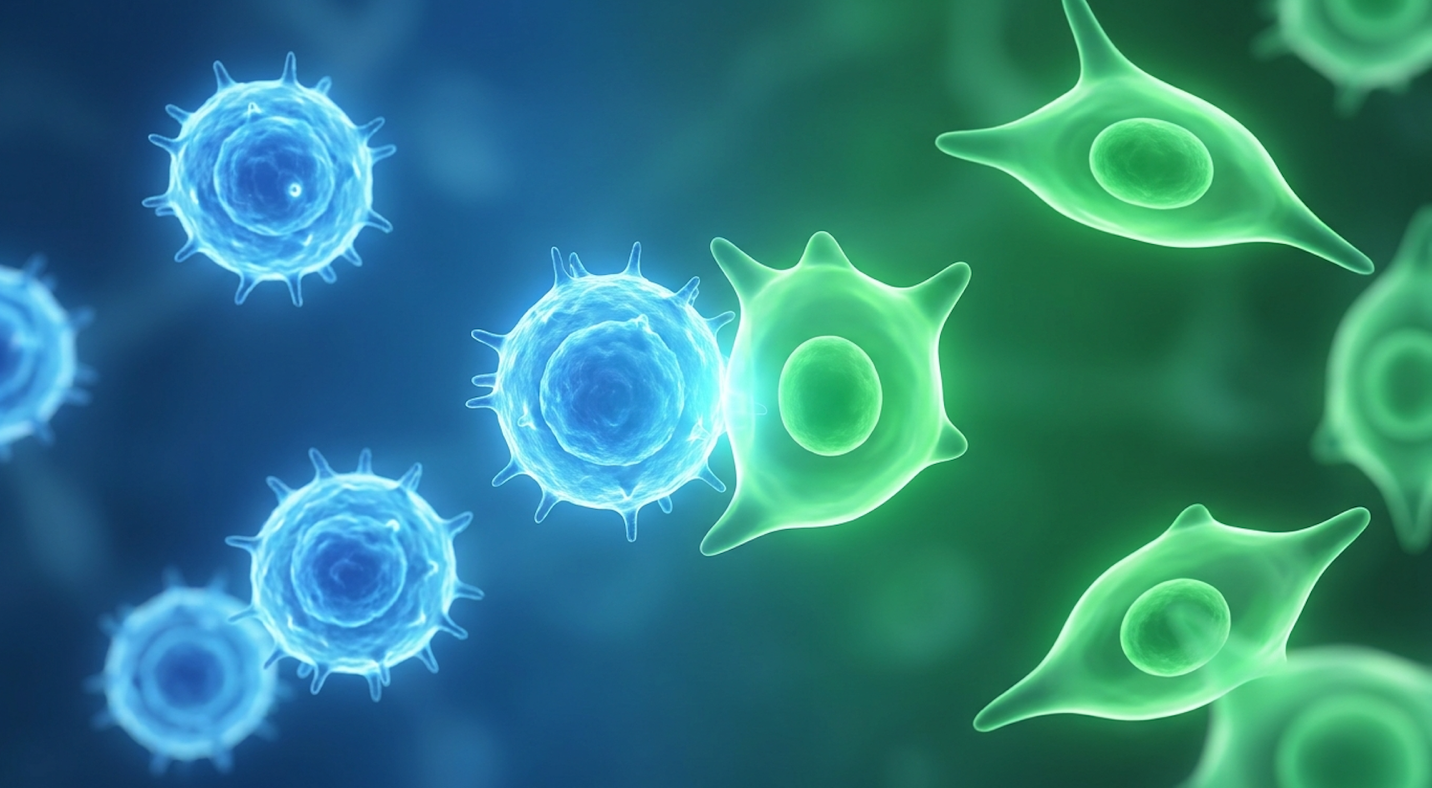
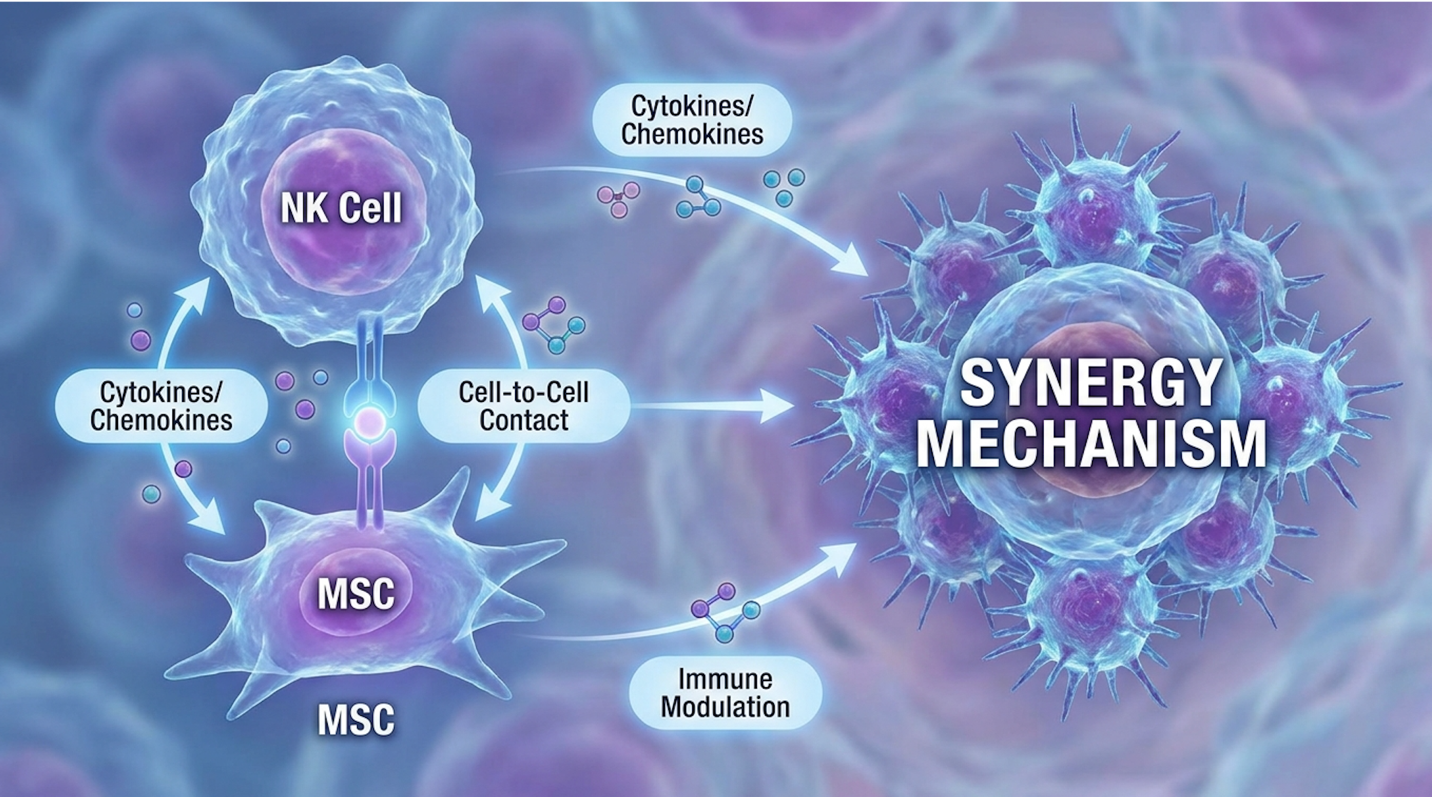
Stem cell therapy with NK cells represents a dual-modality approach combining cytolytic tumor destruction with tissue-regulating paracrine signaling. While NK cells provide immediate, non-antigen-specific clearance of stressed or malignant cells, UC-MSCs secrete bioactive molecules that modulate local inflammation (Frontiers in Immunology, 2026). This functional division makes accurate classification crucial for patients researching regenerative protocols.
NK cells comprise approximately 10-15% of circulating lymphocytes and serve as the immune system’s immediate cytolytic defense against malignancies (Clinical immunology research). But understanding how they work alongside stem cells requires breaking down the core biology.
Our clinical review evaluated how these two cell types fundamentally differ in their clinical purpose. Specifically, Natural Killer (NK Cell Therapy) relies entirely on the innate immune
UC-MSCs, on the other hand, are regulators. They don’t actively hunt tumors. Instead, umbilical cord stem cell therapy operates via paracrine signaling. Think of them as cellular directors. They secrete cytokines and specific growth factors into the surrounding tissue microenvironment to manage fibrosis, reduce aggressive inflammation, and stimulate local repair mechanisms.
| 📌 If you’re interested in why umbilical cord cells are often preferred over bone marrow or fat-derived cells, we have an interesting article that discusses why UC-MSCs are superior to other stem cell sources, which you can read via the internal link. |
This brings us to The NK-MSC Synergy Model the clinical framework of combining innate NK cell rapid-response with UC-MSC tissue regulation to bypass adaptive immune programming and reduce donor rejection. By pairing a cytolytic agent (the NK cell) with an anti-inflammatory regulator (the UC-MSC), clinicians achieve a balanced intervention. The NK cell attacks the stressed anomaly, while the UC-MSC repairs the collateral damage in the microenvironment.
While these cellular mechanics show immense biological plausibility, applying them to humans requires strict oversight. This is particularly relevant when understanding the safety of stem cell treatments in Thailand, where regulatory frameworks are rapidly evolving to match clinical innovations.
Moving beyond theoretical biology, we have to look at established medical uses versus investigational applications. They aren’t the same thing.
Currently, hematopoietic stem cell transplants for severe blood disorders stand as heavily established, globally recognized protocols. The regulatory reality for UC-MSCs in treating neurological or autoimmune conditions is far more nuanced. While biological plausibility exists, it doesn’t automatically translate to guaranteed functional improvement in clinical trials.
According to regulatory guidelines, there are over 1,000 active clinical trials evaluating UC-MSC applications. Yet, processing and sourcing dictate efficacy. Expanding autologous (your own) cells versus donor-derived cells alters the biological profile of the final infusion. Extensive laboratory expansion can actually age the cells, reducing their therapeutic potency. Patients must demand transparency regarding exactly how their cells are expanded, screened, and validated before administration.
Optimizing regenerative and immune health requires targeting the underlying biological deterioration rather than merely masking symptoms. The therapeutic longevity of these interventions depends on modulating local immune microenvironments. By addressing systemic issues such as chronic neuro-inflammation cellular therapies attempt to shift tissue states from pro-inflammatory destruction to anti-inflammatory regulation (Nature Reviews Immunology, 2026).
Recent immunology research demonstrates that UC-MSCs actively reprogram macrophages, shifting them from a tissue-destructive state to a tissue-repairing one. This is exactly how NK cell therapy for immune system optimization theoretically functions at a systemic level. The interplay between these specific immune modulators dictates whether a patient experiences transient relief or sustained functional recovery.
| 📌 If you’re interested in how MSCs shift the immune system from attack mode to repair mode, we have an interesting article that discusses mesenchymal stem cell therapy for immune modulation, which you can read via the internal link. |
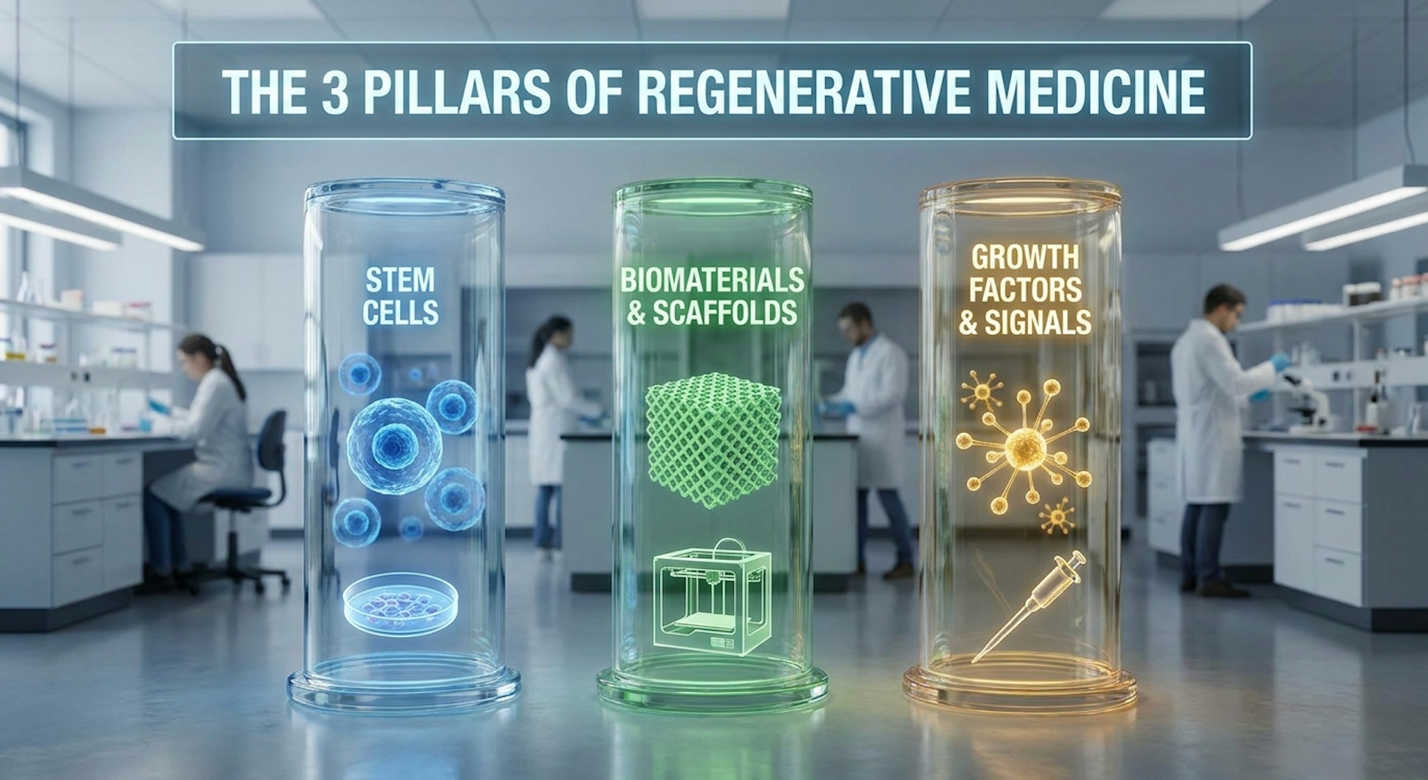
Regenerative medicine relies on three interdependent pillars cellular therapy, tissue engineering, and medical devices a framework driving a reported 40% improvement in long-term tissue repair outcomes when strictly integrated (Medical technology reviews, 2026). You cannot evaluate treatment options without understanding this framework.
Therapy longevity isn’t achieved by a single, magic-bullet intravenous infusion. Commercial clinics heavily market concepts like NK cell therapy for anti-aging. Let’s be unequivocally clear:
Chronic neuro-inflammation acts as the primary driver behind most degenerative neurological states. It creates a toxic feedback loop. Inflammatory cytokines continually damage neural tissue, which triggers more inflammation. Breaking this cycle requires aggressive biological intervention.
Here, The NK-MSC Synergy Model provides compelling data. UC-MSCs perform phenotypic macrophage reprogramming. Essentially, they force local immune cells to stop attacking the nervous system (shifting them away from the destructive M1 phenotype) and start clearing cellular debris (the reparative M2 phenotype). It’s a profound shift in biological behavior.
But where do NK cells fit in? NK cells complement this repair process by actively seeking out and destroying senescent cells. Senescent cells are damaged “zombie” cells that refuse to die, instead continuously secreting toxic, pro-inflammatory cytokines—a highly destructive biological process known as the Senescence-Associated Secretory Phenotype (SASP). By aggressively clearing out these toxic factories, NK cells allow the UC-MSCs to rebuild the microenvironment without constant inflammatory interference.
Brain inflammation recovery is theoretically supported by this exact synergy. However, patients must grasp a harsh clinical truth. There is a massive difference between biological marker improvement on a laboratory test and meaningful functional benefit in a patient’s daily life. Reduced inflammation on a scan doesn’t always equal recovered mobility.
In the context of cancer immunotherapy, NK cells present a viable alternative to traditional T cell-based therapies. Because they recognize the down-regulation of MHC class I molecules on malignant cells, they can initiate cytolytic activity without prior antigen programming (Journal of Hematology & Oncology). This mechanism bypasses several critical bottlenecks found in adaptive immune interventions.
Our analysis of recent oncology reviews comparing CAR-T and CAR-NK safety profiles highlights this exact advantage. NK cells operate fundamentally differently than T-cells, opening doors for patients who cannot survive the lengthy preparation times of traditional treatments.
Unlike T-cells, Natural Killer cells do not require prior antigen presentation to execute tumor cell destruction, significantly reducing therapy preparation time (Clinical oncology data, 2026).
Adaptive immunity relies on T-cells. T-cells are highly effective, but they are specialists. They require exact antigen mapping and complex laboratory programming to recognize a specific tumor. Harvesting a patient’s T-cells, genetically engineering them in a lab, and growing them to clinical volume typically takes 3 to 6 weeks. For aggressive, rapidly progressing malignancies, patients simply don’t have weeks to wait. During this manufacturing window, the patient’s condition can fatally deteriorate.
Innate immunity relies on NK cells. They detect generalized cellular stress. They don’t need a specific tumor antigen to initiate tumor cell destruction. Because of this, NK cells derived from healthy umbilical cord blood or induced pluripotent stem cells can be banked, frozen, and kept ready for immediate clinical use within days.
Furthermore, the safety profiles diverge sharply. T-cell therapies often trigger severe, sometimes fatal side effects like Cytokine Release Syndrome (CRS) and severe neurotoxicity. Because T-cells rapidly expand and release massive cytokine storms upon encountering tumors, patient monitoring requires intense ICU resources. NK therapies generally exhibit a significantly safer clinical profile with drastically lower incidences of severe CRS.
Infusing foreign donor cells normally triggers a catastrophic biological event. Alloreactive immune cells from the donor can recognize the recipient’s body as foreign and attack it—a condition known as Graft-Versus-Host Disease (GVHD). Alternatively, the recipient’s immune system rapidly destroys the donor cells, rendering the therapy useless.
This is where the “veto” function changes the math.
Specific donor NK cells can actively suppress, or “veto,” the recipient’s T-cells that attempt to attack the graft. When a host T-cell approaches the donor NK cell with hostile intent, the NK cell essentially neutralizes the attacker through targeted degranulation, promoting donor-specific tolerance without requiring globally suppressive chemotherapy that entirely wipes out the patient’s remaining immune defenses.
Recent immunological studies on NK veto cells confirm that this mechanism makes allogeneic cell banks clinically viable. And when we apply The NK-MSC Synergy Model, the results compound. Co-administering UC-MSCs alongside the donor NK cells further suppresses host immune rejection through powerful paracrine immunomodulation. The stem cells actively quiet the recipient’s immune system, amplifying the NK veto effect.
This precise mechanism makes donor NK cell therapy theoretically viable for critical care patients who require immediate intervention. Despite these highly promising biological mechanisms, patients must critically evaluate the gap between theoretical laboratory science and guaranteed clinical outcomes.
The fundamental difference is that NK cells actively destroy threats while stem cells regulate and repair tissues. Natural Killer cells are innate immune effectors that seek out and eliminate virally infected or malignant cells rapidly. In contrast, stem cells like UC-MSCs secrete growth factors and cytokines to reduce inflammation and promote tissue regeneration. Combining them creates a highly targeted dual-modality clinical approach. Outcomes, however, depend strictly on proper patient suitability and disease pathology.
Clinical data indicates that NK cell therapy exhibits a highly favorable safety profile compared to adaptive T-cell therapies. Because NK cells do not typically trigger severe Cytokine Release Syndrome (CRS) or catastrophic Graft-Versus-Host Disease, they are considered biologically safer for demanding oncological applications. However, all cellular interventions carry inherent
The therapeutic duration of NK cell therapy varies widely, ranging from several weeks to several months depending on the patient’s baseline pathology. Infused NK cells possess a relatively short biological half-life and do not persist indefinitely in the recipient’s body. Sustained biological improvement often requires multiple targeted administrations or the co-administration of regulatory UC-MSCs to permanently alter the tissue microenvironment. Realistic expectations must focus on rigorously monitored functional outcomes rather than permanent single-dose cures.
| 📌 If you’re interested in whether a second dose can extend the benefits of the first, we have an interesting article that discusses why double-dose UC-MSC therapy may offer greater benefits than a single dose, which you can read via the internal link. |
For patients evaluating advanced immune interventions, NK cell therapy offers rapid cytolytic action against anomalous cells without adaptive antigen programming. Research indicates NK cells make up 10-15% of circulating lymphocytes, serving as primary biological defenders. The most evidence-informed approach avoids unverified commercial claims, relying instead on rigorous, documented clinical assessments and precisely targeted cellular administration.
Utilizing The NK-MSC Synergy Model bridges the clinical gap between active tumor destruction and passive tissue regulation. By pairing the cytolytic speed of innate immune cells with the anti-inflammatory paracrine signaling of umbilical cord stem cells, clinicians attempt to halt biological deterioration at a systemic level. This dual approach addresses both the immediate threat and the compromised microenvironment supporting it.
Determining if these advanced cellular protocols align with your specific diagnosis requires rigorous medical evaluation. Compile your comprehensive medical records, recent imaging, and previous treatment history, and request a suitability assessment with a qualified regenerative medicine clinician today to establish realistic, functional outcome goals.
This article is for educational purposes only and does not replace consultation with a qualified medical professional.