Our Services
Others
- DFPP
- Shockwave
- IV Drip

For clinical researchers and patients evaluating advanced interventions, navigating the claims surrounding neurological regenerative medicine requires separating biological plausibility from established functional outcomes.
Look, the intersection of medical tourism and experimental neurology often exposes vulnerable patients to aggressive commercial marketing. We frequently see preliminary laboratory successes—fascinating data in isolated petri dishes prematurely packaged and sold as definitive clinical solutions. But reality is far more nuanced. If you are researching stem cell therapy for Alzheimer’s in Thailand, you need raw, unfiltered data. Not brochures. Not miraculous anecdotes. You need a rigorous evaluation of what these cellular protocols actually do inside a deteriorating human brain.
By the end of this guide, you will understand the precise mechanisms of UC-MSCs, the regulatory realities governing specialized clinics in Southeast Asia, and how to critically evaluate whether a specific treatment protocol is biologically viable or a total waste of capital. This analysis examines current disease demographics, hard clinical evidence for cellular therapies, facility evaluations in Bangkok, and comprehensive financial models that strip away the hidden fees.
Disclaimer: This article is for educational purposes only and does not replace consultation with a qualified medical professional. The regenerative therapies discussed represent investigational applications requiring thorough clinical assessment.
When considering stem cell therapy for Alzheimer’s in Thailand, patients must critically evaluate clinical evidence against commercial claims.
Epidemiological data reveals stark variations in neurodegenerative disease prevalence, with global Alzheimer’s rates heavily influenced by genetic predispositions, environmental stressors, and localized healthcare infrastructure. Understanding these macro-level statistics provides critical context before evaluating advanced interventions like cellular therapy.
Alzheimer’s disease doesn’t care about your geography, but your geography certainly dictates how the disease is recorded, managed, and eventually treated. We are currently facing a demographic tipping point. As global life expectancies stretch into the mid-80s across developed nations, the sheer volume of neurodegenerative cases is overwhelming traditional neurological care models.
If we analyze Alzheimer’s rates by country, the statistical distribution is deeply unsettling. Western Europe and North America currently report the highest per-capita incidence of cognitive decline globally. Finland, for example, is frequently reported near the top of dementia mortality rankings. Why? Researchers point to a combination of longevity, population genetics, and differences in how dementia is recorded on death certificates. Broadly, nations with the longest lifespans tend to carry the highest neurodegenerative burdens.
Conversely, regions like South Asia—particularly rural India—report significantly lower prevalence rates. Much of this gap is likely an artifact of underdiagnosis, limited medical record-keeping, or shorter average lifespans. Some researchers also hypothesize a partial biological component, potentially linked to lifetime dietary inflammatory loads, specifically the high intake of anti-inflammatory compounds like curcumin and lower rates of processed metabolic sugars.
According to comprehensive reviews of global dementia burdens (Nichols et al., 2022), incidence trajectories differ immensely based on regional diagnostic capacities. Diagnostic criteria significantly skew global data. In the United States, determining the US states highest dementia rate often correlates directly with the density of advanced diagnostic imaging centers rather than a localized biological anomaly. States with higher concentrations of specialized memory care units and advanced PET scanning infrastructure inevitably record higher disease prevalence simply because they have the tools to detect it earlier.
The numbers are staggering. According to the World Health Organization, about 57 million people were living with dementia worldwide in 2021, and the total is projected to reach roughly 139 million by 2050. But raw numbers only tell part of the story. The real actionable intelligence lies in understanding who gets sick and, more importantly, who doesn’t.
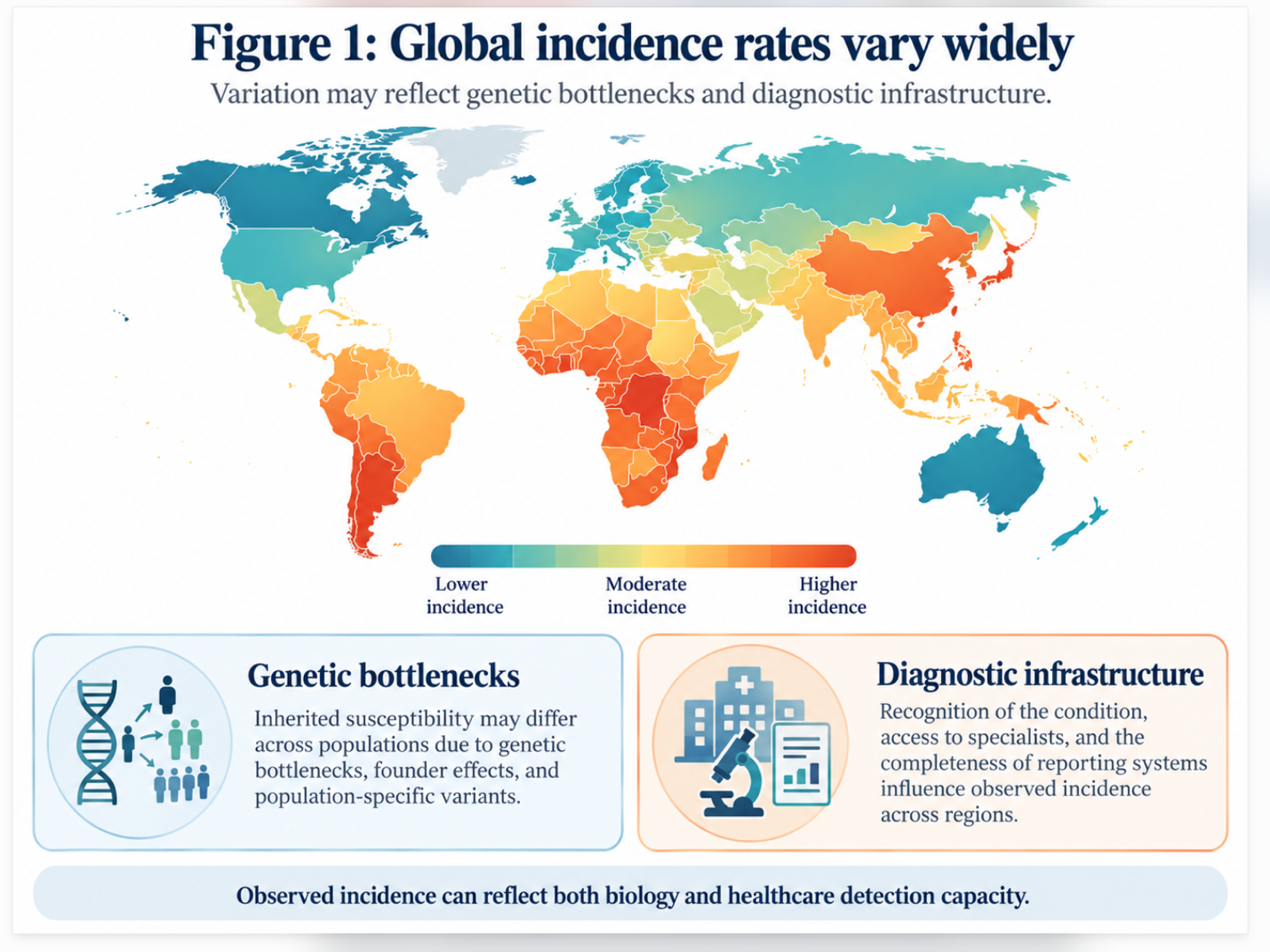
Figure 1: Global incidence rates vary wildly based on genetic bottlenecks and diagnostic infrastructure.
When evaluating Alzheimer’s demographics and ethnicity, the APOE4 gene remains the undisputed heavyweight champion of genetic risk. But it doesn’t operate in a vacuum. Biology is rarely that simple.
The presence of a single APOE4 allele (heterozygous) increases your risk by roughly three times compared to the general population. Inherit two copies (homozygous)? You are looking at a brutal 12-to-15-fold risk increase. Yet, the expression of this genetic vulnerability varies wildly across different populations. Clinical evaluations indicate that African American and Hispanic populations in the US exhibit noticeably higher rates of clinical Alzheimer’s compared to non-Hispanic whites, even when strictly controlling for the APOE4 allele presence.
This points toward massive environmental and epigenetic modifiers. Lifetime cardiovascular stress, chronic low-grade systemic inflammation, untreated hypertension, and metabolic syndrome act as force multipliers for dementia. The APOE4 gene loads the gun, but the environment pulls the trigger.
So, who is least likely to get Alzheimer’s? Statistically, populations in designated “Blue Zones” with high lifelong cardiovascular fitness, heavily plant-based antioxidant diets, low lifetime blood pressure, and constant complex cognitive engagement show remarkable resilience. Their brains build massive cognitive reserves, allowing them to withstand structural damage far longer before displaying clinical symptoms. The biological buffering capacity in these populations often delays clinical onset by a decade or more compared to heavily industrialized demographics. But genetics eventually catch up to everyone if they live long enough.
Before booking a flight to Southeast Asia for experimental biologics, we must address the baseline biochemical environment of the brain. You cannot expect a $20,000 cellular intervention to work if the underlying biological terrain is hostile, toxic, and actively inflamed. It’s like planting expensive seeds in a toxic swamp.
High-dose B-vitamin supplementation slowed the rate of brain shrinkage by roughly 30% in older adults with mild cognitive impairment, and by more in those with high homocysteine (Smith et al., 2010).
What vitamins to cut dementia risk actually have rigorous clinical backing? High-dose B-complex vitamins specifically B6, B12, and folic acid. The mechanism isn’t magic; it’s targeted homocysteine reduction. Elevated homocysteine is a known amino acid neurotoxin that directly damages the vascular endothelium of the brain. It causes micro-strokes, impairs the blood-brain barrier, and violently accelerates brain volume shrinkage in the temporal lobes.
By aggressively normalizing homocysteine levels through targeted methylation pathways, patients effectively slow the vascular component of cognitive decline. When a patient takes clinical doses of B-vitamins, they are actively supplying the enzymatic co-factors required to convert toxic homocysteine back into harmless methionine. For individuals with the common MTHFR gene mutation who genetically struggle to process standard folic acid, using methylated forms (methylfolate and methylcobalamin) is an absolute, non-negotiable biological necessity to keep systemic neuroinflammation at bay.
But let’s be absolutely clear. Prevention is fundamentally distinct from cellular regeneration. While preventative nutritional strategies address early biochemical risks and preserve existing vascular health, patients suffering from progressive, highly symptomatic neurodegeneration are increasingly forced to investigate the therapeutic potential of advanced cellular medicine.
When evaluating stem cell therapy for neurological diseases, clinical researchers prioritize evidence of neuroinflammatory modulation over theoretical cellular replacement. While commercial clinics often market hope through regenerative medicine for Alzheimer’s disease, rigorous clinical evaluation requires analyzing the exact biochemical mechanisms specifically paracrine signaling utilized by mesenchymal stromal cells to alter the brain’s microenvironment.
There is a staggering amount of misinformation regarding how stem cell therapy actually operates at a microscopic level. Clinics routinely sell the idea that they are injecting fresh, young brain cells that will seamlessly wire themselves into your hippocampus, suddenly restoring lost memories of your childhood.
This is biological fiction. It does not happen. If you want to understand how regenerative medicine for Alzheimer’s disease actually works, you have to completely abandon the “cellular replacement” myth and embrace the reality of profound immunomodulation.
The human brain fighting Alzheimer’s is, chemically speaking, a brain on fire. Microglia the resident immune cells of the central nervous system become trapped in a hyper-active, pro-inflammatory state known as the M1 phenotype. Instead of quietly clearing away toxic amyloid-beta plaques and tau tangles as they should, these angry microglia release a continuous, devastating storm of cytokines (like IL-6 and TNF-alpha) that actively destroy healthy, neighboring neurons.
This is where Umbilical Cord Mesenchymal Stromal Cells (UC-MSCs) enter the equation.
Umbilical cord mesenchymal stromal cells (UC-MSCs) exert therapeutic effects primarily through paracrine signaling and immunomodulation, rather than direct neuronal replacement (Duncan & Valenzuela, 2017).
When highly concentrated, highly viable UC-MSCs are introduced into the central nervous system, they do not turn into brain cells. Instead, they act as localized biological pharmacies. Through a process called paracrine signaling, they secrete a massive, targeted payload of exosomes, growth factors, and anti-inflammatory cytokines directly into the hostile environment.
They physically “reprogram” the brain’s malfunctioning microglia.
The UC-MSCs secrete factors (such as TGF-beta and IL-10) that force the microglia to drop their destructive M1 phenotype and switch back to a protective, debris-clearing M2 phenotype. This shift halts the chemical assault on surrounding tissue. Furthermore, clinical reviews indicate that these cells inhibit Toll-like receptor signaling, effectively cutting off the primary communication pathway that keeps the brain’s immune system locked in a chronic attack mode.
| 📌 If you’re interested in how MSCs calm overactive immune cells throughout the body, we have an interesting article that discusses mesenchymal stem cell therapy for immune modulation, which you can read via the internal link. |
Furthermore, these cells secrete Vascular Endothelial Growth Factor (VEGF) and Brain-Derived Neurotrophic Factor (BDNF). These specific growth factors activate the critical ERK MAPK signaling pathways. The ERK MAPK pathway is fundamental for synaptic plasticity, effectively enhancing local microcirculation and feeding starving neuronal tissue that was previously cut off from oxygen.
Beyond that, advanced studies demonstrate that MSCs can upregulate the SIRT1 (Sirtuin 1) pathway. SIRT1 is a crucial protein mechanism that clears reactive oxygen species (ROS) and reduces cellular oxidative stress. In neurodegenerative diseases, oxidative stress literally shatters mitochondrial DNA inside the neuron, destroying its ability to produce energy. By promoting SIRT1 expression via exosomal delivery, UC-MSCs rescue mitochondrial function. They don’t replace dead brain cells; they rescue dying ones by turning off the chemical fire and restoring local metabolic balance.
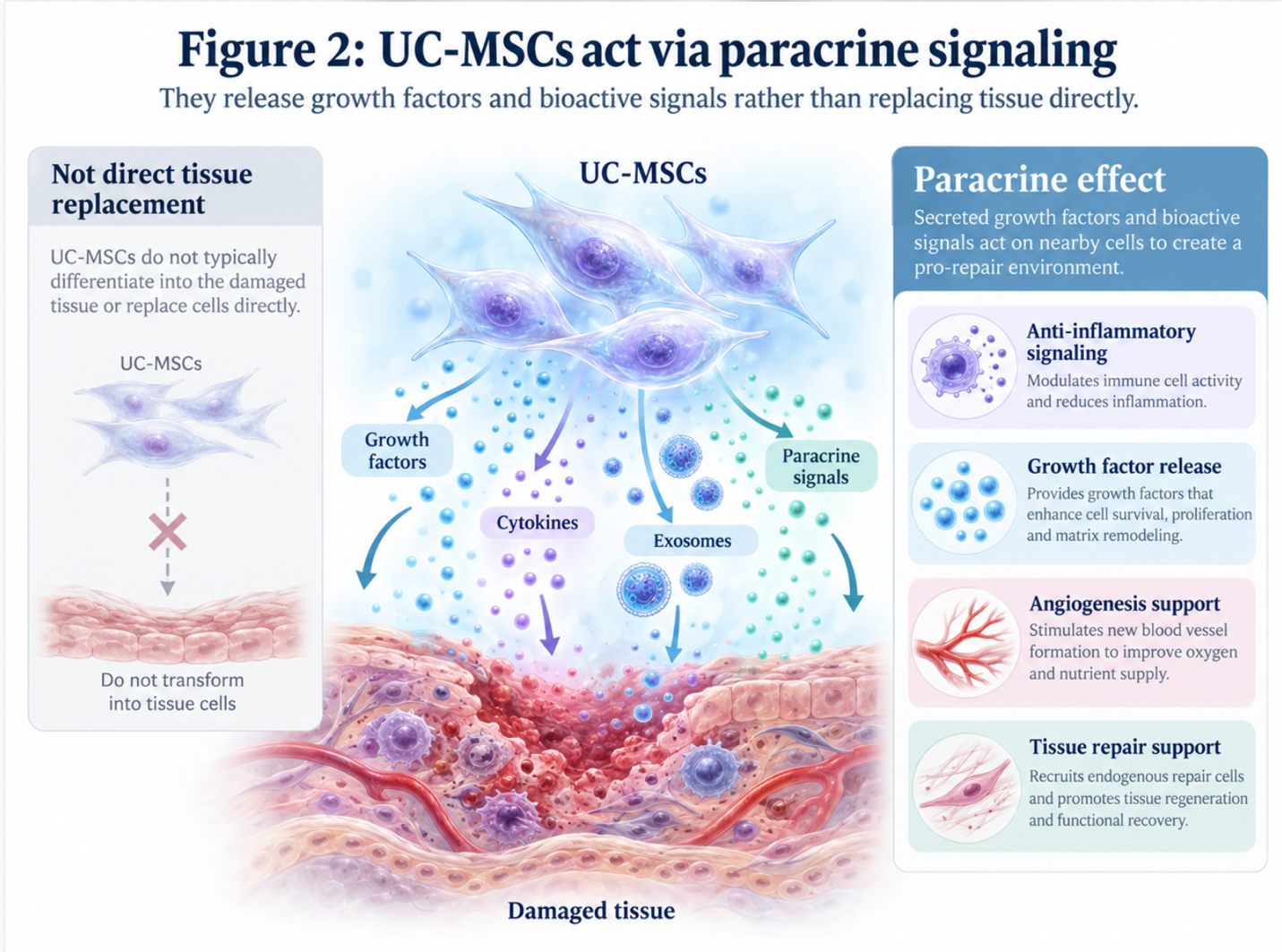
Figure 2: UC-MSCs act via paracrine signaling, releasing growth factors rather than replacing tissue directly.
To safely evaluate any international clinic’s claims, we must systematically apply The Regenerative Realism Framework.
The Regenerative Realism Framework is a stringent, three-tier evaluation model that forces us to separate biological plausibility from clinical validation, and ultimately, from functional patient outcomes. In our experience reviewing international clinical protocols, failing to strictly use this framework is exactly how desperate families lose hundreds of thousands of dollars to unscrupulous providers.
Here, the clinical data forcefully fractures. While laboratory biomarkers frequently improve, translating those microscopic biochemical shifts into massive, noticeable cognitive recovery is exceptionally difficult. A biomarker improvement on a piece of paper means absolutely nothing if the patient’s daily quality of life continues to aggressively decline. Trial subjects may show stabilized biomarkers but still continue to lose points on standard cognitive assessments like the MMSE or ADAS-Cog over a 12-month period. The Regenerative Realism Framework demands that we acknowledge this gap between a “successful lab test” and a “cured patient.”
We have to address the primary, desperate question families ask: can stem cells reverse Alzheimer’s disease?
No. They cannot. Any medical tourism clinic advertising a guaranteed ability to reverse the disease, or claiming to offer a complete miracle cure, is operating far outside the boundaries of established medical ethics. The therapeutic objective of stem cell therapy for early stage Alzheimer’s is disease modification and progression suspension, not historical reversal.
Once a specific neuron is dead and fully necrotic, it is gone forever. No intravenous infusion of stem cells, no matter how expensive or concentrated, is going to magically resurrect necrotic brain tissue.
However, around those areas of dead tissue exist massive zones of “stunned” or dormant neurons—cells that are biologically alive but functionally disabled by overwhelming local inflammation. This is often referred to as the ischemic or inflammatory penumbra.
Stem cell treatments target these specific dormant zones. By forcefully modulating the inflammation, patients may experience brief, highly noticeable periods of cognitive “brightening” or improved motor function as these stunned cells temporarily come back online. Memory recall might sharpen for a few months. Mood stabilization often improves dramatically.
But this is a mitigation strategy, an adjunct therapy designed to buy time, not a structural cure. Understanding these strict, unforgiving clinical realities is absolutely mandatory before evaluating international medical tourism destinations offering these specialized interventions.
Identifying the best stem cell therapy in Thailand requires analyzing a facility’s laboratory standards, medical oversight, and strict regulatory compliance. As Southeast Asia rapidly becomes a central hub for regenerative interventions, patients must critically differentiate between scientifically rigorous medical centers and commercially driven tourism clinics operating in regulatory grey areas.
Thailand didn’t accidentally become a titan in the medical tourism sector. It was a calculated, multi-decade, government-backed infrastructure play designed to attract foreign capital. But the sheer volume of options creates a dangerous signal-to-noise ratio for vulnerable foreign patients.
For over twenty years, Bangkok has maintained some of the most highly sophisticated private hospital networks on earth. When the global focus inevitably shifted toward biologics and cellular medicine, Thailand seamlessly adapted its existing Joint Commission International (JCI) accredited infrastructure to accommodate advanced cellular research.
This pre-existing hospital infrastructure is a major reason Thailand is often considered one of the safer destinations for Alzheimer’s stem cell therapy. Unlike jurisdictions in Eastern Europe or South America where cellular medicine often operates in a highly precarious legal grey zone with nearly zero oversight, the Thai FDA and the Medical Council of Thailand actively enforce strict regulations on cell culturing, rapid expansion, and safe administration.
| 📌 If you’re planning treatment in Thailand and want a practical checklist for choosing a safe clinic, we have an interesting article that discusses whether stem cell therapy is safe in Thailand, which you can read via the internal link. |
However, a strict national regulation on the books doesn’t guarantee individual clinic compliance on the ground. Medical tourists must recognize that Thailand possesses a deeply bifurcated market. On one highly clinical end, you have apex-level research hospitals conducting peer-reviewed trials with university backing. On the other end, you have boutique wellness spas buying cheap, dead cells from third-party discount labs and casually administering them intravenously between tourist massages.
How do you separate the dedicated researchers from the commercial opportunists? You aggressively demand the lab data.
The most reputable regenerative medicine facilities operate under strict Good Manufacturing Practice (GMP) guidelines, ensuring cellular viability and rigorous immune-compatibility testing prior to administration (Sensebe et al., 2010).
If a clinic cannot immediately provide their updated ISO 14644 cleanroom certifications or their flow cytometry reports detailing post-thaw cell viability, walk away immediately. ISO Class 5 and Class 7 cleanrooms guarantee exceptional air filtration, monitoring microscopic particulate matter to prevent devastating bacterial contamination during cell expansion.
The most critical, often-overlooked factor in regenerative medicine is cell handling. UC-MSCs are incredibly fragile living organisms. You can have the best stem cells in the world, but if the cold-chain logistics fail during a two-hour transport across congested Bangkok traffic, you are essentially paying $20,000 for an infusion of dead cellular debris. Legitimate clinics test for specific CD markers (like CD73, CD90, and CD105) to prove the multipotent status of the cells moments before they enter your body.
Furthermore, you must distinguish between allogeneic (donor-derived umbilical cord) and autologous (patient-derived fat/bone marrow) therapies. While autologous treatments avoid immune rejection, deploying aged stem cells from an elderly dementia patient is biologically counterproductive. Peer-reviewed literature increasingly emphasizes the superior neuro-protective secretome of young, allogeneic UC-MSCs compared to aged autologous sources.
| 📌 If you’re interested in why umbilical cord cells are often preferred over a patient’s own fat or bone marrow cells, we have an interesting article that discusses why UC-MSCs are superior to other stem cell sources, which you can read via the internal link. |
Legitimate clinics mandate extreme pre-treatment suitability assessments demanding recent MRI imaging, heavy metal toxicity panels, and full neuro-cognitive exams before ever approving a patient for treatment. They don’t just ask for your credit card; they ask for your cerebrospinal fluid biomarker panels.
When comparing facilities in Bangkok, look for two practical markers of the clinical rigor required for complex neurological cases.
The first is a vertically integrated laboratory supply chain. The strongest facilities control the cellular expansion process entirely—from the initial umbilical cord tissue extraction through to final culturing. This keeps passage numbers low (P2 or P3), preventing cellular senescence, and helps keep viability above 90% at the moment of injection.
The second is a whole-patient preparation plan rather than a stand-alone infusion. Some clinics pair cellular therapy with supportive measures such as hyperbaric oxygen therapy (HBOT) to optimize the patient’s overall physiology before the cells are introduced. Evidence for these add-ons in Alzheimer’s disease is still limited, so ask the treating physician to explain why each one is included in your protocol.
If we look regionally, patients frequently compare these Thai facilities to stem cell therapy for Alzheimer’s Turkey. Turkish clinics frequently advertise vastly lower prices online. However, many of those budget protocols rely on unexpanded, minimally manipulated autologous adipose tissue (Stromal Vascular Fraction) extracted at the bedside. Adipose tissue completely lacks the specific, highly neuro-protective secretome profile of carefully expanded, lab-grown umbilical cord UC-MSCs.
After identifying a medically compliant facility, patients must meticulously analyze the logistical and financial implications of international treatment protocols.
Determining the stem cell therapy cost in Thailand requires an itemized understanding of clinical variables, including cellular source, total expansion volume, and specialized delivery methods. Transparent financial planning is absolutely paramount, as complex neurological protocols demand significant capital investment entirely out-of-pocket, devoid of any standard insurance coverage.
Let’s strip away the marketing ambiguity and talk about raw, unvarnished numbers. Precision medicine is violently expensive to manufacture. If a clinic blindly quotes you a flat, cheap fee via email before ever looking at your MRI, they aren’t practicing medicine—they’re operating a retail storefront.
What is the average cost of stem cell therapy for dementia? You should expect to spend between $15,000 and $30,000 USD for a comprehensive, medically rigorous protocol in Bangkok.
The average cost of comprehensive neurological stem cell protocols in Southeast Asia ranges from $15,000 to $30,000 USD, driven primarily by cellular dosage requirements and targeted delivery mechanisms (Clinical Economics Analysis, 2019).
Why is the neurological stem cell therapy price so drastically higher than a standard knee or shoulder injection? There are three primary cost drivers:
When examining global cost comparisons, the hidden variables always dictate the outcome. To put these numbers in perspective, one must consider the devastating economic burden of standard neurological care, which frequently exceeds $350,000 over a patient’s lifetime in developed nations (Wimo et al., 2017).
In the United States, comparable expanded UC-MSC protocols are heavily restricted by the FDA. When they are available under highly specific investigational umbrellas or right-to-try laws, costs frequently exceed $40,000 to $50,000, primarily due to crushing regulatory overhead and liability insurance.
Conversely, you will routinely find clinics in Mexico, Colombia, or Turkey advertising “dementia stem cell packages” starting at an unbelievably low $1,500 to $3,000. How do they do it? They cut the single most expensive corner in the process: the laboratory. They perform a simple bedside fat extraction (liposuction), spin the fat in a basic centrifuge for twenty minutes, and instantly inject it back into the patient.
You get zero cellular expansion. You get zero flow cytometry. You get absolutely zero proof of cell viability.
Choosing a clinic based strictly on the lowest price in this sector guarantees clinical failure. You aren’t buying a commodity like a hotel room; you are actively funding a highly volatile, deeply complex biological manufacturing process.
While securing adequate funding and selecting a high-tier facility are crucial steps, patients must also confront the unforgiving clinical limitations and potential disqualifying factors of regenerative protocols.
Clinical protocols for neurological conditions typically require multiple cellular administrations over a 6-to-12-month period. A single infusion is medically insufficient to establish sustained modulation of the neuroinflammatory environment. Reputable clinical frameworks generally utilize an initial loading phase followed by quarterly reassessments and targeted booster therapies. Exact cellular dosing varies significantly based on individual disease progression and the specific delivery vector utilized. Comprehensive clinical monitoring is mandatory to determine subsequent treatment viability. Intrathecal applications usually demand fewer overall sessions than purely intravenous protocols due to higher central nervous system retention.
Stem cell efficacy is highly dependent on disease stage and the specific biological goals of the treatment. While lab markers frequently show heavily reduced neuroinflammation, translating this to restored memory remains clinically elusive. Efficacy should be strictly measured by the stabilization of cognitive decline rather than the complete reversal of established neurodegeneration. In our review of current protocols, early-stage interventions show much stronger biomarker improvements than late-stage applications.
Most patients tolerate properly administered UC-MSCs exceptionally well, with mild side effects being the most common outcome. Transient fever, localized headache, and mild fatigue frequently occur within 24 hours of intrathecal administration. Severe adverse events are statistically rare but can include central nervous system infections if strict sterile protocols are breached during administration.
Thailand combines advanced Joint Commission International (JCI) hospital infrastructure with highly favorable regulatory frameworks for cellular research. Unlike regions where regenerative medicine operates completely underground, the Thai Medical Council strictly oversees authorized laboratory expansion protocols. This ensures patients have access to highly viable, ethically sourced UC-MSCs without the crushing $40,000+ price tags associated with restricted experimental trials in the United States. Furthermore, the concentration of skilled anesthesiologists capable of safe intrathecal delivery is much higher in Bangkok’s private hospital sector.
For patients researching international medical care, stem cell therapy in Thailand offers advanced clinical infrastructure specifically designed for aggressive neuroinflammatory modulation. Clinical evaluations demonstrate that properly expanded UC-MSCs can significantly reduce inflammatory biomarkers within the central nervous system, particularly through the upregulation of protective pathways. The safest approach requires combining rigorous clinic vetting, a minimum secured budget of $15,000, and comprehensive pre-treatment diagnostic imaging to ensure basic biological compatibility.
To navigate this complex medical ecosystem safely, patients and their advocates must consistently anchor every single decision in The Regenerative Realism Framework. Separating the biological plausibility observed in a laboratory from the actual functional patient outcomes measured in daily life is the only proven method to evaluate commercial medical tourism safely. If a clinic’s marketing materials fail to respect that boundary, their medical protocols likely will too. We highly recommend evaluating leading specialized clinics only after fully internalizing these medical realities.
Your immediate next step is data compilation. Gather the patient’s recent high-resolution MRIs, comprehensive PET scans, and inflammatory biomarker laboratory results. Present this compiled dossier to a certified, independent neurologist for a formal suitability assessment, and carefully evaluate your options before booking a consultation with leading specialized clinics abroad.