Our Services
Others
- DFPP
- Shockwave
- IV Drip

The physiological resolution of a cutaneous injury demands a highly coordinated, time-dependent cascade of cellular and molecular events. In a healthy organism, a superficial laceration or surgical incision repairs smoothly, restoring barrier function with minimal scar formation.
However, when this intricate biological sequence is disrupted by systemic chronic diseases such as advanced Type 2 Diabetes, venous stasis, or peripheral arterial insufficiency the body’s healing mechanisms collapse. The result is a chronic, non-healing wound, most frequently presenting as a complex Diabetic Foot Ulcer (DFU) or venous stagnation injury.
For clinicians and patients alike, managing chronic lesions with conventional treatments can lead to a long cycle of palliative frustration. Standard protocols focus primarily on external management: repetitive mechanical debridement, dynamic pressure offloading, specialized advanced dressings, and antimicrobial washes.
While these fundamental steps are mandatory to control surface-level contamination and minimize pressure necrosis, they fail to treat the underlying biological roadblocks that stall tissue closure. They cannot reverse local ischemia, they do not repair damaged micro-capillary pipelines, and they cannot shift the chronic, toxic inflammatory environment that forces local cells into premature cellular senescence.
Regenerative medicine introduces a proactive paradigm shift that addresses these root biological failures. By using high-potency Umbilical Cord Mesenchymal Stem Cells (UC-MSCs), targeted clinical protocols alter the microenvironment of the stalled wound bed. Instead of acting as a passive protective patch, allogeneic UC-MSC stem cell therapy bangkok thailand functions as an active cellular director reprogramming overactive immune cells, initiating robust micro-vascular growth, and laying down an organized extracellular scaffold to achieve comprehensive tissue closure and preserve structural mobility.
1. The Stagnant Wound Bed: Molecular Pathology of Healing Failure
To understand why traditional treatments fail and how advanced stem cell therapy changes clinical outcomes, we must look past the visible edges of a chronic ulcer and examine the cellular battlefield within the deep dermal layers.
Healthy cutaneous repair progresses systematically through four tightly managed biological phases: hemostasis, inflammation, proliferation, and tissue remodeling.
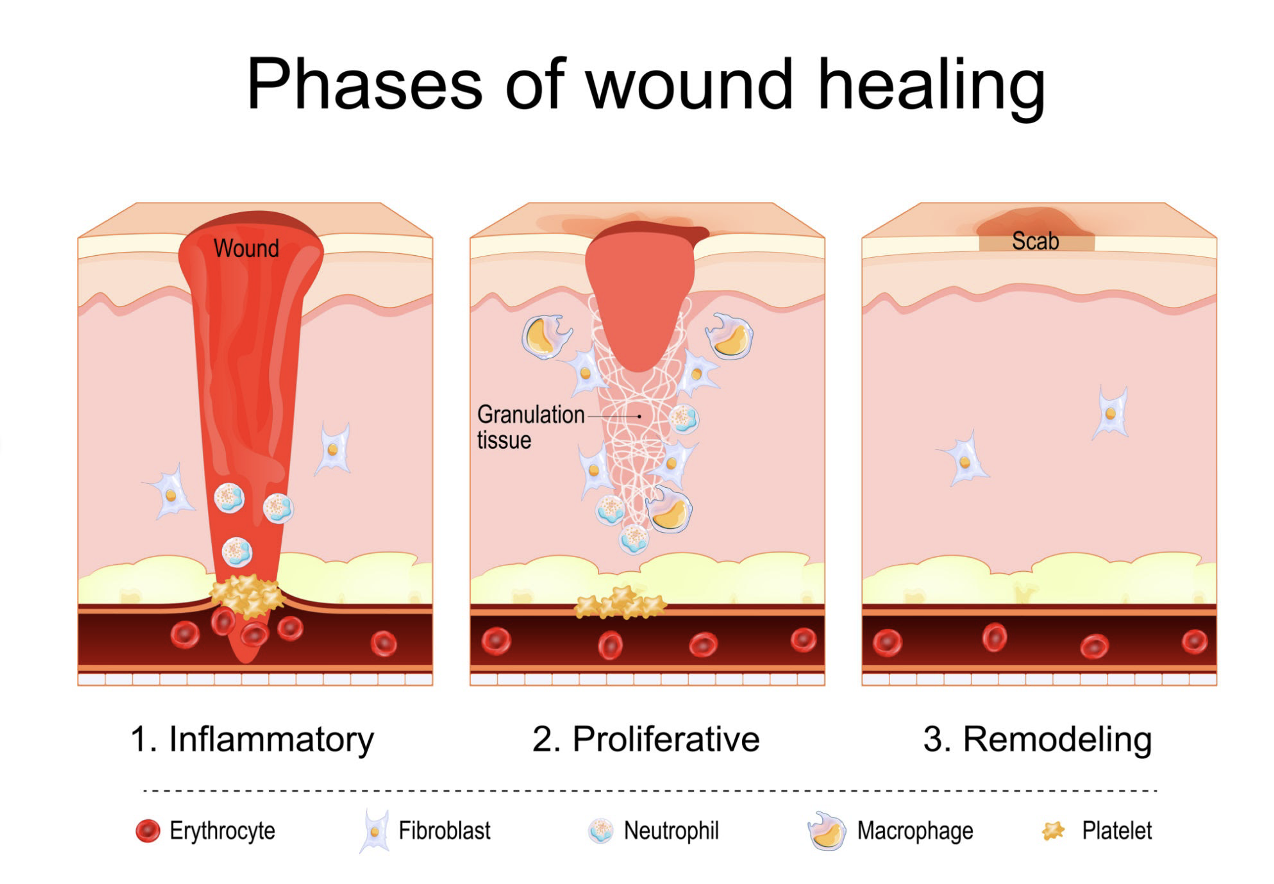
Figure 1: The physiological phases of standard cutaneous wound healing.
In a chronic non-healing wound, as illustrated in the progression diagram above, this biological sequence fractures completely. The tissue matrix becomes stuck within a destructive, permanent loop at the interface of the inflammatory phase.
This stagnation is driven by severe micro-environmental stress. Ischemia (a localized lack of oxygen and nutrients caused by peripheral arterial narrowing) starves native dermal cells of metabolic energy.
Concurrently, local white blood cells (macrophages) become hyper-reactive. They release a continuous, unchecked wave of destructive enzymes called Matrix Metalloproteinases (MMPs) alongside pro-inflammatory cytokines. This toxic chemical bath destroys newly synthesized collagen scaffolds as fast as the body attempts to deposit them, forcing local fibroblasts into premature aging and making natural structural re-epithelialization impossible.
2. Macrophage Polarization: The Immunomodulatory Pivot Point
The primary biological roadblock preventing a chronic wound from transitioning into the proliferative, healing phase is the polarization state of local macrophages. Macrophages are highly plastic immune units that shift their behavioral configuration based on local micro-environmental signals.
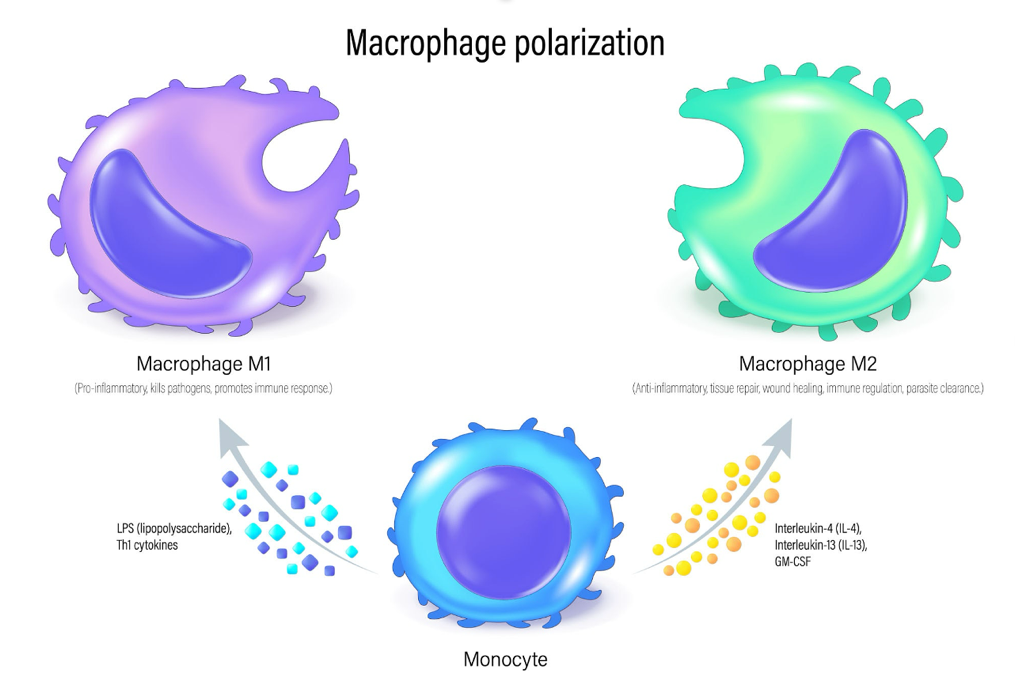
Figure 2: The biochemical pathways of macrophage polarization.
As detailed in the polarization diagram above, the immune response operates across a delicate behavioral balance:
The Pro-Inflammatory M1 Phenotype: In a stagnant wound environment, local monocytes differentiate preferentially into hyper-activated M1 Macrophages. Triggered by bacterial debris and hypoxic stress, these cells secrete high concentrations of tissue-destructive cytokines such as Interleukin-1 (IL-1) and Tumor Necrosis Factor-alpha (TNF-). They act like an aggressive cleanup crew that refuses to stop blasting the site, tearing down healthy surrounding structures and stalling tissue repair.
The Regenerative M2 Phenotype: To allow healthy tissue synthesis to begin, the immune profile must pivot toward M2 Macrophages. These cells act as anti-inflammatory coordinators, secreting high concentrations of Interleukin-10 (IL-10) and tissue-repairing growth factors. They calm local inflammation, shield newly forming cells from oxidative stress, and instruct resident dermal fibroblasts to start active matrix reconstruction.
In advanced clinical protocols, introducing high-potency UC-MSC stem cell therapy bangkok thailand forces this essential transition. The stem cells release specialized signaling packages called exosomes filled with targeted microRNA lines. When these packages fuse with hyper-reactive M1 immune units, they downregulate the inflammatory pathways, forcing the cells to polarize into the protective M2 phenotype, turning off the tissue fire so structural repair can survive.
3. The Science of UC-MSC stem cell therapy bangkok thailand: Tri-Phasic Regenerative Mechanisms
Umbilical Cord Mesenchymal Stem Cells offer an elite alternative to adult tissue sources (such as a patient’s own aged bone marrow or fat tissue) because they represent “day-zero” cells at peak biological vitality. They display rapid replication speeds, exceptionally long telomeres, and are entirely unaffected by the chronological aging or metabolic disorders that compromise autologous extractions.
Because they do not express HLA Class II surface markers, they are highly immunoprivileged and can be safely transplanted into any recipient without matching or post-treatment anti-rejection medications.
When integrated into an advanced wound revision protocol, fresh UC-MSC stem cell therapy bangkok thailand overcome tissue stagnation through three distinct therapeutic pathways:
Angiogenesis: Growing New Micro-Pipelines
A wound cannot close without a robust supply of oxygen and systemic nutrients. UC-MSC stem cell therapy bangkok thailand function as advanced mobile signaling centers; when exposed to a hypoxic wound environment, they immediately upregulate the production of powerful vascular growth factors, including Vascular Endothelial Growth Factor (VEGF) and basic Fibroblast Growth Factor (bFGF). These signaling proteins command nearby healthy capillaries to sprout fresh micro-vascular loops directly into the wound bed, restoring local circulation and reversing tissue ischemia.
Extracellular Matrix (ECM) Remodeling
Once circulation is restored, the physical hole in the dermis must be rebuilt. UC-MSC stem cell therapy bangkok thailand migrate into the deep wound margins and stimulate native dermal fibroblasts to manufacture organized Type I and Type III collagen strands. Concurrently, the stem cells secrete precise balances of Tissue Inhibitors of Metalloproteinases (TIMPs) to suppress the destructive MMP enzymes, allowing the body to lay down a stable, flexible extracellular matrix scaffold.
Re-Epithelialization Induction
Closing the surface barrier requires the rapid migration and proliferation of skin cells called keratinocytes. UC-MSC stem cell therapy bangkok thailand produce high levels of Epidermal Growth Factor (EGF) and Keratinocyte Growth Factor (KGF). These molecules act like direct biological instructions, telling the cells at the wound margins to proliferate and slide smoothly across the newly formed collagen matrix, sealing the surface barrier cleanly and reducing long-term scar contracture.
4. The Structural Matrix: Target-Assisted Cellular Dynamics
To understand how a systemic cell protocol maps across a chronic wound ecosystem to alter healing outcomes, it helps to analyze the specific tissue targets and their corresponding regenerative interventions:
| Target Tissue Layer | Pathological Malfunction in Chronic Wounds | UC-MSC Regenerative Intervention | SEO Semantic Entity |
| Local Immune Profile | Locked in hyper-reactive M1 overdrive; continuously releases tissue-destructive cytokines. | Deploys anti-inflammatory exosome lines to induce M2 macrophage polarization, calming local tissue strain. | Macrophage polarization, M1 to M2 transition, Interleukin-10 |
| Microvascular Endothelium | Experiences severe stenosis and Plaque narrowing, causing tissue ischemia. | Secretes high concentrations of VEGF and bFGF to activate capillary sprouting and restore local perfusion. | Angiogenesis, Capillary sprouting, Tissue ischemia |
| Dermal Fibroblasts | Driven into premature cellular senescence; unable to deposit collagen scaffolds. | Delivers targeted paracrine signaling to restore mitochondrial ATP production and stimulate collagen synthesis. | Dermal fibroblasts, Extracellular matrix (ECM), Collagen scaffolding |
| Wound Margin Keratinocytes | Migration pathways are blocked by high concentrations of destructive MMP enzymes. | Upregulates TIMPs to suppress destructive enzymes while releasing KGF to accelerate surface closure. | Re-epithelialization, Keratinocyte migration, Matrix metalloproteinases |
Conclusion: Reclaiming Control of Your Mobility and Vitality
A chronic, non-healing wound is a severe health concern, but you do not have to remain locked in a reactive loop of constant debridement and standard dressings while your underlying tissue quality declines. Continuing to treat a deep biological failure with surface-level patches treats the external symptom while leaving the root cause unaddressed.
By choosing advanced UC-MSC stem cell therapy bangkok thailand, you give your body the intelligent, youth-derived resources it needs to grow new blood vessels, turn off chronic local inflammation, and rebuild healthy skin layers from the inside out. Embracing the cutting edge of regenerative medicine in Thailand represents a powerful, proactive choice to step away from the threat of progressive tissue decay, protect your physical independence, and reclaim a vibrant foundation of long-term health.