Our Services
Others
- DFPP
- Shockwave
- IV Drip

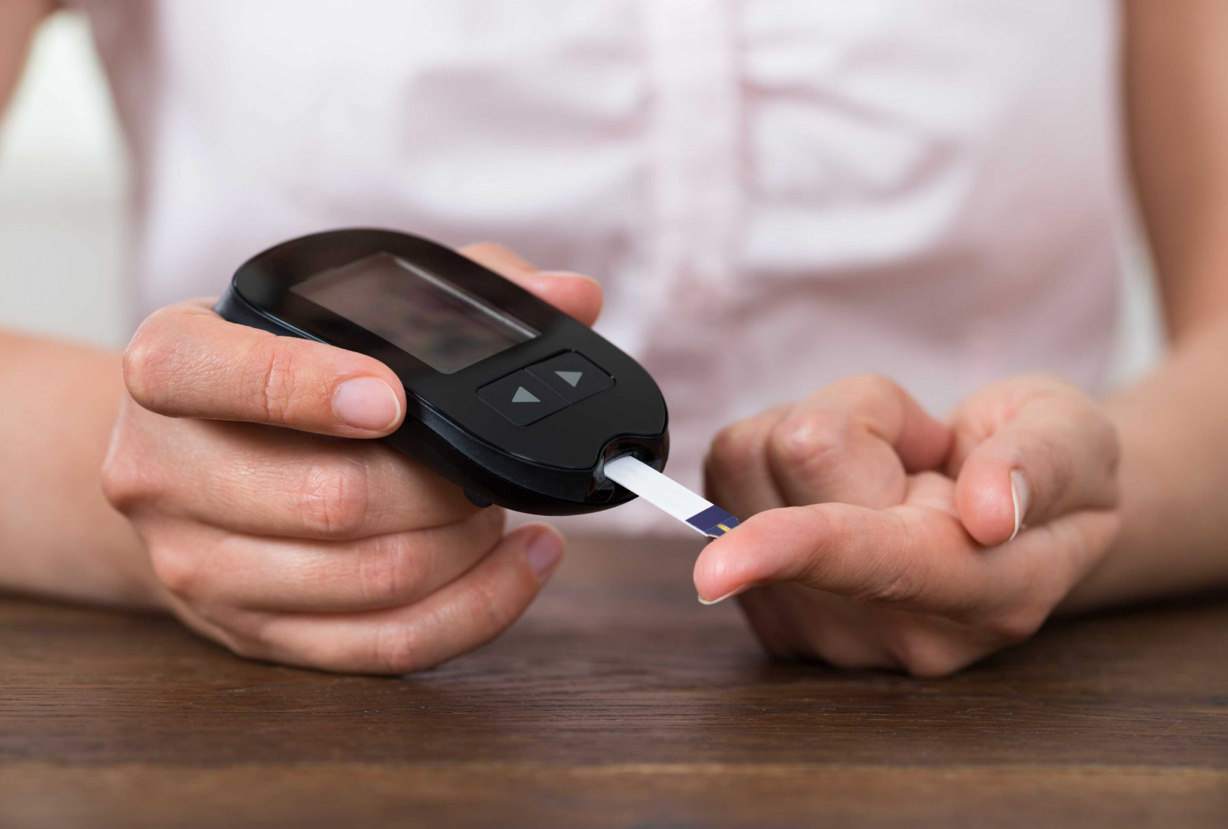
If you’ve been managing type 2 diabetes for years, you already know the frustrating part: medication doses that keep climbing, blood sugar that’s harder to control than it used to be, and a treatment plan that feels more like maintenance than progress. That frustration is exactly why researchers have spent the last several years investigating whether UC-MSC stem cell therapy cells sourced from umbilical cord tissue might support the body’s metabolic function in ways standard medication doesn’t. The short version: the early data is genuinely encouraging. The longer version, which matters more if you’re actually considering this, requires a bit more nuance.
Insulin is produced by beta cells in the pancreas, and its job is simple: move glucose out of the bloodstream and into cells where it can be used for energy. In type 2 diabetes, the body stops responding to insulin properly a state called insulin resistance. The pancreas tries to compensate by pumping out more insulin, but over time, beta cell function tends to decline. Glucose stays in the blood. Levels rise.
Left unmanaged, prolonged high blood sugar doesn’t just affect one number on a lab report it touches the heart, kidneys, eyes, nerves, and blood vessels. That’s why real diabetes treatment was never just about lowering glucose; it’s about blood pressure, cholesterol, weight, kidney function, and long-term cardiovascular risk all at once.
Mesenchymal stem cells (MSCs) don’t work the way people sometimes assume. They aren’t expected to become new pancreatic cells after infusion. What they actually do is release biological signals growth factors, cytokines, and other molecules that influence inflammation, immune activity, blood vessel support, and tissue repair throughout the body.
That distinction matters here specifically because chronic low-grade inflammation is closely tied to both insulin resistance and the progression of type 2 diabetes. Researchers are studying whether the signaling activity of MSCs might help create a more favorable metabolic environment not by manufacturing new insulin-producing cells, but by calming the inflammatory backdrop that keeps insulin resistance entrenched.
Current research is exploring several angles:
Regulating inflammatory activity tied to insulin resistance
Improving insulin sensitivity how well the body actually responds to the insulin it produces
Supporting remaining pancreatic beta cell function, rather than replacing it
Protecting cells from oxidative stress, a known driver of metabolic decline
Supporting small blood vessels and tissue repair, relevant given diabetes’s vascular effects
Influencing metabolic signaling between organs not just the pancreas in isolation
MSCs can be sourced from bone marrow, fat tissue, or umbilical cord tissue. UC-MSC stem cell therapy draw particular research interest because they’re collected without any invasive procedure for the patient, and they expand efficiently under controlled laboratory conditions practical advantages that make them easier to study and standardize at scale.
This is the part worth reading carefully, because vague optimism online doesn’t tell you much. Clinical studies on MSCs for type 2 diabetes typically track a specific set of markers:
HbA1c : average blood sugar over the previous two to three months
C-peptide : a marker physicians use to estimate how much insulin the pancreas is still producing
Time in range : how often glucose stays within target using continuous glucose monitoring
Across published studies, a meaningful subset of patients receiving MSC therapy showed improvements in HbA1c, glucose stability, insulin sensitivity, or their daily insulin requirements. Research specifically on UC-MSCs has reported encouraging shifts in blood sugar control and time in range in the same direction.
A randomized, placebo-controlled trial of UC-MSCs in Chinese adults with type 2 diabetes reported measurable improvements in glycemic markers compared with placebo, and a related retrospective study using continuous glucose monitoring found consistent benefits in glucose stability among treated patients. Broader systematic reviews and meta-analyses generally describe MSC therapy as a promising direction specifically for type 2 diabetes, with treatment-related reactions typically reported as mild and temporary.
But here’s the honest caveat: results vary considerably between studies, largely because researchers use different cell sources, doses, delivery schedules, and patient selection criteria. Current evidence doesn’t show that every patient responds the same way, and it doesn’t establish stem cell therapy as a cure for type 2 diabetes. Larger, longer-term studies are still needed to understand how durable these benefits are and which patients are most likely to see them.
Type 2 diabetes isn’t one condition wearing different faces it’s genuinely different biology from patient to patient. Someone with significant insulin resistance but well-preserved pancreatic function is a different case than someone with advanced beta cell decline after two decades of disease. That difference plausibly shapes how a person responds to a therapy aimed at supporting metabolic function.
Before considering UC-MSC therapy, a thorough evaluation typically reviews:
How long the person has had diabetes
Current HbA1c and glucose patterns
Daily medication or insulin requirements
How much insulin production remains
Body weight and degree of insulin resistance
Kidney, liver, and cardiovascular health
Any active infections or other relevant conditions
History of diabetes-related complications
It’s also worth asking whether existing treatment has actually been optimized first. Sometimes adjusting medication, nutrition, activity levels, sleep, or weight management offers a clearer, faster benefit than adding a regenerative therapy on top of an unoptimized plan.
No and this is worth stating plainly. Patients should not stop insulin, metformin, or any prescribed diabetes medication after stem cell treatment unless that change is directed by their treating physician. If blood sugar control genuinely improves, medication may need to be adjusted downward to avoid hypoglycemia but that decision has to be based on actual glucose readings, HbA1c trends, and medical assessment, not assumption.
Standard treatment today may include metformin, GLP-1 therapies, SGLT2 inhibitors, insulin, or other glucose-lowering medications, chosen based on blood sugar targets, weight, kidney function, cardiovascular risk, and side-effect profile. UC-MSC therapy is best understood as a potential addition to a comprehensive treatment plan not a substitute for nutrition, physical activity, medication management, or ongoing monitoring for complications.
A responsible treatment plan measures outcomes objectively, both before and after therapy. That typically includes:
HbA1c
Fasting and post-meal glucose
Time in range
C-peptide
Insulin or medication requirements
Kidney and liver function
Blood pressure and cholesterol
Symptoms of hypoglycemia
Any treatment-related reactions
Consistent monitoring is what separates a genuine metabolic response from normal day-to-day glucose variation and it’s what allows medication to be adjusted safely if things improve.
Yes. Thailand’s growing base of licensed laboratories and regenerative medicine clinics operates under Thai FDA and Ministry of Public Health oversight. Reputable clinics are transparent about cell sourcing, laboratory standards, and just as important the limits of what current evidence supports. If a clinic promises that stem cell therapy will “cure” diabetes or let you stop medication outright, that’s a claim well beyond what the research shows, and worth treating with real skepticism.
Work on UC-MSCs and type 2 diabetes is moving toward better patient selection criteria, standardized cell preparation protocols, appropriate dosing, and longer follow-up periods — the exact groundwork needed before a therapy like this can move from promising to established. Researchers are also studying extracellular vesicles and other cell-derived signals that may reproduce some of MSCs’ biological activity without requiring a full cell infusion, potentially offering a more standardized product down the line.
Not directly. Current evidence points to MSCs working mainly through signaling modulating inflammation and immune activity rather than differentiating into new insulin-producing cells.
This varies significantly by patient and study protocol. Some published trials tracked outcomes over several months using continuous glucose monitoring, which is a more reliable way to detect real change than a single lab draw.
Published studies generally report a favorable safety profile, with treatment-related reactions typically mild and temporary. As with any regenerative treatment, safety depends heavily on proper screening, laboratory quality standards, and physician oversight throughout the process.
Patients with active infections, unmanaged complications, or conditions that haven’t been fully evaluated by a physician generally aren’t appropriate candidates until those issues are addressed first.
Current evidence gives real reason to keep studying UC-MSC therapy for type 2 diabetes some patients in published trials have shown genuine improvements in insulin sensitivity and glucose control. But the most responsible way to think about this is as a potential complement to established diabetes care, evaluated individually, with realistic expectations set from the start. You can explore our full range of regenerative medicine services on the stem cell therapy page, review real patient outcomes on our results page, or book a consultation to discuss whether this fits your specific case.
Nada AH, et al. Safety and Efficacy of Umbilical Cord Mesenchymal Stem Cells in the Treatment of Type 1 and Type 2 Diabetes Mellitus: A Systematic Review and Meta-Analysis. Expert Review of Endocrinology & Metabolism, 2025. https://pubmed.ncbi.nlm.nih.gov/39905688/
Habiba UE, et al. Meta-Analysis Shows That Mesenchymal Stem Cell Therapy Can Be a Possible Treatment for Diabetes. Frontiers in Endocrinology, 2024. https://pmc.ncbi.nlm.nih.gov/articles/PMC11116613/
Zang L, et al. Efficacy and Safety of Umbilical Cord–Derived Mesenchymal Stem Cells in Chinese Adults with Type 2 Diabetes: A Randomized, Placebo-Controlled Trial. Stem Cell Research & Therapy, 2022. https://pmc.ncbi.nlm.nih.gov/articles/PMC9066971/
Zang L, et al. Efficacy of Umbilical Cord–Derived Mesenchymal Stem Cells in the Treatment of Type 2 Diabetes Assessed by Retrospective Continuous Glucose Monitoring. Stem Cells, 2023. https://pmc.ncbi.nlm.nih.gov/articles/PMC10726406/
American Diabetes Association Professional Practice Committee. Pharmacologic Approaches to Glycemic Treatment: Standards of Care in Diabetes 2026. Diabetes Care, 2026. https://diabetesjournals.org/care/article/49/Supplement_1/S183/163934/9-Pharmacologic-Approaches-to-Glycemic-Treatment