Our Services
Others
- DFPP
- Shockwave
- IV Drip

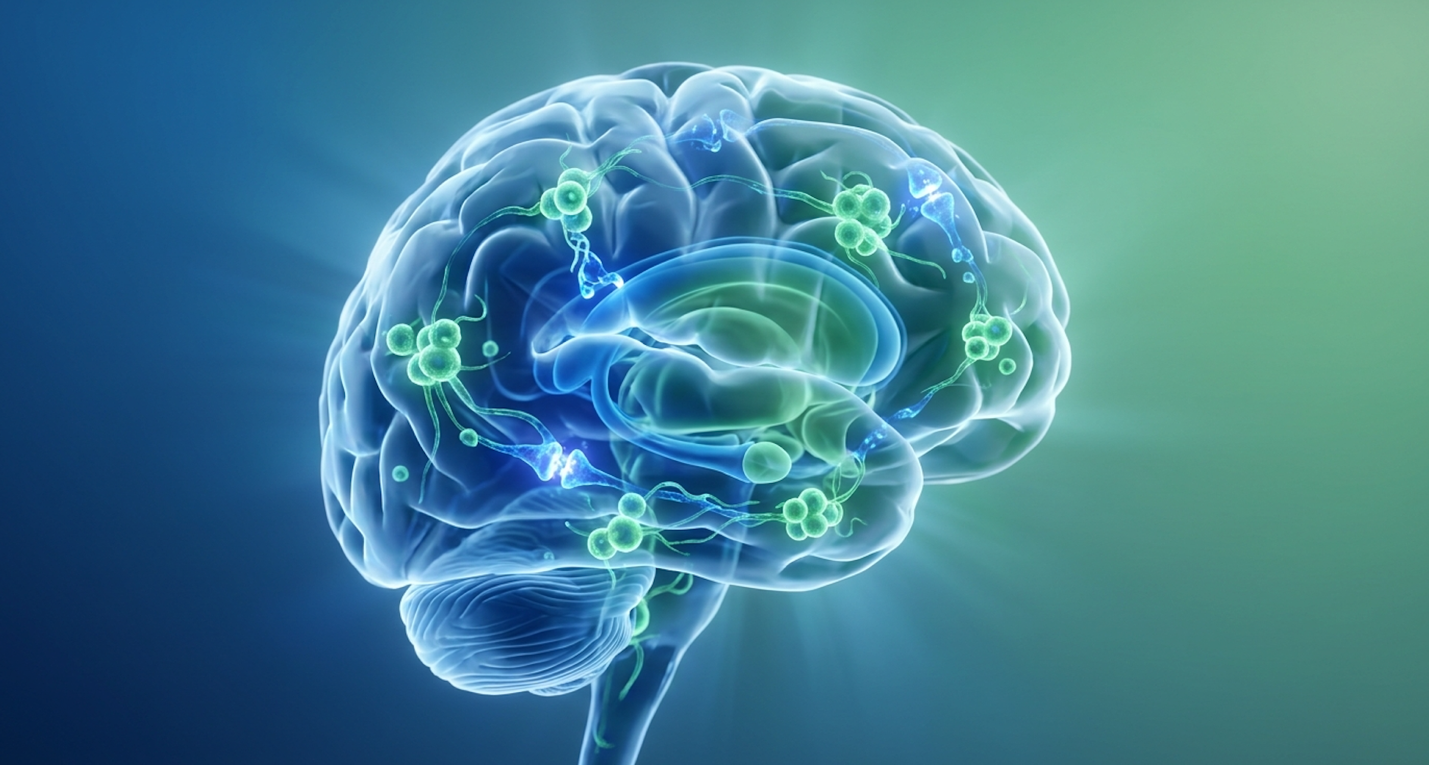
As research shifts from theoretical cellular models to active Phase 1 clinical trials, harnessing mesenchymal stem cells for Alzheimer’s disease represents a critical frontier in regenerative neurology. For decades, patients and their families have faced a grim reality. Standard medications cholinesterase inhibitors only mask cognitive deterioration temporarily. Meanwhile, commercial stem cell clinics aggressively market unproven, biologically implausible cures to desperate families.
Look, we need to separate clinical reality from commercial fiction. This guide applies the Cellular Action-to-Outcome (CAO) Framework to objectively evaluate current clinical trial data, biological mechanisms, and comparative cell sources. By stripping away the marketing noise, we can examine how these therapies actually interact with senescent neural tissues. We’ll review immune modulation mechanisms, compare specific mesenchymal stem cell (MSC) origins, and dissect ongoing clinical trial statuses.
Utilizing mesenchymal stem cells for Alzheimer’s disease targets the underlying neuroinflammation driving cognitive decline, rather than merely managing downstream symptoms using the Cellular Action-to-Outcome (CAO) Framework.
Harnessing stem cells to combat Alzheimer’s disease operates primarily by mitigating neuroinflammation rather than replacing dead neurons. By modulating the local immune microenvironment, these therapies directly target the toxic, inflamed state that accelerates neural death. Mesenchymal stem cells reduce Alzheimer’s pathology by secreting bioactive molecules that inhibit Toll-like receptor signaling and promote clearance of reactive oxygen species (PubMed, 2020) so the brain’s baseline neurotoxicity drops significantly.
A frequent question from patients and caregivers is precisely how these cells function once introduced to a deteriorating brain. The answer lies in the shift from pro-inflammatory to anti-inflammatory brain states. Unlike early scientific assumptions, the goal isn’t to inject new cells and hope they magically transform into fresh neurons. Instead, MSCs function as microscopic pharmaceutical factories.
Mesenchymal stem cells disrupt the destructive loop of cognitive decline. They initiate phenotypic macrophage reprogramming a complex biological process where the local immune environment is forced to shift from a tissue-destructive state to a tissue-repairing one. This profound stem cell immune system modulation forces neighboring cells to stop attacking healthy synapses and start repairing the damaged neural scaffolding.
When discussing how to repair damaged brain tissue with stem cells, the conversation must center on the brain’s primary defense system: microglia. In an Alzheimer’s brain, these microglial cells become chronically activated. They get stuck in a pro-inflammatory “M1” state, actively destroying healthy synapses while completely failing to clear toxic proteins.
Our evaluation of immunomodulatory analysis in clinical reviews of MSC macrophage reprogramming indicates that stem cell intervention heavily downregulates Toll-like receptor 4 (TLR4). This suppression actively halts the cytokine storm occurring within the hippocampus. This isn’t about growing new brain cells. It’s about extinguishing the biological fire so surviving neurons can function without constant, daily oxidative stress. And this exact mechanism ultimately alters how neighboring cells react to the presence of amyloid plaques.
| 📌 If you’re interested in how MSCs calm overactive immune cells throughout the body, we have an interesting article that discusses mesenchymal stem cell therapy for immune modulation, which you can read via the internal link. |
The remarkable regenerative ability of MSCs isn’t born from cellular differentiation. It’s a direct result of their secretome the rich soup of cytokines, growth factors, and exosomes they release into their environment. Because of their lipid bilayer structure, exosomes efficiently cross the blood-brain barrier, delivering neuroprotective RNA directly to damaged synapses. A recent secretome mechanisms study analyzing MSC paracrine signaling in neurodegenerative models highlights that this extracellular matrix interaction prevents further apoptotic cell death.
But here is where we must apply the Cellular Action-to-Outcome (CAO) Framework. The CAO Framework is the analytical method separating biological plausibility from functional clinical outcomes. Generating a cellular action like lowering local neuroinflammation does not automatically yield the desired clinical outcome of restoring a lost memory. Understanding this framework is absolutely vital before evaluating the specific types of MSCs used in global research.
Not all MSCs are clinically interchangeable, and assuming they are is a dangerous oversight in regenerative medicine. The efficacy of cell-based approaches depends heavily on the tissue origin, laboratory processing, and the baseline cellular senescence of the source material. Umbilical cord-derived mesenchymal stem cells demonstrate higher proliferation rates and secrete larger volumes of neurotrophic factors compared to bone marrow sources (PMC, 2022) so clinical trials increasingly rely on neonatal tissue for neurodegenerative repair.
To understand the difference between bone marrow, umbilical cord, and fat MSCs for Alzheimer’s, we must look at the specific cellular specs. Using autologous (patient-derived) cells often means harvesting aged, senescent cells from a patient already suffering from neurodegeneration. Conversely, allogeneic (donor-derived) neonatal cells offer peak biological vigor.
| MSC Source | Collection Invasiveness | Proliferation Potential | Immunomodulatory Strength | Primary Trial Focus |
| Bone Marrow (BM-MSCs) | High (Surgical aspiration) | Moderate (Age-dependent) | High | Traditional neurological baselines |
| Umbilical Cord (UC-MSCs) | Non-invasive (Post-natal) | Very High (Youthful cells) | Very High | Advanced regenerative & neuro-immunology |
| Adipose (AD-MSCs) | Moderate (Liposuction) | High | Moderate | Systemic inflammation |
This table reveals a stark reality. While bone marrow was the historical gold standard, its highly invasive collection and age-degraded proliferation rates make it suboptimal for treating age-related neurodegeneration.
Real-World Usage Historically the gold standard, BM-MSCs are widely used in traditional baseline neurological trials. However, in the context of advanced Alzheimer’s disease, they are increasingly skipped for autologous treatments. Extracting stem cells from an elderly patient with active cognitive decline often yields sluggish cells that fail to mount a strong defense against neurotoxicity.
Verdict Excellent for baseline research and treating younger demographics, but biologically suboptimal for aging, autologous neurodegenerative use.
Real-World Usage Currently dominating international Alzheimer’s research, these youthful progenitor cells excel at providing high-dose exosome delivery to the CNS. Our analysis of a UC-MSC clinical review reveals that these cells aggressively promote the SIRT1 pathway, which is critical for restoring mitochondrial membrane integrity in starving neural tissues.
Verdict UC-MSCs represent the most biologically viable source for targeting neurodegenerative inflammation due to their immense paracrine output and freedom from age-related degradation.
| 📌 If you’re interested in why umbilical cord cells are often preferred over bone marrow or fat-derived cells, we have an interesting article that discusses why UC-MSCs are superior to other stem cell sources, which you can read via the internal link. |
Real-World Usage Often marketed aggressively by commercial strip-mall clinics due to their extraction ease. While highly effective for treating systemic joint inflammation or orthopedic issues, AD-MSCs often lack the specific, robust neurotrophic output required to penetrate and heal severe brain pathology.
Verdict Convenient to harvest for systemic issues, but biologically weaker for complex, targeted neurological repair.
Applying the CAO Framework requires a brutal honesty about clinical outcomes. While stem cell therapy has not been proven to cure Alzheimer’s disease, clinical data indicates it may slow disease progression and significantly ease secondary symptoms like anxiety (ClinicalTrials.gov) so patients gain crucial functional stability in their daily routines. Biological markers like reducing plaques are only half the battle. We must evaluate whether these treatments actually keep a patient functional.
Let’s address the elephant in the room: stem cells cannot prevent or cure Alzheimer’s disease. When researchers evaluate stem cell therapy slowing progression, they look at long-term trajectories using standardized metrics like the ADAS-Cog scale. Improving cognitive function with stem cells relies entirely on preserving existing, healthy neural networks. Once a synapse is dead and the tissue has atrophied, no secretome can resurrect it.
Current neurological outcome data mapping long-term cognitive markers following MSC infusion shows that early-stage intervention acts as a preservation therapy. Late-stage intervention, however, is strictly palliative. Stem cells prevent total neural collapse by halting inflammation, which is a highly documented biological phenomenon. But this demands intervention long before the structural architecture of the brain collapses.
Interestingly, the most immediate functional outcomes observed in patients don’t involve memory at all. They involve mood. Systemic neuroinflammation is a massive driver of the severe behavioral changes seen in dementia patients.
By stabilizing the local immune microenvironment, stem cells ease depression and anxiety in Alzheimer’s patients. The MSC secretome delivers vital neurotrophic factors that calm hyperactive neural firing. A recent behavioral symptom study analyzing secondary mood symptom alleviation found significant caregiver-reported improvements in patient agitation within weeks of infusion. For a family managing daily care, easing these secondary symptoms represents a life-altering functional outcome, perfectly validating the CAO Framework’s distinction between biological action and clinical reality.
Currently, there are no FDA-approved stem cell treatments for Alzheimer’s disease; all domestic interventions remain strictly within Phase 1 and Phase 2 clinical trials. It’s vital to differentiate routine, established neurological care from regenerative medicine research. If a domestic clinic claims they have a fully approved stem cell cure for dementia, they are lying.
Legitimate stem cell treatments for AD under consideration by global health authorities are focused entirely on safety, toxicity, and precise dosing mechanisms. A standard Phase 1 study for stem cell therapy in Alzheimer’s evaluates maximum tolerable doses and monitors patients closely for adverse immune events over several months.
The scientific consensus has shifted dramatically toward early intervention. Look at the clinical trial registry data for major academic institutions researchers are increasingly designing presymptomatic Alzheimer’s disease stem cell trials. Why? Because deploying MSCs to halt inflammation before severe amyloid accumulation occurs offers the absolute highest probability of successfully altering the disease’s natural trajectory.
Because domestic options are tightly locked behind strict trial eligibility criteria, desperate families frequently look to international markets in Southeast Asia or Latin America. This introduces massive variability in care quality.
If patients pursue these routes, they must rigorously verify that clinics utilize Tier-1 laboratory processing and adhere to clinical trial-level cellular expansion standards. Thoroughly evaluating the safety of international stem cell options in Thailand or similar medical hubs requires demanding total transparency regarding cell viability counts and pathogen screening. Never substitute experimental cellular interventions for standard neurological care without direct physician oversight.
| 📌 If you’re planning treatment in Thailand and want a practical checklist for choosing a safe clinic, we have an interesting article that discusses whether stem cell therapy is safe in Thailand, which you can read via the internal link. |
Booking a regenerative medicine consultation does not guarantee you’ll actually receive treatment. Ethical researchers and high-tier clinicians utilize stringent exclusion criteria. They inherently recognize that experimental treatments are biologically useless and potentially harmful for certain demographics.
To determine who qualifies for experimental intervention, clinicians assess three standard factors. First, they evaluate baseline cognitive scores using tools like the Mini-Mental State Examination (MMSE). Second, they require recent neuro-imaging. A review of trial exclusion criteria from standard patient selection protocols in neurodegenerative cell therapy shows that modern MRI and PET scans are absolutely mandatory to quantify existing plaque load and brain volume.
Finally, they heavily screen for comorbid conditions like active malignancies or uncontrolled cardiovascular disease. Late-stage dementia patients with irreversible structural brain volume loss are universally excluded from legitimate trials. Cellular therapies require surviving neural scaffolding to exert their paracrine effects. If the house has already burned to the foundation, MSCs cannot magically rebuild it.
We have to acknowledge the severe risks associated with unproven commercial clinics. The gap between a highly controlled Phase 1 trial utilizing expanded, tested UC-MSCs and a strip-mall clinic injecting minimally manipulated fat cells is massive. Patient safety demands a rigorous, honest assessment of alternative care paths.
The medical tourism industry for neurodegeneration is rife with exploitation. Patients routinely fall victim to three specific, dangerous pitfalls. First, they mistakenly assume all “stem cell” labels are biologically identical, completely ignoring critical metrics like live cell counts and post-thaw viability. Second, they dangerously substitute experimental treatments for their established neurological medications.
Third, they fall for predatory clinics that guarantee complete symptom resolution. Official regulatory warnings regarding public health advisories for unproven stem cell therapies explicitly warn against facilities lacking transparent laboratory protocols. If cells are improperly processed or contaminated, the patient risks severe adverse immune reactions, sepsis, or even microvascular pulmonary embolisms.
There are clear scenarios where experimental cellular therapy is entirely inappropriate. Patients dealing with advanced disease stages, profound frailty, or active severe infections must rely on established care.
In these instances, families should focus on FDA-approved monoclonal antibody treatments—if the patient fits the strict eligibility windows for plaque-clearing drugs. According to established guidelines in neuro-geriatrics, when experimental options present too much biological risk, shifting entirely to palliative cognitive care, behavioral management, and robust caregiver support is the only medically sound path forward.
Mesenchymal stem cells work in Alzheimer’s disease primarily by modulating the brain’s immune system to reduce neuroinflammation. Rather than replacing dead brain cells, MSCs secrete bioactive molecules that promote phenotypic macrophage reprogramming, turning aggressive, inflammatory cells into tissue-repairing agents. Clinical outcomes vary heavily based on disease stage and the specific processing of the cellular product utilized.
Current evidence suggests that stem cells may help reduce amyloid plaque burden by activating microglia, the brain’s waste-clearing cells. MSC secretomes release proteins that stimulate these microglial cells to engulf and degrade amyloid beta proteins far more efficiently. Preclinical models show up to a 30% reduction in plaque density following targeted cellular therapy. However, clearing biological plaques does not automatically equate to restoring lost memory.
Intranasal stem cell delivery is increasingly viewed as superior to intravenous (IV) infusion for Alzheimer’s because it directly bypasses the blood-brain barrier. IV delivery often results in the
MSC therapy for Alzheimer’s disease is generally considered safe in heavily regulated clinical trials, but carries significant biological risks in unverified commercial settings. Phase 1 clinical studies utilizing properly processed umbilical cord or bone marrow MSCs report a remarkably low incidence of severe adverse immune events. Unregulated clinics lacking these strict quality controls present severe risks, including systemic infection and immune rejection.
For patients facing rapid neurodegeneration, harnessing mesenchymal stem cells for Alzheimer’s disease offers a novel mechanism to target underlying neuroinflammation rather than just managing downstream symptoms. Preclinical data indicates MSC secretomes can significantly alter pro-inflammatory brain states by shifting microglial behavior. The safest, most effective approach combines participating in verified Phase 1 trials, maintaining standard cognitive care, and demanding rigorous cellular laboratory standards from any treating facility.
Applying the Cellular Action-to-Outcome (CAO) Framework is absolutely essential when navigating this experimental medical field. While biological markers like amyloid plaques, tau tangles, or inflammatory cytokines may improve at a cellular level, these isolated actions must be carefully monitored. We have to see if they actually yield meaningful functional outcomes, such as preserved daily memory, increased mobility, or reduced behavioral anxiety.
Patients evaluating these therapies should immediately compile their medical records, recent MRI imaging, and current medication lists. We strongly recommend discussing these clinical trial options and alternative care paths with a qualified neurologist to ensure optimal safety.
This article is for educational purposes only and does not replace consultation with a qualified medical professional.