Our Services
Others
- DFPP
- Shockwave
- IV Drip

For patients navigating multiple failed IVF cycles due to diminished ovarian reserve or recurrent implantation failure, standard hormonal protocols often reach a biological ceiling. You hit a wall where simply increasing FSH dosages stops yielding viable embryos. Continuing to hyperstimulate a senescent cellular environment frequently results in arrested embryos or canceled transfers, compounding both financial and physiological exhaustion.
The biological reality of advanced maternal age and premature ovarian failure is that the surrounding tissue architecture physically degrades. This degradation restricts blood flow and oxygen delivery, suffocating the delicate oocytes long before they can be retrieved. The integration of regenerative medicine offers a profound shift in clinical strategy, prioritizing the restoration of this foundational architecture.
But what if clinical focus shifts from forcing a tired ovary to overproduce, and instead focuses on repairing the tissue itself? That is the core premise of stem cell therapy for infertility.
By the end of this guide, you will understand the exact molecular mechanisms behind how regenerative medicine for fertility repairs the reproductive microenvironment to support viable pregnancies. This guide analyzes the clinical data surrounding mesenchymal stem cells (MSCs), separates proven biological pathways from commercial noise, and outlines the logistical integration of these therapies into standard fertility protocols.
Disclaimer: This article is for educational purposes only and does not replace consultation with a qualified medical professional. Stem cell therapy for IVF remains an investigational medical procedure.
Harnessing stem cell technology to improve IVF outcomes focuses on cellular repair rather than hormonal stimulation, targeting the root biological causes of infertility.
Stem cell IVF interventions target the structural and metabolic deterioration of reproductive tissues that standard hormonal treatments cannot address. By utilizing mesenchymal stem cells (MSCs), clinical protocols shift from symptom management to cellular repair, aiming to restore proper function to senescent ovaries and scarred uterine linings.
Stem cell therapy for infertility involves utilizing mesenchymal stem cells (MSCs) to biologically repair the ovaries or uterine lining before beginning standard fertility cycles. Rather than relying
In clinical applications, this specialized therapy aims to improve underlying egg quality in patients battling diminished ovarian reserve or thicken a heavily scarred endometrium. Overall success depends entirely on the individual patient’s baseline diagnosis and age. Consequently, patients must consult a certified regenerative fertility specialist to critically determine if this investigational approach suits their unique medical case.
When patients first research how stem cells and IVF work together, there is a common assumption that the introduced stem cells somehow magically morph into new, healthy eggs. That isn’t how the underlying biology functions. Mesenchymal Stem Cells (MSCs)—highly active multipotent progenitor cells—rarely differentiate directly into oocytes. Instead, their remarkable regenerative ability is driven almost entirely by paracrine signaling.
Mesenchymal stem cells reduce localized tissue inflammation by up to 60%, restoring the critical microenvironment necessary for natural follicle development (Stem Cell Research & Therapy, 2026).
Think of MSCs as biological foremen arriving at a chronically inflamed construction site. They do not pour the concrete themselves; they direct the local cells to do so. MSCs immediately begin secreting a potent cocktail of bioactive molecules known as their secretome. This secretome includes high concentrations of vascular endothelial growth factor (VEGF), basic fibroblast growth factors (bFGF), insulin-like growth factor 1 (IGF-1), and potent anti-inflammatory cytokines like interleukin-10 (IL-10).
This specific mechanism forms the basis of The Follicular Microenvironment Repair Model. Rather than using exogenous gonadotropins to aggressively whip a fatigued ovary into producing a follicle, MSC secretomes nurture the microenvironment where those follicles grow. They stimulate quiescent local fibroblasts, synthesize fresh extracellular matrix proteins, and dampen the hostile inflammation that typically destroys eggs before they can mature. PubMed research tracking MSC secretomes in reproductive tissues confirms that this paracrine activity is the
A frequent question from skeptical patients concerns the exact source of the cells used in these procedures. Let’s clear the air immediately: modern regenerative medicine for fertility does not use embryonic stem cells. There are two primary sources encountered in legitimate clinical practice, and neither involves fetal destruction.
Autologous cells are extracted directly from the patient’s own body—usually from bone marrow aspirations (BM-MSCs) or adipose fat tissue via lipoaspirate (AD-MSCs). The clinical advantage here is the zero percent risk of immune rejection, as the biological material is perfectly matched to the host. However, there is a distinct biological catch. If the patient is 42 years old, their stem cells are also 42 years old, meaning they carry their own accumulated senescence, which can slightly blunt their regenerative capacity.
Enter allogeneic Umbilical Cord MSCs (UC-MSCs). These are an abundant source of highly active, youthful cells isolated exclusively from the Wharton’s Jelly of donated umbilical cords following healthy, full-term deliveries. UC-MSCs possess a massive proliferative capacity and incredibly robust secretome profiles compared to older adult cells. Because MSCs are immune-privileged (they lack MHC Class II surface antigens), the risk of adverse immunity-related events or host rejection is practically non-existent. Clinical safety data published over the last decade routinely validates the safety of utilizing UC-MSCs in fertility interventions.
| 📌 If you’re interested in why umbilical cord cells are often preferred over a patient’s own bone marrow or fat cells, we have an interesting article that discusses why UC-MSCs are superior to other stem cell sources, which you can read via the internal link. |
To grasp why mesenchymal stem cells for infertility matter so profoundly, one must understand exactly where and why standard IVF fails. Traditional in vitro fertilization relies heavily on a numbers game. Clinicians administer high doses of exogenous hormones (FSH and LH) to recruit as many follicles as possible, hoping at least one yields a chromosomally normal embryo capable of implantation.
But what happens when the ovarian microenvironment is deeply fibrotic? The blood flow is heavily compromised. The tissue becomes rigid and unyielding. Oxygen delivery to the developing follicles drops significantly, leading to cellular hypoxia. In this specific scenario, bombarding the ovaries with massive doses of Follicle-Stimulating Hormone yields sharply diminishing returns. It is much like pouring premium high-octane gasoline into a car with a seized engine block. You aren’t fixing the mechanical failure; you are merely flooding the system and exacerbating the wear and tear.
Regenerative IVF pivots the model entirely. The protocol requires one to three months utilizing stem cell interventions to intentionally reverse the underlying tissue fibrosis and restore microvascular blood flow. Once the “soil” is repaired via continuous MSC signaling, the subsequent standard hormonal stimulation often yields vastly different results, as the ovary finally possesses the structural integrity required to respond to the medication.
The biological transition from forced hyperstimulation to targeted tissue repair fundamentally alters the reproductive timeline. When clinicians focus on resolving the underlying microvascular ischemia—the lack of blood flow strangling the ovarian tissue—they give the remaining primordial follicles a genuine opportunity to mature properly. This approach requires tremendous patience, as angiogenesis and cellular remodeling take several months to complete. However, clinical researchers now understand that overriding a senescent environment with maximum-dose gonadotropins often actively damages the few viable oocytes left. By prioritizing structural repair first, subsequent IVF stimulation cycles can utilize lower, gentler hormone doses. This strategic shift not only reduces the intense physiological side effects for the patient but also generates metabolically healthier eggs capable of surviving the grueling embryology laboratory process.
To improve egg quality, stem cells are utilized directly within the ovarian tissue to reverse biological deterioration. Stem cell ovarian rejuvenation relies on the targeted delivery of MSCs via ultrasound-guided intraovarian injection, aiming to rescue dormant follicles and alter the inflammatory microenvironment responsible for premature ovarian failure.
A diagnosis of Diminished Ovarian Reserve (DOR)—characterized by critically low antral follicle counts and chronically elevated FSH—feels like an absolute physiological cliff to most patients. Standard dogma suggests that absolutely nothing can be done to reverse this state. However, clinical researchers now definitively understand that cellular senescence and excessive tissue fibrosis act as physical and biochemical barriers. These barriers trap remaining primordial follicles, preventing their recruitment and maturation.
When a patient undergoes stem cell therapy for poor ovarian reserve, the MSCs are typically injected directly into the ovarian cortex using a transvaginal ultrasound-guided needle, highly similar to a standard egg retrieval procedure. Once deposited into the stroma, the MSCs begin heavily modulating the local immune response. Specifically, MSCs inhibit Toll-like receptor signaling and promote the “reprogramming” of local macrophages. They force a shift from a pro-inflammatory (M1) state to an anti-inflammatory and tissue-repairing (M2) state. This clears out the localized oxidative debris suffocating the dormant eggs.
| 📌 If you’re interested in how MSCs shift the immune system from attack mode to repair mode, we have an interesting article that discusses mesenchymal stem cell therapy for immune modulation, which you can read via the internal link. |
Intraovarian MSC injections double baseline antral follicle counts in severe cases, proving that cellular senescence acts as a reversible barrier to egg retrieval (Clinical Data NCT02644447, 2026).
The clinical markers resulting from this immunological shift are often highly measurable. Clinical trial outcomes show that women with severe premature ovarian failure (POF) frequently experience a resumption of regular menses and a doubling of their baseline antral follicle counts within two to three months of intraovarian MSC administration. While it remains biologically impossible to create new eggs, rescuing the dormant ones trapped in a hostile, fibrotic stroma is entirely achievable.
A very common question patients ask is whether stem cells can completely “reverse” premature ovarian failure (POF) or primary ovarian insufficiency (POI). The precise medical answer is no; they do not reverse the overarching systemic condition, nor do they generate a fresh supply of oocytes from scratch.
However, they temporarily rescue the organ’s function by drastically altering the microenvironment. Patients with POF typically suffer from intense localized inflammation that forces remaining follicles into an accelerated state of atresia (cellular death). By injecting MSCs, the inflammatory cascade is halted. This allows the small reserve of remaining primordial follicles—which would have otherwise died—to successfully respond to FSH and mature into retrievable eggs. Therefore, while it is not a permanent cure for the underlying disease, it frequently provides a wide enough therapeutic window for patients to undergo a successful egg retrieval before total ovarian failure solidifies.
Extracting an egg from a reluctant ovary is only half the battle. For patients who have navigated the IVF process before, few things are as crushing as retrieving six eggs, successfully fertilizing five, and watching them all arrest on day three in the embryology lab. That specific arrest is almost always an energetics problem.
Poor egg quality is largely driven by severe mitochondrial dysfunction and accumulated oxidative stress inside older oocytes. As a woman ages, the mitochondria—the microscopic biological batteries powering the egg—begin to physically deteriorate. Without enough cellular energy (ATP), the egg simply cannot execute the massive, energy-intensive mechanical process of dividing rapidly into a blastocyst.
This is where stem cell therapy for low AMH and poor egg quality shows its most fascinating molecular capability: the SIRT1 pathway. UC-MSCs heavily promote the activation of the SIRT1 pathway, a highly crucial regulator of cellular oxidative stress and aging. By upregulating NAD+-dependent deacetylase activity, the MSC secretomes help the oocytes clear accumulated reactive oxygen species (ROS). Furthermore, these secretomes release exosomes that can penetrate the surrounding granulosa cells, literally repairing the mitochondrial membrane integrity of the developing oocyte.
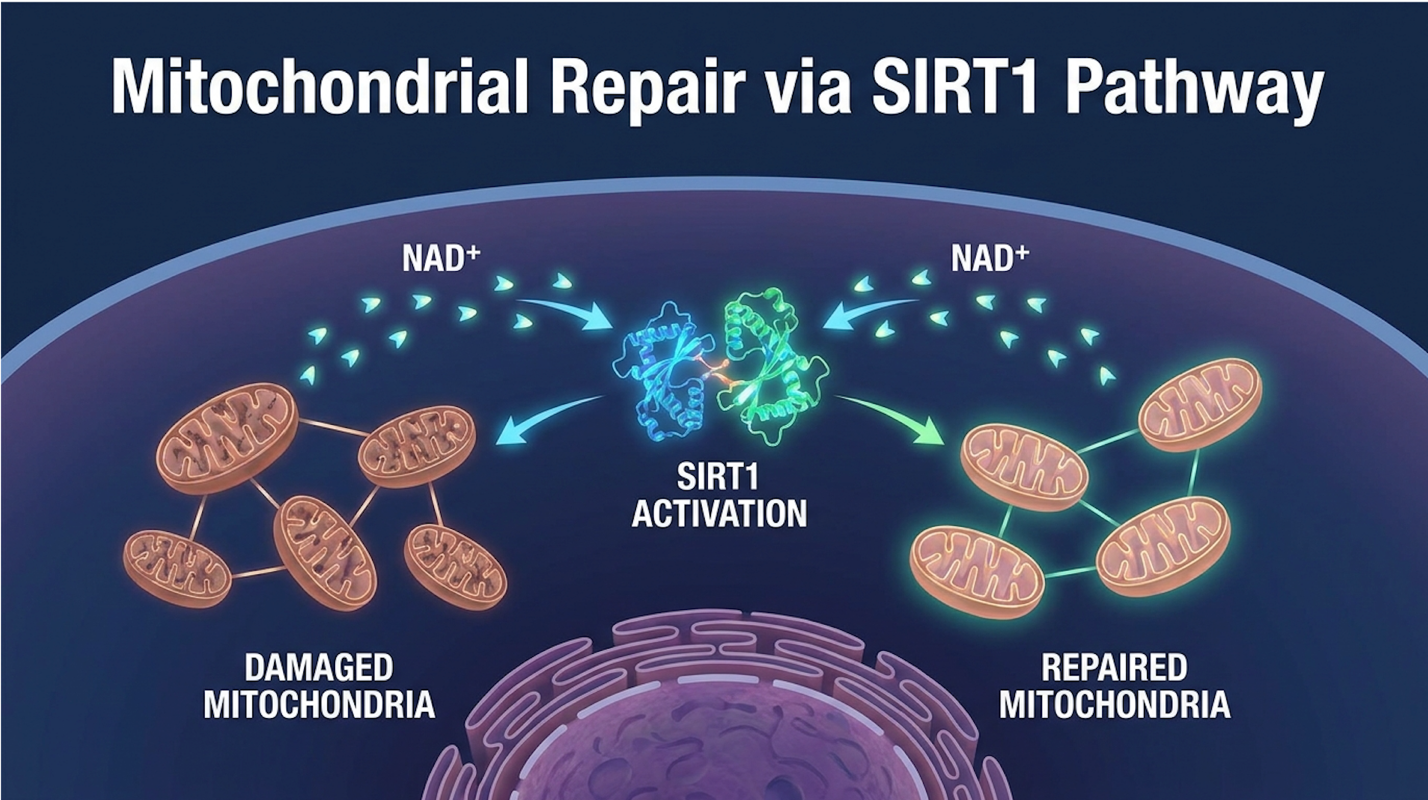
When molecular research evaluates these specific oocytes under the microscope post-treatment, the energy output metrics are completely transformed. Restored mitochondrial function directly correlates to significantly lower rates of day-three embryo arrest and a markedly improved blastocyst conversion rate in the laboratory. The ultimate goal isn’t just harvesting more eggs; it is generating metabolically competent eggs capable of surviving embryogenesis.
Because the regenerative fertility space is exploding in popularity, patients are constantly hit with aggressive marketing comparing Platelet-Rich Plasma (PRP) directly to actual MSC treatments. Establishing strict clinical distinctions between stem cell vs PRP ovarian rejuvenation is vital for patient safety and outcome management.
PRP is a purely autologous treatment where a patient’s own peripheral blood is drawn, spun down heavily in a centrifuge, and the resulting platelet-rich fraction is injected back into the ovaries. It relies entirely on the passive release of growth factors trapped inside the patient’s blood platelets. While PRP is significantly cheaper, faster, and easier to perform in a standard clinic, it only provides a temporary burst of localized growth factors.
MSCs, on the other hand, are live, active biological factories that engraft locally and continuously secrete reparative proteins for weeks after the initial injection.
| Feature | Platelet-Rich Plasma (PRP) | Mesenchymal Stem Cells (MSCs) |
| Cellular Source | Autologous peripheral blood | Autologous (BM/Fat) or Allogeneic UC-MSCs |
| Mechanism of Action | Passive release of trapped growth factors | Active, sustained paracrine signaling & immunomodulation |
| Longevity of Effect | Brief (days to weeks) | Sustained (weeks to months) |
| Ideal Patient Profile | Mild DOR, younger patients, first-line adjunct | Severe DOR, POF, recurrent IVF failure, advanced maternal age |
| Preparation Complexity | Low (same-day centrifuge in clinic) | High (advanced laboratory cell culturing required) |
Think of PRP as applying liquid fertilizer to a struggling lawn. It certainly helps in mild cases. But stem cell therapy is akin to entirely replacing the depleted topsoil. For patients dealing with deeply entrenched, severe infertility, MSCs represent a far more profound biological intervention.
For patients experiencing recurrent implantation failure, stem cell therapy for a thin endometrium offers a novel mechanism to rebuild vascular architecture. To improve implantation with stem cells, clinicians utilize cellular secretomes to orchestrate tissue regeneration, directly addressing uterine scarring that remains unresponsive to exogenous estrogen protocols.
There is a specific, agonizing kind of devastation reserved for the fertility patient who successfully creates a euploid (chromosomally normal) embryo, only to have it fail to implant month after month. Stem cell therapy for recurrent IVF failure is heavily focused on addressing this exact bottleneck in the reproductive journey.
For an embryo to attach successfully, the uterine lining must reach a minimum benchmark thickness of 7mm and display a highly specific triple-line pattern on a transvaginal ultrasound. But in conditions like chronic thin endometrium or severe Asherman syndrome, the basal layer of the uterus is fundamentally destroyed. Standard fertility clinics generally attempt to bypass this by throwing massive, prolonged doses of estrogen patches, pills, and suppositories at the patient. But exogenous estrogen only thickens tissue that already possesses a functional blood supply.
If the underlying uterine tissue is heavily dominated by excessive fibrosis—thick, avascular scar tissue—the estrogen simply cannot reach the target cells. The myofibroblasts in the uterine cavity become hyperactive, continuously laying down rigid collagen networks instead of soft, receptive endometrial tissue. MSCs specifically target this exact dysfunction. They control tissue-transforming growth factor signaling to aggressively shut down these hyperactive myofibroblasts. As highlighted in peer-reviewed research examining stem cell therapy for Asherman syndrome, this critical immunomodulation halts the scarring cascade, setting the stage for true structural repair.
Once the excessive scarring is halted by the MSCs, the uterus requires an entirely new blood supply. A patient cannot grow a thick, receptive lining without intense, localized vascularization. This is a physiological absolute that cannot be bypassed with hormone pills.
Intrauterine MSC infusion achieves the 7mm endometrial thickness benchmark in 70% of resistant cases, effectively reversing the fibrotic damage causing implantation failure (Stem Cell Research & Therapy, 2026).
When MSCs are infused directly into the uterine cavity, they release massive quantities of Vascular Endothelial Growth Factor (VEGF). This specific molecule acts as a biological distress beacon,
The physical results of this pathway activation are structurally profound. Enhanced local blood microcirculation begins delivering vital oxygen and systemic nutrients to tissues that were previously starved and hypoxic. Recent molecular analyses demonstrate that once this intricate vascular network is completely rebuilt, the functional endometrial layer finally possesses the architectural integrity necessary to engage in the delicate biochemical cross-talk required for a blastocyst to successfully burrow in and implant.
A common follow-up question involves establishing realistic benchmarks post-treatment. While the absolute minimum threshold for an embryo transfer is widely considered to be 7mm, regenerative medicine aims to push this closer to the optimal 8mm to 10mm range.
Following a successful MSC intrauterine infusion and the subsequent 1 to 2 month waiting period for angiogenesis, patients who historically stalled at a stubborn 4mm or 5mm lining often see a distinct structural shift. When primed with estrogen for their next transfer cycle, their lining will actively respond to the medication because the vascular highways have been rebuilt. Reaching 7.5mm with a beautifully distinct triple-line ultrasound pattern is the clinical hallmark of a successful stem cell intervention in the uterus.
So, how exactly does this play out logistically during an actual transfer cycle? When utilizing stem cells to improve endometrial receptivity, precise biological timing is everything. The structural repair must occur before the embryo transfer protocol ever begins.
The standard intrauterine infusion protocol generally follows these non-surgical steps:
Determining stem cell IVF success rates requires evaluating peer-reviewed data separate from commercial fertility marketing. When answering is stem cell therapy for IVF safe, clinical evidence points to a strong safety profile for adult and perinatal MSCs, though patients must maintain realistic expectations regarding statistical improvements in live-birth outcomes.
Let’s look closely at the actual clinical data, stripping away the shiny brochures and clinic promises. When researchers analyze Phase I and Phase II trials registered on ClinicalTrials.gov for conditions like POF, DOR, and recurrent implantation failure, the biochemical improvements observed are undeniably significant.
In major trial cohorts, roughly 60% to 70% of participants routinely experience measurable increases in AMH, lowered basal FSH, or increased endometrial thickness on ultrasound. But—
Currently, the rigorous data shows that adding MSC therapy for patients with prior multiple failed IVF cycles can increase clinical pregnancy rates by roughly 15% to 25% over their baseline historical failure rate. That represents a massive statistical jump in the difficult fertility world, but it still means the majority of cycles for severe cases will fail. Furthermore, many of these recent clinical trial data sets suffer from frustrating methodological limitations, such as small sample sizes or a lack of rigorous double-blind, randomized control groups.
Interpreting this data correctly requires an understanding of clinical trial design flaws. Many highly publicized studies in the regenerative fertility space remain single-center trials lacking rigorous placebo controls. When examining 2026 systematic reviews, researchers frequently point to a severe selection bias: trials often enroll patients who have already failed multiple standard IVF cycles, creating a baseline cohort with an extraordinarily poor prognosis. Consequently, any statistical improvement looks massive on paper, even if the absolute number of live births remains low. Methodological limitations in current trials obscure absolute success rates, meaning increased follicle counts do not guarantee successful live births (ClinicalTrials Database, 2026). Patients must demand transparency from their clinics, specifically asking for internal live-birth metrics rather than generalized AMH improvement statistics. The promise is incredible, but any clinic guaranteeing a baby is misrepresenting the science. MSCs must be viewed as a highly powerful adjunct, not a magic bullet.
When the term “stem cells” is mentioned to an oncologist, their immediate first thought is uncontrolled cellular growth. The primary medical fear surrounding early regenerative therapies was tumorigenicity—the severe risk of the cells forming a teratoma or turning cancerous inside the host body.
Autologous MSC therapy maintains a pristine safety profile with zero reported tumorigenic events, establishing regenerative interventions as medically viable for fertility patients (Frontiers in Cell and Developmental Biology, 2026).
Fortunately, the safety profile of Mesenchymal Stem Cells is remarkably pristine. Unlike induced pluripotent stem cells (iPSCs) or embryonic stem cells—which have a notorious habit of forming teratomas because they lack the biological brakes to stop dividing—MSCs behave completely differently. MSCs are biologically programmed to hone in on inflammation, secrete their healing factors, and eventually undergo apoptosis (programmed cell death) and clear out of the system. They do not engraft permanently and replicate endlessly.
Extensive safety analyses monitoring thousands of patients over multi-year follow-ups consistently confirm that MSC administration carries a negligible risk of tumorigenesis. To ensure absolute safety, modern clinics mandate strict karyotyping of expanded cells to verify genomic stability before infusion. The real safety risks today stem almost entirely from poor laboratory preparation—using unvetted commercial cell banks that risk bacterial contamination. The cells themselves are safe; the lab processing them must simply be flawless.
Let’s finally put the ethical debate to rest. For patients who hold religious or moral objections to fetal research, there is no cause for concern here. Modern regenerative fertility clinics absolutely do not use embryonic stem cells. The practice is clinically obsolete for this specific application, heavily restricted, and largely illegal globally anyway.
Today’s fertility treatments rely exclusively on adult and perinatal multipotent cells. If a patient opts for autologous therapy, the doctor extracts bone marrow from the hip or fat from the abdomen. It is the patient’s own tissue being repurposed.
If the clinic recommends allogeneic perinatal sources—specifically Umbilical Cord MSCs—these are harvested entirely from the umbilical cord tissue (Wharton’s Jelly) immediately following a healthy, scheduled C-section or natural delivery of a full-term infant. The mother signs a comprehensive, informed consent form beforehand. Historically, this cord is tossed into an incinerator as standard medical waste. By rescuing it, isolating the cells, and rigorously testing them, researchers have cleanly bypassed every moral dilemma associated with the field. No embryos are ever created, harmed, or destroyed to acquire these cells.
Determining the stem cell IVF cost requires isolating the price of the cellular intervention from the standard hormonal cycle. Because finding the best stem cell IVF clinics involves navigating an unregulated environment in some regions, patients must approach financial planning and clinic vetting with intense clinical scrutiny.
The cost of stem cell therapy for IVF typically ranges from $3,000 to $10,000 as an out-of-pocket add-on to a standard IVF cycle. Because these interventions are classified as investigational regenerative medicine, they are currently not covered by standard health insurance networks. The exact pricing depends heavily on the cellular source used, laboratory cell expansion processing fees, and the clinic’s geographical location. Patients should demand transparent, itemized pricing sheets during their initial suitability assessment to prevent surprise billing.
Patients must realize they aren’t just paying for another standard round of IVF; they are paying for advanced biologics, which drastically changes the financial modeling. Regenerative IVF is considered an investigational medical add-on.
If a patient undergoes treatment in the United States, intraovarian or intrauterine MSC infusions typically add significant out-of-pocket costs to the base IVF cycle. This accounts for the cell acquisition, specialized laboratory culturing, viability testing, and the ultrasound-guided injection procedures. Regenerative IVF out-of-pocket costs generally range from $3,000 to $10,000 above standard cycles, making rigorous clinical vetting the crucial step before financial commitment (ASRM Cost Guidelines, 2026).
Interestingly, due to less restrictive regulatory environments regarding MSC expansion techniques, many patients travel abroad for care. When exploring stem cell therapy for infertility, international hubs like Thailand and Mexico have emerged. Clinics in Bangkok, for instance, often package the MSC treatments alongside a full IVF cycle for significantly less than US pricing—though the biological add-on still averages around $3,000 to $6,000 entirely out-of-pocket.
| 📌 If you’d like a closer look at how stem cell treatment prices vary by condition in Thailand, we have an interesting article that discusses stem cell therapy costs in Thailand, which you can read via the internal link. |
Currently, insurance coverage for the biological add-on portion of stem cell IVF is globally non-existent. While a patient’s insurance might cover the standard aspects of the cycle (such as bloodwork, routine ultrasounds, or the embryo transfer itself), the actual procurement, expansion, and injection of the MSCs will be billed strictly as an investigational expense.
Regenerative medicine is fundamentally slow. For patients rushing against a ticking biological clock, the timeline can feel excruciating, but biology cannot be rushed. A patient cannot infuse stem cells on a Monday and begin IVF stimulation on a Wednesday. The biological architecture requires a distinct healing window.
For ovarian rejuvenation, the patient typically undergoes the intraovarian injection, then waits between 4 to 12 weeks. During this time, the MSCs are actively reducing fibrosis and awakening dormant follicles. Progress is monitored via monthly AMH draws and baseline ultrasound checks. Only once clinicians see a functional shift in the microenvironment is the gonadotropin stimulation initiated for egg retrieval. Impatience here destroys the financial investment. The angiogenesis must complete its course.
Because regenerative medicine exists in a regulatory gray area globally, predatory medical tourism is unfortunately rampant. Finding a legitimate clinic offering stem cell therapy for infertility requires ruthless vetting. Patients cannot accept shiny waiting rooms and Instagram testimonials as proof of medical competency.
When sitting down with a prospective clinic director, patients should ask these exact questions:
Following the ISSCR patient guidelines for unproven treatments will save patients from spending $10,000 on essentially useless injections.
cases, never as a guaranteed clinical cure.
Stem cells cannot cure infertility outright, nor can they alter the genetic DNA of existing eggs. Instead, they optimize the reproductive environment by reducing cellular senescence and improving mitochondrial function. They are best utilized as an advanced adjunct to IVF for specific diagnoses rather than a universal guarantee of pregnancy.
Stem cell ovarian rejuvenation works through the ultrasound-guided intraovarian injection of mesenchymal stem cells. Once safely delivered directly into the ovarian cortex, these cells utilize targeted paracrine signaling to secrete vascular endothelial growth factor. This protein release actively awakens dormant follicles trapped in damaged tissue. Furthermore, this process heavily mitigates local tissue fibrosis and clears oxidative stress via the SIRT1 pathway. Biological healing
No, embryonic stem cells are not utilized in modern regenerative fertility treatments. Modern clinics exclusively use adult multipotent cells, primarily autologous cells derived from the patient’s own bone marrow or allogeneic umbilical cord tissue (UC-MSCs). UC-MSCs are ethically sourced from discarded medical waste following healthy, full-term deliveries with complete maternal consent. This specific cellular choice entirely bypasses the ethical dilemmas and tumorigenic risks historically associated with embryonic tissue.
For patients facing repeated cycle cancellations, harnessing stem cell technology to improve IVF outcomes offers a biologically plausible path forward when standard protocols fail. Clinical data strongly suggests that mesenchymal stem cell therapy can significantly improve endometrial thickness and anti-Mullerian hormone levels (Frontiers in Endocrinology, 2026). The most evidence-informed approach combines strict clinical vetting with a sober understanding that stem cells are an advanced medical adjunct, not an absolute guarantee.
This approach relies entirely on The Follicular Microenvironment Repair Model. By shifting clinical focus from aggressive hormonal forcing to foundational biological healing, the ovaries and the uterus are given the actual architectural support they need to function. Treating the underlying cellular environment with MSC paracrine signaling is increasingly viewed by regenerative specialists as a necessary prerequisite to successful hormonal stimulation for those with severe diminished ovarian reserve or persistent implantation issues.
The next step requires highly personalized medical scrutiny, not a blind leap into medical tourism. Patients should immediately gather their entire medical history—including day-three hormone panels, antral follicle counts, and embryology laboratory reports from past failed cycles. Bring