Our Services
Others
- DFPP
- Shockwave
- IV Drip

This article is for educational purposes only and does not replace consultation with a qualified medical professional.
For patients with refractory Crohn’s disease who have exhausted conventional biologics, the environment of standard gastroenterology often feels like a dead end. You’ve likely heard the whispers about experimental regenerative approaches. But separating clinical reality from aggressive commercial marketing requires a ruthless evaluation of actual medical data not just reading glossy clinic brochures.
We’re going to break down the exact mechanisms, safety profiles, and current trial data surrounding stem cell therapy for Crohn’s disease. Look, here’s the reality: this isn’t magic. It’s highly advanced, investigational cellular biology. I’ll cover the stark distinction between systemic immune-resetting transplants (HCT) and localized cellular therapies (MSCs), the raw efficacy in treating complex perianal fistulas, and practical guidance for managing severe active IBD when standard options fail. By the end of this guide, you will understand the strict clinical criteria that separate legitimate experimental treatments from predatory stem cell tourism.
Stem cell therapy for Crohn’s disease investigates whether specific cellular interventions can induce long-term remission in patients completely unresponsive to standard biologics. Up to 40% of Crohn’s patients eventually lose response to standard biologics (Ben-Horin et al., 2014).
Stem cell therapy for Crohn’s disease focuses on modifying the underlying immune dysfunction rather than solely managing downstream symptoms. Investigational stem cell-based therapies in inflammatory bowel disease aim to promote profound mucosal healing by leveraging the immunomodulatory properties of specific cell types. This approach targets root inflammatory pathways, presenting a novel alternative for refractory cases.
In our extensive analysis of current phase III trials, evaluating cellular efficacy requires a rigid framework to prevent patients from falling for clinical hype. We must strictly separate anecdotal improvements from objective mucosal healing.
Let’s address the biggest misconception right out of the gate: currently, there is no permanent cure for Crohn’s disease. Cellular therapies don’t overwrite your genetics. Instead, the ultimate goal in modern gastroenterology is deep disease remission—a state encompassing clinical (symptom-free), endoscopic (no visible ulcers), and histologic (no microscopic inflammation) healing. When
To evaluate these treatments objectively, we rely on The Biological vs. Functional Benefit Matrix evaluating whether cellular interventions result in meaningful, patient-reported symptom relief rather than just biomarker changes.
What does this mean practically? A treatment that drops your C-Reactive Protein (CRP) to normal is biologically successful. But if you’re still running to the bathroom 12 times a day, it fails the functional test. Gastroenterology clinical guidelines define standards for endoscopic and clinical remission specifically to ensure patients achieve both tissue healing and actual quality-of-life improvements. You need both sides of the matrix to matter.
Why are researchers pushing so hard into cellular therapy? Because standard monoclonal antibodies (biologics like infliximab or adalimumab) fail far too often. Primary non-response hits roughly a third of patients. Even worse is secondary loss of response where your body builds antibodies against the drug. Clinical gastroenterology research tracks high rates of secondary non-response to anti-TNF therapy, leaving patients entirely out of options.
Cellular therapies function entirely differently than pharmacological interventions. Instead of just blocking a single inflammatory cytokine (like TNF-alpha or IL-12/23), stem cell therapy vs biologics for Crohn’s disease relies on dynamic cellular signaling. These living cells attempt to reverse chronic mucosal damage by interacting directly with the local immune environment. They possess a unique property called ‘homing’ the ability to detect inflammatory signals and migrate directly to sites of active tissue injury in the gastrointestinal tract. Once there, they secrete a complex cocktail of trophic factors that stimulate your body’s own local progenitor cells to rebuild the damaged mucosal lining. To comprehend how these therapies actually work in practice, we have to split them into two entirely distinct medical procedures.
Not all cellular therapies function identically. In fact, grouping them together is a massive clinical error. When we systematically mapped clinical outcomes across these two distinct cellular modalities, the differences in risk profiles became starkly apparent. The two primary investigational modalities for IBD are Autologous Hematopoietic stem cell transplantation (HCT) and Mesenchymal stem cell therapy of Crohn’s disease. HCT aims to systematically reboot the patient’s immune system, while MSCs utilize paracrine signaling to reduce localized tissue inflammation and promote healing.
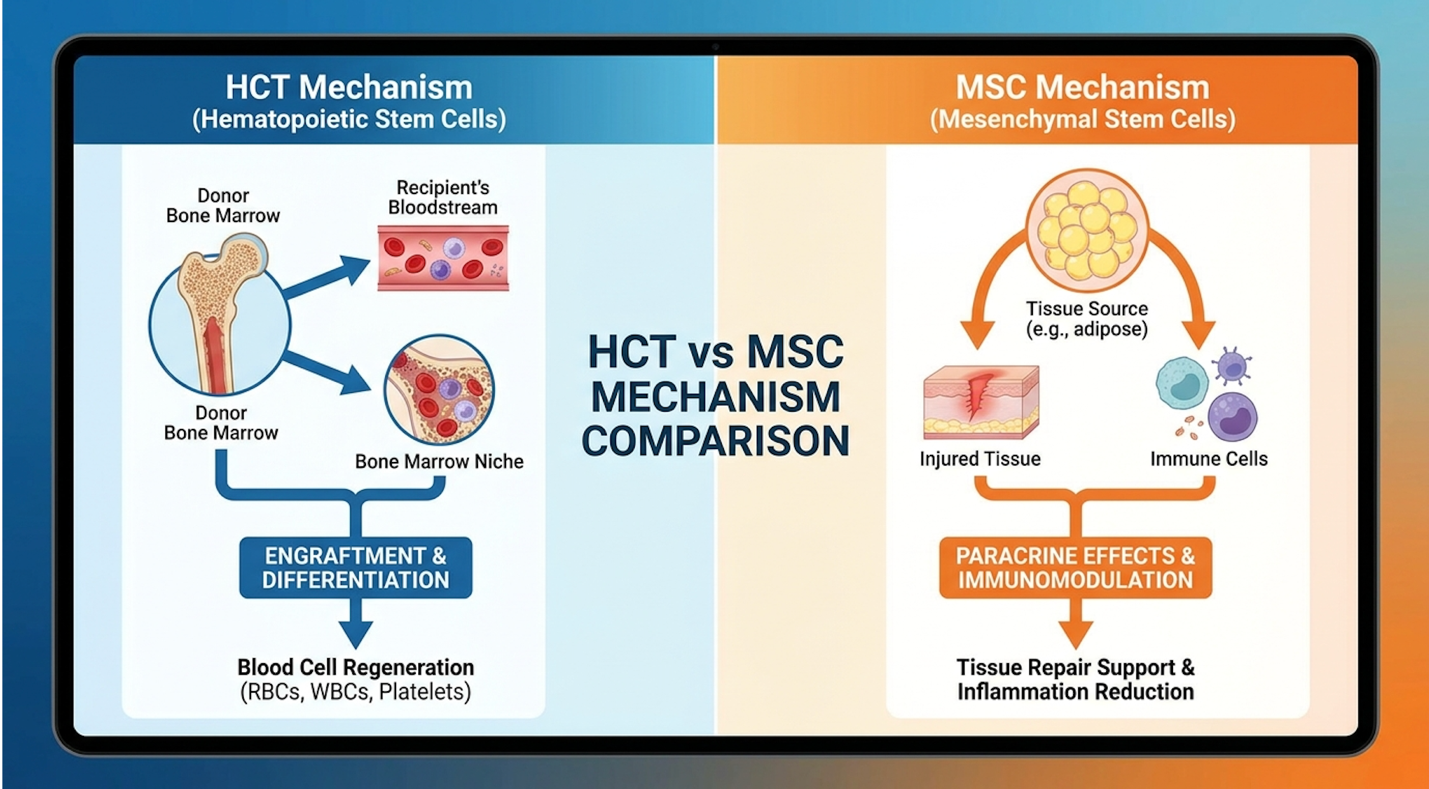
Figure 1: HCT requires systemic immunoablation to reset the immune system, whereas MSCs rely on localized anti-inflammatory signaling.
An Autologous Stem Cell Transplant for Crohn’s Disease is not a simple IV drip. It’s a grueling, high-risk hematological procedure borrowed from leukemia protocols. The process involves four phases: mobilization (forcing stem cells into the bloodstream), harvesting them, immunoablation, and reinfusion.
Immunoablation is the critical step. Doctors use high-dose chemotherapy to intentionally wipe out your existing, autoreactive immune system. They then reinfuse your harvested stem cells to regenerate a new, naive immune system that theoretically won’t attack your intestines. The
Mesenchymal stem cells (MSCs) are an entirely different entity. Sourced from bone marrow, adipose (fat) tissue, or umbilical cords, MSC therapy doesn’t require chemotherapy or systemic immune destruction.
| 📌 If you’re interested in why umbilical cord cells are often preferred over bone marrow or fat-derived cells, we have an interesting article that discusses why UC-MSCs are superior to other stem cell sources, which you can read via the internal link. |
When comparing autologous vs allogeneic stem cells for Crohn’s disease in this category, researchers heavily favor allogeneic (donor-derived) MSCs. Why? Because a Crohn’s patient’s own MSCs may already carry genetic epigenetic defects.
MSCs work via paracrine signaling they act as tiny biological pharmacies. Immunological research highlights the macrophage reprogramming and anti-inflammatory cytokine release by MSCs. When injected near damaged tissue, they detect inflammation and release proteins that force pro-inflammatory M1 macrophages to switch to tissue-healing M2 macrophages. They trigger angiogenesis (new blood vessel formation) to heal mucosal ulcers without nuking the rest of the body’s immune defenses.
Evaluating Stem Cell Therapies for Inflammatory Bowel Disease Efficacy requires analyzing peer-reviewed institutional data rather than commercial claims. In evaluating the clinical trial data for complex perianal fistulas, our methodology prioritized phase 3 double-blind randomized controlled trials to eliminate placebo effects. While headlines suggest a new stem cell therapy may treat Crohn’s disease, true clinical viability is determined by rigorous safety monitoring, measurable mucosal healing, and long-term follow-up data from regulated trials.
If you are researching stem cell therapy for refractory Crohn’s disease, you must differentiate between systemic IV infusions and localized injections. Global Crohn’s disease clinical trials run by institutions like the Mayo Clinic are currently investigating Phase II/III efficacy for systemic MSC infusions.
The data here is decidedly mixed. While early phase studies show excellent safety profiles—MSCs are generally well-tolerated without severe immune rejection—systemic efficacy remains investigational. Phase III clinical trial data evaluating systemic MSC efficacy and safety profiles often struggles to prove massive statistical superiority over placebos for widespread mucosal healing.
Adverse events for systemic MSCs are usually mild (transient fever, headache). But for systemic HCT, the risks are severe: opportunistic infections, sepsis, and infertility due to the required chemotherapy conditioning regime.
Here is where the data gets genuinely exciting. Around a third of Crohn’s patients develop perianal fistulas abnormal, highly painful inflammatory tunnels connecting the bowel to the skin. They are notoriously resistant to both surgery and biologics.
Localized injection of perianal Crohn’s disease stem cells (specifically allogeneic adipose-derived MSCs) directly into the fistula tract has fundamentally changed treatment approaches. The ADMIRE-CD phase 3 trial proved the long-term clinical and MRI remission of complex perianal fistulas treated with allogeneic MSCs.
Targeted MSC injections achieve complete clinical and radiological closure in over 50% of refractory perianal fistula cases, preventing permanent surgical diversion (Panés et al., 2016). This data is so robust that the European Medicines Agency approved Darvadstrocel (Alofisel) an MSC product specifically for this exact indication. When applying the Biological vs. Functional Benefit Matrix to the ADMIRE-CD data, the functional relief of avoiding a permanent colostomy is arguably the most significant advancement in perianal IBD management in the last decade. This is proven, highly targeted efficacy, distinctly separate from vague systemic claims.
While experimental therapies target disease pathology, daily symptom management requires immediate lifestyle adjustments. Structuring a safe Crohn’s disease diet is essential for minimizing digestive strain, preventing malnutrition, and reducing the mechanical irritation of inflamed intestinal walls during active disease flares.
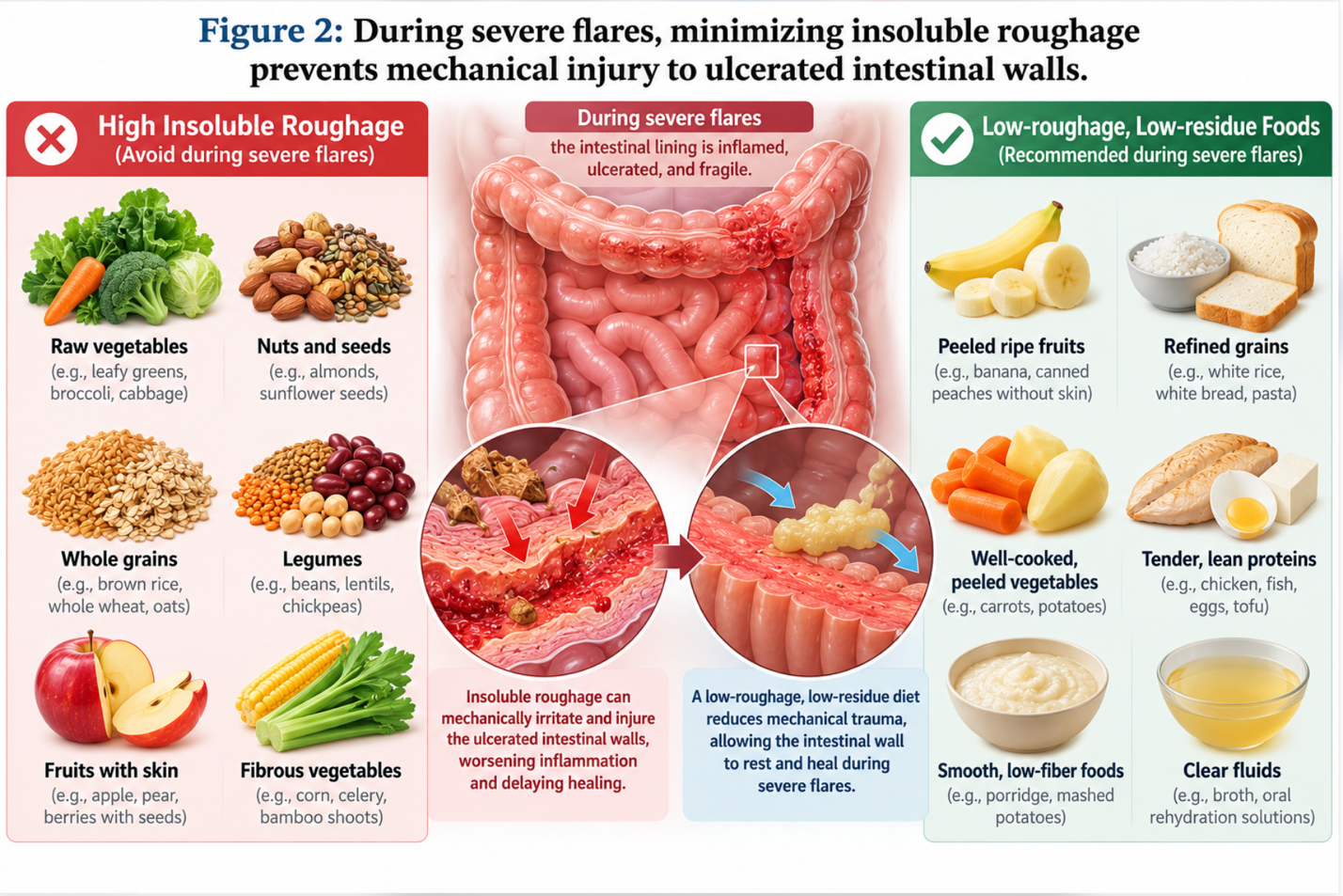
Figure 2: During severe flares, minimizing insoluble roughage prevents mechanical injury to ulcerated intestinal walls.
Patients constantly ask why a “healthy” salad destroys their stomach. It comes down to basic physiology. The worst foods for Crohn’s during an active flare are those high in insoluble fiber: raw kale, nuts, seeds, and fruit skins.
When your intestinal mucosa is highly inflamed and ulcerated, it’s essentially an open wound. Insoluble fiber acts as roughage. Clinical nutrition guidelines extensively document the
Conversely, high-quality proteins are vital to prevent muscle wasting. Unless you have a specific allergy, eggs and lean poultry are generally highly digestible and safe. During severe stricturing disease, enteral nutrition (liquid meal replacements) may be necessary to bypass digestive strain entirely.
Living with IBD requires addressing factors that allopathic medicine sometimes overlooks, specifically autonomic nervous system stress. Chronic stress accelerates gut motility and triggers systemic inflammation.
Many patients explore Chinese medicine Crohn’s disease approaches alongside their primary care. Acupuncture and specific herbal protocols like Qing Dai (Indigo naturalis) have shown remarkable biological activity in colonic inflammation. However, this is where caution is paramount. Research into complementary protocols tracking the efficacy and hepatotoxicity warnings of traditional herbal interventions for IBD shows that while Qing Dai can induce mucosal healing, it also carries a risk of pulmonary arterial hypertension and liver toxicity.
These modalities must remain complementary. You don’t abandon a prescribed biologic for an herbal supplement without direct physician oversight.
The clinical presentation of inflammatory bowel disease is highly heterogeneous, frequently resulting in prolonged diagnostic timelines. Because gastrointestinal symptoms overlap across various pathologies, true mucosal disease is often masked by, or conflated with, functional bowel disorders until advanced imaging or endoscopic biopsies confirm the pathology.
Diagnosing IBD isn’t just about looking for stomach pain. Patients frequently spend years bouncing between specialists because early symptoms present outside the GI tract.
| Condition | Overlapping Symptoms | Key Differentiator |
| Irritable Bowel Syndrome (IBS) | Diarrhea, cramping, bloating | No mucosal ulcers or elevated fecal calprotectin |
| Ulcerative Colitis (UC) | Bloody stools, urgency | Inflammation restricted entirely to the colon’s mucosal layer |
| Celiac Disease | Malabsorption, weight loss | Triggered strictly by gluten; distinct duodenal villous atrophy |
These are the primary conditions mistaken for Crohn’s. But what throws doctors off are the extraintestinal manifestations. Gastroenterology literature highlights the prevalence of joint and ocular inflammation preceding GI symptoms in Crohn’s. You might see a rheumatologist for joint pain (enteropathic arthritis) or an ophthalmologist for eye inflammation (uveitis) years before a colonoscopy is ordered.
Furthermore, severe fat malabsorption (steatorrhea) and Small Intestinal Bacterial Overgrowth (SIBO) cause a highly distinct smell with Crohn’s disease that patients often feel stigmatized by. It’s a physiological byproduct of damaged intestines failing to absorb bile acids, not a personal hygiene issue.
There’s a persistent myth that Crohn’s only strikes teenagers and people in their early twenties. If you were diagnosed with Crohn’s disease at 40 or 50, your experience is entirely medically valid.
IBD follows an established “bimodal distribution.” Epidemiological data clearly outlines the bimodal age distribution and phenotypic differences in late-onset IBD. The disease peaks first in the 20s, and again between ages 50 and 70. Elderly-onset Crohn’s often presents phenotypically different—usually with more colonic involvement and fewer fistulas, but a higher risk of complications from standard immunosuppression. Navigating a complex chronic diagnosis mid-career carries entirely different anxieties than facing it in college.
The economic burden of inflammatory bowel disease—compounded by the costs of biologics, surgeries, or travel for clinical trials—can be devastating. Navigating the administrative environment of healthcare requires patients to actively seek out established financial assistance programs and legal protections designed for chronic illness demographics.
You need to know exactly what you are legally entitled to if I have Crohn’s. In the workplace, the Americans with Disabilities Act (ADA) mandates reasonable accommodations. This isn’t optional for employers. It includes proximity to restrooms, schedule modifications for infusion days, and extended medical leave under FMLA guidelines.
If the disease progresses to the point where working is impossible, you may qualify for Social Security Disability Insurance (SSDI). However, GI disability claims require meticulous clinical evidence—endoscopy reports, surgical histories, and documented weight loss.
Regarding treatment costs, there are robust grants available for people with Crohn’s disease. Pharmaceutical manufacturers run aggressive co-pay assistance programs that can drop a $5,000 biologic infusion to $5. For patients entering investigational stem cell trials, trial sponsors often provide travel stipends to cover flights to specialized academic centers.
| 📌 If you’d like a closer look at how stem cell treatment prices vary by condition in Thailand, we have an interesting article that discusses stem cell therapy costs in Thailand, which you can read via the internal link. |
You shouldn’t fight the administrative battle alone. Global advocacy groups for IBD patients, particularly the Crohn’s & Colitis Foundation (CCF) in the US and the European Federation of Crohn’s & Ulcerative Colitis Associations (EFCCA), offer massive utility.
They provide peer support networks, directories of IBD-specialized gastroenterologists, and critical legislative lobbying for cheaper drug access. More importantly, these organizations act as a shield. They maintain databases of legitimately vetted, FDA-approved clinical trials for advanced cellular therapies. If a clinic isn’t listed or verified through these academic channels, you shouldn’t be letting them inject you with biological material.
Stem cell therapy is not appropriate for everyone. Applying The Biological vs. Functional Benefit Matrix requires a hard look at when these therapies actually make sense, and when they present a dangerous liability.
The most dangerous pitfall is “stem cell tourism.” Commercial wellness clinics advertise stem cell therapy for Crohn’s disease as a cure-all, charging $15,000 for IV infusions of unregulated umbilical cord cells. Public health agency warnings continually emphasize the severe risks of unregulated stem cell clinics and unproven cellular therapies.
| 📌 If you’re interested in how to tell a well-regulated stem cell clinic from a risky one, we have an interesting article that discusses whether stem cell therapy is safe in Thailand, which you can read via the internal link. |
Assuming all “stem cells” are identically effective is a massive clinical error. Furthermore, confusing biological plausibility with functional reality traps patients into paying for therapies that reduce lab inflammation slightly, but fail to stop their diarrhea or prevent surgery. Never abandon your prescribed gastroenterology maintenance medications for an unproven cellular infusion.
If you are currently in remission or responding well to anti-TNF agents or newer IL-23 inhibitors (like Skyrizi), experimental cell therapy poses completely unnecessary risks.
Stem cell therapy for Crohn’s strictures represents a hard biological limitation. When chronic inflammation turns into thick, fibrotic scar tissue (a stricture) that blocks the bowel, no stem cell can dissolve that scar. Fibrosis is structural damage. In these cases, a surgical bowel resection isn’t a failure—it is the definitive, gold-standard medical choice to restore your quality of life.
Evaluating your eligibility for a legitimate cellular trial requires consultation with a board-certified gastroenterologist specializing in IBD at a major academic medical center. Do not seek experimental cell therapy consultations at strip-mall regenerative medicine spas or chiropractic clinics. When you secure an academic consultation, bring your complete surgical history, your most recent colonoscopy pathology reports, and a full timeline of your biologic failures.
Yes, several organizations provide financial grants and co-pay assistance for Crohn’s disease patients. The Crohn’s & Colitis Foundation, alongside various pharmaceutical patient assistance programs, frequently offers funding to help cover the high out-of-pocket costs of biologics. Additionally, patients participating in regulated clinical trials for experimental therapies often receive their investigational treatment and monitoring at no cost. Navigating these applications usually requires coordinating directly with a hospital social worker or a dedicated patient advocate.
The timeline for healing complex perianal fistulas using MSCs depends heavily on the specific patient pathology. In major phase 3 trials like ADMIRE-CD, significant clinical and radiological closure was evaluated at the 24-week mark following the initial targeted injection. While some patients report symptom reduction within the first few weeks, complete tissue regeneration is a progressive biological process. Consistent follow-up with your gastroenterologist is mandatory to verify functional improvements using MRI scans.
For patients with refractory IBD, stem cell therapy for Crohn’s disease offers an investigational pathway toward profound mucosal healing when standard biologics fail. While local MSC injections demonstrate remarkable clinical viability achieving upwards of 50% closure rates for complex perianal fistulas (Panés et al., 2016) systemic therapies remain highly experimental. The safest approach combines rigorous academic clinical trials, continuous gastroenterologist oversight, and strict adherence to evidence-based protocols.
Always view these experimental treatments through The Biological vs Functional Benefit Matrix. Lowering inflammatory markers in a laboratory means very little if a therapy fails to return you to a functioning, pain-free life. This framework protects you from predatory marketing and ensures your medical decisions remain tethered to actual quality-of-life improvements.
If you have exhausted standard FDA-approved options, your next step is administrative, not commercial. Gather your complete endoscopy records, surgical history, and pathology reports, and schedule a consultation with an IBD specialist at a major academic research hospital to discuss your eligibility for regulated clinical trials.