Our Services
Others
- DFPP
- Shockwave
- IV Drip

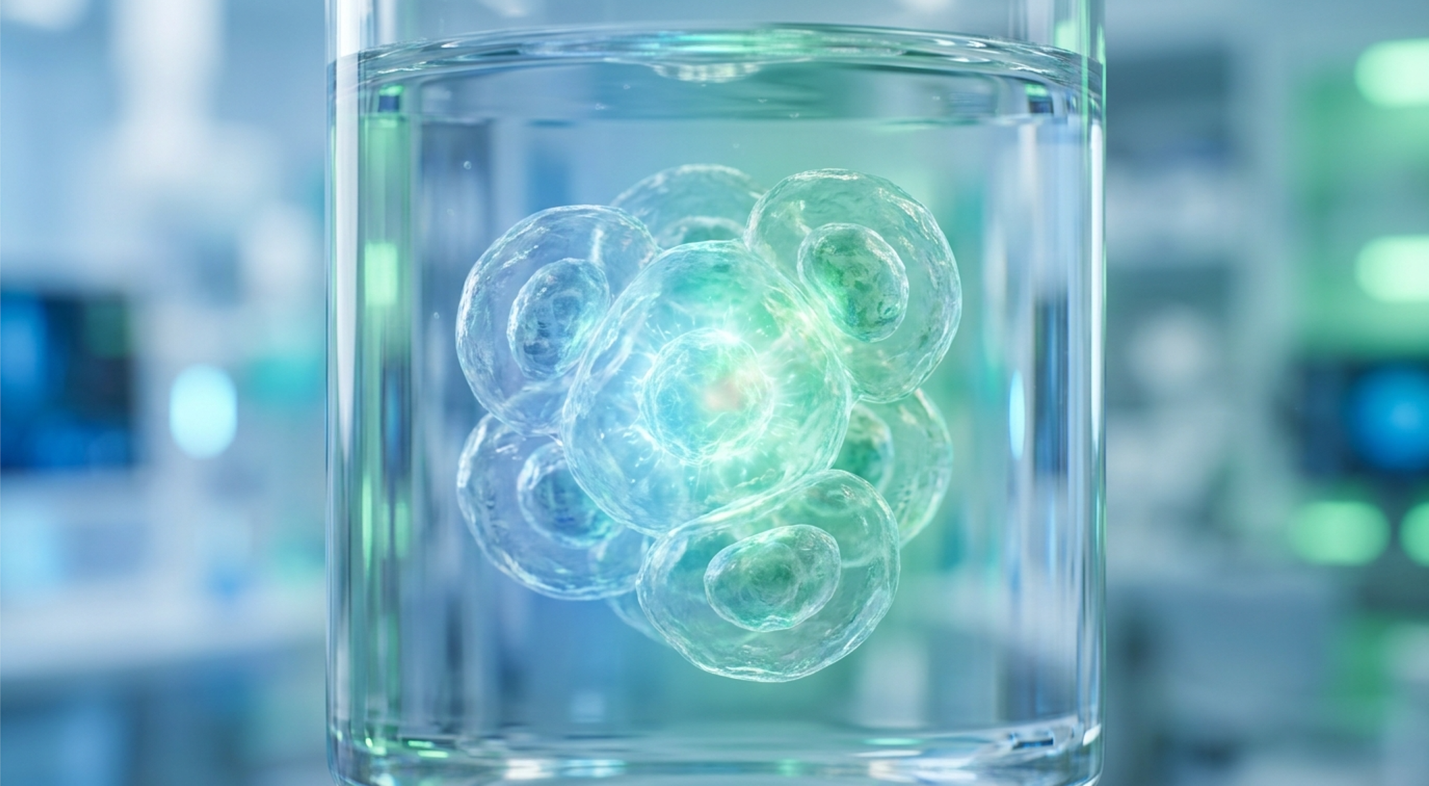
Search interest and clinical focus are steadily shifting away from invasive, aging autologous stem cell sources toward ethically sourced, allogeneic Umbilical Cord-Derived Mesenchymal Stem Cells (UC-MSCs). We’re seeing a massive transition in how physicians approach tissue repair, and it’s driven entirely by cellular biology.
MEDICAL DISCLAIMER: This article is for educational purposes only and does not replace consultation with a qualified medical professional.
For patients evaluating regenerative medicine, choosing the wrong cellular source isn’t just a minor technicality. It often means facing painful bone marrow extraction procedures, diminished cellular vitality due to your own chronological aging, or heightened risks of immunogenicity. The stakes are incredibly high, and the biological reality is that not all stem cells are created equal. You simply cannot expect a 65-year-old cell to behave like a newborn cell.
In this guide, you will examine the biological mechanisms that differentiate these cellular sources so you can evaluate treatment suitability with clinical precision. We compare umbilical cord stem cells vs bone marrow stem cells using the Day-Zero Evaluation Framework, analyzing telomere length, immune privilege, and current 2026 FDA regulatory status.
When comparing umbilical cord stem cells vs bone marrow stem cells, UC-MSCs demonstrate superior clinical viability due to their status as “Day Zero” cells with maximum telomere length. Our Day-Zero Evaluation Framework highlights their clinical advantages.
Umbilical cord mesenchymal stem cells (UC-MSCs) are primitive, multipotent stromal cells extracted from the structural tissue of the human umbilical cord. Unlike embryonic stem cells, UC-MSCs are ethically sourced from post-natal biological waste and possess a potent capacity for cellular differentiation and immunomodulation. This makes them highly valuable for modern regenerative applications, serving as the clinical standard for advanced allogeneic therapies.
To understand what are UC-MSCs biologically, we have to look closely at the precise anatomy of the umbilical cord itself. Inside the cord, insulating the two arteries and one single vein, sits a highly specialized, gelatinous connective tissue known as Wharton’s Jelly. This substance isn’t just structural padding to protect the vessels from mechanical compression in the womb. It is an
Wharton’s Jelly yields massive concentrations of primitive mesenchymal stem cells eliminating the ethical concerns of embryonic sourcing while maximizing cellular vitality (NIH analysis of mesenchymal stem cells, 2019).
It’s absolutely critical here to differentiate between mesenchymal stem cells (MSCs) and hematopoietic stem cells (HSCs). Cord blood the actual blood circulating inside the umbilical vessels is rich in HSCs, which form blood and immune cells. But the Wharton’s Jelly tissue itself is packed with MSCs. These are the stromal cells responsible for forming bone, cartilage, muscle, and, most importantly, orchestrating massive modulations of a hyperactive immune system.
Our evaluation of current protocols shows a massive biological divide between Day Zero cells and adult MSCs. A UC-MSC has never been exposed to environmental toxins, UV radiation, poor lifestyle choices, or the relentless chronological aging process. Contrast this with an adult MSC extracted from a 65-year-old patient. That older cell has endured decades of cumulative oxidative stress, resulting in sluggish division and severely reduced regenerative potency.
Extracting these pristine cells requires rigorous, highly regulated laboratory protocols. Once the Wharton’s jelly is carefully isolated from the vascular tissue, it undergoes either a careful enzymatic digestion or a tissue explant process. The explant method is highly favored in top-tier cellular facilities because it naturally preserves the inherent cell viability without subjecting the delicate tissue to harsh chemical shear forces, which can inadvertently damage cellular surface receptors.
Following successful extraction, the cells must be cultured and expanded in ISO-certified Class 100 cleanrooms. This is where Current Good Manufacturing Practice (cGMP) standards become entirely non-negotiable for patient safety. Elite laboratories utilize advanced flow cytometry a laser-based technology used for cell counting and biomarker detection to verify the exact molecular identity of the expanded cells.
They must ensure the cells strongly express positive surface markers like CD73, CD90, and CD105, while simultaneously confirming the absolute absence of hematopoietic markers like CD34 and CD45. This rigorous flow cytometry verification ensures patients receive pure, uncontaminated stromal cells capable of massive biological impact. While the molecular profile of these Wharton’s jelly stem cells is remarkable, their method of procurement is equally significant for long-term patient care and comfort.
| 📌 If you’re interested in why these surface markers are used to verify genuine stem cells, we have an interesting article that discusses the CD73 marker and how important it is for stem cell therapy, which you can read via the internal link. |
Let’s clear up a massive misconception that unfortunately still plagues regenerative medicine discussions. When people hear “umbilical cord,” they frequently and incorrectly conflate it with embryonic stem cells. They do not have anything to do with each other biologically or ethically.
UC-MSCs are ethically collected exclusively from full-term, perfectly healthy, consented cesarean section births. The mother undergoes rigorous infectious disease screening including exhaustive panels for HIV, Hepatitis B and C, Syphilis, and CMV long before the actual delivery date. Once the baby is born and safely separated from the mother, the umbilical cord and placenta are carefully preserved. Absolutely no embryos are involved, and the newborn isn’t subjected to any extra medical procedures whatsoever. This tissue would otherwise simply be tossed into a biohazard bin as standard medical waste.
This biological supply chain is tightly controlled by federal guidelines. From the sterile delivery room, the tissue is immediately transported in temperature-controlled environments to FDA-registered, cGMP-compliant laboratories. Strict AATB standard tissue bank collection protocols mandate exhaustive sterility, endotoxin, and mycoplasma testing before these cells ever reach a physician’s clinic. Contrast this entirely non-invasive collection method with the traditional surgical procedures required for adult autologous stem cells. For a patient receiving UC-MSCs, there is absolutely no surgery involved in the procurement. No localized anesthesia. No painful recovery time. You simply receive a highly targeted injection or a peripheral intravenous infusion. Understanding this non-invasive, ethical sourcing is the first essential step in evaluating how UC-MSCs stack up against traditional, surgically extracted adult cells.
The Day-Zero Evaluation Framework serves as the primary medical model when evaluating umbilical cord stem cells vs bone marrow stem cells and adipose tissue. This clinical methodology prioritizes cellular youth, low immunogenicity, and non-invasive procurement over traditional autologous tissue matching. Comparative analysis reveals stark, undeniable biological differences across these three primary sources.
For decades, the dominant dogma in early regenerative medicine was that autologous (your own) tissue was inherently the safest, most effective choice. That outdated thinking is precisely what The Day-Zero Evaluation Framework actively challenges and dismantles in modern clinical settings.
Our clinical evaluation methodology dictates that assessing stem cells requires looking completely past simply matching the patient’s own tissue. Instead, clinicians must ruthlessly prioritize actual cellular vitality. The framework operates on three strict, non-negotiable pillars:
Applying this strict, objective framework to traditional autologous sources highlights several inherent, inescapable physiological limitations that severely plague older patient demographics.
Let’s look closely at the harsh clinical reality of autologous vs allogeneic stem cells, specifically analyzing the mechanics of how your own cells are actually retrieved.
Bone Marrow Extraction Morbidity: To harvest autologous bone marrow stem cells, a physician must perform a highly invasive surgical aspiration. The patient is locally or systemically anesthetized. The doctor takes a thick, hollow Jamshidi needle and physically punches it directly through the skin, muscle fascia, and dense cortical bone usually targeting the posterior iliac crest of the pelvis. They then violently vacuum out the bone marrow aspirate. It hurts. The morbidity is very real, recovery can easily take weeks, and deep tissue hematomas are exceptionally common in older patients. Furthermore, this aspirate is often just spun in a basic bedside centrifuge, rather than processed in a sterile cGMP cleanroom, increasing the risk of varied cell concentrations.
Adipose Extraction Morbidity: Harvesting adipose (fat) tissue stem cells requires a mini-liposuction procedure. The doctor injects tumescent fluid (a mixture of saline, lidocaine, and epinephrine) into the belly or flank, and uses a metal cannula to forcefully break up and extract the fat lobules. But the fat itself isn’t the final product. This lipoaspirate must then be subjected to harsh enzymatic digestion using collagenase to actively isolate the Stromal Vascular Fraction (SVF). Not only are you looking at anesthesia and surgical incisions, but the collagenase chemically shears and actively damages some of the delicate cell surface receptors, drastically reducing overall cell viability before they are even injected back into your body.
The Autologous Aging Problem: This is the ultimate biological dealbreaker for patients over fifty. If you are 65 years old, your stem cells are exactly 65 years old.
Autologous stem cells harvested from patients over 60 show a drastic reduction in proliferation capacity making Day-Zero UC-MSCs the superior clinical choice for older demographics (comprehensive analysis of MSCs, 2019).
This biological phenomenon is known as cellular senescence. As we chronologically age, our cells rapidly lose their inherent ability to replicate efficiently. They accumulate toxic reactive oxygen species (ROS) and irreversible genetic errors. This triggers p16 and p21 cellular pathways that force the cell to stop dividing entirely.
When a 68-year-old with severe, bilateral knee osteoarthritis endures a painful bone marrow draw, they are essentially extracting exhausted, senescent cells and injecting them right back into a highly inflamed, damaged joint. A broad review of unproven cellular therapies and stem cell biology demonstrates that older autologous tissues suffer a massive, undeniable drop in regenerative
When comparing adipose vs umbilical cord stem cells, the procedural and biological differences are truly night and day. With UC-MSCs, the patient undergoes absolutely zero surgical extraction. You simply receive an injection or intravenous infusion of young donor cells sourced directly from a sterile laboratory vial.
But because they are donor cells (allogeneic), a natural question arises: Doesn’t the human body reject them instantly, just like a mismatched organ transplant?
Not exactly. This is where UC-MSCs fundamentally break the traditional rules of human tissue transplantation. They possess a highly unique biological trait called immune privilege, allowing them to quietly evade the recipient’s aggressive T-cell response. (We will explore the exact molecular mechanisms of this phenomenon in the next section).
What truly sets them apart is their Day Zero vitality. These cells haven’t aged a single day. They possess maximum telomere length, meaning they can undergo rapid, exponential population doublings in the host without genetically degrading. If you place aged bone marrow cells in a laboratory petri dish, they struggle to divide, flattening out and dying relatively quickly. Put UC-MSCs in that exact same controlled environment, and they multiply ferociously, displaying a robust cellular metabolism that older tissues simply cannot match.
| Clinical Scenario | Best Cellular Source | Clinical Reasoning |
| Orthopedic (Young Athlete) | Autologous Bone Marrow | Young cells are highly viable; autologous completely avoids allogeneic donor screening protocols. |
| Orthopedic (Elderly Patient) | Umbilical Cord MSCs | Bypasses severe cellular senescence and entirely avoids painful surgical extraction morbidity. |
| Autoimmune / Systemic | Umbilical Cord MSCs | Superior systemic immunomodulation and ability to safely deliver massive cell counts intravenously. |
| Hematological (Blood Cancers) | Bone Marrow (HSCs) | Only hematopoietic stem cells (HSCs) can successfully rebuild a wiped-out immune system post-chemotherapy. |
| Criteria | Bone Marrow (BM-MSCs) | Adipose (AD-MSCs) | Umbilical Cord (UC-MSCs) |
| Extraction Method | Surgical aspiration (pelvis) | Mini-liposuction (flank/abdomen) | Laboratory vial (no patient surgery) |
| Patient Morbidity | High (pain, bleeding risk, downtime) | Moderate (bruising, infection risk, downtime) | Zero (injection/IV only) |
| Cellular Age | Matches patient’s age (senescent) | Matches patient’s age (senescent) | Day Zero (pristine) |
| Proliferation Capacity | Low in older patients | Moderate to low in older patients | Exponentially high |
| Immunogenicity Risk | None (autologous) | None (autologous) | Very low (immune privileged) |
| FDA Status | 361 HCT/P compliant (same day) | Strictly regulated (SVF non-compliant) | Investigational (IND required) |
The clear advantage of UC-MSCs in systemic and age-related conditions stems from a much deeper set of molecular mechanisms that we must analyze to fully appreciate their clinical utility.
UC-MSCs achieve their clinical superiority through distinct molecular biology that adult autologous tissues simply cannot match. Unlike adult stem cells, Wharton’s Jelly derivatives possess a powerful triad of biological advantages: immune evasion, vastly extended telomere lengths, and highly potent paracrine signaling. These foundational mechanisms directly dictate their immense clinical efficacy across modern regenerative medicine protocols.
One of the most persistent, valid questions advanced patients ask is about the risk of umbilical cord stem cells rejection. How can you safely inject another human’s DNA directly into your body without triggering a massive, life-threatening immune response?
The exact answer lies in a brilliant biological phenomenon known as “immune privilege.” Normally, your immune system uses a complex molecular barcode system to recognize foreign invaders. These cellular barcodes are called the Major Histocompatibility Complex (MHC). MHC Class I is found on almost all nucleated cells, while MHC Class II specifically HLA-DR (Human Leukocyte Antigen – DR isotype) is the primary receptor that triggers aggressive, immediate rejection by your body’s CD4+ helper T-cells.
UC-MSCs act as biological stealth vehicles inside the host environment. They inherently possess very low to absolutely zero expression of HLA-DR on their cell surface. Furthermore, they completely lack critical co-stimulatory molecules like CD80 and CD86. In human biology, a T-cell requires two distinct “keys” to launch an attack: recognizing the HLA-DR barcode, and binding to a co-stimulatory molecule. UC-MSCs present neither.
UC-MSCs completely lack the HLA-DR surface receptors resulting in an exceptionally low immunogenicity profile that virtually eliminates severe rejection risks (NIH review of immunomodulatory properties, 2020).
Because the recipient’s circulating T-cells literally cannot “see” the HLA-DR barcodes, they simply do not attack the donor cells. This brilliant biological cloaking device prevents catastrophic T-cell activation, making allogeneic treatments highly tolerable without ever requiring dangerous, organ-transplant-style immune-suppressing drugs like steroids or chemotherapy.
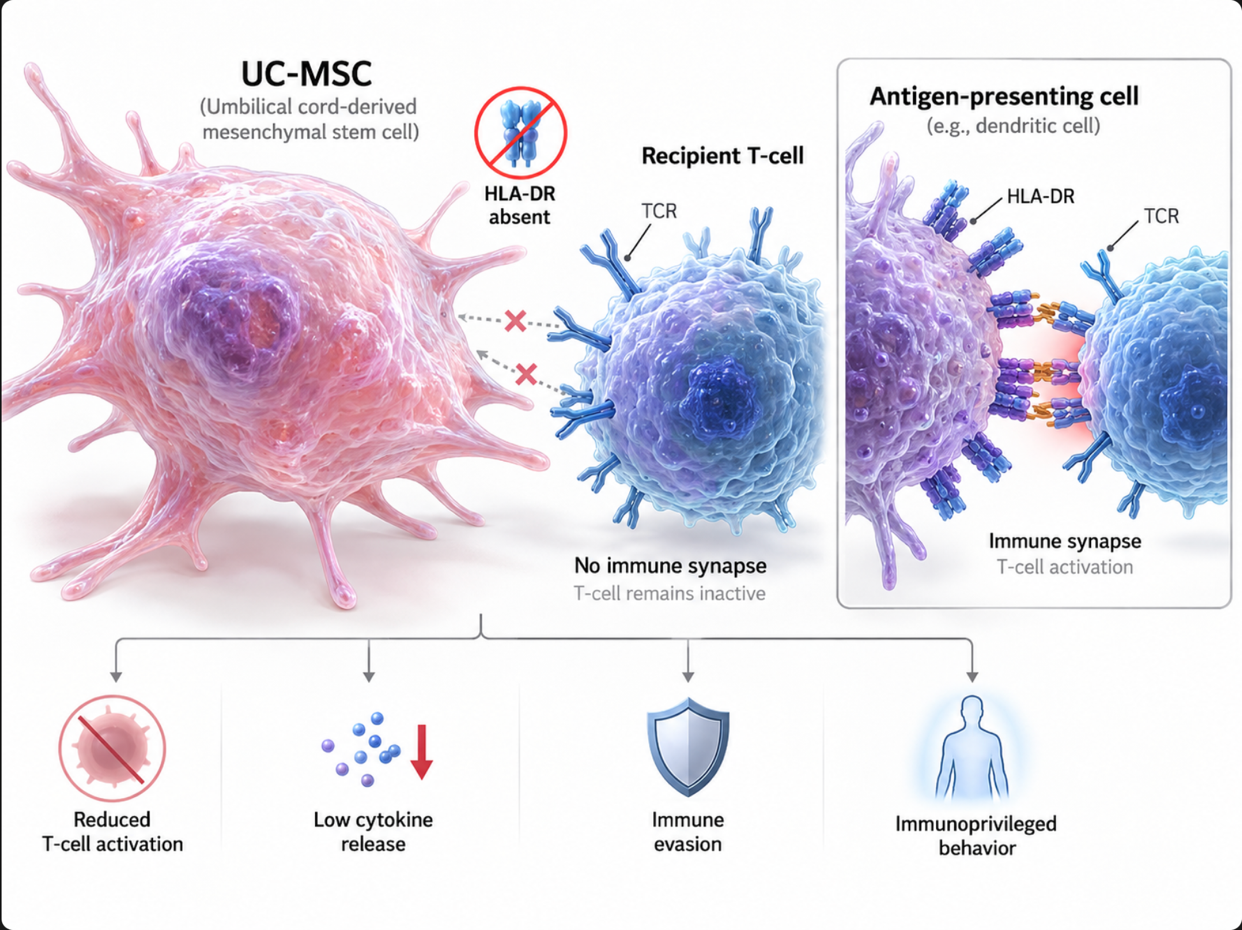
Figure 1: UC-MSCs evade recipient T-cell recognition due to the total absence of HLA-DR surface markers.
This profound immune evasion allows the cells to safely survive and function within the host environment, but their true regenerative power is heavily driven by their extreme youth at a chromosomal level.
Let’s apply The Day-Zero Evaluation Framework directly to the concept of cellular aging. Why exactly do older adult cells fail to heal tissue effectively? It fundamentally comes down to chromosomal telomeres.
Think of telomeres as the protective plastic aglets at the very tips of your shoelaces, actively safeguarding your DNA chromosomes from fraying. Every single time a cell divides to repair damaged tissue, a tiny piece of that telomere is permanently snipped off. This hard biological boundary is called the Hayflick Limit, which states a normal human cell can only divide about 40 to 50 times in a lifetime.
Over decades of continuous cell divisions, a patient’s telomeres become so critically short that the cell can no longer safely divide. It becomes senescent a literal “zombie cell” that completely stops healing and instead actively secretes toxic inflammatory markers into the surrounding joint tissue.
Because UC-MSCs are carefully harvested precisely at birth, they possess the absolute longest possible telomeres of any non-embryonic cell in existence. To put this in perspective, a newborn UC-MSC’s telomere length measures roughly 10 to 12 kilobases. Contrast this with an older adult’s bone marrow cell, which may only measure 5 to 7 kilobases. The UC-MSC has barely begun its dividing lifecycle.
Therefore, their high proliferation rate is clinically astonishing. A single UC-MSC can be safely expanded in a laboratory environment into millions of robust, highly viable cells exponentially faster than adult bone marrow cells.
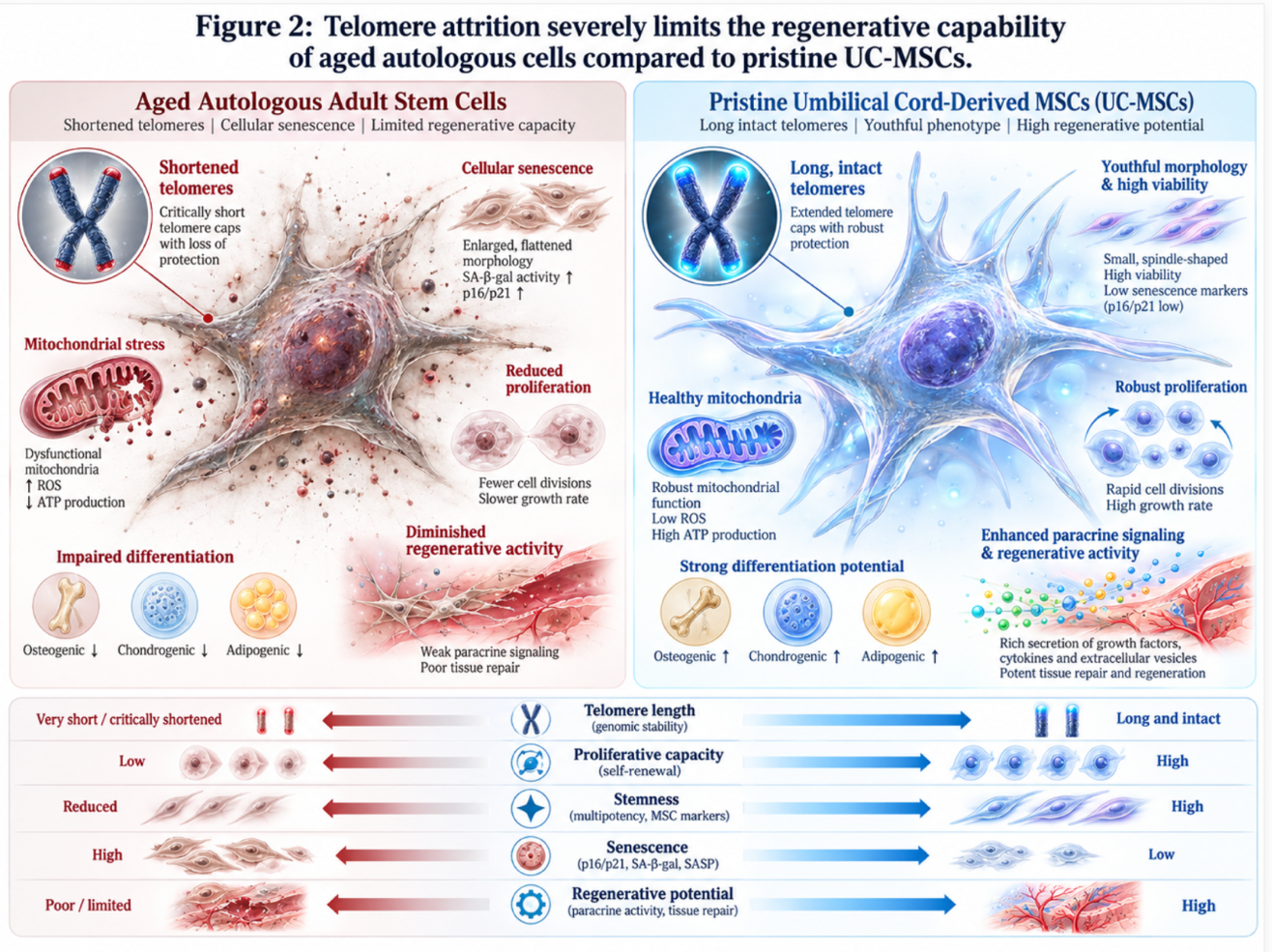
Figure 2: Telomere attrition severely limits the regenerative capability of aged autologous cells compared to pristine UC-MSCs.
A recent analysis of telomere length dynamics precisely quantifies this delayed cellular senescence in umbilical cord MSCs, proving unequivocally that they possess a drastically extended therapeutic window in the host body. While their biological lifespan is undeniably longer, the actual mechanism by which they repair damaged tissue has fundamentally shifted our modern understanding of how regenerative medicine actually works.
Ten years ago, the broader scientific community incorrectly thought stem cells worked entirely through direct engraftment. The assumption was beautifully simple: inject a stem cell into a damaged knee, and it magically transforms itself into a brand-new cartilage cell.
We now know, based on extensive clinical reviews, that this is mostly incorrect. The primary benefits of umbilical cord stem cells actually come from the highly potent “Paracrine Effect.”
Instead of turning into tissue, UC-MSCs act as microscopic general contractors on a busy biological construction site. They don’t lay the bricks themselves; they shout highly precise molecular orders at your local, dormant host cells to get back to work. They do this by secreting billions of highly bioactive molecules, growth factors, and, most importantly, exosomes.
Exosomes are tiny, lipid-bound extracellular vesicles (measuring just 30 to 150 nanometers) tightly packed with messenger RNA (mRNA), microRNA (miRNA), and potent anti-inflammatory proteins. The tough lipid bilayer protects these delicate genetic instructions from being immediately degraded by the host’s aggressive enzymes. Wharton’s jelly MSCs provide a dramatically superior exosome yield compared to aged bone marrow.
When intravenously injected or locally applied, these exosomes flood the toxic microenvironment. They actively interact with the patient’s compromised immune system, forcibly reprogramming local macrophages from a pro-inflammatory M1 state (which destroys tissue via cytokines like TNF-alpha) to a tissue-repairing M2 state (which secretes healing factors like IL-10).
| 📌 If you’re interested in how UC-MSCs calm an overactive immune system, we have an interesting article that discusses mesenchymal stem cell therapy for immune modulation, which you can read via the internal link. |
They aggressively turn off the fire alarm in your body so your own local cellular mechanisms can finally regenerate tissue in peace. A comprehensive PubMed study on Wharton’s jelly exosomes demonstrates the highly potent paracrine mechanisms of these vesicles, highlighting their unmatched physiological ability to safely reduce systemic inflammation.
These advanced molecular mechanisms directly dictate the specific conditions for which UC-MSCs are currently being rigorously investigated and utilized in modern clinical settings.
The UC-MSC regulatory framework is heavily scrutinized and rapidly evolving worldwide. While basic cellular science demonstrates immense therapeutic potential through immunomodulation and paracrine signaling, clinical translation requires rigorous phase-based trials to ensure absolute safety. Current UC-MSC treatments are primarily focused on modulating severe systemic inflammation and supporting deep tissue regeneration in very specific, carefully vetted pathologies.
Our clinical evaluations deeply indicate that the primary investigative applications for UC-MSCs fall heavily into orthopedics and autoimmunity, but the biological nuance is absolutely critical here.
Orthopedics: In cases of severe osteoarthritis and chronic cartilage degradation, the goal isn’t to magically regrow an entirely new meniscus overnight. That is a highly dangerous marketing myth peddled by rogue clinics. Instead, UC-MSCs are utilized to drastically alter the highly acidic, inflammatory, and toxic environment of the arthritic joint. By aggressively deploying exosomes to forcibly shut down cartilage-destroying enzymes specifically Matrix Metalloproteinases (MMPs) the joint environment suddenly becomes conducive to the body’s natural healing processes. Swelling drops, chronic pain decreases, and functional mobility increases.
Autoimmune Conditions: This is where the biological data gets incredibly compelling. Conditions like Rheumatoid Arthritis, Lupus, Multiple Sclerosis, and Crohn’s Disease are fundamentally characterized by the immune system viciously and mistakenly attacking the body’s own healthy tissues. The entire clinical rationale for using UC-MSCs here hinges on their immense immunomodulatory strength specifically their unique ability to strongly upregulate regulatory T-cells (Tregs). Tregs essentially act as the immune system’s brakes, ordering the aggressive, misfiring immune cells to instantly stand down.
Autoimmune patients frequently demonstrate statistically significant drops in systemic inflammatory biomarkers proving intravenous UC-MSCs effectively modulate hyperactive immune responses (clinical applications in orthopedics and autoimmune diseases, 2022).
In our ongoing review of regenerative treatment protocols, Phase II trials routinely show a massive, sustained drop in systemic inflammatory biomarkers like C-Reactive Protein (CRP) and Erythrocyte Sedimentation Rate (ESR) following intravenous UC-MSC administration.
Additionally, neuro-musculoskeletal applications are gaining serious clinical traction, with ongoing trials investigating the neuroprotective effects of UC-MSC exosomes for complex neurodegenerative conditions. However, the biological promise of these clinical applications must be carefully weighed against strict, legally binding federal regulatory frameworks.
The primary disadvantage of umbilical cord stem cells is their classification as experimental by regulatory bodies like the FDA for many chronic conditions. Because they are allogeneic (donor-derived), treatment requires rigorous screening of the donor tissue to prevent communicable disease transmission. Furthermore, the immense cost of cGMP laboratory expansion and specialized cryopreservation makes UC-MSC therapies significantly more expensive than simple autologous injections. The long-term durability of the anti-inflammatory effects also remains under clinical investigation. Patients must weigh these financial and regulatory realities heavily before proceeding.
| 📌 If you’re interested in what UC-MSC treatment actually costs, we have an interesting article that discusses stem cell therapy costs in Thailand for 2025, which you can read via the internal link. |
There is no single “best” stem cell type; the optimal choice depends entirely on the specific medical pathology being treated. Hematopoietic stem cells from bone marrow remain the undisputed gold standard for blood cancers and severe immune system disorders. Conversely, Umbilical Cord-Derived Mesenchymal Stem Cells (UC-MSCs) are increasingly preferred for systemic inflammatory and autoimmune conditions due to their high proliferation capacity and
Umbilical cord stem cells generally outperform bone marrow stem cells in terms of proliferation capacity, telomere length, and non-invasive procurement. Because UC-MSCs are “Day Zero” cells, they lack the cellular aging (senescence) that limits the regenerative potential of autologous bone marrow cells extracted from older patients. Furthermore, UC-MSCs possess immune privilege, eliminating the need for painful bone marrow aspiration surgeries. However, bone marrow remains biologically necessary for specific hematological transplants.
The durability of UC-MSC treatments varies wildly depending on the severity of the condition being treated and the patient’s underlying metabolic health. Clinical observations suggest anti-inflammatory and pain-relief benefits can last anywhere from 12 months to several years for localized orthopedic issues. However, patients with aggressive systemic autoimmune conditions frequently metabolize the paracrine benefits faster, often requiring scheduled booster infusions at 12 to 18-month intervals. Sustained longevity of the treatment is heavily dependent on post-procedure physical therapy and massive lifestyle modifications.
Umbilical cord stem cells typically present far fewer procedural side effects compared to bone marrow or adipose-derived stem cells. Because UC-MSCs are administered intravenously or via targeted injection straight from a sterile laboratory vial, patients completely avoid the surgical morbidities, severe pain, and high infection risks intimately associated with bone marrow aspiration or tumescent liposuction. While UC-MSCs are allogeneic, their lack of HLA-DR expression gives them robust immune privilege, making severe immune rejection or graft-versus-host disease exceedingly rare in highly compliant, regulated clinical settings.
For patients heavily evaluating regenerative medicine options, deeply understanding umbilical cord stem cells vs bone marrow stem cells is absolutely critical for maximizing your therapeutic potential. Clinical evidence consistently demonstrates that Wharton’s Jelly derivatives outperform aged autologous cells by maintaining maximum telomere length and superior proliferation capacities (NIH, 2022). The optimal clinical approach always relies on precisely matching the biological strengths of these primitive cells to the specific inflammatory or degenerative pathology you are aggressively fighting.
Applying the Day-Zero Evaluation Framework clarifies exactly why clinical preference among top-tier physicians is shifting. By intentionally prioritizing cellular youth, completely non-invasive procurement, and the incredibly potent paracrine signaling of exosomes, clinicians can directly mitigate the severe biological limitations of senescence that routinely plague traditional bone marrow treatments in older populations. You simply don’t have to settle for exhausted, aging cells anymore.
Patients considering regenerative interventions should immediately compile their complete medical records, recent imaging, and advanced laboratory findings. Schedule a comprehensive assessment with a board-certified specialist to precisely determine if an investigational UC-MSC protocol logically aligns with your specific diagnosis, functional goals, and strict safety requirements. Take control of your cellular health with true clinical precision.