Our Services
Others
- DFPP
- Shockwave
- IV Drip

Living with Chronic Gastrointestinal Disease
Chronic gastrointestinal inflammation has life-changing impacts that extend well beyond physical health. Inflammatory Bowel Disease (IBD) presents with agonizing abdominal cramps, chronic diarrhea, debilitating fatigue and severe weight loss complemented by an ever-present fear of sudden and unpredictable disease flare that impacts both personal and professional life. IBD destroys the gastrointestinal tract mucosa resulting in long-term sequelae that require chronic treatment. These life-altering symptoms are the impetus for the global biomedical community to investigate the new frontiers of advanced cellular therapies, such as those found in stem cell therapy Thailand. Of these, UC-MSCs are emerging as the most innovative and promising for mucosal healing. There is a global need for therapies that extend beyond superficial management of the symptoms of IBD and offer potential for healing the gastrointestinal tract.
Challenges of Existing Therapies
Most of the current therapeutic interventions for Inflammatory Bowel Disease are aimed at controlling the overactive immune system, rather than utilizing advanced options like stem cell therapy Thailand. For this purpose, high-dose steroids, immunomodulators and biologic agents are often prescribed to achieve remission. Although these traditional medications are a necessary evil, there are numerous challenges associated with their prolonged use. For example, long-term use of steroids may cause osteoporosis, hypertension and increased susceptibility to infection. In addition, the rapid formation of anti-drug antibodies renders biologic therapies useless. Unlike the regenerative potential of UC-MSCs, most pharmaceutical interventions do not address the inflammation of the epithelial gastrointestinal tract. Even the most sophisticated of these therapies do not address the complete restoration of the intestinal epithelial barrier. This notable gap in Inflammatory Bowel Disease treatment options underscores the pressing demand for specialized regenerative strategies using UC-MSCs, such as those offered by stem cell therapy Thailand, that can reinstate normal function of the gastrointestinal tract.
Mechanism of Cellular Healing
The need for differentiated regenerative intervention, like stem cell therapy Thailand, to address this challenging therapeutic gap in Inflammatory Bowel Disease is evident. UC-MSCs have a differentiated mechanism of action that is well suited for the resolution of challenging autoimmune disorders. After systemic administration, these cells possess the unique ability of homing to sites of inflammation in the intestine. After arriving at the damaged intestinal mucosal microenvironment, UC-MSCs primarily exert immunomodulation through a diversified paracrine system. Rather than providing a supplementary source of epithelial cells, these cells function as an advanced biological system that provides the constant supply of diverse bioregulators including an anti-inflammatory cytokine and exosomes, paracrine systems, and other growth factors. This system is directed toward the local immune system of inflammation.
Biological Rationale for Cellular Integration
The immune dysregulation of Inflammatory Bowel Disease is primarily controlled by the cellular interactions of UC-MSCs, which are a cornerstone of stem cell therapy Thailand. These cells inhibit the expansion of the Th1 and Th17 cell populations. These inflammatory bowel tissue–destroying cells are regulated by the expansion of Th2 cell populations. The controlled shift of the inflammatory cell environment to the anti-inflammatory cell environment is required for the long-term maintenance of the healing effect. The trophic factors also enhance the growth of the epithelial cells of the intestinal mucosa. The healing of the intestinal mucosal barrier stops the entry of luminal pollutants into the systemic circulation and stops the chronic inflammatory syndrome.
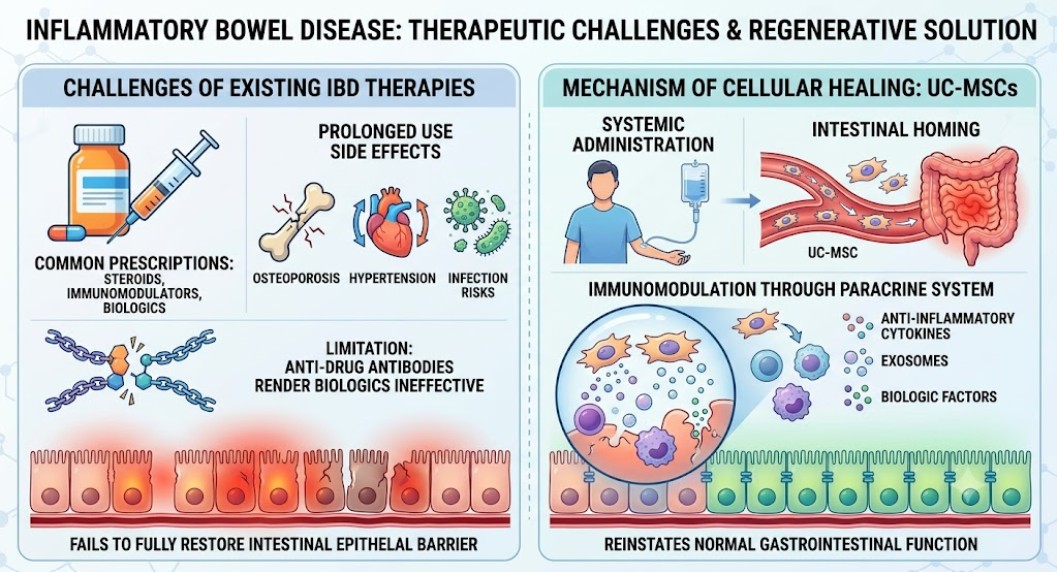
Figure 1: Challenges of Existing Therapies and regenerative intervention
Regional Progression and Future Directives
Southeast Asia’s rapid development in regenerative medicine has made these therapies prime candidates for their first clinical translation. In particular, advanced biotechnological integration in stem cell therapy Thailand has opened new frontiers in the treatment of complex gastrointestinal disorders like Inflammatory Bowel Disease. Thai Medical and regulatory institutions have developed a unique combination of high-quality laboratory and scientific resources, along with a sophisticated and supportive regulatory framework for translational research that integrates modern laboratory science with medicine. They are committed to a rigorous quality control framework that ensures UC-MSCs are harvested with the highest possible viability to achieve maximum therapeutic effect. Because of this commitment, stem cell therapy Thailand is an obvious choice and a world leader in offering this advanced medical therapy.
There are distinct biological advantages in choosing this highly innovative therapy in the region. Providers of stem cell therapy Thailand have high-quality medical teams that consist of advanced clinical gastroenterologists, immunologists, and cell biologists, supported by cutting edge medical technologies. Each team member plays a vital role in the evaluation, treatment, and follow-up care of the patient. Furthermore, local clinical trials using UC-MSCs for Inflammatory Bowel Disease are being conducted to fine-tune dosing and delivery of the treatment. The near future will see the development of treatments based on cellular therapy that are tailored to an individual’s cellular and immunological profile.
The shift to integrated cellular therapy using UC-MSCs, championed by stem cell therapy Thailand for Inflammatory Bowel Disease, marks the beginning of a new and innovative era in the field of gastroenterology. Novel biological approaches are needed to provide sustainable tissue repair and address the historically severe deficiencies of conventional immunosuppressants. Through their unique and multifaceted combination of deep immune system modulation and direct mucosal healing, UC-MSCs are able to meet this need. While local research is getting better, the improved protocols for treating Inflammatory Bowel Disease (IBD) will certainly improve the outcomes of complex patients across the globe. The new and pioneering research on stem cell therapy Thailand is leading the way on how to best treat patients with chronic IBD. The insightful and innovative application of stem cell therapy Thailand will allow patients with chronic IBD to have an improved health status in the near future.