Our Services
Others
- DFPP
- Shockwave
- IV Drip

The Burden of Joint Degeneration
Osteoarthritis (OA), a progressive disease associated with the loss of articular cartilage and chronic joint pain, represents a significant challenge for the global community. As this degenerative disease progresses, millions of people suffer from reduced quality of life from chronic pain and reduced mobility. The deterioration of articular cartilage exposes underlying bone surfaces and results in chronic pain and inflammation. Patients suffering from this condition are unable to carry out their normal daily activities. In addition to the physical suffering and limitations caused by this condition, there is a major unmet need for new interventions, such as those utilizing UC-MSCs at a specialized Stem Cell Clinic, to stop or reverse the disease, as current conventional treatment approaches are inadequate.
Limitations Of Conventional Medical Approaches
Conventional medical treatments for Osteoarthritis target symptom relief. Nonsteroidal anti-inflammatory drugs (NSAIDs), oral analgesics, and corticosteroid injections are the mainstay of treatment for arthritic joint inflammation. The role of physiotherapy and of manual therapies is to aid the biomechanical system and to assist with the development of necessary musculature. The importance of arthritic patients controlling their weight to assist with the management of the symptoms is well accepted. Total joint replacement is usually the only other reliable, yet extreme, solution to the suffering caused by this progressive disease. The mechanical implant also becomes an additional source of chronic suffering due to infection and a prolonged recovery, often driving patients to seek a Stem Cell Clinic offering UC-MSCs. The inability of existing therapeutics to mitigate or reverse the progressive degradation of articular cartilage in Osteoarthritis emphasizes the need for innovative approaches provided by a Stem Cell Clinic that may include UC-MSCs.
The Shift Toward Cellular Restoration
Compared to other stem cell-based therapies for Osteoarthritis, mesenchymal stem cells (MSCs) from umbilical cord tissues (UC) represent a less invasive option for the treatment of musculoskeletal pathologies. Compared to the harvesting of stem cells from bone marrow or adipose tissues, the use of umbilical cord tissues (UC) eliminates the need for invasive and painful tissue extraction. The excellent immunomodulatory effect and high proliferation capacity of UC-MSCs renders them uniquely suitable for intra-articular injection. When administered within a controlled environment of a Stem Cell Clinic, these MSCs are able to therapeutically reverse the inflammatory and hostile environment of degenerating joints. It is postulated that MSCs do not provide a therapeutic effect by providing cells for tissue replacement, but, are capable of restoring biological processes that are necessary for the repair of tissues.
Deep Molecular Mechanisms of Action
The primary reason for the therapeutic effect of UC-MSCs in a Stem Cell Clinic setting is paracrine signaling to combat Osteoarthritis. MSCs are able to provide the joint intra-articularly a sustained and local delivery system for a variety of therapeutic agents. MSCs are able to provide joints with anti-inflammatory cytokines, such as IL-10, and growth factors, such as TGF-β, that exert a protective effect on macrophage cells that sponge and degrade the joint. In addition, MSCs are able to deliver exosomes that are enriched with micro-RNAs that inhibit and reverse the joint catabolic processes. This effect is particularly evident in the inhibition of matrix metalloproteinases (MMPs) that are the principal proteolytic enzymes involved in the degradation of the cartilage matrix.
At the same time, the trophic factors released from UC-MSCs stimulate chondrocytes in the joint to begin producing type II collagen and aggrecan. These components are the building blocks of healthy cartilage. Most regenerative cells move the joint environment from a state of chronic degradation in Osteoarthritis to one characterized by active tissue synthesis. These cells carry the ability to move the joint ecology from a state of chronic degeneration to one characterized, allowing true structural regeneration to occur. These cells also allow active tissue synthesis to occur by complex localized immunomodulation. This process halts the active immune destruction of tissues and creates a unique environment that stimulates and keeps active the natural repair mechanisms. Patients undergoing this form of advanced therapy at a leading Stem Cell Clinic report long-lasting improvements in the functioning of their joints and a significant decrease in pain.
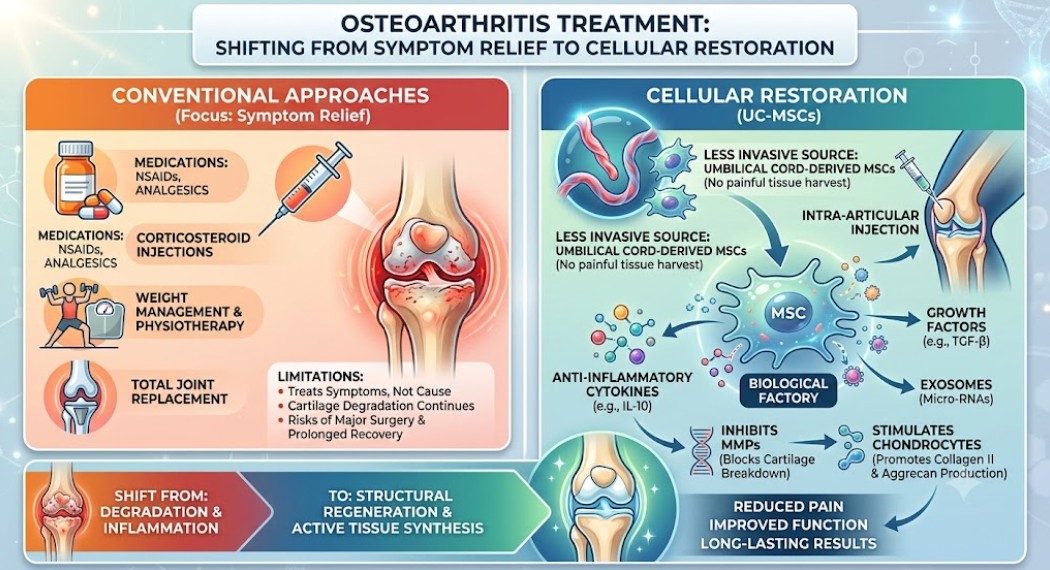
Figure 1: The Shift Toward Cellular Restoration with UC-MSCs
The placement of these advanced regenerative therapies within the framework of modern medicine, especially in Southeast Asia, offers a very bright future. Thailand is becoming a leading clinical center for specialized treatment of Osteoarthritis within the fast-growing field of regenerative medicine. Thailand combines cutting edge medical technologies with supportive governmental policies and a strong medical and therapeutic infrastructure. State of the art facilities in the region offer innovative therapies using umbilical cord derived stem cells (UC-MSCs) in a routine, pharmaceutical-grade laboratory. The placement of these therapies in the region with a focus on ultrasound guided stem cell therapy ensures proper therapeutic placement. Every top Stem Cell Clinic here offers international patients the ability to gain access to highly qualified medical personnel.
A Shift in Patient Care
This unique advantage of a Stem Cell Clinic is further extended by a strong focus of clinical research on developing optimal UC-MSCs therapeutic protocols to treat the specific pathologies of Osteoarthritis. The global clinical community expects a paradigm shift in which the primary clinical approach to biological joint preservation in Osteoarthritis is no longer reactive but proactive. Instead of being the last option in the treatment of choice, biological joint preservation utilizing UC-MSCs is expected to be the primary first choice in the treatment of degenerative joint diseases. Thailand is poised to be the hub in the world for cell-based therapies. The combination of cutting-edge cellular technology and the infrastructure of Medical Biotechnology in Thailand will further propel the position of Thailand as a center in the world for regenerative therapies at any leading Stem Cell Clinic. The combination of these therapies is expected to retain the ability of individuals to care for themselves and avoid the need for joint replacement surgery.