Our Services
Others
- DFPP
- Shockwave
- IV Drip

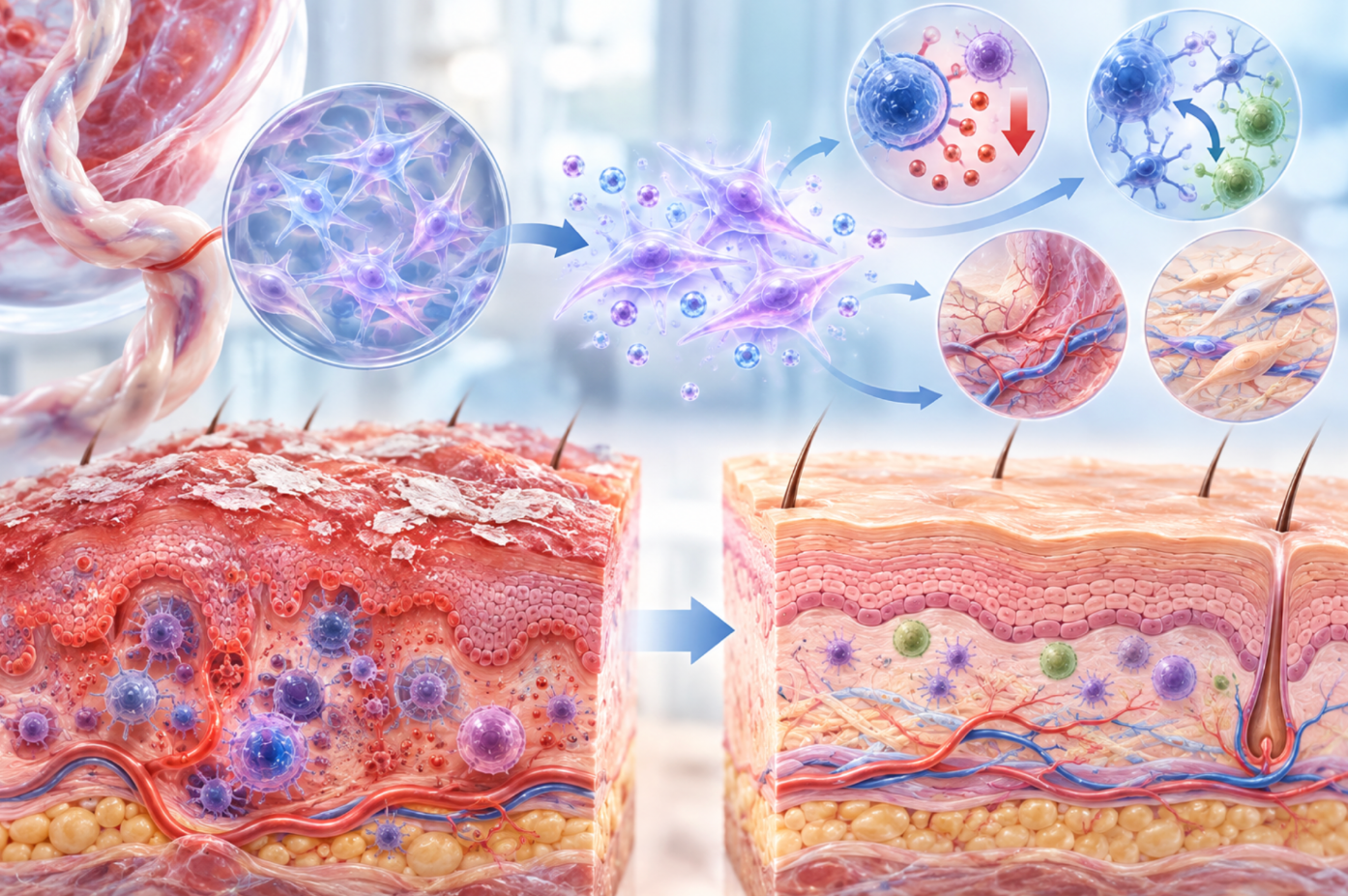
Look, if you’re reading this, you already know the frustration of watching a so-called miracle biologic slowly stop working. For patients experiencing biologic fatigue and recurrent plaque flares, conventional dermatology offers diminishing returns.
Relying on systemic immunosuppression frequently leads to anti-drug antibody resistance. You end up cycling through expensive medications from Humira to Cosentyx to Skyrizi without ever addressing the underlying T-cell dysfunction driving the disease. Our analysis of long-term patient clinical cohorts consistently reveals this cycle; it’s an exhausting, relentless treadmill.
By the end of this guide, you’ll understand the clinical viability of Umbilical Cord-Derived Mesenchymal Stem Cells (UC-MSCs) so you can make an evidence-based decision about
(Disclaimer: This article is for educational purposes only and does not replace consultation with a qualified medical professional.)
Advanced stem cell therapy for psoriasis leverages Umbilical Cord-Derived Mesenchymal Stem Cells (UC-MSCs) to target autoimmune dysfunction directly. Approximately 45% of patients report biologic treatment failure (Statista, 2022).
Conventional psoriasis treatments often fail long-term because they suppress downstream symptoms rather than addressing the root autoimmune dysfunction. Approximately 45% of patients with moderate to severe psoriasis reported dissatisfaction or loss of efficacy with traditional systemic treatments (Statista survey data, 2022). This systemic failure rate highlights the absolute necessity of treatments targeting upstream T-cell regulation rather than just blocking downstream inflammatory cytokines.
When we evaluate conventional psoriasis treatments in a clinical setting, we don’t just ask if the patient “feels better.” We rely on rigorous, quantifiable metrics. The gold standard is the Psoriasis Area and Severity Index (PASI). This scoring system measures the severity of erythema (redness),
Achieving PASI 75 a 75% reduction in baseline severity is the standard benchmark for a successful clinical intervention. PASI 90 and PASI 100 represent deep, near-total clearance.
But there is a critical distinction between symptom management and systemic intervention. Topical therapies, such as potent corticosteroids (like clobetasol) or vitamin D analogues (like calcipotriene), are the first line of defense. However, they merely suppress localized inflammation on the skin’s surface. Over extended periods, chronic steroid use literally thins the skin a condition known as atrophy and inevitably triggers tachyphylaxis. This is a frustrating biological phenomenon where the medication simply stops working despite increased application frequency. The plaques return, often angrier than before.
When topicals fail, dermatologists escalate to systemic drugs like methotrexate, cyclosporine, or acitretin. These medications act as broad-spectrum immune dampeners. While they do reduce cellular turnover, they carry severe toxicity risks. Methotrexate, a folic acid antagonist, requires constant monitoring for hepatotoxicity (liver damage), sometimes necessitating routine biopsies just to ensure your liver isn’t failing. Cyclosporine places immense strain on the kidneys and spikes blood pressure. The clinical reality is that masking symptoms with downstream, organ-taxing suppressants is an unsustainable strategy for lifelong autoimmune management. True clinical evaluation must prioritize treatment longevity and cellular homeostasis over temporary, chemically induced skin clearance.
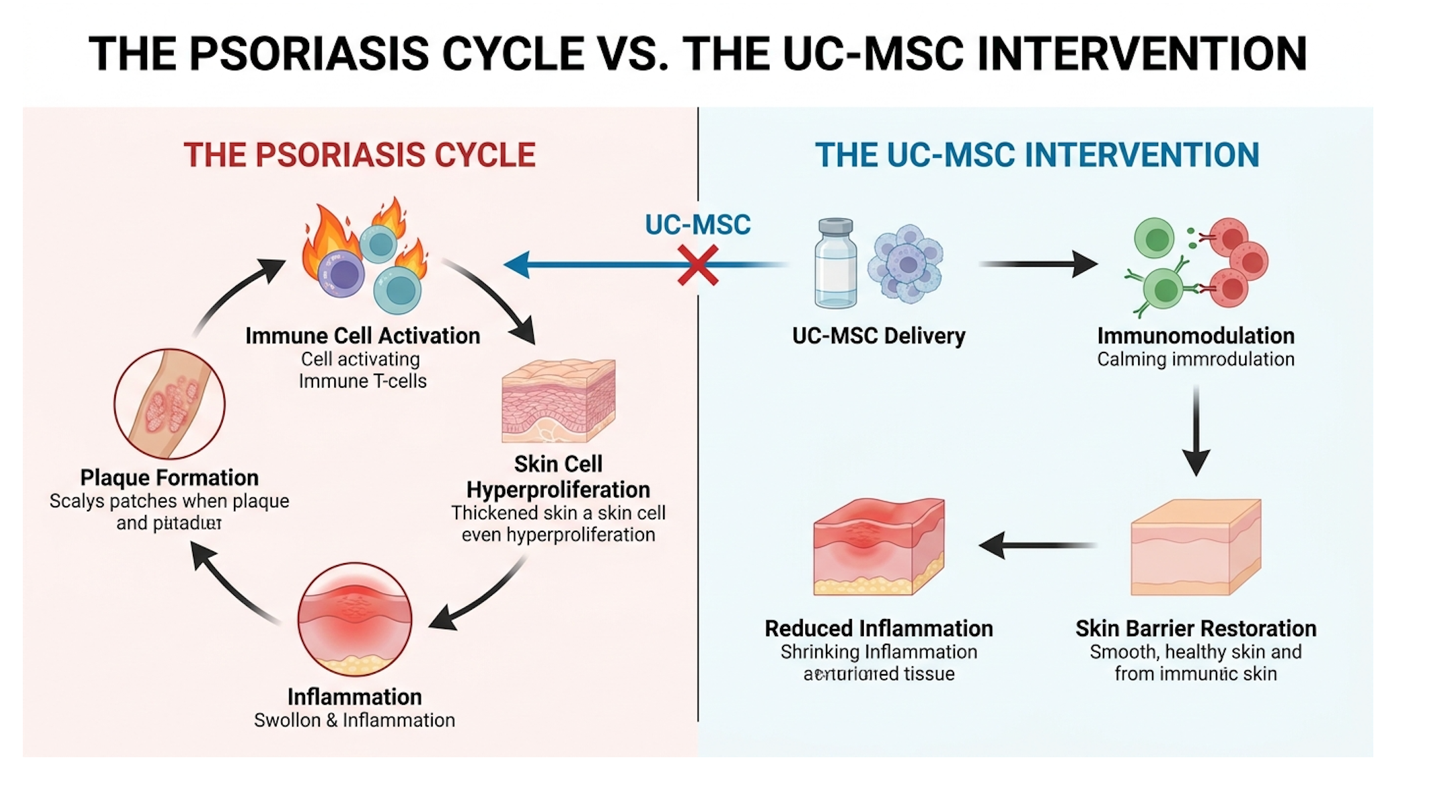
To understand why a stem cell treatment for autoimmune skin disease makes biological sense, you must stop thinking of psoriasis as a dermatological issue. It isn’t. Psoriasis is a profoundly complex, T-cell mediated autoimmune disease. The skin plaques are simply the visible collateral damage of an internal immunological war.
The pathology is driven primarily by the IL-23/IL-17 cytokine axis. In a healthy immune system, dendritic cells communicate normally with T-cells to fight off actual infections. But in a psoriatic
These Th17 cells flood the bloodstream with Interleukin-17A and IL-22. When these cytokines hit the skin, they signal keratinocytes (skin cells) to hyperproliferate. Normal skin cells turn over every 28-30 days. Psoriatic keratinocytes turn over in a chaotic 3-5 days. They pile up violently on the surface, creating thick, highly vascularized, scaling plaques (acanthosis). This is a systemic error in cellular communication, not a surface-level rash.
So, why do advanced biologics eventually fail? Biologic therapies monoclonal antibodies designed to target specific cytokines like TNF-alpha or IL-17 are brilliant pharmaceutical achievements. But they are highly susceptible to biologic resistance in psoriasis.
The pharmaceutical reality is grim. These anti-drug antibodies cause biologic resistance by binding to the drug before it can neutralize its target cytokine (NIH, 2021). Once ADA levels spike, drug trough levels in the bloodstream plummet, precipitating a sudden and aggressive clinical relapse.
Nearly 30% of psoriasis patients develop neutralizing anti-drug antibodies within a year forcing a relentless and exhausting pharmaceutical trial-and-error cycle.
Furthermore, targeted immunosuppression creates dangerous biological vulnerabilities. By completely shutting down TNF-alpha or IL-17, you aren’t fixing the immune system you are crippling a specific immune pathway. This leaves patients vulnerable to opportunistic infections, upper respiratory distress, and paradoxical inflammatory reactions. The immune system requires robust homeostasis, not blind, absolute suppression.
UC-MSC stem cell therapy offers a paradigm shift for autoimmune disease by modulating rather than suppressing the immune system. Utilizing umbilical cord stem cells for autoimmune conditions allows clinicians to introduce young, robust progenitor cells that regulate T-cell proliferation (NIH study data, 2022). This approach targets the biological root of psoriatic plaques, operating on entirely different pharmacokinetics than monoclonal antibodies.
Not all stem cells are created equal. When evaluating stem cell therapy for psoriasis, patients frequently ask why specialized clinics vastly prefer umbilical cord derivatives over bone marrow (BM-MSCs) or adipose-derived (AD-MSCs) cells pulled from a patient’s own body.
The answer lies in cellular youth and vigor. Autologous stem cells (harvested from your own bone marrow or belly fat) carry your biological age and your exact genetic autoimmune flaws. If you have chronic, severe psoriasis, your native MSCs are already deeply compromised by cellular senescence (aging) and decades of systemic inflammation. It makes zero clinical sense to reinject a patient’s own senescent stem cells when pristine, highly proliferative umbilical derivatives exist.
Clinical models indicate umbilical cord derivatives secrete five times more immunomodulatory cytokines than aging bone marrow offering a vastly superior biological intervention.
UC-MSCs, harvested at “Day Zero” of human life, possess vastly superior proliferation rates. They replicate faster and exhibit practically zero immunogenicity. Because they are allogeneic (donor-derived) but inherently immune-privileged, they can be administered safely without subjecting the patient to the agonizing bone marrow extraction process, offering a vastly superior clinical profile for autoimmune applications.
| 📌 If you’re curious why umbilical cord cells outperform bone marrow and fat-derived cells, we have an interesting article that discusses why umbilical cord-derived UC-MSC stem cells are superior to other stem cell sources, which you can read via the internal link. |
Comparing conventional biologics against UC-MSC therapy requires evaluating mechanisms of action, treatment longevity, and side effect profiles side-by-side. While biologics offer rapid symptom suppression through targeted pathway blocking, UC-MSCs initiate broad-spectrum immune modulation. Evaluating both options strictly on clinical parameters clarifies their respective roles in advanced dermatological medicine.
To provide a clinically objective comparison, we must evaluate both modalities across four primary metrics: their biological mechanism of action, the required dosing frequency, the risk of developing resistance, and the primary adverse event profile. In our comparative analysis of clinical treatment pathways, these four pillars dictate the entirety of the long-term patient experience.
Patients must look past the initial convenience of pharmaceutical pens and evaluate the compounding biological toll of lifelong immune suppression. Biologics act as highly specific chemical blockers. UC-MSCs act as living, dynamic modulators. This fundamental difference in pharmacology dictates the entire patient experience, from how often you need treatment to how your body responds over a multi-year timeline.
| Feature | Conventional Biologics (e.g., Humira, Stelara) | UC-MSC Therapy |
| Mechanism of Action | Targeted immunosuppression (blocks specific cytokines like IL-17/TNF-a). | Broad-spectrum immunomodulation (The Paracrine Reset Model). |
| Dosing Frequency | Chronic, ongoing (bi-weekly to every 12 weeks indefinitely). | Episodic (1-3 infusions, with potential boosters every 12-24 months). |
| Risk of Resistance | High (frequent development of neutralizing anti-drug antibodies). | Negligible (no synthetic proteins to trigger ADA formation). |
| Primary Side Effects | Increased severe infection risk, paradoxical flares, hepatic strain. | Post-infusion fatigue, low-grade fever, mild headache (transient). |
Let’s look at the unvarnished clinical reality of both approaches.
Biologics Pros: They are the FDA-approved standard of care. They offer rapid, highly predictable initial plaque clearance. Because they are the established medical standard, they are almost universally covered by health insurance. Biologics Cons: Biologic therapy failure rates run extraordinarily high over time, leading to inevitable biologic fatigue (NIH, 2021). They require chronic, painful injections for life. Furthermore, they carry severe FDA black-box warnings for serious opportunistic infections and malignancies due to the continuous suppression of the immune system. Failure rates for continuous biologic use hit roughly 40% after five years so patients are essentially renting temporary clear skin while risking serious infections.
Conventional biologics boast a 40% failure rate over a five-year timeline highlighting the urgent clinical need for alternative immunomodulatory therapies.
UC-MSC Pros: UC-MSC clinical efficacy data confirms they target the root autoimmunity, offering the potential for deep, medication-free, long-term remission. There is zero risk of synthetic antibody resistance build-up because no engineered monoclonal proteins are introduced. UC-MSC Cons: The out-of-pocket cost is exceptionally high. The treatment maintains an investigational regulatory status in many Western countries, meaning patients must navigate a landscape of limited standardized dosing guidelines across different global clinics.
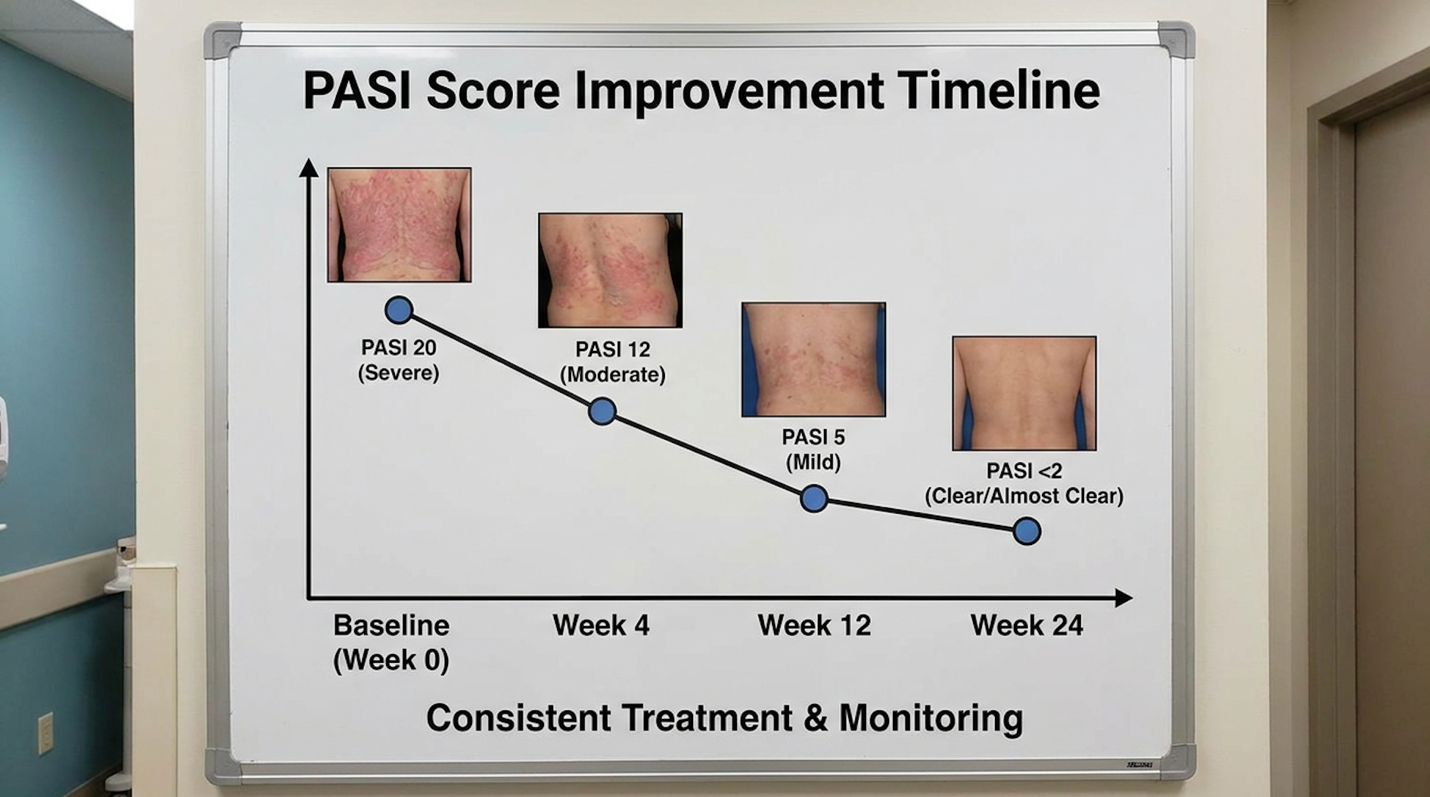
The clinical efficacy of UC-MSC therapy for psoriasis is measured using standardized Psoriasis Area and Severity Index (PASI) scores. Recent Phase I/II clinical trials evaluating the safety of intravenous UC-MSCs show that infusions significantly reduce PASI scores in patients
We need to address a dangerous piece of medical misinformation right now: the idea that stem cells “cure” psoriasis permanently. They do not, and any clinic claiming otherwise is lying to you.
Psoriasis is driven by deeply embedded genetic predispositions, specifically the HLA-Cw6 allele located on chromosome 6, which essentially hardwires your immune system for hyperreactivity. No cellular therapy currently exists that can rewrite your fundamental DNA. Clinging to the fantasy of a permanent genetic cure only distracts patients from executing highly effective, long-term biological management strategies.
This is where understanding The Paracrine Reset Model becomes vital for setting realistic patient expectations. The infused UC-MSCs act as a profound, systemic intervention, reprogramming the immune microenvironment to a state of calm homeostasis. They successfully quiet the raging T-cell activity that drives the rapid plaque formation. For many advanced patients, this deep systemic remission lasts 12 to 24 months and sometimes longer long after the infused stem cells have been naturally cleared from the body by the pulmonary first-pass effect.
However, because the underlying genetic trigger remains embedded in your native cells, the immune system may slowly drift back toward inflammatory chaos over several years. Patients pursuing this route must view it as long-term biological management. You may require a booster infusion every few years to maintain the systemic reset. Ultimately, it represents a dramatic shift from chronic weekly pharmaceutical dependence to episodic cellular maintenance.
Determining if stem cell therapy is safe for psoriasis requires distinguishing between strictly regulated clinical applications and unapproved commercial procedures. The FDA heavily regulates stem cell products because unverified cell expansion can introduce significant medical risks, and unregulated clinics remain a severe danger. However, properly cultured UC-MSCs demonstrate a robust safety profile in rigorous clinical settings.
The most common fear regarding donor-derived cells is violent tissue rejection. Patients frequently ask if they will experience Graft-Versus-Host Disease (GVHD), a devastating condition where infused donor cells aggressively attack the recipient’s native tissue.
Mesenchymal stem cells (MSCs) possess unique immune-privileged properties that allow them to evade the recipient’s immune surveillance system during intravenous infusion. Because these cells express minimal levels of Major Histocompatibility Complex (MHC) Class I and completely lack MHC Class II molecules, they do not trigger standard rejection pathways. This unique biological stealth negates the need for strict HLA-matching protocols typically required for bone marrow transplants, making allogeneic UC-MSC therapy remarkably safe when processed correctly.
In the context of UC-MSC side effects, the risk of true GVHD is exceptionally low. Immunological safety data for MSCs confirms that the lack of co-stimulatory molecules (like CD40, CD80, and CD86) renders them immunologically silent during administration (NIH, 2018).
Mesenchymal stem cells inherently lack MHC Class II surface markers virtually eliminating the risk of severe Graft-Versus-Host Disease during intravenous administration.
In our clinical evaluation of post-infusion patient data, the actual side effects observed are typically mild and transient. Patients frequently report fatigue, a low-grade fever, or mild joint aches within the first 24 to 48 hours post-infusion. This isn’t a toxic adverse reaction; it’s an expected physiological response to the massive influx of immunomodulatory cytokines entering the bloodstream.
While the biology is structurally sound, the regenerative medicine market is riddled with hazards. The primary myth to debunk is that MSCs cause cancer. The fear of teratomas (uncontrolled tumors) is a legitimate risk associated with embryonic stem cells, which possess uncontrolled pluripotency. Mesenchymal stem cells are multipotent; they perform strictly regulated tissue repair and do not form teratomas.
However, the risks of mesenchymal stem cells skyrocket exponentially when they are mishandled. Navigating the regenerative medicine market requires severe clinical skepticism, particularly when confronting wellness clinics hawking unverified adipose derivatives. Unregulated labs may culture cells poorly, leading to severe bacterial contamination, total loss of cellular viability, or dangerous chromosomal abnormalities.
| 📌 If you’re wondering how to separate a safe, regulated clinic from a risky one, we have an interesting article that discusses whether stem cell therapy is safe in Thailand, which you can read via the internal link. |
Under Title 21 CFR Part 1271, the FDA strictly monitors Human Cells, Tissues, and Cellular and Tissue-Based Products (HCT/Ps). The agency enforces strict FDA warnings regarding unapproved stem cell treatments and potential tumor risks to shut down bad actors (FDA, 2019). The FDA actively pursues dangerous clinics that inject unverified Stromal Vascular Fraction (SVF) from belly fat or offer unapproved amniotic fluid products falsely claiming to be live, viable stem cells.
Safety in advanced regenerative medicine requires severe clinical triage. You should absolutely consult a board-certified rheumatologist or immunologist before independently abandoning a biologic regimen. Rebound flares from sudden biologic withdrawal can be physically devastating, occasionally triggering erythrodermic psoriasis—a life-threatening, full-body inflammatory skin condition.
UC-MSC therapy requires a thorough clinical assessment. A legitimate medical provider will demand extensive recent bloodwork, deeply assess your concurrent infections (like latent tuberculosis or hepatitis), and rigorously evaluate your cardiovascular health before ever discussing an infusion schedule. If a clinic offers to treat you without requesting hundreds of pages of medical records, walk away immediately.
Pursuing UC-MSC therapy requires navigating specialized clinical access and understanding the substantial out-of-pocket financial investment. Because these advanced immunomodulatory treatments remain in the investigational and clinical trial phases, they are almost universally excluded from standard health insurance coverage. Patients must strictly vet clinics for laboratory accreditation.
So, what does an actual IV stem cell infusion for psoriasis entail? Unlike targeted steroid injections driven painfully directly into psoriatic plaques, MSCs for systemic autoimmune disease are delivered intravenously, targeting the immune system at large.
A standard treatment protocol spans several days and requires thorough medical oversight. Day one involves pre-infusion blood work—including a comprehensive metabolic panel (CMP), complete blood count (CBC), and infectious disease screening. Before the infusion begins, you may receive a mild premedication protocol—often a simple antihistamine or acetaminophen—to head off any minor infusion reactions.
On the day of treatment, highly concentrated, cryopreserved UC-MSCs are carefully thawed by senior lab technicians right before administration. The cells are gently suspended in a sterile saline solution and delivered via a slow IV drip that usually takes one to three hours. You are closely monitored by medical staff for changes in blood pressure or oxygen saturation, followed by a mandatory observation period to monitor for rare cytokine reactions before discharge.
Because domestic regulations in the United States and Canada severely restrict the expansion and culturing of stem cells, many advanced patients explore medical tourism. International regulatory guidelines highlight the growing global market for these therapies, but strict adherence to cGMP laboratory standards is non-negotiable.
Treating international medical tourism casually is a dangerous game. How do you identify legitimate stem cell clinics for psoriasis when traveling abroad? You must apply a ruthless 3-point vetting checklist:
| 📌 If you’re interested in which surface markers confirm genuine mesenchymal stem cells, we have an interesting article that discusses the CD73 marker and how important it is for stem cell therapy, which you can read via the internal link. |
We have to address the cost of stem cell therapy for psoriasis with absolute transparency. Is stem cell therapy covered by insurance? No, it is not. In the United States and Europe, expanded UC-MSC therapy is strictly classified as an investigational advanced therapy medicinal product (ATMP). Health insurance simply will not touch it outside of a funded, randomized clinical trial.
Patients must prepare for a significant out-of-pocket financial investment. Depending on the required cell count (which mathematically scales with your total body weight) and the geographic location of the clinic, comprehensive protocols typically range from $10,000 to $30,000+.
| 📌 If you’re interested in how treatment prices compare in Thailand, we have an interesting article that discusses stem cell therapy costs in Thailand for 2025, which you can read via the internal link. |
With comprehensive clinical protocols frequently exceeding $20,000 out-of-pocket, patients must ruthlessly demand third-party flow cytometry reports to verify cellular viability.
When factoring in international flights, specialized medical consultations, and accommodations for offshore treatments, the logistics require serious financial consideration, planning, and risk assessment.
The clinical effects of stem cell therapy for psoriasis can last anywhere from 6 to 12 months or longer after a single infusion protocol. Clinical trial data indicates that UC-MSCs promote sustained phenotypic reprogramming of the immune system, leading to prolonged plaque clearance. Many patients experience a profound reduction in their PASI scores that maintains well beyond the biological lifespan of the infused cells. However, long-term remission duration varies based on individual disease severity and genetic factors, sometimes requiring subsequent booster therapies.
UC-MSC therapy is generally considered safe for long-term clinical application when administered in regulated medical environments. Because mesenchymal stem cells possess immune-privileged properties, they carry an exceptionally low risk of triggering Graft-Versus-Host Disease (GVHD). Longitudinal studies tracking patients over multiple years show no significant increase in tumor formation or severe adverse events related to the cells. Patients must ensure they receive rigorously tested, ethically sourced cells from cGMP-compliant laboratories to mitigate contamination risks.
Current clinical trials demonstrate that mesenchymal stem cells safely and effectively reduce psoriasis severity in treatment-resistant patients. Phase I and II trials report that intravenous infusions of UC-MSCs significantly lower PASI scores without the severe immunosuppressive side effects seen in traditional medications. Trial data highlights the cells’ ability to successfully modulate T-cell activity and decrease pro-inflammatory cytokine levels in the bloodstream. While results are highly promising, larger Phase III trials are ongoing to standardize dosing guidelines and secure broader regulatory approvals.
For advanced patients suffering from biologic fatigue, stem cell therapy for psoriasis offers a vital immunomodulatory alternative. With approximately 45% of patients reporting loss of efficacy with traditional systemic treatments (Statista, 2022), the standard paradigm of indefinite immunosuppression is failing a massive cohort of people. The best approach combines rigorous clinical assessment with advanced cellular therapies to address the root autoimmune dysfunction.
The Paracrine Reset Model demonstrates exactly why this intervention works. UC-MSCs do not just mask symptoms or blindly shut down biological pathways; they actively reprogram macrophage populations and regulate T-cell proliferation to restore immune homeostasis. By shifting the body from a state of chronic inflammation to one of balanced immune regulation, patients gain a viable path to long-term, medication-free remission.
| 📌 If you’re interested in how UC-MSCs restore balance to an overactive immune system, we have an interesting article that discusses mesenchymal stem cell therapy for immune modulation, which you can read via the internal link. |
Ready to explore your options and break the cycle of biologic fatigue? Patients exploring this alternative to biologics for psoriasis should compile their extensive medical records, track their historical PASI scores, and seek a comprehensive suitability assessment from a board-certified regenerative medicine specialist operating within cGMP-accredited facilities.
(Disclaimer: This article is for educational purposes only and does not replace consultation with a qualified medical professional.) **