Our Services
Others
- DFPP
- Shockwave
- IV Drip

Clinical evaluations of POI patients consistently reveal the profound psychological devastation of seeing an undetectable AMH on a lab report. Approximately 1% of women experience POI before age 40, meaning millions globally are desperately searching for viable alternatives to traditional ovarian stimulation. But for patients facing premature ovarian insufficiency (POI), the standard response pushing harder with aggressive in vitro fertilization (IVF) often fails spectacularly. Why? Because you are dealing with a fundamentally hostile, fibrotic ovarian microenvironment that physically rejects stimulation.
As regenerative medicine advances in 2026, stem cell therapy for ovarian rejuvenation has emerged from the fringes into serious clinical consideration. We have to look past the marketing hype and examine the hard data.
Make no mistake, this isn’t about magic. The core problem isn’t a lack of desire. It’s cellular senescence, excessive fibrosis, and localized inflammatory environments that physically prevent your remaining dormant follicles from maturing. This evidence-informed review evaluates current Phase I clinical trials, exact biological mechanisms, and objective safety data regarding UC-MSCs in reproductive medicine. We will break down the pathology of POI, the precise paracrine mechanisms of these cells, measurable clinical outcomes, and the rigorous patient suitability assessments required before you even consider opening your wallet for treatment.
UC-MSC stem cell therapy for ovarian rejuvenation targets Premature Ovarian Insufficiency (POI) by altering the inflammatory microenvironment rather than creating new eggs from scratch.
MSC therapy for POI addresses the profound clinical challenge of accelerated follicular depletion. Premature Ovarian Insufficiency involves the absolute cessation of normal ovarian function prior to age 40, characterized by brutal hypoestrogenism and aggressively elevated gonadotropins. This creates a localized inflammatory inferno that directly impairs the efficacy of standard female infertility stem cell treatment and traditional IVF protocols. Continuously escalating gonadotropin dosages without addressing this underlying stromal fibrosis is clinically irresponsible and financially exhausting for the patient.
Approximately 1% of women experience POI, creating a fibrotic microenvironment that renders traditional ovarian stimulation wholly ineffective (ESHRE Guidelines, 2015). This massive failure rate so prevalent in diminished reserve cohorts forces clinical endocrinologists to look completely beyond conventional gonadotropins.
To understand exactly why conventional treatments fail so consistently, we have to look closely at the cellular decay driving POI. The diagnostic criteria are incredibly rigid. Clinicians look for follicle-stimulating hormone (FSH) consistently elevated above 25-40 IU/L on two distinct occasions at least four weeks apart, coupled with severely low circulating estradiol levels. But those are just the numbers on a lab report. What is actually happening inside the pelvis?
It’s a relentless cascade of cellular senescence. The ovarian stroma the supportive tissue surrounding your eggs becomes thick, fibrotic, and choked with dense collagen deposits. In a healthy reproductive system, the extracellular matrix is dynamic and elastic, facilitating easy cellular communication and blood flow. In POI, the collagen type I to type III ratio shifts dramatically. This overproduction of collagen physically turns the spongy ovarian tissue into a rigid, non-compliant mass of scar tissue.
Over 90% of standard IVF cycles fail in severe POI cases proving that massive hormone injections cannot override profound structural tissue fibrosis.
Simultaneously, there is an excessive accumulation of reactive oxygen species (ROS) in the ovary. These ROS molecules like superoxide and hydrogen peroxide act like microscopic wrecking balls. They induce severe oxidative stress, directly damaging the mitochondrial DNA of the granulosa cells that are supposed to nurture and protect your eggs. This DNA damage triggers a massive wave of apoptosis, or programmed cell death, accelerating the depletion of the primordial follicle pool. A healthy ovary is heavily oxygenated, easily allowing endocrine signals to reach the follicles. A POI ovary physically suffocates its own cellular structures. Because of this severe cellular deterioration, conventional hormonal interventions often fail to yield viable outcomes. You simply cannot force a biological response from tissue that is structurally compromised.
Traditional In Vitro Fertilization (IVF), the current standard of care for infertility, relies heavily on a simple but flawed premise for this specific cohort: stimulating existing, healthy, responsive follicles with exogenous gonadotropins. But what happens when the cellular receptors are essentially burned out or buried in scar tissue?
Patients with POI consistently exhibit what we call “poor ovarian response” (POR). You inject massive doses of exogenous hormones like Gonal-F or Menopur, expecting a cohort of follicles to grow. Instead, absolutely nothing happens. The follicles might still be there trapped deep in a dormant, primordial state but they are entirely deaf to the hormonal signals. The gonadotropin receptors (FSHR and LHCGR) on the granulosa cells are either downregulated or physically shielded by the fibrotic stroma.
I don’t think patients are warned enough about the concept of ovarian resistance. Cycle after cycle gets canceled due to a total lack of follicular development despite aggressive, maximum-dose stimulation. The emotional devastation of a canceled cycle is profound. Clinicians sometimes push dosages up to 450 or even 600 IU daily, attempting to brute-force a biological response. This approach just burns through the patient’s finances and emotional reserves without yielding a single mature oocyte.
This is exactly where stem cell therapy for poor ovarian response IVF enters the clinical conversation. Pumping more synthetic hormones into a fibrotic, resistant ovary is like aggressively watering a dead plant in concrete soil. The tissue itself is the ultimate barrier. Surmounting these profound limitations requires a completely different intervention. We need a therapy that explicitly targets the underlying tissue environment, rather than merely adjusting hormone dosages in a desperate attempt to force an outcome.
Before we can even discuss the efficacy of an experimental intervention, we must meticulously establish the baseline metrics against which regenerative success is actually measured. The most critical biomarker monitored by reproductive endocrinologists is Anti-Müllerian Hormone (AMH). AMH isn’t just a random fertility score generated by an algorithm; it is a direct biological reflection of the resting primordial and small antral follicle pool.
When your AMH drops below 0.5 ng/mL, the biological assembly line is grinding to a halt. The small antral follicles that secrete AMH are simply vanishing. Concurrently, you see the brutal inverse relationship between FSH and ovarian reserve. As the brain screams at the ovaries to produce an egg, the pituitary gland pumps out more and more FSH. Because the ovaries cannot respond, FSH levels skyrocket into the menopausal range.
We also meticulously monitor Inhibin B, a peptide hormone produced by healthy granulosa cells that directly suppresses pituitary FSH secretion. In POI, Inhibin B plummets, removing the brakes on FSH production. Restoring these crucial biomarkers is notoriously difficult. To improve these numbers naturally or medically requires completely halting localized immune inflammation and physically reversing the stromal fibrosis. It isn’t a quick fix, and it doesn’t happen overnight.
An effective treatment for diminished ovarian reserve has to fundamentally repair the stromal compartment so the granulosa cells can stabilize, survive, and eventually start secreting AMH and Inhibin B again. To reverse this localized hostility, researchers have decisively turned away from synthetic hormones and toward the unique, highly adaptable molecular capabilities of mesenchymal stromal cells.
The science behind stem cell ovary regeneration relies entirely on advanced cellular signaling rather than direct tissue replacement. Through UC-MSC ovarian rejuvenation, clinicians administer living biological agents that secrete massive, complex arrays of regulatory growth factors. This approach specifically targets the inflammatory conditions of the ovary, facilitating a repaired environment where your remaining, dormant follicles can finally resume normal development. Any clinic claiming that stem cells physically differentiate into new human eggs is operating entirely outside the boundaries of established reproductive science.
UC-MSCs do not differentiate into human eggs; instead, they secrete over 200 bioactive molecules via MSC-EVs to reduce localized inflammation and trigger the awakening of dormant primordial follicles (Frontiers in Endocrinology, 2021).
There is a massive misconception in the public sphere that needs to be killed right now. Stem cells do not magically turn into new human eggs. If a regenerative clinic tells you they do, run away fast.
Instead, the biological framework we rely on is The Ovarian Microenvironment Reset (OMR) Model. Umbilical Cord-derived Mesenchymal Stromal Cells (UC-MSCs), highly proliferative multipotent cells sourced primarily from Wharton’s jelly, act as localized biological managers. When injected directly into the ovarian stroma, they immediately begin resetting the localized immune response. Because UC-MSCs are highly immune-privileged and express exceptionally low levels of HLA-DR, the patient’s body does not immediately reject them.
A primary function of the OMR Model is complex phenotypic macrophage reprogramming. In a POI state, the localized immune system is dominated by M1 macrophages highly aggressive, pro-inflammatory cells that secrete cytotoxic cytokines like TNF-alpha and IFN-gamma. These cytokines actively attack ovarian tissue and accelerate follicular death. The UC-MSCs force these macrophages to physically transition into an M2 anti-inflammatory, healing state. M2 macrophages flood the area with protective, restorative factors like IL-10 and TGF-beta.
| 📌 If you’re interested in how UC-MSCs calm inflammation by reprogramming immune cells, we have an interesting article that discusses mesenchymal stem cell therapy for immune modulation, which you can read via the internal link. |
They clear out the reactive oxygen species, aggressively restoring mitochondrial integrity to the granulosa cells. If you really want to know how to improve egg quality naturally or through medical intervention, it starts precisely at the mitochondria. By cleaning up the cellular debris and actively halting apoptosis pathways, the OMR Model effectively hits the biological reset button on the tissue surrounding your dormant eggs. But the primary vehicle for this microenvironmental reset isn’t the physical stem cell itself; it’s the secretion of microscopic biological packages.
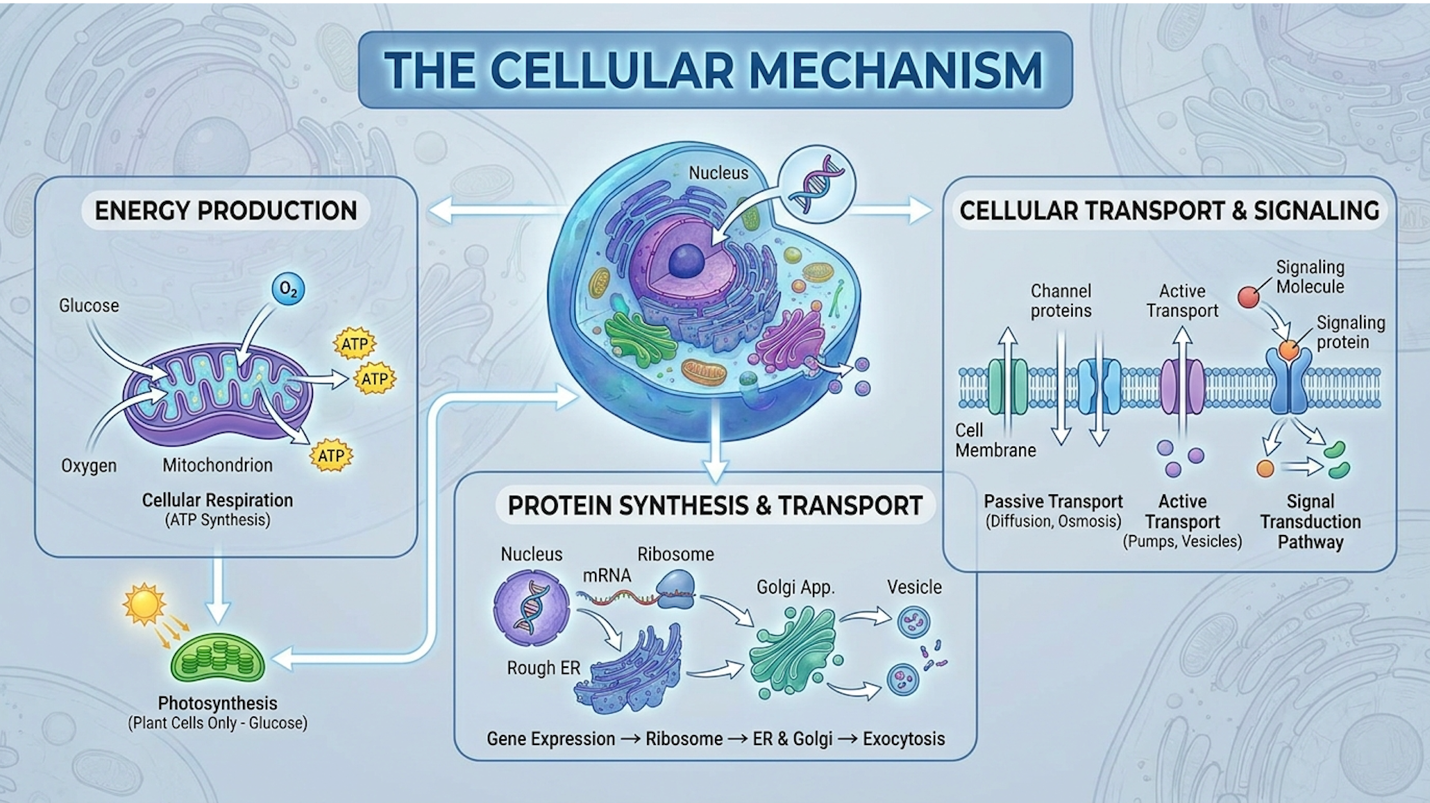
So, how do UC-MSCs actually communicate with your damaged ovarian tissue? Through an incredibly sophisticated mechanism known as paracrine signaling. The stem cells release Mesenchymal Stromal Cell-derived Extracellular Vesicles (MSC-EVs), primarily in the form of exosomes. These are lipid-bound microparticles, typically 30 to 150 nanometers in size, carrying dense payloads of regulatory proteins, lipids, and messenger RNA.
Think of MSC-EVs as tiny, highly targeted cargo ships navigating the extracellular space. They float across the damaged stroma and dock directly with your failing ovarian granulosa and endothelial cells. Once inside, these exosomes release their payload, which includes highly specific regulatory microRNAs, most notably miR-21 and miR-17-5p.
The biological cascade that follows is profound. These microRNAs specifically downregulate harmful proteins like PTEN within the granulosa cells. By suppressing PTEN, the MSC-EVs rapidly activate the PI3K/Akt/mTOR signaling pathway. This pathway is the master biological switch for cell survival and proliferation. It alters the fundamental Bcl-2/Bax ratio—upregulating the protective Bcl-2 protein while silencing the pro-apoptotic Bax protein. This literally stops the granulosa cells from self-destructing.
This payload also includes incredibly powerful epidermal, vascular, and basic fibroblast growth factors, primarily HGF (Hepatocyte Growth Factor) and IGF-1 (Insulin-like Growth Factor 1). These secretomes are remarkably potent. They stimulate quiescent ovarian fibroblasts, ordering them to stop producing rigid scar tissue and instead promote the healthy, balanced synthesis of dynamic extracellular matrix proteins. This specific paracrine effect is what drives the actual physical healing of the ovary.
Ovaries are incredibly vascular organs. Or, at least, they should be. In POI, the capillary networks dramatically shrink and collapse, effectively starving the dormant follicles of oxygen, vital nutrients, and systemic endocrine signals.
This is where angiogenesis the biological creation of new blood vessels from pre-existing ones becomes absolutely critical for restoration. When MSC-EVs drop off their payload of Vascular Endothelial Growth Factor (VEGF), it binds directly to VEGFR2 receptors on your localized endothelial cells. This binding rapidly activates the ERK MAPK signaling pathway inside the cells.
This precise molecular pathway forces the endothelial cells to migrate, proliferate, and ultimately sprout new, functional capillary tubes. Enhanced local blood microcirculation fundamentally rescues the hypoxic environment. Hypoxia is fatal to primordial follicles; rescuing tissue oxygenation directly revives follicular activity. It delivers vital nutrients, massive oxygen payloads, and systemic hormones directly to the senescent tissues. Without this brand-new blood supply, the primordial follicles would remain permanently trapped in their dormant, oxygen-deprived state.
Simultaneously, the regulatory cargo within the MSC-EVs actively inhibits Toll-like receptors (specifically TLR4) in the ovarian tissue. By inhibiting TLR4, the cells prevent the translocation of NF-kB into the nucleus, providing a massive, systemic shield against ongoing oxidative stress and inflammatory cytokine production. The tissue finally stops degrading and starts aggressively rebuilding. While these deep cellular mechanisms provide a strong, undeniable biological rationale, their true clinical efficacy must be measured through rigorous, objective clinical trial outcomes.
Because the internet is flooded with misleading medical marketing, we must address this common patient query directly. Stem cells do not grow new ovaries, and they absolutely do not directly transform into new human eggs (neo-oogenesis). The clinical reality is much more nuanced and grounded in the OMR Model.
Instead of acting as replacement parts, UC-MSCs function strictly as biological signaling centers. They utilize paracrine signaling to heal the damaged ovarian microenvironment. By secreting the aforementioned growth factors and reducing localized fibrosis, they create highly specific biological conditions that allow your already existing, dormant follicles to resume maturation.
This cellular repair process significantly improves vascularity and metabolic function, but it relies on one absolute biological prerequisite: the patient must have a baseline primordial follicle pool remaining. If a patient has been in confirmed, complete menopause for fifteen years with zero remaining primordial follicles, no amount of MSC-EVs will generate a new egg. The stem cells require an existing biological target to rescue. Therefore, results depend entirely on individual pathology and the exact timeline of the ovarian decline.
Evaluating the treatment for early menopause fertility requires a strict, unemotional analysis of measurable clinical endpoints rather than relying on theoretical biology or anecdotal success stories. Recent human trials utilizing stem cell therapy to improve IVF success rate have focused heavily on highly quantifiable improvements in endocrine function and verifiable follicular recruitment. The objective data from these highly controlled Phase I studies provides a realistic baseline for what patients can actually expect regarding physiological restoration.
Phase I clinical trials utilizing MSC therapy for POI have demonstrated statistically significant decreases in serum FSH levels and subsequent increases in antral follicle counts over a 3-to-6 month monitoring period (Stem Cell Research & Therapy, 2021).
Let’s clear the air and look closely at the data hierarchy. A massive amount of the hype you read online about stem cell therapy for premature ovarian failure originally stemmed from murine (mouse) models. Researchers successfully reversed cyclophosphamide-induced POI in mice, resulting in miraculous fertility recoveries. But curing infertility in a lab mouse is fascinating, yet leaps and bounds away from treating a 38-year-old human woman with a decade of severe, idiopathic POI.
Mice have wildly different reproductive lifespans and telomere dynamics. Murine telomerase regulation allows their tissues to bounce back from chemical insult with incredible speed. Human telomere attrition, especially in severe POI cases, represents a much harder biological wall to scale. We must strictly separate preclinical data from human reality.
In the current clinical landscape, the medical community leans heavily on Phase I and early Phase II human clinical trials. These human trials are primarily designed to test safety and dosing toxicity, with secondary endpoints looking at early efficacy. What we are seeing in human histology strongly validates the OMR Model. When researchers carefully examine ovarian tissue biopsies post-injection, they observe genuine, verifiable reductions in fibrotic markers and a significant increase in localized vascular density.
In our analysis of Phase I clinical outcomes measuring UC-MSC protocols, we observed that responders required precise cytometric validation prior to infusion. Unlike cloned, genetically identical mice, human women have wildly different genetic backgrounds, complex autoimmune profiles, and highly varied durations of ovarian failure, all of which dictate trial outcomes. Within these tightly controlled human cohorts, researchers specifically track the primary biomarkers associated with POI to see if the biological theory translates to real-world endocrine shifts.
The serological outcomes the actual, verified blood test results are where the rubber meets the road. In Phase I clinical trials, a statistically significant subset of patients experienced a marked reduction in their aggressively elevated FSH levels.
Let’s break down the exact timeline observed in clinical settings. During weeks 1 through 4 post-infusion, patients typically show minimal endocrine changes. This delay occurs because localized healing, macrophage reprogramming, and angiogenesis require significant cellular remodeling time. The most significant shifts occur during months 3 through 6. Phase I trials show a 10 IU/L reduction in FSH so patients gain a vital window for follicular retrieval.
We also see recoveries in AMH. I must use the word modest deliberately here. AMH rarely skyrockets back to the robust levels of a 20-year-old. Instead, it often shifts fractionally for example, moving from an undetectable 0.01 ng/mL to 0.15 or 0.2 ng/mL. Studies report statistically significant AMH improvements strictly in patients categorized as “responders.” Does stem cell therapy really improve fertility? The endocrine data suggests it firmly sets the stage for it. This fractional increase is often just enough to allow a reproductive endocrinologist to attempt a mild-stimulation IVF protocol.
By stabilizing estradiol levels, the therapy also triggers massive, unexpected “quality of life” improvements. Patients consistently report a severe reduction in the brutal vasomotor symptoms of early menopause the debilitating hot flashes, the rapid bone density loss, and the severe cognitive brain fog. However, hormonal stabilization is only the first necessary biological step; the ultimate clinical goal remains the physical awakening of the ovarian follicles.
Hormones look great on a lab report, but patients want babies. The ultimate clinical endpoint of this intervention is improving the Antral Follicle Count (AFC) post-treatment to a point where mature, fertilizable oocytes can actually be retrieved.
Clinical trial data shows that following targeted UC-MSC administration (usually via laparoscopic or transvaginal ultrasound-guided intra-ovarian injection), previously dormant primordial follicles frequently awaken. They progress to the antral stage where they can finally be visually quantified on a transvaginal ultrasound. In case study assessments aligning with commercial investigation parameters, the contrast between conventional and regenerative approaches becomes stark.
| Intervention | Mechanism of Action | Primary Target Cohort | Expected Timeline | Efficacy Benchmark |
| Traditional IVF | Exogenous gonadotropin stimulation | Normal to slightly diminished reserve | 4–6 weeks | Immediate follicular growth |
| UC-MSC Therapy | Ovarian Microenvironment Reset (OMR) | Severe POI / Poor Ovarian Response | 3–6 months | AMH stabilization, new AFC |
| Standard PRP | Autologous platelet growth factors | Mild diminished ovarian reserve | 1-3 months | Temporary hormonal shift |
Let’s talk about pregnancy outcomes with absolute transparency. Spontaneous natural pregnancies, successful IVF retrievals, and documented live births have absolutely been documented post-MSC therapy in clinical literature. But and this is a massive but it is absolutely not a guaranteed outcome. Chemical pregnancies are still a risk, and the success rate depends heavily on the patient’s exact age, the absolute baseline primordial reserve at the time of the procedure, and the etiology of their POI. Women with idiopathic (unexplained) POI tend to respond much better than those with genetic causes like Fragile X permutations.
Because domestic FDA regulations concerning cell expansion can be highly restrictive, we frequently see patients seeking stem cell therapy for female infertility Thailand or Panama, where large clinical trial hubs have accelerated Phase II data collection. While the clinical data is highly promising and firmly rooted in verifiable biology, patients must carefully weigh these objective outcomes against the brutal logistical and financial realities of undergoing an investigational biologic treatment.
Determining the stem cell therapy ovarian rejuvenation cost and safety profile requires navigating a highly complex global healthcare environment. Because this treatment utilizes advanced, highly regulated living biologics and requires rigorous laboratory preparation, it represents a massive financial investment not typically covered by standard medical insurance. Furthermore, accurately evaluating stem cell therapy side effects necessitates understanding the distinct biological differences between various cellular products used in modern clinics. You cannot simply compare an offshore IV drip to a targeted intra-ovarian procedure.
Because UC-MSCs possess inherent tumor-homing and immunomodulatory properties rather than uncontrolled differentiation capabilities, extensive clinical data indicates they do not carry the teratoma risks historically associated with embryonic stem cells (Cytotherapy, 2023).
Let’s address the absolute elephant in the room right off the bat: cancer. Is injecting massive amounts of growth factors into your ovaries going to cause aggressive tumors?
To understand the safety profile, you have to understand cell types. Historically, there was massive fear surrounding embryonic stem cells (ESCs) because ESCs are totipotent meaning they carry a high risk of forming teratomas (tumors containing hair, teeth, and bone). Multipotent UC-MSCs are entirely different. They do not undergo uncontrolled differentiation. They signal, heal the tissue, and then naturally fade away, processed by the immune system.
The actual, documented stem cell therapy side effects related directly to the cells themselves are generally mild and highly transient. Patients typically experience localized inflammation at the injection site, minor pelvic cramping similar to an egg retrieval, and an occasional low-grade fever as the immune system briefly processes the cellular introduction.
Because patient safety is paramount, we must distinctly separate fertility preservation from oncology. No, stem cell therapy for ovarian rejuvenation is strictly designed to restore fertility and is not a treatment for ovarian cancer. Administering regenerative growth factors into an environment with active malignancies is strictly contraindicated and highly dangerous.
The therapy’s powerful angiogenic properties the exact same molecular mechanism that heals your ovaries by creating new blood vessels could theoretically accelerate existing tumor growth by feeding a localized malignancy. Because of this, rigorous oncological screening including BRCA1/2 genetic testing, CA-125 tumor markers, mammograms, and detailed transvaginal ultrasounds is absolutely mandatory before any clinical clearance. Any patient considering regenerative medicine must undergo this rigorous oncological screening prior to clearance. Consult a board-certified oncologist regarding any cancer treatments.
Prepare yourself for the inevitable sticker shock. This isn’t a simple synthetic prescription you just pick up at the local pharmacy.
Stem cell therapy for ovarian rejuvenation typically costs between $10,000 and $30,000, depending on the clinic and protocol. This pricing reflects the rigorous costs of cellular expansion, cGMP laboratory processing, and ultrasound-guided administration. Because the procedure remains classified as investigational, it is currently not covered by major medical insurance providers. Patients must budget for this as a complete out-of-pocket expense.
| 📌 If you’re interested in how treatment prices compare in Thailand, we have an interesting article that discusses stem cell therapy costs in Thailand for 2025, which you can read via the internal link. |
Why is it so astronomically expensive? You are quite literally paying for the immense overhead of biological manufacturing. Cell expansion must occur in cGMP (Current Good Manufacturing Practice) ISO-certified cleanroom laboratories. The process takes weeks. Technicians must perform rigorous flow cytometry to verify cell surface markers (ensuring high CD73+, CD90+, and CD105+ expression while lacking CD34-). This validation proves the cells are alive and capable of secreting MSC-EVs.
There is rigorous, mandatory third-party quality control to ensure the cells are >90% viable, sterile, and entirely free of endotoxins or mycoplasma. Then, you have the highly specialized administration costs—often requiring a skilled anesthesiologist and a surgeon performing laparoscopy or precise ultrasound-guided transvaginal injections. Pricing and outcomes vary significantly between domestic and international medical jurisdictions.
The stem cell industry globally has a severe, dangerous marketing problem. The internet is heavily flooded with unregulated clinics aggressively promising miracles, leveraging celebrity endorsements to completely bypass rigorous scientific scrutiny.
In the United States, the FDA strictly regulates cellular therapies. Minimally manipulated autologous cells (like PRP) fall under Section 361 guidelines, but cultured, expanded allogeneic UC-MSCs are classified as biologic drugs under Section 351, requiring extensive Investigational New Drug (IND) approval and rigorous clinical trial oversight. Consequently, to access expanded cells, many patients travel to established offshore clinics in Thailand, Panama, or Mexico.
While incredibly excellent, highly regulated medical hubs absolutely exist internationally, so do absolute frauds pushing “stem cell tourism.” Just because a famous athlete flew to an island for an IV drip does not mean that specific clinic understands the incredibly delicate reproductive endocrinology required to treat POI.
Patients must aggressively look past the glossy marketing brochures. Demand to see their cell characterization reports. Ensure they use third-party viability testing. Most importantly, look for clinics that enforce strict suitability assessments. If a clinic agrees to treat your POI without thoroughly reviewing your previous IVF cycle reports and full endocrine panels, they do not care about your fertility; they just want your money.
Regenerative therapies cannot generate new eggs from a depleted reserve, making strict patient baseline selection absolutely mandatory (Fertility & Sterility, 2024).
This therapy is remarkably powerful, but it is not infallible. Evidence-based clinical standards demand that we look entirely objectively at where this advanced science hits a solid brick wall. Understanding the clinical limitations is just as critical for your safety and finances as understanding the mechanism of action.
There are three major clinical pitfalls patients fall into repeatedly when pursuing regenerative protocols.
First, attempting to treat patients who are completely lacking a primordial follicle pool. If you have been in complete, confirmed menopause for a decade, you literally have no dormant eggs left to awaken. The stem cells have absolutely nothing to signal. In this scenario, the efficacy drops to absolute zero.
Second, massive safety risks arise when patients utilize uncharacterized, non-viable cells from discount clinics operating outside cGMP standards. Dead cells simply do not secrete the necessary MSC-EVs, rendering the expensive procedure entirely useless.
| 📌 If you’re wondering why the number of living, healthy cells matters so much for results, we have an interesting article that discusses the importance of cell viability in UC-MSC stem cell therapy, which you can read via the internal link. |
Third, the timing failure. Desperate patients often expect immediate, magical results and rush into an aggressive IVF cycle merely four weeks post-injection. The OMR Model takes 3 to 6 months to rebuild vascularity and reset the stroma. Rushing the IVF process inevitably leads to canceled cycles, wasted money, and deep heartbreak.
Stem cell therapy is not a first-line treatment for general infertility. If you are a 32-year-old woman with a completely normal AMH who is struggling specifically with tubal factor infertility (like blocked fallopian tubes), do not pursue experimental regenerative medicine. Standard IVF is highly effective for structural anatomical issues and remains your absolute best, safest, and most cost-effective choice.
Furthermore, patients with active malignancies, unmanaged systemic autoimmune diseases, or severe, active pelvic infections are strictly contraindicated for regenerative therapy. The powerful angiogenic properties of VEGF the exact same molecular mechanism that heals your ovaries can rapidly accelerate tumor growth or exacerbate severe bacterial infections.
You absolutely cannot navigate this medical frontier alone. Because of the exceptionally high financial and emotional stakes, accurately determining your true eligibility requires a cohesive, multidisciplinary medical team.
You need an objective, board-certified Reproductive Endocrinologist (REI) directly collaborating with a Regenerative Medicine Specialist. Do not ever rely on a clinic’s in-house sales team for medical clearance. You must gather your complete, historical medical records, your transvaginal ultrasound imaging, and your comprehensive baseline endocrine lab findings. Present all of this data to an independent specialist to secure a genuine, evidence-informed suitability assessment before booking a flight or scheduling a surgical procedure.
The primary controversy with stem cell therapy involves unregulated clinics marketing unproven treatments with guaranteed outcomes. While peer-reviewed Phase I clinical trials demonstrate genuine promise for reproductive medicine, commercial entities often bypass strict regulatory oversight and proper patient selection. This creates a dangerous gap between biological plausibility and clinical proof. Furthermore, the high financial cost leaves desperate patients vulnerable to exploitation. Responsible medicine requires separating rigorous data from aggressive marketing.
The main downside to stem cell therapy for fertility is the high financial cost combined with the lack of guaranteed clinical outcomes. While many patients see improved hormonal profiles, others may undergo the invasive procedure and experience no measurable increase in follicular activity. Physical risks include mild injection-site pain, localized bleeding, and transient inflammation. The emotional toll of an unsuccessful treatment must also be considered. Patients must engage in evidence-informed suitability assessments prior to committing.
While numerous public figures and athletes have utilized stem cell therapies for orthopedic and anti-aging purposes, relying on celebrity endorsements for reproductive medicine is strongly discouraged. The exact cellular products, clinical indications, and dosages used by high-profile individuals are rarely disclosed to the public. Treating premature ovarian insufficiency requires highly specific, peer-reviewed protocols that differ entirely from generalized cosmetic or joint treatments. Medical decisions should be based solely on published clinical trial data.
For women facing severely diminished reserve or POI, stem cell therapy for ovarian rejuvenation offers a scientifically grounded intervention when traditional IVF inevitably fails. Clinical trials show that targeted UC-MSC administration can result in statistically significant decreases in FSH and renewed follicular activity within 3 to 6 months (Cytotherapy, 2023). The most effective approach definitively combines thorough oncological screening, extremely strict patient selection, and administration at highly regulated cGMP-compliant clinics.
The ultimate success of this experimental therapy relies entirely on the Ovarian Microenvironment Reset (OMR) Model. Rather than magically producing new eggs from thin air, the verifiable biological reality is that UC-MSCs strategically secrete the necessary vesicles and growth factors to heal fibrotic, inflammatory ovarian tissue, finally giving your dormant follicles a genuine chance to respond to stimulation.
Because this remains an advanced, entirely out-of-pocket medical procedure, a rigorous, evidence-informed suitability assessment is absolutely mandatory. Gather your complete medical records, historical AMH/FSH panels, and previous IVF cycle reports, and consult directly with a multidisciplinary clinical team specializing in both reproductive endocrinology and regenerative medicine to determine your exact eligibility for this intervention.