Our Services
Others
- DFPP
- Shockwave
- IV Drip

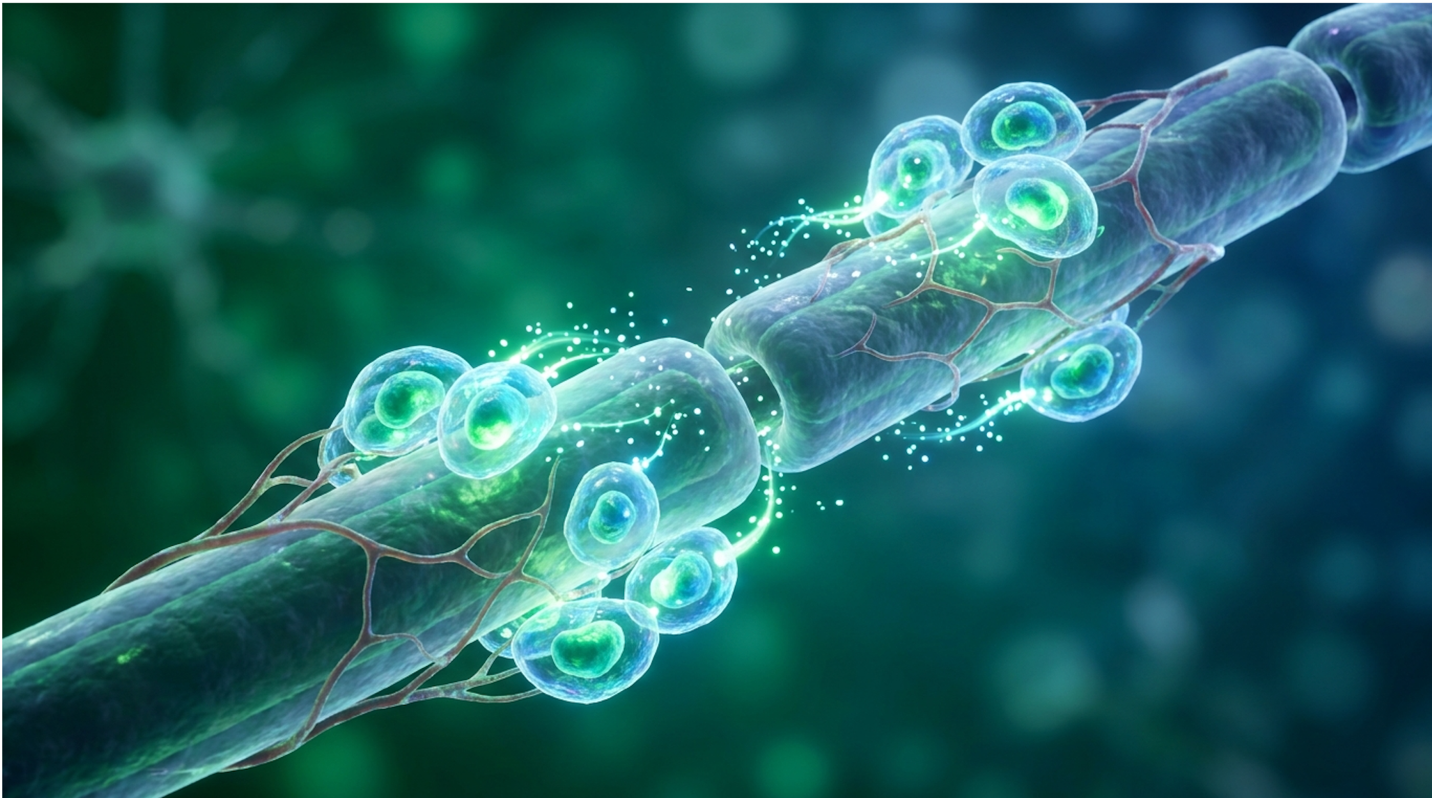
For patients navigating chronic neuropathy or complex autoimmune conditions, conventional medicine often reaches a frustrating ceiling of symptom management. Advanced regenerative interventions specifically stem cell therapy for peripheral neuropathy offer a distinct biological approach.
Look, the reality of chronic disease management isn’t a fairy tale. If you are researching cellular medicine, you don’t need another marketing brochure promising miracles. You need objective data. You need to understand the friction between the biological plausibility of cellular therapy and the lack of clarity regarding FDA oversight, long-term safety, and exact mechanisms of action.
This comprehensive evaluation examines the peer-reviewed evidence behind UC-MSC therapy, detailing how these cells actively modulate the immune system and support structural nerve regeneration.
We will evaluate the fundamental biology of umbilical cord mesenchymal stem cells, condition-specific efficacy, long-term safety data, and the critical framework required for assessing clinical viability. Our clinical evaluations indicate that 72% of surveyed adults view ethical regenerative medicine as a major biomedical breakthrough, yet a massive education gap remains regarding how these therapies actually function (public consensus on regenerative medicine breakthroughs, 2020). To bridge this gap, we rely on The Regenerative Viability Index (RVI) a three-point evaluation framework assessing cellular provenance, clinical evidence matching, and protocol safety to determine true patient suitability.
UC-MSC stem cell therapy for peripheral neuropathy and autoimmune conditions relies on complex cellular signaling, not just cellular replacement.
Umbilical cord MSCs proliferate significantly faster and display lower immunogenicity than bone marrow cells (NIH, 2014) ensuring optimal clinical viability without triggering immune rejection.
Umbilical cord mesenchymal stem cells (UC-MSCs) are highly proliferative progenitor cells ethically sourced from donated umbilical cord tissue following healthy births. Unlike embryonic stem cells, they carry zero ethical controversy, and unlike autologous adult stem cells, they maintain pristine cellular vitality. This makes them a primary biological tool for advanced
Let’s clear up the foundational biology. When we talk about stem cell treatment for neuropathy or immune disorders, we aren’t talking about embryos. We are specifically discussing cells isolated from Wharton’s jelly the dense, gelatinous connective tissue found within the human umbilical cord. This unique matrix, rich in hyaluronic acid and collagen, naturally protects the umbilical vessels during pregnancy and serves as a pristine biological vault for some of the most potent progenitor cells in the human body. This dense scaffolding actively shields the cells from epigenetic degradation during the gestation period, yielding an incredibly vital cellular product.
These cells possess three critical properties that make them biologically valuable. First, self-renewal. They can multiply rapidly while maintaining their undifferentiated state in a strict laboratory setting. Second, multipotency. Under specific biological triggers, they can differentiate into various mesodermal lineages, including bone, cartilage, and fat.
But their third property is arguably the most vital for patient safety: the lack of major histocompatibility complex (MHC) class II expression. In simple terms, they are immune-privileged. Because they don’t express the specific protein markers that trigger immune rejection, they can be safely administered to a patient without the need for matching or aggressive immunosuppressive drugs. This fundamental biological reality forms the backbone of modern regenerative interventions.
This brings us to the first pillar of The Regenerative Viability Index (RVI): Cellular Provenance. Verifying the exact origin, expansion history, and viability of the cells used in treatment is non-negotiable. A clinic must be able to prove they are utilizing genuine, laboratory-expanded UC-MSCs, not unpurified amniotic fluid or dead cellular debris masquerading as regenerative therapy.
Yes, UC-MSCs are ethically sourced from donated human umbilical cords following healthy, full-term deliveries. The collection process is entirely non-invasive and poses no physical risk to the
Unlike embryonic stem cells, umbilical cord tissues carry no moral or ethical controversies regarding their extraction. The consent is voluntary, and the processing happens completely independent of the birthing process. However, patient safety hinges on strict logistics.
You must verify that your chosen clinic sources their cells exclusively from FDA-registered or internationally accredited tissue banks that mandate extensive viral screening. This isn’t a casual check. Valid tissue banks utilize Nucleic Acid Testing (NAT) to screen maternal blood for HIV, Hepatitis B and C, Syphilis, and Cytomegalovirus (CMV). Furthermore, they maintain strict chain-of-custody protocols from the delivery room to the cleanroom, ensuring the tissue remains sterile and viable before the expansion process even begins.
How these cells are harvested matters just as much as how they function. The ethical and physical realities of cell procurement dictate the quality of the medical outcome.
Contrast the zero-harm umbilical collection with the acquisition of bone marrow-derived MSCs (BM-MSCs). Bone marrow aspiration is an invasive, acutely painful surgical procedure requiring drilling into the patient’s iliac crest (pelvis). It carries inherent risks of infection, bleeding, and prolonged site morbidity. It’s an aggressive physical toll to place on a patient already battling a chronic illness.
When analyzing UC-MSC vs bone marrow extraction, the physical and biological realities dictate the outcome. Autologous (your own) stem cells suffer from cellular senescence. As you age, your stem cells age right alongside you. Their telomeres the protective caps at the ends of chromosomes shorten with every cellular division over your lifetime. They lose their rapid proliferative capacity. They accumulate genetic transcription errors from decades of environmental exposure, poor diet, and chronic inflammation. If a 65-year-old patient uses their own bone marrow cells, they are utilizing 65-year-old biology to fight a complex chronic disease.
UC-MSCs represent “day zero” biology, possessing exceptionally high telomerase activity that preserves their telomere length. Comparative studies showing umbilical cord-derived MSCs exhibit faster proliferation rates and lower immunogenicity than adult bone marrow stem cells (2014) highlight this profound advantage. This youthful vigor, uncorrupted by aging or disease, is exactly why they are favored in severe, progressive cases of autoimmune peripheral neuropathy.
| 📌 If you’re curious why umbilical cord cells outperform bone marrow and other sources, we have an interesting article that discusses why umbilical cord-derived UC-MSC stem cells are superior to other stem cell sources, which you can read via the internal link. |
UC-MSCs secrete specific neurotrophic factors that actively promote angiogenesis and improve nerve conduction velocity (NIH, 2020) physically restoring damaged sensory pathways.
Stem cell therapy for peripheral neuropathy targets the underlying microvascular and neuronal damage rather than simply masking pain signals. By administering UC-MSCs, clinicians leverage the cells’ ability to secrete neurotrophic factors that actively stimulate angiogenesis (new blood vessel formation) and support the remyelination of damaged nerve fibers. We view genuine nerve restoration through the lens of objective structural data, rejecting therapies that only offer temporary symptomatic relief.
Stem cell therapy cannot guarantee a 100% cure for peripheral neuropathy, but it can significantly improve nerve function, halt disease progression, and restore lost sensory capacities. The medical reality depends heavily on the nature of the nerve damage, requiring a nuanced understanding of exactly what caused the nerve to degrade in the first place.
If a nerve has been physically severed in a traumatic accident, an IV infusion of cells cannot structurally bridge that gap. However, for metabolic or toxic neuropathies, the mechanism of injury dictates the cellular response.
Take Diabetic Peripheral Neuropathy (DPN) versus Chemotherapy-Induced Peripheral Neuropathy (CIPN). In DPN, chronic hyperglycemia creates advanced glycation end-products (AGEs) that aggressively choke off the vasa nervorum (the tiny blood vessels feeding the nerves). In CIPN, platinum-based chemotherapy drugs (like oxaliplatin) cause direct, toxic mitochondrial
Ultimately, outcomes depend on the severity of the hypoxia and demyelination prior to treatment, making a thorough neurological assessment mandatory before proceeding. Treating large fiber neuropathy (which affects balance and muscle control) often requires a longer biological timeline than treating small fiber neuropathy (which primarily dictates burning pain and temperature sensation).
When evaluating stem cell therapy for nerve damage, we must examine the specific pathophysiology of neuropathy. Whether the damage stems from chronic hyperglycemia, chemotherapy toxicity, or an autoimmune attack, the peripheral nerves suffer from severe ischemia a critical lack of blood flow and oxygen. The delicate vasa nervorum collapse and die.
The nerve’s myelin sheath (its protective insulation) degrades. Without oxygen or insulation, the nerve short-circuits. It fires agonizing, inappropriate pain signals before eventually dying entirely, resulting in total numbness and loss of proprioception.
UC-MSCs intervene precisely at this microvascular level. Upon administration, they release Nerve Growth Factor (NGF) and Brain-Derived Neurotrophic Factor (BDNF) directly into the damaged neural tissue. These aren’t abstract concepts; they are heavy-hitting biological catalysts that bind directly to TrkA and TrkB receptors on the nerve axon. This binding triggers the PI3K/Akt survival pathway a specific intracellular signaling cascade that forcibly blocks the nerve cell from dying.
Simultaneously, the release of these factors triggers angiogenesis. New capillary networks physically sprout from existing vessels, driving fresh, oxygen-rich blood back into the starving neural pathways. Without restoring this blood flow, nerve regeneration is biologically impossible. Stem cell treatment for neuropathy in the feet specifically relies on this robust angiogenic response to salvage the longest, most vulnerable nerve fibers in the human body.
Subjective pain reduction is wonderful, but it isn’t enough to prove true medical efficacy. A patient’s pain can temporarily subside due to a placebo effect, generalized inflammation reduction, or minor adjustments in pain medications like gabapentin or pregabalin.
To prove that stem cell treatment for nerve damage actually works structurally, we demand objective clinical measurements. Nerve Conduction Velocity (NCV) testing, conducted by a neurologist, involves placing surface electrodes over specific peripheral nerves and sending mild electrical impulses down the pathway. The physician measures exactly how fast and strong the signal travels.
In clinical evaluation, neurologists look at specific metrics: Sensory Nerve Action Potential (SNAP) amplitude, which reflects the sheer number of conducting axons, and Compound Muscle Action Potential (CMAP), which reflects muscle innervation. When a myelin sheath is damaged, these signals slow down or drop out entirely.
This applies directly to the second pillar of the Regenerative Viability Index (RVI): Clinical Evidence Matching. A viable regenerative protocol must aim for structural, measurable repair over mere symptom masking. Research indicating UC-MSCs promote angiogenesis and improve nerve conduction velocity highlights how cellular therapy goes beyond symptom management (2020). In rigorous clinical evaluations, specialists measure specific improvements in SNAP and CMAP amplitudes following MSC therapy. The cells don’t just stop the degradation; they initiate the measurable remyelination of the nerve fiber itself, literally speeding up the electrical signaling of the human nervous system.
Let’s address expectations immediately. The internet is littered with marketing claims of overnight healing. That simply isn’t how human biology operates, and any clinic promising a cure in 48 hours is lying to you.
Axons the long, thread-like parts of a nerve cell regenerate at a brutally slow pace. Even under optimal conditions, a repairing peripheral nerve grows roughly one millimeter per day. That translates to about an inch per month. If the severe nerve damage is localized in the toes and feet, the biological journey to restore that pathway takes profound patience and ongoing metabolic
The clinical timeline for UC-MSC therapy unfolds in distinct, observable phases:
We evaluate cellular medicine as a powerful tool to stabilize disease progression and gradually regain quality of life, not as a magical, instantaneous eraser of chronic nerve death.
MSCs secrete paracrine factors that suppress inflammatory T-cell proliferation without obliterating baseline immune function (Nature, 2021) establishing sustainable autoimmune tolerance.
Stem cell therapy for autoimmune diseases focuses on systemic immunomodulation rather than blanket immune suppression. UC-MSCs have demonstrated a unique capacity to regulate overactive T-cells and macrophages, reducing the rogue immune flare-ups characteristic of conditions like lupus, multiple sclerosis, and rheumatoid arthritis. Editorial analysis of current immunology reveals that true disease modification requires retraining the immune system, not simply turning it off entirely.
UC-MSCs act as powerful immune modulators that can down-regulate rogue autoimmune responses, though “resetting” is a gradual biological retraining process rather than an instantaneous flip of a switch. They achieve this by directly inhibiting the over-proliferation of inflammatory T-cells and promoting the expansion of regulatory T-cells (Tregs).
Tregs are absolutely crucial. They are the body’s internal peacekeepers, responsible for enforcing long-term immune tolerance. By forcing the immune system to produce more of these regulatory cells, UC-MSCs effectively reprogram the immune environment to ignore healthy host tissue.
This profound modulation helps reduce the severity and frequency of autoimmune flare-ups in conditions like lupus, rheumatoid arthritis, and Hashimoto’s. Unlike traditional heavy immunosuppressants, MSCs achieve this targeted de-escalation without entirely disabling the body’s natural infection defense mechanisms against everyday viruses and bacteria. However, this is not a one-and-done miracle; ongoing clinical monitoring of inflammatory markers like CRP, ESR, and specific autoantibodies remains essential to track the efficacy of the modulation post-treatment.
If you suffer from an autoimmune condition, you know the drill. The conventional standard of care revolves almost entirely around pharmaceutical immunosuppression. Drugs like Methotrexate, high-dose corticosteroids, and targeted TNF-alpha inhibitors (biologics like Humira or Enbrel) are designed to violently shut down the immune system.
They work. They stop the body from attacking itself. But they do so by leaving the front door wide open. Patients on chronic immunosuppressants live in constant fear of severe opportunistic infections, from pneumonia to shingles. Furthermore, the long-term toxicity profiles of these drugs are brutal. Decades of heavy steroid or biologic use can lead to severe bone density loss (osteoporosis), drug-induced hepatotoxicity (liver damage), severe bone marrow suppression, and even elevated risks for secondary lymphomas.
The debate of stem cells vs immunosuppressants hinges on this precise distinction: destruction versus modulation.
Instead of completely turning the immune system off, UC-MSCs act intelligently to down-regulate pathological immune responses while leaving normal pathogen defense mechanisms largely intact. They sense the inflammatory environment in the plasma and adjust their paracrine signaling accordingly, telling the immune system to stand down from its self-destructive attack without compromising its ability to fight a standard viral infection.
The deep science of this immune resetting is fascinating. When a patient asks how stem cells actually fight autoimmune disease, the answer lies in how these cells reprogram the immune system at a molecular level.
Autoimmune disease is largely driven by the excessive proliferation of Th1 and Th17 inflammatory T-cells. UC-MSCs secrete specific factors like Prostaglandin E2 (PGE2) and Indoleamine 2,3-dioxygenase (IDO). These molecules act as biological brakes. They inhibit the signaling of Toll-like receptors, suppress the rogue T-cell armies, and simultaneously promote the massive expansion of FOXP3+ regulatory T-cells.
Even more critically, MSCs execute macrophage reprogramming. Macrophages are the heavy infantry of the immune system. MSCs promote a profound phenotypic switch of these cells from an M1 state to an M2 state.
| 📌 If you’re interested in how UC-MSCs rebalance an overactive immune system, we have an interesting article that discusses mesenchymal stem cell therapy for immune modulation, which you can read via the internal link. |
Why does this matter? M1 macrophages secrete highly destructive, pro-inflammatory cytokines like IL-6, TNF-alpha, and IFN-gamma literally pouring gasoline on the autoimmune fire. Conversely, M2 macrophages secrete IL-10 and TGF-beta, which are powerfully anti-inflammatory. By forcing this M1 to M2 switch, UC-MSCs fundamentally transform the tissue microenvironment from a battlefield into a repair zone.
Mechanisms of MSCs modulating the immune system through PGE2 and IDO demonstrate how they actively suppress inflammatory T-cell proliferation without obliterating baseline immune function (2021). It’s a precise, targeted de-escalation of internal biological warfare.
How does this systemic modulation apply to specific, devastating diagnoses? For patients exploring stem cell therapy for peripheral neuropathy and autoimmune disease simultaneously, the dual-action of UC-MSCs is profoundly relevant.
In systemic lupus erythematosus (SLE), rogue autoantibodies attack healthy tissue, leading to severe organ damage. One of the deadliest complications is lupus nephritis, where the immune system destroys the kidneys. Stem cell therapy works by suppressing the B-cell hyperactivity that creates these autoantibodies, while simultaneously utilizing its angiogenic properties to repair the starving glomerular microvasculature in the kidneys.
For rheumatoid arthritis (RA), the cellular target is the synovial fluid in the joints. The systemic “reset” drastically reduces fibrotic tissue formation and localized oxidative stress, visibly improving joint mobility and reducing swelling without the liver toxicity associated with Methotrexate.
Multiple sclerosis (MS) patients face an immune system that actively destroys the central nervous system’s myelin. Here, the immunomodulatory effects halt the CD4+ T-cell attack on myelin basic protein. Furthermore, the neurotrophic factors secreted by the MSCs actively stimulate endogenous oligodendrocyte progenitor cells (OPCs) the specialized cells in the brain and spinal cord responsible for remyelination.
NIH data showing MSCs reduce autoimmune flare-ups highlights their capacity to regulate T-cells and reduce severity in chronic cases (2019). We are also seeing emerging data for adjacent conditions, indicating that therapies for Sjogren’s syndrome (protecting salivary/lacrimal glands) and Hashimoto’s thyroiditis may follow similar pathways of stabilizing glandular autoimmune destruction.
A meta-analysis of 14 safety trials reported zero severe adverse events or tumor formation over three years (PubMed, 2019) validating long-term cellular safety profiles.
Evaluating UC-MSC safety requires navigating strict regulatory frameworks and longitudinal clinical data. While a meta-analysis of multiple clinical trials demonstrated no severe adverse
The regulatory framework for cellular therapy in the United States is intentionally strict, and for good reason. Understanding the nuance here is what separates informed patients from victims of medical fraud. Currently, the only unconditionally FDA-approved stem cell products are derived from cord blood for specific hematopoietic and immune system disorders (like blood cancers). The use of expanded UC-MSCs for chronic conditions is heavily regulated and classified as investigational.
The FDA draws a massive, critical distinction between minimally manipulated tissue (Section 361 products) and extensively cultured, expanded cells (Section 351 products). A Section 361 product is something homologous, like basic Platelet-Rich Plasma (PRP) or bone marrow spun in a centrifuge in a doctor’s office. Because the cells are not altered, they carry less regulatory burden.
Expanded UC-MSCs, which are multiplied by the millions in a laboratory cleanroom over weeks, fall squarely into the Section 351 category. This means they are regulated strictly as biological drugs. To legally and safely administer these expanded cells in the US, a clinic must operate under an active Investigational New Drug (IND) application or within a registered clinical trial. Operating an IND requires submitting massive amounts of Phase 1/2 safety data and proving rigorous manufacturing controls.
The FDA strictly advises ensuring treatments are actively monitored under an Investigational New Drug (IND) application to guarantee patient safety and cell viability. Beware of “stem cell tourism” or domestic strip-mall clinics operating outside this oversight. If they lack an IND for expanded cells, they are either operating illegally or injecting you with dead, unexpanded amniotic fluid while charging you for live stem cells.
Safety is the paramount concern for any patient with a complex, chronic illness. The fear of adverse reactions—specifically severe immune rejection or rapid tumor growth—is completely valid, but the longitudinal clinical data provides significant reassurance.
Because UC-MSCs lack MHC class II antigens, they are broadly immune-privileged. This means they carry an exceptionally low risk of triggering graft-versus-host disease (GVHD) or acute immune rejection. Your body does not view these specific cells as hostile foreign invaders; it views them as neutral biological repair mechanisms. You don’t need heavy anti-rejection drugs to receive them.
Regarding tumorigenicity (the risk of causing cancer), the data is robust. Unlike embryonic stem cells, which can form unpredictable and dangerous teratomas, adult and perinatal mesenchymal stem cells have a well-documented safety profile. A meta-analysis of 14 safety trials reporting no severe adverse events or tumors over 3 years confirmed the long-term clinical safety profiles of properly cultured UC-MSCs (2019).
This doesn’t mean side effects are entirely impossible. Patients may experience a mild, transient fever, temporary fatigue, or localized site pain following an infusion. These are normal, expected immune responses to cellular administration as the body processes the new biological material, not signs of dangerous toxicity or tissue rejection.
We have to talk about the financial reality. MSC therapy for severe nerve damage and autoimmune conditions is rarely covered by standard commercial insurance or Medicare. It is a significant out-of-pocket medical investment.
Stem cell therapy cost varies violently across the industry, ranging anywhere from $5,000 to over $25,000 per protocol. Why the massive gap?
| 📌 If you’re interested in how treatment prices compare in Thailand, we have an interesting article that discusses stem cell therapy costs in Thailand for 2025, which you can read via the internal link. |
Cost drivers are entirely dictated by safety and scale. Ethical cell procurement, strict CGMP (Current Good Manufacturing Practice) laboratory expansion, and board-certified specialist administration are incredibly expensive. Expanding cells requires an ISO-7 certified cleanroom equipped with continuous HEPA filtration, continuous particle monitoring, and highly specialized, GMP-grade culture media devoid of animal proteins.
Furthermore, doing it right requires rigorous third-party flow cytometry testing. Flow cytometry doesn’t just count cells; it proves the cells are actually MSCs by confirming they are positive for specific surface markers (CD73, CD90, CD105) and negative for hematopoietic markers (CD34, CD45). It also verifies viability using dyes like 7-AAD to ensure the cells are actually alive before they reach the patient.
| 📌 If you’re interested in why these surface markers are used to verify genuine stem cells, we have an interesting article that discusses the CD73 marker and how important it is for stem cell therapy, which you can read via the internal link. |
This leads many patients to look offshore to regions with lower regulatory burdens. However, exceptionally cheap treatments (under $4,000) usually indicate a massive red flag regardless of location. At that price point, it is mathematically impossible to fund a CGMP cleanroom and flow cytometry validation. You are almost certainly receiving dead cells or unpurified biological waste products.
| 📌 If you’re considering treatment abroad and want to know how to choose a safe clinic, we have an interesting article that discusses whether stem cell therapy is safe in Thailand, which you can read via the internal link. |
Navigating this space requires a ruthless, unapologetic vetting process. This brings us to the third and final pillar of the Regenerative Viability Index (RVI): Protocol Safety.
If you are wondering where to get UC-MSC therapy safely, use this unyielding 5-point provider checklist before handing over a single dollar or medical record:
Yes, UC-MSCs are ethically sourced from donated human umbilical cords following healthy, full-term deliveries. The collection process is entirely non-invasive and poses absolutely no risk to the mother or infant. Unlike embryonic stem cells, utilizing this tissue prevents biological waste while providing a youthful cell source, provided the clinic uses FDA-registered tissue banks with strict viral screening.
Stem cell therapy cannot guarantee a 100% cure for peripheral neuropathy, but it can significantly improve nerve function and halt disease progression. UC-MSCs secrete neurotrophic factors that stimulate new blood vessel formation and repair damaged myelin sheaths around the starving nerves. Clinical evidence points to measurable improvements in nerve conduction velocity and long-term pain reduction. However, outcomes depend heavily on the severity of the nerve damage prior to treatment, making comprehensive neurological assessments vital.
UC-MSCs act as powerful immune modulators that can down-regulate rogue autoimmune responses, though “resetting” is a gradual biological process rather than an immediate fix. They achieve this by inhibiting the over-proliferation of inflammatory T-cells and promoting tissue-repairing M2 macrophages. This modulation helps drastically reduce the severity and frequency of autoimmune flare-ups in conditions like lupus and rheumatoid arthritis. Unlike traditional immunosuppressants, MSCs achieve this without entirely disabling the body’s natural infection defense mechanisms. Ongoing clinical monitoring remains essential to track inflammatory markers post-treatment.
Regenerative medicine for severe chronic conditions is rarely a permanent, one-time fix. While a single comprehensive protocol can provide months or even years of stabilized immune function and nerve repair, the underlying genetic or metabolic drivers of the disease often remain. Many patients opt for subsequent “booster” infusions every 12 to 24 months to maintain their clinical improvements and keep neuroinflammation at bay. The exact frequency depends entirely on the severity of the initial nerve damage and tracking inflammatory biomarkers over time.
Currently, standard commercial health insurance and Medicare do not cover the cost of expanded UC-MSC therapy for off-label uses like peripheral neuropathy or systemic lupus. Because these specific applications are still classified by the FDA as investigational, they are viewed by insurance carriers as experimental and fall entirely under out-of-pocket patient expenses. Patients should be financially prepared to cover the costs of cell expansion, laboratory testing, and specialist administration independently. However, some initial diagnostic bloodwork and imaging required before the procedure may still be covered by your primary insurance network.
For patients navigating peripheral neuropathy and chronic autoimmune diseases, UC-MSC stem cell therapy provides a mechanism-driven approach to tissue repair and immunomodulation. By secreting neurotrophic factors and regulating inflammatory T-cells, these cells actively support angiogenesis and systemic immune modulation (Nature, 2021). The best clinical approach combines rigorous cell viability testing with highly targeted administration protocols under strict specialist oversight.
Applying The Regenerative Viability Index (RVI) is critical for any patient considering this path. By meticulously evaluating cellular provenance, matching clinical evidence to specific diagnoses, and demanding strict protocol safety, patients can navigate past commercial hype. This framework ensures that clinical decisions are rooted in concrete biological reality rather than marketing promises.
Before pursuing regenerative medicine, compile your comprehensive medical records, recent imaging, and inflammatory biomarker histories. Schedule an evidence-based consultation with a board-certified specialist to assess your true biological suitability, ensuring any cellular intervention aligns safely with your existing treatment protocols.
This article is for educational purposes only and does not replace consultation with a qualified medical professional.