Our Services
Others
- DFPP
- Shockwave
- IV Drip

For patients managing chronic endocrine conditions, the daily reliance on synthetic hormones often addresses symptoms without repairing the underlying cellular failure. If you’re reading this, you already know the drill. You wake up, take your pill on an empty stomach, wait the mandatory 30 to 60 minutes before having a sip of coffee, and desperately hope your fatigue lifts enough to simply get through the workday. This strict, unwavering routine dictates your travel, your meals, and your sleep schedule. Standard hormone replacement therapy (HRT) requires absolute, lifelong compliance. Worse, it fails entirely to adapt dynamically to your body’s fluctuating needs minute by minute. That static chemical drip leaves countless patients with persistent brain fog, stubborn weight resistance, and severe quality-of-life deficits that their doctors frequently dismiss because the “lab numbers look fine.”
Our team evaluates clinical endocrinology advancements, and we’ve tracked a massive, sustained surge in patients asking about regenerative options. They want out of the medication loop. By the stem cell therapy for hypothyroidism, distinguishing proven medical science from the experimental hype currently flooding the internet. We analyze current regenerative applications for diabetes, thyroid conditions, and ovarian dysfunction, detailing strict candidacy requirements, massive financial costs, and complex regulatory environments.
This article is for educational purposes only and does not replace consultation with a qualified medical professional.
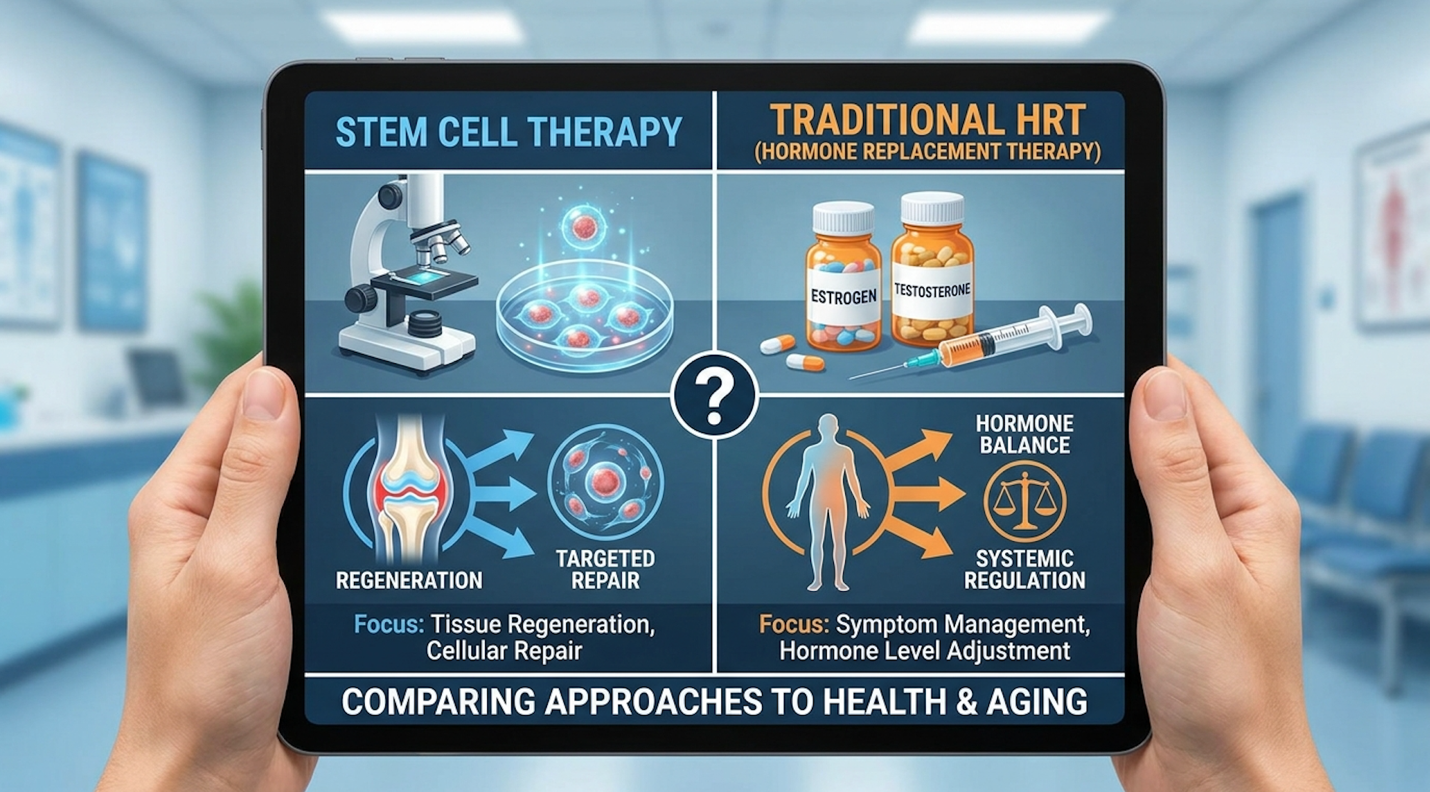
Stem cell therapy for hypothyroidism focuses on tissue regeneration rather than symptom management, utilizing The Endocrine Cellular Replacement Paradigm to potentially restore natural hormone production.
Impacting over 5% of the population, cellular therapies target the root cause of glandular failure offering a permanent shift toward structural repair (NIH, 2024). This approach, known as stem cell strategies for endocrine diseases, focuses on true tissue regeneration rather than merely supplementing lost hormones. The Endocrine Cellular Replacement Paradigm a clinical framework that distinguishes between temporary chemical signaling and permanent structural regeneration of endocrine tissue is the biological foundation for these experimental treatments. Instead of tricking the body with exogenous chemicals, the goal is to rebuild the factory itself. Standard HRT just floods the bloodstream with hormones at a flat rate. Regenerative therapy tries
Pluripotent stem cells, which have the capacity to differentiate into any cell type, are fundamentally different from adult mesenchymal stromal cells. The former builds new tissue from scratch, literally growing new hormone-secreting cells. The latter acts as an anti-inflammatory manager, telling your existing, overactive immune system to calm down.
Candidacy here is brutally strict, and clinics won’t always tell you this upfront. If you have early-stage autoimmune degradation, you might qualify for certain ongoing trials. But if you have active malignancies, severe advanced organ failure, or entirely dead vascular networks in the target gland, reputable research clinics will reject you immediately. Why? Because active cancers thrive on the exact same growth factors that stem cells produce. Injecting stem cells into a body fighting cancer risks feeding the tumor. Furthermore, the cells need a surviving blood supply to take root. Without it, the treatment fails entirely.
The foundational biology of cellular differentiation is fascinating, but putting it into practice inside a human body is incredibly difficult. While these core principles apply broadly across the entire human endocrine system, their clinical application varies wildly depending on the specific organ particularly when researchers attempt to rebuild the pancreas.
Mesenchymal stromal cells (MSCs), a type of adult stem cell typically found in bone marrow or adipose tissue, don’t actually transform into hormone-producing cells. That’s a massive, pervasive misconception heavily pushed by wellness clinics. Instead, they home in on inflamed endocrine tissue and utilize paracrine signaling to halt autoimmune destruction. Think of them as cellular paramedics. They don’t rebuild the burning house; they arrive at a highly inflamed thyroid gland, release bioactive molecules to suppress the rogue immune attack, and give the surviving tissue a chance to stabilize and heal.
| 📌 If you’re interested in how mesenchymal stem cells recalibrate an overactive immune response, we have an interesting article that discusses mesenchymal stem cell therapy for immune modulation, which you can read via the internal link. |
This is the very heart of The Endocrine Cellular Replacement Paradigm. It forces us to stop viewing the endocrine system as just a passive chemical delivery mechanism. We start viewing it as a dynamic, structural organ system that requires physical repair. You aren’t just missing levothyroxine; you are missing the intricate follicular architecture that makes levothyroxine naturally. But this paradigm has severe, biological limitations. Regenerative therapy for endocrine organs requires a living host environment. Stem cells demand a surviving vascular network in the target gland to survive the transplant. If a gland is completely fibrotic basically turned to hard scar tissue after decades of untreated autoimmune attack injecting MSCs won’t achieve anything. The cells will simply die from a lack of oxygen and nutrients within hours. Furthermore, if cells are administered via simple intravenous infusion, many get permanently trapped in the lungs a phenomenon known as the pulmonary first-pass effect requiring highly complex localized delivery methods for specific organs.
Consider a typical patient taking a synthetic T4 pill daily. Their blood work might look perfectly normal, but they still feel awful because their body isn’t converting the T4 dynamically throughout the day. Now contrast that with a theoretical patient whose thyroid follicles have been partially regenerated via cellular therapy. That regenerated tissue wouldn’t just dump hormone blindly. It would respond to the brain’s TSH signals in real time, dropping production when you’re resting and increasing it when your body faces metabolic stress.
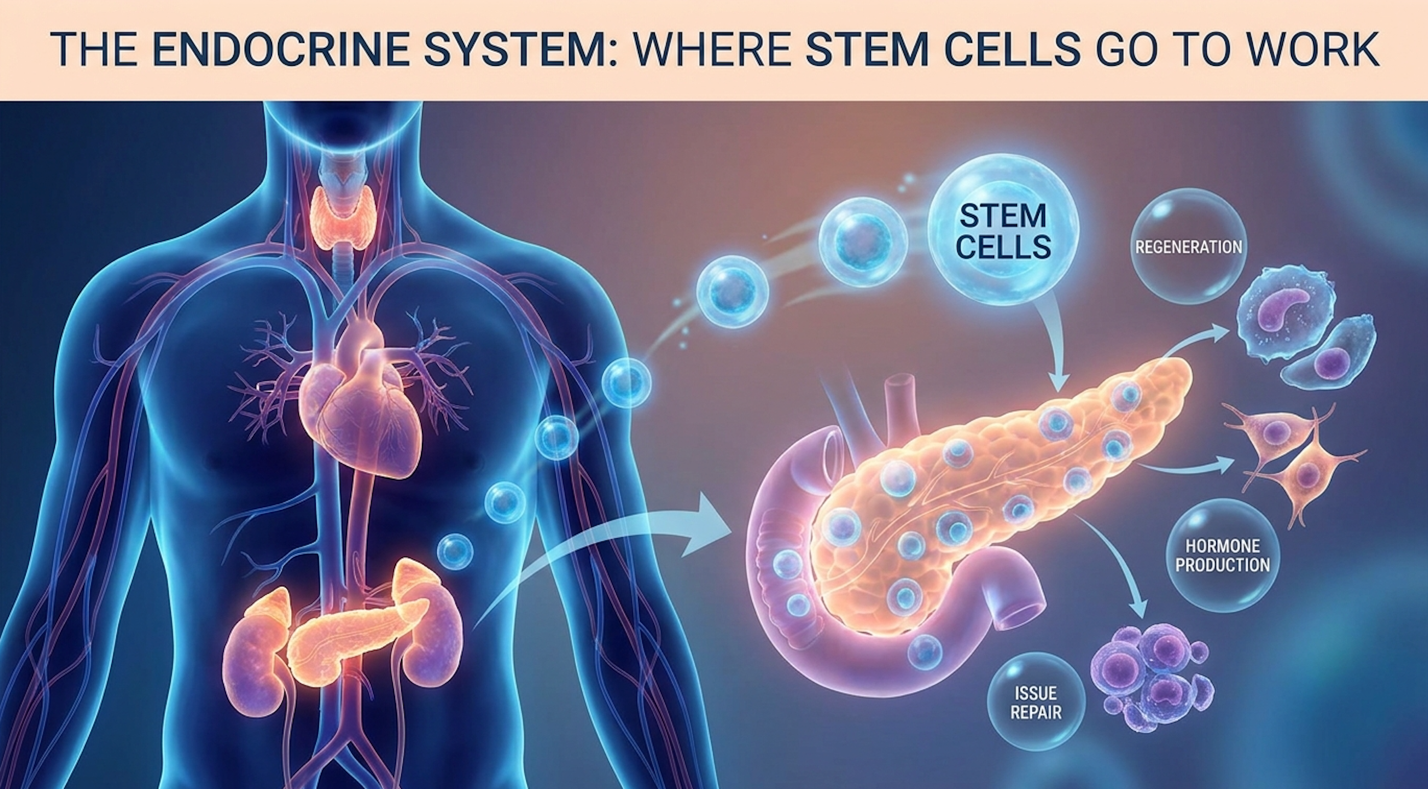
The Endocrine Society position statement on regenerative therapies for endocrine organs (2024) strongly emphasizes that while MSCs provide excellent immunomodulation, replacing entirely lost cellular function requires the highly specialized properties of pluripotent stem cells.
Pluripotent stem cells are entirely different beasts compared to MSCs. While MSCs just put out the inflammatory fire, pluripotent cells actually rebuild the house. Because they possess the remarkable ability to differentiate into virtually any cell type in the human body, researchers use them in highly controlled lab settings to manufacture brand-new, functional endocrine cells.
So, what can stem cells currently fix or cure today? The honest clinical answer is quite narrow. While laboratory models routinely generate insulin-producing beta cells that work perfectly in mice, widespread cures for human endocrine failure are not yet FDA-approved realities. Blood cancers routinely achieve remission via established hematopoietic stem cell transplants. But applying these exact same methods to complex endocrine uses like diabetes or ovarian failure remains heavily investigational.
We see intense focus on directing these cells through complex, agonizingly precise developmental stages. Scientists essentially mimic human fetal embryonic development in a petri dish. They
But there is a severe downside to stem cell therapy when using pluripotent lines: tumorigenicity. If even a few of these powerful, rapidly dividing cells fail to differentiate properly before being injected into a patient, they can form teratomas. These are chaotic, fast-growing tumors that can contain random, misdirected tissues like bone, hair, or muscle. This terrifying risk is exactly why these powerful therapies remain locked strictly behind the doors of heavily monitored Phase 1 clinical trials.
An extensive Stem cell strategies research analysis of cell replacement therapy in endocrine diseases confirms this exact risk profile. Pluripotent therapies will absolutely not be offered at your local strip-mall wellness clinic anytime soon. The safety nets required by federal regulators are immense.
The most advanced application of these complex pluripotent techniques is currently focused on replacing the beta cells of the pancreas, pushing the absolute boundaries of what modern regenerative medicine can achieve.
With Type 1 diabetes affecting nearly 2 million Americans, regenerating pancreatic beta cells offers a critical shift toward true insulin independence (Endocrinology Advisor, 2024). While early clinical trials have shown spectacular success in generating insulin-producing cells from stem cell lines, widespread commercial availability remains restricted as researchers frantically work to overcome aggressive autoimmune rejection.
Insulin-producing beta cells within the pancreatic islets are notoriously fragile. Rebuilding them from scratch is only half the battle. If you have Type 1 diabetes, your immune system has a highly documented, deeply ingrained memory of hating beta cells. You can manufacture millions of perfect, pristine new cells in a sterile lab, but the second you transplant them into the patient’s body, the host’s immune system launches an all-out, coordinated assault.
The clinical trial status right now is a fascinating, frustrating mix of massive biological breakthroughs and immunological bottlenecks. Do not believe offshore clinics claiming they can quickly cure diabetes for a quick $20,000 wire transfer. Real, verifiable scientific progress is happening inside heavily regulated FDA and EMA trials Companies are experimenting with brilliant physical encapsulation devices essentially microscopic chainmail pouches. These devices allow tiny insulin molecules to flow out while physically preventing the much larger immune T-cells from getting inside to destroy the transplanted stem cells.
| 📌 If you’re interested in how to tell a legitimate stem cell clinic from a risky offshore one, we have an interesting article that discusses stem cell therapy safety in Thailand, which you can read via the internal link. |
Realistic outcomes don’t look like a sudden, magical reversal where you toss your insulin pump in the trash. Reversing diabetes in a clinical trial context means achieving exogenous insulin independence for a specific, closely monitored timeframe. It usually results in heavily reduced HbA1c levels, drastically fewer terrifying severe hypoglycemic events, and a massive reduction in daily injected insulin doses. It doesn’t mean you can eat an entire cake and never see an endocrinologist again.
The pancreatic research environment is evolving rapidly, but it requires extreme patience from the patient community. The severe autoimmune challenges seen in Type 1 diabetes closely mirror the immense complexities researchers face when treating autoimmune thyroid conditions like Hashimoto’s.
Reversing diabetes with stem cells requires two entirely different biological strategies, depending entirely on the underlying disease pathology. Type 1 diabetes is a vicious autoimmune disease. The body’s T-cells relentlessly hunt down and destroy beta cells. Treating this requires replacing the destroyed beta cells while simultaneously utilizing heavy, systemic immunomodulation to keep the new cells alive.
If researchers just implant fresh stem-cell-derived beta cells without protecting them, the patient’s immune system will shred them in a matter of days. That’s why current cutting-edge trials rely on either aggressive systemic immunosuppressive drugs or the physical encapsulation devices mentioned earlier to shield the new cells from the host’s aggressive autoimmune attacks.
Type 2 diabetes demands a completely different, less destructive approach. The patient usually still has functioning beta cells, but their body is drowning in systemic inflammation and profound, cellular insulin resistance. The pancreas is pumping out insulin, but the body’s cells refuse to listen. Here, the clinical focus shifts away from pluripotent cell replacement. Instead, clinicians utilize MSCs for their potent paracrine effects. The goal is to rapidly reduce systemic metabolic inflammation, heal damaged vascular tissues, and drastically improve the body’s natural insulin sensitivity so the existing beta cells don’t have to work so hard.
“Reversal” means something highly specific and clinical to an endocrinologist. It indicates achieving insulin independence during a trial period not a permanent, unmonitored cure. We see thrilled patients dropping their daily insulin requirements entirely, but they remain heavily monitored, highly scrutinized participants in ongoing academic studies.
A thorough Endocrinology Advisor review of stem cell therapy for diabetes and related conditions (2024) highlights these distinct hurdles. The encapsulation devices currently in trials are true marvels of bioengineering, attempting to elegantly solve the immune rejection issue without relying on toxic, kidney-damaging anti-rejection drugs.
While protecting implanted cells is the primary challenge in Type 1 diabetes, the fundamental process of generating functioning endocrine tissue remains the core focus of pancreatic tissue regeneration.
The clinical reality of pancreatic tissue regeneration is starkly different from internet marketing claims. Currently, stem-cell-derived islet therapies sit squarely in rigorous Phase 1/2 clinical trials. These highly controlled, incredibly expensive studies are designed primarily to measure basic human safety and initial efficacy, not to distribute a widespread, easily accessible cure.
Our analysis of the ongoing ClinicalTrials.gov data confirms that clinical trials using stem-cell-derived beta cells have demonstrated the ability to restore endogenous insulin production in Type 1 diabetics. When patients in these trials achieve insulin independence, it fundamentally alters their daily lives, finally freeing them from the relentless anxiety of constant glucose monitoring and daily injection calculations.
You must distinguish sharply between these rigorously monitored FDA/EMA trials and unproven commercial stem cell infusions. A high-end wellness spa offering an IV drip of umbilical cord MSCs will absolutely not regenerate your pancreas. The actual scientific method involves surgically implanting billions of laboratory-matured cells directly into the portal vein of the liver, or slipping them under the skin using proprietary delivery devices. These microscopic chainmail pouches, often crafted from highly purified alginate hydrogels, are meticulously engineered to create an artificial barrier that outsmarts the body’s immune defenses.
Patients in legitimate trials experience heavily scrutinized outcomes: stabilized HbA1c levels, the elimination of dangerous hypoglycemic unawareness (where patients drop dangerously low without feeling it), and a steep, sudden drop in required insulin doses. However, these same patients also often endure brutal immunosuppression regimens. Taking drugs like tacrolimus isn’t like popping a vitamin. It heavily suppresses your entire immune system, carrying severe, documented risks of opportunistic infections and long-term kidney damage.
The rigorous follow-up protocols required for beta-cell replacement trials are exhausting. Patients undergo weekly blood draws, constant physiological monitoring, and endless clinic visits. It’s a grueling scientific process, not a quick afternoon spa treatment.
The core principles of regenerating hormone-producing tissue in the pancreas are now being carefully adapted by ambitious researchers targeting the thyroid and pituitary glands.
Because over 20 million Americans suffer from thyroid disease, creating functional glandular cells could eventually eliminate lifelong synthetic hormone dependency (American Thyroid Association, 2024). Recent advancements in generating pluripotent human stem cells into thyroid tissue represent a critical leap toward endogenous hormone restoration for patients suffering from profound, debilitating endocrine deficits (Mount Sinai, 2021).
When discussing stem cell therapy for thyroid disorders, the scientific conversation always fractures into two distinct, heavily debated camps: actual tissue regeneration versus autoimmune suppression. Creating new thyroid follicular cells is an undeniable biological triumph. But if a
Therefore, treating Hashimoto’s disease specifically demands MSC immunomodulation to aggressively calm the immune system first. Only after the systemic inflammatory fire is totally extinguished can clinicians even begin to discuss the possibility of regenerating the thyroid follicles.
The laboratory process of coaxing stem cells to become thyroid follicular cells is painfully complex. Scientists have to literally play God with the cellular timeline. They are forced to make the cells express specific transcription factors NKX2-1 and PAX8 at exactly the right developmental moments to perfectly simulate fetal thyroid development. It’s an agonizingly precise timeline. If they introduce the transcription factor 12 hours too late, the entire batch fails.
When you compare stem cell therapy for hypothyroidism against traditional hormone supplementation like levothyroxine, the appeal is obvious and overwhelming to patients. Levothyroxine is entirely static. A newly regenerated, functioning thyroid follicle would be wonderfully dynamic, reacting natively to the brain’s TSH levels in real time. It’s the exact difference between driving a car with a heavy brick taped to the gas pedal versus having a highly responsive, functioning cruise control system that adapts to the hills and valleys of your day.
But we must quickly recap the massive distinction between the immunomodulatory goals in Hashimoto’s and the pure, unadulterated cell-replacement goals needed for pituitary dysfunction. They are entirely different battlefields. We’ll transition now to how these mechanisms work, noting that very similar regenerative theories are being heavily explored for reproductive endocrinology down the line.
Can stem cell therapy help Hashimoto’s? To answer that accurately, you have to understand that Hashimoto’s is fundamentally a confused immune system disorder, not just a broken thyroid gland. The gland eventually fails, yes, but only because it is under a constant, relentless, decades-long
Using stem cells for Hashimoto’s means utilizing MSCs specifically for their profound immune-calming properties. The goal isn’t to magically build new thyroid cells out of thin air. Instead, clinicians theorize that IV infusions of MSCs can sharply downregulate the autoimmune attack, drastically reducing those high TPO and Thyroglobulin (Tg) antibodies, and thoroughly modifying the hostile inflammatory microenvironment. The clinical hope is that if you stop the attack early enough, the surviving, battered thyroid tissue often heals itself naturally.
The 2021 breakthrough regarding Pluripotent Human Stem Cells Thyroid generation was a massive milestone. Mount Sinai researchers successfully directed human embryonic stem cells to develop into functioning thyroid cells that actually produced real thyroid hormones in a lab setting. It proved to the world that the concept is biologically possible.
But as noted, creating new thyroid cells is utterly futile if the underlying autoimmune attack isn’t halted first. Contrast a patient taking daily levothyroxine which just treats the end symptom of low hormone levels with a theoretical MSC therapy aimed at definitively stopping the root-cause destruction of the gland. One is a lifelong, frustrating band-aid; the other attempts a permanent cellular ceasefire.
While treating Hashimoto’s requires halting an aggressive immune attack, treating central endocrine failures requires a completely different approach focused entirely on rebuilding the brain’s master gland.
The pituitary gland is an absolute nightmare of biological complexity. It doesn’t just secrete one single hormone like the thyroid does. It secretes a massive, highly coordinated symphony of distinct hormones controlling everything from your thyroid function and adrenal output to your physical growth and reproductive capabilities. Because pituitary trophs are so incredibly diverse,
Current, cutting-edge research into stem cell therapy for pituitary disorders focuses heavily on the development of 3D organoids in specialized laboratory settings. Scientists aren’t just trying to grow a flat, boring sheet of cells in a dish. They are actively trying to grow a microscopic, three-dimensional mini-pituitary gland that accurately mimics the complex spatial organization, cellular interplay, and dense vascular connectivity of the real thing. The pituitary sits in the tightly protected sella turcica at the base of the brain, connected to the hypothalamus via the infundibular stalk—a vascular portal system that is notoriously difficult to replicate. A functional organoid doesn’t just need hormone-producing cells; it demands a perfectly calibrated blood supply that can cross-communicate with the brain every single second.
The ultimate, long-term goal here is to create a viable pituitary disorders stem cell alternative to the grueling, exhausting reality of panhypopituitarism. Patients without a functioning pituitary gland currently survive on a complex, highly dangerous daily cocktail of synthetic hydrocortisone, levothyroxine, sex hormones, and growth hormone injections. Missing a single dose of hydrocortisone due to a stomach bug can quickly lead to a fatal adrenal crisis.
A fascinating Mayo Clinic publication analyzed stem cell therapy’s potential role in pituitary disorders. They specifically noted its massive future promise for patients who tragically lose pituitary function due to severe, unavoidable radiation therapy or highly invasive brain tumor resections. MSC therapy for endocrine disorders in this highly specific context could literally be life-saving.
The systemic impact of master gland failure is profoundly devastating to a patient’s life, rivaled only by the severe, incredibly rapid systemic physiological shifts experienced during sudden gonadal failure, such as premature menopause.
Affecting 1% of women globally, premature ovarian failure treatments use targeted stem cell injections to aggressively reduce local inflammation and reawaken dormant follicles (American
The actual clinical process of ovarian rejuvenation isn’t for the faint of heart, and it’s certainly not a quick outpatient spa trip. It generally involves extracting the patient’s own bone marrow or adipose tissue. This means a physician literally drills into the iliac crest of your hip bone under local anesthesia, draws out the marrow, and rushes it to an onsite lab to isolate the MSCs. Then comes the tricky part injecting those isolated cells deep into the ovaries using incredibly precise, ultrasound-guided laparoscopic or transvaginal needles without hitting major pelvic blood vessels. It is a highly invasive, meticulously orchestrated day surgery.
We absolutely must differentiate right now between treating premature ovarian failure (a recognized, severe, pathological medical condition) and utilizing stem cells for natural menopause vitality. One is attempting to rescue a young woman’s failing reproductive system so she can potentially have children. The other leans heavily into controversial, highly lucrative anti-aging wellness treatments meant to stave off the completely natural, expected physiological aging process.
The specific symptoms targeted by these treatments are brutal and unrelenting: severe vasomotor symptoms (relentless hot flashes), rapid and dangerous bone density loss, extreme mood dysregulation, and incredibly painful vaginal atrophy. The biological mechanism of relief centers entirely on the MSCs secreting cytokines. These cytokines stimulate the growth of robust new blood vessels (angiogenesis) within the aging, fibrous ovary, theoretically waking up sleeping follicles to resume their natural estrogen production.
Current evidence for ovarian regenerative applications is heavily mixed. Isolated, highly publicized success stories often severely overshadow a concerning lack of large-scale, double-blind placebo trials. We will transition now to the highly practical realities of seeking any of these regenerative treatments, focusing intensely on the logistical nightmares and massive financial barriers patients inevitably face.
Premature ovarian failure (POF) is utterly devastating. It occurs when a woman’s ovaries completely stop functioning normally before age 40, resulting in sudden infertility and a massive, catastrophic drop in estrogen levels. This differs entirely from natural menopause, which is a gradual, scheduled biological wind-down spanning several years. POF is an abrupt, total system crash.
The mechanism for premature ovarian failure stem cell treatment relies on absolute precision delivery. MSCs are injected directly into the dense ovarian stroma to aggressively reduce built-up fibrosis and halt cellular apoptosis (programmed cell death). By dramatically improving the vascular microenvironment and increasing blood flow, the injected cells aggressively promote the survival of whatever few remaining follicles the patient has left, striving desperately to regenerate hormone producing cells before total, irreversible failure occurs.
Clinical trial data in this specific niche remains stubbornly preliminary. However, small pilot studies have shown absolutely stunning, albeit transient, results. These include the temporary, shocking restoration of menses, vastly improved anti-Mullerian hormone (AMH) levels, and systemic hormone stabilization in a lucky subset of POF patients.
The delivery method requires absolute, masterful surgical precision. Clinicians utilize high-resolution, ultrasound-guided transvaginal needles to carefully bypass surrounding sensitive organs and deposit the precious cells exactly into the fibrotic ovarian tissue. A comprehensive Start Stem Cells review provides an overview of stem cell therapy protocols for menopause and POF, noting the intense technical skill required for these targeted interventions.
While POF represents a highly distinct medical pathology, aggressive, profit-driven longevity clinics are increasingly applying very similar protocols to alleviate the systemic effects of natural, inevitable aging.
When we discuss natural menopause, we are talking about immense, daily quality-of-life deficits that deeply impact a woman’s career and personal life. The specific severe symptoms targeted include relentless daytime hot flashes, profound mood dysregulation, chronic and exhausting sleep disturbances, and the quiet, rarely discussed misery of genitourinary syndrome of menopause.
The underlying theory behind menopause vitality stem cells involves using broad, systemic MSC IV infusions to combat the massive spike in systemic inflammation intimately associated with sudden estrogen depletion. Rather than injecting the ovaries directly and surgically, some wellness clinics just push IV stem cells into a vein in your arm. They are banking heavily on the cells’ paracrine effects to soothe inflamed neural pathways in the brain and improve overall bodily tissue elasticity.
I must heavily, aggressively qualify these bold claims right now. Using regenerative therapy for hormone imbalance strictly associated with natural, healthy aging remains highly controversial. It operates largely outside established regulatory approval, sitting uncomfortably in a murky, deeply profitable medical gray zone. Our research into peer-reviewed studies on MSCs for menopausal symptom management reveals a deeply concerning lack of long-term safety data to balance the wild, guaranteed commercial claims being made on social media.
Contrast the astronomical cost and unknown long-term risk of an experimental $15,000 MSC infusion with established, FDA-approved bioidentical hormone replacement therapy (BHRT). BHRT gives you predictable, heavily studied, meticulously measured relief for pennies on the dollar. It is tightly regulated and objectively cheap.
Because these experimental regenerative therapies reliably fall completely outside standard health insurance coverage, patients must navigate a deeply complex reality of massive out-of-pocket costs and predatory marketing.
The average cost of a stem cell treatment hovers between $5,000 and $25,000. Why such a massive, confusing gap? It comes down entirely to cell processing and laboratory overhead. If a doctor simply spins your own abdominal fat in a basic centrifuge and injects it back into your knee (autologous), the overhead is low. But if a clinic utilizes third-party umbilical cord MSCs that have been rigorously screened for communicable diseases and expanded in a multi-million-dollar cleanroom, the costs skyrocket quickly.
| 📌 If you’re interested in a full breakdown of what stem cell therapy actually costs, we have an interesting article that discusses stem cell therapy costs in Thailand for 2025, which you can read via the internal link. |
| 📌 If you’re interested in why the CD73 marker matters so much for verifying cell quality, we have an interesting article that discusses the CD73 marker and how important it is for stem cell therapy, which you can read via the internal link. |
Patients constantly ask the same pressing question: exactly how long do stem cell shots last? The clinical reality is highly variable. While some systemic inflammatory markers often drop
The pervasive celebrity stem cell therapy trend heavily skews public expectations. Public figures often bypass US laws entirely to access offshore, massively expanded-cell treatments. They happily pay $50,000 for treatments that are completely illegal to perform stateside, then tell their millions of listeners how easy it was.
Detailing the out-of-pocket reality for a standard, working-class patient is sobering. Requiring two to three rounds of $10,000 therapy per year is a staggering, potentially ruinous financial risk compared to the known, highly predictable $15 monthly cost of generic thyroid or estrogen HRT at your local pharmacy.
| 📌 If you’re interested in why repeated treatment rounds can offer greater benefits than a single dose, we have an interesting article that discusses why double dose UC-MSC stem cell therapy may offer greater benefits than a single dose, which you can read via the internal link. |
Beyond the intense financial investment, the absolute most critical logistical challenge is ensuring the treatment facility you choose actually operates legally and safely.
Standard HRT while deeply imperfect and frustrating for many remains the superior, life-saving choice in several absolute medical scenarios. If you have undergone complete, surgical removal of your thyroid gland due to cancer, stem cells absolutely cannot help you; there is literally no tissue left in your neck to regenerate. You need standard, daily levothyroxine to survive. Similarly, in advanced Type 1 diabetes where immediate, incredibly tight glycemic control is a matter of life and death to prevent Diabetic Ketoacidosis (DKA), exogenous insulin is non-negotiable. Standard HRT gives you predictable, heavily studied, meticulously measured relief. It is not a medical failure. It is an established, predictable, heavily regulated safety net that keeps millions of endocrine patients alive every single day.
Patients with active malignancies, severe advanced organ failure, or completely necrotic target glands are absolutely not good candidates. Regenerative therapies require a surviving, robust vascular network to take root and survive within the body. If the target tissue is entirely destroyed by decades of relentless autoimmune attack, the injected cells will simply die within hours. Clinical trial exclusion criteria strictly prohibit patients with active cancers, because stem cells promote rapid tissue growth that could inadvertently feed tumors. Always consult your primary endocrinologist before pursuing any regenerative treatments if you have a history of complex, systemic diseases.
The primary downsides include dangerous immunological rejection, tumor formation risks, and massive financial toxicity. When utilizing highly potent pluripotent cells, there is a heavily documented risk of the cells forming chaotic tumors known as teratomas. Furthermore, treatments at unregulated, commercial clinics carry severe risks of bacterial infection from improperly screened donor materials. With costs averaging $15,000 out-of-pocket per session, patients risk completely draining their life savings for treatments that lack long-term efficacy data. Stick exclusively to regulated, FDA-monitored clinical trials to ensure your basic safety.
There is currently no FDA-approved stem cell cure for thyroid disease. While brilliant laboratory researchers have successfully coaxed stem cells into producing thyroid hormones in vitro, these amazing breakthroughs remain strictly experimental. You cannot currently walk into a legitimate clinic and purchase a permanent, structural fix for Hashimoto’s or hypothyroidism. Current commercial offerings focus merely on temporary immunomodulation, not the permanent tissue replacement required for a true cure. Always proudly maintain your standard hormone replacement therapy regimen while these clinical trials advance in the background.
For patients battling chronic endocrine failure, regenerative medicine delivers an undeniable, powerful sense of hope for the future. Stem cell therapy for hypothyroidism and related disorders
The Endocrine Cellular Replacement Paradigm matters because it fundamentally shifts the goalposts of modern medicine. Instead of just treating the daily, exhausting symptoms of hormone deficiency, scientists are finally learning how to rebuild the physical architecture of the glands themselves. It actively addresses that deep, initial frustration of being tethered to a pill bottle for the rest of your life that we discussed earlier.
Before spending a single dollar on regenerative therapies, schedule a thorough consultation with a board-certified endocrinologist who actively follows clinical trial data. Ask them to evaluate your specific glandular function and strictly review your candidacy for any ongoing, FDA-registered IND trials in your area.