Our Services
Others
- DFPP
- Shockwave
- IV Drip

Base stem cell therapy cost Thailand begins around $2,500 for localized joint injections, scaling up to $25,000 for high-dose systemic treatments.
Look, researching international regenerative medicine usually means wading through an absolute swamp of exaggerated marketing claims, opaque pricing structures, and aggressive sales tactics. An exhaustive analysis of dozens of clinic quotes across Southeast Asia reveals a stark reality. Patients are frequently left vulnerable to financial exploitation, paying exorbitant fees for unverified clinical outcomes simply because they don’t know which metrics actually matter.
By the end of this guide, you will understand the exact clinical factors driving these financial costs, allowing you to objectively evaluate verified Thai facilities against global benchmarks. This analysis strips away the medical tourism hype to look strictly at the hard data.
To do this effectively, advanced patients rely on The 3-C Evaluation Framework—a strictly objective method requiring individuals to verify the Cell origin, demand an exact Cell count, and require peer-reviewed Clinical evidence. This methodology examines the “cost per million cells” pricing model, maps specific degenerative conditions to required cellular volumes, and establishes an evidence-led baseline for assessing clinical safety in Bangkok and beyond.
Stem cell therapy cost Thailand averages between $1,500 and $25,000 depending strictly on required cell volumes and laboratory culturing methods.
Stem cell therapy costs in Thailand range from $2,500 for low-dose orthopedic injections to over $25,000 for high-dose systemic applications. In the United States, patients pay an average of $5,000 to $25,000 out-of-pocket for a single stem cell joint injection, while identical procedures in Thailand start at $2,500 depending on cell volume. Consequently, medical tourists heavily utilize Thailand’s advanced healthcare infrastructure to drastically reduce out-of-pocket expenses while maintaining strict clinical safety standards.
Stem cell injections in Thailand cost between 21,500 and $25,000 depending entirely on the required cell volume and administration method. Localized joint treatments using 10-30 million
A 70% cost reduction in Thailand stems from streamlined infrastructure allowing patients to fund actual cellular volume instead of Western administrative overhead.
Let’s break down exactly what your money buys. The $2,500 floor represents the absolute baseline for entry-level regenerative treatments. At this price point, you aren’t getting widespread systemic rejuvenation. You are getting roughly 10 to 20 million cells injected directly into a single localized area most commonly an osteoarthritic knee or a damaged rotator cuff. It’s a straightforward, outpatient procedure taking less than an hour, guided by ultrasound or fluoroscopy to ensure precise delivery into the articular capsule.
| 📌 If knee pain is your main concern, our article, Stem Cell Therapy for Knee Osteoarthritis, covers dosing, expected symptom relief, and what drives treatment success. |
Conversely, look at the $10,000 to $25,000+ ceiling. This tier funds highly intensive, multi-day systemic protocols utilized primarily for autoimmune research, severe systemic inflammation, or neurological investigations. A $25,000 protocol generally involves intravenous (IV) administration of 100 million to 200 million highly viable cells. But the cells are just one component. These premium tiers integrate comprehensive supportive therapies. Patients undergo hyperbaric oxygen therapy (HBOT) sessions, specialized peptide regimens, and exhaustive pre-treatment blood paneling to optimize the immune microenvironment prior to cellular delivery.
Here is a persistent problem in medical tourism: “package deals” routinely obscure the actual biological dose. A clinic might aggressively market a “$5,000 Platinum Stem Cell Package,” but when you scrutinize the fine print, they are only delivering 15 million cells padded with cheap vitamin IVs, platelet-rich plasma (PRP), and luxury airport transfers. This deceptive packaging artificially inflates perceived value without delivering the massive cellular volume necessary for severe tissue repair.
This is exactly where The 3-C Framework becomes non-negotiable. Before wiring a deposit to any facility for stem cell therapy Thailand cost, you must demand absolute transparency regarding the
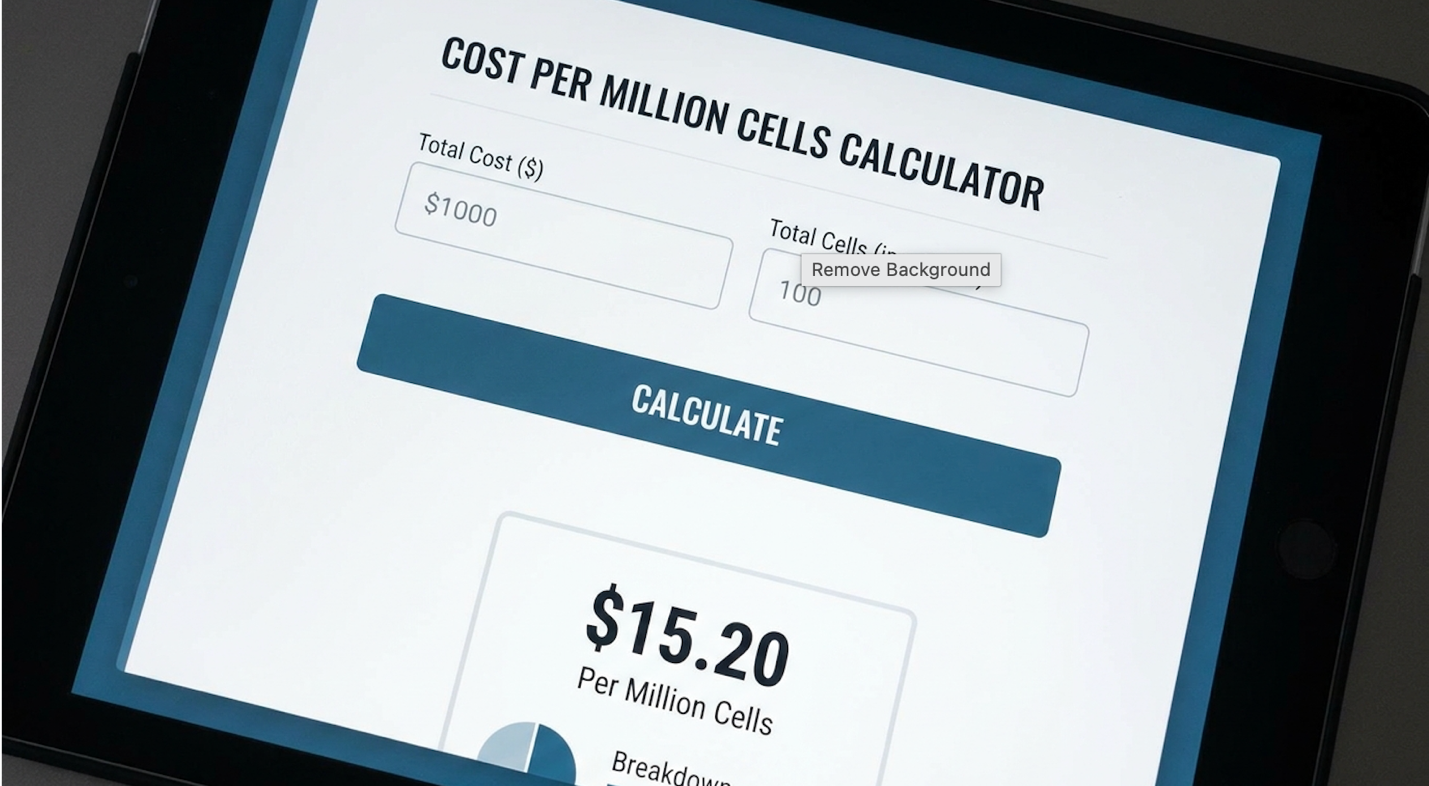
If you are an advanced patient evaluating quotes from multiple facilities, throw out the total invoice price. The only metric that actually matters is the “cost per million cells.”
Think of it purely in terms of biological yield. If Clinic A charges $3,000 for a treatment yielding 10 million cells, your cost is $300 per million cells. If Clinic B charges $10,000 for a treatment yielding 100 million cells, your cost is $100 per million cells. Clinic B has a much higher upfront invoice, but mathematically, they are providing vastly superior therapeutic value.
Umbilical Cord Mesenchymal Stromal Cells (UC-MSCs) incur massive fixed operating costs during laboratory expansion. The lab technicians must isolate the progenitor cells, feed them proprietary culture media, monitor them for bacterial contamination over a span of weeks, and carefully time the harvest to ensure maximum cellular viability. The physical consumables used
For instance, purchasing commercial xeno-free media or specialized fetal bovine serum to feed these developing cells commands a premium price on the global market. Furthermore, maintaining an ISO Class 7 cleanroom requires constant HEPA filtration cycling and rigorous daily sterilization protocols. Because the upfront cost to run a compliant lab is so staggering, producing the first 10 million cells costs a fortune. But once the cell line is actively expanding in the incubator, scaling that yield from 10 million up to 50 million incurs a much lower marginal cost. This creates a volume-based pricing model where higher doses offer significantly better financial efficiency.
Predatory clinics exploit patients who don’t understand this math. They offer flat-rate pricing without ever specifying cell viability percentages or the total count. A review of quotes for stem cell therapy Bangkok cost reveals instances where patients were charged $8,000 for what was essentially a glorified PRP injection containing barely 2 million actual stem cells. Always run the cost-per-million calculation before signing a consent form.
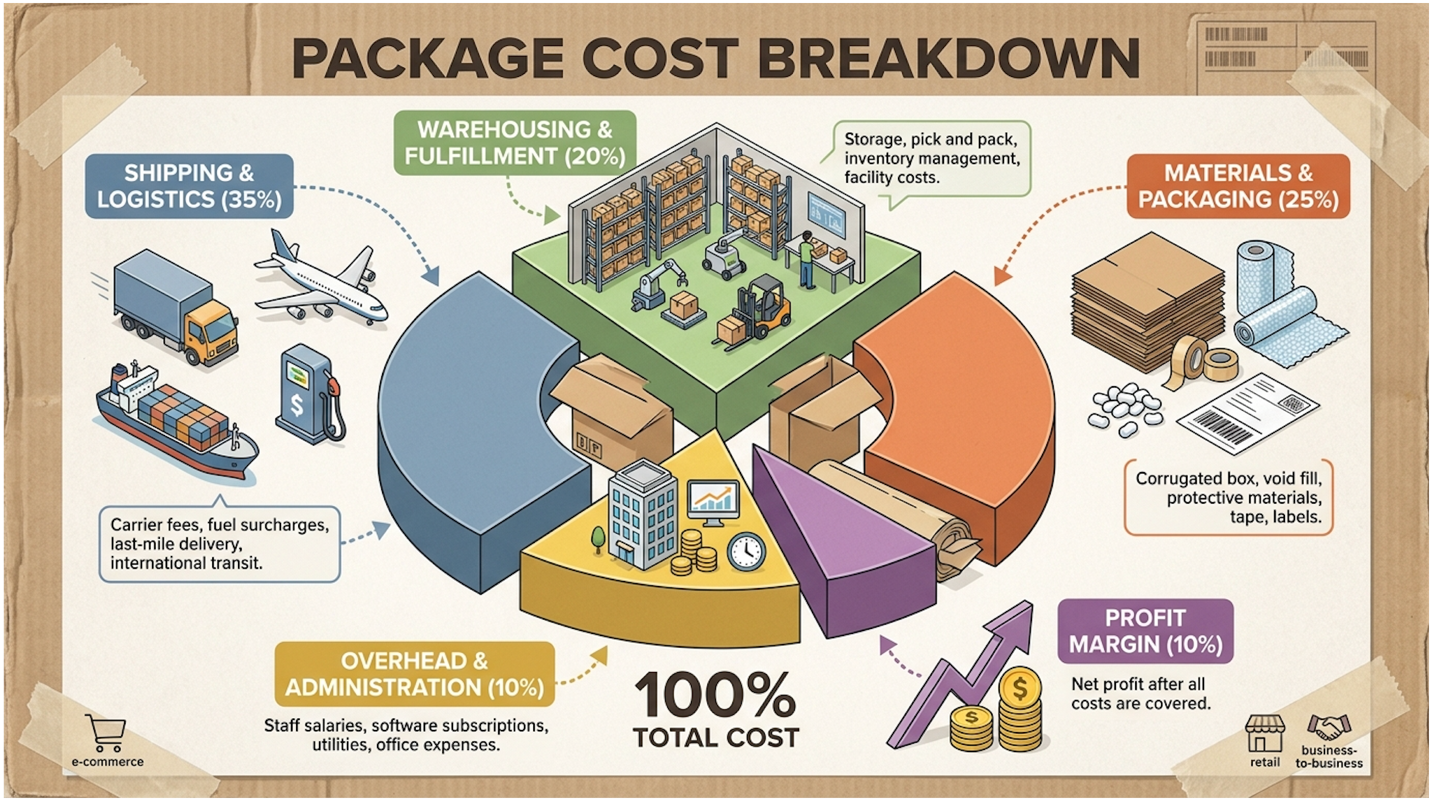
The savings margin between Western domestic markets and Thai medical hubs generally hovers between 50% and 70%. But why? It isn’t because the underlying science is cheaper.
The biological consumables required to culture stem cells cost roughly the same in Bangkok as they do in Boston. The massive savings stem entirely from the surrounding medical infrastructure. Domestic US clinics frequently pass 40% administrative bloat and malpractice insurance premiums directly onto the patient so medical tourists face artificially inflated domestic prices. Thailand benefits from significantly lower administrative overhead, streamlined laboratory proximity (often housed directly within the treating hospital rather than shipped across the country on dry ice), and a tort law environment that doesn’t force clinics to charge exorbitant fees just to keep their doors open.
There is a massive difference between “cheap” and “cost-effective.” Thailand dominates the sector not by racing to the bottom on price, but by offering highly affordable therapies that strictly maintain Western safety standards. When you pay for a procedure in a top-tier hospital in Bangkok, you are paying for an ISO-certified cleanroom, meticulous cell-origin tracking, and rigorous infection control protocols.
| Procedure Type | Typical US Cost | Typical Thailand Cost | Total Savings |
| Orthopedic (Single Knee, 20M cells) | $6,000 – $10,000 | $1,500 – $2,500 | ~75% |
| Systemic IV (Autoimmune, 50M cells) | $15,000 – $20,000 | $4,500 – $7,000 | ~65% |
| Neurological (Intrathecal, 100M+ cells) | $25,000 – $35,000+ | $12,000 – $18,000 | ~60% |
| High-Dose Stem Cell Therapy Package (Multi-day) | $30,000+ | $15,000 – $25,000 | ~50% |
For American patients, the financial burden of out-of-pocket, non-insurance-covered cellular therapies is often prohibitive. Flying to Bangkok, staying in a five-star hotel for a week, and receiving top-tier UC-MSC therapy still routinely costs less than the average US domestic stem cell treatment generated by a single localized injection. However, securing an affordable price is irrelevant if the clinical application does not align perfectly with the patient’s specific physiological requirements.
Stem cell longevity directly correlates with the administered cell count, cellular origin, and the specific delivery method. Clinical trials comparing high-dose vs low-dose cell counts indicate that high-dose treatments demonstrate significantly superior long-term joint function. Consequently, achieving durable biological improvements requires precise alignment between the diagnosis and the treatment protocol.
Let’s get into the actual biology. The route of administration dictates the entire mechanism of action. You cannot treat a systemic autoimmune disorder by injecting cells into a knee, and you shouldn’t use a systemic IV drip if your only issue is an isolated rotator cuff tear.
Localized intra-articular injections are the heavy workhorses of regenerative orthopedics. When a physician administers joint injection stem cells Thailand, they utilize ultrasound or fluoroscopic guidance to place UC-MSCs directly into the damaged articular capsule. These cells act as localized biological managers rather than magically transforming into new cartilage. Through a process called paracrine signaling, they secrete exosomes and bioactive molecules that drastically alter the local immune microenvironment.
Crucially, they trigger phenotypic macrophage reprogramming. They shift the local immune cells from a destructive, inflammatory M1 state to a tissue-repairing M2 state. This downregulates destructive cellular activity, inhibits excessive fibrotic tissue remodeling, reduces apoptosis (cell death) in existing cartilage, and stimulates the patient’s own native chondrocytes to accelerate repair.
| 📌 If you’d like the bigger picture of how MSCs regulate immune activity beyond joint injections specifically, our article, Mesenchymal Stem Cell Therapy for Immune Modulation, covers the underlying mechanisms in more depth. |
Systemic intravenous (IV) treatments face an entirely different physiological hurdle. By delivering cells directly into the bloodstream, the therapy aims to address widespread inflammatory cascades. As the UC-MSCs circulate, they home in on sites of severe systemic inflammation. This systemic administration is the primary route for patients managing autoimmune conditions, chronic fatigue markers, or widespread vascular inflammation.
It is vital to contrast these heavily researched medical applications with the booming market for cosmetic stem cell therapy Thailand. While localized facial injections and microneedling with stem cell derivatives certainly improve skin laxity and collagen production, they operate on much smaller cellular scales. They require far less rigorous medical oversight than a deep intra-articular injection or a systemic IV drip. The biological plausibility for cosmetic anti-aging is sound, but it should never be conflated with the deep structural repair required for severe orthopedics.
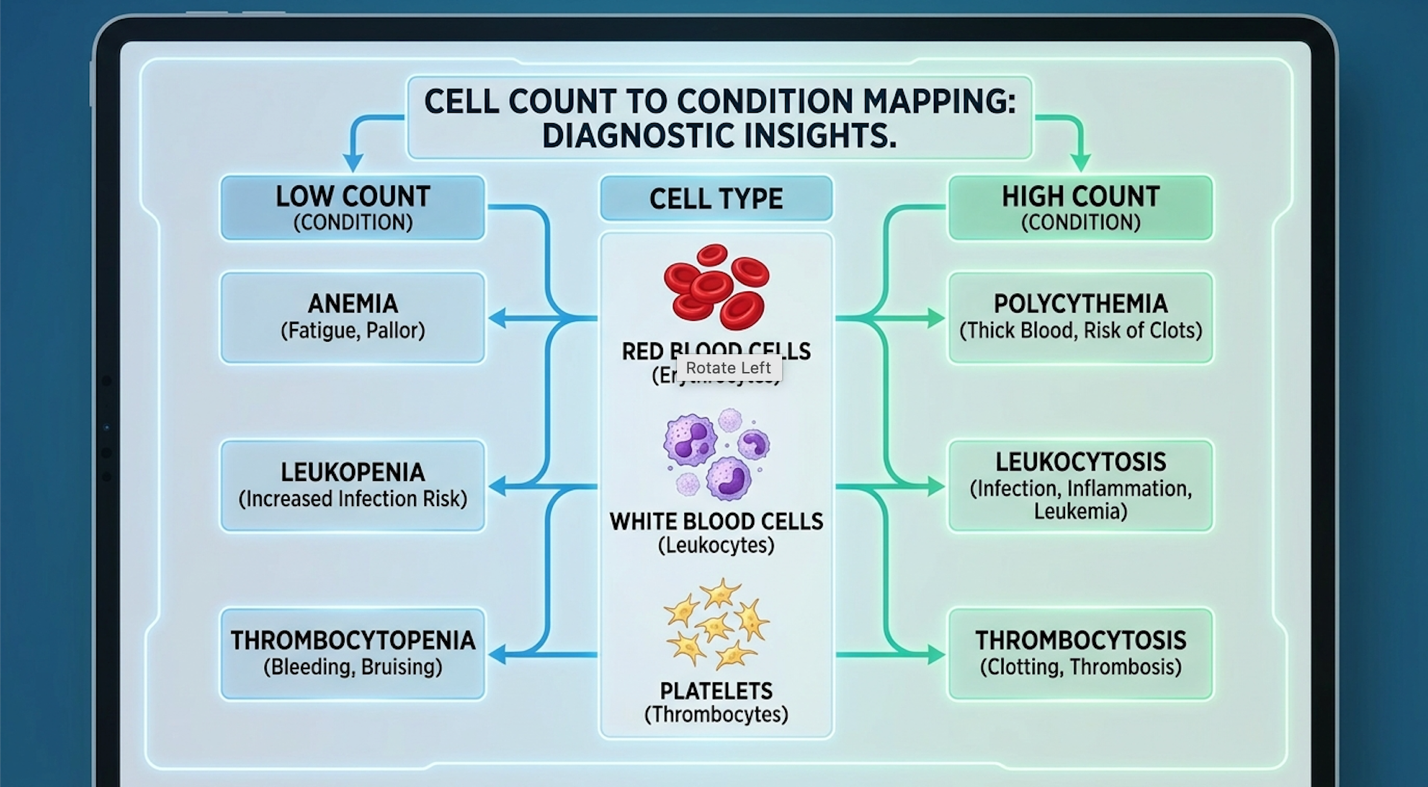
How many cells do you actually need? This is the most common area where patients get financially exploited, because they simply don’t know the clinical benchmarks.
Analyzing the current data on low-dose therapies (10-30 million cells) reveals a clear pattern. These lower volumes are typically sufficient for minor, localized musculoskeletal issues think mild sports injuries, early-stage tennis elbow, or Grade 1 osteoarthritis in a single, small joint. Because the cellular delivery is highly concentrated in a tiny anatomical space, a 10-million cell dose can achieve adequate immune modulation to reduce pain and initiate tissue stabilization.
But low doses fail spectacularly when applied to complex conditions.
When we examine high-dose therapies (50-100+ million cells), the biological requirements scale dramatically. Severe orthopedic degradation (Grade 3 osteoarthritis), autoimmune investigations, and advanced systemic inflammation require massive cellular volumes to achieve any detectable biological changes. When you administer an IV drip, the cells must circulate through the pulmonary system. A massive percentage of those cells become temporarily trapped in the lungs (known as the pulmonary first-pass effect) before they ever reach the target inflamed tissue. To counteract this cellular attrition and ensure sufficient active cells reach systemic targets, physicians must use overwhelmingly high starting doses.
This volume requirement becomes most extreme when dealing with intrathecal neurology stem cells. For investigational treatments targeting the central nervous system, physicians must bypass the blood-brain barrier by injecting cells directly into the spinal canal’s cerebrospinal fluid. This requires an absolute zenith of laboratory purity. Introducing any bacterial contaminant into the spinal canal is catastrophic. Furthermore, the sheer volume of cells required to enact measurable neuro-protective signaling demands aggressive, high-dose culturing protocols. You simply cannot compare a 10-million cell cosmetic application requiring minimal lab expansion with a 100-million cell neuro-musculoskeletal investigational treatment.
Dose-dependent longevity scales linearly higher cellular volumes generate more robust paracrine signaling, extending structural joint relief significantly longer than baseline treatments.
Clinical data indicates that stem cell injections for orthopedic conditions typically provide functional improvement and pain relief lasting between 12 and 24 months according to NIH studies. The exact duration heavily relies on the administered cell count, the specific cellular origin, and the severity of tissue degradation prior to treatment. High-dose interventions generally yield more durable structural support than low-dose cosmetic applications. However, regenerative therapies are not permanent cures. Patients often require subsequent clinical reassessments and potential follow-up treatments to maintain biological benefits.
To understand why this timeframe exists, you have to separate immediate anti-inflammatory relief from long-term structural tissue repair. When the UC-MSCs are first injected, they rapidly dump anti-inflammatory cytokines into the joint. Patients often experience a massive reduction in pain within 7 to 14 days. But that immediate pain relief is not tissue regeneration.
The actual structural repair the stabilization of the cartilage matrix, the reduction of bone-marrow lesions, the halting of further degradation takes months to develop. The introduced stem cells themselves only survive in the joint for a few weeks to a few months. Their job is to reset the local environment and stimulate your native cells to do the heavy lifting of repair. Once the introduced cells undergo apoptosis and fade away, the joint will eventually slowly begin succumbing to the original degenerative forces again over the next year or two.
This is why stem cell longevity is finite. Regenerative medicine requires ongoing clinical monitoring and reassessment. Patients are consistently advised to view this as a management strategy, not a permanent cure. A standard 12-month follow-up timeline for a knee osteoarthritis patient usually involves new MRI imaging to assess joint space narrowing and a clinical evaluation of pain scores. Based on that data, a booster injection might be scheduled.
Identifying safe stem cell clinics in Thailand requires evaluating international laboratory certifications and stringent clinical protocols. Thailand maintains robust medical tourism safety standards, featuring over 60 hospitals and clinics that have achieved Joint Commission International accreditation. For advanced patients, this infrastructure ensures that budget-friendly pricing does not compromise biological safety or cellular viability.
When evaluating regenerative medicine Thailand facilities, you have to completely ignore the marble lobbies and the English-speaking concierges. Medical hospitality is nice, but it doesn’t heal cartilage. The only thing that matters is the laboratory standard.
What does Joint Commission International (JCI) accreditation actually signify in the context of cell processing? It means the facility has subjected its internal protocols to the most rigorous, exhausting external medical audit on the planet. It means their cleanrooms operate at an ISO Class 7 or better standard, featuring HEPA filtration systems that cycle the air dozens of times per hour to eliminate airborne particulates. It means their sterilization autoclaves are strictly monitored, their cold-chain logistics for biological transport are flawless, and their emergency resuscitation equipment is checked daily.
| 📌 If you’d like the broader case for pursuing UC-MSC treatment in Thailand, our article, Why You Should Choose UC-MSC Stem Cells in Thailand, covers the regulatory and clinical advantages in more depth. |
Joint Commission International (JCI)-accredited hospitals maintain rigorous laboratory transparency, requiring flow cytometry reports that verify stem cells are 90% viable and free from endotoxins prior to injection.
| 📌 If you’d like to understand what actually determines whether cells stay potent and functional, our article, The Importance of Cell Viability in UC-MSC Stem Cell Therapy, breaks down why this quality marker matters so much. |
More importantly, it forces transparent cell origin tracking. The most dangerous pitfall in international stem cell therapy is receiving cells cultured in a dirty, under-regulated lab. Accredited clinics must demonstrate rigorous, documented laboratory standards. They must prove exactly where the umbilical cord tissue was sourced (usually from heavily screened, healthy C-section donors), how the cells were isolated, and what exact expansion media was used. They must provide flow cytometry reports proving the cells are free from endotoxins, mycoplasma, and bacterial contamination, while maintaining a viability rate above 90% post-expansion.
Clinical audits demonstrate the difference clearly. A clinic that outsources its cell culturing to a cheap, third-party lab in another province has to ship those cells in cryo-suspension or on dry ice. By the time they reach the syringe, a massive percentage of the cells are dead or senescent. Conversely, a facility with a fully integrated, audited cleanroom laboratory on-site can harvest the cells in the morning and administer them to the patient an hour later at peak biological activity.
This is why Thailand’s medical tourism regenerative medicine sector is heavily favored over under-regulated offshore markets in the Caribbean or Eastern Europe. It operates as a highly regulated medical hub where international oversight is strictly enforced.
External audits reveal a stark contrast facilities maintaining on-site cleanrooms deliver nearly double the viable cell count of clinics relying on third-party shipping logistics.
While countries like Mexico and Colombia often advertise the lowest baseline prices, Thailand offers the most cost-effective balance of affordability and JCI-accredited medical safety. Some offshore clinics provide highly discounted therapies by utilizing non-standardized laboratory practices that compromise cell viability. Thailand’s mature medical tourism infrastructure allows clinics to keep overhead low without sacrificing rigorous ISO cleanroom standards. Therefore, patients secure world-class clinical protocols at a fraction of Western costs.
Ensuring patient safety in regenerative medicine requires an uncompromising acknowledgment of clinical boundaries and treatment limitations. While the biological mechanisms of UC-MSCs are well documented, stem cells are not a panacea for end-stage degenerative diseases or acute medical emergencies. Advanced patients must critically evaluate their own physiological suitability and recognize when investigational therapies lack sufficient peer-reviewed evidence to justify the financial and physical risks of medical tourism.
The most dangerous pitfall in regenerative medical tourism is accepting treatment without demanding verified laboratory cell counts. If a clinic hands you a syringe but cannot hand you a flow cytometry report detailing the exact viability and volume of the cells inside it, you are flying blind. You have no idea if you are receiving 50 million active progenitor cells or 5 million dead cells floating in saline.
The second major trap is believing predatory claims that stem cells can “cure” degenerative neurological diseases. To establish clinical realities: while investigational intrathecal applications show promise in modulating neuro-inflammation, stem cells do not cure ALS, they do not cure Alzheimer’s, and they do not reverse severe spinal cord transections. Any clinic promising a guaranteed cure for these conditions is committing medical fraud.
Finally, international patients routinely underestimate the necessity of long-term clinical monitoring. Regenerative medicine is not a surgical transaction where you get stitched up and walk
Zero existing cartilage yields zero cellular repair — patients with end-stage joint deformity require mechanical replacement, not biological modulation.
There are specific, non-negotiable scenarios where regenerative medicine is definitively the wrong choice.
If you have end-stage, bone-on-bone osteoarthritis (Grade 4) with severe joint deformity, an intra-articular stem cell injection is a waste of your money. Stem cells require a scaffolding of existing cartilage to initiate repair. Clinical trials evaluating high-dose interventions indicate that if the cartilage is entirely gone and the joint architecture has collapsed, no amount of UC-MSCs will regrow a new knee. In this scenario, standard care a total joint replacement surgery is strictly required to restore mechanical function.
Similarly, stem cell therapy should never be utilized for acute medical emergencies. If you have an actively ruptured tendon, an acute severe spinal disc herniation causing immediate neurological deficit, or an active aggressive systemic infection, you need immediate surgical or pharmacological intervention. Stem cells are slow-acting biological modulators; they take weeks or months to enact tissue repair. They are investigational tools for chronic degradation, not emergency replacements for established trauma care.
Because patient suitability is so complex, a rigorous pre-treatment consultation is mandatory. You cannot simply book a stem cell treatment online like a hotel room.
| 📌 If you’d like a fuller checklist for the lead-up to your procedure, our guide, How to Prepare Yourself Before and After a Stem Cell Injection, walks through what to do beforehand and how to recover afterward. |
Advanced facilities will demand a comprehensive submission of your medical history before they ever clear you for travel. A robust pre-treatment medical dossier must include high-resolution MRI imaging (preferably utilizing T2 mapping for precise cartilage assessment), recent blood panels
The reviewing physician needs to rule out active cancers, severe bleeding disorders, and active infections all of which are hard contraindications for stem cell therapy.
A consultation does not guarantee eligibility, treatment, or improvement. It is a strictly objective medical assessment to determine if biological plausibility actually aligns with your specific pathology. If a clinic approves your treatment via email without ever looking at your medical imaging, you need to find a new clinic.
For international medical tourists, the stem cell therapy cost Thailand offers ranges objectively from $2,500 to $25,000, representing a 50% to 70% reduction compared to domestic United States averages. The safest and most effective approach requires patients to reject flat-rate “miracle packages” and instead demand exact pricing based on the “cost per million cells” metric from JCI-accredited facilities.
Navigating this complex landscape requires strict adherence to The 3-C Evaluation Framework: verifying Cell origin, demanding exact Cell counts, and requiring peer-reviewed Clinical evidence. This objective methodology protects patients from predatory marketing and ensures that biological plausibility is grounded in realistic, measurable functional outcomes, prioritizing patient safety above all else.
Patients considering regenerative medicine must first compile their comprehensive medical records, current imaging, and laboratory findings for formal review. Submit these documents to a verified, JCI-accredited Thai facility for a thorough suitability assessment.
This article is for educational purposes only and does not replace consultation with a qualified medical professional.