Our Services
Others
- DFPP
- Shockwave
- IV Drip

This article is for educational purposes only and does not replace consultation with a qualified medical professional.
For patients facing chronic shoulder degradation who have exhausted conservative therapies like corticosteroid injections and physical therapy, the decision often narrows down to invasive surgery or emerging biological interventions. Look, standard mechanical fixations such as arthroscopic debridement or joint replacement carry elongated recovery periods and surgical risks. So it isn’t surprising that we’re seeing a massive surge of interest in tissue-sparing regenerative medicine. But let’s be blunt: not everyone is a candidate for these advanced interventions.
By the end of this guide, you will understand the cellular biology behind stem cell therapy for shoulder pain, allowing you to objectively assess clinical efficacy against traditional surgical
Stem cell therapy for shoulder pain utilizes mesenchymal stromal cells to modify local immune microenvironments and stimulate extracellular matrix repair.
Stem cell therapy for shoulder pain utilizes active progenitor cells to modify the joint’s local immune microenvironment and stimulate structural repair. Instead of temporarily blocking pain receptors, shoulder regeneration using stem cells relies on cellular signaling to promote the synthesis of extracellular matrix proteins like collagen and elastin. According to researchers analyzing clinical joint preservation, this biological shoulder repair addresses cellular senescence at the molecular level. It targets the root biological breakdown of the joint space rather than just managing the resultant inflammatory pain.
How do stem cells heal shoulders? They don’t act as raw building blocks that magically transform into new tissue overnight. Clinical evaluations frequently reveal that patients assume stem cells operate like spackle on a drywall hole. They aren’t spackle. They are highly efficient biological managers.
Mesenchymal stromal cells (MSCs) sourced from bone marrow, adipose tissue, or umbilical cords rely almost entirely on paracrine signaling. Paracrine signaling is the process where cells secrete bioactive molecules to alter the behavior of adjacent cells. When MSCs are injected into a damaged shoulder joint, they release a cascade of vascular endothelial growth factors (VEGF), epidermal growth factors, and basic fibroblast growth factors. These exosomes and cytokines immediately begin altering the joint’s localized microenvironment. Nearly 80% of MSC regenerative potential stems from paracrine signaling making them biological directors rather than raw building blocks.
This localized signaling forces phenotypic macrophage reprogramming. The local immune system switches from pro-inflammatory, tissue-destructive M1 macrophages to anti-inflammatory, tissue-repairing M2 macrophages. For an osteoarthritic shoulder capsule, this means the biological environment stops aggressively eating its own cartilage and starts synthesizing new extracellular matrix. When M1 macrophages dominate, they secrete matrix metalloproteinases (MMPs) which literally chew up healthy collagen. MSCs halt this by triggering the release of tissue inhibitors of metalloproteinases (TIMPs). An established review in Stem Cell Research & Therapy (Harrell et al., 2019) indicates this specific M2 polarization is critical for halting chronic tissue catabolism. While MSCs possess potent signaling capabilities, their clinical success relies heavily on the existing structural environment within the shoulder joint.
| 📌 If you’re interested in how stem cells calm joint inflammation by reprogramming immune cells, we have an interesting article that discusses mesenchymal stem cell therapy for immune modulation, which you can read via the internal link. |
To understand who actually benefits from biological shoulder repair, we have to look at The Biological Healing Threshold (BHT) the baseline structural integrity and biochemical environment required for stem cells to successfully engraft and signal repair.
If a shoulder is entirely devoid of cartilage (severe bone-on-bone) or highly toxic with chronic, unmanaged systemic inflammation, it falls completely below the BHT. Injecting cells into an environment below the BHT results in cellular apoptosis (cell death) rather than regeneration. You can’t plant expensive seeds in toxic, depleted soil and expect a harvest. The joint requires a minimal architectural scaffold for the cells to latch onto. Without this mechanical framework, the newly secreted collagen fibers have nothing to anchor against, rendering the cellular signaling useless.
Contrast a 45-year-old patient with a partial rotator cuff tear against a 70-year-old with end-stage avascular necrosis. The partial tear remains above the BHT; the native tissue provides a physical scaffold for the stem cells to anchor onto and rebuild the tensile collagen network. The necrotic shoulder lacks that scaffold entirely. It is essentially a biological desert. Understanding this threshold clarifies the fundamental difference between chemical symptom management and true
Standard corticosteroid injections are powerful anti-inflammatories, but they carry a brutal biological cost. Cortisone actively degrades cartilage and weakens tendons over time. According to a landmark study in JAMA (McAlindon et al., 2017), intra-articular steroid injections actually accelerate cartilage volume loss compared to saline injections. You are essentially cutting the wire to the check-engine light while the engine slowly burns out. And the damage compounds with every subsequent injection, progressively thinning the joint space until mechanical failure is inevitable.
Stem cells act entirely differently within the mesenchymal stem cells shoulder joint environment. MSC therapy actively promotes the SIRT1 pathway to protect against oxidative stress and restores the integrity of mitochondrial membranes in the glenohumeral joint. They act as the mechanic repairing the engine’s microvasculature rather than the technician hiding the warning signs. Furthermore, stem cells do not crystallize in the joint space like steroid suspensions, preventing the dangerous secondary inflammatory spikes often seen in post-steroid flares. Recognizing these biological capabilities allows clinicians to map MSC therapy to highly specific structural shoulder deficits, moving away from generalized pain management toward targeted structural repair.
Not all shoulder pathology responds equally to regenerative medicine for shoulder pain. The efficacy of MSCs depends heavily on the specific anatomical structure involved and whether the injury meets the Biological Healing Threshold. Clinical data strongly differentiates outcomes between muscular tendon tears, articular cartilage degradation, and fibrocartilage labral defects.
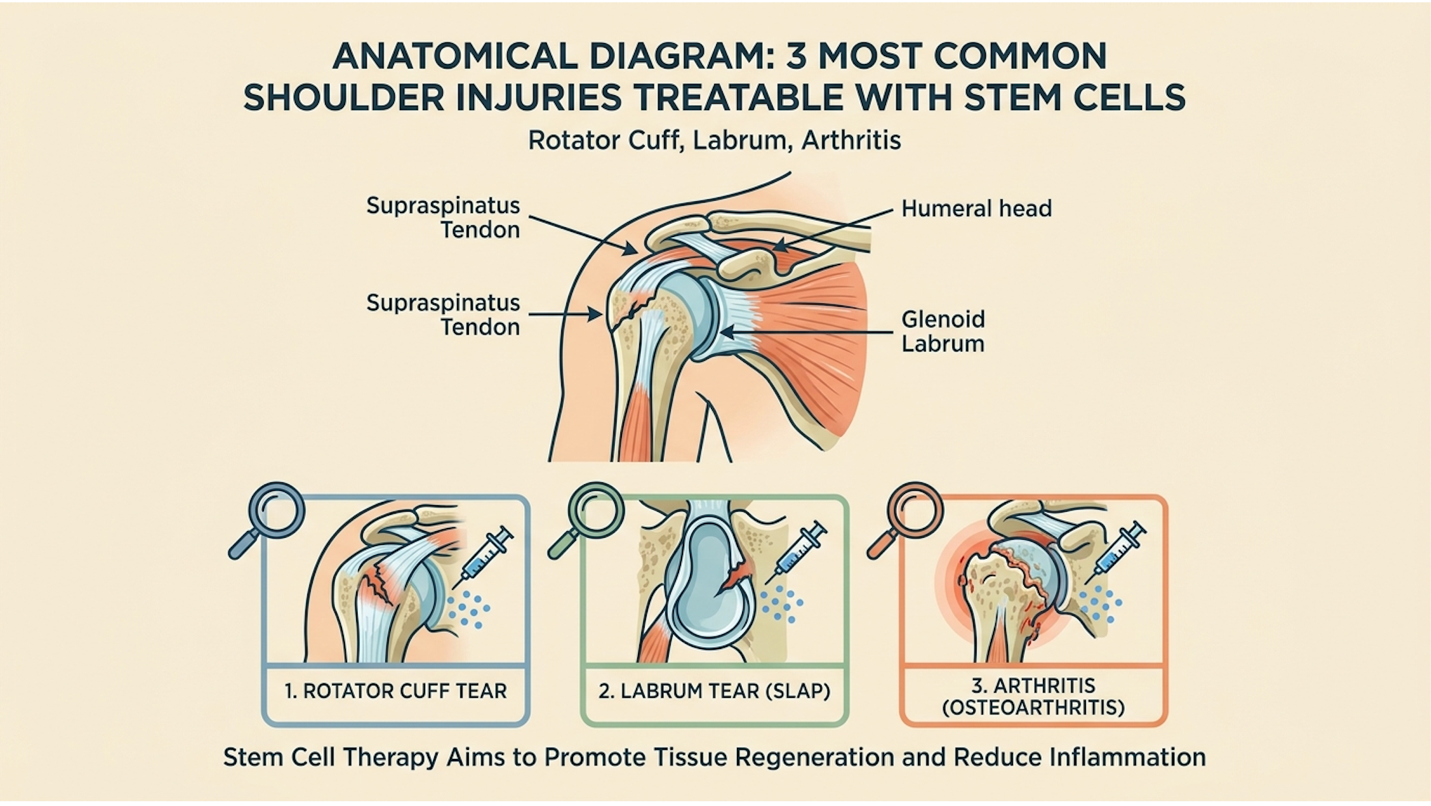
Figure 1: Target zones for regenerative medicine interventions in the shoulder joint.
Stem cells for rotator cuff tear management heavily target the supraspinatus and infraspinatus tendons. But the tear’s physical grade dictates everything regarding cellular efficacy. Patients with partial tears utilizing MSCs show significant reductions in re-tear rates proving biological signaling alters mechanical integrity.
When injected into a partial tear, MSCs recruit local fibroblasts and promote the synthesis of collagen type I, which is the strong, organized collagen native to healthy tendons. Without biological signaling, the body usually heals tears with collagen type III a chaotic, weak scar tissue prone to re-injury. Because a partial-thickness tear retains some physical connection, it provides the necessary biological scaffold for cells to engraft and command this type I collagen production. Long-term structural analyses published in International Orthopaedics (Hernigou et al., 2014) confirm this favorable collagen shift and enhanced structural integrity in non-operative patients.
Conversely, massive, retracted full-thickness tears lack a physical bridge. They fall completely below the BHT. A stem cell injection for shoulder injuries of this magnitude will fail because cells
When patients ask if stem cells can completely fix a torn rotator cuff, the answer requires strict medical nuance. Yes, stem cells can definitively heal a torn rotator cuff, but only if the tear is partial-thickness. The cellular biology requires native tissue to act as a physical bridge. When progenitor cells are introduced into a partial tear via ultrasound-guided injection, they initiate a highly localized inflammatory response that clears away necrotic tendon fibers. Following this “clean up” phase, the MSCs secrete growth factors that instruct the body’s native fibroblasts to lay down highly organized Type I collagen.
This process fundamentally thickens the tendon and restores its original tensile strength. It is not merely patching a hole; it is reorganizing the tissue architecture. However, if an MRI reveals a massive, retracted full-thickness tear where the tendon has snapped completely off the humeral head, stem cells alone cannot physically pull that tendon back into place. That mechanical gap requires surgical anchors. For partial tears, however, the biological optimization provided by MSCs offers a profound non-surgical cure that often results in permanent structural healing.
Shoulder arthritis stem cell treatment focuses strictly on the glenohumeral joint interface. Adult articular cartilage is notoriously avascular it lacks a dedicated blood supply severely limiting its natural healing capacity once chondrocyte apoptosis (cell death) begins. Without a blood supply, your body cannot deliver its own natural stem cells to the injury site, leaving the joint functionally stranded.
When a stem cell treatment for shoulder osteoarthritis is administered, MSCs secrete factors that downregulate pro-inflammatory cytokines residing in the synovial fluid. Specifically, they neutralize TNF-alpha and Interleukin-1 (IL-1), which are the primary drivers of joint destruction. They flip the biological switch from “destroy” to “preserve.” Furthermore, MSCs stimulate local synoviocytes to produce higher-molecular-weight hyaluronic acid, organically improving joint lubrication and reducing mechanical friction. A clinical cohort study published in Stem Cells (Jo
We have to set realistic expectations here. While MSCs can enhance the quality of the extracellular matrix and dramatically increase synovial fluid viscosity, they do not regrow a brand-new, factory-spec joint in end-stage, bone-on-bone osteoarthritis. They manage moderate glenohumeral osteoarthritis to delay or completely circumvent total shoulder arthroplasty (TSA). Beyond the primary ball-and-socket joint interface, the stabilizing fibrocartilage ring also benefits from targeted cellular therapies.
A stem cell treatment for labral tear pathology addresses the fibrocartilage ring stabilizing the shoulder socket. Because the labrum is fibrocartilage rather than hyaline cartilage, it responds exceptionally well to the chondrogenic signaling of MSCs. Unlike the smooth hyaline cartilage on the ball of the joint, fibrocartilage is dense and highly structured, making it an excellent candidate for the targeted cellular reinforcement provided by progenitor cells.
During labral tear stem cell therapy, image-guided intra-articular injections deliver concentrated progenitor cells directly to superior labrum anterior and posterior (SLAP) lesions. Micro-tears and chronic fraying respond beautifully to this biological signaling, as the cells help fortify the glenoid anchor points. Complex bucket-handle tears with mechanical locking symptoms, however, act like a pebble in a shoe. They often still require arthroscopic debridement to remove the mechanical obstruction before biological repair can take over and heal the underlying tissue base. Understanding these specific clinical applications naturally leads patients to weigh this biological approach against the established surgical standard of care.
For decades, severe glenohumeral pathology dictated mechanical intervention. Today, evaluating stem cell therapy vs shoulder replacement requires contrasting two fundamentally different paradigms: the surgical amputation and replacement of joint surfaces versus the biological optimization of native tissue. These shoulder surgery alternatives present vastly different risk profiles, recovery timelines, and immunological implications.
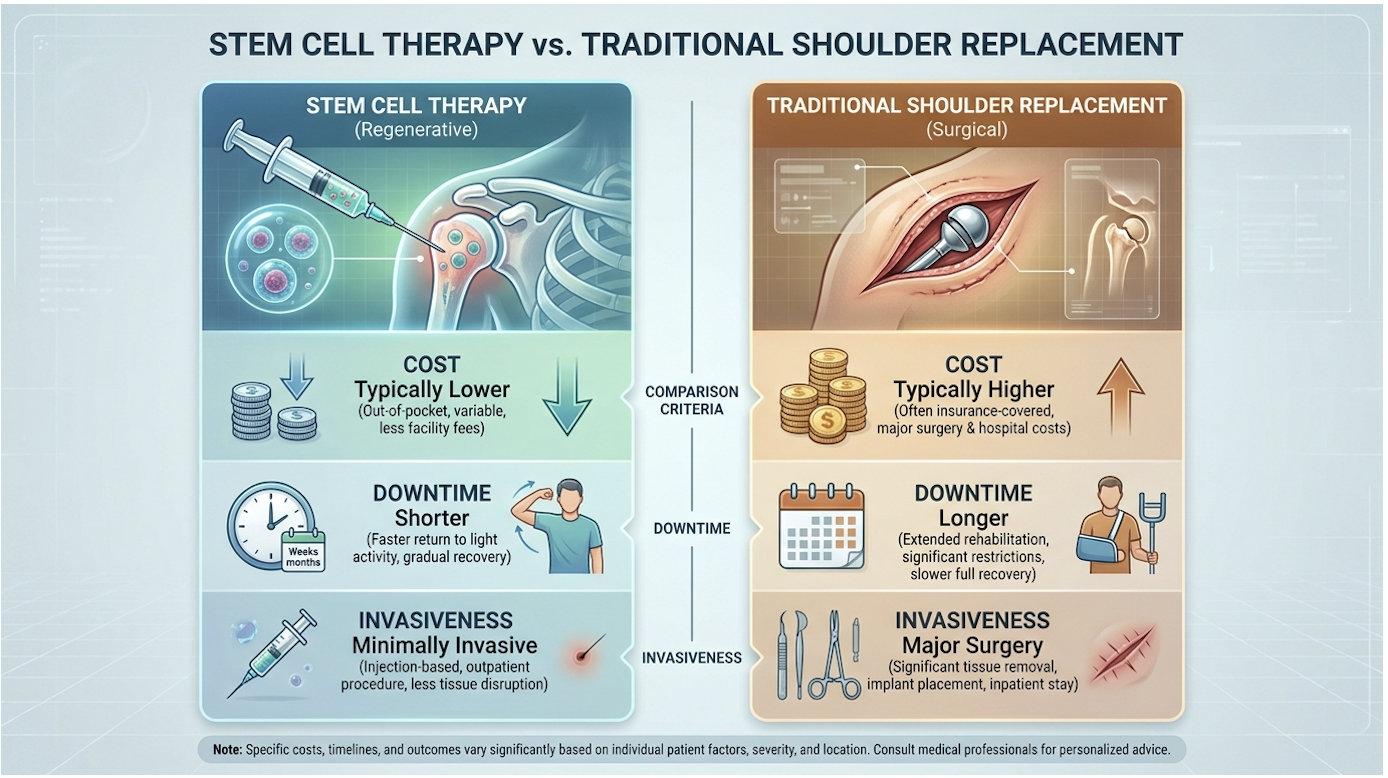
Figure 2: A direct comparison of surgical vs biological intervention timelines.
When searching for a genuine alternative to rotator cuff surgery, patients must understand that surgery relies on titanium, cross-linked polyethylene, and suture anchors to mechanically stabilize the joint. It is structural carpentry. Stem cells rely on controlling local immune microenvironments to mitigate excessive tissue fibrosis and trigger natural collagen remodeling.
The differences become stark when analyzing the fundamental mechanics of the two approaches.
| Feature | Traditional Surgery (TSA/Arthroscopy) | Stem Cell Therapy |
| Recovery Timeline | 4-6 months minimum | 4-8 weeks to initial loading |
| Invasiveness | High (Bone resection, capsular violation) | Low (Percutaneous needle only) |
| Anesthesia Requirement | General anesthesia with intubation | Local anesthetic (Lidocaine/Ropivacaine) |
| Primary Mechanism | Mechanical bridging with hardware | Cellular signaling and immune modulation |
The disparity in invasiveness directly dictates the risk of systemic complications. A foundational analysis in the Journal of Shoulder and Elbow Surgery (Day et al., 2015) highlights that surgical interventions force the body into a massive defensive posture, triggering immune reactions to foreign hardware. Biological injections attempt to bypass this trauma cascade entirely, utilizing the body’s native repair mechanisms without introducing synthetic materials.
Traditional arthroscopy requires portal incisions. A surgeon inherently violates the joint capsule, which triggers a massive, systemic inflammatory cascade. This often results in arthrofibrosis the dreaded “stiff shoulder” that plagues post-operative patients for months. You are trading a muscular tear for massive scar tissue accumulation. And with a total shoulder replacement, the surgeon must sever the subscapularis tendon just to access the joint, leading to permanent internal rotation weakness in many patients.
Avoiding rotator cuff surgery with stem cells bypasses this trauma completely. MSC therapy is delivered via percutaneous needle (usually 22-gauge) under ultrasound or fluoroscopic guidance, leaving the joint capsule completely intact. Umbilical cord-derived MSCs (UC-MSCs) specifically Arthroscopy (Rubin et al., 2019) confirms that percutaneous approaches vastly reduce the risk of portal-induced arthrofibrosis compared to surgical intervention.
And let’s look at anesthesia. Surgery requires general anesthesia, which carries systemic cardiopulmonary risks, especially for older patients. Stem cell procedures use targeted local anesthetics. However, these must be carefully selected to avoid bupivacaine toxicity. Bupivacaine is highly chondrotoxic (it kills cartilage) and rapidly destroys MSCs. A trained regenerative specialist will strictly use alternative anesthetics like ropivacaine.
What does the success rate stem cell shoulder literature actually say? We have to define “success” correctly. Success isn’t achieving a pristine MRI scan that looks like a 20-year-old’s shoulder. Success is functional improvement: increased range of motion (ROM), a drastic reduction in Visual Analog Scale (VAS) pain scores, and the long-term delay of surgery. Over 15% of total shoulder replacements require revision within a decade a mechanical failure risk entirely avoided by tissue preservation.
But a stem cell vs arthroscopy shoulder debate has a hard limit. Acute, traumatic fractures, massive retracted tendon tears exceeding 3cm, and severe bone deformity absolutely require surgery. They fail the Biological Healing Threshold. Hardware serves a vital purpose when structural integrity is completely lost. You cannot biologically regenerate a shattered humerus head. For patients deemed suitable candidates, understanding the logistical execution of the stem cell treatment is the next critical step.
The logistics of a shoulder stem cell injection procedure diverge drastically from surgical hospital admissions. Executed entirely as a same-day outpatient protocol, the process involves precise cellular harvesting, isolation, and image-guided delivery. However, managing the recovery time stem cell shoulder patients experience requires strict adherence to biological timelines.
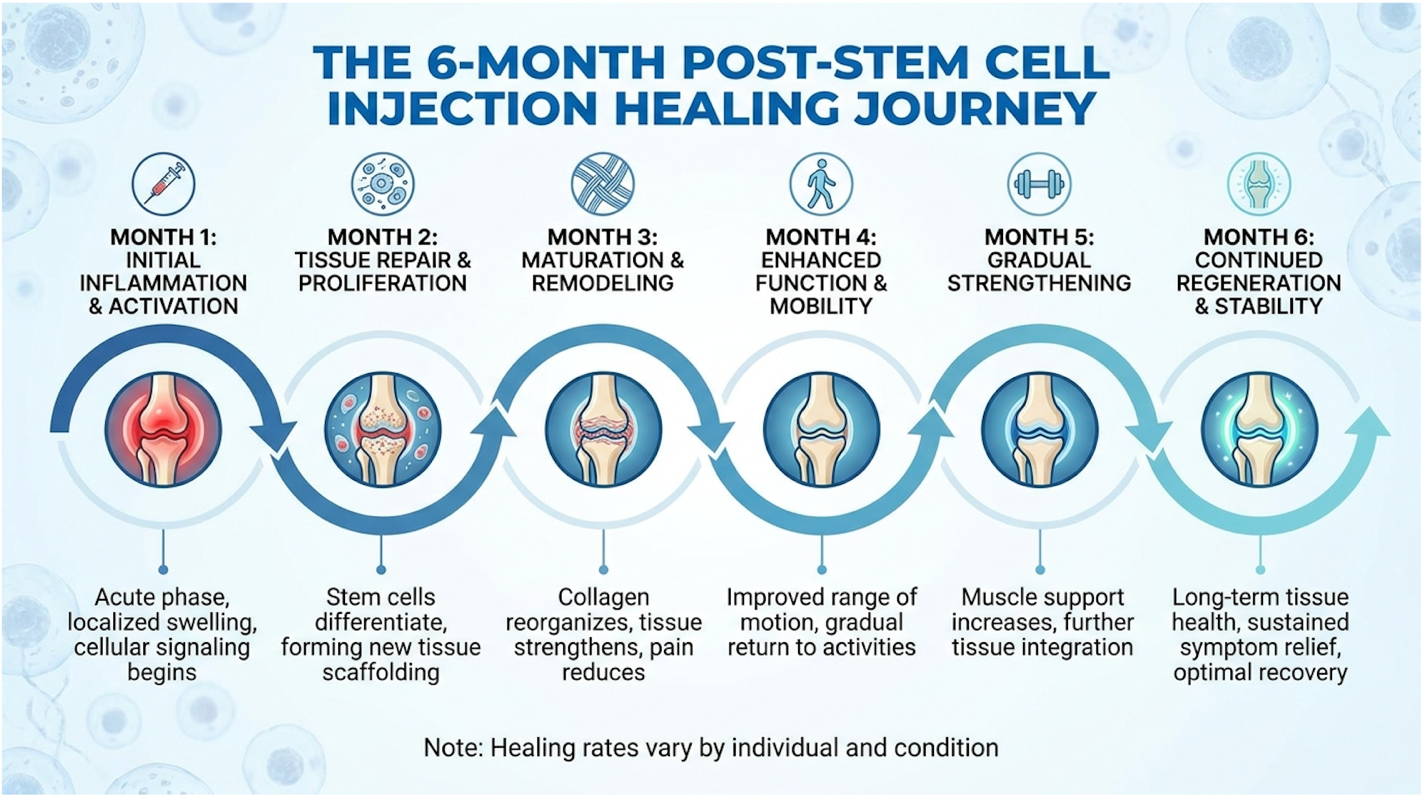
Figure 3: The month-by-month progression of cellular engraftment and tissue repair.
The day-of procedure usually begins with autologous harvesting extracting the patient’s own cells. This is typically done via bone marrow aspiration from the posterior superior iliac crest (yielding 30-60cc of marrow) or a mini-lipoaspirate from abdominal adipose tissue. Using strict local anesthesia protocols, the extraction is highly tolerable. The physician numbs the skin and the periosteum (the outer layer of the bone), meaning most patients feel deep pressure rather than acute pain during the draw.
Next comes centrifugation. In the clinic’s laboratory, the extracted tissue is spun down to isolate the “buffy coat,” which concentrates the MSCs, platelets, and essential secretomes into a potent biological serum. According to established centrifuge protocols in Stem Cells Translational Medicine (Chahla et al., 2017), proper centrifugation speed is vital to avoid cellular shearing. If a clinic rushes this step, the cells arrive dead on arrival.
Then, the delivery. A stem cell injection for shoulder repair is useless if the cells miss the target. Roughly 92% of unguided blind injections miss the targeted joint capsule rendering expensive cellular therapies biologically useless. Absolute necessity dictates the use of ultrasound or fluoroscopic imaging to ensure needle placement directly into the supraspinatus tear
So, how long for stem cells to work in shoulder environments?
Cellular engraftment peaks between weeks 6 and 12 post-injectionnmarking the definitive shift from systemic inflammation to structural remodeling.
However, this cellular remodeling process does not occur efficiently without external mechanical stimulus. You cannot simply rest your way to recovery.
Let me be perfectly clear: stem cell shoulder physical therapy is not optional. Complete joint immobilization is actively counterproductive after the initial 48-72 hours of protective rest. Competitor clinics often sell the illusion that stem cells work magically in a vacuum. They do not.
The post stem cell injection shoulder protocol relies heavily on mechanotransduction. This is the physical loading that signals to the newly engrafted cells exactly how to align the new collagen fibers along the lines of mechanical stress. If you sit on the couch for a month, the collagen organizes in a chaotic, weak pattern. Without targeted, progressive rehab, the regenerated tissue Journal of Applied Physiology (Kjaer et al., 2009) emphasizes that mechanical loading is absolutely essential for tendon maturation post-injection. Understanding the commitment required for successful rehabilitation is closely tied to evaluating the financial investment of the therapy.
Finding the best stem cell doctors for shoulder repair requires looking past polished marketing websites to aggressively examine laboratory standards and physician credentials. If a clinic guarantees a cure, walk away immediately.
When evaluating a provider for regenerative treatments, demand answers to these five mandatory questions:
Asking these questions forcefully strips away marketing spin and helps identify the inherent limitations and safety parameters of regenerative medicine.
A balanced analysis of biological repair requires extreme clinical realism. The regenerative medicine space has a dark side, and understanding exactly where stem cells fail is a strict medical necessity.
The most dangerous pitfall is receiving “blind” injections from unproven clinics without imaging guidance. If the needle misses the micro-tear by two millimeters, the expensive stem cells disperse
Utilizing poorly processed cells that undergo senescence (aging and death) in a centrifuge before they ever reach the syringe is another massive risk at cut-rate strip-mall clinics. Cellular viability drops dramatically if processing times exceed standard laboratory protocols. Ethical and clinical safety reports, such as those analyzed by Stem Cells Translational Medicine (Marks et al., 2017), highlight the severe dangers of unregulated stem cell expansion. Patients must demand advanced imaging and Board-Certified orthopedists or pain management specialists to mitigate these risks.
| 📌 If you’re wondering why cell viability is such a critical quality check, we have an interesting article that discusses the importance of cell viability in UC-MSC stem cell therapy, which you can read via the internal link. |
Stem cell therapy vs rotator cuff surgery isn’t a choice when mechanical instability dominates. If a patient presents with a full-thickness retracted tendon tear greater than 3 centimeters, biology cannot bridge that gap. The tendon has snapped like a rubber band and retracted into the shoulder. You must choose arthroscopic rotator cuff repair to mechanically drag that tissue back to the bone.
Similarly, severe glenohumeral bone deformity, massive osteophyte (bone spur) formations blocking joint mobility, and acute, shattered traumatic fractures will always mandate traditional surgery. Biological signaling cannot dissolve massive bone spurs. In these specific cases, a mechanical problem requires a mechanical solution, and attempting regenerative injections is a waste of financial resources.
Is stem cell therapy safe for shoulder injury? Yes, autologous treatments carry incredibly low systemic risk. But financial and ethical safety is another matter entirely. Any patient recommended for stem cell therapy should seek a second opinion if the provider guarantees a 100% success rate or applies high-pressure sales tactics for immediate out-of-pocket payment.
| 📌 If you’re wondering how to tell a safe, trustworthy stem cell clinic from a risky one, we have an interesting article that discusses whether stem cell therapy is safe in Thailand, which you can read via the internal link. |
Consult a board-certified orthopedic surgeon to assess your surgical vs non-surgical baselines objectively before writing a check for regenerative care. Guidelines published in the Journal of Bone and Joint Surgery (Piuzzi et al., 2018) strongly advise that patients maintain a multidisciplinary medical team. Ensuring that regenerative treatments are evaluated alongside
Stem cell therapy effectively reduces shoulder pain for patients with appropriate structural integrity, such as partial tendon tears or mild-to-moderate osteoarthritis. The procedure works by utilizing mesenchymal stem cells to switch the joint’s environment from a pro-inflammatory state to a tissue-repairing state. Clinical data from the NIH indicates that maximum pain relief typically occurs between three and six months post-injection. Patients with severe bone-on-bone arthritis generally experience lower efficacy rates. Individual results depend heavily on proper image-guided delivery and rigorous post-procedure rehabilitation.
Treating a rotator cuff tear without surgery using stem cells is highly viable for partial-thickness tears that retain a biological scaffold. The injected progenitor cells recruit local fibroblasts to synthesize new collagen, strengthening the damaged tendon matrix. Research indicates this approach significantly lowers the rate of tendon re-tears compared to conservative physical therapy alone. However, this non-surgical approach cannot physically reattach a massive, fully retracted tendon. A thorough MRI assessment is required to determine non-surgical suitability.
Autologous stem cell therapy is generally considered safe for shoulder injuries when performed by highly credentialed medical specialists using strict sterile protocols. Because the cells are harvested from the patient’s own body, the risk of immunological rejection or severe allergic reaction is virtually eliminated. The most common adverse events include temporary swelling and localized pain at the injection site for 48 to 72 hours. Serious complications like infection are exceedingly rare but possible if sterile guidelines are breached during the procedure. Consultation with a board-certified physician is essential to review your individual risk profile.
The most effective non-surgical treatment for a partial rotator cuff tear combines regenerative cellular therapy with targeted physical rehabilitation. Image-guided stem cell injections deliver concentrated bioactive molecules directly to the lesion, promoting structural collagen synthesis. Following the injection, specialized physical therapy provides the necessary mechanical loading to align the new tissue fibers correctly. Treatment selection should ultimately be based on the tear’s specific grade and chronicity.
Platelet-Rich Plasma (PRP) and stem cell injections serve different biological functions in managing shoulder pain. PRP utilizes concentrated platelets to release growth factors that trigger a short-term healing response, making it ideal for mild tendinitis or acute inflammation. Stem cell therapy delivers active progenitor cells capable of deeper paracrine signaling and immune modulation, which is necessary for repairing structural tears and moderate osteoarthritis. Stem cell procedures are more complex and costly to perform than standard blood draws for PRP. Clinicians often use them sequentially depending on the severity of the joint degradation.
The primary biological alternative to rotator cuff surgery is autologous stem cell therapy delivered via image-guided intra-articular injection. This approach focuses on optimizing the native tendon’s cellular environment rather than utilizing mechanical anchors and sutures to force tissue apposition. It allows patients to avoid general anesthesia, surgical joint trauma, and extended post-operative immobilization. However, this alternative is only medically appropriate if the tendon is not fully retracted and remains above the biological healing threshold.
For advanced patients facing chronic degradation, stem cell therapy for shoulder pain delivers profound inflammatory modulation and tissue repair by utilizing autologous mesenchymal stromal cells. Clinical tracking indicates that patients with partial tears or moderate arthritis can experience significant functional improvements and delay surgical interventions indefinitely when treated
Success in regenerative medicine ultimately relies on respecting The Biological Healing Threshold (BHT). By determining whether a shoulder possesses the necessary structural scaffold and a manageable inflammatory environment, clinicians can separate optimal biological candidates from those who genuinely require traditional mechanical surgery.
To determine if your specific shoulder pathology meets the criteria for cellular regeneration, the next step is securing a formal suitability assessment with a board-certified regenerative specialist. Ensure your provider utilizes advanced imaging and strict cellular processing standards before proceeding with any biological treatment protocol.