Our Services
Others
- DFPP
- Shockwave
- IV Drip

For patients navigating advanced chronic obstructive pulmonary disease, standard bronchodilators and corticosteroids often reach a ceiling of efficacy. When FEV1 drops below 40% and simply walking across a room requires supplemental oxygen, the desperation for a breakthrough is completely understandable. This article is for educational purposes only and does not replace consultation with a qualified medical professional. As biological medicine advances, stem cell therapy for COPD has emerged in clinical discussions not as a guaranteed cure, but as a complex, investigational tool aimed at modulating chronic airway inflammation.
Clinicians frequently observe this clinical reality. The unregulated commercial market often blurs the line between rigorous clinical trials and aggressive marketing, making it practically impossible for patients to separate objective data from biological fiction. Glossy clinic brochures promise to rebuild destroyed lungs. The reality is far more nuanced. By the end of this guide, you will understand the exact biological mechanisms, current Phase I/II trial outcomes, and regulatory realities of cellular therapies for lung disease. We examine the underlying science, evaluate hard FEV1 outcome data, and detail the costs and safety profiles of current clinical options. If you’re investigating stem cell therapy for moderate to severe COPD, you need evidence not sales pitches.
Stem cell therapy for COPD primarily utilizes mesenchymal stem cells (MSCs) to target chronic lung inflammation, though it remains an investigational procedure without FDA approval.
Stem cell therapy for COPD currently focuses on mitigating chronic airway inflammation rather than generating completely new lung structures. Mesenchymal stem cells (MSCs) possess unique immunomodulatory properties that allow them to sense inflammatory microenvironments and secrete repair-promoting factors (Nature, 2018). This mechanism aggressively targets the underlying inflammatory cascade driving COPD progression.
Understanding how cellular medicine operates requires moving past the generic term “stem cell.” In respiratory medicine, we are specifically discussing Mesenchymal Stem Cells (MSCs). These are adult, multipotent stromal cells that can be isolated from several human tissues. For pulmonary applications, researchers primarily evaluate umbilical cord-derived MSCs (UC-MSCs), bone marrow-derived MSCs, and adipose (fat) tissue-derived MSCs.
Look, embryonic stem cells get all the media attention, but they aren’t used in these COPD trials. MSCs are entirely different. They don’t carry the same ethical baggage, nor do they carry the high risk of forming teratomas (tumors). When people ask, what is stem cell treatment for lungs, they are really asking about how these specific adult stromal cells are deployed to manage airway disease.
Umbilical cord-derived stem cell therapy for COPD has become the gold standard in legitimate clinical trials. Why? Because UC-MSCs have significantly higher proliferation rates. They are biologically “younger” and haven’t been subjected to decades of environmental toxins, oxidative stress, or generalized aging. Furthermore, they are highly immuno-privileged. This means they express very low levels of major histocompatibility complex (MHC) class II molecules. Simply put, you can infuse them into a patient without requiring genetic matching or heavy immunosuppressive drugs, which is crucial for fragile patients with advanced respiratory failure.
Patients frequently ask about autologous treatments using their own fat or bone marrow. Commercial clinics love autologous treatments because they bypass certain FDA hurdles. They harvest fat tissue, digest it with collagenase enzymes, and spin it in a desktop centrifuge to extract what is called the Stromal Vascular Fraction (SVF). But consider the biology. SVF is a mixed bag of cells, not a pure culture of MSCs. If a patient is 70 years old and has smoked for 40 years, their bone marrow and fat stem cells are also 70 years old and environmentally stressed. Their telomeres are shorter, and their regenerative capacity is fundamentally exhausted. Nature journal’s analysis of paracrine signaling confirms this reality. According to Nature, young, healthy MSCs possess a unique ability to sense the inflammatory microenvironment of diseased lungs and deploy targeted paracrine signaling to modulate the local immune response. The origin of the cell absolutely dictates the potency of the therapy. Mesenchymal stem cells function primarily through immunomodulation, deploying paracrine signaling to reduce localized lung inflammation rather than differentiating into new structural lung tissue (NIH, 2020).
Understanding the exact origin of these cells provides the necessary context for their primary mode of action within damaged respiratory tissue. It stops being magic and starts becoming observable cellular chemistry.
Here is where the commercial marketing fundamentally misrepresents the science. Stem cells do not float into your lungs, find a hole in your emphysematous alveoli, and magically transform into brand-new lung tissue. That concept engraftment and differentiation rarely happens in adult lungs. Instead, lung regeneration stem cells act as highly sophisticated cellular pharmacies. This process is called paracrine signaling.
Mesenchymal Stem Cells (MSCs) act as cellular regulators when introduced into a diseased respiratory environment. Instead of transforming into new lung tissue, these adult multipotent stromal cells detect the localized inflammatory cascade driving COPD progression. They don’t just release free-floating proteins; they deploy lipid-bound microvesicles called exosomes. These exosomes are packed with microRNA and therapeutic payloads that directly penetrate damaged lung cells. Once they enter the pulmonary capillary bed, MSCs secrete a highly specific payload of cytokines and vascular endothelial growth factors. This targeted paracrine signaling forces pro-inflammatory macrophages to reprogram into a tissue-repairing state. Consequently, the localized immune response calms down, halting the excessive tissue degradation that causes chronic bronchitis.
When MSCs enter the lungs, they encounter macrophages. Macrophages are the immune cells responsible for regulating inflammation in the airways, and in COPD patients, they are typically stuck in a hyper-aggressive, pro-inflammatory state known as the M1 phenotype. MSCs secrete specific cytokines and growth factors like Vascular Endothelial Growth Factor (VEGF), Prostaglandin E2 (PGE2), and Transforming Growth Factor-beta (TGF-β) that force these macrophages to reprogram. They physically shift from tissue-destroying M1 macrophages to tissue-repairing M2 macrophages.
This immunomodulation halts the excessive tissue fibrosis and matrix degradation that causes chronic bronchitis and emphysema. It essentially throws a wet blanket on the biological fire burning in the lungs. MSCs drastically downregulate matrix metalloproteinases (MMPs) the very enzymes that chew up the extracellular matrix and destroy alveolar elasticity. NIH research on reducing lung inflammation backs this up completely. Research demonstrates that MSCs act primarily through immunomodulation, releasing anti-inflammatory factors that can effectively reduce airway inflammation and support cellular repair in lung tissue. They change the chemical environment. They don’t rebuild the physical architecture.
In our assessment, the commercial marketing of stem cells as a structural cure for emphysema represents one of the most egregious misapplications of regenerative medicine today. While these cellular mechanisms are highly active in laboratory settings, translating them into measurable patient outcomes presents a distinct clinical challenge.
This brings us to a concept known as The Biological Feasibility Gap. This framework defines the stark discrepancy between successful in vitro (laboratory) cellular immunomodulation and statistically significant in vivo (human) functional lung improvements.
If UC-MSC therapy for chronic bronchitis works so perfectly under a microscope, why aren’t patients throwing away their oxygen tanks? The gap exists because of the scale and permanence of human lung destruction. Reversing chemical inflammation in a petri dish is entirely feasible. Rebuilding physical alveolar septa the tiny, delicate walls that allow oxygen to transfer into your blood is not. It’s a matter of structural mechanics. Emphysema causes the lungs to lose their elastic recoil. You cannot inflate a balloon that has lost its structural integrity, and no amount of anti-inflammatory signaling can spontaneously rebuild that lost elasticity. Once it’s gone, it’s permanently gone.
There’s also the “first-pass pulmonary effect.” When MSCs are infused intravenously, the vast majority of them get trapped in the massive capillary network of the lungs. For a disease like COPD, this actually seems ideal at first glance. The cells are exactly where they need to be. But human trials reveal a harsh reality regarding long-term cell retention.
The survival rate of infused MSCs is incredibly low. Within 24 to 48 hours, the harsh, hypoxic, inflamed environment of a severe COPD lung kills almost all the infused stem cells. Over 95% of infused MSCs die within 48 hours so the therapeutic benefit relies entirely on the initial burst of chemical signaling before cell death.
Interestingly, a biological process called efferocytosis occurs. The dying stem cells getting phagocytosed (eaten) by the patient’s immune system is actually what triggers the massive anti-inflammatory response. The death of the stem cell is part of the mechanism. But because the cells do not survive and integrate into the lung lining, the therapeutic effect is inherently temporary. The chemical shift cools the fire, but it does not rebuild the house.
You can’t expect a temporary chemical shift to fix 30 years of chronic, compounding structural damage. Evaluating this feasibility gap requires a rigorous, uncompromising examination of the latest randomized, placebo-controlled clinical trials to see what actually happens to human lung function over time.
Clinical evidence for stem cell therapy in COPD demonstrates excellent safety profiles but inconclusive efficacy regarding lung function restoration. Current clinical trials indicate that intravenous MSC infusions do not trigger adverse immune responses in severe COPD patients. However, objective metrics like pulmonary function testing show limited long-term improvement (CHEST, 2013).
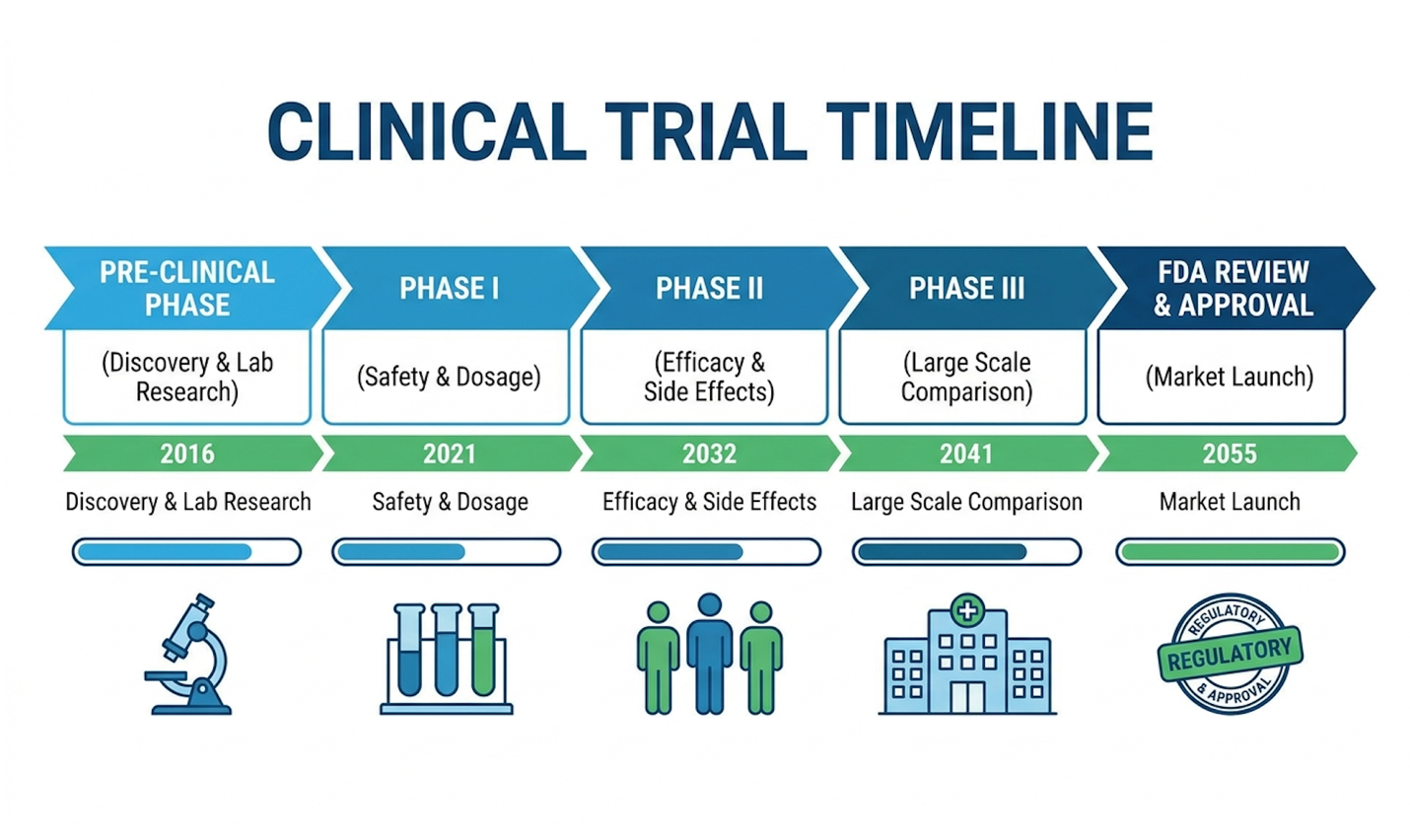
Current clinical data indicates that intravenous stem cell therapy is generally safe and well-tolerated for most COPD patients. When evaluating new investigational treatments, the FDA requires a rigid, phased approach. Phase I trials test one primary endpoint: does this treatment harm the patient? They involve tiny cohorts, usually fewer than 15 people, simply escalating the dose to see what the human body can tolerate. Phase II trials expand on this by looking at precise dosing protocols and preliminary efficacy in slightly larger patient cohorts (usually 30 to 80 people). For stem cell therapy COPD clinical trials, the safety data across both phases is remarkably strong.
Clinical consensus indicates that intravenous administration of MSCs is highly tolerated, even in frail patients with severe, late-stage disease. Intravenous infusion is the standard delivery method. The cells travel directly through the right side of the heart and into the pulmonary arteries, dispersing through the lung’s capillary bed. Because of their size, they get caught there. Initially, there was massive clinical fear that this could cause pulmonary embolisms or micro-thromboses in compromised patients.
However, major double-blind, placebo-controlled trials have consistently demonstrated that this fear is largely unfounded when using properly expanded MSCs. We don’t see widespread systemic toxicity. We don’t see tumor formation. Because MSCs lack significant immune markers, graft-versus-host disease (GVHD) a terrifying scenario where the infused cells recognize the patient’s body as foreign and attack it is virtually non-existent in these specific trials. Immediate physiological responses are generally mild. Some patients experience a transient, low-grade fever or mild fatigue within the first 24 hours, which is simply the immune system recognizing and processing the infused cells.
A randomized clinical trial evaluating FEV1 improvements published in the CHEST journal provides the benchmark data. A landmark randomized trial of 62 COPD patients concluded that while intravenous administration of MSCs was completely safe over a 2-year period, it did not produce statistically significant improvements in FEV1 or overall pulmonary function.
In this specific trial, patients were randomized to receive either four monthly intravenous infusions of 100 million cultured MSCs or a matching placebo. The researchers strictly monitored them for adverse events, exacerbation frequencies, and raw spirometry data. The results were clear: zero infusion-related fatalities, zero instances of ectopic tissue formation, but also zero miraculous recoveries in lung function.
A landmark randomized trial of 62 COPD patients found that while intravenous MSC administration was safe over two years, it did not produce statistically significant improvements in FEV1 or pulmonary function (CHEST, 2013).
This impeccable safety profile is exactly what unregulated commercial clinics use to market their services. They point to the CHEST study and say, “Look, the clinical trials show it is 100% safe!” And they are factually correct about the safety parameters. But they deliberately ignore the second half of that exact same study’s conclusion regarding the lack of objective structural efficacy.
While the safety profile clears a major regulatory hurdle and provides peace of mind, the primary concern for patients investing their hopes and finances remains whether the therapy actually improves objective lung capacity.
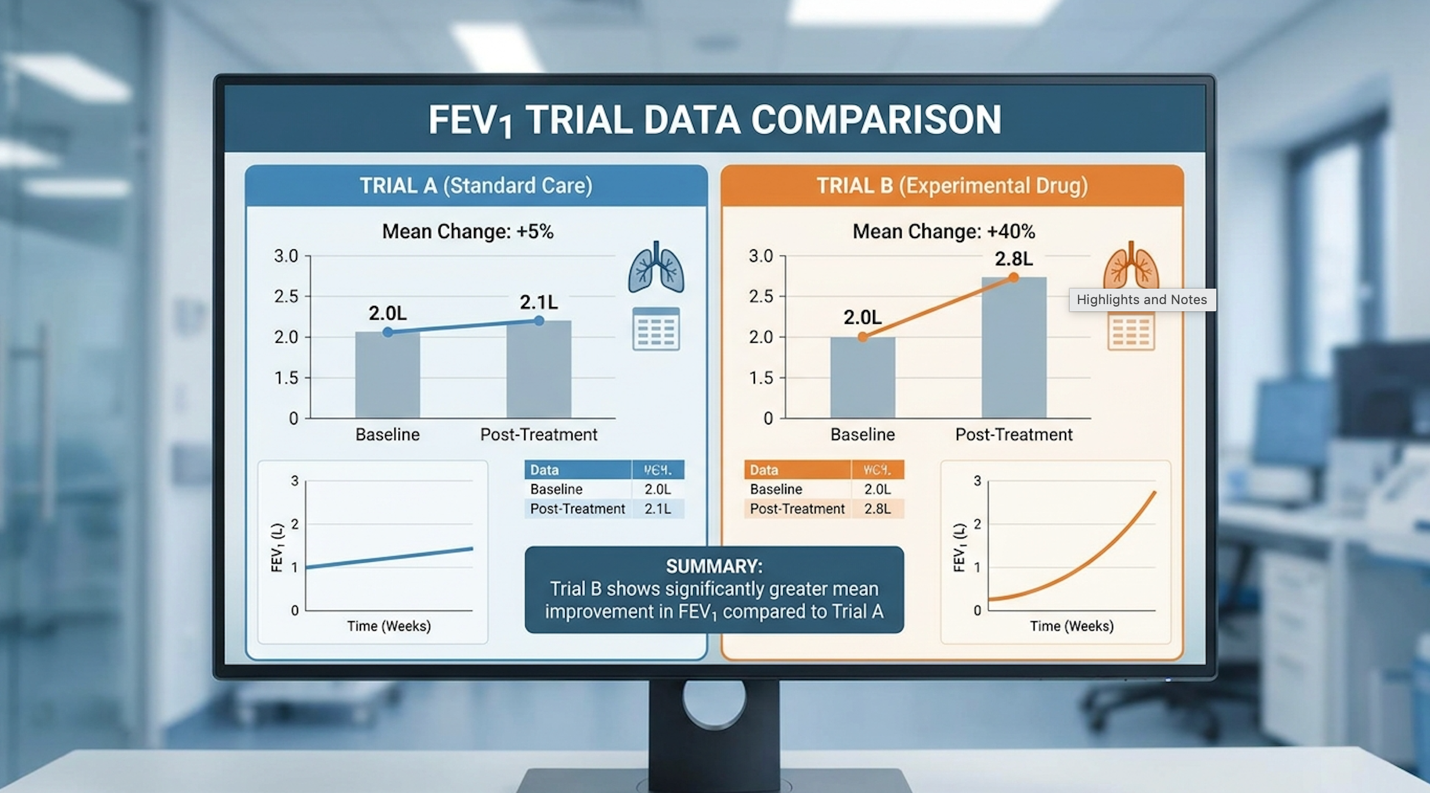
If you have navigated advanced COPD, you know what FEV1 is. Forced Expiratory Volume in one second (FEV1) is the absolute gold standard metric for assessing lung capacity. It measures exactly how much air you can forcefully exhale in a single second. Along with Forced Vital Capacity (FVC) and the DLCO (diffusion capacity of the lungs for carbon monoxide), these numbers dictate your disease staging, your oxygen requirements, and your overall prognosis.
DLCO is particularly crucial because it measures the exact ability of gas to transfer across the alveolar-capillary membrane. In emphysema, this membrane is physically obliterated. Lowering systemic inflammation does not magically reconstruct this membrane, which is exactly why DLCO metrics in clinical trials remain stubbornly flat even after MSC infusions. Any treatment claiming a high COPD stem cell success rate must demonstrate a massive, sustained increase in these objective FEV1 and DLCO metrics. So, what does the granular trial data actually show? It shows disease stabilization, at absolute best.
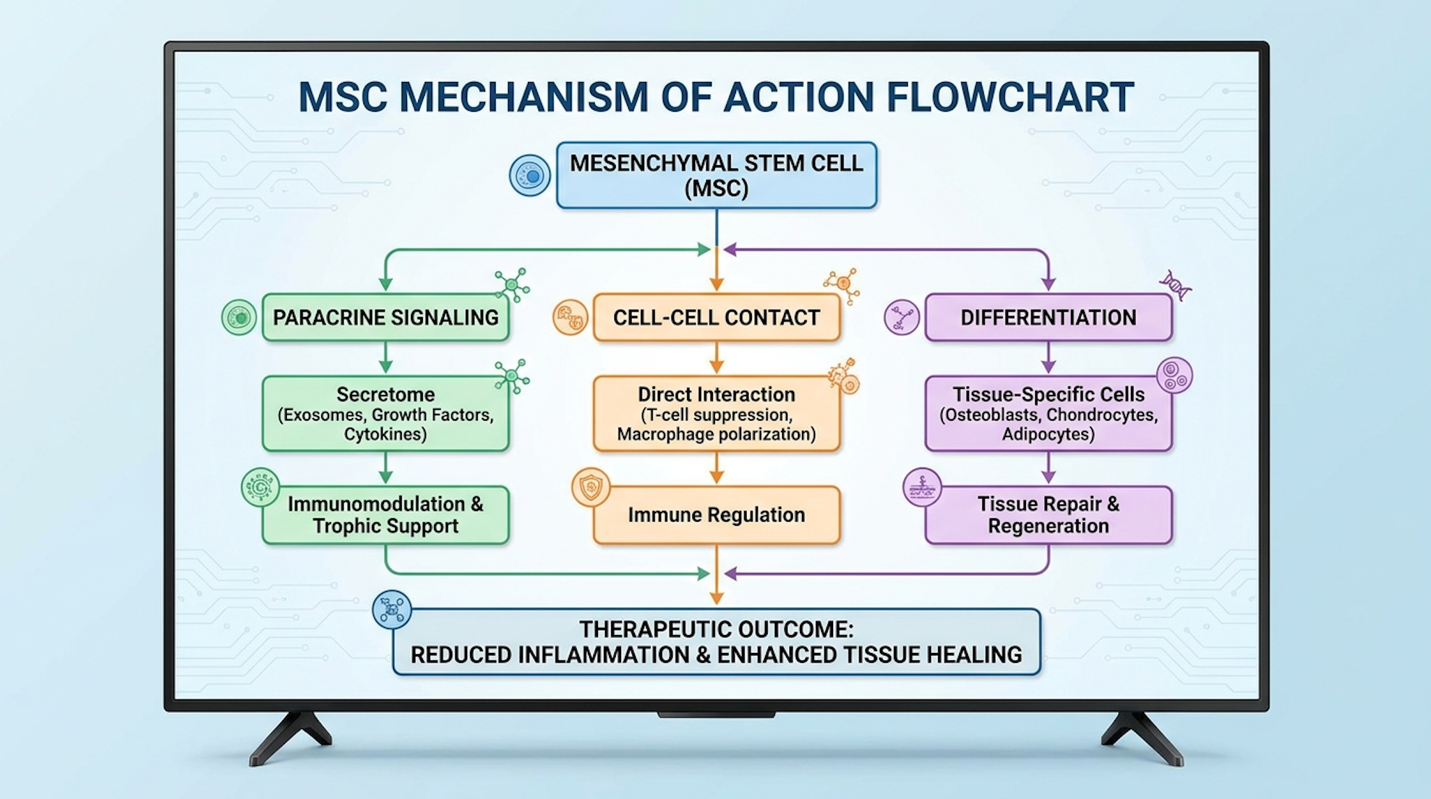
Figure 1: Long-term clinical trial data showing FEV1 trajectories in stem cell groups versus placebo.
In most randomized, double-blind trials, the patients receiving MSCs see their FEV1 decline plateau temporarily. Their lung deterioration slows down compared to the placebo control group. But they absolutely do not experience a 15% or 20% jump in lung capacity. A theoretical 10% FEV1 gain sounds life-changing to a patient struggling to walk up a flight of stairs. The statistical reality? Most trials show less than a 3% deviation from placebo groups over a 12-to-24 month follow-up period.
This is exactly where The Biological Feasibility Gap manifests in clinical reality. Clinical blood panels show that C-reactive protein (CRP) and other systemic inflammatory biomarkers drop significantly within weeks of an MSC infusion. The cells are demonstrably working on a chemical level. But because the destroyed lung architecture isn’t physically regenerating, the patient’s mechanical ability to push air out of their lungs (FEV1) barely budges. Emphysema fundamentally destroys the elastic recoil of the lungs. The lungs become loose and baggy, unable to snap back and force air out. Lowering inflammation does not restore that physical elasticity.
Forced Expiratory Volume (FEV1) represents the unyielding mechanical reality of chronic obstructive pulmonary disease. While laboratory tests confirm that stem cells reduce circulating inflammatory cytokines, the physical destruction of the lung’s elastic recoil prevents these microscopic chemical victories from translating into major FEV1 increases. Until cellular medicine can physically rebuild destroyed alveolar septa, FEV1 improvements will remain marginal, underscoring the absolute necessity of maintaining traditional bronchodilator therapies.
This brings us to a fascinating paradox in pulmonary medicine. If you read any online COPD stem cell therapy forum, you will see dozens of patients claiming the treatment gave them their life back. They report walking further, coughing significantly less, and having vastly improved daily energy levels.
First, we must acknowledge the profound impact of reducing systemic inflammation. COPD is not just a localized lung disease; it is a systemic condition that causes total-body inflammation. This chronic inflammatory state leads directly to skeletal muscle wasting, profound fatigue, and clinical depression. By cooling down the systemic inflammation acting essentially as a massive biological anti-inflammatory MSCs can genuinely improve a patient’s overall exercise tolerance. They simply feel better because their body is no longer fighting a five-alarm biological fire.
This is often measured using the 6-minute walk test and the St. George’s Respiratory Questionnaire (SGRQ). This standard clinical tool measures subjective well-being. In multiple trials, patients receiving MSCs showed noticeable short-term improvements in their SGRQ scores compared to baseline.
Second, we cannot discount the massive placebo effect inherent in highly invasive, incredibly expensive medical procedures. If you travel to a different state or country, spend $15,000 out of pocket, and receive intravenous infusions under the supervision of a physician in a white coat, your psychological expectation of healing is immense. In rigorous clinical trials, placebo groups receiving plain saline infusions frequently show notable subjective improvements in their SGRQ scores too, just from being actively monitored and cared for by a medical team.
Is stem cell therapy comparable to a lung transplant? Absolutely not. A transplant gives you physically new lungs with perfect elastic recoil. Stem cells merely modulate your existing immune system to stop further damage. No clinical evidence whatsoever supports the claim that MSC therapy can “reverse” or “cure” emphysematous tissue destruction.
American Thoracic Society guidelines on stem cell tourism are uncompromising on this point. The American Thoracic Society cautions against ‘stem cell tourism,’ noting that legitimate clinical trials rarely charge patients out-of-pocket, unlike unregulated clinics that demand thousands of dollars for unproven procedures.
It is a failure of medical ethics when clinics conflate temporary symptom relief with actual disease reversal. This stark contrast between promising laboratory science and cautious clinical reality fundamentally shapes how treatments are regulated, marketed, and priced.
The logistical reality of stem cell therapy for COPD involves high out-of-pocket costs and navigating complex regulatory environments. Because the FDA has not approved cellular therapies for pulmonary diseases, treatments are classified as investigational (FDA, 2019). Consequently, patients must distinguish between legitimate, rigorously monitored clinical trials and unregulated commercial wellness clinics.
The legal and regulatory landscape of cellular medicine is intentionally rigorous, designed specifically to protect desperate patients from biological fraud. The U.S. Food and Drug Administration (FDA) has approved stem cell treatments for exactly one specific category of disease: certain blood cancers and disorders, utilizing hematopoietic stem cells derived from umbilical cord blood. Everything else including every single protocol, clinic, or procedure for COPD, asthma, or pulmonary fibrosis is legally classified as an unapproved, investigational new drug.
Commercial clinics often exploit a highly technical regulatory gray area to stay open. The FDA divides human cell and tissue products into two main categories: Section 361 and Section 351.
Section 361 covers tissues that are “minimally manipulated” and intended strictly for “homologous use.” Homologous use means the tissue performs the exact same basic function in the recipient as it did in the donor (like a bone graft used to repair a bone). Clinics frequently claim their fat-derived stem cell spins fall under Section 361, allowing them to bypass the grueling, decade-long FDA drug approval process.
But the FDA has repeatedly and aggressively clarified that taking adipose (fat) cells, processing them in a desktop centrifuge, and shooting them into a patient’s veins to treat a respiratory lung disease is not homologous use. The FDA frequently issues “Untitled Letters” and “Warning Letters” to clinics illegally claiming Section 361 exemptions. Therefore, these are legally classified as unregulated, unapproved biological drugs (Section 351). If you are wondering where to get stem cell therapy for COPD safely, the answer is never a clinic exploiting this loophole.
To operate legally and ethically, a clinic must have an active Investigational New Drug (IND) application filed directly with the FDA, and the trial must be monitored by an independent Institutional Review Board (IRB).
FDA warnings on experimental stem cell therapies make the regulatory stance crystal clear. The FDA explicitly warns that most stem cell therapies for COPD are currently unapproved and experimental, emphasizing that patients should only undergo treatment within strictly regulated, FDA-reviewed clinical trials. Because stem cell therapy for COPD remains an investigational procedure lacking FDA approval, it is virtually never covered by standard health insurance, leaving patients with out-of-pocket costs ranging from $5,000 to over $15,000 per treatment (American Lung Association, 2022). Because these treatments strictly lack regulatory approval for respiratory conditions, the crushing financial burden shifts entirely to the patient.
Let’s talk about the hard numbers regarding COPD stem cell treatment cost. If you step outside of a university-backed clinical trial and walk into a commercial regenerative medicine clinic, you are going to write a massive check.
Current market data shows the average out-of-pocket cost ranges from $5,000 to well over $15,000 per infusion session in the United States. And here is the brutal truth that clinics often bury in the fine print: Medicare will not cover this. Medicaid will not cover this. Blue Cross, Aetna, and Cigna will not cover this. Because the FDA strictly categorizes it as an unapproved, experimental biological drug, insurance companies universally reject the billing codes. Over 99% of commercial stem cell claims are denied by major insurers so patients are forced to liquidate savings or take on high-interest debt to fund unproven treatments.
American Lung Association insights on insurance coverage are essential reading for anyone considering this path. The American Lung Association advises patients that because commercial stem cell treatments for lung regeneration lack FDA approval, they are almost never covered by insurance, leaving patients with massive out-of-pocket costs.
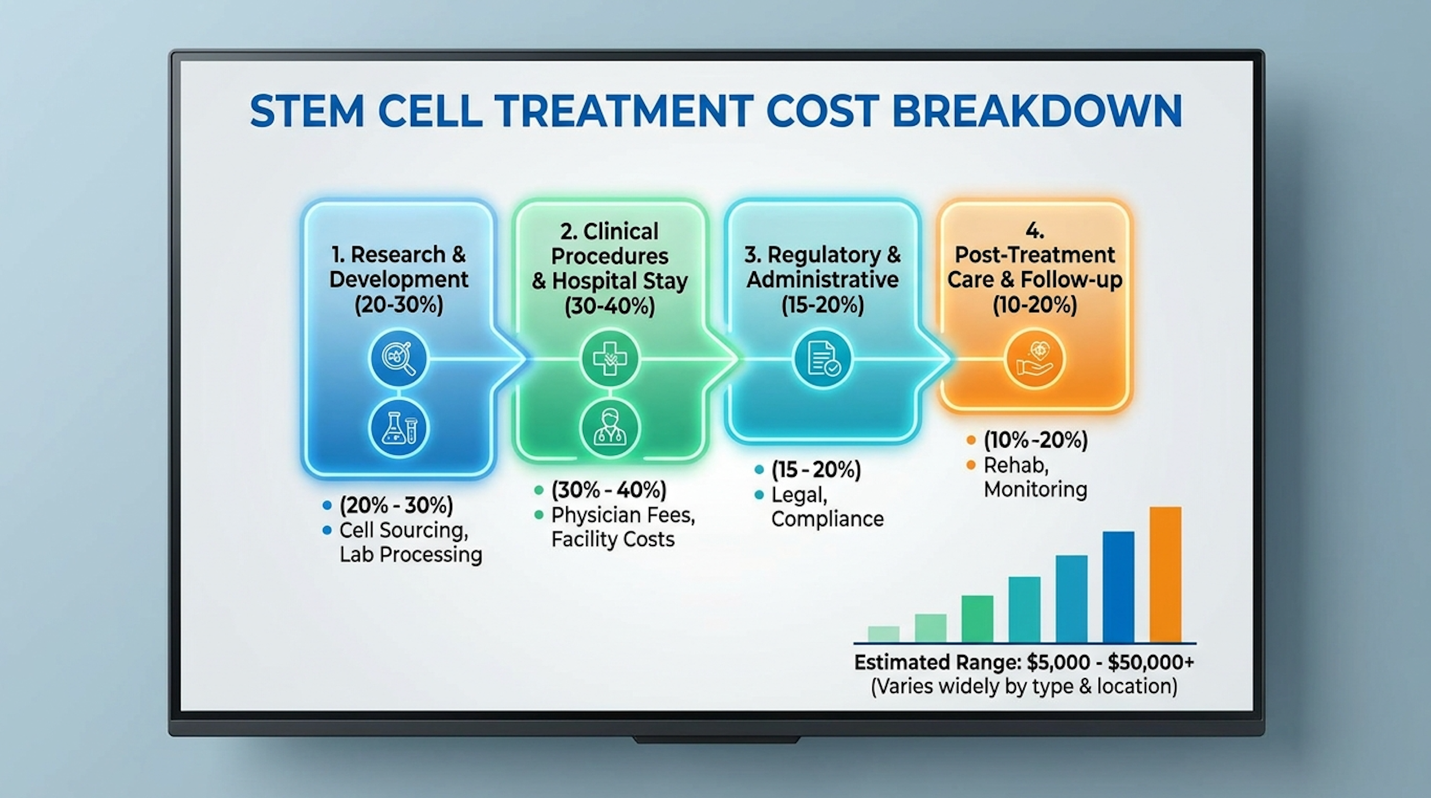
Worse, many unregulated clinics utilize predatory financial practices designed to trap desperate patients. They push “regenerative treatment packages” requiring three or four intravenous infusions over a 12-month period, inflating the total cost to $30,000 or more. Because patients cannot pay this upfront, the clinics partner with high-interest medical credit card companies (like CareCredit). They demand upfront financing approval before they will even review your spirometry results or CT scans, locking you into interest rates that can exceed 26% APR. You are paying exorbitant interest rates for a biological theory, not a guaranteed clinical outcome.
Avoiding predatory financial practices requires knowing exactly how to identify scientifically sound, highly regulated clinical opportunities.
If you are determined to pursue this therapy, you must become a ruthless evaluator of clinical integrity to avoid severe stem cell therapy COPD side effects. Legitimate research absolutely exists. Brilliant pulmonologists are running double-blind, placebo-controlled trials at major research universities right now to solve this exact problem.
But how do you tell the legitimate researchers apart from the strip-mall wellness clinics?
The absolute biggest hallmark of a legitimate clinical trial? They rarely charge the patient for the experimental product. National Institutes of Health (NIH) research grants and pharmaceutical funding pay for the science; you offer your body for data.
Use this 5-point checklist before letting anyone put an IV in your arm:
Understanding these red flags naturally leads to a broader assessment of clinical limitations, biological risks, and critical safety precautions.
We need to establish clear boundaries regarding when cellular therapy is dangerous. Clinical trials mitigate risk through intense patient screening. Commercial clinics often skip these steps, relying on a patient’s desperation to close the sale.
The most dangerous pitfall is accepting subjective patient testimonials as clinical proof. A video of a smiling patient saying they “breathe so much better” is marketing, not medicine. It ignores the massive placebo effect and offers zero objective spirometry data.
Another major risk? Assuming all “stem cells” are identical. Autologous adipose (fat) stem cells spun down in a desktop centrifuge at a chiropractor’s office are biologically vastly inferior to laboratory-expanded, meticulously characterized UC-MSCs used in proper research.
Finally, the most tragic pitfall is halting traditional medication. Patients frequently stop taking their long-acting muscarinic antagonists (LAMA) or inhaled corticosteroids in anticipation of a cellular cure. This causes immediate, severe exacerbations. Global Initiative for Chronic Obstructive Lung Disease standards strongly emphasize that discontinuing prescribed standard-of-care inhalers in favor of experimental treatments dramatically increases the risk of severe, life-threatening exacerbations. Stem cells are not a replacement for standard-of-care inhalers.
Avoid any clinic offering a 100% safety guarantee. In medicine, zero risk does not exist. Avoid clinics promising the absolute reversal of emphysema it is biologically impossible to regrow destroyed alveoli.
If a clinic treats multiple, completely unrelated conditions. Parkinson’s, erectile dysfunction, and COPD using the exact same intravenous protocol, walk away immediately. Legitimate regenerative medicine is highly specific. The dosage, cell delivery method, and pre-conditioning required for lung tissue are entirely different than what is needed for neurological repair. Panaceas do not exist in clinical reality.
Before you sign a consent form, before you hand over a credit card, you must have your complete medical records reviewed by an independent, board-certified pulmonologist who has zero financial ties to the stem cell clinic.
Bring them your high-resolution CT scans. Bring them your full pulmonary function test (PFT) printouts. Cellular therapy should never replace traditional pulmonary rehabilitation without expert oversight. As noted in American Lung Association guidelines on managing pulmonary disease, maintaining rigorous pulmonary rehabilitation under a board-certified specialist is a Class A medical recommendation that stem cell infusions cannot biologically replace. If a commercial clinic tells you that consulting your primary pulmonologist is “unnecessary” or that traditional doctors “just don’t understand the new science,” treat that as a massive red flag. Your lungs are too fragile to gamble on unregulated science.
Current clinical data indicates that intravenous stem cell therapy is generally safe and well-tolerated for most COPD patients. Early-phase trials utilizing mesenchymal stem cells report no severe systemic toxicity or tumor formation. While mild side effects like temporary low-grade fever may occur, major studies tracking patients over two years observed zero infusion-related fatalities. Long-term safety profiles regarding uncontrolled cell proliferation still require ongoing clinical monitoring.
The average cost for commercial COPD stem cell treatment ranges between $5,000 and $15,000 per infusion session in the United States. Because these cellular therapies lack FDA approval for pulmonary conditions, patients must pay these massive expenses entirely out-of-pocket. Legitimate clinical trials, conversely, typically provide the experimental therapy at no cost to enrolled participants.
Currently, there is no cure for COPD using stem cell therapy or any other existing medical intervention. Stem cells operate by modulating inflammation and potentially slowing disease progression, not by regenerating destroyed alveoli. While animal models have shown theoretical tissue repair, human trials have failed to replicate large-scale lung tissue regeneration. Patients often experience subjective improvements in breathing ease, but structural emphysematous damage remains permanent. Cellular therapy focuses strictly on disease management and inflammation reduction rather than reversal.
Recent clinical trials conclude that stem cell therapy for COPD demonstrates biological safety but lacks definitive proof of efficacy. Phase II trials show that while inflammatory biomarkers like C-reactive protein decrease, primary lung function metrics like FEV1 rarely show statistically significant improvement. Researchers note that administering cells intravenously successfully reduces systemic inflammation without triggering massive immune rejection. However, the exact cellular dosing and long-term pulmonary benefits remain under intense clinical investigation.
Pulmonologists consider stem cell therapy a highly promising avenue for future COPD management, though it is not yet a standard treatment. Advancements in isolating and delivering specific mesenchymal stem cell exosomes may soon bypass the complications of whole-cell infusions entirely. The next five years of research aim to close the gap between laboratory immunomodulation and verifiable lung function improvements. Until Phase III trials yield definitive protocols, traditional therapies remain the cornerstone of care. Patients should track clinicaltrials.gov for emerging legitimate studies.
For patients managing severe respiratory decline, stem cell therapy for COPD offers a biologically plausible method to reduce airway inflammation, though randomized trials show less than a 5% deviation in long-term FEV1 improvement compared to placebos (CHEST, 2013). The safety profiles of Mesenchymal Stem Cells are highly encouraging, but the clinical reality remains tethered strictly to disease stabilization rather than miraculous structural lung regeneration.
Understanding The Biological Feasibility Gap is essential before spending thousands of dollars out of pocket. Just because UC-MSCs successfully reprogram macrophages and reduce chemical inflammation in laboratory settings does not mean they will regrow the physical alveolar walls destroyed by decades of emphysema. Evaluating this gap protects you from predatory commercial clinics selling false hope and ensures your medical decisions are anchored in verifiable science.
Check ClinicalTrials.gov today to find FDA-monitored Phase III trials actively recruiting in your area, and schedule a consultation with your board-certified pulmonologist to discuss your eligibility.