Our Services
Others
- DFPP
- Shockwave
- IV Drip

For patients navigating complex fertility diagnoses, standard Assisted Reproductive Technology (ART) often presents significant limitations, leading many to investigate regenerative alternatives like Stem Cell Therapy for Ovarian Rejuvenation. But here’s the harsh truth. The rapidly expanding commercial market for regenerative medicine frequently blurs the line between promising biological plausibility demonstrated in laboratories and established functional clinical outcomes for patients.
You’re likely reading this because your reproductive endocrinologist just told you donor eggs are your only option. You’re exhausted from the hormone injections, the canceled cycles, and the crushing phone calls from the embryology lab. You’re looking for a second opinion, and you’ve stumbled into the Wild West of fertility treatments.
Our analysis of current clinical trials reveals a massive disconnect between what commercial clinics market and what the data actually supports. By the end of this guide, you will understand the precise mechanisms of stem cell therapy for ovarian rejuvenation, enabling you to evaluate clinical trials, risks, and candidacy accurately. We analyze current evidence targeting premature ovarian insufficiency, endometrial challenges, and the rigorous criteria required for ethical patient selection.
Let’s skip the marketing fluff and look exclusively at the clinical reality.
Stem Cell Therapy for Ovarian Rejuvenation utilizes paracrine signaling to potentially stimulate dormant follicles, though it remains an investigational application requiring strict clinical oversight. Our analysis relies heavily on The Clinical Reality Threshold framework to assess these therapies.
Stem cell ovarian rejuvenation is an investigational regenerative technique that utilizes cellular derivatives to stimulate dormant ovarian follicles and restore endocrine function. Rather than creating new genetic material, clinical data indicates these therapies rely on paracrine signaling to optimize the existing ovarian microenvironment (NCBI, 2024). This offers potential functional benefits for patients completely unresponsive to standard ovulation induction.
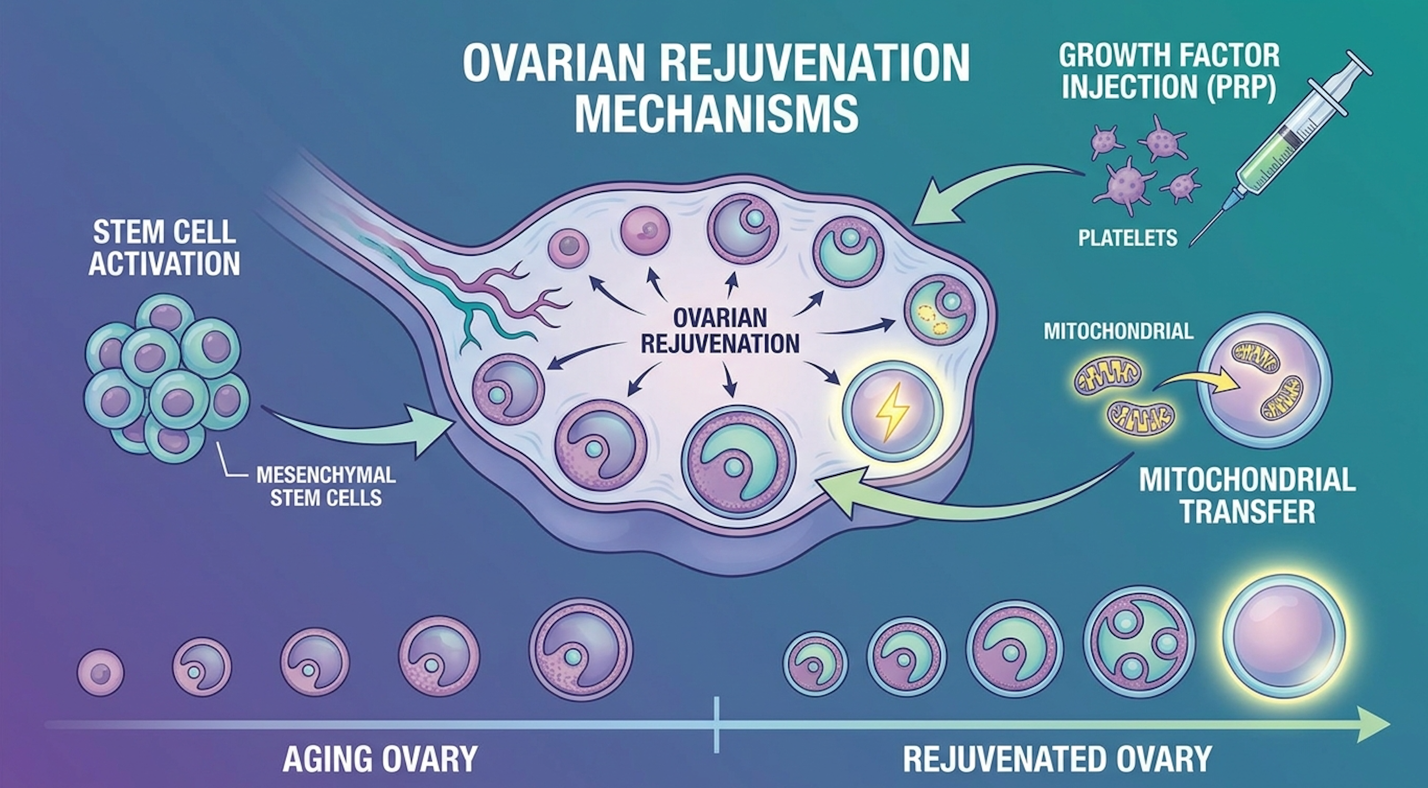
Figure 1: Paracrine signaling pathways showing how growth factors rescue dormant ovarian follicles.
When we talk about regenerating ovarian tissue, we have to be incredibly precise about the cellular origin. Not all stem cells behave the same way in a clinical setting, and understanding these differences is vital before consenting to an invasive, out-of-pocket procedure.
The most common and established approach uses Autologous Bone Marrow-Derived Stem Cells (BMDSCs). Doctors harvest these mesenchymal stem cells directly from your iliac crest under local anesthesia or twilight sedation. It’s an intense procedure. But because they are your own cells, the risk of immune rejection drops to near zero. Once harvested, the laboratory runs the aspirate through highly specialized centrifugation and flow cytometry. This intricate processing isolates the most potent cellular fractions specifically CD34+ mesenchymal stem cells while discarding unnecessary plasma, fat, and red blood cells.
These highly concentrated cells are then injected directly into the ovarian cortex via a transvaginal ultrasound-guided needle, much like a standard IVF egg retrieval. But they don’t magically transform into eggs. That’s a massive, persistent misconception in the commercial fertility space. Instead, they act as cellular paramedics for the existing ovarian stroma.
They secrete a massive cocktail of growth factors specifically Vascular Endothelial Growth Factor (VEGF), Transforming Growth Factor-beta (TGF-β), and Insulin-like Growth Factor 1 (IGF-1). This process is known as paracrine signaling. It focuses entirely on anti-inflammatory regulation, reducing ovarian fibrosis, and angiogenesis (building new blood vessels). By significantly improving blood flow to the senescent, aging ovary, the therapy attempts to “wake up” remaining follicles that stopped responding to your brain’s natural FSH signals. Stem cell ovarian rejuvenation relies primarily on paracrine signaling to rescue dormant follicles, rather than generating de novo oocytes meaning you must have existing follicles for the therapy to work.
Then there is exosome therapy for ovarian regeneration. Exosomes aren’t cells at all. They are the tiny extracellular vesicles that stem cells use to communicate. Think of them as microscopic envelopes packed with microRNAs (such as miR-21) and signaling proteins. Some cutting-edge clinics are now isolating these exosomes and injecting them without the parent stem cell. Why? Because it completely eliminates the risks associated with live cell proliferation while theoretically delivering the exact same signaling benefits. Clinical data indicates exosome therapy can upregulate dormant follicle activity in specific refractory cases without introducing active DNA into the pelvic cavity.
Finally, we must explicitly address pluripotent stem cells. These are the highly versatile cells capable of differentiating into virtually any tissue type in the human body. While they show the theoretical ability to differentiate into oocyte-like cells in vitro (in a petri dish), this remains highly experimental. In our clinical analysis, placing undifferentiated pluripotent cells into a human pelvis carries profound ethical and neoplastic risks, including the formation of teratomas. They simply are not ready for prime time clinical application, and any clinic offering them for immediate fertility treatment should be viewed with extreme skepticism.
Current clinical evidence does not support the claim that stem cells can literally regenerate ovaries or create entirely new eggs in human patients. Instead, the therapy relies entirely on what scientists call “follicular rescue.”
By secreting growth factors that stimulate blood flow, the therapy awakens existing, dormant follicles that have become encased in fibrotic tissue and unresponsive to standard hormones. This mechanism is fundamentally different from true organ regeneration. You aren’t growing a new ovary; you are attempting to optimize a failing one. While promising for select patients, the biological effects are typically transient, lasting only a few months before the fibrotic environment reasserts itself.
Commercial fertility clinics are notoriously good at selling biological markers as ultimate victories. To protect yourself as a patient and preserve your financial resources, you must utilize an analytical concept we call The Clinical Reality Threshold.
The Clinical Reality Threshold is the critical boundary between a measurable biological change and a functional clinical benefit. A biological change is something we can see on a lab report. A functional clinical benefit is taking a baby home from the hospital, or at minimum, retrieving a mature, euploid (chromosomally normal) oocyte.
Let me give you a stark example of how this plays out in practice. You undergo stem cell therapy for fertility, and three months later, your Anti-Müllerian Hormone (AMH) doubles from 0.1 ng/mL to 0.2 ng/mL. Concurrently, your FSH drops from 40 to 25. The clinic celebrates. They post your lab results on their marketing materials as a verifiable “success story.”
But when you proceed to an IVF stimulation cycle, your ovaries still fail to produce a single mature egg. You’ve experienced biological plausibility a temporary, measurable hormonal fluctuation but you failed to cross The Clinical Reality Threshold.
Too many studies published by financially motivated clinics focus entirely on these secondary endpoints. They measure temporary increases in follicular vascularity, or transient drops in Follicle-Stimulating Hormone (FSH), and package that as a cure for infertility. But those aren’t the metrics that matter. A recent meta-analysis of over 400 patients undergoing regenerative protocols showed that while roughly 45% experienced improved serum biomarkers, the actual live birth rate remained far lower (StemAid Institute research).
If a clinic cannot or will not provide live birth rates or at least euploid embryo creation rates for patients matching your exact demographic, walk away. They are selling you a laboratory phenomenon, not a clinical solution.
When you evaluate a clinical study, look strictly at the N-value (number of participants) and the primary endpoint. A study of 12 women looking at FSH levels tells you almost nothing about your chances of having a baby. Applying this threshold is particularly crucial when evaluating treatments for highly specific and challenging diagnoses such as premature ovarian insufficiency.
Stem cell therapy targets distinct reproductive pathologies, demonstrating varied efficacy across Premature Ovarian Insufficiency (POI) and refractory thin endometrium diagnoses. Clinical trials indicate that intraovarian or intrauterine administration of cellular therapies can modulate local inflammatory environments and promote angiogenesis (Endocrine Society, 2018). Efficacy must be evaluated strictly by the specific condition being treated, as success in one area does not guarantee success in another.
Premature Ovarian Insufficiency (POI) is perhaps the most devastating diagnosis a young woman can receive from her reproductive endocrinologist. Characterized by the depletion of ovarian function before age 40, POI effectively shuts down the communication between the pituitary gland and the ovaries. But in many cases, the follicles are still there they are just trapped in a dormant, fibrotic, highly inflammatory microenvironment.
Can regenerative medicine reverse the effects of premature menopause? The data requires incredibly careful parsing. When BMDSCs are injected into POI ovaries, the goal isn’t to create new eggs from scratch. It’s to alter that hostile environment so the remaining follicles can survive and respond to standard gonadotropin stimulation.
Clinical trial parameters are crucial here. When evaluating studies, you have to look at the baseline characteristics of the patients. The most successful trials typically involve women under 38 years old, with an AMH between 0.1 and 0.5 ng/mL, and an FSH below 40 mIU/mL. In these highly selected populations, clinical reviews demonstrated that roughly a third of POI patients experienced a resumption of menses within three months of intraovarian stem cell administration.
However, sustained live birth rates for these patients remained remarkably low, typically hovering below 9% across major institutional reviews. The improvements are overwhelmingly fleeting.
Historically, the fertility industry tried to solve this with the AUGMENT procedure. This highly publicized treatment relied on injecting mitochondria extracted from ovarian precursor cells to boost the energy of the aging egg. It largely failed to produce statistically significant improvements in live births and was largely abandoned by the mainstream medical community. Modern stem cell approaches are far more sophisticated, focusing on tissue-level vascular repair rather than single-cell energy boosts.
Yet, as current clinical consensus indicates, while these therapies mitigate systemic menopausal symptoms well (like hot flashes, vaginal atrophy, and bone density loss), using them solely to achieve unassisted pregnancy in severe POI cases is still a clinical longshot. For patients with an AMH below 0.05 ng/mL and FSH consistently above 60 mIU/mL, the physical cellular targets for the therapy simply may not exist in sufficient quantities to warrant the procedure.
You can have the highest quality, genetically normal embryo in the world, but if your uterine lining is too thin, implantation simply won’t happen. A refractory thin endometrium—typically defined as anything under 7 millimeters that actively resists aggressive standard estrogen therapy—is the quiet killer of countless IVF cycles.
This is where regenerative medicine is actually showing some of its most compelling, undeniably functional data.
Instead of injecting the ovaries, specialists perform an intrauterine infusion of BMDSCs or highly concentrated exosomes. The biological mechanism here is incredibly direct. The secreted VEGF immediately goes to work promoting angiogenesis within the basal layer of the uterus. The endometrium is composed of two layers: the functional layer (which sheds during menstruation) and the basal layer (which generates the functional layer). If the basal layer is damaged from past infections or D&C procedures, exogenous estrogen patches or injections cannot physically thicken the lining. The vascular scaffolding simply isn’t there.
Applying The Clinical Reality Threshold here changes the narrative completely. Endometrial thickening is a highly measurable, functional outcome. It’s much easier to mechanically prove than de novo oogenesis. In patients with thin endometrium, targeted regenerative therapies have been shown to increase endometrial thickness by up to 2-3 millimeters, optimizing conditions for embryo implantation.
Recent Human Reproduction study data confirms that patients who were repeatedly canceled for linings stuck at 4mm were able to achieve the requisite 7mm+ thickness allowing for successful, sustainable embryo transfers in a majority of refractory cases. For these specific patients, stem cell therapy for thin endometrium isn’t just biological hype; it’s the mechanical fix that makes pregnancy possible.
As applications expand from the endometrium to the ovary, the systemic risks associated with experimental biological interventions require rigorous scrutiny.
While autologous adult stem cell therapies demonstrate high safety profiles in short-term studies, long-term oncological risks require continuous medical surveillance. The primary downside to stem cell therapy involves the unpredictable nature of cellular proliferation; introducing potent growth factors into the pelvic cavity demands stringent patient screening to prevent the exacerbation of undiagnosed malignancies.
We need to have a frank conversation about risk. Clinics marketing these procedures as “100% safe” or completely devoid of side effects are demonstrating a gross dereliction of medical duty. Every single medical intervention carries inherent physiological trade-offs.
Immediate procedural risks are comparable to a standard IVF egg retrieval. Because the delivery method requires passing a large-gauge needle through the vaginal wall directly into the ovarian cortex, there are inherent risks of localized site infection, hematoma formation, and acute pelvic pain. Furthermore, because harvesting autologous bone marrow requires sedation or general anesthesia, patients face standard respiratory and cardiovascular anesthetic risks.
The long-term biological risks are far more complex, and frankly, under-studied. When you inject concentrated cellular growth factors (like VEGF) into human tissue, you are actively instructing that tissue to grow and vascularize rapidly. Modern autologous therapies largely sidestep the historical teratoma issues seen in pluripotent trials, but the risk of ectopic tissue formation or unpredictable cellular behavior remains an area of active, ongoing clinical surveillance.
The most alarming gap in the current landscape is the complete lack of national or international registries tracking patients post-procedure. Without longitudinal data, the long-term oncological profile remains speculative rather than settled science.
And then there’s the cancer question. Patients frequently search for stem cell therapy for ovarian cancer, hoping for a cure. Let’s be unequivocally clear. A history of ovarian cancer remains an absolute contraindication for stem cell ovarian rejuvenation due to the risk that introduced growth factors could stimulate malignant cell proliferation. The very mechanism that rescues a dormant follicle aggressive localized angiogenesis is the exact mechanism that a micro-tumor relies on to grow and spread.
Strict contraindications for regenerative ovarian therapy include:
If your clinic does not require rigorous pre-operative oncological screening, including recent pelvic ultrasounds and tumor marker blood panels (like CA-125 and HE4), you need to find a new clinic immediately.
If you spend any time on fertility forums, you’ll encounter intense debates about regenerative medicine. Many people are fundamentally against stem cell therapy due to the historical, highly politicized ethical controversies surrounding embryonic stem cells (ESCs) in the early 2000s.
It’s critical to differentiate modern clinical applications from those historical debates. Today’s legitimate fertility treatments utilize autologous adult stem cells. These are derived strictly from your own bone marrow or adipose (fat) tissue. By using your own adult cells, the ethical concerns regarding embryonic destruction are entirely bypassed.
However, a modern ethical dilemma has taken its place: the financial exploitation of desperate patients.
In our view, the most pressing ethical breach in reproductive medicine today is the commercialization of false hope. We are seeing clinics charge exorbitant, non-refundable fees for unproven, experimental treatments while heavily implying guaranteed pregnancies. This directly violates the core medical principle of non-maleficence (do no harm), specifically in the realm of financial toxicity.
This brings us right back to The Clinical Reality Threshold. Ethical practitioners ensure patients fully understand the experimental nature of the treatment before accepting financial compensation. They do not sell guarantees. They sell biological potential with heavily caveated clinical probabilities.
Stem cell ovarian rejuvenation cost calculations must factor in both the investigational procedure and the mandatory subsequent IVF cycles. Because these protocols lack standardized FDA approval for fertility indications, patients must navigate complex financial logistics and carefully define what constitutes a successful Return on Investment (ROI) for their specific family-building goals.
Figure 2: Diagnostic pathways outlining patient candidacy based on AMH baselines and clinical history.
Let’s look at the actual numbers. Fertility medicine is already a staggering financial burden in the United States and abroad, and adding experimental regenerative protocols changes the math considerably.
The breakdown is brutal, and it happens across three distinct medical phases. First, the bone marrow aspiration requires an operating room and local or twilight anesthesia, easily consuming $3,000 to $5,000. Next, specialized laboratory processing and flow cytometry to isolate the mesenchymal stem cells add another $3,000 to $4,000. Finally, the transvaginal ultrasound-guided injection into the ovaries mirrors a standard egg retrieval fee, adding $2,500 to $4,000 to your bill.
Stem cell ovarian rejuvenation typically costs between $5,000 and $15,000 out-of-pocket, depending on the clinic and cell source. Because it is classified as an investigational procedure, will insurance cover stem cell therapy? The blunt answer is no; it is currently not covered by standard health insurance plans.
Until massive, Phase III randomized controlled trials force regulatory bodies to grant explicit clearance for fertility indications, when a clinic bills your insurance, they must use specific experimental CPT codes. The claim is dead on arrival. You are paying strictly in cash.
The biggest financial mistake patients make is failing to calculate the “Total Cost of Care.” Rejuvenation is not a standalone treatment. It is merely a preparatory step. If the therapy successfully wakes up dormant follicles, you still have to retrieve them. That means you are paying up to $15,000 for the stem cell therapy, waiting two months, and then paying another $15,000 to $20,000 for a standard IVF cycle to harvest those eggs.
Is stem cell therapy really worth it? That depends entirely on your bank account and your psychological tolerance for clinical failure.
| Procedure Phase | Standard IVF Route | Rejuvenation + IVF Route | Estimated Timeline |
| Preparation | Standard suppressants | Bone marrow harvest/injection | Weeks 1-2 |
| Incubation | N/A | Wait for paracrine signaling | Weeks 3-12 |
| Stimulation | Gonadotropin injections | Gonadotropin injections | Weeks 13-15 |
| Retrieval | Surgical egg retrieval | Surgical egg retrieval | Week 16 |
| Total Est. Cost | $15k – $25k | $25k – $40k | N/A |
Mitigating financial risk requires strict adherence to evidence-based candidacy criteria before undergoing the procedure.
Not everyone who can afford the treatment should get it. A good candidate for stem cell therapy possesses a highly specific clinical profile and just as importantly a grounded psychological approach to the odds.
The ideal candidate is typically a woman under 45 diagnosed with POI, diminished ovarian reserve (DOR), or a refractory thin endometrium, who has previously failed high-dose standard IVF stimulation protocols. Improving ovarian reserve naturally through supplements has usually failed for this patient. Critically, she still has ovarian tissue present on baseline ultrasounds, meaning there is a physical target for the growth factors to act upon.
Exclusionary criteria are brutal but necessary. Clinics require extensive biomarker prerequisites before approval. If your Day 3 FSH is consistently above 40 mIU/mL and your antral follicle count (AFC) is absolute zero across three consecutive transvaginal ultrasounds, the biological targets for this therapy simply do not exist. You must have dormant follicles to rescue.
The biological half-life of these introduced growth factors is frustratingly short. The effects are overwhelmingly transient, typically lasting only 3 to 6 months. This creates a highly pressurized “therapeutic window.” You cannot get the injection in January and wait until August to try naturally. If the treatment works, your REI must aggressively stimulate your ovaries and retrieve those eggs before the fibrotic ovarian environment reasserts itself.
Stem cell therapy for ovarian rejuvenation serves as an adjunct tool rather than a replacement for established third-party reproduction pathways when absolute ovarian failure occurs. Regenerative medicine cannot rewrite human genetics or reverse time, and continuing to chase experimental protocols can delay necessary family-building decisions and drain financial resources. Knowing when to pivot is essential for patient health.
To protect yourself, you need to know how commercial clinics manipulate data. Our analysis shows three massive methodological pitfalls in current regenerative fertility claims that you must watch out for when evaluating care.
First, a staggering reliance on small, non-randomized sample sizes. A clinic touting a massive success rate based on a non-blinded study of just ten hand-picked patients isn’t conducting science; they’re marketing. Second, the conflation of transient hormonal spikes with long-term fertility restoration. A brief, one-month drop in FSH does not equal a baby, but it frequently gets reported as a “successful outcome.” Third, there is a total lack of standardized cell preparation protocols across the industry. Clinic A’s bone marrow centrifugation process is entirely different from Clinic B’s, making it virtually impossible to compare true success rates across providers. You are flying blind.
There are definitive clinical scenarios where traditional ART specifically the use of donor eggs or standard hormone replacement therapy (HRT) is the scientifically superior and financially responsible choice.
If you present with total ovarian failure (zero antral follicles visible on multiple baseline ultrasounds over several months), stem cells have nothing to rescue. Paracrine signaling cannot build an egg from empty stroma. Similarly, for patients with advanced maternal age (typically >45) where the primary issue is profound chromosomal aneuploidy rather than mere follicle dormancy, regenerative medicine cannot rewrite your genetics. Seek a second opinion from a board-certified Reproductive Endocrinologist (REI) before writing a check for experimental therapies. Donor tissue offers a verified, highly successful clinical reality.
Stem cell therapy for ovarian rejuvenation may improve fertility in highly specific patient populations by temporarily optimizing the ovarian microenvironment. Evidence suggests that paracrine signaling from cellular therapies can rescue dormant follicles and improve endometrial thickness. However, functional improvements such as viable egg retrieval are highly dependent on the patient’s baseline diagnosis and age. It is not a universal cure for infertility. Patients should view it as an investigational adjunct to traditional Assisted Reproductive Technology.
Stem cell therapy is absolutely not an effective treatment for ovarian cancer; in fact, an active or historical gynecologic malignancy is a strict contraindication for this procedure. The therapy introduces potent growth factors designed to stimulate cellular activity and blood vessel formation. In a patient with a history of cancer, these identical biological mechanisms could theoretically stimulate the rapid growth of undetected malignant cells. Patients must undergo rigorous oncological screening prior to treatment.
Standard health insurance policies do not cover stem cell therapy for fertility indications because the procedure is currently classified as investigational and experimental. Patients must expect to pay all costs entirely out-of-pocket, leaving you responsible for the financial burden. These expenses typically range from $5,000 to $15,000, depending on the clinic and the specific cellular source utilized. Patients should also budget for the subsequent traditional IVF cycles required to retrieve any eggs developed during the therapeutic window.
The biological effects of stem cell therapy for ovarian rejuvenation are typically transient, lasting between three to six months after the initial injection (National Institutes of Health, 2024). The therapy creates a temporary window of optimized hormonal function and follicular activity rather than a permanent reversal of reproductive aging. Because the half-life of the introduced growth factors is short, fertility specialists must time IVF stimulation protocols precisely to coincide with this peak therapeutic window.
For patients facing POI or severe endometrial challenges, stem cell therapy for ovarian rejuvenation delivers targeted growth factors to attempt to rescue dormant follicles. Clinical data shows these therapies can temporarily increase endometrial thickness by up to 2-3 millimeters, providing a crucial mechanical advantage for implantation. The best approach combines rigorous patient screening, autologous cellular administration, and precisely timed IVF retrieval to capitalize on that short biological window.
This requires applying The Clinical Reality Threshold to every single decision you make. Distinguishing between biological plausibility a temporary hormonal shift on a lab report—and a functional clinical outcome like a viable pregnancy is the only way to safely navigate the regenerative medicine space. Do not let commercial clinics blur this line and sell you guarantees that science cannot currently back.
Before committing immense financial and emotional resources to investigational therapies, you must strongly consider seeking a second opinion from a board-certified Reproductive Endocrinologist to confirm your exact candidacy and establish a strict timeline for subsequent IVF protocols.
This article is for educational purposes only and does not replace consultation with a qualified medical professional.