Our Services
Others
- DFPP
- Shockwave
- IV Drip

We’ve spent decades treating the symptoms of biological decay rather than the root cause. When assessing umbilical cord stem cell therapy for skin, you must immediately discard the idea of cosmetic “plumping.” This isn’t about filling a wrinkle with synthetic hyaluronic acid. It’s about fundamentally altering how your cells behave.
To understand this, we use The Tissue Rejuvenation Hierarchy. Level one is Topical the serums and creams that temporarily hydrate the epidermis. Level two is Structural the lasers and fillers that force a temporary trauma-healing response or physically occupy space. Level three is Cellular. This is where umbilical cord mesenchymal stromal cells (UC-MSCs) operate.
Patients are understandably exhausted by the unregulated clinical market. You’re bombarded with cosmetic marketing, shady stem cell tourism, and a frustrating lack of standardized evidence. And frankly, a lot of the celebrity-endorsed treatments are scientifically flimsy.
By the end of this guide, you will understand the precise cellular mechanisms of UC-MSC therapy so you can make evidence-informed decisions regarding your own skin repair. We’ll strip away the marketing hype. We are going to look strictly at paracrine signaling, epigenetic
Umbilical cord stem cell therapy for skin operates at the cellular level within the Tissue Rejuvenation Hierarchy, utilizing UC-MSCs to secrete bioactive molecules that repair deep structural damage.
UC-MSC stem cell therapy operates at the apex of the Tissue Rejuvenation Hierarchy by driving a regenerative skin reset at the cellular level. Unlike structural fillers, umbilical cord mesenchymal stromal cells rely on paracrine signaling to secrete bioactive molecules that orchestrate deep tissue repair. UC-MSCs secrete epidermal, vascular, and basic fibroblast growth factors to stimulate quiescent dermal fibroblasts and synthesize new extracellular matrix proteins according to clinical studies indexed by the National Institutes of Health. This process fundamentally alters the biological deterioration timeline.
When patients ask if stem cells are genuinely good for skin, they are usually trying to separate clinical efficacy from cosmetic marketing. The short answer is yes, but it depends entirely on the cell type and delivery method. For skin suffering from severe photoaging or structural collapse, UC-MSCs are exceptionally beneficial because they address the root cause of tissue degradation. They don’t just sit on the surface; they penetrate the dermal layers to reboot sluggish cellular
You can’t grasp regenerative medicine until you understand the cells doing the heavy lifting. Umbilical cord mesenchymal stromal cells (UC-MSCs) are derived from Wharton’s Jelly, the gelatinous connective tissue embedded within the umbilical cord. These are essentially “day zero” cells. They haven’t been subjected to decades of UV radiation, environmental toxins, oxidative stress, or biological aging.
For years, the industry relied entirely on autologous fat-derived stem cells. Doctors would extract your own fat via liposuction, isolate the cells, and inject them back into your face. But there’s a fatal flaw in that logic. Your cells age exactly when you age. An older patient’s fat-derived cells possess shortened telomeres, accumulated DNA damage, and a highly sluggish metabolic profile.
UC-MSCs bypass this biological bottleneck entirely. Furthermore, they possess a highly unique immunological profile. They express remarkably low levels of major histocompatibility complex (MHC) class I and entirely lack MHC class II surface markers. What does that mean for you? It means they are immune-privileged. They rarely trigger adverse host immune reactions or rejection, a finding consistently supported by expansive PubMed literature. Contrast this sophisticated cellular intervention with harsh chemical peels, which merely strip away the top layer of tissue via controlled acid burns to mask deterioration without ever actually reversing cellular senescence.
| 📌 If you’re interested in why umbilical cord cells are often preferred over bone marrow or fat-derived cells, we have an interesting article that discusses why UC-MSCs are superior to other stem cell sources, which you can read via the internal link. |
The absolute biggest misconception in stem cell rejuvenation therapy is how the cells actually function once they are injected. People naturally assume the stem cells physically turn into new skin cells. They don’t. At least, differentiation isn’t their primary clinical mechanism. Their real regenerative power lies almost exclusively in paracrine signaling.
Think of UC-MSCs as molecular site managers entering a disaster zone. Once introduced into damaged, aging tissue, they don’t immediately build new structures themselves. Instead, they rapidly release “secretomes” a highly complex, microscopic soup of extracellular vesicles, exosomes, and vital bioactive molecules.
This localized secretome payload contains high concentrations of vascular endothelial growth factor (VEGF), hepatocyte growth factor (HGF), and basic fibroblast growth factor (bFGF). These specific molecules physically dock onto the receptors of your existing, sluggish skin cells and forcefully command them to wake up. They instruct your dormant dermal fibroblasts to immediately start multiplying and producing fresh structural proteins. It’s a localized biological override that forces your native tissue back into an active regenerative state.
You don’t go to a standard med-spa esthetician or a primary care physician for advanced cellular therapy. The administration of live biologics strictly requires a board-certified regenerative medicine doctor. These specialized physicians bridge the massive gap between bench science and applied clinical reality.
A regenerative medicine doctor’s very first job isn’t injection—it’s evaluation and disqualification. They must conduct a rigorous clinical review process to determine if you are actually a candidate for tissue restoration. This includes analyzing comprehensive blood panels, assessing active autoimmune markers, tracking systemic inflammatory markers (like CRP and ESR), and verifying that your native inflammation won’t simply destroy the introduced cells upon contact.
Furthermore, they are entirely responsible for laboratory quality control. High-tier clinics use third-party flow cytometry to verify the exact number of live cells before they ever touch a syringe. They verify cellular identity via specific surface markers (ensuring cells are CD73+, CD90+, CD105+ while being negative for hematopoietic markers like CD34 and CD45). If a clinic cannot instantly produce a flow cytometry viability report detailing these exact parameters, you shouldn’t let them near your face.
| 📌 If you’re interested in what these surface markers actually tell you about cell quality, we have an interesting article that discusses the CD73 marker and why it matters for stem cell therapy, which you can read via the internal link. |
Let’s firmly ground this in reality. What can stem cells currently fix? We have hard, peer-reviewed evidence showing immense success in cutaneous wound healing, structural dermal repair, and the profound mitigation of severe photoaging. They are highly effective at drastically restoring extracellular matrix density.
But we must strictly avoid the dangerous, hyperbolic claims pushed by offshore tourist clinics. UC-MSCs do not instantly erase systemic dermatological autoimmune diseases like severe psoriasis without highly targeted, case-by-case systemic administration—and even then, results vary wildly.
There is a massive, highly important difference between biological improvement under a microscope and meaningful functional benefit when you look in the mirror. Yes, the tissue becomes demonstrably younger at a cellular, histological level. However, a single injection won’t mimic the sheer physical tension of a surgical facelift. Stem cells aggressively repair the biological canvas and restore skin elasticity; they don’t mechanically pull sagging, excessive skin upward.
Stem cell anti-aging treatments rely on the Epigenetic Reprogramming of Aging (ERA) to alter how cellular DNA expresses physical deterioration. Rather than temporarily paralyzing muscles or inflating dermal layers, stem cells for aging skin fundamentally rewrite the local immune microenvironment, marking the pinnacle of the Tissue Rejuvenation Hierarchy. UC-MSCs promote the SIRT1 pathway to protect against oxidative stress and inflammatory damage, effectively restoring mitochondrial membrane integrity in aging skin as documented by ClinicalTrials.gov.
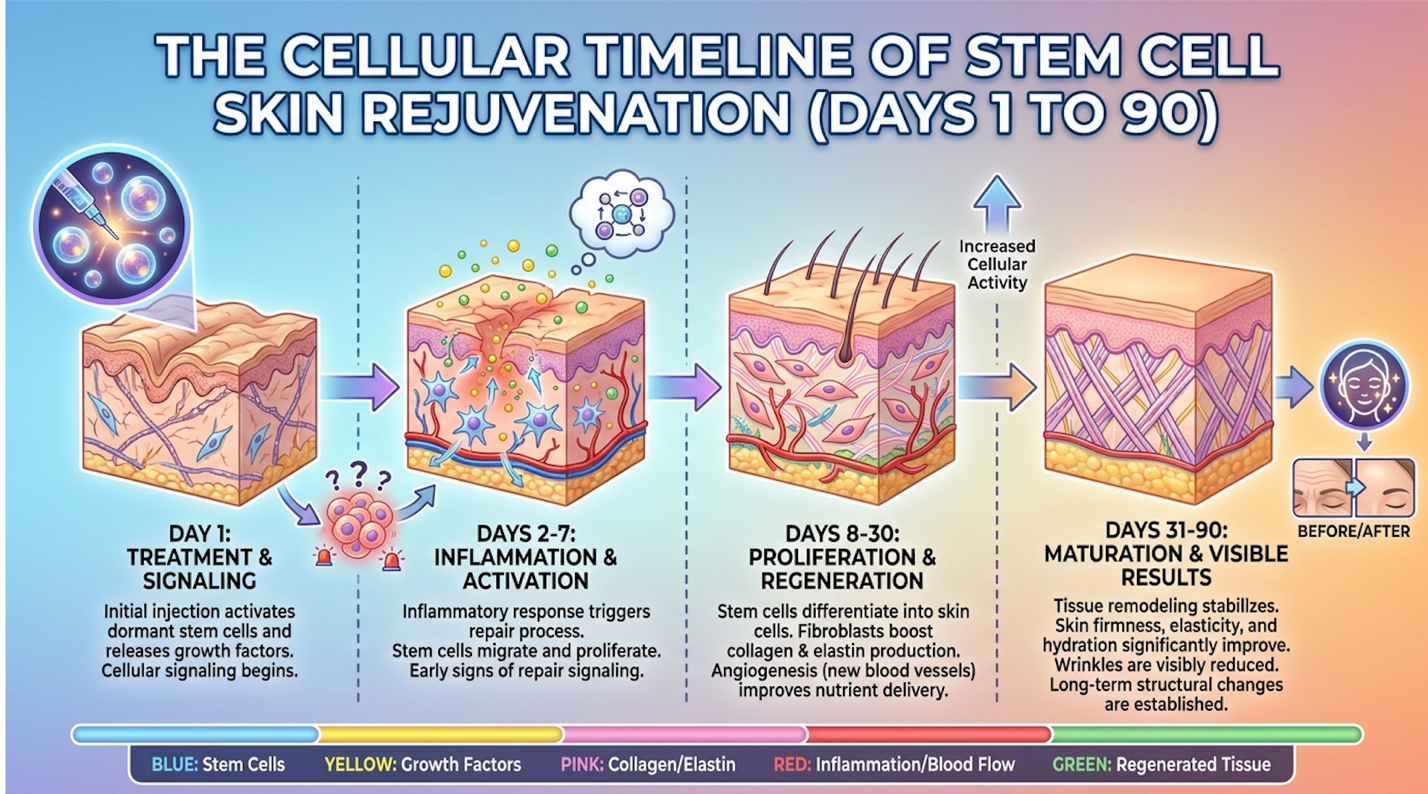
Figure 1: The biological cascade requires 90 days for full extracellular matrix synthesis and visible dermal thickening.
We need to look closely at Epigenetic Reprogramming of Aging (ERA). ERA isn’t about changing your base DNA code that remains entirely static. It’s about changing which specific parts of that code are turned on or off. As tissue ages, methyl groups attach to your DNA, effectively silencing the genes responsible for youthful repair and cellular energy.
When UC-MSC secretomes flood the local environment, they actively initiate ERA technology. They literally command the epigenome to reset. A primary mechanism here involves the aggressive upregulation of the SIRT1 (Sirtuin 1) pathway. SIRT1 is a crucial enzyme that acts as a master regulator of cellular defense. It functions by deacetylating critical proteins, including p53 and FOXO transcription factors, which actively shifts the cell away from programmed death (apoptosis) and directly toward cellular stress resistance.
By promoting this specific pathway, UC-MSCs protect existing cells against relentless oxidative stress. They facilitate the rapid clearance of reactive oxygen species the highly volatile molecules
Once the cellular environment is effectively reprogrammed and mitochondrial function is restored, the physical rebuilding phase begins. This is exactly where collagen production stem cells show their immense clinical value.
Dermal fibroblasts, now highly stimulated by the localized UC-MSC paracrine factors, begin mass-producing a brand new extracellular matrix. But it isn’t the disorganized, rigid collagen associated with fibrotic scar tissue. The fibroblasts synthesize highly organized, basket-weave structures of high-quality type I collagen, alongside incredibly dense networks of fibronectin and elastin.
Fibronectin acts as the vital biological glue, allowing the newly synthesized collagen fibers to properly align and bind together. This cellular cascade creates a structurally sound, highly elastic dermal layer that resists mechanical creasing (wrinkling). Think about synthetic injectables for a moment. A hyaluronic acid filler simply occupies physical space until your body naturally breaks it down six to nine months later. UC-MSC therapy forces your own body to manufacture permanent structural proteins. It’s biological production versus artificial inflation. The clinical results integrate flawlessly because the newly generated tissue is entirely your own native matrix.
Aging isn’t just about structural collapse; it’s also deeply tied to pigmentation irregularities. Uneven skin tone, severe hyperpigmentation, and stubborn age spots are the direct physiological result of cellular senescence and the excessive, localized accumulation of melanin.
When skin cells become senescent, they permanently stop dividing but stubbornly refuse to die. They sit there in the tissue, actively secreting a highly toxic soup of inflammatory markers known as the senescence-associated secretory phenotype (SASP). This localized, chronic inflammation
UC-MSC secreted factors specifically and aggressively target this underlying dysfunction. They promote the rapid degradation of microphthalmia-associated transcription factor (MITF), which serves as the master biological regulator of melanin synthesis. By forcefully inhibiting MITF and clearing out the inflammatory senescent cells, the tissue naturally stops producing excess pigment. This biological pathway far surpasses the crude mechanisms of traditional topical bleaching agents or harsh lasers, which only address the surface symptom while completely ignoring the underlying inflammatory dysfunction.
Patients often ask for an exact, predictable timeline. If you want instant gratification, get a neurotoxin injection. Cellular regenerative medicine requires immense patience, as complex biological processes fundamentally respect their own chronobiology.
The initial cell engraftment and modulation phase takes roughly 7 to 14 days. During this critical window, the UC-MSCs are vigorously signaling, calming localized inflammation, and altering the macrophage environment. You will not see a massive physical change in the mirror yet.
The matrix remodeling phase—where fibroblasts are actively laying down fresh collagen and elastin networks typically produces the first visible cosmetic results between weeks 6 and 12. And here is the absolute crucial distinction: the functional outcomes are continuous. Because you have fundamentally altered the cellular behavior and shifted the epigenetic markers, the tissue continues to improve, thicken, and maintain its integrity long-term. Invasive surgical facelifts provide immediate, gratifying structural tension, but they do absolutely nothing to stop the biological rotting of the tissue itself. Stem cell therapy aggressively addresses the rot.
Mesenchymal stem cell therapies for skin repair transition treatment from superficial aesthetics to profound clinical wound resolution. For severe tissue damage, stem cell scar repair relies on controlling local immune microenvironments, enabling the breakdown of fibrotic tissue
We have to strictly differentiate between cosmetic anti-aging and deep scar tissue remodeling. Aesthetic collagen boosting aims to safely thicken already healthy tissue. Scar remodeling requires tearing down severely pathological tissue before rebuilding it from scratch.
Stem cells for surgical scars, deep acne pitting, and severe burn marks operate by violently disrupting the existing fibrotic matrix. When you suffer a severe physical trauma, the body panics. It rushes to close the open wound to prevent infection, haphazardly dumping dense, rigid type III collagen into the gap. This rapid biological patch creates the raised, discolored, and stiff tissue we universally recognize as a scar.
Clinical data shows that MSCs actively dismantle these existing fibrotic scar tissue matrices. The secretomes release highly targeted matrix metalloproteinases (specifically MMP-1 and MMP-3) enzymes naturally designed to cleave and dissolve excessive collagen buildup. By strategically breaking down this highly disorganized scaffolding, stem cell wound healing literally clears the path for the organized deposition of healthy, flexible type I collagen. It’s a highly localized demolition and reconstruction project fully validated by the National Library of Medicine.
The most fascinating aspect of stem cells for keloid and hypertrophic scars is a profound biological process called phenotypic macrophage reprogramming.
Macrophages are specific white blood cells central to all wound healing. When a deep wound occurs, M1 macrophages immediately flood the area. They are highly pro-inflammatory, violently attacking cellular debris and invading bacteria. However, in abnormal or keloid scarring, the M1 phase never actually turns off. This relentless, chronic inflammation causes dermal myofibroblasts to over-activate, continuously pumping out stiff scar tissue long after the wound has closed.
UC-MSCs intervene directly in this localized immune failure. They force a rapid phenotypic switch, explicitly reprogramming the pro-inflammatory M1 macrophages into highly anti-inflammatory, tissue-repairing M2 macrophages. They achieve this astonishing feat by inhibiting Toll-like receptor signaling and tightly controlling tissue-transforming growth factor (specifically shifting the ratio away from pro-scarring TGF-beta1 toward anti-scarring TGF-beta3). By decisively shutting down the inflammatory feedback loop, they mitigate the excessive activation of myofibroblasts. The body naturally stops producing the keloid, allowing smooth, genuinely scarless repair to finally occur.
| 📌 If you’re interested in how MSCs shift the immune system from attack mode to repair mode, we have an interesting article that discusses mesenchymal stem cell therapy for immune modulation, which you can read via the internal link. |
You absolutely cannot heal dense tissue if you cannot feed it. Slow wound healing and dense, white surgical scars are notoriously avascular meaning they severely lack proper, organized blood flow. They are essentially biological dead zones.
Mesenchymal stem cells for scar repair address this ischemia directly and aggressively. The vascular endothelial growth factor (VEGF) secreted by the concentrated MSCs docks directly onto local endothelial cells (the specialized cells that line your blood vessels).
This highly specific docking activates the ERK MAPK signaling pathway, a crucial biological chain reaction that intensely promotes angiogenesis—the rapid formation of entirely new blood vessels. As these new capillary networks physically branch into the damaged, scarred area, they fully restore robust microcirculation. Enhanced local blood flow safely delivers vital oxygen, micronutrients, and systemic immune factors directly into the avascular, senescent dermal tissues. The scar tissue essentially comes back to life, rapidly regaining the pliability, temperature, and coloration of the surrounding healthy, unblemished skin.
While clinical infusions provide massive cellular quantities, patients can boost stem cells naturally by optimizing their internal biochemistry. The efficacy of the best stem cell supplement protocols relies on creating a low-inflammation environment that encourages endogenous (internal) stem cell proliferation, though this approach cannot replicate the high-density cellular delivery of a clinical UC-MSC procedure.
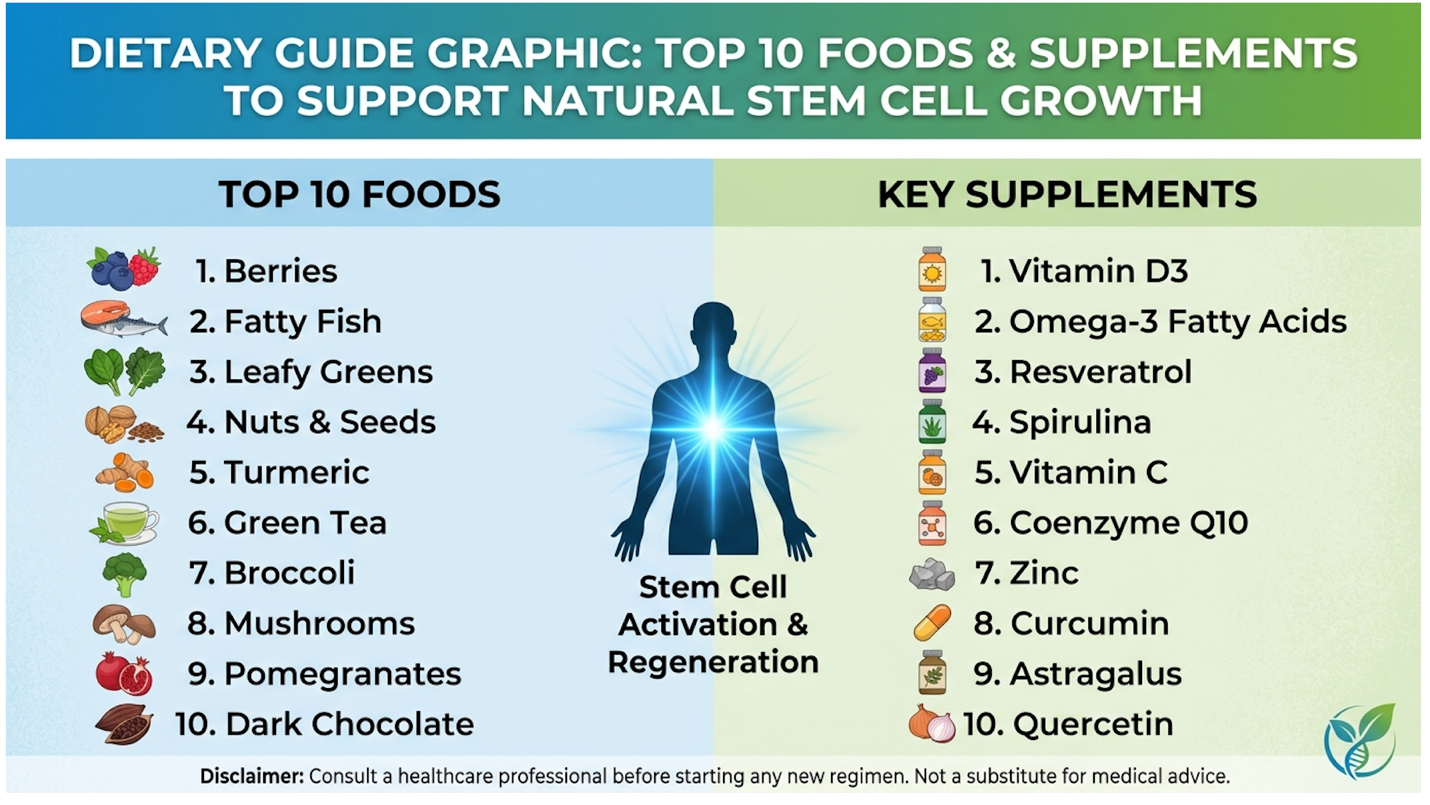
Figure 2: Dietary interventions optimize endogenous bone marrow production but cannot deliver exogenous young progenitor cells.
Patients constantly ask if lifestyle tweaks and dietary changes can effectively replace expensive clinical visits. The most common query heavily involves dark chocolate stem cells. Does it actually work? Yes, but you must completely understand the scale of the effect.
High-cacao dark chocolate is heavily loaded with specific flavanols. Nutritional studies indexed on the National Institutes of Health clearly demonstrate that high-flavanol intake successfully mobilizes endothelial progenitor cells directly from your bone marrow into your active bloodstream. These specific cells are vital for repairing localized vascular damage.
Similarly, when critically looking at drinks that increase stem cells, green tea entirely dominates the scientific literature. The epigallocatechin gallate (EGCG) catechins in green tea severely depress systemic oxidative stress by activating the Nrf2 antioxidant pathway. Lower overall oxidative stress means your natively circulating endogenous stem cells survive significantly longer in the bloodstream and function drastically better once they reach damaged tissue. Ultimately, your daily diet dictates the foundational baseline health of your own native stem cell reserves.
The dietary supplement industry is notoriously famous for deceptive, hyperbolic marketing. Let’s be explicitly clear before moving forward: there are absolutely no live stem cells contained in a capsule on a store shelf.
The most effective stem cell supplement formulas do not contain cells at all; rather, they contain biochemical precursors specifically designed to coax your own bone marrow into releasing more of its deeply held supply. Clinical evidence indexed on PubMed heavily suggests that when evaluating these over-the-counter products, you should look specifically for highly evidence-backed ingredients.
Spirulina, AFA (Aphanizomenon flos-aquae), L-carnosine, and high-dose Vitamin D3 possess incredibly well-documented biological plausibility. AFA, for instance, has been robustly shown to support the measurable release of CD34+ hematopoietic stem cells. L-carnosine acts as a remarkably potent anti-glycation agent. It actively prevents rogue sugar molecules from cross-linking and severely damaging your existing collagen structure (a process that leads to brittle skin). Furthermore, optimized Vitamin D3 expertly modulates the immune system to prevent native stem cell exhaustion. These highly specific supplements optimize the systemic environment, giving your native cells the best possible biological chance to proliferate without being immediately destroyed by systemic, low-grade inflammation.
We have to firmly ground these commercial wellness claims in stark, uncompromising clinical reality. Can you boost stem cells naturally? Absolutely. Can you cure severe facial scarring or reverse three decades of dermal atrophy with a daily smoothie? Absolutely not.
Dietary approaches are fundamentally low-cost, low-yield biological interventions. They gently optimize the cells you already possess. But you must remember the most critical rule of autologous biology: if you are 55 years old, your bone marrow is actively releasing 55-year-old stem cells. They severely lack the robust, hyper-active secretome profile of young, day-zero UC-MSCs.
A legitimate clinical UC-MSC procedure delivers millions of hyper-active, young progenitor cells directly into the damaged target tissue, purposefully bypassing the systemic circulation
Yes, mesenchymal stem cells can significantly reduce old surgical or burn scars. The secretomes actively dissolve rigid type III collagen and replace it with flexible type I collagen, promoting scarless tissue repair through targeted macrophage reprogramming.
UC-MSCs possess an exceptionally strong safety profile for dermatological application because they are immune-privileged cells. They lack the specific MHC surface markers that typically trigger severe adverse immune rejection in foreign hosts. However, this biological safety is strictly dependent on the clinic utilizing properly regulated, highly sterile cell processing protocols. Treatment safety relies heavily on rigorous laboratory standards and uncompromising infectious disease screening prior to administration.
Umbilical cord cells generally offer much higher regenerative potency than autologous fat-derived stem cells. Fat stem cells age alongside the patient and lose proliferative efficiency, whereas UC-MSCs represent robust “day zero” cells. A regenerative medicine doctor must evaluate which cell source uniquely fits your specific medical history.
Most clinical protocols recommend 1 to 3 sessions spaced several months apart, heavily depending on the severity of the tissue damage. Following the initial cellular engraftment, collagen synthesis dramatically accelerates and structural dermal density continues to measurably improve for several months. Because you are fundamentally generating entirely new structural proteins, the biological improvements can legitimately last several years. Ultimately, overall longevity depends heavily on subsequent lifestyle factors, routine sun exposure, and your baseline epigenetic aging rate.
For patients facing severe tissue degradation or deep scarring, umbilical cord stem cell therapy for skin delivers a profound biological reset. By utilizing paracrine signaling to orchestrate new collagen synthesis and macrophage reprogramming, clinical data shows UC-MSCs can reduce fibrotic scar tissue density by significant margins, according to the National Institutes of Health. The best approach combines strict medical screening, high-viability cell counts, and patience during the 90-day biological remodeling phase.
Understanding The Tissue Rejuvenation Hierarchy is what separates successful patients from those who burn thousands of dollars on cosmetic illusions. Once you deeply recognize that true repair must happen at the cellular level, you definitively stop wasting capital on superficial topical treatments and temporary structural fillers that completely ignore the underlying senescence.
Your next step is purely administrative. Gather your recent medical records, compile an extensive history of your dermatological interventions, and promptly schedule a formal clinical suitability assessment with a highly vetted, board-certified regenerative doctor.