Our Services
Others
- DFPP
- Shockwave
- IV Drip

Introduction to the Autoimmune Challenge
Systemic lupus erythematosus (SLE) impacts nearly every aspect of the sufferer’s daily life. The hallmark of this chronic autoimmune disorder is the manifestation of chronic pain and damage to body systems from the patient’s runaway immune system. In addition to chronic pain and organ damage, patients sustain debilitating fatigue from the chronic nature and variability of this disorder, and must contend with disease flare-ups and the resulting acute worsening of symptoms. Ultimately, this disorder creates the need for ongoing, and often life-long, management and creates an emotional, physical, and financial burden due to the costs of continual medical care. For many, the complexity and chaos of this disorder drives them to seek treatment and hope for improved disease management from a stem cell clinic. There is a critical need for new treatment interventions since the current pharmaceutical approaches do not lead to sustained disease remission. Pain and the need for frequent hospital visits to manage SLE result in a profound reduction to a patient’s quality of life. For this reason, this review notes researchers in the medical sciences focus on the newest treatment interventions that are related, a significant area of new research, to the treatment of SLE with UC-MSCs.
Limitations of Conventional Immunosuppression
The treatment of acute SLE autoimmune flare-ups for many years relied on the use of broad immunosuppressors, antimalarials, and heavy use of corticosteroids. Although the use of these extremely powerful, synthetic, and broad acting anti-inflammatory drugs has resulted in the reduction of acute life-threatening inflammation, long-term impact of these drugs creates serious conditions that are life-threatening. The use of steroids and other immunosuppressive drugs leads to the rapid deterioration of bone mass, severe metabolic disorders, and a severe loss of the immune system and susceptibility to infections that are life-threatening, often prompting a visit to a stem cell clinic. Furthermore, a significant percentage of patients become refractory to treatment and no longer respond to the conventional daily drug regimen, necessitating interventions like UC-MSCs.
These ongoing and frustrating limitations in SLE management demonstrate the overwhelming and urgent need for specific biological therapies. Against a backdrop of ever-deepening scientific understanding outlined in this review, the indiscriminate and continual suppression of the human immune system is proven to be a wholly inadequate long-term solution for patients consulting a stem cell clinic. The aim of therapy, therefore, needs to be to intelligently and systematically retrain the delicate and intricate networks of the immune system using UC-MSCs.
The Paradigm Shift to Cellular Substitution
Moving from synthetic, small molecule drugs to natural, advanced regenerative medicine represents a paradigm shift for the treatment of complicated, chronic autoimmune diseases like SLE. Rather than temporary palliation of superficial symptoms, modern cellular therapies work to resolve the core, chronic dysregulation of the immune system. For the desperate patient who has traveled to the far reaches of the world to visit a modern, well-staffed, stem cell clinic, the promise of advanced therapies that have the potential to, of great importance, repair chronic, widespread, internal damage and simultaneously calm chronic, dysregulated, overactive immune responses is invaluable. Among the many potential candidates for this sort of medical substitution, umbilical cord-derived cells, notably UC-MSCs, have unique properties and are ideally suited for this purpose. They lack a complete set of major histocompatibility complex surface antigens, which is of great importance and substantially decreases the potential for, and the threat of, immediate, serious, adverse immune reactions following intravenous administration to the patient. This unique property and characteristic of advanced medical therapy provides a safe and efficient means for specialized, microscopic, regulatory, immune cells to circulate throughout the body and deploy a wide variety of immunomodulatory molecules exactly where and when they are needed.
The cellular mechanisms of UC-MSCs that are involved in this sort of therapy for SLE are of paramount importance to understand and explain the overwhelming, global acceptance of this therapy at any leading stem cell clinic. When UC-MSCs are infused directly into the blood stream, they quickly and purposefully migrate to deep, hidden regions of the body where there are high concentrations of dangerous, active inflammation using a complex, targeted biological mechanism that takes advantage of special chemokine gradients. At the sites of severely injured tissues, they begin to heal the inflammation and modulate the immune system by engaging in close, cell to cell interactions and by maintaining prolonged secretion of important soluble factors. UC-MSCs inhibit the aberrant, aggressive proliferation of T lymphocytes that are responsible for devastating and destructive autoimmune assaults on the body’s internal organs in SLE. At the same time, they stimulate the growth and proliferation of T lymphocytes that are essential for the sustained and long-term balance and control of the immune system and for the healthy integration of the immune system, an outcome prioritized by a stem cell clinic.
Additionally, UC-MSCs inhibit the aggressive and destructive differentiation of B lymphocytes into antibody-secreting plasma cells and, consequently, inhibit the excessive production of autoantibodies. SLE is characterized by the presence of a large number of autoantibodies. At the cellular and molecular level, UC-MSCs secret prostaglandin E2 and indoleamine 2,3-dioxygenase along with critical transforming growth factor-β to create a localized healing environment akin to the goals of a stem cell clinic. This review demonstrates the effectiveness and the brilliance of a multi-target mechanism.
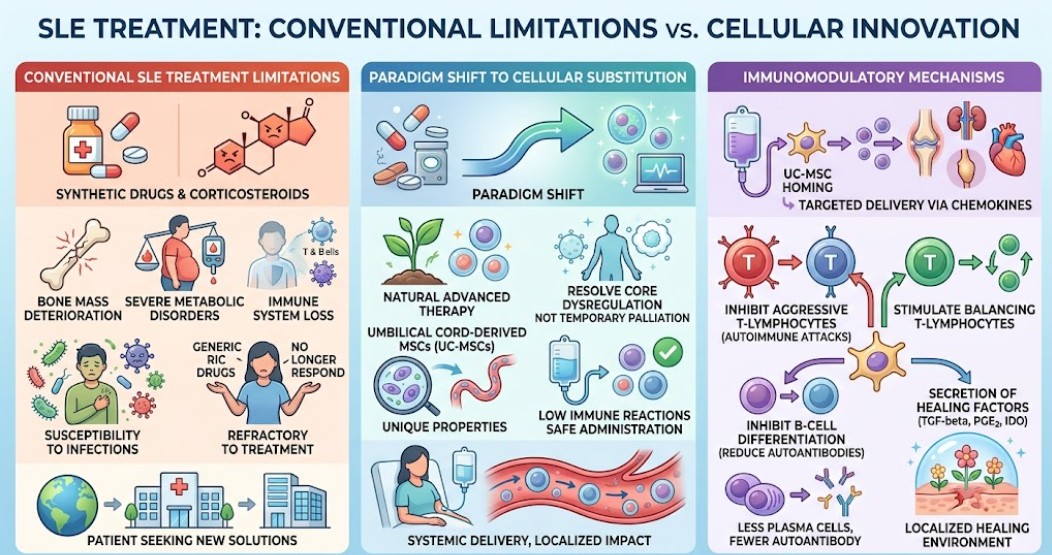
Figure 1: Limitations of Conventional Immunosuppression compared with Cellular innovation
Thailand is strategically cultivating regenerative medicine for conditions like SLE as a leader in establishing a robust biomedical research framework. An analysis of existing global health care systems reveals the Southeast Asian Region as the site of the most outstanding clinical infrastructure. A highly rated modern stem cell clinic in the Region is maintaining a flawless track record in ethical regulatory compliance while operating under strict international quality control standards. Medical practitioners in the Region have deep specialized experience in the safe expansion and delivery of high-quality UC-MSCs.
In addition, Thailand’s advanced laboratory technologies and the relatively low cost of health care create a desirable location for the treatment of refractory SLE for international patients visiting a stem cell clinic. The biological treatments with UC-MSCs being offered in the Region will soon be integrated into advanced therapeutics, altering the international standard of care.