Our Services
Others
- DFPP
- Shockwave
- IV Drip

Multiple Sclerosis is an autoimmune disorder that impacts the central nervous system for the most part. It can lead to the gradual degeneration of the nervous system. This occurs due to the inflammation of the myelin sheath which protects the nerve fibers. Because of demyelination, there is a disruption in the nervous system that leads to many different physical symptoms as well as issues with cognition, chronic fatigue, and visual disturbances. The many different symptoms and effects of this disorder make it necessary to seek constant medical treatment. Currently available methods of treatment focus on the management of symptoms of the disorder. These methods of treatment do not stop the progression of the disorder and do not repair the damage caused by the disorder. It is for the reason that there is an unceasing search for alternative methods of treatment. The implementation and use of stem cell therapies for the treatment of this disorder has the potential to repair the damage caused by the disorder and halt the progression of the autoimmune attacks. The use of UC-MSCs for this purpose brings hope to many who suffer from this disorder.
The use of conventional treatments on Multiple Sclerosis patients is limited primarily speaking on the central nervous system due to the inability of most medicines to pass through the blood-brain barrier. It is clear due to the restraints of many treatments on the central nervous system that there is a need for innovative stem cell therapies incorporating UC-MSCs to achieve significant levels of both targeted neural healing and immunomodulation.
Globally, the search for innovative therapies to move beyond the restrictions of traditional medicinal treatments is dominated by the use of stem cell applications. There is a specific interest in the use of UC-MSCs as they display clinical great promise due to their immunomodulatory and neuroregenerative features. UC-MSCs are superior to other sources of stem cells due to their softer, more tolerant, and less immunogenic profile. Thus, their transplantation has a lower risk of rejection. Interestingly, when these stem cells are transplanted, they migrate to regions of high inflammation of the central nervous system (CNS) through a phenomenon called “targeted homing.” There, they rehabilitate the cellular microenvironment of the CNS by converting the cellular immune response from a neurotoxic and pro-inflammatory state to a beneficial and neuroprotective state. Interestingly, they are exceptionally well suited to tackle the complex pathology associated with Multiple Sclerosis (MS). Routine reviews of the patients’ records by experts have highlighted significant improvements in patients’ physical functions post the infusions.
The exact mechanisms as to how UC-MSCs conduct cellular rehabilitation in Multiple Sclerosis remain unclear. However, there is a burgeoning appreciation in recent stem cell research that the rehabilitative functions of the UC-MSCs primarily stem from their secretome and their ability to translocate to lesion sites. The secretome of the UC-MSCs is composed of a diverse library of trophic factors, vesicles, and cytokines. Their paracrine signaling is directed at the immune system as well as the neuroprotective constituents of the lesion. Transplantation of stem cell types such as UC-MSCs inhibits the expansion of autoreactive T lymphocytes and promotes the formation of T-reg lymphocytes. This step is critical in the control of the autoimmune process that damages the myelin sheaths in Multiple Sclerosis patients. In addition, the factors secreted by these cells act on the oligodendrocyte precursor cells in the brain and stimulate them to begin the process of myelination. These cells also secrete various neurotrophic factors to the surrounding area. These include brain-derived neurotrophic factor (BDNF), nerve growth factor (NGF), and glial line-derived neurotrophic factor (GDNF). These proteins promote the survival of vulnerable neurons and of synaptic elements, and they inhibit the apoptosis of neurons. These factors also act on microglial cells and alter their neurotoxic and harmful phenotypic state to one that is supportive and promotes the repair of neural tissue. This therapy directs the repair of neural tissue rather than the control of symptoms. It incorporates all of the elements that promote extensive repair of neural tissue. These factors compel the supportive repair of neural tissue rather than the control of symptoms. This therapy incorporates all of the elements that promote extensive repair of neural tissue. Scientists review and evaluate clinical outcomes in the various specialized treatment centers in order to decipher the multiple complex interactions. This is an ongoing process.
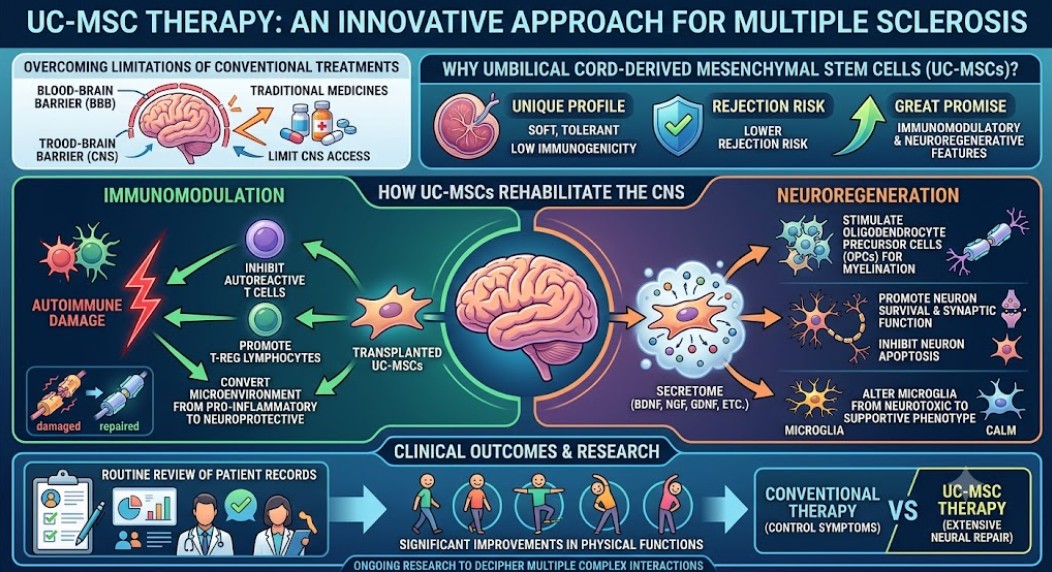
Figure 1: An innovative Approach with UC-MSCs Therapy for Multiple Sclerosis
The optimal geographic placement is conducive to drawing more international patients interested in novel stem cell therapies for challenging neural disorders. Thai researchers are interested in the international scene and are perfecting the art of careful cellular manipulation. Thailand is combining technology and clinical knowledge to place the country in the first position with respect to advanced neurology. Large scale clinical trials are testing the long-term effects of using UC-MSCs for Multiple Sclerosis in the top Thai hospitals. A continuous review of these outcomes will set the standard for the rest of the world in the treatment of serious autoimmune neurological disorders.