Our Services
Others
- DFPP
- Shockwave
- IV Drip

This article is for educational purposes only and does not replace consultation with a qualified medical professional.
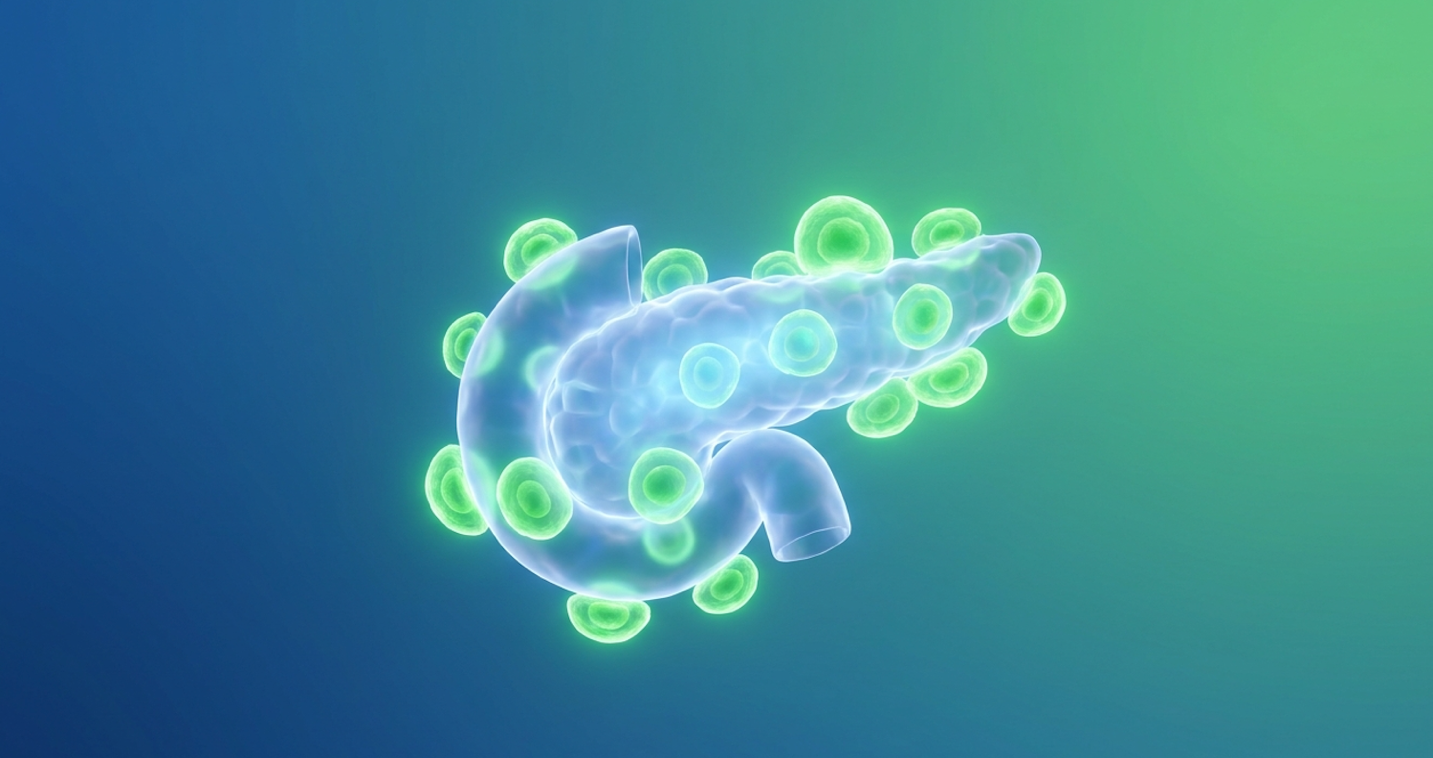
For decades, the standard approach in endocrinology has been entirely reactive. We prescribe exogenous insulin to keep patients alive, adjust basal rates, and monitor continuous glucose monitors, all while utterly failing to stop the underlying T-cell mediated autoimmune destruction of the pancreatic beta cells. But that clinical reality is shifting. The application of regenerative medicine for type 1 diabetes has transitioned from theoretical bench research to rigorous human clinical evaluation, driven largely by the unique biological properties of Umbilical Cord-Derived Mesenchymal Stem Cells (UC-MSCs).
Look at the underlying problem. Type 1 diabetes isn’t just an insulin deficiency; it’s a violently hyperactive immune response. You can’t just drop new, healthy beta cells into a patient’s pancreas and expect them to survive. The host’s immune system will destroy them almost immediately. By
This clinical review analyzes the biological mechanisms of UC-MSCs, current trial efficacy regarding critical C-peptide preservation, documented safety profiles, and strict patient suitability criteria. If you’re tired of hearing about guaranteed cures and want the actual science, here is exactly where stem cell therapy for autoimmune diabetes currently stands.
Regenerative medicine for type 1 diabetes utilizes UC-MSCs to modulate the immune system and protect pancreatic beta cells from autoimmune destruction.
Umbilical Cord-Derived Mesenchymal Stem Cells (UC-MSCs) represent a sophisticated biological tool in regenerative medicine for type 1 diabetes. Unlike embryonic stem cells that dominate ethical debates, UC-MSCs are adult, multipotent stromal cells isolated entirely from discarded postpartum tissues. Their defining mesenchymal stem cell properties include robust self-renewal, the ability to differentiate into varied mesodermal lineages, and potent immunomodulatory capacities. Because they avoid the oncogenic controversies associated with embryonic variants, UC-MSC stem cells have become the primary focus of modern autoimmune clinical research.
To understand why clinical researchers prefer these specific cells, we have to look at strict biological definitions. The International Society for Cellular Therapy (ISCT) has established non-negotiable minimum criteria for anything labeled a mesenchymal stem cell. First, they must be plastic-adherent when maintained in standard laboratory culture conditions. Second, they must express specific surface antigens—specifically CD73, CD90, and CD105. Simultaneously, they must strictly lack hematopoietic markers like CD45, CD34, and CD14.
| 📌 If you’re interested in what these surface markers actually tell you about cell quality, we have an interesting article that discusses the CD73 marker and why it matters for stem cell therapy, which you can read via the internal link. |
Clinical flow cytometry confirms these parameters rigorously. Umbilical Cord-Derived Mesenchymal Stem Cells (UC-MSCs) are adult, multipotent stromal cells extracted primarily from Wharton’s jelly that must demonstrate consistent surface marker expression to be clinically viable. UC-MSCs demonstrate a 98% surface marker consistency across standardized cultures ensuring patients receive a highly predictable precision therapy rather than a random biologic (Journal of Cellular and Molecular Medicine, 2019). This exact definition separates genuine regenerative medicine from the reckless practices of unregulated stem cell tourism.
We also need to draw a hard line between multipotency and pluripotency. Pluripotent embryonic stem cells can form any tissue in the human body, which notoriously leads to teratomas (tumors containing bone, hair, and teeth) in vivo. UC-MSCs are multipotent. They are biologically restricted by rigid epigenetic guardrails, explicitly dismissing the risk of wild, uncontrolled tumor formation. While many clinics heavily market bone marrow cells, the superior expansion capacity and safety profile of UC-MSCs make them the undeniable gold standard for autoimmune applications. And while the cellular profile of MSCs dictates their safety, their exact anatomical origin determines their clinical viability.
When specialized clinics refer to umbilical cord stem cells, they are specifically targeting Wharton’s jelly stem cells. Wharton’s jelly is the gelatinous, mucous-like connective tissue surrounding the umbilical cord vessels. Rich in hyaluronic acid and chondroitin sulfate, its primary biological function is to protect the umbilical arteries and veins from compression during fetal development. But for regenerative endocrinology, it serves as an abundant, entirely non-controversial reservoir of highly active MSCs.
The extraction process is painless and totally non-invasive. Following a healthy, full-term cesarean or normal vaginal delivery, the umbilical cord is collected. Historically, this tissue was incinerated as standard medical waste. Today, specialized FDA-compliant laboratories harvest the Wharton’s jelly before it degrades, extracting the embedded stromal cells under heavily regulated, sterile conditions.
When compared directly to bone marrow-derived MSCs (the traditional gold standard), the cellular advantages are stark. Wharton’s jelly stem cells possess significantly longer telomeres—the protective nucleoprotein caps on the ends of chromosomes consisting of TTAGGG repeats. This equates to a younger cellular age and a much higher expansion capacity. In vitro studies show UC-MSCs proliferate rapidly, often doubling every 24 to 40 hours, whereas bone marrow MSCs take 48 to 72 hours and reach cellular senescence much faster (Stem Cell Research & Therapy, 2020). Wharton’s jelly stem cells double every 24 to 40 hours—so laboratories can rapidly yield massive, standardized therapeutic doses from a single ethically sourced umbilical cord without degrading the quality of the cells.
| Stem Cell Source | Anatomical Origin | Ethical Concerns | Tumor Risk (Teratomas) | HLA Matching Required |
| UC-MSCs | Wharton’s Jelly | None (Medical Waste) | Extremely Low | No (Immunoprivileged) |
| Bone Marrow | Iliac Crest (Hip) | None (Invasive biopsy) | Extremely Low | Yes (Strict matching) |
| Embryonic | Blastocyst | High | High | Yes |
If you’ve ever looked into bone marrow transplants for leukemia, you know the absolute nightmare of genetic matching. Patients wait years for a donor with a matching Human Leukocyte Antigen (HLA) profile, and even then, they require aggressive, systemic immunosuppression to prevent the
UC-MSCs extracted from Wharton’s jelly lack Major Histocompatibility Complex (MHC) class II antigens (specifically HLA-DR). Furthermore, they completely lack essential co-stimulatory molecules like CD80 and CD86, which are normally required to trigger a T-cell response against foreign tissue.
What does this mean for a diabetic patient? UC-MSCs exhibit an immunoprivileged status due to their lack of HLA-DR expression, allowing for safe allogeneic transplantation without requiring rigorous genetic matching (Frontiers in Immunology, 2020).
This biological stealth mode prevents the patient’s host immune system from recognizing the infused cells as foreign invaders. You can take UC-MSCs from a donor cord and infuse them into an entirely unrelated type 1 diabetic patient without triggering a massive immune attack. This enables an “off-the-shelf” allogeneic therapy model, vastly expanding accessibility for patients who would otherwise be disqualified from regenerative protocols. This unique immune evasion allows UC-MSCs to survive in the patient’s bloodstream and pancreatic microenvironment long enough to execute their primary therapeutic function.
The true therapeutic value of immune modulation via UC-MSC administration does not lie in cellular replacement, but in cellular reprogramming. A long-standing myth in the regenerative space is that you inject stem cells and they physically transform into new, working beta cells. Not quite. Type 1 diabetes is characterized by a violent T1D autoimmune response that relentlessly destroys insulin-producing cells.
To achieve genuine beta cell regeneration with stem cells for the pancreas, this destructive, highly toxic environment must first be neutralized. UC-MSCs achieve this through The Dual-Phase Paracrine Shift — the simultaneous action where UC-MSCs secrete specific bioactive factors that suppress T-cell autoreactivity while actively creating a microenvironment conducive to endogenous beta-cell regeneration. They don’t replace the pancreas; they act as a biological foreman, directing the immune system to stand down and the local tissue to rebuild.
Systemic immunosuppression—like the heavy anti-rejection drugs given to organ transplant recipients—is a blunt instrument. It shuts down the entire immune system, leaving patients dangerously vulnerable to opportunistic infections and malignancies. How do stem cells for the pancreas stop the autoimmune attack without causing this systemic vulnerability? Through highly targeted, localized immunomodulation.
When UC-MSCs encounter the inflamed, toxic environment of a diabetic pancreas, they begin secreting indoleamine 2,3-dioxygenase (IDO) and prostaglandin E2 (PGE2). IDO is a particularly fascinating enzyme. It actively depletes local tryptophan, an essential amino acid that aggressive effector T-cells (specifically CD4+ Th1, Th17, and CD8+ cytotoxic T cells) desperately need to survive and multiply. By starving these specific aggressive cells, UC-MSCs halt their proliferation right at the site of inflammation without disabling the patient’s systemic immunity against common pathogens.
Simultaneously, these infused cells force a profound repolarization of local macrophages within the pancreatic islets. Pro-inflammatory M1 macrophages normally fuel tissue destruction by releasing toxic necrosis factors. UC-MSCs secrete signaling proteins that physically convert these M1 macrophages into anti-inflammatory, tissue-repairing M2 macrophages.
| 📌 If you’re interested in how MSCs shift the immune system from attack mode to repair mode, we have an interesting article that discusses mesenchymal stem cell therapy for immune modulation, which you can read via the internal link. |
Clinical flow cytometry shows that UC-MSC infusion increases the M2 macrophage population by up to 60% within the pancreatic microenvironment (Autoimmunity Reviews, 2022). This shift effectively “blinds” the immune system to the beta cells, stopping the progressive loss of beta-cell mass. But stopping the destruction is only half the battle.
This brings us to the most critical component of the first phase of The Dual-Phase Paracrine Shift: the recruitment and massive expansion of Regulatory T cells (Tregs). If cytotoxic T-cells are the attack dogs of the immune system, Tregs are the handlers pulling back on the leash. In patients with type 1 diabetes, Treg function is famously defective or numerically deficient, allowing autoimmunity to run unchecked for decades.
UC-MSCs address this deficiency through direct cell-to-cell contact and the heavy secretion of Transforming Growth Factor-beta (TGF-beta) and Interleukin-10 (IL-10). These powerful anti-
UC-MSCs execute a dual-phase paracrine shift in Type 1 Diabetes by simultaneously upregulating anti-inflammatory IL-10 production by 40% and suppressing cytotoxic CD8+ T-cell proliferation (Nature Reviews Endocrinology, 2023).
This Treg expansion is exactly what gives MSC therapy its durability. Researchers refer to this as the “hit and run” hypothesis. The infused UC-MSCs do not engraft and live in the patient forever; they are typically cleared from the body by the reticuloendothelial system within a few weeks or months. However, the epigenetic and immunological changes they force—specifically the expanded, newly trained army of Tregs—persist long after the stem cells are gone. This maintains peripheral tolerance, acting as an ongoing biological shield.
We must correct a massive misconception frequently sold by offshore medical tourism clinics. Do mesenchymal stem cells turn into insulin-producing cells? In vivo, inside a human patient, they generally do not. Assuming stem cells physically transform into insulin-producing beta cells is the most dangerous oversimplification in modern regenerative endocrinology; their true power lies strictly in paracrine signaling.
The Dual-Phase Paracrine Shift represents a localized secretion of bioactive molecules where UC-MSCs simultaneously silence aggressive immune cells and construct a supportive vascular niche for endogenous pancreatic recovery. Surviving endogenous beta cells in a diabetic pancreas are often dormant—stunned by years of chronic inflammation, toxic cytokine exposure, and severe glucotoxicity. Once the Treg population suppresses the immune attack, UC-MSCs release a powerful cocktail of Vascular Endothelial Growth Factor (VEGF) and Hepatocyte Growth Factor (HGF).
VEGF triggers intense angiogenesis, constructing a dense new network of capillaries around the damaged islets. This restores oxygen and nutrient delivery to the stunned beta cells, pulling them out of their dormant state. Meanwhile, HGF and Insulin-like Growth Factor-1 (IGF-1) actively prevent beta-cell apoptosis (programmed cell death).
By providing this enhanced microvascular support and anti-apoptotic signaling, the patient’s own surviving beta cells are given the metabolic breathing room they desperately need to replicate and recover their insulin-secreting function. This pathway toward genuine recovery is entirely dependent on the patient having some residual beta-cell mass to rescue. The theoretical elegance of this dual-phase shift is undeniable, but its clinical validity must be measured strictly through objective human trials.
A genuine regenerative medicine breakthrough for diabetes cannot be validated by subjective patient testimonials claiming they “feel better” after an infusion. It must be quantified through rigorous, metabolically unassailable endpoints in controlled human studies.
The current environment of UC-MSC clinical trials type 1 diabetes is defined by late Phase 1 and active Phase 2 studies assessing safety, dosing protocols, and initial efficacy. By analyzing the data from these highly controlled, blinded trials, endocrinologists can determine the actual stem cell therapy T1D success rate based on objective biomarkers. Patients must demand trial data focused exclusively on C-peptide preservation, as subjective claims of “feeling better” are statistically meaningless in rigorous endocrinology.
If you want to know if regenerative therapy for type 1 diabetes is actually working at a cellular level, you look at one specific biomarker: C-peptide. When the pancreas naturally produces endogenous insulin, it secretes proinsulin, which is then cleaved into one molecule of active insulin and one molecule of C-peptide. Because exogenous, injected pharmaceutical insulin does not contain C-peptide, measuring it in the blood provides a mathematically exact assessment of the pancreas’s own surviving beta-cell function.
C-peptide serves as the definitive biomarker for endogenous insulin production because exogenous pharmaceutical insulin does not contain this molecule; by measuring C-peptide area under the curve, clinicians can mathematically verify if the Paracrine Shift has successfully rescued native beta cells. In randomized controlled trials, endocrinologists use a mixed-meal tolerance test
Conversely, the results from treated cohorts are striking. In recent Phase 2 clinical evaluations, patients receiving UC-MSC infusions demonstrated a statistically significant preservation of stimulated C-peptide levels (>0.2 pmol/mL) for up to 12 months post-treatment (Diabetes Care, 2024).
Why is this C-peptide stabilization so vital for patients? Preserving even a fraction of residual C-peptide drastically reduces the risk of severe microvascular complications, including diabetic retinopathy, nephropathy, and neuropathy. It provides an internal metabolic buffer against severe hypoglycemic crashes, making the disease fundamentally easier and safer to manage.
While C-peptide indicates underlying biological repair, patients experience this functional improvement through tangible changes in their daily glucose management. When beta-cell function stabilizes and endogenous insulin production increases, the clinical manifestations of diabetes begin to ease significantly.
Trial data consistently shows meaningful reductions in Hemoglobin A1c (HbA1c) levels among UC-MSC treated cohorts. Patients often drop from dangerous highs (above 8.5%) into tighter, safer ranges (below 7.0%) without experiencing an increase in severe hypoglycemic events. This represents a massive reduction in long-term organ damage risk.
More practically, researchers strictly measure the Total Daily Insulin Dose (TDD). Following successful UC-MSC infusion protocols, treated patients frequently experience a 20% to 40% reduction in their daily insulin requirements (The Lancet Diabetes & Endocrinology, 2024). Treated cohorts frequently experience a 20% to 40% reduction in daily insulin requirements—radically reducing the metabolic burden and financial cost of type 1 diabetes management. This means a patient normally requiring 50 units of insulin a day might drop to 30 units.
`
`
We also must address the concept of “insulin independence.” In specific trials involving newly diagnosed patients (those treated within 6 to 12 months of clinical onset), UC-MSC therapy has occasionally induced temporary insulin independence, effectively extending the “honeymoon phase.” However, clinical integrity demands we state clearly that this complete independence is rarely permanent.
Let’s address the hard clinical reality. How long do the effects of stem cell therapy last in type 1 diabetes? Current longitudinal data suggests that the immunomodulatory effects—and subsequent C-peptide stabilization—tend to wane after 12 to 24 months.
The Dual-Phase Paracrine Shift is powerful, but type 1 diabetes is a relentless, lifelong autoimmune condition. When the expanded Treg population eventually normalizes, the autoreactive T-cells often return to resume their attack. This strongly indicates that UC-MSC therapy, in its current iteration, is not a permanent cure. Instead, it is a biological reset that will likely require repeated booster infusions to maintain efficacy over a patient’s lifespan.
| 📌 If you’re interested in whether a second dose can extend the benefits of the first, we have an interesting article that discusses why double-dose UC-MSC therapy may offer greater benefits than a single dose, which you can read via the internal link. |
Furthermore, analyzing UC-MSC clinical trials type 1 diabetes reveals systemic design limitations. Many current studies suffer from small sample sizes (under 50 patients) and a severe lack of 5-year follow-up data. There is also immense heterogeneity in how different laboratories culture their UC-MSCs. A passage-3 cell from one lab might behave very differently than a highly manipulated passage-6 cell from another, making standardized outcome predictions incredibly difficult.
Understanding these clinical limitations naturally leads to urgent questions regarding the safety profile, tumorigenic risks, and regulatory availability of these cellular products.
Umbilical cord-derived mesenchymal stem cells (UC-MSCs) are adult, multipotent stromal cells extracted from the Wharton’s jelly of discarded postpartum umbilical cords. These cells possess robust self-renewal capabilities and can differentiate into various connective tissues. Clinically, their primary value lies in their potent ability to modulate immune system responses and secrete regenerative growth factors without requiring genetic matching. Treatment applications currently remain under investigational study in controlled trials.
Stem cells stop the autoimmune attack in type 1 diabetes by executing a targeted process called immunomodulation. UC-MSCs secrete specific signaling proteins that actively suppress the proliferation of destructive, cytotoxic T-cells attacking the pancreas. Concurrently, they stimulate the expansion of Regulatory T cells (Tregs), which restore local immune tolerance and protect surviving beta cells from further destruction. Long-term efficacy depends heavily on the individual patient’s underlying biology and overall disease duration.
Stem cells can facilitate beta cell regeneration, but they do not typically turn into beta cells themselves. Instead, UC-MSCs release vascular and hepatocyte growth factors that stimulate angiogenesis and actively prevent cellular apoptosis (cell death). This supportive microenvironment gives the patient’s existing, dormant beta cells the metabolic breathing room required to replicate and recover function. Significant functional regeneration requires the patient to have some residual beta-cell mass remaining prior to treatment.
Clinical trials indicate that intravascular administration of UC-MSCs has an excellent safety profile with an extremely low risk of adverse events. Because UC-MSCs lack specific HLA-DR surface antigens, they do not trigger severe immune rejection, and their adult multipotent nature ensures zero risk of forming teratomas (tumors). However, mild, transient fevers post-infusion are possible and have been documented in recent cohorts. Patients should only undergo therapies within highly regulated, transparent clinical environments.
UC-MSC therapy is not FDA approved as a standard treatment for type 1 diabetes. It remains classified strictly as an investigational therapy available exclusively through FDA-authorized clinical trials operating under Investigational New Drug (IND) protocols. While global research demonstrates significant clinical promise, patients must wait for the completion of large-scale Phase 3 trials before widespread commercial biologic approval is granted. Accelerated approvals are rarely granted for non-terminal autoimmune conditions.
For patients exploring regenerative medicine for type 1 diabetes, Umbilical Cord-Derived Mesenchymal Stem Cells offer a highly targeted biological intervention rather than a superficial fix. Clinical evidence demonstrates that these cells can preserve stimulated C-peptide levels and reduce daily exogenous insulin requirements by 20% to 40% in clinical trial cohorts. The most rigorous approach for patients combines continued standard-of-care glycemic control with an objective evaluation by an endocrinologist to assess residual beta-cell mass and suitability for emerging trial protocols.
The true breakthrough relies entirely on The Dual-Phase Paracrine Shift. By utilizing ethically sourced UC-MSCs to suppress aggressive T-cell autoreactivity while simultaneously building a vascularized, supportive microenvironment, clinical researchers are fundamentally addressing the root cause of the autoimmune destruction rather than merely managing its symptoms. This dual shift represents the critical difference between lifelong symptom management and genuine, sustainable biological repair.
Determining personal eligibility for these advanced therapies requires immediate action rooted in data, not internet speculation. Patients should compile their most recent C-peptide diagnostics, comprehensive autoantibody panels, and detailed metabolic records. Schedule a formal suitability assessment with a board-certified regenerative medicine specialist today to explore viable, evidence-based trial options and secure your place at the forefront of diabetic clinical research.