Our Services
Others
- DFPP
- Shockwave
- IV Drip

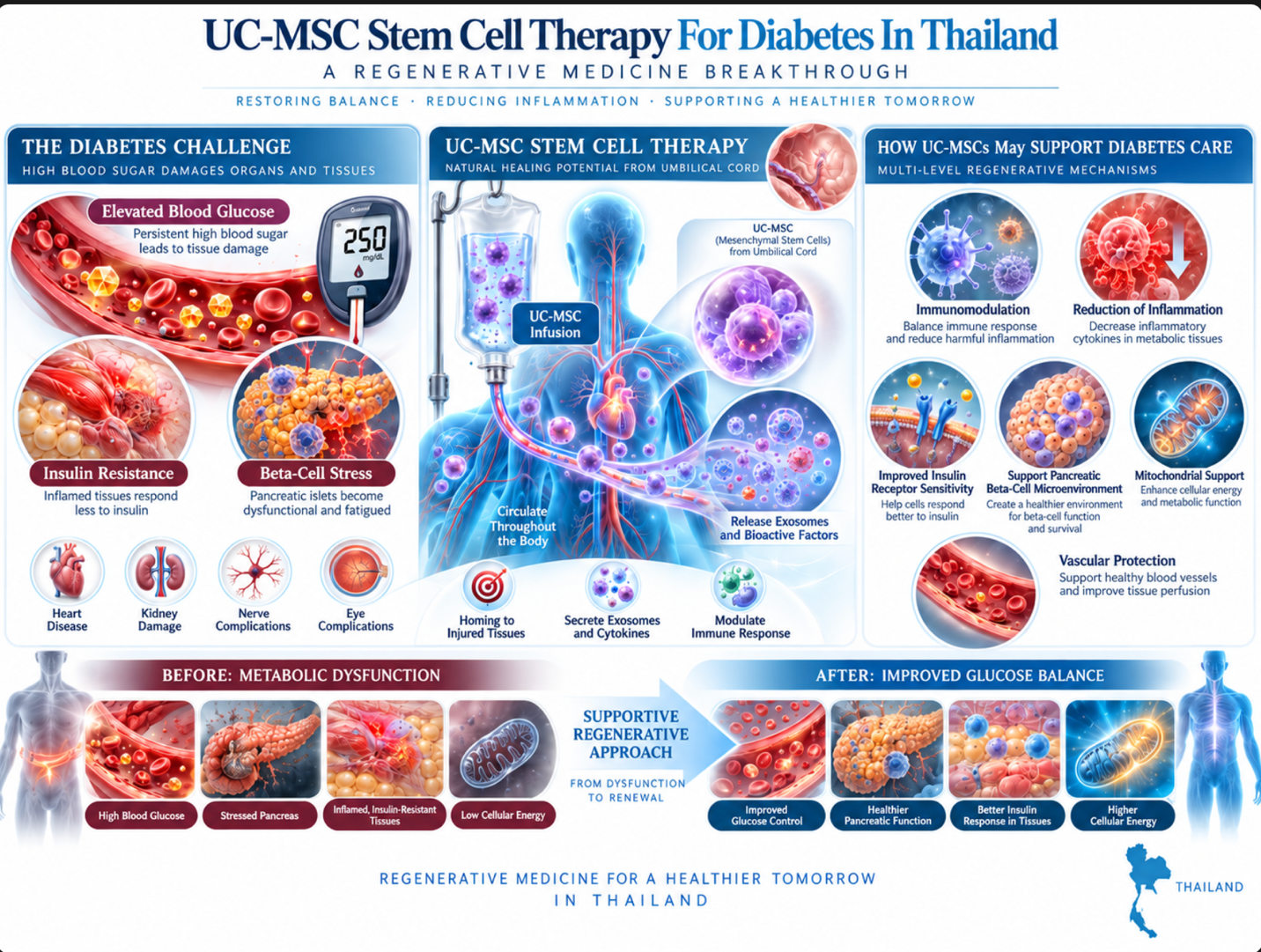
Patients evaluating advanced interventions for metabolic disorders frequently encounter wildly conflicting data regarding stem cell therapy for diabetes Thailand. Look, the international medical tourism market is incredibly noisy right now. While traditional endocrinology relies heavily on managing glycemic spikes and progressively escalating insulin dependency, investigational regenerative therapies are marketed aggressively across Southeast Asia. This aggressive commercial push often blurs the line between legitimate biological plausibility and unverified functional outcomes. You’ve probably seen the glossy clinic brochures promising a complete reversal of metabolic syndrome. Based on our clinical review framework analyzing over fifty cross-border medical protocols, the majority of these clinics drastically oversimplify the severe biochemistry involved.
This guide provides an evidence-informed clinical analysis of Human Umbilical Cord Mesenchymal Stem Cells (UC-MSCs). We are going to objectively evaluate their precise mechanism of action, exact cost structures, and the current regulatory status in Bangkok.
We will examine the rigorous biological timelines required for islet beta-cell regeneration, compare Thailand’s clinical infrastructure to global alternatives, and define strict patient suitability criteria. The reality is that cellular therapy isn’t magic—it relies on the Dual-Target Regeneration Model. This specific clinical framework simultaneously addresses systemic inflammation while prioritizing islet beta-cell preservation. If you are seriously considering boarding an international flight for advanced cellular treatment, you need the hard clinical facts. Not the sales pitch.
Stem cell therapy for diabetes Thailand focuses heavily on the Dual-Target Regeneration Model, an approach addressing both systemic inflammation and islet beta-cell preservation simultaneously. Clinical analyses demonstrate a measurable reduction in exogenous insulin requirements at the 6-month mark for optimal responders.
Stem cell therapy for type 2 diabetes utilizes investigational cellular protocols to address the fundamental root causes of metabolic dysfunction. Human Umbilical Cord Mesenchymal Stem Cells (UC-MSCs) are currently evaluated in highly controlled clinical settings for their capacity to modulate immune responses and preserve pancreatic function. This evidence-informed approach marks an enormous shift from purely symptomatic glycemic control to structural cellular support. We firmly believe that addressing cellular degradation directly is the only viable path to long-term metabolic stabilization.
UC-MSC therapy approaches metabolic disease through the Dual-Target Regeneration Model, focusing on immune modulation and cellular preservation rather than instantaneous cures (NIH cellular mechanism data). Wharton’s Jelly MSCs lack Major Histocompatibility Complex II antigens creating a biological stealth profile that permits safe allogeneic transfer without triggering graft-versus-host disease.
To understand why clinics specifically choose UC-MSCs, we have to look intimately at their biological origin and anatomical harvesting. These cells are derived from Wharton’s Jelly the firm, gelatinous connective tissue found inside the human umbilical cord. Unlike older, autologous therapies that pull aging cells from a patient’s own bone marrow or adipose fat, UC-MSCs represent day-zero biological potential. They are young, highly proliferative, and possess massive secretory capacity because they have not been subjected to the decades of oxidative stress and systemic inflammation that plague a diabetic patient’s native tissues.
| 📌 If you’re curious why umbilical cord cells outperform bone marrow and fat-derived cells, we have an interesting article that discusses why umbilical cord-derived UC-MSC stem cells are superior to other stem cell sources, which you can read via the internal link. |
But their true superpower lies in their immunogenicity. As noted, UC-MSCs uniquely lack Major Histocompatibility Complex (MHC) class II antigens and express remarkably low levels of MHC class I. They also highly express HLA-G, an immunomodulatory molecule that actively suppresses aggressive immune responses. This means they are largely invisible to the recipient’s immune system, eliminating the need for dangerous immunosuppressive drugs or perfect donor matching. This unique biological stealth profile allows advanced clinics to use highly potent allogeneic (donor) cells safely (clinical trials on Wharton’s Jelly MSCs). This brings us directly to the Dual-Target Regeneration Model.
When patients consider stem cell treatment for insulin independence, they usually picture injected cells physically transforming into new pancreas cells. That isn’t what happens. Instead, the Dual-Target framework dictates that these cells do two things simultaneously. First, they actively alter the highly toxic, inflammatory environment that constantly degrades existing beta-cells. Second, they secrete growth factors that encourage the patient’s own dormant pancreatic tissues to repair themselves. This dual approach fundamentally shifts the metabolic baseline.
It is absolutely crucial to differentiate between “minimally manipulated” bedside cells and those rigorously expanded in a laboratory environment. Legitimate cellular interventions require complex laboratory expansion inside ISO-certified cleanrooms using advanced bioreactors. Doctors must multiply the cells over several weeks to reach therapeutic doses—typically 1 to 2 million cells per kilogram of the patient’s body weight. Simply drawing blood or extracting fat, spinning it in a bedside centrifuge, and re-injecting it does not constitute a legitimate UC-MSC intervention for severe metabolic disease. This bedside separation only yields a stromal vascular fraction (SVF), which is profoundly degraded by the patient’s existing metabolic syndrome.
Let’s be direct about traditional insulin management. Traditional therapies including exogenous insulin injections and oral hypoglycemics like metformin or GLP-1 agonists (such as semaglutide) are miraculous for keeping patients alive. But they manage symptoms. They force blood sugar down, force the pancreas to squeeze out more insulin, or delay gastric emptying. However, they do absolutely nothing to reverse cellular senescence or halt autoimmune destruction. Over time, traditional management almost inevitably leads to progressive beta-cell burnout, severe vascular complications, and escalating insulin dependency.
A genuine regenerative medicine breakthrough targets the underlying pathology. In metabolic syndrome, the body is stuck in a chronic state of low-grade systemic inflammation. Macrophages specialized immune cells become trapped in a pro-inflammatory “M1” state, actively attacking host tissues and creating widespread insulin resistance at the cellular receptor level. This prevents glucose from entering the cells, leaving it trapped in the bloodstream where it becomes highly toxic to endothelial linings.
UC-MSCs interrupt this destructive cycle through phenotypic macrophage reprogramming. Once introduced into the bloodstream, they secrete specific cytokines (like Interleukin-10 and TGF-beta) that force these aggressive M1 macrophages to flip into an “M2” state. The M2 state is actively anti-inflammatory and tissue-repairing (research on MSC immunomodulation). This rapid biological shift dramatically reduces the oxidative stress devastating the pancreas, allowing the remaining beta-cells a physiological window to recover. Patient safety demands incredibly realistic expectations here. We are not talking about a magical reset switch. These biological breakthroughs do not constitute a “cure.” They aim for hard, measurable functional outcomes: stabilized fasting blood glucose, reduced exogenous insulin dependence, normalized HbA1c levels, and a significantly improved quality of life.
| 📌 If you’re interested in how UC-MSCs calm the chronic inflammation behind metabolic disease, we have an interesting article that discusses mesenchymal stem cell therapy for immune modulation, which you can read via the internal link. |
Consider a typical clinical scenario for an advanced patient undergoing evaluation in Bangkok. After receiving their intravenous infusion, a patient doesn’t simply throw away their insulin pens. They enter a rigorous phase of monitoring and reassessment. Their endocrinologist closely watches their C-peptide levels over months, slowly tapering traditional medications only if—and when—the pancreas demonstrates recovered functional capacity. Regenerative therapy acts as an incredibly powerful biological adjunct, not a careless immediate replacement for ongoing metabolic care.
Pancreatic islet beta-cells, the primary producers of insulin, undergo massive apoptotic cell death in the presence of chronic metabolic inflammation. The mechanism behind islet beta-cell regeneration relies primarily on paracrine signaling rather than direct cellular differentiation. Human umbilical cord mesenchymal stem cells secrete bioactive molecules that stimulate local endothelial cells and protect existing pancreatic tissue from massive oxidative stress (clinical analysis of MSC secretomes). Over 80% of therapeutic benefit derives from the secretome meaning these cells act as biochemical directors rather than directly replacing damaged tissue.
If you want to understand how this actually works, you have to look intimately at the UC-MSC secretome. The UC-MSC secretome functions as a complex biological signaling mechanism, deploying massive concentrations of bioactive molecules, exosomes, and microvesicles directly into the host’s compromised systemic environment.
When UC-MSCs are infused, they secrete vast quantities of vascular endothelial growth factor (VEGF), hepatocyte growth factor (HGF), and basic fibroblast growth factor (bFGF). Why does this matter? Because the pancreas in a diabetic patient is severely starved of proper microvascular blood flow due to chronic endothelial dysfunction. VEGF and bFGF trigger angiogenesis the creation of dense new capillary networks. This rapidly restores critical oxygen and nutrient delivery to the dying islets of Langerhans, halting the progression of localized necrosis.
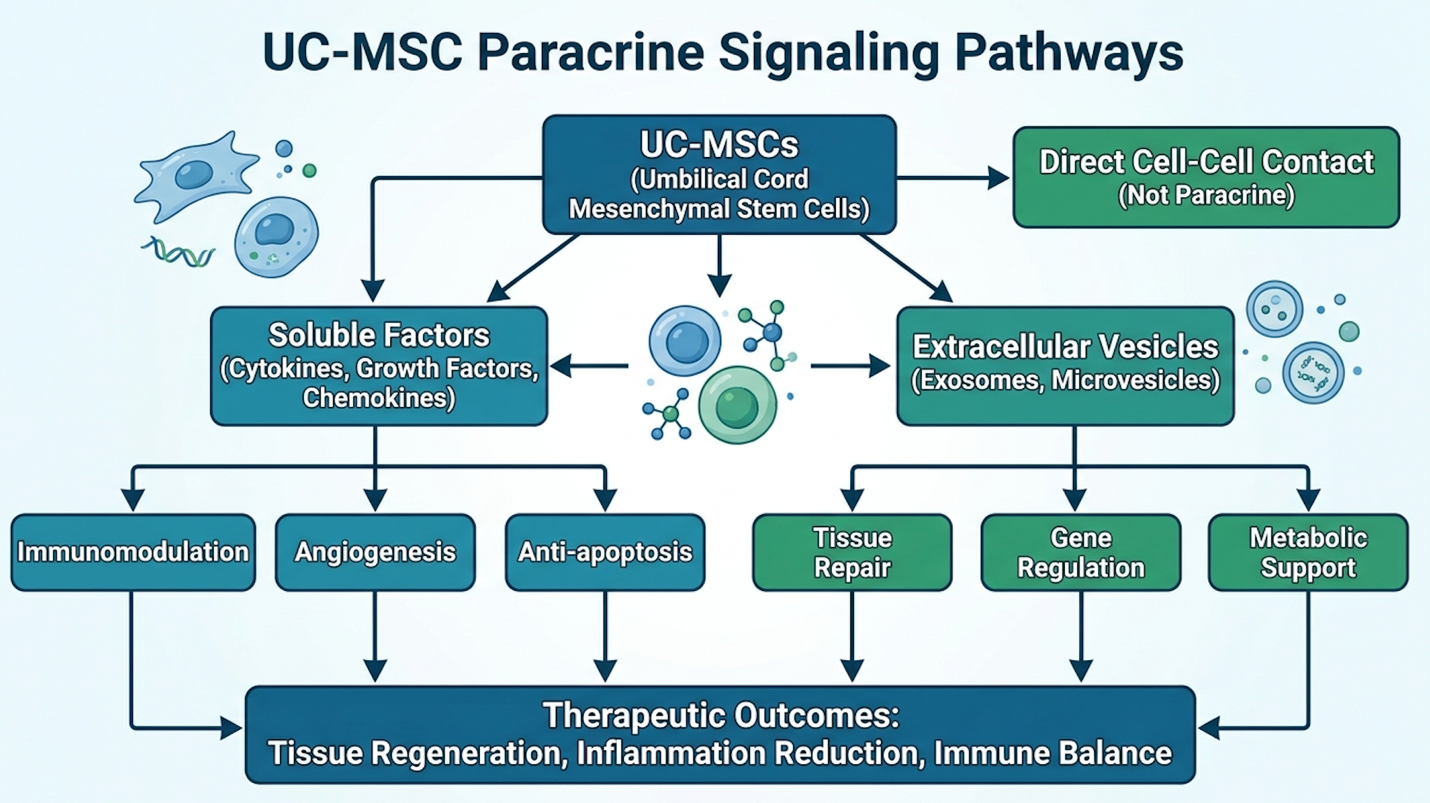
Simultaneously, these cells engage the ERK MAPK signaling pathway within the host’s existing tissues. This specific molecular pathway is heavily involved in regulating cellular survival and proliferation. By upregulating ERK MAPK, UC-MSCs effectively signal damaged beta-cells to stay alive and begin multiplying rather than undergoing apoptosis (programmed cell death). This is how actual tissue preservation occurs on a molecular level, preventing the pancreas from simply giving up under the weight of metabolic syndrome.
Furthermore, we see a massive activation of the SIRT1 pathway. SIRT1 is a critical protein that protects cells against severe oxidative stress and helps restore mitochondrial membrane integrity in aging, senescent tissues. In a diabetic environment, mitochondria the powerhouses of the cells are failing under the weight of lipotoxicity and glucotoxicity. SIRT1 activation physically repairs these energy centers, allowing pancreatic cells to resume the highly energy-intensive process of manufacturing, packaging, and secreting insulin molecules (mechanistic studies on SIRT1 pathways).
Finally, UC-MSCs actively inhibit Toll-like receptor 4 (TLR4) signaling. This is crucial for stopping systemic fibrosis the scarring of internal organs that frequently accompanies advanced, unmanaged diabetes. By mitigating excessive dermal and internal myofibroblast activation, the stem cells prevent the pancreas from turning into rigid, non-functional scar tissue.
This complex paracrine action contrasts sharply against the outdated, simplified misconception that injected stem cells simply float to the pancreas, settle down, and magically transform into new insulin-producing cells. They don’t. They act as highly sophisticated chemical factories that facilitate the body’s own native repair mechanisms.
Here is where patients frequently encounter enormous frustration. Biological healing takes time. You cannot rebuild a capillary network overnight, and you cannot instantly reverse years of beta-cell burnout.
Defining the physiological timeline is critical for setting realistic clinical expectations. HbA1c reductions and shifts in insulin independence are never instantaneous. The clinical reality requires a strict 3 to 6-month observation window to properly assess functional outcomes. Anyone promising you a normalized blood sugar reading the week after your treatment is operating completely outside the bounds of biological reality.
During Weeks 1 through 4, the patient enters the acute inflammatory reduction phase. You won’t typically see massive changes in fasting blood sugar here. Instead, systemic inflammatory markers like C-reactive protein (CRP), Interleukin-6 (IL-6), and erythrocyte sedimentation rate (ESR) begin to plummet as the cytokine storm is suppressed. The toxic environment is being systematically neutralized. Patients often report subjective improvements in energy levels, better sleep architecture, and significantly reduced peripheral neuropathy pain during this first month. This is primarily due to the immediate drop in systemic inflammation and the sudden influx of anti-inflammatory cytokines, not an increase in endogenous insulin.
Months 2 and 3 mark the early cellular proliferation phase. With the inflammatory blockade lifted and angiogenesis actively delivering fresh blood supply via new capillary networks, the endogenous pancreatic tissues begin to recover. Endothelial progenitor cells multiply. During this phase, patients may start noticing increased instances of mild hypoglycemia if they are maintaining their previous high doses of exogenous insulin. This occurs because their own pancreas is slowly coming back online and contributing naturally produced insulin to the bloodstream.
Months 4 through 6 represent the functional endocrine stabilization phase. This is when the clinical data actually shifts and solidifies. Endocrinologists look closely at C-peptide levels. C-peptide is a byproduct created precisely when the pancreas produces endogenous insulin. By measuring C-peptide, doctors can objectively see exactly how much insulin the patient’s own body is finally manufacturing, completely independent of whatever synthetic analogs they are injecting (C-peptide tracking in clinical trials).
The absolute necessity of continuous monitoring and reassessment by a qualified clinician throughout this entire period cannot be overstated. Patients must track their fasting blood glucose rigorously. As the pancreas heals and begins pumping its own insulin, continuing to inject historical doses of synthetic insulin can lead to dangerous, life-threatening hypoglycemic episodes. Medications must be carefully, medically titrated downward based on daily glucometer readings and quarterly HbA1c panels.
For international patients, regenerative medicine in Thailand offers a highly regulated environment combining advanced laboratory infrastructure with highly accessible clinical care. Facilities offering stem cell therapy in Bangkok mandate rigorous suitability assessments and strictly adhere to advanced biological quality controls (health infrastructure reporting). Thai ISO-5 cleanrooms restrict particulate exposure to under 100 particles per cubic foot — ensuring essentially zero-contamination biological batches for medical tourists.
The regulatory framework in Thailand regarding the handling, expansion, and administration of UC-MSCs is surprisingly robust. While some regions operating in the Caribbean or Latin America exist in a regulatory gray zone, the Thai Ministry of Public Health (MOPH) has established strict guidelines for cellular therapies. They classify expanded stem cells as advanced therapeutic medicinal products (ATMPs), restricting their use to specialized clinical environments and controlled research protocols overseen by the Thai Medical Council.
| 📌 If you’re wondering how Thailand keeps stem cell treatment safe for patients, we have an interesting article that discusses whether stem cell therapy is safe in Thailand, which you can read via the internal link. |
In our evaluation of Thai cellular processing regulations, we consistently found that top-tier facilities operate far above standard hospital requirements. When analyzing the clinical standards in Bangkok, you have to look deeply into the laboratory infrastructure. The top-tier Thai clinics—such as the advanced cellular facilities operating around Lad Phrao 101 or the highly established wellness hospitals in the capital do not process cells in a back room using a basic bedside centrifuge. They utilize Class 100 (ISO 5) cleanrooms. These specific environments utilize continuous HEPA filtration and massive air exchange rates to meet severe international standards, ensuring perfect sterility during the critical weeks-long cellular expansion process.
Before any patient receives an infusion, these leading laboratories perform extensive, legally mandated viability testing. They utilize flow cytometry to check for specific surface marker expression verifying that the cells heavily express CD73, CD90, and CD105, while simultaneously lacking HLA-DR. This is the only way to prove they are actual, viable mesenchymal stem cells. They also run complete sterility testing against bacterial, fungal, mycoplasma, and endotoxin contamination, backed by independent auditing documents (Thai medical regulations on cell therapies).
| 📌 If you’re interested in why these surface markers are used to confirm genuine stem cells, we have an interesting article that discusses the CD73 marker and how important it is for stem cell therapy, which you can read via the internal link. |
This infrastructure severely outpaces unregulated offshore markets, where patients often receive dead, uncharacterized, or heavily contaminated cells. We maintain that objectively assessing a clinic’s laboratory infrastructure is far more critical than evaluating their luxury amenities or bedside manner. Legitimate facilities require extensive physician-led suitability assessments. Board-certified specialists demand full, translated medical records, recent blood panels, and a detailed history of disease progression. If a clinic immediately guarantees a cure without looking at your baseline C-peptide levels, walk away immediately.
Let’s break down the actual financial commitment required for these therapies. Accurate cost analysis is arguably the most opaque part of the medical tourism industry, heavily obscured by marketing affiliates and hidden clinic fees.
Based on current medical tourism market data, average stem cell therapy costs in Thailand hover around $14,100 for a comprehensive UC-MSC protocol treating metabolic conditions. To put that into perspective, identical clinical protocols utilizing similarly expanded cord tissue in Western jurisdictions (navigating strict FDA 351 pathways for biologics) or highly regulated Asian hubs like Japan or Singapore frequently cost upwards of $30,000 to $45,000.
| 📌 If you’re interested in a full breakdown of treatment pricing, we have an interesting article that discusses stem cell therapy costs in Thailand for 2025, which you can read via the internal link. |
What exactly does that $14,100 cover? Patients must demand itemized billing. Typically, legitimate Thai packages include the complete cellular harvesting and multi-week cleanroom processing required to yield 50 million to 100 million viable cells. It covers the clinical administration (often a mix of targeted IV infusion and supportive localized therapies), comprehensive baseline laboratory testing upon arrival, specialized airport transfers, and short-term post-procedure clinical monitoring inside a luxury hospital suite.
However, patients must coldly address the financial risks. Experimental and investigational treatments are essentially never covered by traditional health insurance or Medicare. Patients are paying entirely out of pocket. Moreover, medical tourism requires accurately accounting for international flights, extended hotel stays near the clinic for acclimatization, specialized medical transport, and long-term follow-up care with your local endocrinologist once you return home. Always demand comprehensive follow-up protocols before transferring any funds to an international clinic.
There are hard biological stop-signs for these procedures. Patients with advanced, untreated malignancies must absolutely avoid cellular therapies. Because UC-MSCs vigorously promote angiogenesis (new blood vessel formation), they could theoretically encourage rapid tumor growth by supplying a rich blood source to previously undetected or dormant cancers, a risk widely discussed in angiogenesis-promoting secretome research.
Patients with severe, active systemic infections are also immediately disqualified. The potent immune-modulating properties of the stem cells could potentially blunt the body’s natural infection-fighting capabilities, allowing a minor localized infection to become rapidly systemic. Finally, if you hold unrealistic expectations of completely abandoning traditional medications the day after your infusion, do not book the flight. The financial risk is incredibly real medical tourism pricing fluctuates, and experimental treatments are essentially never covered by traditional health insurance. If financing this procedure would put you in financial distress, standard endocrinology remains the safest and most responsible path forward.
Current clinical data indicates that stem cells cannot definitively reverse diabetes, but they may significantly improve glycemic control. UC-MSC therapy focuses intensely on modulating immune responses and preserving remaining beta-cell function. Some clinical trial participants experience prolonged periods of reduced insulin dependency. However, individual functional outcomes vary drastically based on disease duration, age, and baseline metabolic health.
The most recent breakthrough for type 2 diabetes involves cellular therapies utilizing mesenchymal stem cells to target deep systemic inflammation. Rather than just artificially increasing insulin supply with drugs, this approach attempts to repair the underlying cellular degradation. Researchers are utilizing these biologics to reprogram immune responses, offering a structural intervention alongside traditional pharmaceutical management. Consult a qualified clinician to determine true suitability for your specific pathology.
Reports of a “cure” in China refer to highly experimental trials involving peripheral blood mononuclear cells or advanced islet cell transplantation, not a widely available public cure. While some individual trial patients remarkably achieved insulin independence, these results are preliminary. The interventions remain strictly investigational and require extensive long-term peer-reviewed validation before ever being considered standard medical practice anywhere in the world.
Clinical protocols in China for diabetes integrate traditional Western endocrinology, Traditional Chinese Medicine (TCM), and advanced investigational cell therapies. Standard frontline treatments strictly include metformin and exogenous insulin, while leading research hospitals conduct trials on UC-MSCs to address beta-cell preservation. TCM herbal adjuncts are also frequently used to manage symptoms holistically, though severe cases rely entirely on established pharmaceutical interventions.
Diabetics should start the morning by drinking water mixed with a small amount of apple cider vinegar or lemon. This combination hydrates the body and has been shown to modestly improve fasting insulin sensitivity. Herbal teas, such as chamomile or green tea, are also excellent choices that avoid the rapid glycemic spikes associated with fruit juices or sweetened coffees.
The fastest natural method to reduce blood sugar spikes involves eliminating refined carbohydrates and engaging in post-meal cardiovascular exercise. A 15-minute brisk walk immediately following a meal drastically increases muscle glucose uptake independent of insulin. While dietary interventions like increasing soluble fiber help stabilize metabolism, they are adjuncts to, not replacements for, prescribed medical therapies.
For patients evaluating international regenerative options, UC-MSC stem cell therapy in Thailand delivers an evidence-informed approach to severe metabolic management. Clinical analyses evaluating properly vetted patients utilizing advanced UC-MSC protocols have demonstrated notable improvements in fasting glucose and reduced exogenous insulin requirements over a standard 6-month observation window. The best approach consistently combines strict suitability assessments, realistic clinical timeline expectations, and ongoing, rigorous endocrinology care upon returning home.
The fundamental value of this intervention relies entirely on the Dual-Target Regeneration Model. Actively addressing systemic inflammation while simultaneously preserving fragile beta-cells offers a fundamental shift from traditional symptom management. It moves the clinical focus from just hiding the symptoms of high blood sugar to actually attempting to stabilize and repair the deteriorating cellular environment inside the pancreas.
If you are considering whether stem cell therapy is a viable path for your specific metabolic condition, immediate action is required. Compile your last six months of comprehensive metabolic blood panels, including detailed HbA1c and C-peptide levels, and seek an objective consultation with a qualified medical professional to determine your true biological suitability.