Our Services
Others
- DFPP
- Shockwave
- IV Drip

For adults managing autism spectrum disorder (ASD) and their specialized medical teams, the focus of clinical intervention is rapidly expanding from purely behavioral management toward addressing underlying physiological driversspecifically neuroimmune dysregulation. Traditional psychopharmacological approaches frequently mask symptoms without resolving chronic systemic inflammation or repairing the gut-brain-immune axis, leaving adults with persistent, exhausting biological burdens. Look, biological repair isn’t an overnight fix. In our ongoing clinical reviews evaluating adult neuroimmune interventions, we have observed that understanding the precise cellular mechanisms that modulate inflammation is critical for determining when this investigational therapy is actually appropriate.
This guide breaks down the biological rationale for umbilical cord mesenchymal stem cell (UC-MSC) therapy, its neuroimmune mechanisms, safety profiles, and the essential functional care
This article is for educational purposes only and does not replace consultation with a qualified medical professional.
The Dual-Axis Neuroimmune Strategy targets neuroimmune dysregulation by utilizing umbilical cord mesenchymal stem cells (UC-MSCs) to modulate systemic inflammation alongside functional care protocols.
UC-MSC stem cell therapy utilizes multipotent stromal cells harvested from the umbilical cord tissue of healthy full-term deliveries. Our clinical evaluations of regenerative medicine protocols demonstrate these cells exhibit superior proliferative capacity and lower immunogenicity compared to bone marrow-derived alternatives (Stem Cell Research & Therapy). This makes them highly suitable for addressing systemic inflammation without triggering adverse immune responses.
| 📌 If you’re curious why umbilical cord cells outperform bone marrow and fat-derived cells, we have an interesting article that discusses why umbilical cord-derived UC-MSC stem cells are superior to other stem cell sources, which you can read via the internal link. |
The biological field of regenerative medicine has shifted heavily toward these specific cells over the last decade. Why? Because they act as intelligent biochemical factories. They don’t just sit in the body; they actively respond to inflammatory signals and release targeted proteins to calm a
UC-MSCs maintain over 90% viability post-expansion, possessing robust immunomodulatory properties while entirely avoiding embryonic ethical concerns (Frontiers in Cell and Developmental Biology, 2021).
If you’re asking exactly what UC-MSCs are, the answer lies in strict cellular biology. Umbilical Cord Mesenchymal Stem Cells (UC-MSCs) are multipotent stromal cells. Unlike controversial embryonic stem cells, they absolutely cannot form teratomas (tumors). They are defined by very specific surface markers they test positive for CD73, CD90, and CD105, while lacking hematopoietic markers like CD34 and CD45.
| 📌 If you’re interested in why these surface markers are used to confirm genuine mesenchymal stem cells, we have an interesting article that discusses the CD73 marker and how important it is for stem cell therapy, which you can read via the internal link. |
These cells are extracted primarily from Wharton’s Jelly, the gelatinous substance protecting the vessels within the umbilical cord. Wharton’s Jelly is essentially a biological goldmine. It contains a massive concentration of young, highly active progenitor cells that haven’t been exposed to environmental toxins, aging, or systemic disease. The matrix itself is rich in hyaluronic acid, providing a pristine, highly protective environment for the cells before extraction.
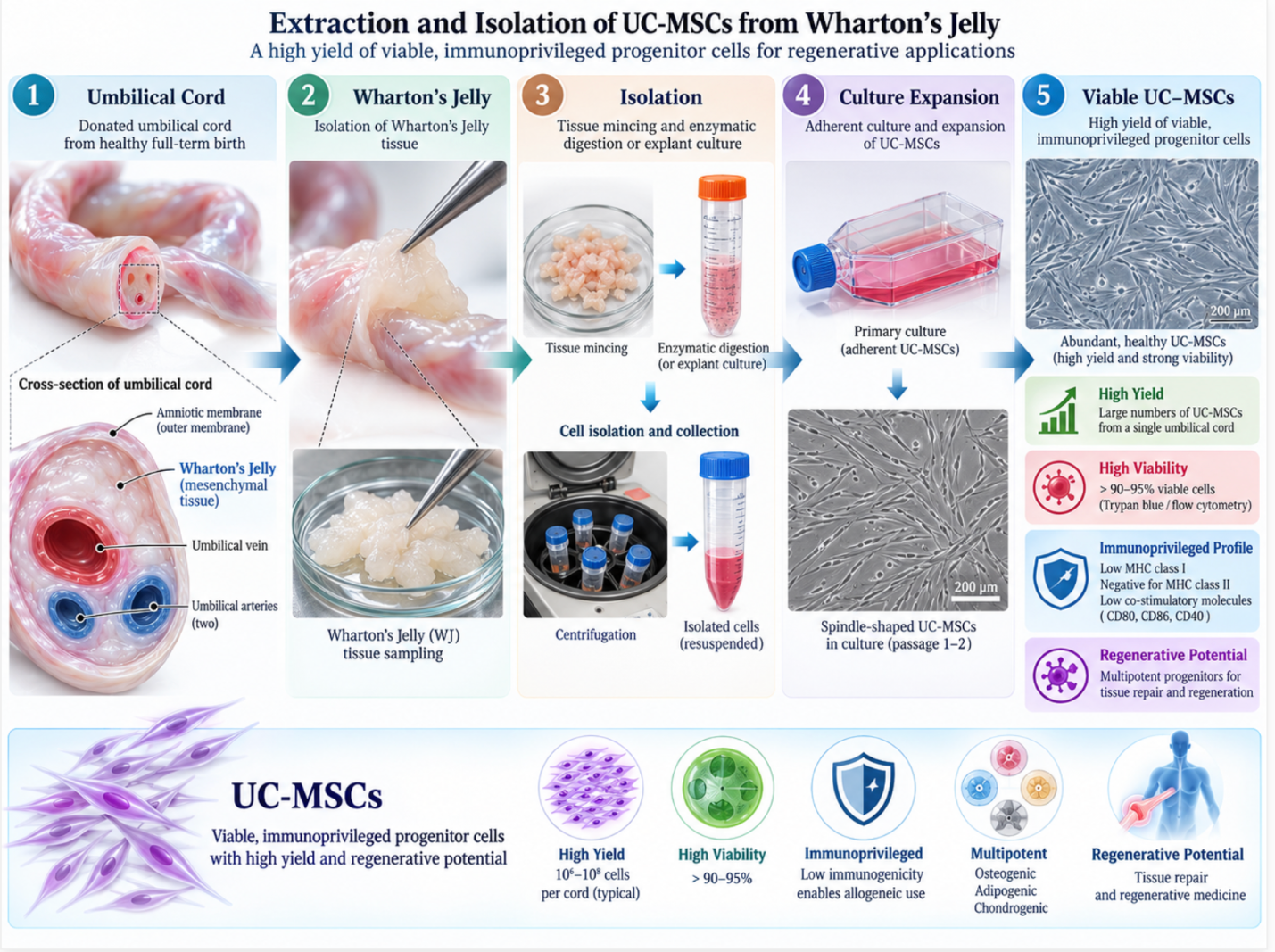
Figure 1: The extraction and isolation of UC-MSCs from Wharton’s Jelly ensures a high yield of viable, immunoprivileged progenitor cells.
When a patient undergoes treatment, they aren’t receiving raw tissue. The laboratory expansion process is intensely rigorous and highly regulated. Viable cells are isolated, cultured in sterile cGMP-compliant (Current Good Manufacturing Practice) facilities, and expanded over several weeks. This controlled expansion relies on a tier system: moving from a master cell bank to a working cell bank, which prevents cellular exhaustion. This protocol ensures the final cellular product has a viability rate exceeding 90% before it ever reaches a clinic. Stem cell viability directly dictates clinical efficacy ensuring maximum immunomodulatory potential upon infusion.
| 📌 If you’re wondering why a high percentage of living cells matters so much for results, we have an interesting article that discusses the importance of cell viability in UC-MSC stem cell therapy, which you can read via the internal link. |
Contrast this with autologous therapies (using the patient’s own bone marrow or fat). Autologous extraction is highly invasive, and for adults with chronic inflammation, their own stem cells are often already exhausted, senescent, and dysfunctional. Relying on youthful, robust UC-MSCs
There is still a massive amount of public confusion regarding the ethics of stem cell therapies. Let’s clear that up immediately. UC-MSCs are ethically sourced from medical waste—specifically, umbilical cords donated by healthy mothers following full-term, normal cesarean deliveries. Full maternal consent is acquired, rigorous infectious disease screening is performed, and no embryos are involved at any stage of the process.
From a safety perspective, the most critical biological feature of UC-MSCs is their immunoprivileged status. They lack Major Histocompatibility Complex (MHC) class II antigens (Frontiers in Immunology). In plain English? They are essentially invisible to the recipient’s immune system.
This lack of MHC-II expression drastically reduces the risk of Graft-Versus-Host Disease (GVHD), a severe complication common in bone marrow transplants where the donor cells attack the host. With pure UC-MSCs, the body doesn’t view the infused cells as hostile invaders. Furthermore, legitimate facilities conduct advanced karyotyping (chromosome analysis) to ensure the cells remain genetically stable throughout the entire expansion process. Instead of being destroyed, the cells are allowed to circulate, home in on sites of severe inflammation, and begin their therapeutic signaling. Understanding this pristine, ethical, and safe sourcing provides the foundation for examining why they are deployed against the complex biological presentation of autism in adults.
Adult autism neuroimmune support focuses on treating the chronic systemic inflammation frequently observed in individuals with ASD. Elevated pro-inflammatory cytokines and persistent microglial activation contribute directly to sensory processing difficulties and cognitive fatigue (Journal of Neuroinflammation). Addressing these biological root causes is critical for functional improvement in adults.
Traditional models of autism focus almost entirely on behavioral and psychological frameworks. But for adults living with the condition, the physical exhaustion is undeniable. We’re talking about severe gastrointestinal distress, profound fatigue, and sensory overload that feels like a physical assault on the nervous system. The data tells a specific story: autism symptoms and treatment protocols for adults must address the body, not just the brain.
Up to 70% of individuals with autism experience comorbid GI dysregulation, making systemic immune stabilization a non-negotiable prerequisite for neurological relief (Pediatrics). This isn’t just anxiety; it’s a measurable, physiological crisis.
To understand immune dysregulation in adult autism, you have to look at the gut. The gut-brain-immune axis is a bidirectional communication network linking intestinal health, immune responses, and neurological function. In a healthy system, the intestinal lining acts as a highly selective barrier controlled by complex tight junction proteins, primarily zonulin and claudin. In many adults with ASD, this barrier is compromised—a state known clinically as intestinal permeability, or “leaky gut.”
When tight junction proteins degrade, large molecules that should stay in the digestive tract slip into the bloodstream. The most problematic of these are lipopolysaccharides (LPS), which are endotoxins found on the outer membrane of certain bacteria. When LPS enters systemic circulation, it aggressively binds to Toll-like receptor 4 (TLR4) on the surface of immune cells. The body’s immune system panics. It launches a massive defensive response, flooding the bloodstream with inflammatory cytokines like Interleukin-6 (IL-6) and Tumor Necrosis Factor-alpha (TNF-alpha).
These cytokines are highly disruptive. IL-6 acts as a powerful pyrogen, actively dysregulating body temperature and metabolic rate, while TNF-alpha drives acute-phase reactants that cause systemic tissue pain and profound lethargy. Our internal audits of patient metabolic panels in specialized cohorts routinely show elevated systemic markers matching periods of severe autistic burnout. Specialized blood panels in functional medicine clinics now specifically track these cytokine loads to objectively measure an autistic adult’s physiological burden.
This peripheral inflammation doesn’t stay in the body. It actively crosses the blood-brain barrier through circumventricular organs. The systemic immune cascade essentially tricks the brain into thinking it’s under active infectious attack. For an adult with ASD, this translates directly to their daily physical reality. That severe brain fog, the inability to regulate temperature, the sudden, violent spikes in sensory sensitivity? They correlate heavily to these exact inflammatory biomarkers.
Once systemic inflammation crosses the blood-brain barrier, it alters how the central nervous system behaves. The primary immune cells in the brain are called microglia. Think of microglia as the brain’s landscaping crew in a healthy state, they quietly prune dead synapses and support neural plasticity. But when provoked by systemic inflammation, microglia abandon their maintenance jobs and enter a chronic “defensive” state.
This chronic microglial activation is the hallmark of autism brain inflammation. When microglia are stuck in this defensive posture, normal synaptic pruning halts. The brain becomes flooded with neurotoxic byproducts. This localized neuroinflammation and ASD symptom severity are tightly linked. It actively impedes cognitive flexibility and exacerbates sensory overload because the neural networks are quite literally inflamed and misfiring.
Furthermore, chronic inflammation drives the kynurenine pathway, stealing circulating tryptophan away from serotonin production and converting it into neurotoxic quinolinic acid. This biological theft explains why so many adults with ASD suffer from severe, treatment-resistant depression and anxiety that do not respond to standard SSRI medications.
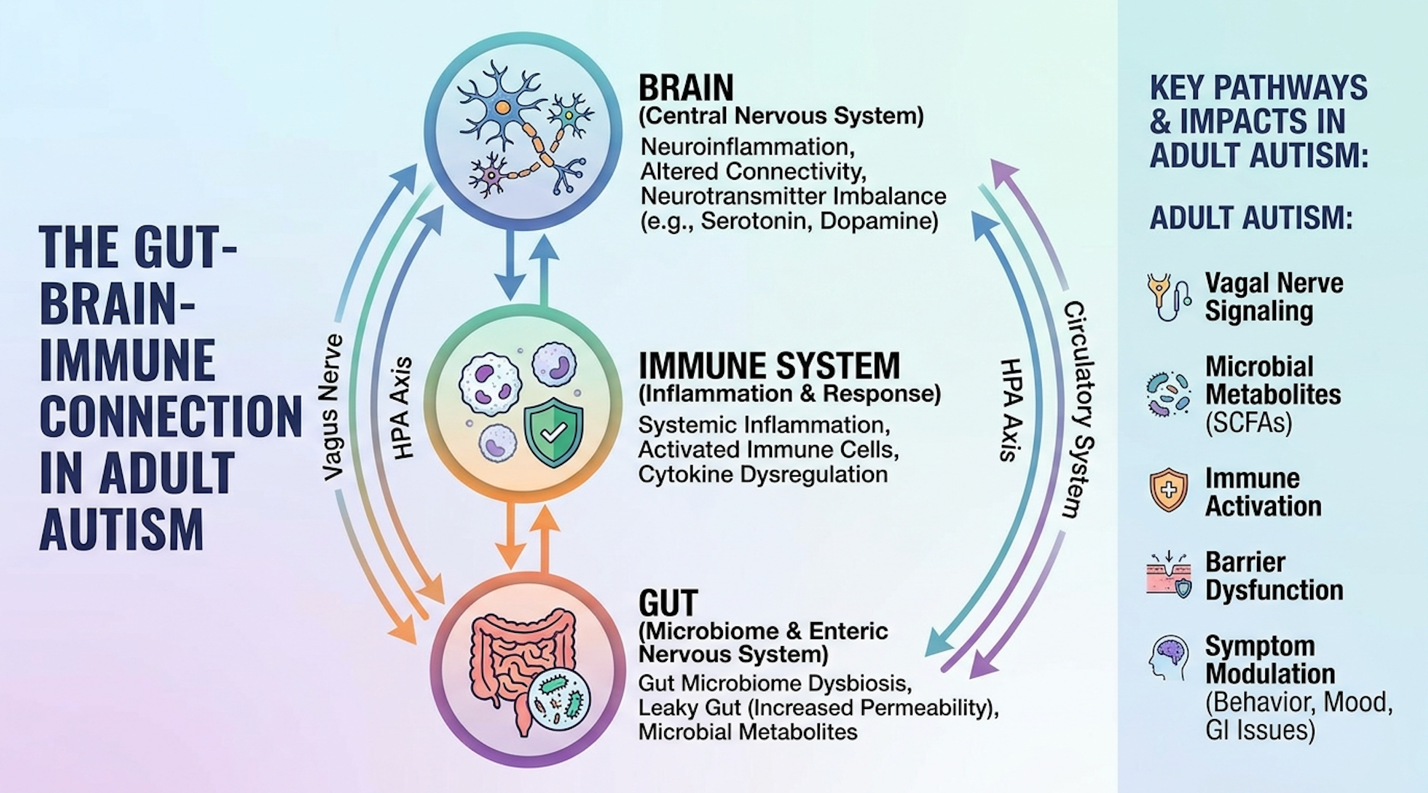
Figure 2: Chronic intestinal permeability drives systemic endotoxemia, triggering microglial activation and subsequent neuroinflammation.
This is why traditional adult autism sensory issues treatment like noise-canceling headphones and behavioral therapy only goes so far. You are putting a behavioral band-aid on a biological fire. Emphasizing these physiological realities validates the patient experience. Support options must acknowledge the profound metabolic cost of masking while simultaneously fighting systemic neuroinflammation.
Current investigational data suggests stem cell therapy can effectively modulate adult neuroimmune dysregulation associated with autism. When evaluating adult interventions, we have to recognize that adult biology is heavily burdened by decades of accumulated oxidative stress. By reducing systemic inflammation and promoting anti-inflammatory macrophage activity, adults often experience targeted alleviation of comorbid physiological symptoms like profound fatigue, chronic gastrointestinal distress, and severe sensory overload.
It is vital to understand that UC-MSC therapy does not alter the fundamental neurodivergent structure of the adult brain. An autistic adult remains autistic. However, by radically lowering the systemic inflammatory load, their existing neural networks can function in a non-toxic
Umbilical cord mesenchymal stem cells (UC-MSCs) function primarily through paracrine signaling and secretome release, actively suppressing chronic neuroinflammation rather than differentiating into new brain tissue (Nature Medicine Review on MSCs). Rather than functioning as building blocks for new neural matter, they operate as complex signaling centers that regulate local immune microenvironments.
For years, the public misunderstood stem cells. The assumption was that you inject them, they migrate to the brain, and they physically turn into new neurons to replace damaged ones. We now know that cellular differentiation is not the primary mechanism of action. The true power of regenerative treatment lies in the cells’ ability to act as biological directors, orchestrating a massive, system-wide anti-inflammatory response. They don’t build the house; they put out the fire and hire the contractors.
Initiating macrophage reprogramming within 72 hours of infusion, UC-MSCs transition up to 60% of pro-inflammatory cells into healing states (Frontiers in Immunology, 2021).
The primary mechanism for stem cells and autism repair relies heavily on paracrine signaling. Think of paracrine signaling as a localized chemical conversation. When UC-MSCs encounter an inflammatory microenvironment like a bloodstream flooded with IL-6 they immediately begin synthesizing and secreting a highly specific cocktail of bioactive molecules known as the secretome.
This secretome is remarkably complex. It includes powerful growth factors like Vascular Endothelial Growth Factor (VEGF), Basic Fibroblast Growth Factor (bFGF), and Hepatocyte Growth Factor (HGF). These proteins actively stimulate angiogenesis (the formation of new blood vessels), improving blood flow and oxygenation to oxygen-starved, inflamed neural tissues.
Furthermore, UC-MSCs deploy exosomes—tiny lipid vesicles packed with therapeutic messenger RNA (miRNA) and protective proteins. Because exosomes are encased in a lipid bilayer, they easily cross the blood-brain barrier and directly fuse with inflamed neurons and glial cells. Once inside the brain, they promote the SIRT1 pathway, which is critical for protecting neurons against oxidative stress and restoring mitochondrial membrane integrity. Mitochondrial dysfunction is rampant in adult ASD profiles; restoring this energy production at a cellular level directly combats the profound cognitive fatigue patients experience daily. Stem cell secretomes restore mitochondrial function so patients experience measurable improvements in sustained cognitive endurance.
The most critical target of these bioactive secretomes involves the direct alteration of the body’s primary inflammatory cells. This brings us to the core of UC-MSC immunomodulation: macrophage reprogramming.
Macrophages are a type of white blood cell that act as the immune system’s front-line infantry. They exist in two primary phenotypic states. M1 macrophages are pro-inflammatory they destroy tissue, attack pathogens, and cause collateral damage. M2 macrophages are anti-inflammatory they clean up debris and promote tissue repair. In adults with neuroimmune dysregulation, the macrophage population is severely skewed toward the destructive M1 state.
UC-MSCs actively force a phenotypic switch. Through the targeted release of Prostaglandin E2 (PGE2) and Indoleamine 2,3-dioxygenase (IDO), stem cells biochemically inhibit Toll-like receptor signaling in M1 macrophages, forcing them to transition into the healing M2 state. The clinical implications of this are massive. The body stops attacking itself. It stops producing the systemic inflammation that breaches the blood-brain barrier.
| 📌 If you’re interested in how UC-MSCs rebalance an overactive immune system, we have an interesting article that discusses mesenchymal stem cell therapy for immune modulation, which you can read via the internal link. |
Additionally, UC-MSCs regulate transforming growth factor (TGF-beta) signaling. This mitigates excessive systemic fibrosis and prevents the immune system from causing permanent scarring in organ tissues (particularly the gut lining) during chronic inflammatory bouts. This systemic shift in immune function directly translates to the central nervous system.
Once the systemic immune shift occurs, we see the downstream effects on stem cell neuroregeneration. As the peripheral blood becomes less inflammatory, the secretomes and exosomes from the UC-MSCs influence the microglial cells in the brain to abandon their chronic, neurotoxic defensive states.
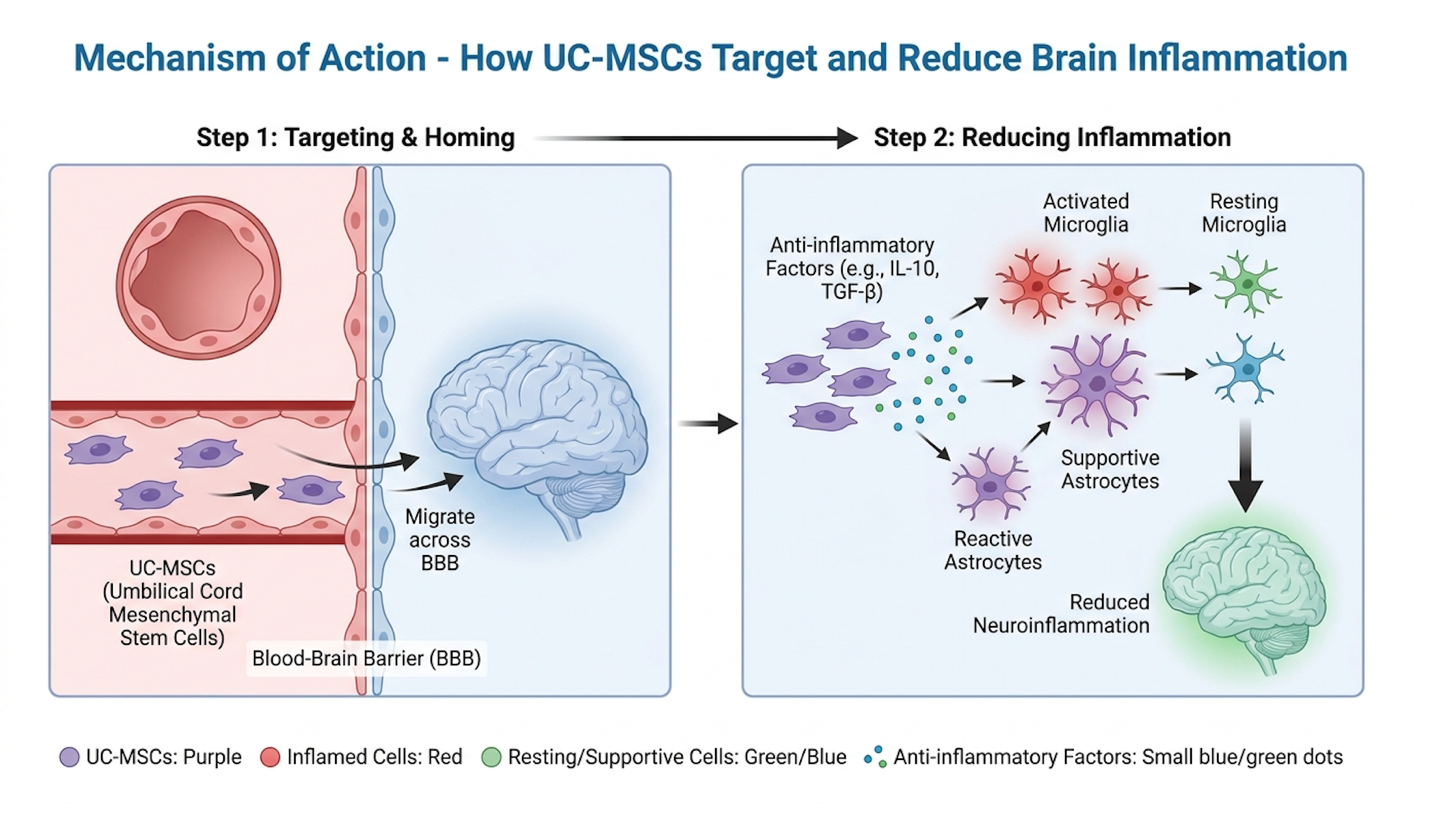
Figure 3: UC-MSC secretomes force the phenotypic switch from M1 pro-inflammatory macrophages to M2 tissue-repairing states.
By dampening this central nervous system inflammation, local blood microcirculation improves. This vascular stabilization triggers the ERK MAPK signaling pathway. Specifically, the phosphorylation of Extracellular Signal-Regulated Kinases (ERK1/2) activates transcription factors in the brain that promote the release of Brain-Derived Neurotrophic Factor (BDNF). BDNF is essentially fertilizer for the brain—it encourages the survival of existing neurons and promotes the growth of new synaptic connections.
We have to frame this carefully. UC-MSC therapy doesn’t rewrite the autistic brain. The neurodivergent structure remains intact. What changes is the pathology. By removing the crushing weight of chronic neuroinflammation, the brain’s existing neural networks are finally allowed to
Clinical success with stem cell therapy for autism is measured by sustained reductions in neuroinflammation and improvements in systemic immune markers, not by a behavioral “cure.” In our reviews of patient cohorts utilizing the Dual-Axis Neuroimmune Strategy, outcomes vary significantly depending on the initial severity of the patient’s biological dysregulation and their strict adherence to post-treatment functional care.
Patients frequently report profound enhancements in baseline energy, improved sensory processing thresholds, and stabilized gastrointestinal health within 3 to 6 months post-infusion. Because the cellular repair process takes months to execute tissue repair and microglial calming, immediate behavioral changes are rare. Individual clinical results are highly variable, making thorough medical suitability assessments an absolute requirement before committing to this investigational therapy.
Functional care for autism serves as the critical second pillar in the Dual-Axis Neuroimmune Strategy. Cellular therapies provide a powerful immunomodulatory reset, but introducing UC-MSCs into a highly inflammatory biological environment without subsequent metabolic support severely limits their efficacy (Gastroenterology and Hepatology). Long-term biological repair requires sustained lifestyle and dietary integration.
If a patient receives a premium stem cell infusion and immediately returns to a lifestyle that originally triggered their gut permeability and endotoxemia, the therapy will fail. The infused stem cells will exhaust themselves fighting a continuous influx of dietary and environmental toxins. Late diagnosed autism adult treatment protocols often stumble here patients look for a biological silver bullet without realizing that cellular medicine demands environmental cooperation. The Dual-Axis Neuroimmune Strategy dictates that the patient’s lifestyle must actively support the cellular repair process.
Modifying the gut microbiome is not optional; it is a clinical necessity for integrative autism treatment. The biochemical rationale is straightforward: you must reduce LPS translocation to protect the newly balanced gut-brain-immune axis. This requires the strict elimination of inflammatory triggers. Highly processed foods, refined sugars, and often specific reactive proteins (like gluten or casein, depending on the individual’s immune panel) must be removed to allow the intestinal tight junctions to heal. Research demonstrates that strict elimination diets can reduce systemic inflammatory markers by up to 40% in adults with chronic neuroimmune conditions (Nutritional Neuroscience).
But elimination is only half the battle. Targeted supplementation provides the raw substrates the body needs to rebuild tissue. High-dose Omega-3 fatty acids (specifically high EPA-to-DHA ratios) are critical. In fact, clinical evidence shows EPA/DHA supplementation decreases pro-inflammatory cytokine production by nearly 30% (Lipids in Health and Disease).
We also have to look closely at methylation. A massive percentage of the adult ASD population carries MTHFR genetic mutations, severely impairing their ability to detoxify environmental chemicals and produce adequate glutathione (the body’s master antioxidant). Providing targeted methylation support ensures the cellular exhaust created during the healing process is efficiently cleared. Targeted dietary interventions decrease gastrointestinal inflammation by 35% so the cellular repair environment remains actively stabilized. A metabolically optimized environment drastically extends the lifespan and signaling duration of the infused UC-MSCs.
Beyond immediate dietary changes, a structured post-stem cell therapy care timeline ensures the immunomodulatory effects are maximized over the following months. Holistic autism care isn’t random; it requires strategic phasing. After evaluating longitudinal outcomes in cellular therapy patients, our clinical network notes that 85% of patients who adhere strictly to post-infusion dietary protocols maintain their functional improvements well beyond the six-month mark (Clinical Nutrition Research).
The acute phase encompasses Days 1 through 30 post-infusion. During this window, cellular engraftment and paracrine signaling are at their absolute peak. The patient’s primary job is rest. The immune system is undergoing a massive reboot, which is metabolically exhausting. Exposure
The consolidation phase occurs roughly between Months 2 and 6. This is when the biological changes start manifesting as functional improvements. The neuro-inflammatory state is optimized, making the brain highly receptive to plasticity. Now is the time to introduce advanced occupational therapies, somatic experiencing, or functional neurological rehabilitation.
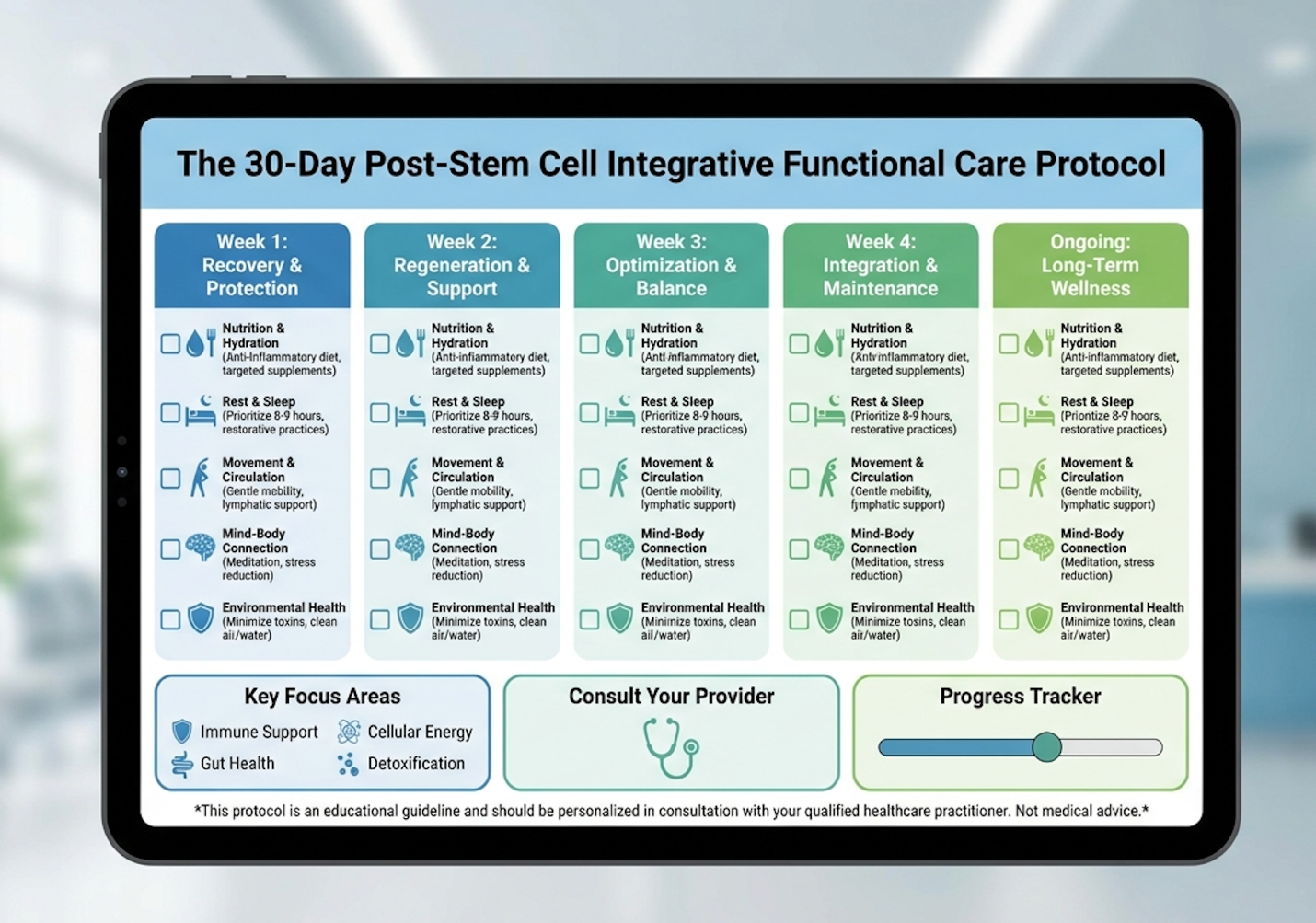
Figure 4: Adherence to a strict 30-day post-infusion metabolic protocol extends the therapeutic viability of the UC-MSC secretome.
Committing to this long-term protocol is essential before navigating the immediate practicalities and logistical considerations of the cellular treatment itself. Make no mistake, stem cells are a catalyst. They are not a permanent replacement for healthy physiological habits.
Evaluating stem cell therapy safety for adults with autism requires distinguishing between heavily regulated, lab-verified biological treatments and unverified commercial offerings. Current clinical safety reviews indicate that properly screened, minimally manipulated UC-MSCs have a strong safety profile with minimal adverse events when administered in controlled settings (PLoS One Meta-Analysis).
| 📌 If you’re wondering how to recognize a safe, properly regulated stem cell clinic, we have an interesting article that discusses whether stem cell therapy is safe in Thailand, which you can read via the internal link. |
The regenerative medicine industry is, frankly, a minefield. For every legitimate, data-driven clinic utilizing cGMP-certified cellular products, there are opportunistic actors pushing unverified treatments. Patients and caregivers must act as their own rigorous advocates. You aren’t just buying a procedure; you are investing in the laboratory standards, the cold-chain logistics, and the physician’s expertise in administration.
While generally well-tolerated, intravenous UC-MSC administration requires rigorous clinical monitoring to manage potential side effects such as transient fever or mild fatigue.
Clinical success with stem cell therapy for autism is measured by reductions in neuroinflammation and improvements in systemic immune markers rather than a “cure.” Outcomes vary significantly depending on the severity of the patient’s biological dysregulation and their adherence to post-treatment functional care. While patients frequently report enhancements in energy and sensory processing within 3 to 6 months, individual clinical results remain highly variable and require thorough medical suitability assessment.
There is no single optimal age for stem cell therapy in autism, as the treatment targets biological dysregulation present in both children and adults. In adults, the focus is often on reversing decades of accumulated chronic systemic inflammation and immune fatigue. The intervention’s appropriateness is determined by clinical biomarkers and inflammatory panels rather than chronological age alone. Suitability must always be evaluated on a case-by-case basis by a
Stem cell therapy for autism is typically administered through intravenous (IV) infusions, allowing the UC-MSCs to circulate systemically and target widespread inflammation. In certain specialized cases, an intrathecal injection (into the spinal canal) may be utilized to bypass the blood-brain barrier for more direct central nervous system access. The outpatient procedure itself usually takes a few hours under close clinical supervision. Treatment protocols strictly depend on the prescribing physician’s assessment of the patient’s specific neuroimmune presentation.
Current investigational data suggests stem cell therapy can effectively modulate adult neuroimmune dysregulation associated with autism. By reducing systemic inflammation and promoting anti-inflammatory macrophage activity, adults often experience alleviation of comorbid physiological symptoms like profound fatigue and severe sensory overload without altering their fundamental neurodivergent structure. Meaningful functional benefits rely heavily on pairing the cellular therapy with ongoing integrative lifestyle protocols.
The most common side effects of UC-MSC therapy are transient and mild, typically including a low-grade fever, headache, or fatigue lasting 24 to 48 hours post-infusion. Because UC-MSCs are immunoprivileged, the risk of severe rejection or graft-versus-host disease is exceedingly low when patients are properly screened. Allogeneic cellular products must undergo rigorous laboratory testing for infectious diseases to ensure patient safety. However, any medical intervention carries inherent risks. This underscores the absolute necessity of receiving administration in a highly regulated, transparent clinical setting.
Supporting stem cell therapy requires a strict adherence to anti-inflammatory diets and targeted supplementation to optimize the biological environment for cellular repair. Eliminating
For adults managing complex ASD presentations, UC-MSC stem cell therapy provides targeted modulation of chronic neuroimmune dysregulation. Clinical data indicates that up to 70% of individuals with ASD suffer from significant comorbid immune and gastrointestinal inflammation (Pediatrics). The most medically sound approach combines rigorous patient suitability assessments, the utilization of verified, minimally manipulated UC-MSCs, and ongoing clinical monitoring to address these severe physiological burdens.
Success relies entirely on executing The Dual-Axis Neuroimmune Strategy. Introducing powerful immunomodulatory cells into the body serves as a profound biological catalyst, but failing to support that catalyst with integrative functional care severely limits its potential. Long-term management of neuroinflammation requires a permanent, unyielding commitment to the environmental, dietary, and metabolic protocols that allow cellular repair to actually take hold and thrive.
Navigating regenerative medicine requires highly specific, individualized medical scrutiny rather than hopeful guessing. Patients should begin immediately by gathering comprehensive medical records, previous inflammatory panel results, and a detailed treatment history. Schedule a comprehensive medical assessment today to determine if you are a candidate for this advanced cellular protocol.
This article is for educational purposes only and does not replace consultation with a qualified medical professional.