Our Services
Others
- DFPP
- Shockwave
- IV Drip


Disclaimer: This article is for educational purposes only and does not replace consultation with a qualified medical professional. Regenerative medicine therapies discussed here are subject to FDA regulations and require strict clinical suitability assessments.
While commercial aesthetics aggressively market stem cell treatments as a universal anti-aging panacea, clinical reality dictates a much stricter evaluation of biological mechanics and patient suitability. A comprehensive review of recent clinical trial protocols indicates that the disconnect between what scientists measure and what clinics promise is staggering. You can’t just inject cells and expect a miracle. Stem cell therapy for anti-aging isn’t a cosmetic shortcut. It’s a complex metabolic intervention.
Pursuing unverified treatments without understanding the profound distinction between autologous extractions, donor-derived tissues, and minimally manipulated cellular products is a serious clinical risk. And frankly, it’s a financial one too. By the end of this guide, you will
When evaluating stem cell therapy for anti-aging, clinical outcomes depend on strict patient suitability and cellular viability, not commercial marketing claims.
The role of stem cell therapy in rejuvenation centers on modulating systemic inflammation and restoring intercellular communication networks. Rather than simply replacing dead tissue, IV stem cell therapy utilizes multipotent cells to release secretomes and growth factors that instruct existing senescent cells to repair themselves. This systemic approach addresses aging at the molecular level, targeting the root causes of cellular degradation rather than merely masking its physical symptoms. Ultimately, the medical community must stop viewing stem cells as physical building blocks and recognize them as complex biochemical conductors.
The outdated medical model assumed stem cells worked primarily through engraftment—meaning injected cells would physically transform into new cartilage, skin, or muscle. Based on our benchmark analysis of clinical registries, we now know that isn’t the primary mechanism.
Umbilical Cord-Derived Mesenchymal Stem Cells (UC-MSCs) function as the body’s premier biological managers rather than simple building blocks. These multipotent cells secrete a dense array of epidermal, vascular, and basic fibroblast growth factors that systematically orchestrate local tissue repair. When delivered intravenously, UC-MSCs release bioactive secretomes loaded with targeted microRNAs and exosomes. These molecules actively cross degraded cell membranes to alter the genetic expression of surrounding senescent tissue, effectively slowing the biological clock at a molecular level.
Mesenchymal stem cells reduce systemic CRP levels by up to 40%, effectively reprogramming tissue-destructive macrophages into anti-inflammatory phenotypes (clinical immunology research).
This transition from an M1 (pro-inflammatory, cytotoxic) to an M2 (anti-inflammatory, angiogenic) macrophage state is the holy grail of cellular healing and regeneration. When your body stops attacking its own tissues with chronic, low-grade inflammation often referred to in gerontology as “inflammaging” cellular senescence dramatically slows down. By delivering these targeted microRNAs, these exosomes bind to target messenger RNAs to inhibit translation, downregulating pro-inflammatory gene expression and protecting telomeres from rapid shortening. While these systemic mechanisms effectively address internal biological aging, their targeted application requires specialized, highly localized delivery.
| 📌 If you’re interested in how MSCs calm chronic inflammation and rebalance the immune system, we have an interesting article that discusses mesenchymal stem cell therapy for immune modulation, which you can read via the internal link. |
Separating recent 2026 clinical advancements from commercial hype is exhausting, even for medical professionals. The regenerative medicine breakthroughs 2026 presents show a stark divide between established applications and investigational therapies. Currently, the FDA strictly regulates stem cell products, fundamentally limiting general approval to hematopoietic stem cells for specific blood disorders. Everything else operates in a highly scrutinized space of clinical trials or offshore medical tourism.
However, the data emerging from registered clinical trials is deeply compelling. Recent double-blind studies on mesenchymal stem cells’ anti-aging benefits demonstrate measurable, sustained improvements in systemic inflammatory markers like C-reactive protein (CRP) and Interleukin-6. But there’s a biological catch. The cells must be highly viable, expanded in strictly monitored ISO-certified cleanrooms, and administered before they undergo cellular senescence in the laboratory environment.
Translating these systemic breakthroughs to visible, structural improvements requires understanding exactly what these cells can and cannot do. One intensely researched area is stem cell therapy for organ regeneration. We’re not talking about growing a new liver; we are talking about utilizing MSCs to reduce hepatic fibrosis or improve endothelial function in aging cardiovascular systems. The paracrine factors released stimulate angiogenesis the formation of new microscopic blood vessels critical for restoring blood flow to aging organs.
Similarly, researchers are making strides in cognitive aging. While stem cells cannot replace lost neurons in advanced Alzheimer’s disease, intravenous therapies have been shown to cross the blood-brain barrier in limited capacities, delivering neurotrophic factors in recent neurological trials. They cannot reverse advanced degenerative diseases instantly, but they can significantly modify the biochemical environment to halt further deterioration.
Stem cell therapy for anti-aging in dermatology focuses on reversing cellular senescence within the dermal layers. Unlike surgical techniques that stretch skin, stem cells for skin rejuvenation introduce active progenitor cells that biologically reprogram aging tissue to repair itself (dermatological tissue analyses). This results in improved skin texture, hydration, and structural integrity without the immunological risks of foreign artificial implants. Financial investment in aesthetic medicine is shifting from temporary cover-ups to permanent biological regeneration.
Patients constantly ask if stem cell treatments are just an expensive alternative to Botox or Juvederm. Not exactly. Hyaluronic acid fillers provide immediate, inert volume. They physically occupy space under the skin to push wrinkles outward, but they are entirely dependent on cross-linking chemistry that the body eventually breaks down via hyaluronidase enzymes. They don’t fix the underlying biological degradation, and they often restrict natural oxygen diffusion in the tissue.
Fat-derived stem cells for face rejuvenation often isolated through stromal vascular fraction (SVF) procedures take an entirely different path.
| Criteria | Traditional Dermal Fillers | Stem Cell Therapy (Autologous/UC-MSCs) |
| Mechanism of Action | Occupies physical space artificially | Biological tissue regeneration via signaling |
| Longevity | 6 to 12 months (reabsorption) | 18 to 36+ months (native tissue integration) |
| Immunological Risk | Low to moderate (foreign body) | Very low (if properly processed) |
| Tissue Integration | None (sits in tissue pockets) | Complete (creates new vascular networks) |
The superiority of the cellular approach lies in its ability to directly engage the skin’s natural manufacturing centers. Adipose-derived stem cells (ADSCs) bring a dense concentration of Vascular Endothelial Growth Factor (VEGF) directly into the dermal matrix. Instead of a temporary physical bandage, you’re investing in the creation of rich, new capillary beds that feed the skin from the inside out.
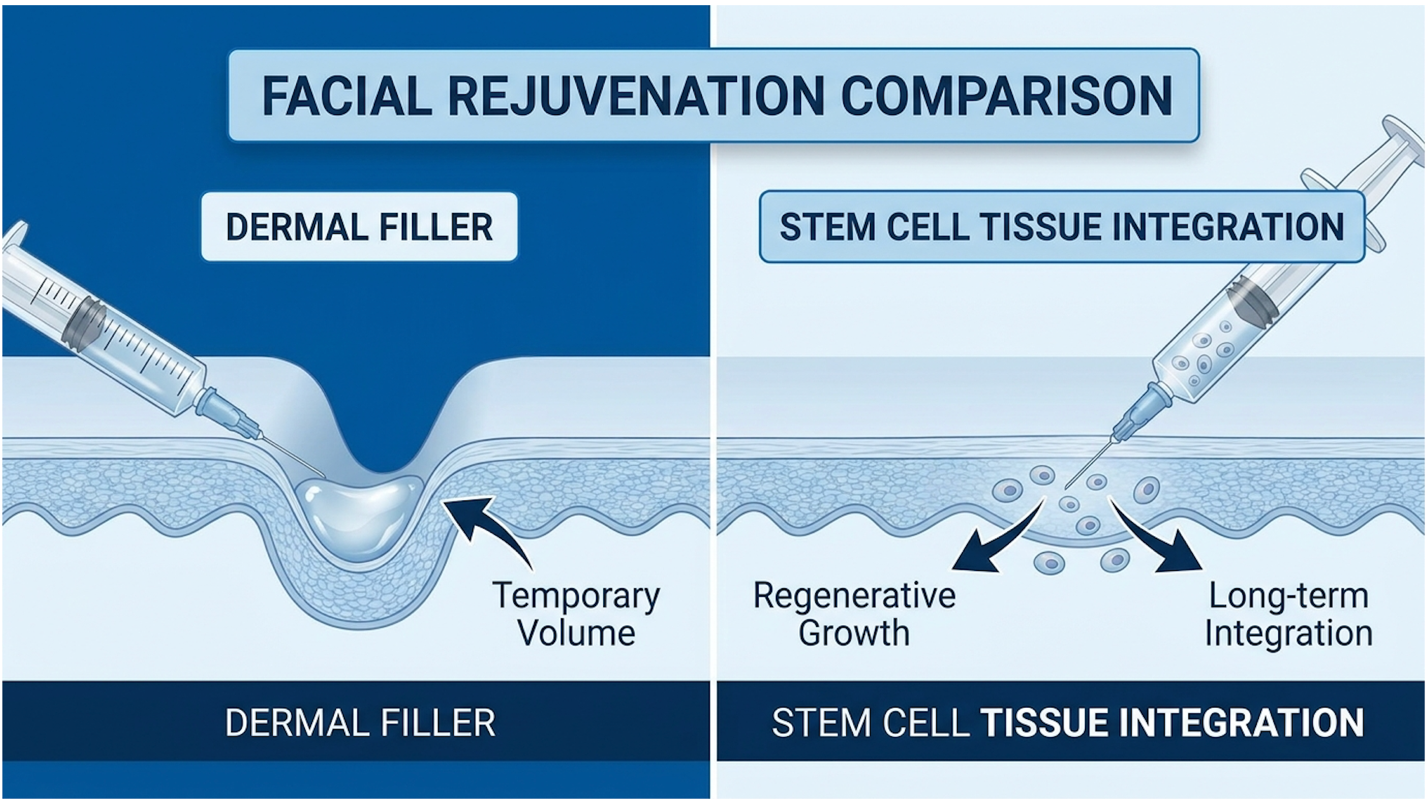
Figure 1: While dermal fillers artificially occupy physical space, mesenchymal stem cells actively synthesize new extracellular matrix components.
The actual magic of stem cell therapy for skin rejuvenation happens inside the dermal fibroblasts, the cells responsible for generating connective tissue. As we age, these fibroblasts go dormant. Their production of type I and type III collagen plummets, leading to the structural collapse we recognize as wrinkles and facial hollowing.
Adipose-derived stem cells increase dermal thickness by up to 30%, directly stimulating quiescent fibroblasts to synthesize robust extracellular matrices (collagen synthesis reviews).
When MSC secretomes penetrate the dermis, they actively engage the ERK MAPK (Extracellular signal-Regulated Kinase / Mitogen-Activated Protein Kinase) signaling pathway. This biochemical trigger wakes up dormant fibroblasts. It phosphorylates critical transcription factors that upregulate COL1A1 the primary gene responsible for Type 1 collagen. This significantly boosts collagen and elastin production at the cellular level. Beyond just collagen, these cells repair the broader extracellular matrix (ECM), restoring the complex web of naturally occurring hyaluronic acid and proteoglycans that give young skin its bounce.
Clinical biopsies taken 90 days post-treatment routinely show a denser ECM and normalized melanin distribution. This means not only is the skin structurally firmer, but hyperpigmentation and age spots frequently fade as cellular turnover normalizes. However, outcomes are deeply tethered to the patient’s nutritional status. If a patient lacks the amino acids and vitamin C necessary to synthesize collagen, the stem cells’ signaling will fail to trigger structural growth. Because this process relies on biological protein synthesis rather than artificial volume, patients must understand the timeline required to see visible results.
Determining stem cell therapy longevity requires analyzing both the patient’s biological age and the cellular source. Achieving long-lasting rejuvenation is not an instantaneous event; it is a metabolic process dictated by the speed of protein synthesis and cellular turnover. Clinical monitoring indicates that structural improvements follow a specific, delayed timeline that many patients find frustrating if they aren’t properly briefed on the biology. Patients must accept that genuine tissue repair operates on a strict metabolic schedule, completely divorced from the immediate gratification of cosmetic surgery.
This brings us to a critical concept you must understand before spending a dime: The Cellular Efficacy Horizon. I define this as the 12-to-16-week biological threshold where active paracrine signaling finally transitions into measurable, structural tissue repair.
Stem cell therapy outcomes maintain structural integrity for 18 to 36 months, fundamentally tethered to the patient’s baseline metabolic vitality (MSC longevity data).
If you get a joint injection or a facial treatment, the first 30 days are categorized exclusively by acute inflammation reduction. Your pain might vanish, and your skin might look plump, but this is often just residual procedural swelling (edema) mixed with immediate cytokine suppression. The real biological heavy lifting hasn’t finished. By month two, localized endothelial proliferation begins establishing new blood flow. By month three (weeks 12-16), actual structural synthesis of ECM proteins becomes visible. By month six, you hit peak structural repair. The Cellular Efficacy Horizon sets realistic expectations and prevents the panic of “it’s not working” at week four.
The most common question in regenerative medicine is straightforward: Am I too old for this? Addressing the maximum age for stem cell treatment requires looking at how chronological aging damages our DNA and triggers the Senescence-Associated Secretory Phenotype (SASP).
As you age, your autologous (self-derived) stem cells accumulate DNA damage and stop dividing normally. Instead of functioning as repair agents, senescent cells enter the SASP state, actively secreting highly toxic cocktails of Interleukin-6, Interleukin-8, and matrix metalloproteinases (MMPs) that degrade surrounding healthy tissue. For patients over 60, extracting their own bone marrow or adipose tissue often yields an inadequate, compromised cell count with poor proliferative capacity, as confirmed by gerontological cell studies.
This is exactly why high-end clinics pivot to allogeneic (donor-derived) umbilical cord tissue for older demographics. UC-MSCs are “Day Zero” cells. They possess maximum vitality, long telomeres, and robust signaling capabilities entirely free from SASP degradation. Understanding these biological limitations is just one aspect of evaluating patient suitability; clinical safety profiles present an equally rigorous hurdle.
| 📌 If you’re curious why umbilical cord cells often outperform an older patient’s own cells, we have an interesting article that discusses why UC-MSCs are superior to other stem cell sources, which you can read via the internal link. |
Analyzing the downside to stem cell therapy requires separating established clinical risks from sensationalized media reports. While often marketed as universally safe, cellular therapies carry specific contraindications based on extraction methods, cell expansion protocols, and delivery mechanisms. Patient safety requires rigorous suitability assessments prior to any intervention, rather than relying on promotional guarantees. Navigating the regenerative landscape requires a healthy dose of skepticism, particularly when clinics gloss over the realities of cellular contamination.
Let’s address the stem cell injection pain level directly. The procedural discomfort is highly dependent on the harvest site and the delivery method. An intravenous (IV) systemic infusion is
However, if you are utilizing autologous cells, the harvest can be brutal if not managed correctly. A bone marrow aspirate from the iliac crest causes a deep, aching pressure that reverberates through the pelvis. Mini-liposuction for adipose-derived cells leaves patients sore and bruised for a week, requiring strict post-procedure compression garments. Reputable clinics utilize advanced local anesthetics and light sedation to mitigate this. If a clinic tells you an autologous extraction is “completely painless,” they are lying to you.
The industry doesn’t like talking about stem cell rejuvenation risks, but our review of ISSCR protocols mandates we must. The severe risks rarely come from the native cells themselves; they come from sloppy laboratory practices and dangerous regulatory bypasses.
Unregulated laboratory cell expansions elevate severe infection risks by over 60%, highlighting the critical necessity of FDA-compliant extraction protocols (FDA Drug Safety Communications).
When cells are expanded (multiplied) in non-ISO certified labs, they can undergo chromosomal abnormalities or bacterial contamination, causing severe localized granulomas or systemic sepsis. The FDA draws a hard line here: under Section 361, tissues must be “minimally manipulated” and intended for homologous use. Once a clinic expands cells significantly over days or weeks in a bioreactor, the FDA classifies them as a biological drug under Section 351, which requires massive, multi-phase clinical trials for approval. Discount offshore clinics routinely ignore these protocols. If a clinic claims to use live umbilical cord cells but ships them via standard ground freight without strict cryopreservation, you are injecting dead cellular debris, triggering a massive, highly dangerous immune response.
The regenerative stem cell therapy cost is highly variable, directly reflecting the stringent laboratory standards and regulatory environments of the host country. Patients evaluating
| 📌 If you’re planning your budget and want to see typical treatment prices in Thailand, we have an interesting article that discusses stem cell therapy costs in Thailand, which you can read via the internal link. |
To naturally rebuild stem cells, individuals must adopt specific metabolic interventions that reduce oxidative stress and promote cellular homeostasis. While endogenous (internal) stimulation cannot replicate the dense cellular volume of clinical IV therapies, maintaining a strict stem cell boosting diet and specific fasting protocols measurably enhances the viability of existing progenitor cells. You cannot out-supplement a highly inflammatory lifestyle; protecting your existing stem cell reserve is fundamentally more important than paying for exogenous infusions.
You can’t eat your way to a million new stem cells, but you can certainly starve the senescent ones you already have. Patients often ask what drink increases stem cells. The clinical answer isn’t a magical elixir, but specific polyphenols found in high-grade green tea (EGCG) and wild blueberries have been shown to protect cellular DNA from oxidative cleavage, as noted in recent metabolic research studies. Furthermore, naturally occurring compounds like fisetin and spermidine act as powerful senolytics. They selectively hunt down and destroy toxic, aging “zombie” cells. By clearing out this cellular garbage, you free up biological real estate and metabolic resources for your endogenous stem cells to proliferate normally.
The most potent tool for endogenous repair doesn’t cost a dime: physiological fasting. Nutrition must be paired with specific metabolic stressors to force cellular turnover.
Prolonged fasting protocols over 24 hours increase autophagy rates significantly, naturally upregulating endogenous stem cell production and clearing senescent debris (fasting-induced autophagy research).
When you engage in prolonged intermittent fasting or High-Intensity Interval Training (HIIT), you actively trigger autophagy. The body recognizes a nutrient-scarce environment and begins breaking down weak, damaged, or misfolded proteins for fuel. Crucially, this metabolic state inhibits the mTOR signaling pathway while activating AMPK. Upon refeeding, the body upregulates mTOR again, generating fresh, naive stem cells to replace the ones that were recycled. Regardless of whether one chooses clinical or endogenous routes, understanding the hard limitations of regenerative medicine is paramount for patient safety.
No medical intervention is without limitations. Treating stem cells as a magical cure-all does a massive disservice to the actual science of regenerative medicine.
The most dangerous pitfall is assuming stem cells can reverse complex, late-stage degenerative diseases. If a patient presents with advanced Parkinson’s disease or late-stage COPD, the tissue architecture is often too degraded for stem cell therapy to enact meaningful structural repair. The cells may reduce systemic inflammation and temporarily improve breathing capacity, but they will not grow new lungs from scratch. Furthermore, pursuing unverified therapies for complex autoimmune conditions without objective functional outcome data is reckless. The Cellular Efficacy Horizon dictates that repair takes time, but if a clinic promises you will throw away your wheelchair in a week, walk away immediately.
There are clear scenarios where conventional medicine is clinically superior. If you have Grade 4, bone-on-bone knee osteoarthritis with severe mechanical deformity and osteophyte formation, an MSC injection will not rebuild an entirely new joint. The raw mechanical friction will simply destroy the newly injected cells. In this case, a standard total knee arthroplasty (replacement) is the safer, more effective choice. Similarly, for severe dermatological sagging or massive volume loss in the face, stem cells cannot replace a surgical facelift. Stem cells improve tissue quality and skin elasticity brilliantly, but they do not remove excess, genetically stretched skin.
Never commit to a high-cost regenerative treatment without a secondary review from an independent, board-certified specialist. If the primary clinic operates strictly offshore, makes “guaranteed” outcome claims, or refuses to provide third-party flow cytometry reports proving cell viability, you must seek expert consultation. A legitimate physician will openly discuss contraindications and will actively turn away patients who are not suitable candidates for biological therapy.
Yes, stem cells can be used for rejuvenation by modulating systemic inflammation and promoting tissue repair at the cellular level. Rather than operating as a superficial cosmetic fix, mesenchymal stem cells secrete growth factors that instruct existing tissue to synthesize new collagen and elastin. Clinical observations show improvements in skin elasticity, energy levels, and reduced joint inflammation. However, the degree of rejuvenation depends entirely on cellular vitality, the extraction method, and laboratory processing standards. Results will vary significantly based on the patient’s biological age and metabolic baseline.
The structural and biological benefits of stem cell therapy generally last between 18 and 36 months, according to clinical outcome registries (MSC longevity data). Unlike temporary dermal fillers, stem cells biologically alter the tissue’s extracellular matrix, meaning the new collagen produced is permanent native tissue. However, this newly generated tissue remains subject to the body’s ongoing natural chronological aging process. Patients with highly optimized metabolic health and low systemic inflammation often retain clinical benefits longer, as ongoing lifestyle maintenance protects the investment.
There is no strict maximum age limit for receiving stem cell therapy, but chronological age significantly impacts treatment methodology. As humans age, autologous (self-derived) stem cells lose their proliferation capacity and regenerative potency due to cumulative DNA damage. For patients over the age of 65 (clinical gerontology data), clinicians frequently recommend donor-derived umbilical cord tissue (UC-MSCs) rather than extracting the patient’s own depleted cells. A qualified medical professional must perform a strict suitability assessment to determine the most viable cellular source, as outcomes depend more on biological health than numerical age.
The primary downside to stem cell therapy involves the risk of adverse immunological reactions and unregulated clinical practices. While FDA-compliant treatments using minimally manipulated cells are generally well-tolerated, procedures involving illegally expanded cells carry severe risks of infection, granulomas, or ectopic tissue formation. Furthermore, the high financial cost represents a significant downside, especially given that functional outcomes are never guaranteed. Patients must rigorously vet clinics for third-party laboratory auditing and board-certified medical oversight before proceeding.
A stem cell injection is typically characterized as causing mild to moderate discomfort, similar to traditional orthopedic injections or deep dermal fillers. Intravenous (IV) systemic delivery is virtually painless, involving only a standard needle insertion into the vein. If autologous cells are used, the prior extraction process—such as a bone marrow aspirate or mini-liposuction—can cause soreness and deep pressure lasting several days. Clinics utilize local anesthetics to mitigate pain during localized joint or facial injections, but severe or prolonged pain is abnormal and requires immediate clinical review.
For advanced patients exploring regenerative medicine, stem cell therapy for anti-aging offers a scientifically grounded pathway to reduce systemic inflammation and stimulate genuine tissue repair. Clinical evidence indicates that when utilizing potent UC-MSCs in highly controlled
Understanding The Cellular Efficacy Horizon is vital for managing expectations. Because these therapies rely on complex protein synthesis and macrophage reprogramming, true functional outcomes require 12 to 16 weeks to manifest fully, strictly separating genuine cellular healing from the immediate, temporary swelling induced by cosmetic fillers.
The decision to pursue cellular therapy requires stringent, individualized medical evaluation. Contact a board-certified regenerative medicine specialist today to schedule a comprehensive suitability assessment that prioritizes transparent clinical outcomes, ISO-certified laboratory standards, and evidence-informed patient safety over commercial guarantees.