Our Services
Others
- DFPP
- Shockwave
- IV Drip
For parents navigating autism spectrum disorder (ASD), emerging regenerative medicine offers a new avenue of research. But let’s be clear it remains strictly investigational. A central question driving this clinical curiosity is the benefits of stem cell therapy for autism. What does the biology actually do? While definitively not a cure, early data suggests potential shifts in neurochemistry. Here is what the science says so far.
The potential of stem cell therapy for autism centers on targeting neuroinflammation and balancing brain chemistry, though it isn’t a cure.
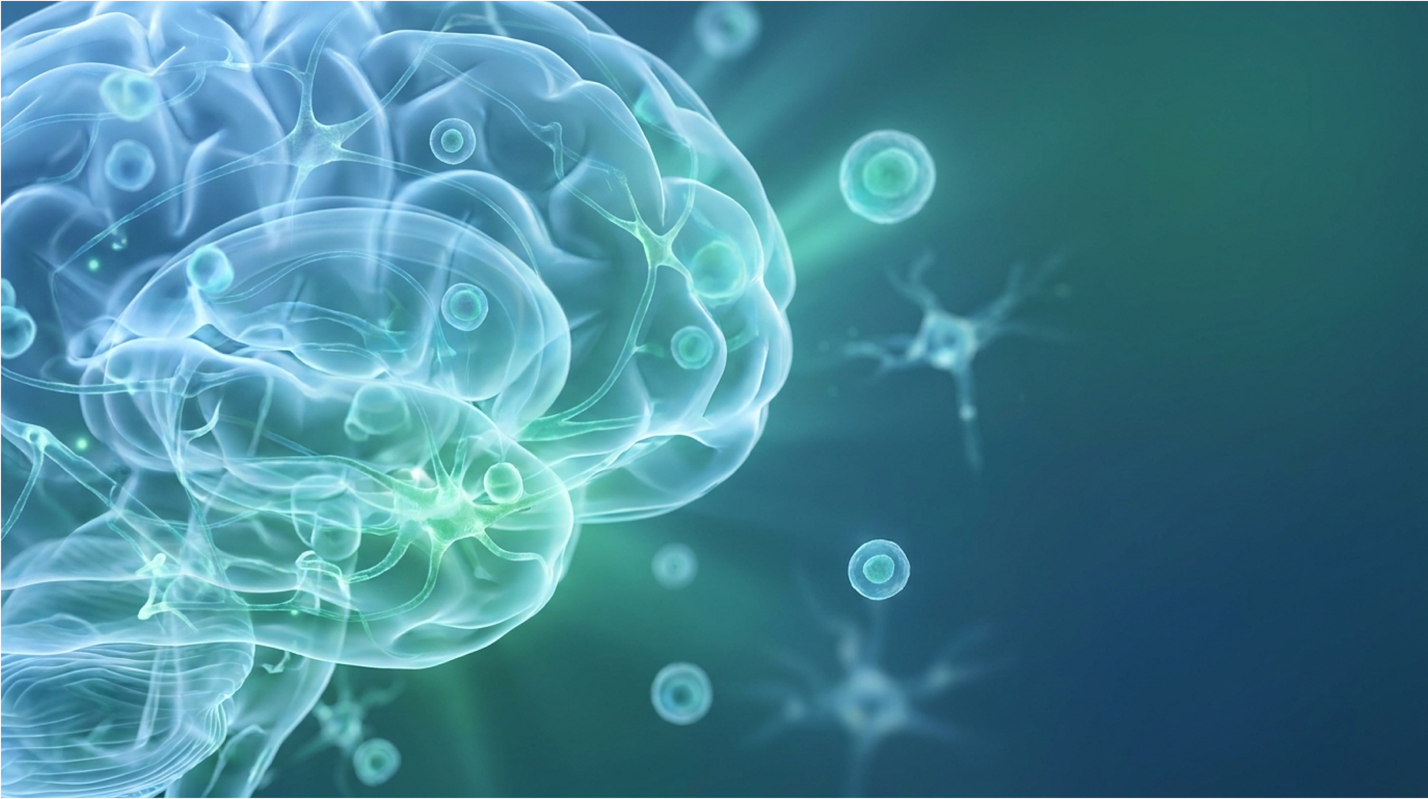
Stem cells are undifferentiated cells capable of modulating the immune system. When discussing stem cell therapy for autism behavior problems, researchers are investigating how these cells might calm neuroinflammation rather than replacing brain tissue.
Right now, this isn’t standard medical care. It’s experimental. For a detailed breakdown of the specific cell types utilized in these clinical trials, see Autism Healing by Stem Cell Therapy.
What are the benefits of stem cell therapy for autistic children? Scientists currently divide the potential impacts into four distinct biological targets.
Early research points toward structural neuroplasticity. The idea is that cellular secretions might support neural network repair, helping the brain form healthier connections over time. Evidence level: Lab/animal models. The Use of Stem Cells to Treat ASD.
Many autistic children exhibit chronic neuroinflammation. Stem cells may offer immunomodulation, suppressing this overactive inflammatory response so the brain can function without constant stress. Evidence level: Small human study. UC-MSC Stem Cell Therapy for Children with Autism.
| 📌 If you’re interested in how MSCs calm overactive immune cells throughout the body, we have an interesting article that discusses mesenchymal stem cell therapy for immune modulation, which you can read via the internal link. |
Researchers hope these cells can encourage neurotransmitter regulation, effectively treating a neurotransmitter imbalance in autism by normalizing internal chemical signals. Evidence level: Lab/animal models.
Some trials note preliminary improvements in social responsiveness and lethargy. Parents occasionally report better eye contact and fewer withdrawal episodes following treatment. Evidence level: Small human study.
Brain chemistry dictates behaviour. Approximately 30% of autistic individuals present with hyperserotonemia in autism (abnormally elevated serotonin in the blood) — so clinicians heavily monitor this biomarker to gauge if experimental therapies actually stabilize mood and sensory processing. This biochemical marker remains a primary target for researchers looking for measurable physiological changes.
The Stem Cell E/I Balance Mechanism is the prevailing theory that stem cells modulate the exact excitation and inhibition ratio in the autistic brain. As we emphasize at Vega, glutamate heavily excites the neural pathways, while GABA inhibits and calms them down. Many autistic individuals experience a severe excitation inhibition imbalance autism profile, leading to chronic overstimulation and sensory overload. By secreting specific paracrine factors, the introduced cells might theoretically quiet these intense glutamate storms and boost calming GABA, resulting in a much more stabilized neural environment.
While The Stem Cell E/I Balance Mechanism makes sense on paper, direct balancing of dopamine and serotonin in living humans is not yet conclusively proven. The paracrine effect is biologically plausible, but large-scale evidence remains absent.
Parents want to know if a treatment works. But researchers can’t rely on subjective parent journals. Instead, clinical trials heavily utilize the Aberrant Behavior Checklist autism scale (ABC) to quantify precise behavioral shifts before and after infusions.
Early studies specifically track the aberrant behavior checklist irritability subscale. When analyzing stem cell therapy for autism and ADHD overlaps, researchers look for measurable dips in hyperactivity and aggression. For a deeper dive into these specific metric changes, review Stem Cell Therapy for Autism (results).
This is a critical distinction. Currently, FDA prescribing information for risperidone and aripiprazole specifically lists them as approved treatments for irritability associated with autistic disorder. Stem cell therapy is not FDA-approved for this. When weighing stem cell therapy vs medication for autism irritability, remember that stem cells remain entirely unproven by regulatory standards.
We have to look at the published data, not clinic marketing. A 2013 open-label proof of concept study by Sharma et al. explored autologous bone marrow mononuclear cell therapy, noting varied behavioral responses. That same year, Lv et al. investigated the transplantation of human cord blood mononuclear cells and umbilical cord-derived mesenchymal stem cells, reporting mild improvements in lethargy and social withdrawal.
Safety is paramount. In 2019, Riordan et al. concluded that umbilical cord tissue-derived mesenchymal stem cells were safe and suggested early efficacy. A broader 2022 systematic review by Villarreal-Martínez et al. reinforced that while severe adverse events are rare, the therapeutic efficacy requires much larger, randomized trials to confirm.
When mapping out stem cell therapy for autism pros and cons, absolute objectivity is your best defense against predatory clinics. Families must carefully weigh the speculative biological upsides against the very real financial and procedural drawbacks. Here is a realistic breakdown of what to expect.
| 📌 If you’re planning treatment in Thailand and want a practical checklist for choosing a safe clinic, we have an interesting article that discusses whether stem cell therapy is safe in Thailand, which you can read via the internal link. |
| Potential Pros | Concrete Cons |
| Targets underlying neuroinflammation | Extremely high out-of-pocket costs |
| May improve ABC irritability scores | Zero FDA approval for ASD |
| Generally favorable early safety data | Requires international travel |
| Non-pharmaceutical biological approach | Procedural risks (infection, immune reaction) |
Before making decisions, understand the logistical realities of treatment abroad. See Stem Cell Therapy Thailand and Autism: UC-MSCs.
Stem cells do not teach a child to speak or tie their shoes. They are biological tools, not behavioral ones. A true multidisciplinary approach to autism treatment requires foundational support. Consider how biological interventions pair with daily functional work in our guide to UC-MSC and Occupational Therapy for Autism.
If you pursue investigational treatments, they must sit alongside speech therapy, ABA, and standard pediatric care. View our complete Autism (ASD) service page for integration strategies.
It remains a highly experimental avenue. The primary disadvantages include high financial costs, lack of FDA approval, international travel requirements, and the reality that behavioral results vary widely and are never guaranteed.
| 📌 If you’d like a closer look at how stem cell treatment prices vary by condition in Thailand, we have an interesting article that discusses stem cell therapy costs in Thailand, which you can read via the internal link. |
Early studies using the ABC scale show potential, temporary reductions in irritability. However, it is not a standardized replacement for behavioral therapies or FDA-approved medications.
Some clinical trials report decreases in hyperactivity scores. This is hypothetically linked to reduced neuroinflammation via The Stem Cell E/I Balance Mechanism, though larger trials are still required.
Aggression measured alongside irritability has shown mild improvement in very small clinical cohorts (like the Riordan 2019 study), but this evidence remains preliminary and investigational.
Researchers hypothesize that stem cells release paracrine factors to encourage neurotransmitter homeostasis, but the direct balancing of these chemicals in the human brain is not yet conclusively proven.
Realistic benefits of stem cell therapy for autism may include mild to moderate improvements in specific behaviours (like lethargy or irritability) and inflammation markers, rather than a reversal of the condition.
For parents, the benefits of stem cell therapy for autism center almost entirely on targeting inflammation and The Stem Cell E/I Balance Mechanism. These biological shifts are measured meticulously through the ABC scale, though the treatment firmly remains an investigational approach today.
Understanding this complex brain chemistry helps set realistic, grounded expectations for behaviour management. We don’t have all the answers yet and any clinic claiming they do isn’t being honest. Talk to a qualified neurologist or pediatrician about your child’s specific behaviour goals before exploring regenerative options.