Our Services
Others
- DFPP
- Shockwave
- IV Drip

https://vegastemcell.com/articles/the-mechanisms-behind-stem-cell-therapy-for-autism/
Researching stem cell therapy for autism eventually leads to a question that doesn’t get explained clearly often enough: where do the cells actually come from, and does that choice matter? The short answer is yes, meaningfully and understanding the difference between autologous and allogeneic cell sources is one of the more practically important things a family can learn before evaluating stem cell therapy in Thailand as an option for a child with Autism Spectrum Disorder (ASD).
Correcting a Common Misconception First
A lot of explanations of this therapy describe cells being introduced into the brain and “differentiating into neurons” to physically rebuild damaged brain regions. That’s a meaningful oversimplification of how UC-MSC therapy is actually administered and understood to work in current clinical practice. Most protocols deliver cells systemically via intravenous infusion, not direct injection into brain tissue, and the primary mechanism is not the cells becoming new functioning neurons themselves.
UC-MSCs work predominantly through paracrine signaling releasing growth factors, cytokines, and exosomes that influence and support existing cells rather than physically replacing them. This is a more accurate, and honestly more scientifically interesting, description than cell replacement, and it matters for setting realistic expectations from the start.
Autologous stem cells are harvested from the patient’s own body typically bone marrow or adipose (fat) tissue meaning the cells being used are genetically identical to the recipient’s own tissue.
Allogeneic stem cells come from an external donor source. In autism research and treatment specifically, this almost always means Umbilical Cord–Derived Mesenchymal Stem Cells (UC-MSCs), sourced from donated umbilical cord tissue following healthy, full-term births with informed donor consent.
Autologous stem cell collection requires a harvesting procedure on the patient typically bone marrow aspiration or liposuction which carries real procedural risk and recovery time. For a child, this is a significant additional medical burden that allogeneic UC-MSC therapy simply avoids, since donor cells are already processed and ready for use.
This is a genuinely important, underdiscussed factor: a child’s own stem cells are, biologically, only as healthy as the child’s current cellular environment and in some autism research, markers of oxidative stress and mitochondrial dysfunction have been documented, which may plausibly affect the quality of a patient’s own harvested cells. UC-MSCs, by contrast, are day-zero cells from healthy donor tissue, with high proliferative capacity and strong growth factor output regardless of the recipient’s own health status.
UC-MSCs are considered immunologically privileged they lack the HLA Class II surface markers that typically trigger immune rejection, meaning they can be administered without the donor-matching process required for many other allogeneic cell or tissue therapies, and without post-treatment anti-rejection medication.
Because UC-MSCs are processed in laboratory settings under controlled conditions, batch consistency, sterility testing, and dosing can be standardized in ways that are harder to achieve with freshly harvested autologous cells, which vary by each individual patient’s tissue quality.
Rather than differentiating directly into new neurons, UC-MSCs are studied for releasing growth factors that support the survival and function of neural progenitor cells and existing neurons in regions relevant to social processing, communication, and sensory integration a supportive role, not a replacement one.
Elevated inflammation in specific brain regions has been documented in some individuals with ASD. UC-MSCs are known for anti-inflammatory paracrine signaling that may help lower this inflammatory burden, creating conditions researchers believe are more favorable for healthy brain function.
Deficits in synaptic connectivity are frequently associated with autism. UC-MSC signaling is studied for its potential to support the growth and strengthening of synaptic connections, relevant to communication between neurons rather than the neurons themselves being replaced.
Immune dysregulation has been linked to ASD in a meaningful body of research. UC-MSCs carry genuine immunomodulatory properties, helping shift an overactive or imbalanced immune response toward better regulation.
Neuroplasticity the brain’s capacity to reorganize and form new connections is an area of active autism research. UC-MSC paracrine signaling is studied for its potential supportive role in this process, relevant to cognitive flexibility and adaptive learning over time.
It’s worth being direct about where the science actually stands: these mechanisms are biologically plausible and supported by a growing body of preclinical and early clinical research, but stem cell therapy for autism remains an investigational approach. Outcomes vary meaningfully between individuals, large-scale placebo-controlled human trials are still limited, and no reputable clinic should describe this as a cure or guaranteed treatment. Understanding cell source autologous versus allogeneic is one part of a much larger conversation that should happen directly with a qualified physician.
Stem cell therapy in Thailand has grown around infrastructure well-suited to allogeneic UC-MSC treatment specifically certified laboratories capable of processing and quality-testing donor-derived cells at scale, physicians trained in both regenerative medicine and pediatrics, and clinics that integrate biological therapy with behavioral and developmental support rather than offering it as an isolated procedure.
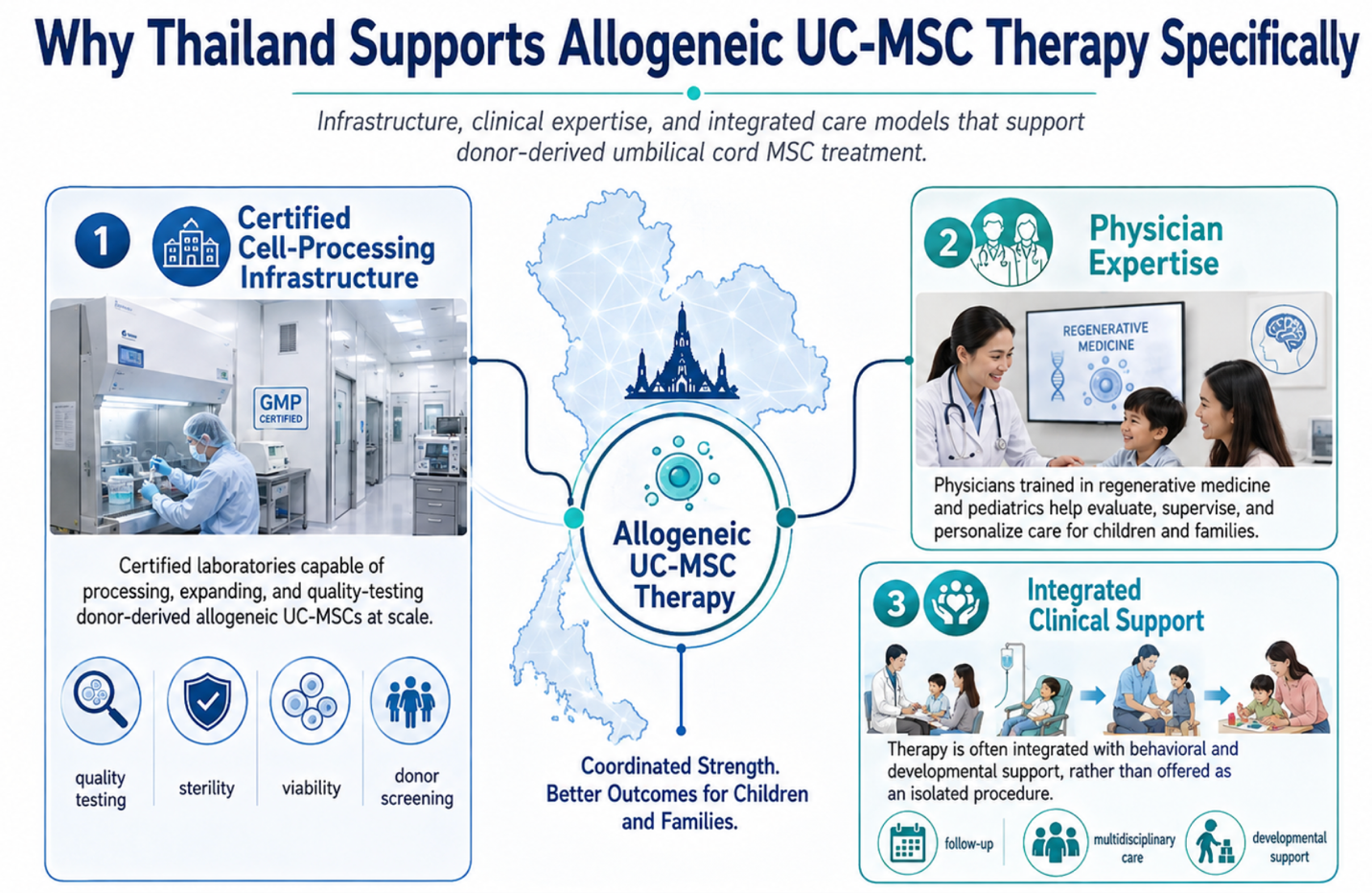
Figure 1: Why Thailand Is Well-Suited for Allogeneic UC-MSC Therapy
Regenerative Support at Vegastemcell
Vegastemcell‘s approach relies on allogeneic UC-MSC therapy for autism spectrum disorder, avoiding the additional procedural burden of autologous cell harvesting in pediatric patients. Cells are ethically sourced, laboratory-tested for purity and sterility, and administered under physician supervision, with structured follow-up tracking meaningful progress rather than promising outcomes the current evidence doesn’t support.
This comparison of cell sources connects to other areas worth exploring: UC-MSC therapy and gut microbiome biomarkers for autism, cerebral blood flow and neuroinflammation research in autism, the neuroplasticity critical period and treatment timing for autism, and UC-MSC therapy for autism in adults each covering a related dimension of this broader treatment picture.
Do stem cells actually turn into new brain neurons in autism treatment?
Not typically in the way it’s sometimes described. UC-MSC therapy works predominantly through paracrine signaling supporting existing cells and neural pathways rather than differentiating directly into replacement neurons.
What’s the difference between autologous and allogeneic stem cells?
Autologous cells come from the patient’s own body, requiring a harvesting procedure. Allogeneic cells typically UC-MSCs in autism treatment come from donated umbilical cord tissue and don’t require harvesting from the patient at all.
Why are UC-MSCs generally preferred over a child’s own stem cells for autism treatment?
UC-MSCs avoid the procedural risk of harvesting in children, offer consistently high potency regardless of the child’s own health status, don’t require donor matching due to low immunogenicity, and can be standardized for quality in ways autologous cells often can’t.
Is UC-MSC therapy for autism proven to work?
The underlying mechanisms are biologically plausible and supported by growing research, but this remains an investigational treatment. Individual outcomes vary, and large-scale confirmatory human trials are still limited.
Why do families consider stem cell therapy in Thailand for autism specifically?
Stem cell therapy in Thailand offers certified laboratories equipped for allogeneic UC-MSC processing, physicians experienced in both regenerative medicine and pediatrics, and integrated care combining biological therapy with behavioral support.
Making a Well-Informed Choice
Understanding cell source autologous versus allogeneic along with an accurate picture of how UC-MSC therapy actually works, puts families in a stronger position to evaluate stem cell therapy in Thailand honestly. If you’re trying to understand whether allogeneic UC-MSC therapy fits your child’s specific situation, book a consultation with Vegastemcell for an assessment grounded in accurate, current evidence.
For more infomation you can reach me directly on WhatsApp or Email. Here’s our official link:
WhatsApp: +66982509599
Email: vegastemcell@gmail.com