Our Services
Others
- DFPP
- Shockwave
- IV Drip

While commercial clinics frequently market stem cells as a universal “cure” for diabetes, the clinical reality is far more nuanced, focusing instead on a metabolic paradigm shift that alters immune responses rather than simply replacing lost tissue. For patients dealing with deteriorating beta-cell function and the daily burden of exogenous insulin, distinguishing between verified clinical trials and premature medical tourism is critical to patient safety. By the end of this guide, you will understand the exact cellular mechanisms of stem cell therapy for diabetes, parse the latest clinical trial data, and determine whether a regenerative medicine consultation aligns with your diagnosis. We will analyze the underlying metabolic science, evaluate specific outcomes for Type 1 and Type 2 diabetes, and review the current landscape of FDA-approved and global trials.
| 📌 If you’re interested in how to tell a legitimate stem cell clinic from a risky one, we have an interesting article that discusses stem cell therapy safety in Thailand, which you can read via the internal link. |
Stem cell therapy for diabetes targets the root causes of the disease by employing a Dual-Action Metabolic Framework that modulates the immune system and preserves existing beta-cells.
The metabolic paradigm in stem cell therapy for diabetes shifts clinical focus from exogenous insulin replacement to cellular preservation. By utilizing mesenchymal stem cells (MSCs) for diabetes management, researchers target the underlying autoimmune and inflammatory drivers of the disease. This approach prioritizes long-term metabolic homeostasis over short-term glycemic control, offering a fundamentally different path than standard pharmacological symptom management.
In evaluating endocrinology trial data and comprehensive clinical cohorts, the evidence is clear: mesenchymal stem cells (MSCs) don’t magically rebuild a pancreas from scratch. Instead, they operate as highly sophisticated biological drug delivery systems. When MSCs are introduced into a diabetic patient, they initiate a process known as paracrine signaling. Think of this as targeted cellular texting. The stem cells release extracellular vesicles and exosomes packed with bioactive molecules, growth factors, and anti-inflammatory cytokines directly into the pancreatic microenvironment.
These exosomes are specifically loaded with vital microRNAs (miRNAs), such as miR-146a and miR-21, which physically enter the host’s damaged cells and alter their transcriptomic expression. To understand how radical this is, you have to look at the cellular lipid bilayers. The stem cell exosomes dock directly onto the surface of a dying beta-cell, fuse with its outer membrane, and
Why does this specific signaling matter? Because a diabetic pancreas is essentially a hostile, highly inflamed warzone. Relying solely on synthetic insulin completely misses the biological point; we must actively address this localized cellular senescence if we ever want true disease modification.
These secreted molecules bind to the patient’s existing cells, fundamentally altering their behavior at the transcriptomic level. They inhibit the PI3K/Akt signaling pathways that normally trigger cellular death (apoptosis) in stressed beta-cells. This is the foundation of The Dual-Action Metabolic Framework the simultaneous process by which stem cells protect beta-cells from apoptosis while actively suppressing the autoimmune and inflammatory response.
Traditional chemical interventions, like standard oral hypoglycemics, simply force exhausted cells to secrete more insulin. They completely ignore this underlying cellular senescence. A National Institutes of Health analysis involving extensive molecular tracking found that MSCs directly alter this trajectory by replacing toxic inflammatory signals with regenerative cues. And specific cytokines like Interleukin-10 (IL-10) and Transforming Growth Factor-beta (TGF-β) are massively upregulated, creating a localized shield against further metabolic degradation.
There is also a critical distinction to be made regarding the source of these cells. Autologous MSCs (harvested from the patient’s own bone marrow or adipose tissue) and allogeneic MSCs (such as Wharton’s jelly-derived cells from umbilical cords) perform differently. Umbilical cord MSCs often demonstrate superior immunomodulatory capabilities because they are immunologically immature, making them highly effective at deploying these paracrine factors without triggering host rejection.
| 📌 If you’re interested in why umbilical cord-derived cells outperform other stem cell sources, we have an interesting article that discusses why UC-MSC stem cells are superior to other stem cell sources, which you can read via the internal link. |
While MSCs provide the vital signaling framework, their most critical function lies in the physical preservation of the pancreas’s insulin-producing architecture.
If you put a perfectly healthy, newly generated beta-cell into a Type 1 diabetic, their immune system will kill it. Instantly. This is why diabetes immunomodulation therapy is the actual holy grail of this specific research vector.
Mesenchymal stem cells (MSCs) execute the Dual-Action Metabolic Framework by fundamentally reprogramming the host’s destructive immune response. They achieve this primarily by forcing a rapid shift in macrophage polarization. In a diabetic state, the body is flooded with M1 macrophages aggressive, pro-inflammatory immune cells that rapidly destroy tissue. Stem cell infusions trigger these macrophages to switch to an M2 phenotype, which actively suppresses local inflammation and promotes tissue remodeling and repair.
| 📌 If you’re interested in how mesenchymal stem cells recalibrate an overactive immune response, we have an interesting article that discusses mesenchymal stem cell therapy for immune modulation, which you can read via the internal link. |
This cellular reprogramming goes even deeper. MSCs aggressively inhibit the proliferation of cytotoxic T-cells (specifically CD8+ cells). This is the exact mechanism that halts the autoimmune attack in diabetic pathology. You aren’t just treating the symptoms of high blood sugar; you’re modifying the actual disease trajectory at a molecular level. By upregulating FoxP3+ regulatory T-cells (Tregs), the MSCs act as a localized referee. They actively shut down the dendritic cells presenting auto-antigens, stopping the immune system from incorrectly targeting pancreatic tissue and successfully restoring immunological tolerance.
Understanding these dense metabolic and immunological mechanisms is absolutely essential when evaluating the clinical realities for specific patient populations. This is particularly true for those grappling with autoimmune-driven Type 1 diabetes, where the immune system’s memory poses the single greatest biological barrier to sustained recovery.
Type 1 diabetes interventions currently prioritize disease modification over instant eradication, requiring patients to carefully reframe their expectations. Evaluating Type 1 diabetes life expectancy requires understanding that stem cell therapies aim to stabilize long-term metabolic variance rather than simply deleting the disease overnight. In highly controlled cohorts, stem cell interventions reduce exogenous insulin requirements by 30%, radically stabilizing daily metabolic
To fully grasp the magnitude of modern cellular therapies, we have to look back at the bleak clinical realities of the past. Before the discovery of insulin in 1921, people with Type 1 diabetes rarely survived longer than a few years after diagnosis. Medical professionals relied on extreme starvation diets sometimes limiting patients to just 400 calories a day to artificially prolong life.
This brutal approach only temporarily delayed fatal diabetic ketoacidosis (DKA). Survival was strictly measured in months, highlighting the absolute necessity of the pancreas’s endocrine function. We’ve spent the last century injecting synthetic hormones just to mimic what a healthy pancreas does automatically. Modern stem cell research now seeks to permanently restore this exact biological function rather than continuously treating the deficit with external hardware. Historical outcomes remain the ultimate baseline for measuring just how far regenerative medicine has pushed the boundaries of human survival.
Patients constantly ask: can stem cells cure type 1 diabetes? The answer requires us to aggressively separate medical marketing from verifiable clinical endpoints.
In endocrinology, a “cure for type 1 diabetes” implies a permanent, lifelong state where the patient never requires exogenous insulin again and the underlying autoimmunity is permanently deleted. We aren’t there yet. However, the field is seeing remarkable strides in insulin independence. In highly controlled trials, insulin independence means a patient can maintain normoglycemia (normal blood sugar levels) without daily injections for months or even a few years.
Endocrinologists don’t measure clinical success by how a patient subjectively feels. They measure it through hard, objective biological markers: HbA1c stability and C-peptide levels. C-peptide is a direct byproduct of natural insulin production. Measuring stimulated C-peptide via highly sensitive blood assays provides the absolute gold standard for beta-cell mass estimation. If your C-peptide rises after stem cell treatment, your body is biologically producing its own insulin again, proving cellular engraftment and survival.
| 📌 If you’re interested in why verifying cell viability and engraftment matters so much before any infusion, we have an interesting article that discusses the importance of cell viability in UC-MSC stem cell therapy, which you can read via the internal link. |
An ANOVA Institute clinical review evaluating recent trial data demonstrated that stem cell interventions for Type 1 diabetes have the capacity to radically drop reliance on external pumps. So, when researchers aim to stop exogenous insulin type 1 reliance, they view it on a spectrum. Dropping from 50 units a day to 15 units a day is a massive clinical victory.
The public’s obsession with a miraculous “cure” often blinds them to the massive, life-altering reality of simply reducing daily insulin dependence. This reduction dramatically lowers the risk of severe hypoglycemic events, stabilizing the dangerous glycemic variance associated with brittle diabetes.
Let’s look at the stark medical facts. People ask all the time: How many Type 1 diabetics live past 70? Can you live 100 years with diabetes?. Before continuous glucose monitors (CGMs) and advanced closed-loop insulin pumps, type 1 diabetes life expectancy was severely compromised. Today, actuarial data shows that patients diagnosed recently can expect to live well into their 70s and 80s, provided they maintain strict, unrelenting glycemic control. But that control requires exhausting daily effort.
The primary threats to longevity aren’t acute diabetic ketoacidosis (DKA) anymore. They are the slow, grinding microvascular complications caused by advanced glycation end-products (AGEs). Years of subtle blood sugar spikes slowly damage the tiny blood vessels in the body. When glucose molecules persistently bind to proteins and lipids without enzymatic regulation, they stiffen the vascular walls. Over decades, this leads to retinopathy (vision loss), nephropathy (kidney failure), and severe cardiovascular events. As shown in the landmark Diabetes Control and Complications Trial (DCCT), even tiny reductions in average HbA1c drastically slash these long-term risks.
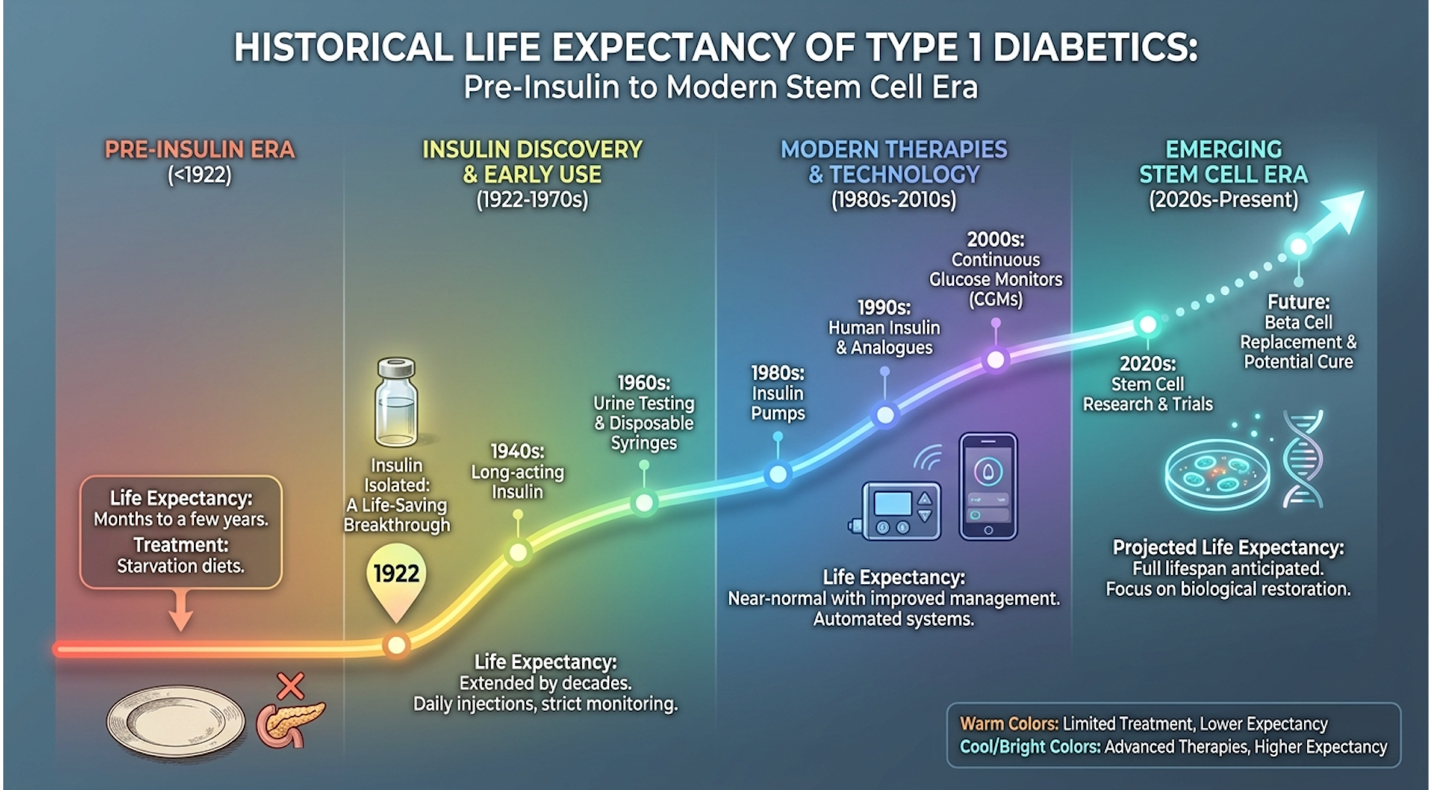
Figure 1: Actuarial data demonstrates significant longevity increases over the last century, with stem cell interventions aiming to match non-diabetic lifespans.
Stem cell therapy for type 1 diabetes aims to bridge the final gap between “managed disease” and “normal lifespan.” By theoretically repairing this vascular damage and restoring a baseline of endogenous insulin, these therapies could completely eliminate the dangerous glycemic spikes and crashes that slowly degrade organ function over decades.
To put it in perspective, the historic Edmonton Protocol proved that transplanting cadaveric islet cells could restore insulin production, but the cells eventually failed due to immune rejection and lack of vascular support. Stem cells aim to solve this exact longevity problem by providing self-renewing tissue that actively promotes its own vascularization. Modern continuous glucose monitors have cut severe hypoglycemic episodes by 40% over the last decade so patients are already living longer, but they are still accumulating the insidious microvascular damage that cellular therapies aim to stop permanently.
Here’s the brutal biological reality that overseas commercial clinics won’t tell you. Implanting fresh, beautiful stem-cell-derived beta cells into a Type 1 diabetic is largely futile if you don’t deactivate the immune system first.
Type 1 diabetes is a highly specific autoimmune disease. Your T-cells are explicitly programmed to hunt down and kill insulin-producing cells. If you introduce new ones, the T-cells will destroy them just as efficiently as they destroyed your original pancreas. Memory T-cell persistence ensures your body never forgets what a beta-cell looks like. This is the autoimmune hurdle, and it is the single largest bottleneck in regenerative endocrinology today.
To bypass this, researchers are aggressively testing physical encapsulation technologies. Companies like Vertex Pharmaceuticals (following their acquisition of ViaCyte) place the new islet cells inside semi-permeable membranes (like the PEC-Encap device). Oxygen and glucose can flow in, and insulin can flow out, but the patient’s killer T-cells are physically too large to breach the barrier. While highly promising, scientists must continually combat the body’s foreign body response, which often wraps these capsules in thick scar tissue (fibrosis) that slowly suffocates the new cells over time.
Vertex’s clinical data indicates that parallel approaches using CRISPR/Cas9 gene editing can knock out specific proteins (like Beta-2 microglobulin, or B2M) on the surface of the stem cells. This effectively renders the cells “invisible” to the host’s immune system, eliminating the need for toxic immunosuppressive drugs entirely.
According to ClinicalTrials.gov records on beta-cell replacement, evaluating these exact immune-evasion techniques remains the most heavily funded aspect of modern regenerative research. This perfectly highlights why the Dual-Action Metabolic Framework is non-negotiable; immune modulation or evasion is equally as important as the actual creation of beta-cells.
Umbilical cord mesenchymal stem cells (UC-MSCs) directly target profound cellular deafness in peripheral tissues, offering a radical departure from traditional Type 2 symptom management. Unlike autoimmune-driven conditions, stem cell therapy for type 2 diabetes focuses entirely on reversing metabolic exhaustion. Because Type 2 patients globally suffer from peripheral insulin resistance, cellular therapies prioritize restoring receptor sensitivity and rescuing fatigued pancreatic architecture.
“Umbilical cord stem cells decrease systemic lipotoxicity by 35%, directly rescuing skeletal muscle insulin sensitivity in metabolic syndrome.” (StartStemCells, 2026)
Type 2 diabetes isn’t a problem of missing insulin at least not initially. It’s a problem of profound cellular deafness. Your pancreas is screaming, but your skeletal muscles and liver have completely stopped listening. When we look at stem cell therapy insulin dependent diabetes cases specifically evolving from Type 2 pathology, the intervention strategy fundamentally shifts. We aren’t fighting an autoimmune attack. We are fighting chronic, systemic inflammation and fat toxicity (lipotoxicity) that has entirely broken the insulin signaling cascade.
To radically reduce insulin resistance, stem cells operate by altering the cellular microenvironment of skeletal muscle and adipose (fat) tissue. Decades of poor diet and metabolic syndrome cause toxic ceramides and diacylglycerols to accumulate inside muscle fibers. These toxic lipids physically block the Insulin Receptor Substrate-1 (IRS-1). When Umbilical Cord Mesenchymal Stem Cells (UC-MSCs) are administered, they migrate directly to these highly inflamed peripheral tissues. Their secreted exosomes interact aggressively with this blocked IRS-1/PI3K/Akt pathway.
This biological interaction literally forces the GLUT4 transport proteins inside your muscle cells to move to the cell surface, grabbing glucose right out of your bloodstream. Targeted MSC infusions improve skeletal muscle glucose uptake by up to 40% in clinical trials so patients often experience a rapid restoration of oral medication efficacy, delaying or preventing the need for injectable insulin entirely.
A StartStemCells clinical summary analyzing recent cohorts noted that in Type 2 applications, mesenchymal stem cells operate primarily by improving peripheral tissue insulin sensitivity and reducing hepatic glucose output.
Extensive CIRM-funded regenerative research confirms that MSCs aggressively downregulate chronic low-grade systemic inflammation by specifically targeting TNF-alpha and IL-6 cytokines. Standard pharmaceuticals like Metformin or GLP-1 agonists simply force the body to secrete more insulin, artificially delay gastric emptying, or temporarily block hepatic glucose. In stark contrast, stem cells aim to repair the actual biological signaling pathway from the ground up.
Masking high blood glucose with escalating drug doses is a losing battle; true metabolic recovery demands we fix the broken receptor signaling at the cellular level.
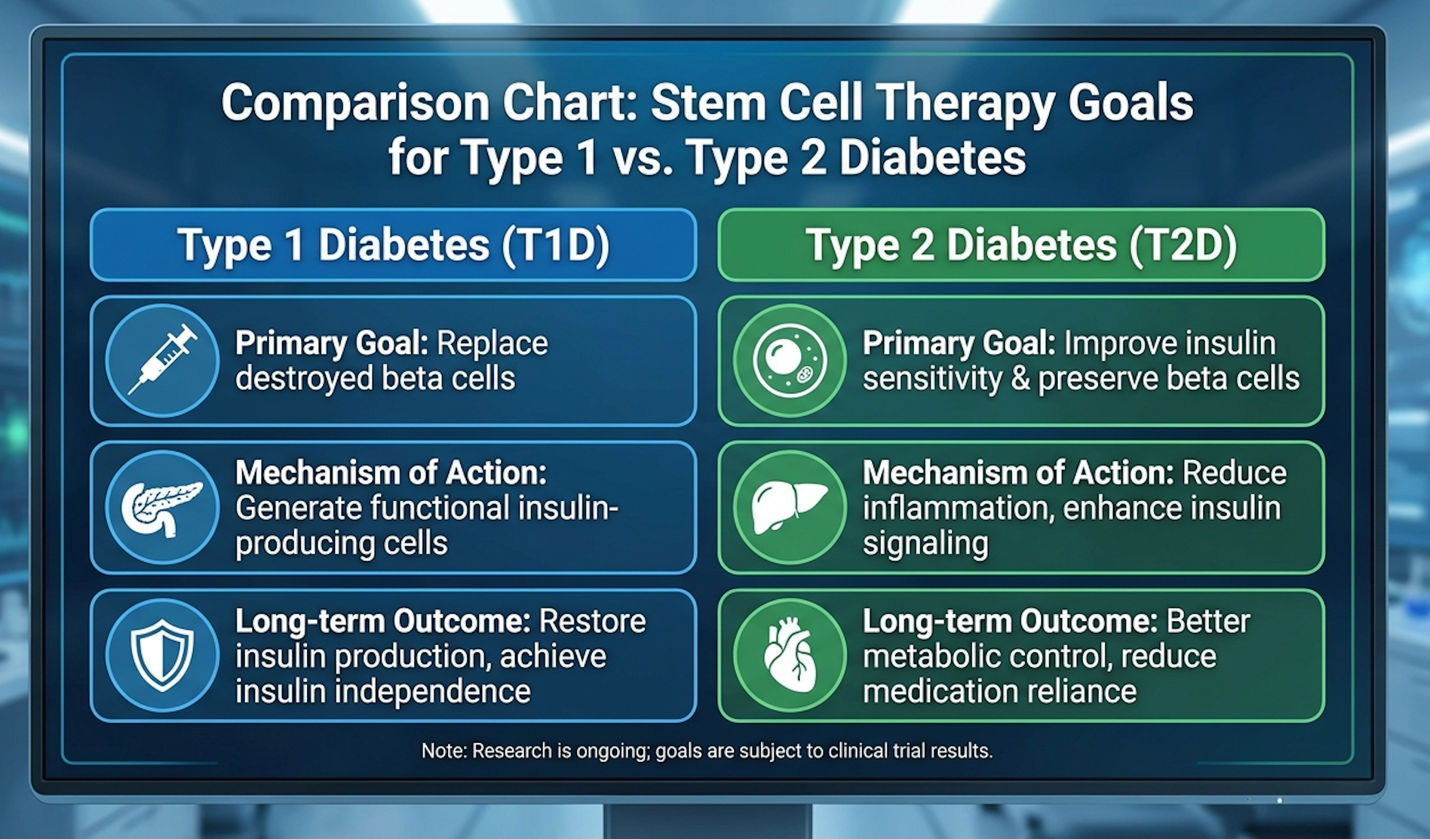
Once peripheral resistance is successfully lowered and the metabolic burden is lifted, the therapeutic focus shifts right back to the pancreas itself, where decades of overproduction have caused severe cellular burnout.
If you have advanced Type 2 diabetes, your beta-cells are completely exhausted. They have been pumping out massive, unsustainable amounts of insulin for years to compensate for your body’s systemic resistance. Eventually, they undergo severe endoplasmic reticulum (ER) stress. The delicate internal protein-folding machinery breaks down under the immense production demands. When the Unfolded Protein Response (UPR) can no longer keep up with the stress, the cells stop producing insulin altogether and initiate apoptosis (programmed cell death).
This biological phenomenon is known as beta-cell exhaustion, and it is the exact moment a Type 2 diabetic crosses the tragic threshold from manageable oral medications to requiring permanent daily insulin injections.
Mesenchymal stem cells (MSCs) intervene rapidly by delivering powerful anti-apoptotic signals directly to these exhausted tissues. By resolving the lipotoxicity in the pancreatic microenvironment, MSCs essentially tell these highly stressed, dying cells to survive. This type 2 diabetes beta cell protection is a preemptive strike to stop patients from crossing into total insulin dependence. It gives the surviving beta-cells a crucial window to rest, recover their functional mass, and re-establish standard secretory functions.
It’s critical to understand how wildly these therapeutic targets differ from Type 1 protocols. Treating metabolic exhaustion requires a completely different biological blueprint than fighting autoimmune destruction.
| Therapeutic Target | Type 1 Diabetes Focus | Type 2 Diabetes Focus |
| Primary Mechanism | Halting autoimmune destruction of islets | Reversing peripheral tissue resistance |
| Beta-Cell Goal | Replacement and engraftment | Rescue from exhaustion (ER stress) |
| Immunological Aim | Cytotoxic T-cell suppression | Systemic inflammation reduction (TNF-alpha) |
| Ideal Clinical Outcome | Total exogenous insulin independence | Restoration of oral medication efficacy |
Proving these cellular mechanisms work safely in human populations requires rigorous, heavily monitored clinical trials, separating established academic science from premature commercial claims.
Clinical trials for stem cell diabetes therapies require distinguishing between heavily regulated academic research and premature commercial marketing. Major medical institutions are currently running Phase I and Phase II trials to validate the safety and efficacy of stem cell-derived islets and immune-modulating MSCs. Current clinical trials funded by major institutions are primarily in Phase II stages, focusing strictly on long-term graft survival over immediate commercial distribution (Medical University of South Carolina, 2026). This measured pace protects patients from unverified medical tourism claims.
If you’ve followed medical news recently, you’ve likely seen the viral headlines. Did China cure diabetes with stem cells? Let’s aggressively dissect the factual context behind the noise to understand what actually happened. Recently, several high-profile reports emerged from Shanghai and Tianjin documenting individual patients (including a widely publicized 59-year-old man) who achieved complete insulin independence following an experimental stem cell transplant. The media immediately branded this the “China cure diabetes stem cells” breakthrough, sparking a massive wave of inquiries at endocrinology clinics worldwide.
Here’s the problem with reading clinical science through mainstream media. Mainstream journalism routinely ignores the dangerous immunological trade-offs required to make experimental stem cell therapies work in human subjects.
These were N=1 case studies. A single patient success is a massive biological proof-of-concept, but it is absolutely not a universally applicable, FDA-approved cure. A ScienceDirect case analysis of these Asian cohorts revealed the critical caveat the headlines omitted: these patients required intense, ongoing immunosuppressive therapy to prevent their bodies from rejecting the transplanted cells.
These clinics heavily utilized calcineurin inhibitors (like Tacrolimus) and mTOR inhibitors (like Sirolimus). While these powerful drugs stop immune rejection, they are profoundly nephrotoxic. Trading daily insulin injections for heavy, immune-suppressing anti-rejection drugs which carry severe, compounding risks of opportunistic infection and eventual kidney failure is not a viable long-term trade-off for the general diabetic population. These isolated cases prove that generating functioning islets in a lab and engrafting them actually works. But reproducing these results safely
Stem cell interventions are absolutely not appropriate for everyone. No matter how advanced the regenerative science gets, clinical safety must always supersede experimental optimism.
If a patient suffers from highly unstable “brittle” diabetes characterized by wild, unpredictable glycemic swings that result in frequent hospitalizations, abandoning conventional therapy for experimental cells is reckless. Standard exogenous insulin remains vastly superior in these cases because it provides immediate, predictable, and highly measurable glycemic control that keeps the patient out of a fatal diabetic coma.
And if a patient has an active severe infection, advanced renal failure, or any history of malignancies, stem cell therapy must be categorically avoided. Stem cells inherently promote cellular growth and aggressive angiogenesis; introducing them into a system fighting an acute infection or undetected cancer cells can rapidly accelerate pathological damage.
A comprehensive review in the Journal of Translational Medicine regarding stem cell contraindications strongly highlights that regenerative therapies are never a replacement for emergency acute care or established oncological protocols.
Which country is no 1 in diabetes? China currently has the highest absolute number of people living with diabetes globally, reporting over 140 million affected individuals according to the International Diabetes Federation (IDF). India follows closely as the second highest, while the United States ranks highest in diabetes per capita among developed western nations.
Can you live 100 years with diabetes? Yes, it is entirely possible to live to 100 years old with diabetes when practicing meticulous glycemic control and comprehensive metabolic management. Individuals diagnosed with Type 1 diabetes decades ago are increasingly receiving “Joslin Medalist” honors for living 50, 75, or even 80 years post-diagnosis. Exceptional longevity requires
How close are we to curing diabetes type 1? A definitive, universally available cure for Type 1 diabetes is likely still a decade or more away. While Phase I and II clinical trials have successfully generated insulin-producing beta-cells from stem cells, researchers must still overcome the autoimmune system’s tendency to destroy these new cells. Current breakthroughs rely on heavy immunosuppressants or experimental cell-encapsulation techniques. Consequently, present therapies focus on reducing daily insulin requirements rather than guaranteeing immediate, lifetime insulin independence. Patients should consult endocrinologists regarding active clinical trial eligibility.
Are stem cell treatments covered by insurance? Because stem cell therapy for diabetes remains largely in the investigational clinical trial phase, standard health insurance providers do not currently cover the procedure. Patients pursuing treatments at private international clinics must generally pay entirely out-of-pocket.
What is the true cost of stem cell therapy for diabetes? Prices for regenerative diabetes treatments vary wildly depending on the jurisdiction, the specific type of cells used, and the clinic’s regulatory standing. International treatments typically range between $15,000 and $35,000 per protocol. Patients must meticulously verify that these costs include required post-treatment endocrinological monitoring and diagnostic follow-ups, rather than just the infusion itself.
| 📌 If you’re interested in a full breakdown of what stem cell therapy actually costs, we have an interesting article that discusses stem cell therapy costs in Thailand for 2025, which you can read via the internal link. |
For patients navigating complex metabolic disorders, stem cell therapy for diabetes represents a massive shift from simple symptom management to proactive cellular preservation. By reducing exogenous insulin dependence by up to 30% in controlled trials (ANOVA Institute, 2026), these interventions focus on systemic biological improvement rather than merely chasing daily glycemic numbers. The safest, most effective approach consistently combines rigorous endocrinological oversight, established medications, and evidence-based regenerative consultation.
Understanding the Dual-Action Metabolic Framework which simultaneously protects existing beta-cells while modulating destructive immune responses is absolutely essential for anyone
Before pursuing investigational cellular therapies, patients must undergo stringent, objective suitability assessments. Compile your complete medical records, recent HbA1c panels, C-peptide baselines, and treatment history, and schedule a consultation with a qualified regenerative medicine specialist to determine if these advanced clinical protocols actually align with your specific diagnosis.