Our Services
Others
- DFPP
- Shockwave
- IV Drip

Most discussions of Autism Spectrum Disorder (ASD) focus on behavior and communication understandably, since those are the visible, diagnosable features. What gets discussed far less is a genuinely well-documented vascular finding: reduced blood flow in specific brain regions, present across a large body of neuroimaging research. Understanding this piece of the puzzle helps explain why stem cell therapy in Thailand using umbilical cord–derived mesenchymal stem cells (UC-MSCs) targets more than behavior alone and it’s worth understanding accurately, since this area is easy to oversimplify in either direction.
Stem cells are unique in their ability to differentiate into a wide variety of cell types. That regenerative potential is genuinely remarkable but it’s worth being precise about how UC-MSC stem cell therpay are actually understood to work in the brain, which is different from how they’re sometimes described.
UC-MSC stem cell therpay are not typically understood to replace damaged neurons by differentiating into new functioning brain cells once infused. Their primary mechanism is paracrine signaling releasing growth factors, cytokines, and exosomes that support and modulate the function of existing cells and tissue. That’s a meaningfully different, more accurate claim than neuron replacement, and it matters because overstating the mechanism sets expectations the actual science doesn’t support.
A substantial body of neuroimaging research using PET, SPECT, and more recently arterial spin labeling (ASL) MRI has documented cerebral hypoperfusion (reduced blood flow) across multiple brain regions in individuals with ASD compared to neurotypical controls. Affected areas commonly include the frontal, temporal, and parietal cortices, the thalami, basal ganglia, and limbic system structures including the hippocampal region.
What makes this finding particularly notable is the correlation researchers have documented between the degree of hypoperfusion and autism symptom severity greater vascular impairment has been associated with more pronounced symptom presentation across multiple studies. Temporal lobe hypoperfusion specifically has drawn research attention given that region’s established role in social perception and social cognition, functions closely tied to core ASD symptoms.
If specific brain regions are consistently receiving less blood flow and therefore less oxygen and fewer nutrients in ASD, then interventions capable of supporting healthy vascular function in the brain have a genuine, evidence-grounded rationale for inclusion in a broader treatment approach. This is where UC-MSC stem cell therpay ‘s angiogenic properties become relevant, not as a stretch, but as a mechanistically sensible connection to a well-documented finding.
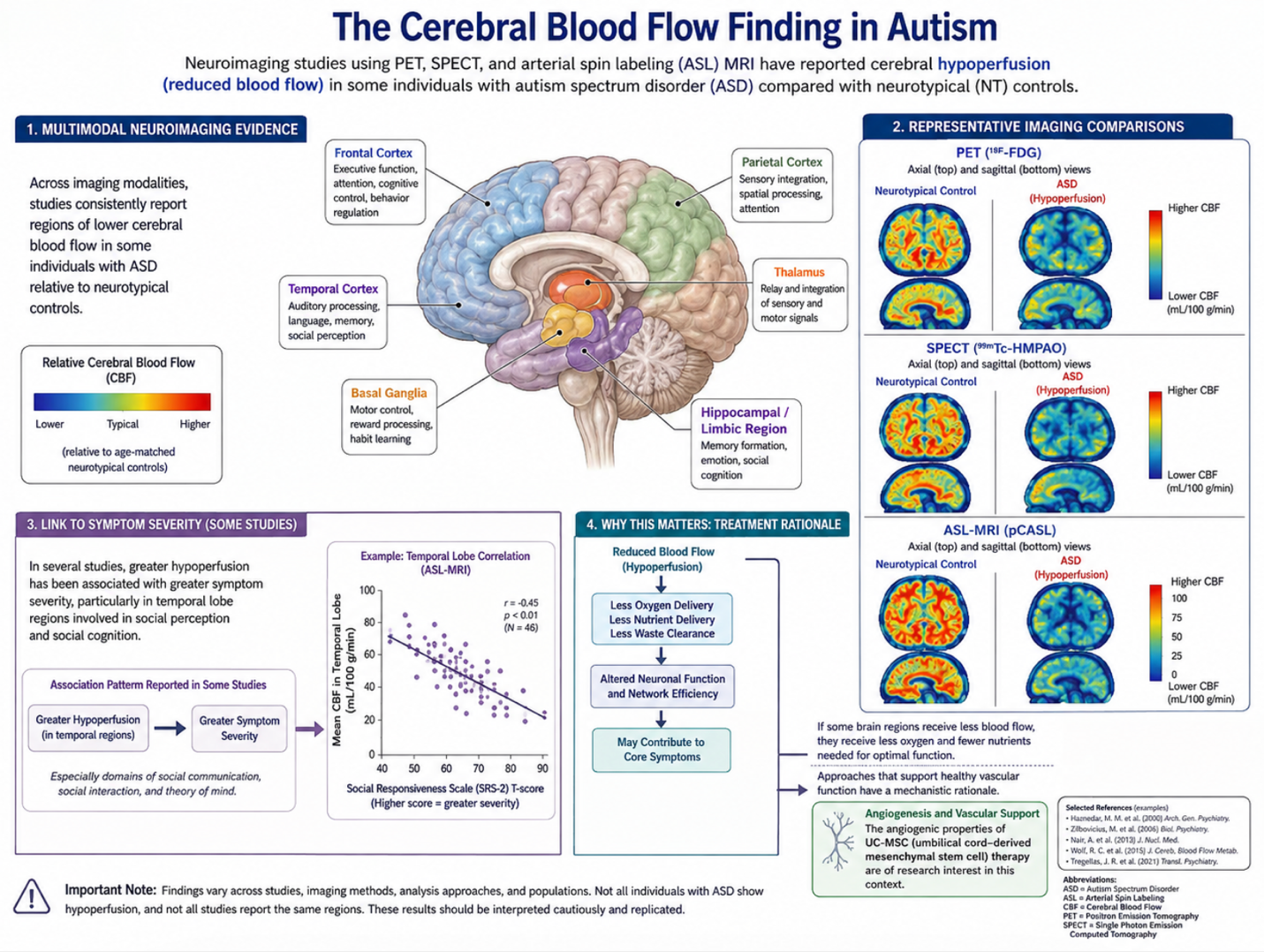
Figure 1: Cerebral Hypoperfusion and Its Potential Relevance to Autism Spectrum Disorder
UC-MSC stem cell therpay are studied for their ability to promote angiogenesis the formation of new blood vessels which researchers believe may help improve blood flow to brain tissue affected by chronic hypoperfusion. Improved circulation supports better oxygen and nutrient delivery, relevant to maintaining healthy brain metabolism and function.
While the hypoperfusion research in autism is well-established, direct clinical evidence that UC-MSC-driven angiogenesis specifically corrects this pattern in autistic patients is considerably more limited this remains a plausible, biologically grounded hypothesis rather than a confirmed clinical outcome. Being clear about that distinction is part of representing this research honestly.
UC-MSC stem cell therpay possess meaningful immunomodulatory capabilities, helping regulate immune response and reduce inflammation relevant given that excessive neuroinflammation is believed to interfere with healthy neurodevelopmental processes in at least a subset of ASD cases.
Rather than replacing neurons directly, UC-MSC stem cell therpay secrete growth factors and neurotrophic substances including brain-derived neurotrophic factor (BDNF) that support the survival, function, and connectivity of existing neural circuits, an important distinction from literal tissue replacement.
Imbalances in neurotransmitter systems are a recognized feature of ASD. UC-MSC stem cell therpay are studied for their potential role in supporting more typical neurotransmitter regulation, with plausible relevance to mood, behavior, and cognitive function.
Some clinical and observational research has reported positive associations between UC-MSC stem cell therpay and social interaction, communication skills, and behavior including increased eye contact, enhanced social responsiveness, and reduced repetitive behaviors in some patients.
Emerging evidence points toward potential improvements in attention, memory, and learning ability, relevant to a person’s capacity to engage meaningfully in educational and social settings.
Anti-inflammatory properties are among the more consistently documented effects of UC-MSC stem cell therpay, with plausible relevance to the neuroinflammatory processes implicated in ASD.
As discussed above, angiogenic support represents a biologically grounded, if still developing, area of relevance specific to the documented hypoperfusion patterns in autism.
Published research on UC-MSC stem cell therpay has generally reported a favorable safety profile, which matters significantly given that safety is a critical consideration for any intervention being considered for a vulnerable population, including children with autism. That said, “generally favorable” is not the same as risk-free individualized medical evaluation and physician oversight remain essential before pursuing treatment, and families should ask directly about specific safety data rather than accepting general reassurance alone.
Stem cell therapy in Thailand has grown around infrastructure suited to delivering UC-MSC stem cell therapy responsibly certified laboratories ensuring cell purity and safety, physicians trained in both neurology and regenerative medicine, and clinics that integrate biological therapy with behavioral and developmental support rather than presenting it as a standalone fix. Treatment costs typically run well below equivalent programs in Western countries, without compromising these standards.
Vegastemcell’s approach to UC-MSC therapy for autism is grounded in representing the actual mechanisms and evidence accurately including the real, if still-developing, connection between vascular health and ASD symptom severity. Physician-supervised evaluation and treatment planning consider each child’s specific clinical picture, with structured follow-up tracking meaningful outcomes over time rather than promising results the current research doesn’t yet support.
Do stem cells actually replace damaged brain cells in autism treatment?
Not typically in the way that’s sometimes implied. UC-MSCs primarily work through paracrine signaling supporting and modulating existing cells and tissue rather than differentiating into new functioning neurons once infused. This is an important distinction for accurate expectations.
Is reduced blood flow to the brain a real, documented finding in autism?
Yes. Multiple neuroimaging studies using PET, SPECT, and MRI-based methods have consistently documented cerebral hypoperfusion in specific brain regions in individuals with ASD, with some research linking the degree of hypoperfusion to symptom severity.
Does UC-MSC therapy directly fix blood flow problems in autism?
The connection is biologically plausible UC-MSCs are studied for promoting angiogenesis — but direct clinical evidence confirming this specific effect in autistic patients remains more limited than the underlying hypoperfusion research itself.
Is stem cell therapy for autism safe?
Published research generally reports a favorable safety profile, though this doesn’t mean risk-free. Physician oversight and individualized evaluation remain essential.
Why do families consider stem cell therapy in Thailand for autism?
Stem cell therapy in Thailand offers certified laboratories, physicians experienced in both neurology and regenerative medicine, and integrated care combining UC-MSC therapy with behavioral support at meaningfully lower cost than equivalent Western programs.
Understanding the Full Picture Before Deciding
Accurate understanding of both the documented vascular findings in autism and the real, if still-developing, mechanisms behind UC-MSC stem cell therapy puts families in a stronger position to evaluate this option honestly. If you’re trying to understand whether stem cell therapy in Thailand fits your child’s specific clinical picture, book a consultation with Vegastemcell for an assessment grounded in accurate, current evidence.
For more infomation you can reach me directly on WhatsApp or Email. Here’s our official link:
WhatsApp :+66982509599
Email : vegastemcell@gmail.com