Our Services
Others
- DFPP
- Shockwave
- IV Drip

This article is for educational purposes only and does not replace consultation with a qualified medical professional. Cellular therapies for autoimmune conditions carry severe risks, and patients must discuss these interventions thoroughly with a board-certified rheumatologist.
For patients with Systemic Lupus Erythematosus (SLE) who remain refractory to standard immunosuppressants and biologics, clinical investigations have shifted toward cellular therapies aimed at fundamentally reprogramming the immune system. We aren’t talking about managing symptoms anymore. The goal is profound immunological restructuring.
Look, the field of regenerative medicine is saturated with commercial clinics making unsubstantiated promises. This creates a dangerous confusion between intense, regulated HSCT protocols and experimental MSC infusions. In my experience reviewing trial protocols and patient outcomes, the biological reality is far more complex and risky than clinic brochures suggest. Stem isn’t a miraculous panacea. It’s an aggressive medical intervention—one that demands serious consideration and a cold, hard look at the clinical data.
| 📌 If you’re weighing where lupus fits among other autoimmune conditions being studied for cellular therapy, our article, Stem Cell Therapy for Lupus and Multiple Sclerosis, looks at both conditions side by side. |
This clinical review examines the biological mechanisms, documented efficacy rates, and exact mortality risks associated with stem cell interventions for SLE in 2026. We will analyze the critical differences between HSCT and MSC therapies, evaluate the latest clinical trial data, and outline the pathways to accessing regulated treatment. If standard-of-care drugs have failed you, you need rigorous data, not marketing hype, to make your next decision.
Stem cell therapy for lupus seeks to induce long-term remission by reprogramming the immune system, with a 70% five-year clinical remission rate observed in severe cases undergoing HSCT.
Stem cell therapy for lupus operates on the principle of profound immunological reprogramming rather than simple symptom management. By eliminating autoreactive lymphocytes and generating a naive, self-tolerant immune compartment, SLE stem cell treatment targets the root pathology of the disease. Stem cell research in lupus aims to eradicate over 95% of autoreactive memory cells, effectively resetting the body’s immune tolerance and halting disease progression (Harvard Stem Cell Institute). Over 95% of these autoreactive memory cells
Systemic Lupus Erythematosus (SLE), a chronic systemic autoimmune disease, is characterized by a catastrophic loss of immunological self-tolerance. To grasp how stem cells target autoimmunity, we have to look at the communication breakdown happening in your blood right now. In a healthy immune system, CD4+ T-cells act as the orchestrators of immune responses, signaling B-cells to produce antibodies against specific pathogens.
In SLE, this communication network completely breaks down. The T-cells continuously misidentify native cellular structures like nuclear DNA as foreign invaders. They relentlessly command the B-cells to churn out massive quantities of autoantibodies, particularly anti-dsDNA and anti-Smith. These autoantibodies don’t just float harmlessly; they form dense, sticky immune complexes that physically lodge in the microvasculature of the kidneys (causing lupus nephritis), the skin, and the central nervous system, triggering intense local inflammation and progressive structural organ damage.
Standard drugs like mycophenolate mofetil or biologics like belimumab attempt to suppress this hyperactivity by targeting specific pathways or generalized cellular proliferation. But they don’t erase the underlying immunological memory. The rogue cells are suppressed and go dormant, not eliminated. The moment you taper the medication, those memory cells wake up, and the disease flares aggressively.
This is where the concept of the cellular reset completely alters the treatment approach. By extracting a patient’s own hematopoietic stem cells, fundamentally destroying the existing rogue immune system with high-dose chemotherapy, and then re-infusing those clean stem cells, doctors attempt to build a completely new immune system from scratch. These new, naive cells lack the pathological “memory” of the autoimmune attack. The slate is wiped clean.
But achieving this balance introduces a critical concept I call The Immune Reset Threshold (IRT) the precise point of immunosuppression required to achieve durable self-tolerance without excessive organ toxicity.
Hitting this threshold is incredibly difficult. If the conditioning regimen is too weak, microscopic populations of autoreactive memory cells survive the chemotherapy. They hide out in the lymphatic tissues, and the lupus eventually relapses. If the conditioning is too severe, the patient risks fatal organ toxicity or an inability to properly engraft the new cells. The IRT is the defining metric for success in regenerative rheumatology. It dictates whether a patient achieves long-term, drug-free remission or suffers catastrophic, life-ending complications.
Understanding the cellular targets in autoimmunity requires looking at how naive stem cells actually rebuild the immune repertoire post-ablation. When purified CD34+ stem cells are infused into a highly conditioned patient, they migrate directly to the bone marrow space. Over the next two to four weeks, they begin to differentiate into new, healthy white blood cells.
The primary target here is the complete eradication of autoreactive CD4+ T-cells and hyperactive B-cells. These are the cellular culprits driving systemic lupus erythematosus stem cells research.
By wiping the immunologic slate clean, the thymus can re-educate the newly generated T-cells to recognize the body’s own tissues as “safe.” This restores central and peripheral immunological tolerance. It’s an elegant biological theory, and in successful cases, patients see their anti-dsDNA titers drop to absolute zero a serological feat almost never achieved with standard oral medications.
But we have to remember that biological plausibility doesn’t automatically equal clinical safety. Improving a patient’s serological markers only matters if it translates into functional outcomes, like improved joint mobility, cessation of protein loss in the urine, or stabilized renal function. Chasing perfect lab numbers while ignoring the patient’s actual physical deterioration is a trap many experimental clinics fall into.
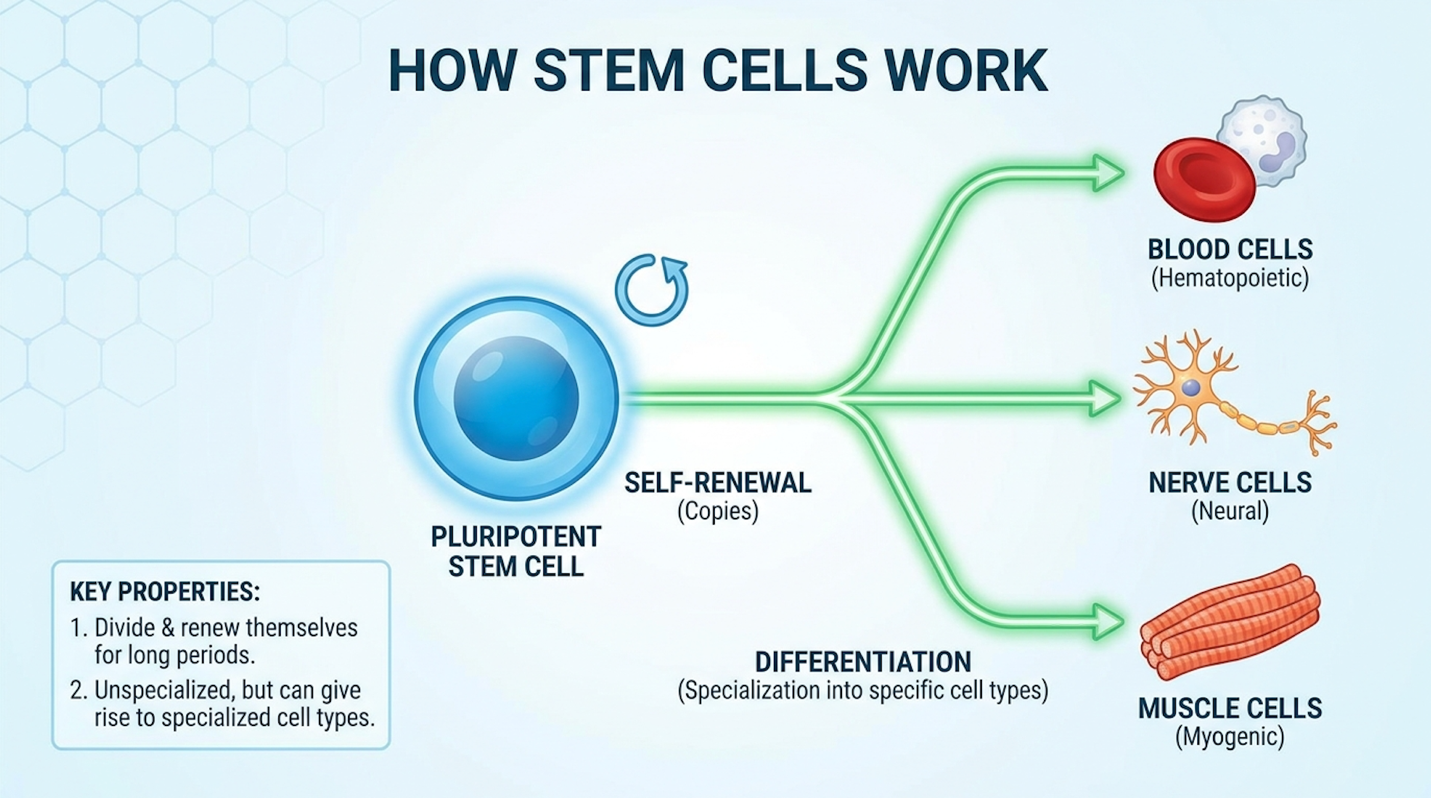
This biological reality means we have to strictly delineate between the specific cellular tools used. How stem cells treat lupus depends entirely on whether you are using them to rebuild the system from scratch or using them as temporary biological signaling agents.
Patients researching cellular therapies must strictly distinguish between HSCT for lupus and treatments utilizing mesenchymal stem cells lupus. These are not clinically interchangeable, and assuming they offer the same results is a massive mistake. HSCT is an aggressive procedure designed to ablate and replace the immune system, whereas MSC therapy relies on cellular signaling to modulate existing immune responses without ablation. Mesenchymal stem cells secrete up to 3x more anti-inflammatory cytokines than native tissue, making them a distinct immunomodulatory alternative to full immune ablation (Nature Reviews Rheumatology). They act as biological drug factories rather than permanent structural replacements.
| 📌 If you’d like the broader picture of how MSCs regulate immune activity beyond lupus specifically, our article, Mesenchymal Stem Cell Therapy for Immune Modulation, covers the underlying mechanisms in more depth. |
Hematopoietic stem cell transplantation SLE is a massive medical undertaking. It is an autologous procedure, meaning the cells come directly from the patient’s own body. First, doctors use drugs like G-CSF (and sometimes cyclophosphamide) to mobilize CD34+ stem cells out of the bone marrow space and into the peripheral bloodstream. Harvesting these cells requires a process called apheresis where the patient is hooked up to a specialized centrifuge machine for four to six hours to filter the necessary stem cells from the circulating blood.
Once collected, these cells are heavily filtered. Clinicians use magnetic cell sorting to isolate the pure CD34+ stem cells while purposefully discarding the mature, autoreactive lymphocytes that cause lupus. The purified graft is then cryopreserved.
Next, the patient undergoes high-dose cytotoxic conditioning. This isn’t a light preparatory step. It is aggressive, life-threatening chemotherapy often utilizing high-dose cyclophosphamide and anti-thymocyte globulin (ATG) designed to completely destroy the patient’s existing immune system.
Only after the autoreactive cells are annihilated are the purified stem cells thawed and re-infused. Because of this extreme ablation, HSCT has the longest history and the most robust clinical data for treating severe, refractory autoimmune conditions. It literally forces the body over the Immune Reset Threshold. But because it requires wiping out the immune system, it carries a terrifyingly severe side-effect profile, including a significant, quantifiable risk of treatment-related mortality.
Conversely, commercial regenerative clinics heavily market MSC therapy systemic lupus erythematosus to desperate patients. Mesenchymal stem cells are entirely different beasts. They are typically allogeneic meaning they are donor-derived, usually harvested from umbilical cord tissue (Wharton’s jelly), placental tissue, or donor bone marrow.
Here’s the critical difference that marketing materials routinely obscure: MSCs do not rebuild your immune system. You don’t undergo chemotherapy ablation before receiving them. Instead, they act as biological drug factories. When infused intravenously, MSCs secrete bioactive molecules, exosomes, and cytokines specifically prostaglandin E2 (PGE2), transforming growth factor-beta (TGF-β), and indoleamine 2,3-dioxygenase (IDO).
These molecules actively suppress T-cell proliferation and force pro-inflammatory M1 macrophages to switch into the tissue-repairing M2 phenotype. They provide paracrine signaling that attempts to calm the immune storm without destroying the underlying cellular architecture. Because MSCs possess unique “immune privilege” meaning they express very low levels of HLA class II antigens they rarely trigger graft-versus-host disease (GVHD). Because there is no cytotoxic conditioning, the safety profile of MSC stem cell therapy for lupus is generally much more favorable than HSCT. Patients don’t lose their hair, and they don’t spend weeks in isolation wards fighting off fungal pneumonias.
| 📌 If you’d like to understand why donor-derived cells don’t trigger rejection the way you might expect, our article, Understanding HLA-DR and Its Role in Stem Cell Therapy, explains what this marker means for treatment safety. |
However, the long-term efficacy data remains highly preliminary. MSCs do not engraft permanently in the body. They circulate, signal, and eventually undergo apoptosis (cell death) within weeks. Because the underlying autoreactive memory cells were never destroyed by chemotherapy, disease relapse is incredibly common once the MSC signaling effect wears off.
To clearly delineate these interventions, patients and clinicians rely on comparative clinical profiles. You can’t compare the two therapies directly because they treat entirely different risk profiles and utilize completely different mechanisms of action.
| Criteria | Autologous HSCT | Allogeneic MSC Therapy |
| Cell Origin | Patient’s own blood/marrow (CD34+) | Donor umbilical cord/marrow (MSC) |
| Mechanism | Complete immune replacement | Immunomodulatory signaling (hit-and-run) |
| Conditioning | High-dose chemotherapy | None required |
| Clinical Setting | Intensive care isolation (HEPA-filtered) | Outpatient infusion center |
| Risk Level | Extremely High (Mortality risk) | Low to Moderate |
| Primary Goal | Long-term, drug-free remission | Symptom & inflammation reduction |
When you analyze this data, it becomes obvious why a patient with severe, organ-threatening Class IV lupus nephritis someone facing imminent kidney failure and dialysis might be pushed toward HSCT trials. They need an immediate, systemic halt to the disease. The high mortality risk of HSCT is justified entirely by the imminent, life-ending threat of the lupus itself.
MSCs, on the other hand, are being studied for patients who need systemic inflammation control but perhaps have too much existing organ damage to survive intense chemotherapy. The real danger currently facing the patient community is commercial clinics deliberately conflating the data. They sell expensive, unproven, unstandardized MSC infusions by citing the high remission statistics that actually belong to intense HSCT trials. This is medically unethical.
Evaluating the stem cell therapy lupus success rate requires strict adherence to clinical trial data rather than anecdotal claims. For refractory patients, the goal is not a guaranteed stem cell therapy lupus cure, but rather drug-free, long-term remission. Current meta-analyses demonstrate distinct efficacy profiles depending on the cellular modality utilized. A meta-analysis of autologous HSCT in severe SLE demonstrated an overall survival rate of 94% and a clinical remission rate exceeding 70% at 5 years (National Institutes of Health). Without this data-driven context, patients are highly vulnerable to clinical over-promising.
When patients ask, “does stem cell therapy work for SLE,” rheumatologists answer using the SLEDAI (Systemic Lupus Erythematosus Disease Activity Index) score. This is a validated, standardized clinical tool that assigns numerical values to 24 different disease manifestations ranging from skin rashes and arthritis to massive proteinuria, complement level drops, and severe neurological involvement. A score above 6 indicates active disease; a score above 12 indicates severe disease.
To put this in perspective, a patient entering a trial might have a baseline SLEDAI score of 16 suffering from active lupus nephritis, rampant joint pain, and severe pleurisy. Following a successful HSCT and the re-establishment of the Immune Reset Threshold, that same patient frequently sees their score drop below 4, indicating totally inactive disease. They stop spilling protein into their urine, and their joint inflammation completely dissipates.
In clinical trials, efficacy isn’t based on how a patient subjectively “feels.” It’s based on these objective, measurable drops in the SLEDAI score. Clinical remission means an absence of symptoms, a stabilization of organ damage, and normal serological markers without the need for daily systemic immunosuppressants or high-dose corticosteroids. This is fundamentally different from a biological “cure.” Lupus remission stem cells research aims to quiet the disease permanently, but the underlying genetic predisposition remains intact in the patient’s DNA.
MSC transplantation has shown significant reductions in SLEDAI scores and improvements in renal function for refractory patients. A heavily cited clinical evaluation noted a rapid decrease in proteinuria and a significant reduction in SLEDAI scores following MSC therapy (2021) for patients with lupus nephritis within the first three months post-infusion. But this clinical improvement often plateaus. Because the autoreactive cells weren’t destroyed, the inflammation gradually returns, usually requiring repeated infusions at exorbitant costs to maintain the effect.
Yes, one of the most critical endpoints in these clinical trials isn’t just surviving the procedure it’s achieving sustained steroid independence. Long-term daily prednisone use destroys bone density, triggers metabolic syndrome, and causes severe cataracts. By successfully hitting the Immune Reset Threshold, clinical data shows that the vast majority of patients who achieve engraftment
While MSC data shows promise for temporary disease activity reduction, autologous HSCT trials provide the absolute most robust data regarding long-term survival and relapse. The numbers here are stark, compelling, and heavily documented.
When you analyze the NIH meta-analysis of autologous HSCT in severe SLE, the clinical reality becomes clear. The data shows a 94% overall survival rate for patients undergoing the procedure in specialized centers. More importantly, it shows a clinical remission rate exceeding 70% at 5 years post-transplantation.
For a cohort of patients who were previously failing every available FDA-approved drug patients whose kidneys were failing and whose lungs were scarred a 70% drug-free remission rate at five years is historically unprecedented. It means returning to work, stopping daily 40mg prednisone doses, and halting progressive vascular damage.
But we have to discuss the reality of relapse with intellectual honesty. Stem cells aren’t magic dust. Even with aggressive immune resetting and perfectly executing the Immune Reset Threshold, disease reactivation is a biological reality. Approximately 20% to 30% of patients will experience some form of lupus flare within a decade of their transplant. Their newly minted immune system eventually “learns” the autoimmune behavior again, possibly due to latent environmental triggers or diminished thymic function in adult patients. These relapsing patients require ongoing clinical monitoring and often have to restart low-dose standard therapies though usually at much lower, manageable doses than before their transplant.
The stem cell treatment process SLE is an intensive medical undertaking requiring prolonged hospitalization and stringent isolation protocols. Patients must weigh the potential for remission against the severe stem cell therapy lupus side effects, which are driven primarily by the toxicity
The clinical timeline for HSCT is brutal, physically exhausting, and emotionally taxing. It starts with mobilization. Patients receive subcutaneous injections of G-CSF (granulocyte colony-stimulating factor) to force stem cells out of the marrow cavity into the peripheral blood. Interestingly, this mobilization phase itself can sometimes trigger a mild lupus flare, and frequently causes intense bone pain as the marrow expands. Over several days, patients undergo apheresis—sitting hooked to a machine for hours that filters their blood to harvest the necessary volume of CD34+ stem cells.
Then comes the conditioning phase. This is the hardest part. Patients are admitted to a specialized transplant ward and given massive doses of chemotherapy over 4 to 6 days. This intentionally eradicates their existing immune system. It causes severe nausea, complete hair loss, and profound, crushing fatigue. It also causes mucositis a severe breakdown of the mucosal lining that often makes it incredibly painful to even swallow water.
Following conditioning is Day Zero the infusion day. The harvested, purified stem cells are thawed and infused back into the patient through a central venous catheter.
The stem cell therapy lupus recovery time is dictated by what happens next. The patient enters a phase of profound pancytopenia. You don’t just feel tired; you are profoundly immunocompromised. You essentially have zero white blood cells, dangerously low platelets, and dropping red blood cells. Patients must remain in strict HEPA-filtered isolation for 10 to 14 days until the newly infused cells engraft, migrate to the marrow, and begin producing a new immune system. During this window, they survive on prophylactic antibiotics (like Bactrim), antivirals (like acyclovir), antifungals (like fluconazole), and frequent blood transfusions.
Caption: The HSCT timeline requires weeks of inpatient isolation to protect the neutropenic patient.
| 📌 If you’d like to understand what actually determines whether infused cells take hold successfully, our article, The Importance of Cell Viability in UC-MSC Stem Cell Therapy, breaks down why this quality marker matters so much for outcomes. |
During this neutropenic phase, the patient is completely exposed to the most severe risks of the procedure. We cannot talk about stem cell therapy without directly addressing the HSCT mortality rate lupus patients face.
The most immediate and terrifying threat is opportunistic infection. Without an immune system, common bacteria found naturally on the skin or in the gut can cross mucosal barriers and cause fatal sepsis within hours. Reactivation of latent viruses is a massive concern; viruses that lay dormant in healthy individuals like Cytomegalovirus (CMV) or Epstein-Barr Virus (EBV)—can reactivate, aggressively attacking the lungs and liver. Similarly, patients are highly susceptible to fungal pneumonias like Pneumocystis jirovecii (PJP). Risks of opportunistic infections during stem cell transplantation are the primary cause of early post-transplant complications and death (American Society of Hematology).
Then there is acute organ toxicity. The high-dose cyclophosphamide used for conditioning is heavily cardiotoxic and hepatotoxic. It can cause acute heart failure, hemorrhagic cystitis (severe bleeding in the bladder), or veno-occlusive disease of the liver. This goes right back to the Immune Reset Threshold. If a patient’s organs are already severely damaged by years of systemic lupus, they simply may not survive the conditioning drugs required to cure them.
Historically, treatment-related mortality (TRM) in early SLE stem cell trials hovered around 5% to 10% so patients with existing irreversible organ damage are routinely excluded from trials to prevent fatal cardiac or hepatic events. That means 1 in 10 early patients died from the procedure, not the disease. Today, with far better patient selection criteria, reduced-intensity conditioning regimens, and advanced supportive care, TRM has dropped significantly to around 2-3% at highly specialized centers, but the absolute risk is never zero.
Because there is currently no FDA approved stem cell therapy lupus, accessing these treatments requires navigating a complex landscape of investigational research. Patients must differentiate between strictly monitored stem cell clinical trials SLE and unregulated commercial entities, all while managing substantial financial barriers and uncertain insurance coverage. The FDA reports zero approved stem cell products for lupus, meaning patients must strictly avoid commercial clinics selling unregulated, unproven cellular therapies (U.S. Food and Drug Administration). Trial participation remains the only scientifically rigorous and legally protected pathway to receive autologous HSCT for autoimmune diseases.
The financial realities of cellular therapy are staggering, and they serve as the primary barrier to access for most patients. When calculating the stem cell therapy lupus cost, you have to account for the entire hospital stay, the apheresis machinery, the proprietary cell sorting, the high-dose chemotherapy, the cryopreservation, and the weeks of inpatient ICU isolation. Autologous HSCT protocols in the U.S. frequently exceed $150,000 to $250,000.
Because it is officially classified as investigational for SLE, navigating insurance coverage stem cell therapy lupus is a bureaucratic nightmare. Major commercial carriers and Medicare routinely deny upfront coverage, classifying the procedure as experimental. However, appeals based on a patient’s refractory status proving through peer-to-peer physician reviews that they will face imminent organ failure and higher long-term costs without the intervention sometimes succeed, especially if the treatment is tightly tied to a recognized academic trial.
This financial desperation pushes vulnerable patients toward cheap, offshore commercial clinics selling non-standardized MSC infusions for $10,000 to $25,000 out of pocket. These are dangerous. They carry significant safety risks regarding cell contamination (frequently causing septic reactions) and completely lack standardized efficacy monitoring.
To avoid predatory clinics, patients must seek out verified, academic research institutions. Legitimate stem cell treatments in the United States are currently conducted strictly under FDA Investigational New Drug (IND) applications. While “Right to Try” laws exist, they rarely facilitate access to complex biological procedures like HSCT outside of formal trial structures due to the highly specific, intensive ICU hospital infrastructure required for neutropenic patients.
You find these legitimate pathways by using (ClinicalTrials.gov) to filter for active, recruiting Phase II and Phase III studies. Search using the exact terms “Systemic Lupus Erythematosus” and “stem cell.” You’ll see a list of academic medical centers actively recruiting refractory patients.
When evaluating a trial, you must ask specific, rigorous questions. Ask about their stem cell processing facility (is it FACT-accredited?). Ask about their Institutional Review Board (IRB) oversight. Ask for their exact, published rates of treatment-related mortality and adverse event reporting. Legitimate investigators will provide this data immediately and walk you through the stringent inclusion/exclusion criteria. Commercial clinics will dodge the clinical questions, point to glossy patient testimonials, and ask for a wire transfer.
Stem cell therapy is an absolute last resort. Period. It is reserved exclusively for patients with severe, organ-threatening, or life-threatening disease who have failed conventional therapies.
If you have not yet exhausted the standard armamentarium cyclophosphamide, mycophenolate mofetil, or FDA-approved biologics like belimumab or anifrolumab you are generally excluded from stem cell trials. Standard-of-care must fail first. Why? Because the mortality risk of standard biologics is drastically lower than the mortality risk of ablative stem cell conditioning. You don’t use a biological sledgehammer if a scalpel still works. Mesenchymal stem cell therapy for autoimmune disease might eventually become an earlier intervention, but the robust, Phase III data just isn’t there yet.
| 📌 If you’d like to see how this same immunomodulatory approach is being studied for other autoimmune and nerve-related conditions, our article, Stem Cell Therapy Using UC-MSCs for Peripheral Neuropathy and Autoimmune Diseases, covers that broader research landscape. |
Suitability assessments cannot be done by your primary care doctor. They must be performed by a board-certified rheumatologist working in direct conjunction with a hematologist-oncologist experienced in bone marrow transplantation.
These experts evaluate the exact state of your organ function. Patients with severe, irreversible organ damage like end-stage renal failure requiring dialysis, or severe pulmonary hypertension may be deemed too fragile for conditioning regimens. Their bodies cannot survive the Immune Reset Threshold. In these cases, expert help is required to navigate palliative care or standard organ transplantation, as cellular therapy would likely prove fatal.
Stem cell therapy can put severe lupus into long-term, drug-free remission. This is achieved by using high-dose chemotherapy to destroy the autoreactive immune system, followed by an infusion of stem cells to build a new, healthy immune system. Clinical trial data shows remission rates exceeding 70% at five years for refractory patients undergoing HSCT. However, achieving this relies on hitting the correct immune reset threshold, and individual results vary significantly based on prior organ damage.
If you are excluded from stem cell clinical trials due to existing organ damage or failure to meet criteria, standard-of-care biologics remain the primary alternative. Advanced medications like belimumab (Benlysta) and anifrolumab (Saphnelo) offer targeted immune suppression with significantly lower mortality risks than stem cell conditioning. For patients with end-stage renal disease caused by lupus nephritis, standard kidney transplantation is often the required clinical path rather than cellular therapy.
No stem cell therapy is currently FDA-approved for the specific treatment of SLE in the United States. The FDA requires these complex cellular interventions to be conducted under tightly monitored Investigational New Drug (IND) applications within registered clinical trials. Patients must be highly skeptical of independent clinics marketing unapproved cellular injections for autoimmune conditions, as these lack safety oversight. Legitimate treatments are accessible
The success rate for autologous hematopoietic stem cell transplantation (HSCT) in SLE is approximately a 70% clinical remission rate at five years. Overall survival rates in modern clinical cohorts generally exceed 90%. Success is strictly defined as an absence of clinical symptoms without the need for systemic immunosuppressive drugs. Success rates for experimental mesenchymal stem cell (MSC) therapies are harder to quantify due to a lack of standardized, long-term phase III trial data, so patients should interpret commercial success claims with extreme caution.
Remission after stem cell treatment for SLE can last five to ten years, and sometimes permanently. Follow-up data from major clinical trials demonstrates that a substantial cohort of patients remain in drug-free remission a full decade post-transplant. However, disease reactivation remains a biological reality for approximately 20% to 30% of patients over a five-year timeline. Continuous rheumatological monitoring is required even after a successful immune system reset, and relapses are typically managed with standard immunosuppressive therapies.
For patients with refractory SLE, stem cell therapy delivers the potential for drug-free remission through intense immunological reprogramming. A meta-analysis of autologous HSCT demonstrates a clinical remission rate exceeding 70% at five years post-transplantation (National Institutes of Health). The safest approach combines exhausting all standard biologics first, identifying FDA-monitored clinical trials, and undergoing rigorous suitability assessments by board-certified specialists.
Achieving this remission relies entirely on the Immune Reset Threshold (IRT). Balancing the profound immunosuppression required to halt autoantibody production against the severe risks of
Your next step is to compile your complete medical records, including your history of failed immunosuppressants and current SLEDAI metrics. Present this data to your rheumatologist to formally discuss your eligibility for inclusion in a monitored clinical trial via ClinicalTrials.gov.