Our Services
Others
- DFPP
- Shockwave
- IV Drip

This article is for educational purposes only and does not replace consultation with a qualified medical professional.
When conventional immunosuppressants fail, patients with refractory autoimmune diseases face a critical crossroad; however, recent clinical reviews indicate that specific stem cell protocols can achieve systemic immunological resets rather than mere symptom management. Distinguishing between biologically plausible clinical trials and unverified commercial procedures is exceptionally difficult, exposing patients to severe financial and physiological risks.
Comprehensive analysis of dozens of commercial clinic brochures targeting desperate patients reveals a deliberate blurring of the lines between a true biological reset and a simple, highly experimental immunomodulatory drip. Patients must remain cautious. The clinical reality of stem is brutal, demanding, and utterly different from what medical tourism agencies advertise.
By the end of this guide, you’ll understand the stringent clinical evidence surrounding stem cell therapy for lupus and multiple sclerosis so you can make informed decisions regarding investigational treatments. This guide evaluates immunological mechanisms, strict patient eligibility criteria, chronological recovery timelines, and out-of-pocket costs within the US medical system. You won’t find empty promises of guaranteed recovery here. Just the hard, verifiable science.
Stem cell therapy for lupus and multiple sclerosis operates by severely suppressing the autoreactive immune system and regenerating it using hematopoietic or mesenchymal cells.
Stem cell therapy for lupus and multiple sclerosis involves deploying specific cellular protocols to halt systemic autoreactive attacks. While traditional therapies suppress symptoms, interventions like autologous HSCT aim to eradicate the dysfunctional immune system and regenerate a naive network (Academic OUP, 2024). This introduces a potential pathway for patients with highly refractory phenotypes who no longer respond to first-line biologicals.
Clinical trials indicate that autologous HSCT can induce drug-free remission in specific subsets of highly active, treatment-resistant multiple sclerosis (Academic OUP, 2024). This isn’t a gentle systemic lupus erythematosus (SLE) or aggressive relapsing-remitting multiple sclerosis (RRMS), the objective is to completely ablate the faulty T-cells and B-cells that are actively destroying myelin sheaths or attacking the kidneys.
| 📌 If lupus specifically is your main concern, our article, Stem Cell Therapy in the Treatment of Systemic Lupus Erythematosus (SLE), takes a closer look at the mechanisms and clinical data for that condition. |
Stem Cells Translational Medicine clinical trial outcomes for autoimmune treatments show that destroying the immune memory stops the inflammatory cascade. But medical teams must replace that demolished system with something clean. That is exactly where stem cells come in. They aren’t magical healing agents that instinctively seek out damaged tissue to repair it. Instead, they act as the foundation for a brand new, naive immune system that hasn’t yet learned to attack the body. Over 80% of targeted autoimmune memory cells are eradicated during optimal conditioning so patients essentially receive an immunological blank slate.
Understanding these complex cellular mechanisms reveals why these interventions are reserved for specific clinical profiles. Because immune eradication is physiologically demanding, evaluating a patient’s biological resilience is the mandatory next step in the clinical pathway. If the body cannot survive the demolition, the rescue phase doesn’t matter.
What two conditions can be treated with stem cells? Frankly, commercial clinics advertise treatments for dozens of conditions, but the biological mechanisms for MS and lupus are among the most rigorously studied. To understand the science, you must differentiate between the two entirely distinct methodologies currently dominating the field: Hematopoietic Stem Cell Transplantation (HSCT) and Mesenchymal Stromal Cells (MSCs).
Hematopoietic Stem Cell Transplantation (HSCT) is an aggressive, highly toxic procedure. It utilizes high-dose chemotherapy often utilizing a combination of cyclophosphamide and anti-thymocyte globulin (ATG) to intentionally wipe out the existing bone marrow and the entire peripheral immune system. Once the white blood cell count plummets to zero, clinicians infuse autologous hematopoietic stem cells. These cells, previously harvested from the patient’s own blood and purified using specialized CD34+ cell selection devices, “rescue” the patient from the chemotherapy. These CD34+ selected stem cells engraft in the hollow spaces of the bone marrow and build a fresh, uncorrupted immune system over several weeks.
| 📌 If you’d like to understand what actually determines whether transplanted cells take hold successfully, our article, The Importance of Cell Viability in UC-MSC Stem Cell Therapy, breaks down why this quality marker matters so much. |
Mesenchymal Stromal Cells (MSCs) operate entirely differently. MSCs are multipotent cells currently investigated for their anti-inflammatory properties, often derived from umbilical cord tissue (Wharton’s Jelly), bone marrow, or adipose (fat) tissue. They are infused into the patient to act as immunomodulators, meaning they don’t require chemotherapy conditioning. Instead, they release paracrine signals chemical messengers that aggressively calm inflammation and tell the angry immune system to stand down.
| 📌 If you’d like the fuller picture of how MSCs regulate immune activity, our article, Mesenchymal Stem Cell Therapy for Immune Modulation, covers the underlying mechanisms in more depth. |
| 📌 If you’d like to understand why umbilical cord-derived cells are often the preferred source, our article, Why Umbilical Cord-Derived Mesenchymal Stem Cells Are Superior to Other Stem Cell Sources, breaks down the comparison in detail. |
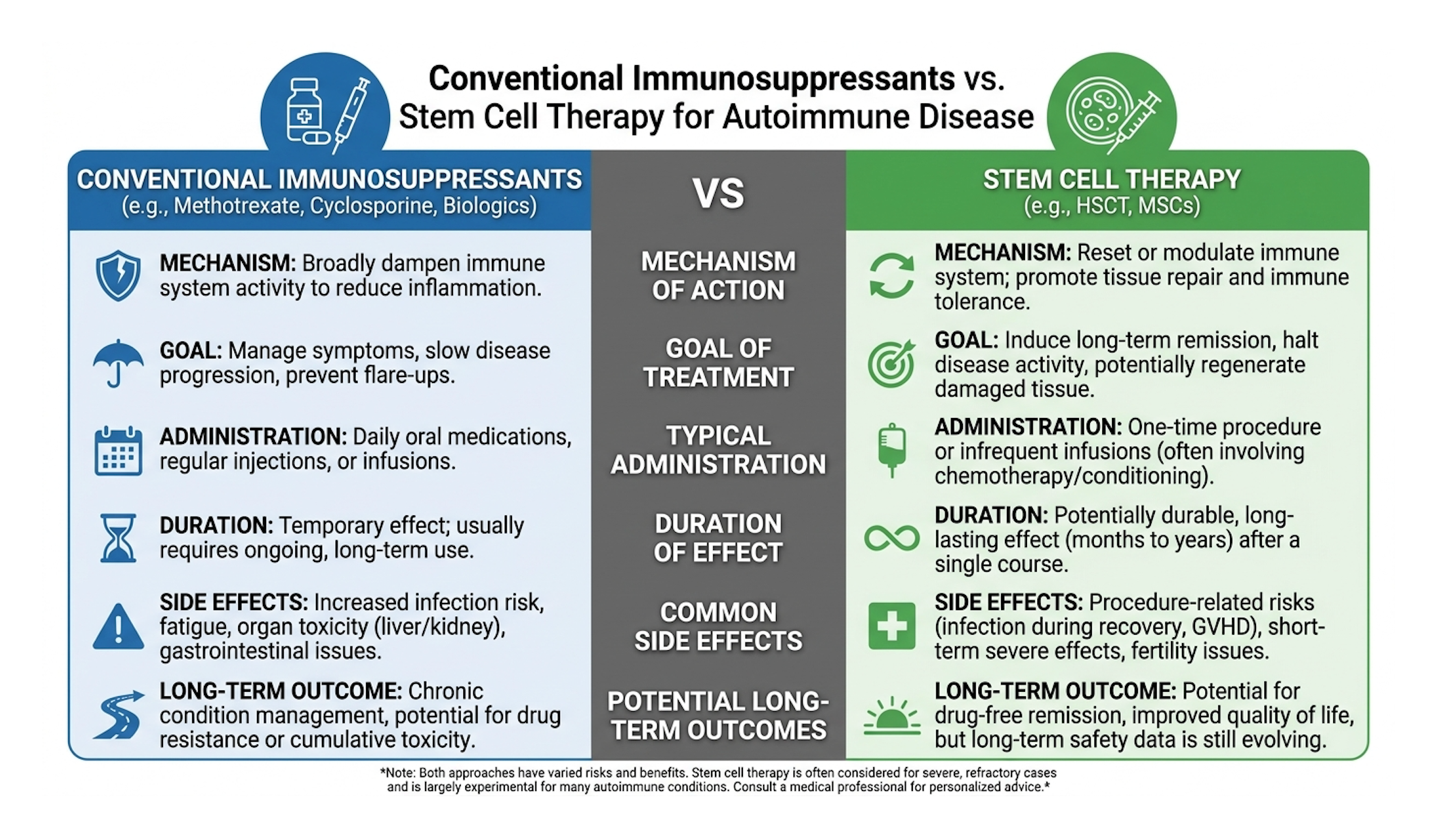
When reviewing the UCI Health clinical update overview of mechanism of action for refractory lupus, it’s clear that UC-MSC therapy is gaining traction as a less toxic alternative to HSCT. But patients must use The Evidence-Led Suitability Framework a structured methodology for evaluating if investigational stem cell therapy is right based on evidence, risk tolerance, and functional goals. Ask the clinic directly: Are we doing immune ablation (HSCT), or immune suppression (MSCs)? If they can’t give a highly technical answer, walk away immediately.
While these mechanisms outline the theoretical biological targets, proving their efficacy in specialized disease subsets requires rigorous clinical validation.
What is the newest breakthrough in lupus treatment? Right now, the rheumatological community is laser-focused on resolving lupus nephritis the severe kidney inflammation that drives a massive percentage of lupus-related mortality. Conventional treatments rely heavily on mycophenolate mofetil or cyclophosphamide, but for a massive segment of patients, these drugs simply fail to achieve complete renal remission.
Stem cell therapy for lupus nephritis has emerged as a scientifically viable escalation. Specifically, CD34+ selected autologous HSCT has shown remarkable data in pushing refractory patients into long-term drug-free remission. Researchers track highly specific clinical end-points: sustained reduction in proteinuria (protein in the urine), normalization of serum creatinine, and drastic improvements on the Systemic Lupus Erythematosus Disease Activity Index (SLEDAI). Extensive clinical trials published in The Lancet Rheumatology found that the majority of selected refractory lupus nephritis patients achieved sustained drug-free remission following CD34+ selected HSCT so organ preservation is highly probable for optimal candidates.
But let’s be absolutely clear. Biological plausibility the fact that something should work based on lab science has not yet translated into universal FDA approval as a standard-of-care therapy for lupus. The Lupus Foundation research review of stromal cell applications for SLE shows promising safety profiles for MSCs, but the long-term functional efficacy remains heavily debated among top-tier rheumatologists.
Recent advancements have also introduced CAR-T cell explorations for profound B-cell depletion in lupus patients. This operates on a similar principle of immunological reset without the full bone marrow ablation required by HSCT. Evaluating stem cell therapy for autoimmune disease requires looking at the raw trial data, not marketing copy. The Cell Medicine review on investigational data highlights that true efficacy is only verified through longitudinal tracking.
| 📌 If you’d like to see how this same immunomodulatory approach is being studied for other autoimmune and nerve-related conditions, our article, Stem Cell Therapy Using UC-MSCs for Peripheral Neuropathy and Autoimmune Diseases, covers that broader research landscape. |
The systemic nature of these therapies makes them uniquely positioned for patients presenting with complex, overlapping autoimmune pathologies.
Can you have multiple sclerosis and lupus at the same time? Yes, though it is exceedingly rare. This phenomenon is broadly referred to in the medical literature as an overlapping autoimmune
When a patient suffers from both conditions, conventional medicine usually struggles. Treatments that suppress the immune pathways responsible for MS flare-ups might not adequately control lupus nephritis, and vice versa. This is exactly where systemic stem cell therapy for MS flare-ups and lupus flares becomes biologically fascinating.
Because HSCT doesn’t target a specific organ pathway it targets foundational hematopoietic dysfunction it theoretically treats both conditions simultaneously. By wiping out the bone marrow’s production of faulty, autoreactive lymphocytes, clinicians pull the plug on both the autoantibodies attacking the kidneys and the T-cells attacking the brain’s myelin. CD4+ and CD8+ T-cell repertoires are fundamentally restructured during engraftment so systemic multiorgan inflammatory attacks are halted concurrently.
However, patients must apply extreme caution here. Clinical trials almost never recruit patients with dual severe autoimmune diagnoses. The compounding morbidity risks such as the renal fragility from lupus combined with the neurogenic bladder issues from MS make these patients highly vulnerable to toxic chemotherapy conditioning.
However, the same systemic power that makes these therapies viable for complex autoimmune conditions introduces life-threatening vulnerabilities during the procedure.
Determining who is not a good candidate for stem cell therapy requires rigorous assessment of baseline organ function and disease progression. The severe conditioning regimens used in HSCT carry profound physiological toxicity (Nature Scientific Reports, 2024). Consequently, patients with advanced end-organ damage or poorly controlled secondary morbidities are routinely disqualified to prevent treatment-related mortality.
Treatment-related mortality rates for autoimmune HSCT have decreased to below 2% in specialized centers, though opportunistic infection remains a critical risk during the first 100 days (Nature Scientific Reports, 2024). That 2% statistic is vital. It means two out of every one hundred
This isn’t a spa weekend. It’s one of the most dangerous medical procedures a patient will ever endure. The PMC safety analysis regarding complications and risk profiles in autoimmune cell therapies explicitly highlights that patient selection is the single greatest predictor of survival. If a clinic immediately accepts money without demanding a massive stack of recent echocardiograms, pulmonary function tests, and comprehensive metabolic panels, they are operating negligently.
Applying The Evidence-Led Suitability Framework requires patients to confront these physiological realities objectively. The procedure demands profound physical resilience. For those who meet the stringent medical criteria and accept the inherent hazards, understanding the precise chronological timeline of hospitalization becomes the next critical phase of preparation.
What disqualifies you from a stem cell transplant? A lot. Because immunosuppressive conditioning the high-dose chemotherapy regimen required prior to transplant is heavily cardiotoxic and physically taxing, baseline organ function must be stellar to survive it.
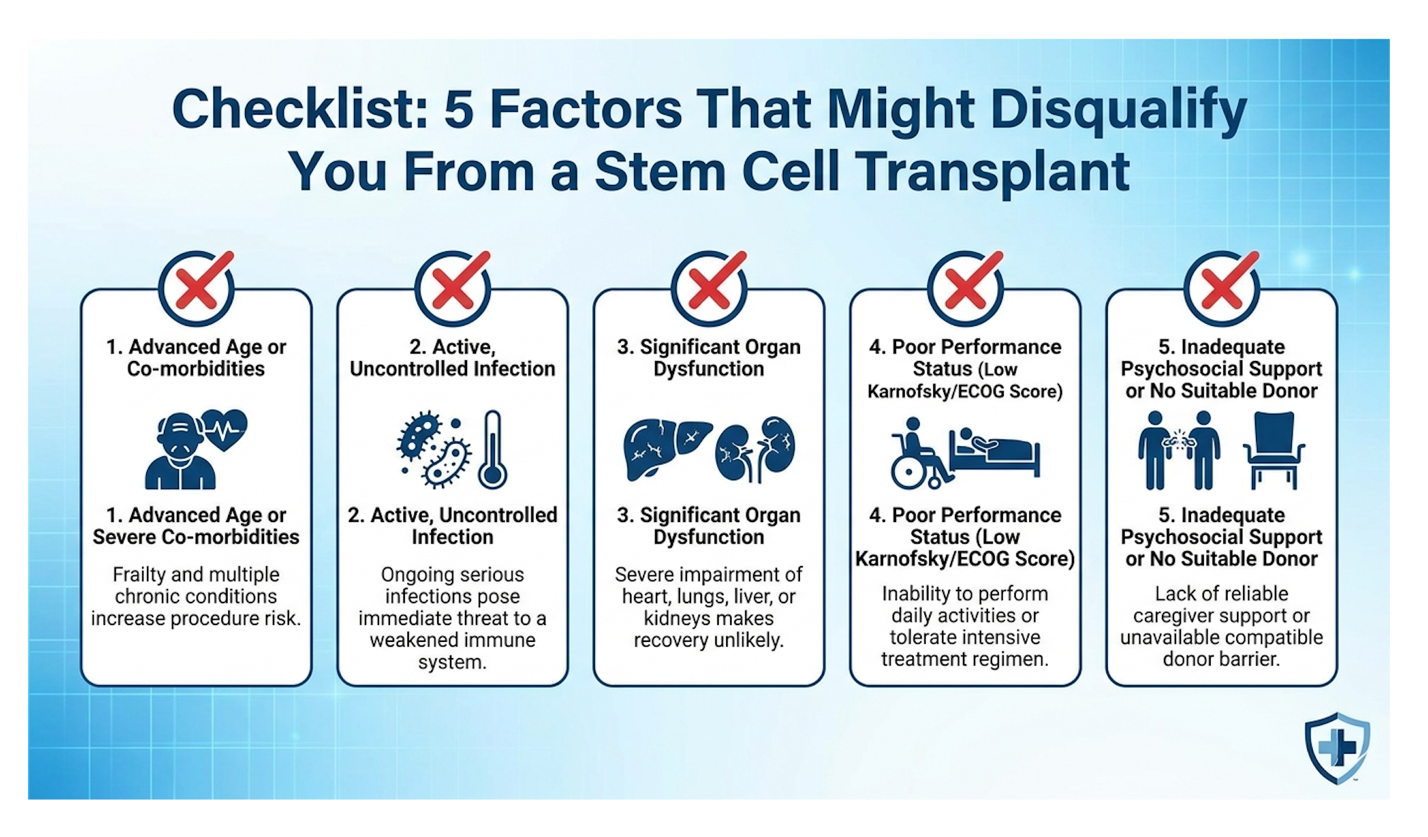
Disqualifying factors generally include:
Contrast a highly active relapsing-remitting MS patient who is rapidly declining despite Ocrevus (an ideal candidate) with a patient in the late stages of secondary progressive MS who has been wheelchair-bound for a decade without new MRI lesions. The latter is a terrible candidate. HSCT halts active inflammation; it does not regrow dead nerves. Putting a secondary progressive MS patient through HSCT offers all of the fatal risks with virtually zero chance of functional reward.
Beyond strict disqualifiers, even optimal candidates must weather severe physiological stress during the procedure.
What are the downsides of stem cell therapy? The most terrifying downside is the absolute neutropenic phase. When the chemotherapy successfully ablates the bone marrow, patients enter a period lasting roughly 10 to 14 days where their absolute neutrophil count (ANC) drops to effectively zero.
During this window, patients have absolutely no immune system. None. A common cold virus, a minor fungal spore in the air, or the natural bacteria living in the gut can easily trigger a massive, fatal septic cascade. Patients must live in a HEPA-filtered, positive-pressure isolation room.
The acute toxicities during this phase are immense. Patients routinely suffer from severe mucositis painful mouth and throat sores that literally strip the mucosal lining, making swallowing impossible and requiring Total Parenteral Nutrition (TPN) through an IV. Nausea, profound fatigue, and high fevers are the daily reality.
Long-term downsides are equally sobering. The high-dose cyclophosphamide frequently causes permanent infertility. It triggers early menopause in women and ceases sperm production in men. Secondary malignancies blood cancers caused by the chemotherapy itself can appear years down the line. It’s a high-stakes gamble to halt autoimmune destruction.
While these acute risks pertain primarily to established HSCT protocols, patients must also navigate the murky waters of investigational therapies.
The medical landscape is heavily fractured. On one side, major academic research hospitals run FDA-sanctioned, Phase III Clinical Trials for HSCT. Their risks are rigorously tracked, transparent, and mitigated by elite hematology-oncology teams operating under Section 351 biological product regulations. On the other side, a massive industry of unregulated “stem cell tourism” operates globally under looser guidelines.
These commercial clinics often sell unverified MSC infusions or adipose-derived (fat) stem cell injections. They promise disease reversal for MS, lupus, autism, and aging, all with the exact same syringe of processed fat cells. The FDA has repeatedly issued severe warnings regarding these unapproved regenerative products, which are often improperly marketed under Section 361 pathways as minimal-manipulation human tissues. Patients have suffered from massive tumors, spinal cord infections, and even acute blindness following improper administration of unregulated biologics.
This is exactly why clinical guidelines constantly reinforce The Evidence-Led Suitability Framework. Before allowing anyone to inject cellular matter, patients must demand to see the clinic’s Institutional Review Board (IRB) approval. Ask for their ClinicalTrials.gov registration number. If the provider claims they moved offshore to avoid “FDA suppression,” that is a glaring signal to walk away immediately.
For those undergoing verified, clinically approved procedures, surviving the acute risks gives way to a highly structured recovery timeline.
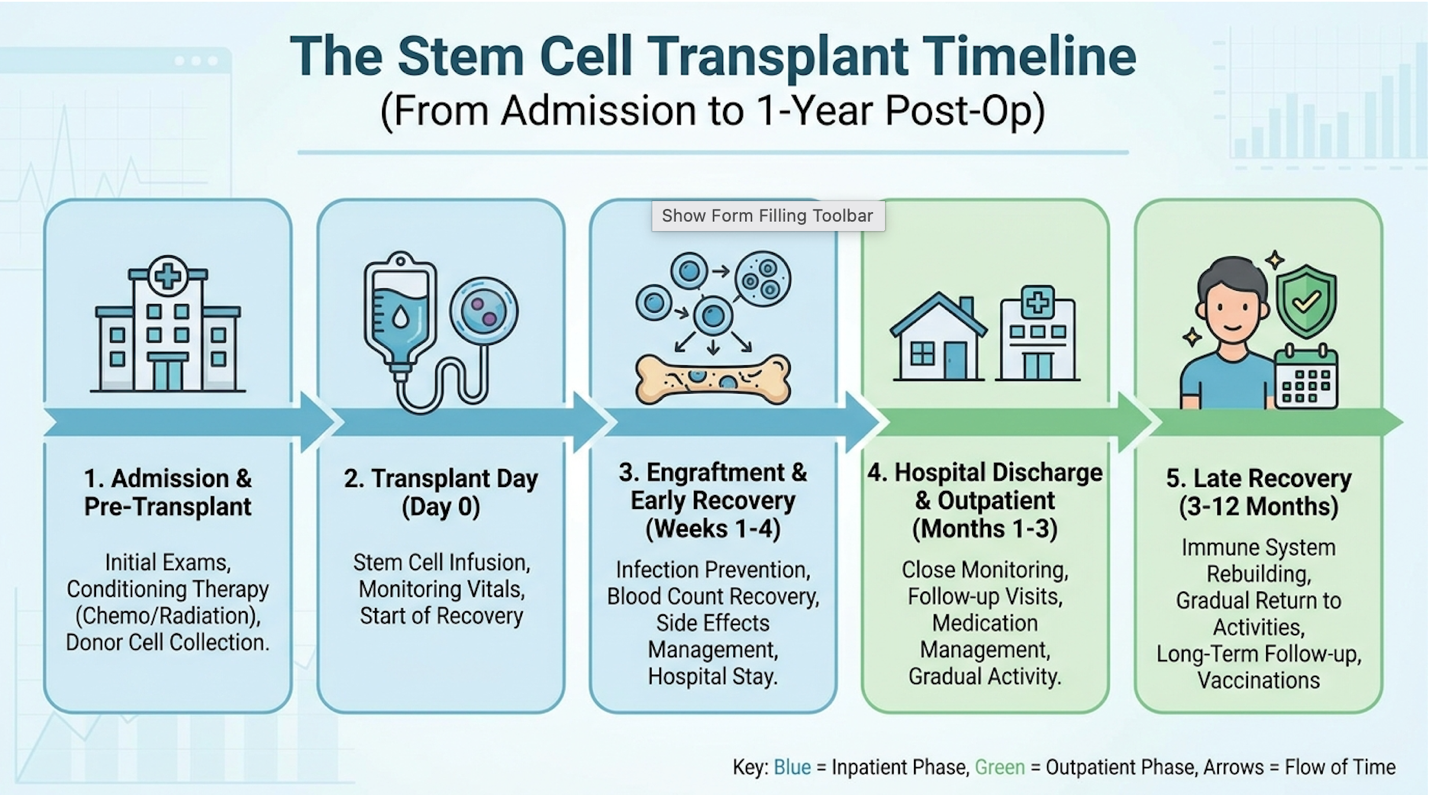
The typical hospital stay after a stem cell transplant for autoimmune disease lasts between 3 to 4 weeks, depending heavily on the speed of cellular engraftment. Patients are admitted for pre-transplant chemotherapy conditioning, followed by the stem cell infusion, and must remain in strict inpatient isolation until their white blood cell counts recover to safe baseline thresholds (Northwestern Medicine, 2024).
Engraftment typically occurs between days 10 and 14 post-transplant, though full immune system maturation can require up to 24 months of careful monitoring (Northwestern Medicine, 2024). Patients don’t just walk out of the hospital feeling fully recovered. The day of discharge is just the starting line of a multi-year marathon.
The new immune system is quite literally a baby. It has no memory of vaccines received in childhood. It has no memory of fighting off chickenpox in elementary school. Patients are highly vulnerable to opportunistic infections—severe pathogens that exploit the absence of a functioning immune system, such as cytomegalovirus (CMV), Epstein-Barr Virus (EBV) reactivation, and Pneumocystis jirovecii pneumonia (PJP). Re-hospitalization rates in the first 100 days remain significant so meticulous outpatient hygiene is an absolute necessity.
Reaching the one-year post-transplant milestone without disease activity represents a profound victory in the Evidence-Led Suitability Framework. However, maintaining this remission requires rigorous adherence to outpatient monitoring protocols. Understanding this prolonged timeline is crucial, as the extensive medical resources required over this multi-year process heavily dictate the overall financial burden.
Let’s break down exactly what happens during that grueling month in the hospital ward.
Returning home marks the end of acute hospitalization, but the beginning of a years-long evaluation of the therapy’s durability.
How many years does stem cell therapy last? The data is highly variable, but for excellent candidates, the results are staggering. Some MS patients achieve 5 to 10+ years of NEDA (No Evidence of Disease Activity). NEDA means absolutely no new relapses, no new MRI lesions, and no worsening of baseline disability based on strict clinical scoring.
However, patients need to understand the difference between stabilizing disease progression and reversing existing neurological damage. HSCT stops the fire; it doesn’t rebuild the house. If permanent nerve damage causes a severe foot drop or irreversible kidney scarring exists from years of lupus nephritis, stem cells will not fix that. Post-transplant remission is strictly defined as the absence of disease progression without the use of disease-modifying therapies — so marginal functional improvement is possible, but complete physiological regeneration is not guaranteed.
For severe lupus, researchers look for the absence of severe flares and the ability to completely taper off toxic corticosteroid doses over a 5-year benchmark. The Autoimmune Institute tracking
Measuring these outcomes accurately requires long-term epidemiological tracking and constant vigilance against delayed complications.
What is the average life expectancy after a stem cell transplant? For autoimmune patients who successfully engraft without severe comorbidities, life expectancy aligns remarkably closely with healthy, age-matched cohorts. This is a massive victory, considering that refractory lupus and aggressive MS can be fatal or severely life-limiting. By preventing end-stage autoimmune organ failure, HSCT actively extends life.
But life post-transplant changes permanently. Around the 1-to-2 year mark, patients must undergo a complete childhood revaccination schedule—polio, DTaP, measles, mumps, rubella, everything. The naive immune system needs to be educated safely. Over 95% of vaccine titers drop to zero post-ablation so skipping this protocol leaves patients permanently exposed to eradicated diseases.
Furthermore, outpatient monitoring is essential because HSCT carries a paradoxical risk: the development of secondary autoimmune diseases. While trying to halt MS, a small percentage of patients will develop autoimmune thyroiditis, immune thrombocytopenic purpura (ITP), or myasthenia gravis as their new immune system makes early maturation errors.
Securing this level of advanced, prolonged medical care necessitates confronting the significant financial barriers inherent to modern regenerative medicine.
Stem cell therapy for lupus in the USA typically costs between $100,000 and $150,000 out-of-pocket for established HSCT protocols, while unverified MSC infusions range from $5,000 to $25,000. Because the FDA classifies stem cell therapies for autoimmune diseases as investigational, standard health insurance policies routinely deny coverage, forcing patients to seek alternative funding or clinical trial enrollment.
In the United States, out-of-pocket costs for autologous HSCT for autoimmune diseases routinely range between $100,000 and $150,000 when not covered by clinical trial funding. If you lack top-tier financial resources or a spot in a funded trial, access is a massive, crushing barrier.
A thorough analysis of medical billing models for stem cell therapy highlights that the cost isn’t just the cellular product. The bulk of that $150,000 price tag stems from the month-long stay in a specialized ICU-level isolation room, daily apheresis, complex chemotherapy drugs, and round-the-clock hematological monitoring. Intensive care ward days average $4,000 to $8,000 per night so hospitalization timelines dictate the vast majority of the final bill.
Applying The Evidence-Led Suitability Framework to finances means recognizing that exorbitant costs do not equate to clinical efficacy. Patients must rigorously evaluate whether a clinic is charging for an established protocol or an unproven biological experiment. Understanding the limitations of these therapies is the final, essential step before pursuing a consultation.
Stem cell therapy cannot technically reverse existing autoimmune damage, but it can successfully halt disease progression and induce long-term drug-free remission. The therapy targets active inflammation by eradicating autoreactive immune cells and regenerating a naive immune system. However, tissues already destroyed by the disease, such as scarred myelin sheaths in MS, generally do not regenerate. Clinical success is measured by the absence of new disease activity rather than the reversal of past injury. Individual functional improvements depend entirely on the body’s natural healing capacity once the inflammatory attack stops.
If lupus is well-controlled on Plaquenil (hydroxychloroquine) and a low-dose biologic, stem cells are entirely unnecessary. Conventional immunosuppressants like B-cell depleters (rituximab) or monoclonal antibodies have decades of established safety data. They don’t require risking a 2% chance of treatment-related mortality. First-line informed decision-making mandates that patients stick to proven pathways as long as organ function remains stable.
Medical guidelines recommend relying on conventional therapies when the disease is stable, when organ function is preserved, and when daily quality of life is manageable. Save the nuclear option
Patients should only pursue stem cells when their primary rheumatologist or neurologist admits they have run out of viable FDA-approved options, and imminent, irreversible organ failure or severe disability progression is actively occurring. At that critical threshold, exploring HSCT changes from an experimental luxury to a necessary, life-saving intervention.
At that point, the specialist must coordinate directly with a hematologist-oncologist. A multidisciplinary board is required to weigh the profound risks of high-dose chemotherapy against the guaranteed destruction caused by uncontrolled autoimmune disease. Building this highly specialized care team is how patients protect their lives while navigating the bleeding edge of medical science. Coordination between neurologists, rheumatologists, and transplant specialists guarantees that the therapy aligns with the patient’s specific functional goals.
Stem cell therapy cannot technically reverse existing autoimmune damage, but it can successfully halt disease progression and induce long-term drug-free remission. The therapy targets active inflammation by eradicating autoreactive immune cells and regenerating a naive immune system. However, tissues already destroyed by the disease, such as scarred myelin sheaths in MS, generally do not regenerate. Clinical success is measured by the absence of new disease activity rather than the reversal of past injury. Individual functional improvements depend entirely on the body’s natural healing capacity once the inflammatory attack stops.
There is currently no definitive medical cure for lupus, though investigational therapies like CAR-T cell and stem cell treatments are achieving unprecedented remission rates. These advanced
The primary difference is that immunosuppressants manage symptoms by continuously dampening the immune system, while stem cell therapy attempts a one-time systemic reset. Immunosuppressants require lifelong daily administration and carry chronic side effects like osteoporosis and persistent infection risk. Stem cell therapy involves a severe, acute risk of mortality during the conditioning phase but offers the potential for years of drug-free remission. Stem cell protocols are exclusively reserved for severe cases where standard immunosuppressants have completely failed to prevent organ damage. Treatment selection requires a rigorous risk-benefit analysis by a multidisciplinary medical board.
Intrathecal stem cell injections deliver mesenchymal stromal cells (MSCs) directly into the spinal fluid to bypass the blood-brain barrier. This investigational approach aims to concentrate anti-inflammatory and neuroprotective cellular signals directly at the site of central nervous system demyelination in MS patients. Unlike systemic HSCT, intrathecal MSC administration does not require aggressive chemotherapy conditioning, making it physically less toxic. However, clinical trial data regarding its long-term efficacy in halting disease progression remains highly preliminary compared to systemic protocols. Patients must strictly verify FDA trial status before pursuing this specific delivery method.
Patients typically begin seeing stabilization of their multiple sclerosis symptoms within 3 to 6 months following successful engraftment. The immediate post-transplant period is physically grueling, and fatigue often worsens before baseline function returns. True immunological maturation and the halting of new inflammatory lesions on MRI scans are usually evaluated at the
Clinical trials indicate that autologous hematopoietic stem cell transplantation for severe, refractory lupus achieves a 5-year progression-free survival rate of approximately 50% to 70%. This means more than half of rigorously selected trial participants remain free of severe lupus flares without requiring daily immunosuppressive drugs for half a decade. However, this success rate is highly contingent upon the patient’s baseline organ function and the specialized expertise of the transplant center. Treatment-related mortality ranges from 1% to 2% in elite centers, emphasizing that success rates must always be weighed against fatal procedural risks.
For patients facing refractory autoimmune conditions, stem cell therapy for lupus and multiple sclerosis offers a scientifically viable pathway to long-term remission, with specialized centers reporting 5-year progression-free survival rates up to 70% (Academic OUP, 2024). The most responsible approach combines rigorous evaluation of established HSCT trial data, consultation with board-certified hematologists, and an objective assessment of the severe procedural risks involved.
By strictly adhering to The Evidence-Led Suitability Framework, patients can successfully navigate the noise of predatory medical marketing. This framework demands that biological baselines align directly with verified clinical trial criteria, ensuring no one takes on life-threatening chemotherapy conditioning without a statistically justified chance of profound functional recovery.
Before paying for unverified treatments, assemble your complete medical records, including recent imaging, metabolic panels, and treatment histories. Consult your board-certified specialist today to review actionable trial data, secure a second opinion from a FACT-accredited academic research