Our Services
Others
- DFPP
- Shockwave
- IV Drip

Neuropathy is basically classified as nerve damage; however, in many patients the issue may be much deeper than a damaged nerve. It occurs as a result of changes in the entire nerve environment, including burning pain, numbness or tingling; electric-shock feelings; weakness and loss of feeling. Such as inflammation, poor microcirculation, metabolic stress, oxidative damage immune irritation and reduced ability of tissue repair.
That is why stem cell therapy for neuropathy in Thailand becomes popular as a supportive regenerative medicine. The goal is not just to relieve pain it is also meant to help the biological environment surrounding irritated or injured nerves.
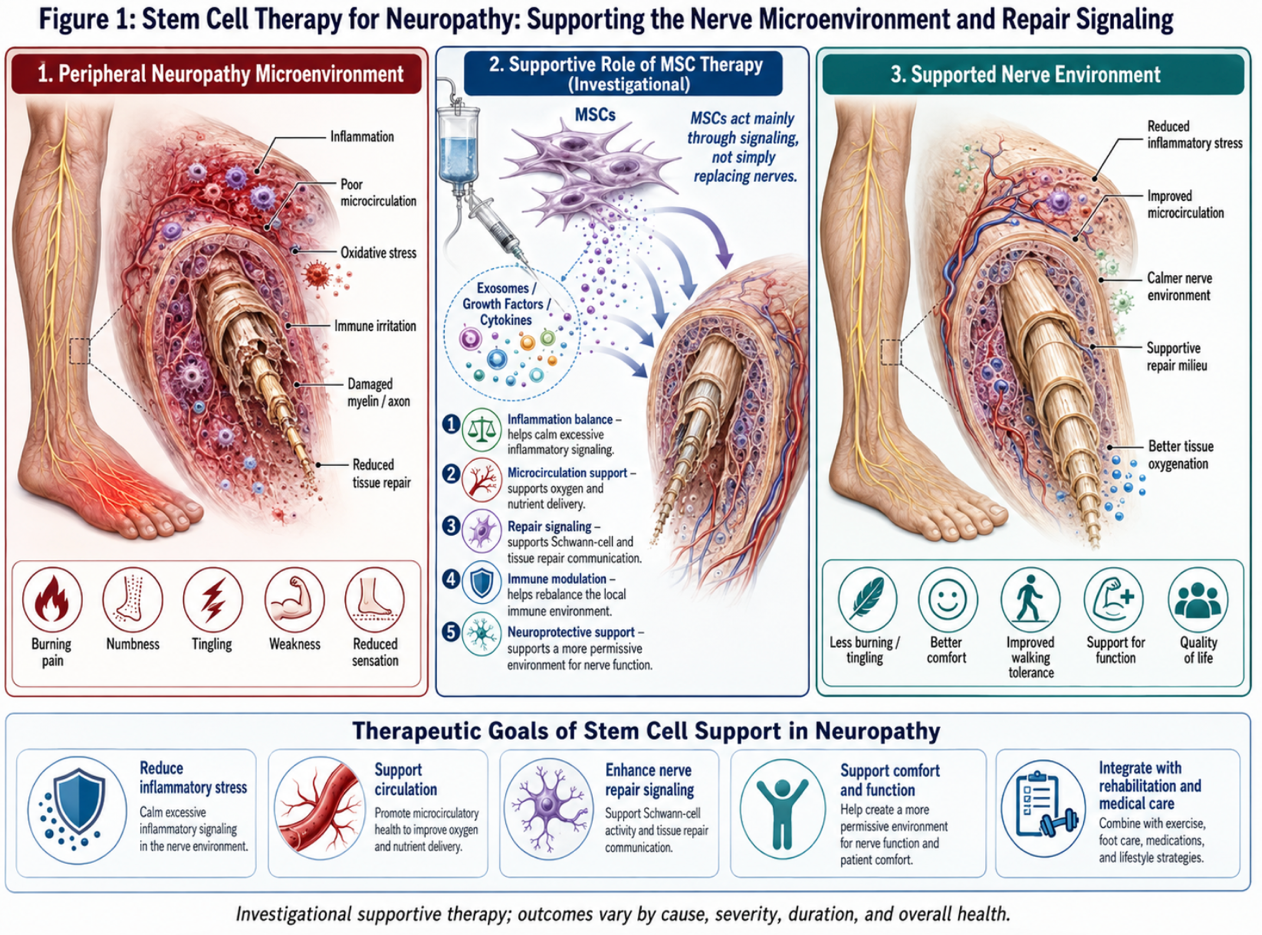
Figure 1: Stem Cell Therapy for Neuropathy: Supporting the Nerve Microenvironment and Repair Signaling
Peripheral neuropathy may impact the feet, legs, hands or arms. Could be due to diabetes, autoimmune disease injury infection; vit. deficiency vitamin toxins chemotherapy poor circulation nerve compression spine problem
For many patients, nerve pain is only a last signal. At that level, the nerve itself may be working through a riddle of inadequate oxygenation, chronic inflammation stymying normal repair pathways and compromised blood perfusion. This is particularly relevant in diabetic neuropathy where long-term metabolic stress can damage both nerves and small blood vessels.
And a more contemporary take on neuropathy is to view it as an “nerve ecosystem” challenge. Recovery is also determined by the neural, vascular, immune cell populations present in addition to Schwann cells and local tissue epigenetic and metabolic environments.
In this case, the discoordinate reference on images was used to define the “nerve microenvironment,” which refers to an area surrounding a nerve comprised of signal healing/cells for blood supply/immune activity/normal repair processes. The environment is inflamed, hypoxic and/or metabolically stressed nerve recovery will be slow.
This is also why stem cell therapy for neuropathy cannot simply be explained as “creating new nerves.” Mesenchymal stem cells (MSCs) are currently predominantly studied for their cellular signaling effects in regenerative medicine. They may secrete growth factors, cytokines, extracellular vesicles and other bioactive signals that might regulate the balance of inflammation, govern microcirculatory communication or failed to promote wound healing.
Not the nerve itself but also the biological environment that permits repair to occur.
Since MSCs have known effects on pathways related to inflammation, immune regulation, support of existing or new blood vessels and repair processes including migration, apoptosis inhibition and differentiation into various cell types; MSC therapy may be relevant for neuropathy. This may be relevant in peripheral nerve diseases, considering the recovery of an affected nerve depends on several systems working together.
Balancing inflammation around irritated nerves
Promoting microcirculation and oxygen delivery
Supporting nerve repair signaling
Making the tissue environment more permissive for repair
Deriving nerve regeneration paradigms from Schwann cells
Addressing comfort and function concurrent with rehabilitation
This is not to say, however, that stem cell therapy can cure all. Neuropathy can be chronic and challenging to reverse, especially when there is still an active insult.
Diabetic neuropathy is one of the most common types of peripheral neuropathies. Media: High blood sugar over the time of several years may act upon small (capillary) vessels, nerve fibres and skin sensation as well as tissue respiration leading to a poorly healing wound. When the nerve fibers are damaged, patients can have burning feet, numbness and tingling in their toes or reduced balance (due to loss of proprioception), slow-healing wounds.
Regenerative medicine – the solution for diabetic neuropathy needs to be integrated into conventional medical care. The discussion of blood sugar control, foot care (vascular assessment and wound prevention), nutrition, medication review and physical therapy are still relevant.
Under the condition that stem cell therapy is used to improve nerve micro-environment, this may be considered as a supportive care gain support for healthy microcirculation and reduce inflammatory stress. But it must not supplament diabetes control.
Due to its wide array of active regeneration practices Thailand has turned into a land for people looking after medically encouraged regenerative medication in Thailand Thailand programs. Most international patients searching for stem cell therapy are seeking a more comprehensive approach than just pain medications alone.
An initial medical review is a vital step in making an effective plan. May check high blood sugar, inflammation markers, vitamins along with neurological signs and symptoms circulation spine scanning must be offered as needed medication past remedies all round issue.
The treatment route may vary. Intravenous stem cell therapy could be described for conditions associated with systemic inflammation or widespread neuropathy, while local regenerative approaches might be appropriate for selected focal nerve-related complications. Ultimately, it all boils down to your diagnosis and severity of that diagnosis by a physician based on previous data.
Supportive effects include reduced burning or tingling pain, increased nerve comfort and walking tolerance, improved environment for tissue repair (circulation support); some selected patients show quality of life improvement.
They are not instant but differ from person to person. But patients with mild or moderate neuropathy, better metabolic control and in good circulation have differed to those of severe long-term nerve damage as best.
What people should understand though, is that stem cell therapy for neuropathy in thailand is a regenerative approach to support not just pain management. This is because there are other factors surrounding neurones that also involve in neuropathy, such as the tissue inflammation, microcirculation defect, metabolic and stress profile shifts or disrupted repair signal.
MSC therapy may support nerve health, comfort and functional recovery through selective modulation of the biological environment surrounding nerves. The synergistic effect of a medically-limited approach that combines regenerative support, standard neurological interventions diabetes and circulation control rehabilitation goals seems to provide the most reliable outcome.