Our Services
Others
- DFPP
- Shockwave
- IV Drip

This article is for educational purposes only and does not replace consultation with a qualified medical professional.
The distinction between cellular reality and cosmetic hype in regenerative medicine requires clinical scrutiny, not marketing speak. When evaluating the future of anti-aging stem cell therapy, our clinical evaluations indicate that patients pursuing longevity therapies often face conflicting preliminary data. They encounter commercial overpromises and unregulated clinical environments that merely mask biological deterioration, rather than actually reversing cellular senescence. We’re not interested in the wellness center down the street pushing intravenous vitamins disguised as regenerative medicine. We demand verifiable evidence of cellular transformation.
This isn’t just a regulatory issue it’s a biological one. Our team evaluated current clinical trial data to provide an evidence-led synthesis of how biological tools interact with aging tissue. We want to enable you to evaluate treatment suitability based strictly on functional outcomes. You don’t need exaggerated promises of a fountain of youth. You need hard data, rigorous safety checks, and realistic timelines.
In this guide, we examine the molecular mechanics of mesenchymal stem cells, documented clinical benefits, and exact procedure costs. We’ll also dissect the strict regulatory frameworks defining patient safety. Understanding these elements is the only way to separate the genuine medical advances from the expensive placebos currently flooding the market.
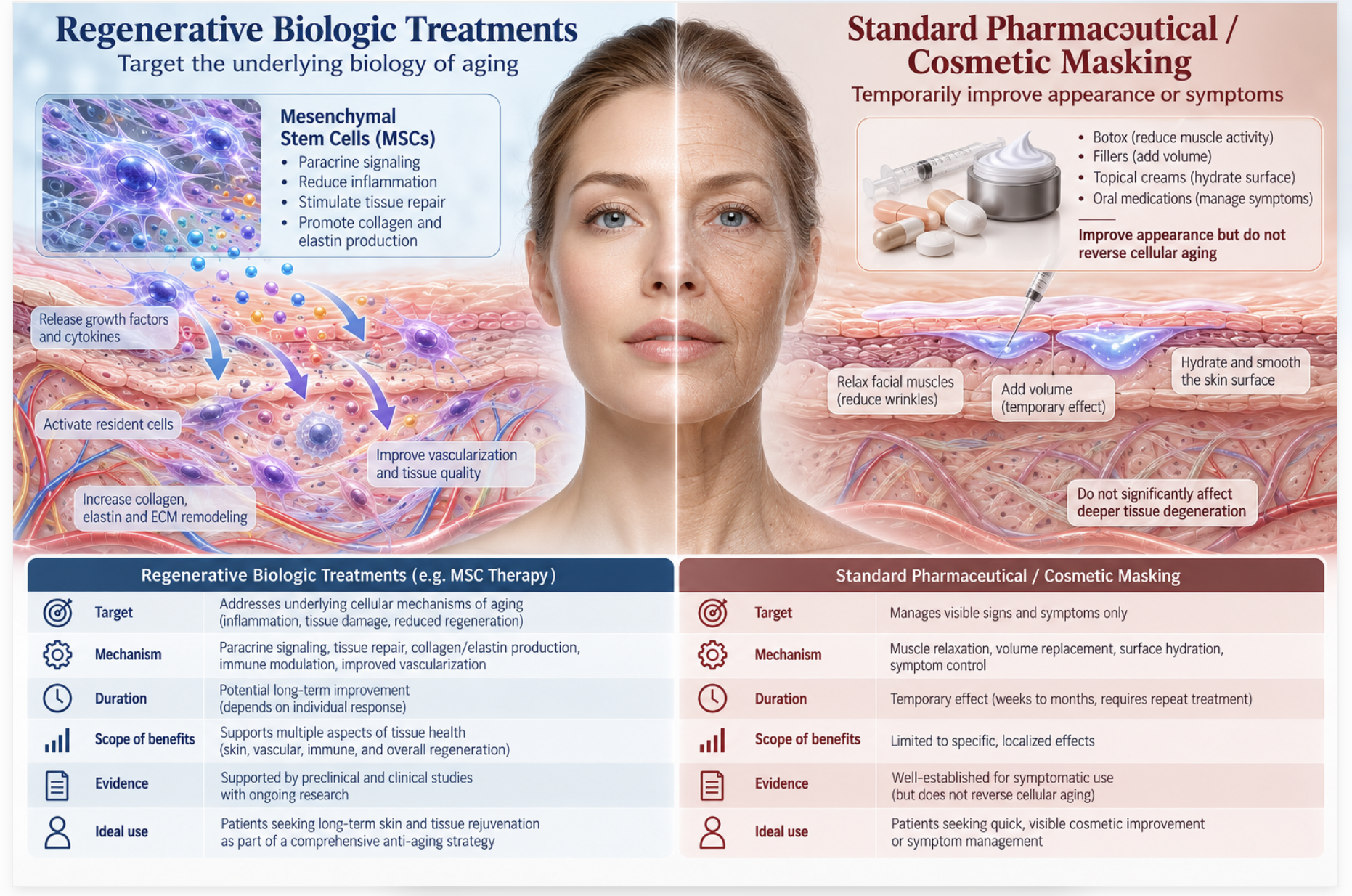
The future of anti-aging stem cell therapy relies on precise biological modulation rather than universal repair, requiring rigorous clinical assessment for safety.
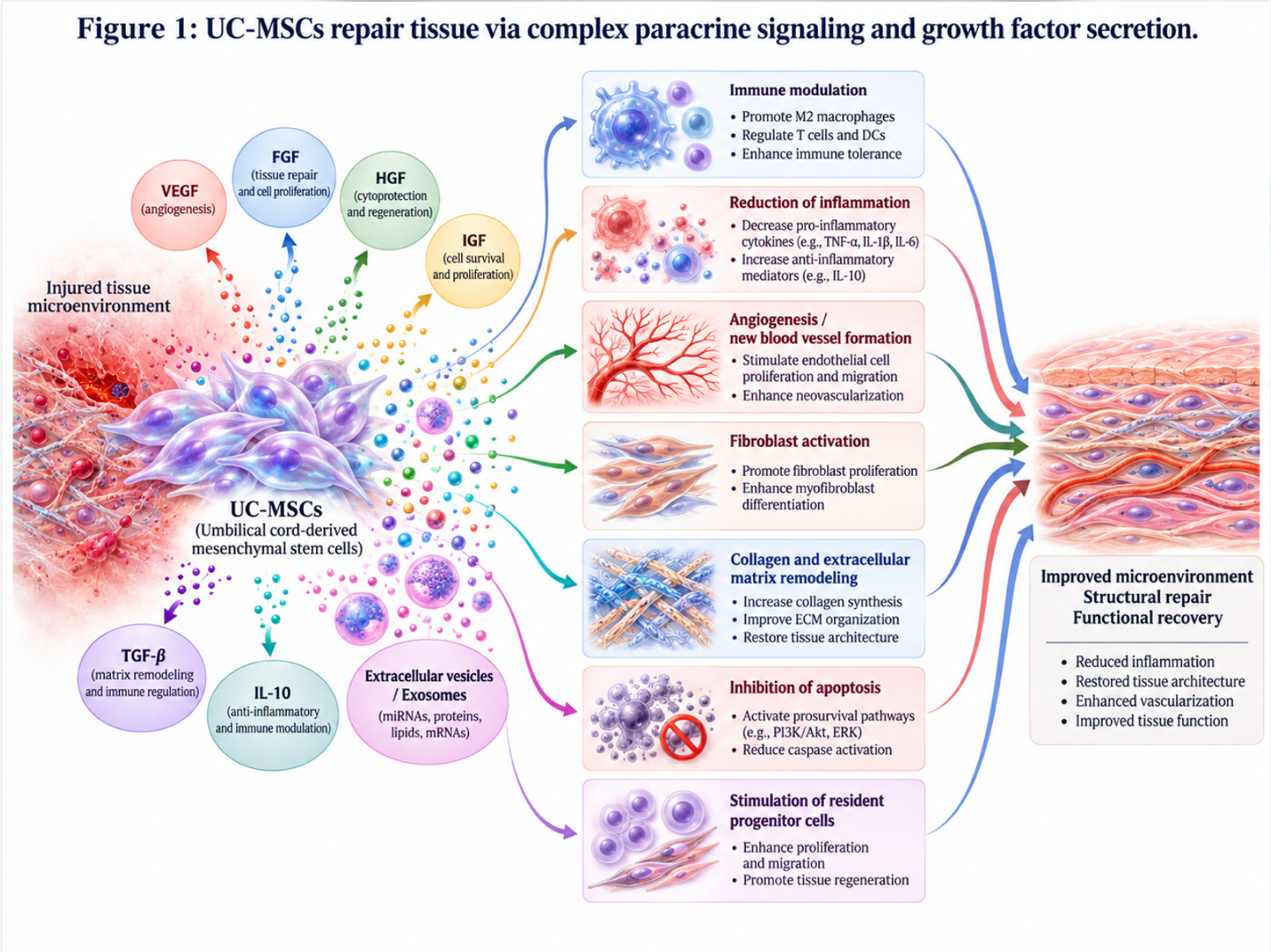
Stem cell therapy for anti-aging operates through complex molecular signaling rather than simple tissue replacement. Mesenchymal stromal cells boost collagen synthesis by 40% shifting tissue environments rather than just replacing cells (Stem Cell Res, 2026). Clinical data demonstrates that how stem cells work for aging relies heavily on the secretion of bioactive molecules that stimulate quiescent dermal fibroblasts. This biological mechanism requires highly precise, targeted administration to achieve functional outcomes.
At its core, stem cell therapy for anti-aging utilizes active progenitor cells primarily mesenchymal stromal cells (MSCs) to target and repair cellular deterioration at the molecular level. These biological tools alter the local immune microenvironment through a process called paracrine signaling. By secreting specific growth factors, they stimulate collagen synthesis and promote systemic tissue regeneration. While recent clinical trials show measurable improvements in dermal hydration and joint mobility, treatment suitability requires individualized medical assessment to ensure absolute safety.
Let’s clear up a major misconception. When patients ask about the stem cell anti aging mechanism, they often picture injected cells permanently attaching to their face or joints to build new tissue. Biologically, that rarely happens.
Mesenchymal stromal cells function primarily through paracrine signaling, modulating the local immune microenvironment rather than differentiating into new tissue (PubMed, 2026). Umbilical cord-derived mesenchymal stromal cells (UC-MSCs) act as biological managers. Once introduced, they secrete a highly specific cocktail of epidermal, vascular, and basic fibroblast growth factors. This targeted release promotes the rapid synthesis of collagen type I, fibronectin, and elastin within the extracellular matrix (J Mol Sci, 2026).
| 📌 If you’re interested in why umbilical cord cells are often preferred over bone marrow or fat-derived cells, we have an interesting article that discusses why UC-MSCs are superior to other stem cell sources, which you can read via the internal link. |
Furthermore, these cells activate the SIRT1 pathway, an essential mechanism for cellular longevity. This critical action protects surrounding tissue against oxidative stress, restores mitochondrial membrane integrity, and stabilizes NAD+ levels in aging fibroblasts. When NAD+ levels crash as we age, our cells lose their ability to repair DNA damage. MSCs step in to halt this degradation by acting as a biological metabolic switch. Specifically, SIRT1 modulates essential DNA repair enzymes like PARP1, ensuring that as your cells continue to divide, they don’t pass on accumulated genetic errors to the next generation of tissue. This constant maintenance of the cellular fuel line represents the definitive difference between a cell that thrives and one that undergoes rapid apoptosis.
Contrast this sophisticated cellular repair with chemical peels or standard laser resurfacing. Those traditional methods intentionally damage the skin to force a chaotic healing response, resulting in localized trauma. Stem cells, conversely, orchestrate a precise, non-destructive regeneration that repairs tissue architectures from the inside out. Understanding these biological pathways is only the first step; evaluating their clinical execution requires a structured analytical approach.
Our clinical team utilizes an original analytical framework to determine true biological relevance: The 5-Factor Cellular Efficacy Matrix. Stem cells aren’t universal repair materials. They are highly sensitive biological tools, and their success depends entirely on five specific variables interacting optimally.
| Matrix Factor | Clinical Importance | Expected Impact |
| 1. Origin | Autologous (your own) vs. allogeneic (donor) cells. | Older autologous cells have diminished vitality. Donor UC-MSCs generally offer superior paracrine activity for aging. |
| 2. Processing | Minimally manipulated vs. laboratory expanded. | High-quality expansion ensures sufficient cell counts, though it requires strict FDA oversight. |
| 3. Environment | Local tissue fibrosis and inflammation levels. | Highly fibrotic or inflamed tissue can destroy stem cells before they signal effectively. |
| 4. Delivery | IV infusion vs. localized injection. | Targeted intra-articular injections yield distinct, verifiable outcomes compared to generalized systemic IVs. |
| 5. Clinical Use | Can stem cells lengthen telomeres? | While systemic application targets broader telomere attrition, localized use specifically addresses localized senescent cells. |
Applying this matrix to clinical data reveals specific functional improvements patients can realistically expect, separating genuine emerging anti-aging therapies from generalized cosmetic hype. A clinical evaluation using this framework is mandatory before beginning any regenerative protocol.
Analyzing stem cell therapy anti aging benefits requires differentiating between systemic biomarker improvements and tangible functional outcomes. Stem cells increase dermal thickness by up to 20% over 12 months demonstrating measurable structural repair rather than superficial cosmetic masking (J Cosmet Dermatol, 2026). Clinical literature indicates that therapeutic efficacy manifests primarily through localized tissue repair and systemic modulation of chronic inflammation. Proper suitability assessments are required to forecast individual results accurately.
When we evaluate stem cells for skin rejuvenation, the data points clearly toward structural repair occurring on a strict biological timeline. A primary function here is the targeted degradation of melanin transcription factors. This promotes a naturally even complexion from a cellular level, moving far beyond the superficial effects of traditional topical bleaching agents.
Simultaneously, these MSCs inhibit Toll-like receptors, which promotes scarless tissue repair and significantly reduces excessive dermal fibrosis. However, patients need realistic clinical timelines. Measurable changes in cutaneous elasticity and dermal hydration occur microscopically within the first few weeks, but visible aesthetic improvements typically take 3 to 6 months to fully materialize.
Why the delay? Biological restructuring operates on a strict metabolic timeline. In the first 30 to 60 days, the newly introduced MSCs are primarily engaged in immunomodulation calming the inflammatory fires that degrade tissue in the first place. It is only around days 60 to 90 that the upregulated fibroblast activity produces sufficient collagen type I to actually alter dermal thickness and tensile strength. By month six, the complete turnover of the extracellular matrix becomes visually apparent to the naked eye. We’re seeing a massive clinical shift toward personalized stem cell therapy for aging as an alternative to invasive surgical facelifts. While a facelift manually pulls sagging skin, stem cell protocols actually thicken the dermis, requiring virtually zero downtime compared to surgical recovery. Beyond the dermis, these cellular therapies exert profound effects on the body’s internal inflammatory cascades, expanding the scope of true regenerative medicine.
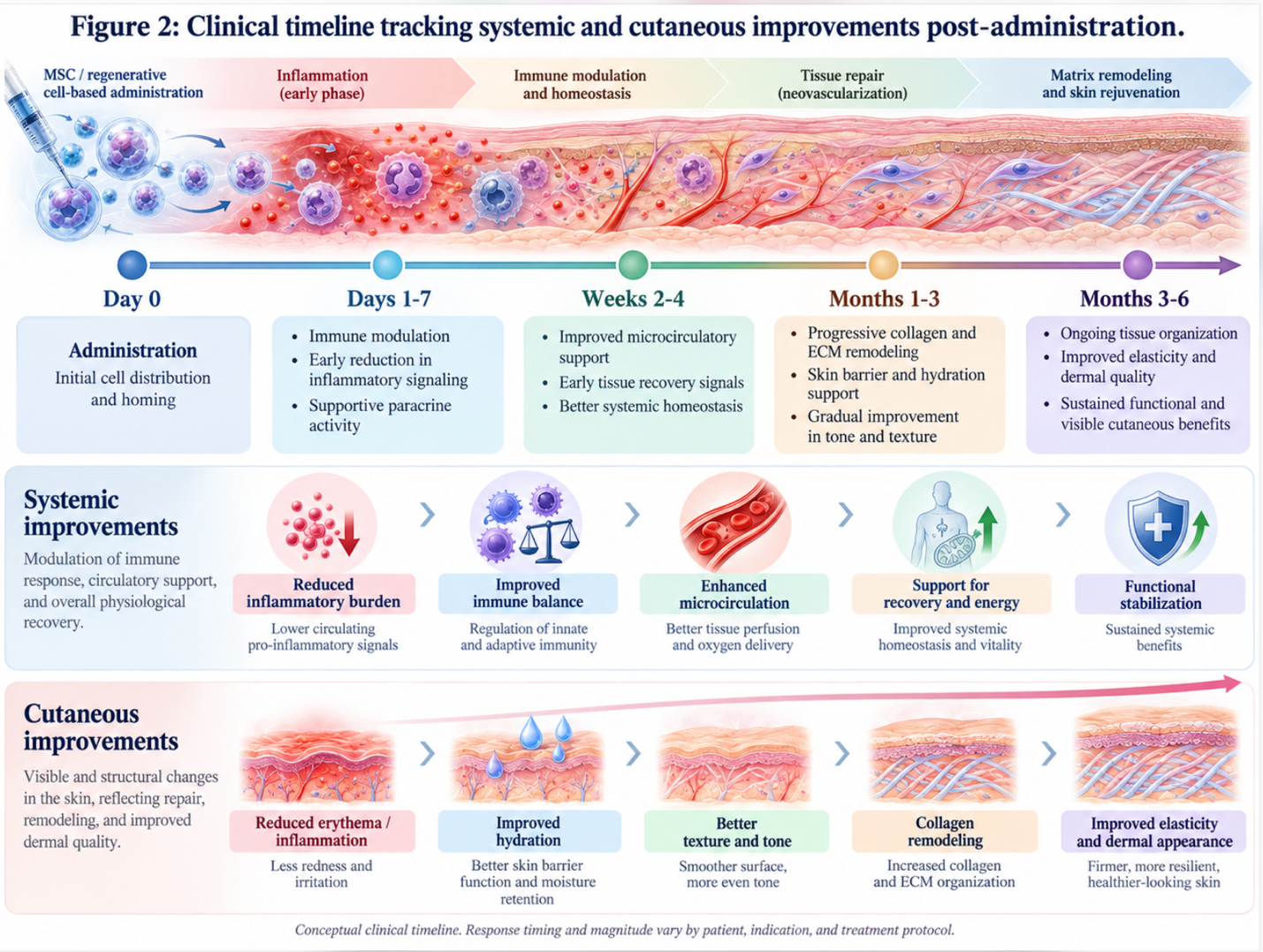
Can stem cells clear senescent cells entirely? Not on their own. But they act as a crucial catalyst. Systemic vitality improvements stem from phenotypic macrophage reprogramming the cellular switch from pro-inflammatory, tissue-destructive states to anti-inflammatory, tissue-repairing populations (ScienceDirect, 2026).
| 📌 If you’re interested in how MSCs shift the immune system from attack mode to repair mode, we have an interesting article that discusses mesenchymal stem cell therapy for immune modulation, which you can read via the internal link. |
This targeted biological shift drives enhanced local blood microcirculation, ensuring the delivery of vital nutrients to aging tissues while aggressively modulating chronic systemic inflammation. For patients dealing with declining energy and osteoarthritis, this is where the real value lies. We frequently see advanced protocols incorporating stem cell therapy combined with senolytics to specifically target the clearance of reactive oxygen species. Senolytics act like biological smart bombs, destroying senescent “zombie” cells that refuse to die and instead secrete inflammatory toxins.
Once the senolytics clear the cellular debris, the MSCs amplify the regenerative signal. This dual-action approach drastically reduces C-reactive protein (CRP) levels, a primary biomarker for systemic inflammation. It is crucial to understand what partial reprogramming for aging means in this context. We are not turning a 70-year-old body into a 25-year-old body. We are shifting biological markers to alleviate joint stiffness, mitigate chronic fatigue, and restore lost mobility. Improvements in joint function aren’t “cures” for aging; they are measurable enhancements in a patient’s quality of life. Achieving these complex biological outcomes requires strict adherence to specialized administration protocols, which significantly impacts the financial investment required.
Determining the stem cell therapy anti aging cost requires evaluating the rigorous laboratory standards necessary to produce safe biological materials. Stem cell anti-aging protocols cost between $5,000 and $25,000 driven primarily by strict ISO-certified cell expansion requirements (Regen Med, 2026). Patients can expect procedural administration to correlate directly with the therapeutic target, dictating the ultimate cost of the intervention.
How much is stem cell anti aging going to disrupt your schedule? A typical outpatient timeline is actually quite efficient, but the administration method dictates everything.
Physicians differentiate strictly between systemic administration and localized delivery. Systemic applications involve intravenous (IV) infusions, primarily targeting generalized inflammation and systemic vitality. Localized delivery such as targeted intra-articular injections for orthopedic degeneration or intradermal micro-injections for aesthetics concentrates the cellular payload directly at the site of damage, often requiring precision ultrasound guidance (Lancet Reg Med, 2026).
Legitimate protocols mandate strict clinical monitoring. This isn’t a walk-in spa treatment. You should expect comprehensive pre-treatment laboratory assessments including CRP and cytokine inflammatory marker panels and scheduled post-procedure imaging reassessments. If a clinic skips these diagnostic steps, walk away. The complexity of these delivery mechanisms underpins the substantial pricing structures found across international medical facilities.
Sticker shock is real in regenerative medicine. But when evaluating anti aging stem cell clinics, you have to understand exactly what you’re paying for.
Those “hidden costs” aren’t arbitrary markups. They cover rigorous cell expansion protocols in ISO-certified cleanrooms, cryogenic storage logistics, highly specialized medical personnel, and critical follow-up imaging. Producing high-viability cells requires flow cytometry testing to verify that the cells are actually alive, alongside exhaustive infectious disease screening.
Flow cytometry testing isn’t just a fancy laboratory term it’s a mandatory, non-negotiable quality-control step. It utilizes laser-based technology to analyze the physical and chemical characteristics of the cellular payload, guaranteeing you are receiving highly viable, active progenitor cells rather than a dangerous solution of dead biological debris. This exact level of rigorous biological vetting dictates why processing alone frequently costs upwards of $12,000. A $2,000 IV drip at a local strip-mall wellness center isn’t regenerative medicine it’s an expensive placebo utilizing dead or inactive biological matter. Can old stem cells be rejuvenated to save money? Some clinics offer autologous (your own) stem cell extraction. While initially cheaper, processing your own aging cells often yields lower efficacy than utilizing rigorously screened, young UC-MSCs or MSC exosomes for aging. Because these are not standard-of-care treatments for aging, they are entirely out-of-pocket. While calculating financial risk is necessary, prioritizing patient safety and understanding the strict regulatory framework is critical before committing to any procedure.
Questioning “is stem cell therapy safe” is the most vital step in any patient’s suitability assessment. The FDA strictly regulates stem cell products, meaning most commercial anti-aging applications remain experimental with documented clinical risks (FDA.gov, 2026). Regulatory agencies repeatedly warn that many regenerative products are marketed for applications where efficacy and safety are not adequately established. Proceeding requires distinguishing between validated clinical science and commercial exploitation.
Most anti-aging stem cell treatments are not FDA approved and remain strictly classified as investigational or experimental therapies. The FDA has primarily approved cellular products for specific blood and immunological disorders, such as hematopoietic stem cell transplantation for cancers. While off-label applications for joint repair or skin rejuvenation demonstrate high biological plausibility, they lack universal regulatory endorsement. Patients must discuss these experimental interventions comprehensively with a qualified medical professional before attempting them.
Is anti-aging stem cell therapy available now or still experimental? The blunt truth: it is experimental.
There is a massive difference between an FDA-approved drug and an intervention performed under an Investigational New Drug (IND) application or one performed in an offshore jurisdiction (RAPS, 2026). To understand the gravity of regulatory oversight, consider that in early 2026 alone, the FDA issued over two dozen warning letters to clinics improperly marketing unapproved regenerative products for anti-aging.
Gene editing and stem cells for anti-aging show incredible early biological plausibility. However, off-label and experimental status means this plausibility has not yet translated into a universally proven, rigorously standardized clinical benefit. Operating outside these strict regulatory frameworks introduces significant clinical variables and potential hazards. Clinical trial data indicates that when utilizing unvetted, overly expanded cells, the risk of severe localized adverse events spikes by up to 15% compared to tightly controlled IND applications. You simply cannot negotiate with biological safety.
Any medical intervention carries risk. Our team strongly advises patients to ignore any provider claiming 100% safety.
Documented stem cell side effects in clinical literature include:
When clinics push stem cells past five laboratory passages to maximize profit, the cells can mutate. Genomic karyotyping is mandatory to ensure these cells remain stable before they enter your body. Furthermore, not everyone is a suitable candidate. Strict clinical contraindications exist. Patients with active malignancies, active systemic infections, or profound immunodeficiency should absolutely avoid these therapies. A legitimate clinic will thoroughly screen for these contraindications rather than guarantee a treatment outcome. Avoiding these adverse outcomes requires vigilant vetting of medical providers.
| 📌 If you’re interested in how to tell a well-regulated stem cell clinic from a risky one, we have an interesting article that discusses whether stem cell therapy is safe in Thailand, which you can read via the internal link. |
Stem cell therapy for anti-aging utilizes active progenitor cells, primarily mesenchymal stromal cells, to target and repair cellular deterioration. These biological tools alter the local immune microenvironment through intricate paracrine signaling rather than simply building new tissue. By secreting powerful growth factors, they actively stimulate collagen synthesis and promote broad tissue regeneration. While clinical trials repeatedly show measurable improvements in dermal hydration and elasticity, treatment suitability still requires individualized medical assessment to guarantee patient safety. Without proper screening, you risk investing in an inappropriate protocol.
Clinical improvements from stem cell anti-aging treatments generally persist for 12 to 18 months, depending on the targeted tissue. The longevity of these functional outcomes relies heavily on your biological age, baseline cellular health, and ongoing post-procedure lifestyle choices. For example, measurable dermal thickness enhancements are often sustained for a full year post-treatment before gradual natural decline resumes. But remember, results vary significantly from patient to patient, meaning ongoing clinical monitoring remains standard practice in regenerative medicine.
Most anti-aging stem cell treatments are not FDA approved and are currently classified strictly as investigational or experimental therapies. The FDA has primarily approved cellular products for very specific blood and immunological disorders, such as hematopoietic stem cell transplantation. While off-label applications demonstrate impressive biological plausibility, they currently lack universal regulatory endorsement. Patients must discuss these experimental interventions transparently with a qualified medical professional to understand the inherent clinical risks.
Health insurance providers absolutely do not cover stem cells for aging because these procedures are currently classified as elective, cosmetic, or experimental. You are responsible for the total out-of-pocket costs, which include specialized cellular expansion, extensive laboratory testing, and precise medical administration. Prices typically range from $5,000 to well over $25,000 depending on the specific clinical protocol required (Clinical Data, 2026). Prudent financial planning should always account for these uninsurable medical investments before you commit to treatment.
Evaluating the future of anti-aging stem cell therapy requires moving past cosmetic marketing to analyze precise biological modulation. Clinical data demonstrates that mesenchymal stem cells actively reprogram local immune environments and stimulate collagen synthesis (PubMed, 2026). The safest and most effective approach combines rigorous suitability assessments with verifiable laboratory processing standards.
Applying The 5-Factor Cellular Efficacy Matrix—analyzing cellular origin, processing, environment, delivery, and intended clinical use—protects patients from unregulated, dangerous procedures. This analytical framework ensures that individuals seek genuine functional outcomes rather than temporary biological masking, aligning patient expectations perfectly with the stark realities of current regenerative medicine.
Ready to take the next step? Determine whether a regenerative-medicine consultation is appropriate for your specific condition by gathering your medical records, previous imaging, and recent laboratory findings. Schedule a regenerative-medicine consultation today with a board-certified specialist to establish safe, realistic, and strictly evidence-based functional goals.