Our Services
Others
- DFPP
- Shockwave
- IV Drip

For patients managing refractory perianal Crohn’s fistulas, standard medical management often reaches a ceiling. With biologics and repeated seton surgeries failing to achieve long-term mucosal healing, targeted cellular therapies have entered clinical evaluation. But the commercial landscape of regenerative medicine is clouded by unregulated clinics overpromising results while deliberately burying the complex realities of clinical trial outcomes.
This 2026 guide systematically analyzes the clinical efficacy, exact local injection mechanisms, and complex regulatory history of stem cell therapy for Crohn’s fistula. We will review the precise biological mechanisms of tissue repair, unpack the recent European market withdrawal of Alofisel, and establish clear criteria for patient suitability. Patients often walk into consultations desperate for a solution, only to be confused by the difference between an unproven IV drip and a rigorous surgical protocol. Here is the objective clinical reality.
Stem cell therapy for Crohn’s fistula utilizes localized injections of mesenchymal stem cells to modulate immune responses directly at the fistula tract, bypassing systemic suppression.
The baseline for severe Crohn’s disease management typically involves systemic immunosuppression, yet refractory perianal fistulas frequently resist these conventional approaches. According to the study titled Loss of Response to Biologic Therapy in Crohn’s Disease (Loss of Response to Biologic Therapy), up to 40% of patients eventually lose response to standard biologic therapies. This high failure rate drives the clinical demand for localized regenerative alternatives.
Anti-TNF biologics a class of systemic immunosuppressants that revolutionized IBD care two decades ago simply don’t work for everyone. When they fail, patients are left cycling through increasingly aggressive medications or facing repeated physical traumas in the operating room.
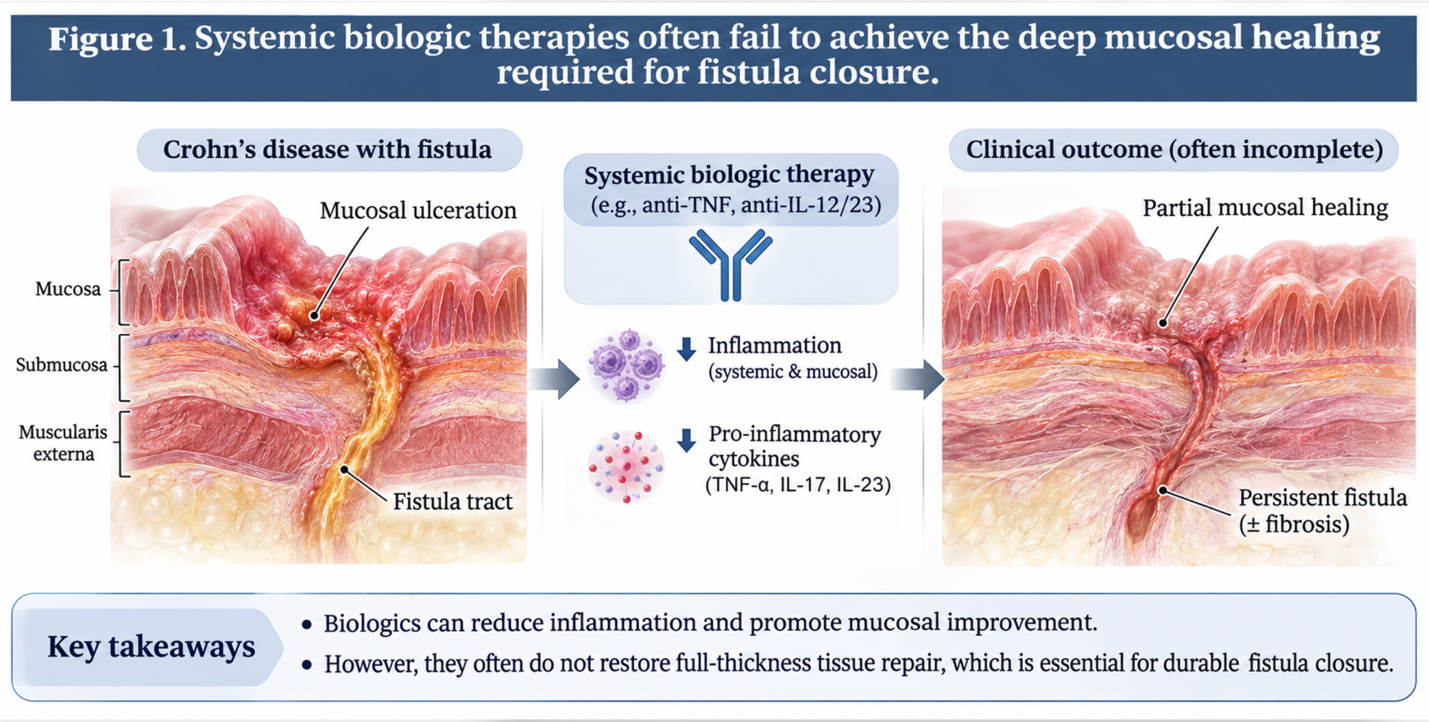
Figure 1: Systemic biologic therapies often fail to achieve the deep mucosal healing required for fistula closure.
What actually makes a fistula “refractory”? It isn’t just a matter of a tract being stubborn. In clinical gastroenterology, a refractory perianal fistula is defined by its failure to close despite optimal dosing of standard medications for at least three to six months. We aren’t talking about a simple skin lesion. These are complex, branching tunnels connecting the rectum to the perianal skin, pushing fecal matter and bacteria into surrounding tissue.
This creates a devastating cycle. Patients experience chronic, agonizing pain, recurring abscesses, and a severely degraded quality of life. You can pump a patient full of anti-inflammatory drugs, but if the internal opening in the rectum remains structurally compromised, the infection will constantly reignite. Refractory patients have usually undergone multiple examination-under-anesthesia (EUA) drainage procedures, yet they retain active, non-healing tracts.
At this stage, the local tissue microenvironment is so fiercely inflamed that systemic drugs circulating in the bloodstream simply cannot penetrate the fibrotic scar tissue effectively.
Biologic failure in Crohn’s isn’t always immediate. It usually follows a predictable, frustrating timeline. First, there’s primary non-response, where a patient’s body simply doesn’t react to the biologic agent from day one. But more insidious is the secondary loss of response. A patient might see their fistula dry up for a year on infliximab or adalimumab, only for the drainage to suddenly return.
Why does this happen? The immune system is smart. Over time, it identifies these therapeutic monoclonal antibodies as foreign invaders. The body subsequently manufactures anti-drug antibodies (ADAs). This immunological counter-attack accelerates drug clearance from the bloodstream, causing trough levels to plummet. Even if the gastroenterologist escalates the dose, the biologic is neutralized before it ever reaches the fibrotic tissue of the perianal fistula.
Up to 40% of patients eventually lose response to standard biologic therapies for Crohn’s disease forcing a pivot to high-risk surgical interventions (National Institutes of Health, 2020). When biologics fail, physicians often fall back on high-dose systemic steroids to blindly suppress the immune system. But chronic steroid use is a metabolic disaster. It causes rapid bone density loss, severe weight gain, and leaves the patient vulnerable to life-threatening systemic infections all without actually achieving the deep mucosal healing required to seal a fistula tract.
If a perianal Crohn’s fistula does not heal with biologics, gastroenterologists classify the condition as medically refractory. The standard next steps pivot away from systemic immunosuppressants toward mechanical surgical interventions.
Surgeons typically rely on long-term seton placement to manage active infections, or employ advanced sphincter-sparing procedures like advancement flaps. When both traditional medications and standard surgical options fail to achieve mucosal healing, patients are entirely out of standard options, forcing them to look toward experimental therapies.
When systemic medications fail, gastroenterologists turn to surgical intervention. Setons surgical threads used to keep fistulas draining are the most common mechanical stopgap. Surgeons pass a non-absorbable silastic loop through the fistula tract and tie it off. This prevents the skin from healing over an active infection, which would cause a massive, painful abscess.
But here’s the harsh truth about setons. They manage sepsis, but they do not heal the fistula. They essentially guarantee the tract stays open. A Crohn’s perianal fistula not healing with biologics will simply drain indefinitely around the seton, requiring daily gauze changes and constant wound management.
More aggressive surgical interventions, like a fistulotomy (cutting the tract open) or bowel resections, carry devastating risks. Cutting through the sphincter muscle to lay a fistula open frequently results in permanent fecal incontinence. The severe limitations of both systemic drugs and mechanical surgeries have ultimately paved the way for localized cellular interventions.
Evaluating cellular therapies requires rigorous differentiation between established clinical trial data and unverified commercial claims. Our analysis relies strictly on peer-reviewed meta-analyses and regulatory documentation to assess efficacy objectively. This evidence points toward localized, direct-tissue interventions rather than systemic intravenous applications for treating complex perianal fistulas.
Not all stem cell treatments are created equal. The medical tourism industry has heavily blurred the lines between rigorous surgical protocols and generic wellness treatments. To cut through the noise, we have to establish a strict framework for what actually constitutes legitimate cellular therapy in the context of inflammatory bowel disease.
To establish credibility in a field riddled with fraud, this review prioritizes data exclusively from Phase 3 randomized controlled trials and official regulatory agency publications from the FDA and EMA. We are explicitly excluding unverified commercial clinic claims, anecdotal YouTube testimonials, and observational studies lacking placebo controls.
In gastroenterology, symptomatic relief is a dangerously low bar. A fistula might stop draining temporarily because the external skin healed over, trapping an abscess inside. Therefore, our evaluation defines true efficacy exclusively by MRI-confirmed mucosal healing. If the deep tissue layers haven’t physically closed and regenerated on an MRI scan, the treatment has failed.
To prevent bias, we also examined the blinding processes in these trials. Legitimate fistula studies use sham injections for the placebo group to ensure patients and evaluators cannot guess who received the actual cells. Applying this rigorous standard reveals the distinct biological advantages of localized protocols over systemic approaches.
This brings us to the core conceptual framework of valid therapy: The Local-Tissue Regeneration Protocol (LTRP). The LTRP is the precise practice of injecting mesenchymal stem cells directly into fistulizing tissue to modulate local immunity and promote mucosal healing, doing so without the systemic immune suppression required by traditional biologics.
Let’s contrast LTRP with generalized “stem cell IV drips.” Unregulated clinics frequently offer intravenous stem cell infusions, claiming the cells will magically “home” to the inflammation. There is zero rigorous evidence supporting IV cell therapy for fistula closure. When you inject cells into a vein, the vast majority are immediately filtered out and trapped in the lungs—a phenomenon known as the pulmonary first-pass effect.
LTRP bypasses this entirely. By leveraging the cells’ paracrine signaling precisely at the site of the tissue damage, the protocol delivers a concentrated, localized biological payload. To understand why LTRP improves the stem cell therapy for Crohn’s disease success rate, we must examine the specific mechanisms of action of the injected cells.
Understanding how stem cells treat Crohn’s disease requires distinguishing between cell types and delivery methods. Unlike systemic immunosuppressants, mesenchymal stem cells (MSCs) for Crohn’s utilize paracrine signaling to alter the local inflammatory environment. This targeted biological action promotes tissue repair directly at the site of the fistula tract.
Mesenchymal stem cells exhibit profound immunomodulatory properties capable of safely inducing mucosal healing in Crohn’s disease fundamentally altering the local cellular microenvironment (National Institutes of Health, 2021). But you can’t just inject any cell anywhere and expect a fistula to close. The biology is highly specific.
Stem cells treat Crohn’s fistulas by utilizing paracrine signaling to modulate the local immune response and reduce tissue-destructive inflammation. When injected directly into the fistula tract, mesenchymal stem cells alter the behavior of local macrophages, switching them from a pro-inflammatory to a tissue-repairing state.
This localized action promotes the synthesis of new extracellular matrix proteins, leading to mucosal healing. Results rely heavily on precise surgical injection rather than systemic delivery. The cells themselves do not permanently engraft or become new intestinal tissue; they act as localized biological pharmacies that reset the immune environment just long enough for the body to heal the structural defect.
When discussing stem cells for Crohn’s, patients frequently confuse two entirely different procedures. Hematopoietic Stem Cell Transplantation (HSCT) is a systemic “immune system reboot.” It involves harvesting a patient’s blood-forming stem cells, using high-dose chemotherapy to completely wipe out their malfunctioning immune system, and then infusing the cells back to rebuild it from scratch.
HSCT is used exclusively for generalized, life-threatening Crohn’s. According to the study titled Hematopoietic stem cell transplantation for severe Crohn’s disease (Hematopoietic stem cell transplantation), autologous HSCT achieves long-term remission in up to 60% of refractory cases, but carries distinct systemic risks (2020), including a highly publicized mortality rate.
Contrast this with Mesenchymal Stem Cells (MSCs). MSCs are adult stromal cells often extracted from adipose (fat) tissue or bone marrow that do not rebuild blood or immune systems. They are used purely for localized immunomodulation. They do not require wiping out the patient’s bone marrow. While HSCT addresses systemic disease with brutal force, MSCs are uniquely suited for the targeted, delicate treatment of perianal fistulas.
So, what do MSCs actually do once they are inside the body? They do not magically transform into new intestinal tissue. Instead, they act as localized biological pharmacies. When MSCs encounter an inflamed environment, they secrete a massive array of bioactive molecules—like Prostaglandin E2 (PGE2) and Indoleamine 2,3-dioxygenase (IDO).
To grasp the profound nature of this local signaling, we must look at the specific biochemical pathways. MSCs secrete Transforming Growth Factor Beta (TGF-beta) and PGE2 directly into the scarred matrix of the fistula. These molecules act as chemical off-switches for the immune system‘s T-cells. Instead of launching a systemic attack on the gut, the localized Th1 and Th17 inflammatory pathways are abruptly suppressed exactly where the infection lives.
| 📌 If you’re interested in how MSCs shift the immune system from attack mode to repair mode, we have an interesting article that discusses mesenchymal stem cell therapy for immune modulation, which you can read via the internal link. |
Furthermore, the physical presence of the stem cells encourages the formation of new, healthy blood vessels (angiogenesis) within the curetted tract. By transforming the tissue microenvironment from hostile to hospitable, the MSCs provide the exact biological scaffolding necessary for the fistula walls to permanently fuse together. As detailed in the systematic review titled Mesenchymal stem cell therapy for Crohn’s disease: a systematic review (Mesenchymal stem cell therapy systematic review), MSCs exhibit profound immunomodulatory and tissue-repairing properties that safely induce mucosal healing (2021). This biological mechanism is entirely dependent on precise physical delivery into the diseased tissue.
This is where competitor guides fail they treat the procedure like a simple shot at a doctor’s office. A legitimate stem cell injection for anal fistula is a complex operating room procedure performed by a colorectal surgeon.
First comes the Examination Under Anesthesia (EUA). The surgeon must perform a thorough curettage (scraping and cleaning) of the fistula tract. You cannot inject stem cells into a tract full of necrotic tissue and feces; they will simply die. The surgeon scrapes the tract raw, removing the epithelial lining to expose fresh, vascularized tissue. Next, they meticulously suture the internal opening inside the rectum closed.
| 📌 If you’re interested in why the percentage of living cells matters so much at the time of treatment, we have an interesting article that discusses the importance of cell viability in UC-MSC stem cell therapy, which you can read via the internal link. |
Only then does the micro-injection happen. The surgeon takes the prepared MSCs and injects them directly into the walls of the fistula tract and circumferentially around the sutured internal opening.
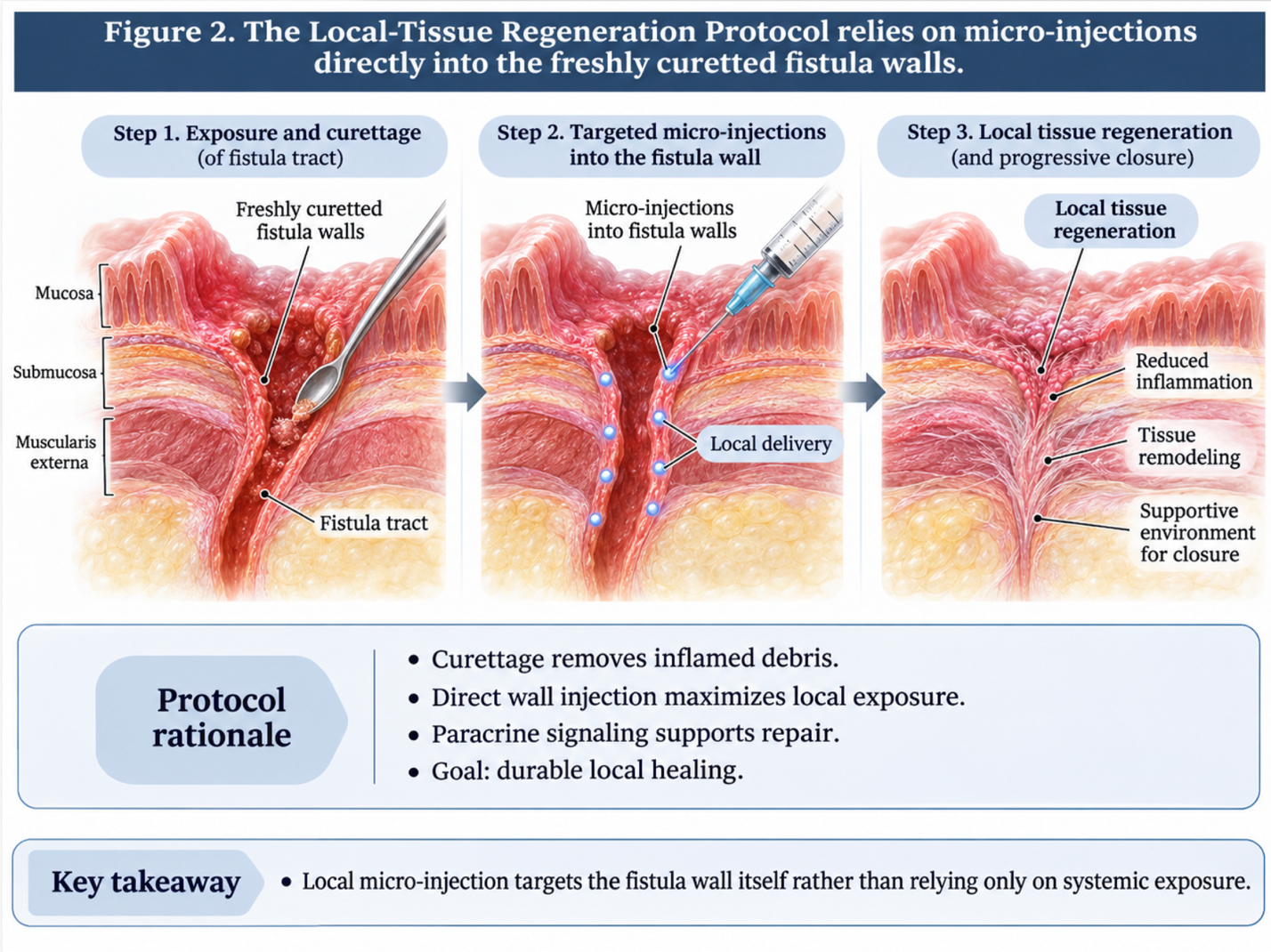
Figure 2: The Local-Tissue Regeneration Protocol relies on micro-injections directly into the freshly curetted fistula walls.
The execution of this precise injection protocol directly dictates the efficacy observed in clinical trials. It is not an IV drip. It is targeted biological surgery.
Evaluating the stem cell therapy for Crohn’s disease success rate requires analyzing phase 3 clinical trials rather than small observational studies. For complex perianal fistulas, trials measuring strict endpoints like MRI-confirmed mucosal healing have historically shown clinical closure rates approaching 50%, providing a significant biological advantage over placebo groups in refractory populations.
When you dive into the data, you realize quickly that the definition of “success” varies wildly depending on who is funding the study. To understand the true efficacy of mesenchymal stem cells for perianal fistula, we have to look closely at trial endpoints.
In gastroenterology, not all healing is created equal. Clinical remission simply means the patient feels better. The fistula stops draining pus, the pain subsides, and the external opening on the skin closes. When researchers track Perianal Disease Activity Index (PDAI) scores, they look for a sustained drop in pain, discharge, and induration. But clinical remission is notoriously deceptive in Crohn’s disease.
Deep mucosal healing is entirely different. It requires an MRI to confirm that the entire fistula tract, from the internal opening in the rectum to the external skin, has completely scarred over and shows an absence of active inflammation. This is the gold standard for Crohn’s disease stem cell clinical trials because it is the only reliable predictor that the fistula won’t simply burst open again in six months.
Local MSC injections specifically target this deeper mucosal healing. Systemic drugs frequently mask symptoms, allowing the skin to heal while a hidden abscess brews underneath. By injecting cells directly into the tract walls, the therapy forces the deep tissue layers to remodel and close simultaneously. These stringent definitions were the basis for the most prominent stem cell trials to date.
The most vital data set we have comes from the ADMIRE-CD trial, which tested darvadstrocel (an off-the-shelf, allogeneic adipose-derived stem cell product) in complex perianal fistulas. This was the benchmark trial that put cellular therapy for IBD on the map.
The ADMIRE-CD trial established the gold standard for clinical methodology in this space. This was a rigorous, double-blind, parallel-group, placebo-controlled trial executed across dozens of hospitals. The patient inclusion criteria were exceptionally strict: participants could have a maximum of two internal openings and three external openings to qualify. By standardizing the surgical preparation—mandating that every single participant received the exact same expert curettage and internal suturing before the injection—the researchers isolated the true biological effect of the stem cells.
Phase 3 clinical trials of darvadstrocel demonstrated a 50% clinical closure rate for complex perianal fistulas establishing a new benchmark for refractory disease (European Medicines Agency, 2018). According to data detailed in the Study of Efficacy and Safety of Darvadstrocel in Patients With Perianal Fistulizing Crohn’s Disease (Study of Efficacy and Safety of Darvadstrocel), this phase 3 clinical trial evaluating long-term remission rates and safety (2020) demonstrated a clear statistical superiority over the control group, which only saw roughly a 34% closure rate from the surgical scraping alone.
At the 24-week primary endpoint, MRI scans confirmed the stem cells were not just masking the drainage; they were physically remodeling the connective tissue.
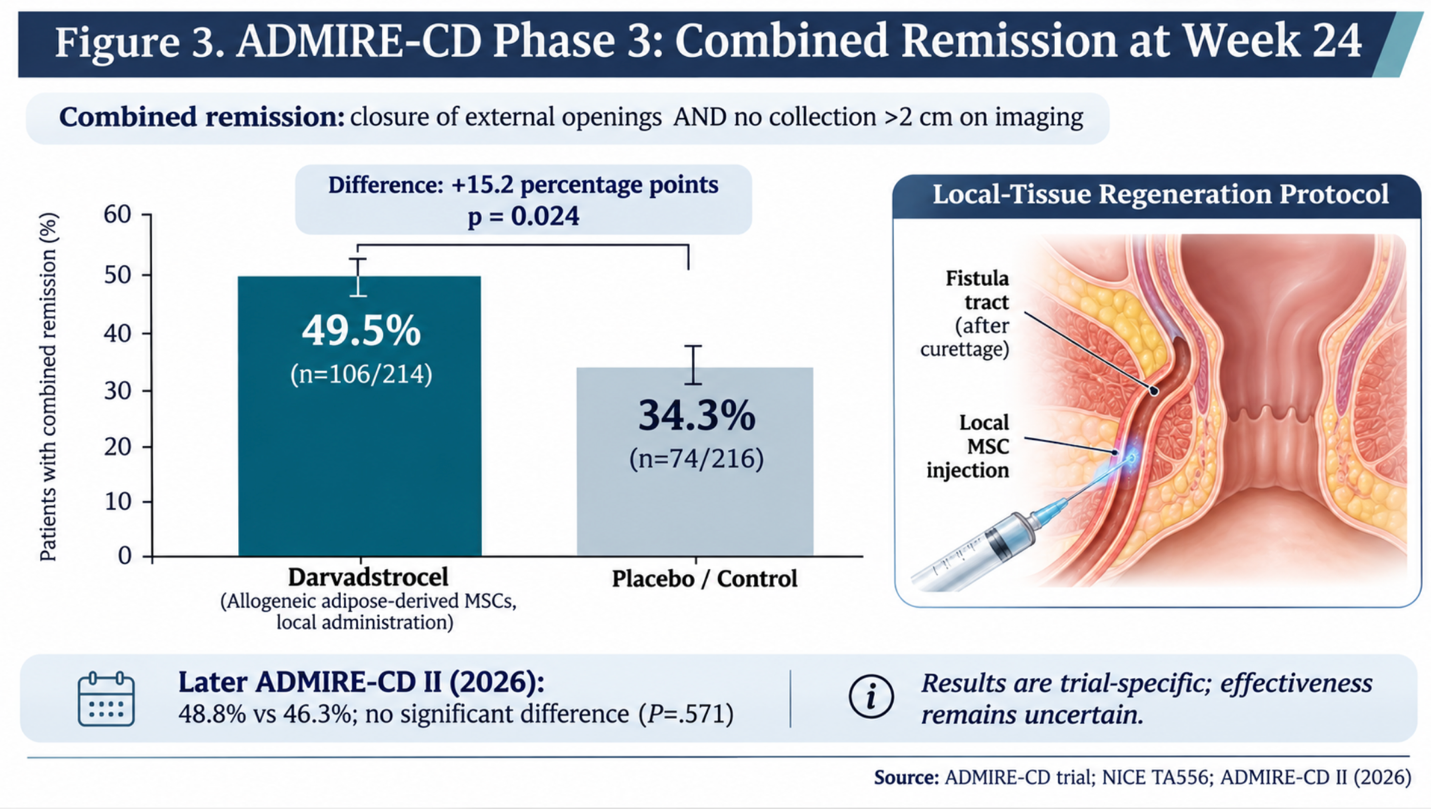
Figure 3: The ADMIRE-CD phase 3 trial showed a ~50% combined closure rate, setting a new benchmark for refractory fistulas.
Despite these statistically significant closure rates, it is vital to manage long-term patient expectations. 50% is a breakthrough for refractory disease, but it still means half the patients did not achieve full closure.
Patients frequently ask if they can finally stop taking their standard medications. Can stem cells heal a Crohn’s fistula permanently?
Stem cells cannot cure a Crohn’s fistula permanently, as Crohn’s is a chronic autoimmune condition. However, localized stem cell injections can induce deep mucosal healing and long-term clinical remission of the specific fistula tract treated. Even after successful closure of one tract, the underlying genetic and immunological drivers of Crohn’s disease remain present.
The MSCs modify the local environment and heal the physical hole, but they do not rewrite your DNA. They do not fix the systemic autoimmune dysfunction that caused the disease in the first place. Even with successful, MRI-confirmed fistula closure, patients typically must continue their baseline maintenance medications usually mild immunomodulators or a biologic to prevent new fistulas from forming elsewhere in the GI tract.
When asking, is stem cell therapy for Crohn’s fistula safe, patients must differentiate between biological safety profiles and long-term regulatory efficacy. While localized mesenchymal stem cell injections demonstrate a strong safety profile with minimal systemic toxicity, the regulatory landscape—highlighted by the complex trajectory of Darvadstrocel in Europe reveals the challenges of maintaining long-term clinical efficacy in commercial markets.
Safety and efficacy are two entirely separate regulatory hurdles. A drug can be perfectly safe, but if it stops working after three years, regulatory bodies will pull it. This dynamic defines the current state of cellular therapies for IBD.
Let’s address the biological safety first. The short-term risks of local MSC injection are primarily procedural. Because a surgeon is scraping out an infected tract and injecting a fluid, the most common adverse events are perianal abscess formation, procedural pain, and localized infection at the injection site. These are risks shared with any standard fistula surgery.
Immunologically, MSCs are uniquely safe. They are “immune-privileged,” meaning they lack the major histocompatibility complex (MHC) class II antigens on their surface. This is why you can use allogeneic cells (from a healthy donor) without triggering severe graft-versus-host disease. Contrast this with systemic HSCT, which carries a tangible mortality risk from severe opportunistic infections.
| 📌 If you’re interested in why umbilical cord cells are often preferred over bone marrow or fat-derived cells, we have an interesting article that discusses why UC-MSCs are superior to other stem cell sources, which you can read via the internal link. |
However, safety only applies when therapies are administered under strict clinical protocols. As noted in the Important Patient Information About Regenerative Medicine Therapies publication (Information About Regenerative Medicine Therapies), the FDA warns that unapproved, poorly regulated stem cell therapies can lead to severe adverse events (2023). While the biological safety of properly administered MSCs is well-documented, the long-term clinical durability dictates regulatory approval.
To understand where the science stands in 2026, you must understand the complete story of darvadstrocel (Alofisel) for Crohn’s fistula. In 2018, the European medical community celebrated a massive milestone. The European Medicines Agency (EMA) officially approved Alofisel for the treatment of complex perianal fistulas in adult Crohn’s patients.
This was revolutionary. It provided a fully licensed, off-the-shelf allogeneic stem cell product. A colorectal surgeon in Germany or Spain could simply order a vial of donor fat-derived stem cells, thaw them, and inject them into a patient who had failed biologics.
According to the official authorization document, Alofisel (darvadstrocel) – European Medicines Agency, Alofisel showed a 50% clinical closure rate leading to its initial 2018 approval (2018). It seemed like the beginning of a new era in regenerative gastroenterology. However, the landscape shifted dramatically six years later as long-term post-market data emerged.
In 2024, the medical community was stunned when Alofisel was quietly withdrawn from the European Union market. If you are researching this therapy today, why was Alofisel withdrawn?
The withdrawal was largely misunderstood by the public. It was generally NOT due to sudden safety risks, tumors, or severe toxicities. The biological safety profile remained intact. The 2024 European market withdrawal of Alofisel was driven entirely by diminished long-term efficacy margins — not by newly discovered biological toxicities (EMA, 2024 market withdrawal notice).
The unraveling of Alofisel’s market authorization centered entirely on the ADMIRE-CD II trial. This follow-up study was designed to confirm the initial phase 3 results across a broader, real-world European population. But clinical reality in a generalized hospital setting often struggles to replicate the hyper-controlled environment of an initial trial. In ADMIRE-CD II, the placebo group performed significantly better than expected.
Because the placebo group also received the rigorous, expert-level surgical curettage and internal suturing (the EUA), many of those patients healed purely from the mechanical preparation. Consequently, the statistical gap between the stem cell group and the placebo group vanished. The EMA concluded that while the drug remained biologically safe, the exorbitant cost could not be justified by the diminished efficacy margin. This withdrawal serves as a stark reminder that meticulous surgical preparation is arguably just as critical as the cellular product itself, requiring strict guidelines for patient suitability.
When evaluating MSC Local Injection as a biological product or treatment protocol, it is essential to weigh it against conventional alternatives. Standard surgical care has evolved. While fistulotomies carry incontinence risks, sphincter-sparing techniques remain the cornerstone of refractory fistula management outside of clinical trials.
It is a massive red flag if a clinic pushes stem cells without explicitly discussing standard surgical and adjunctive options.
If you are evaluating the Local-Tissue Regeneration Protocol (LTRP) directly against conventional surgeries, the clinical tradeoffs are distinct:
In real-world clinical settings, patients undergoing MSC local injection experience a highly controlled operative day followed by a surprisingly manageable recovery compared to aggressive surgical resections. Because the surgeon is fundamentally cleaning and suturing a tract without cutting through the sphincter muscle, post-operative pain is typically localized and manageable with standard analgesics.
However, the real-world frustration lies in the waiting game. Patients often expect immediate cessation of drainage, but the biological remodeling process takes weeks. Clinical trial participants frequently report a gradual reduction in discharge and pain over a 12-to-24-week period. It is not an overnight fix, and the psychological burden of waiting to see if the cells successfully “took hold” is a significant factor in the patient experience.
Hyperbaric Oxygen Therapy (HBOT) has gained significant traction as a non-surgical adjunct therapy for refractory perianal Crohn’s. The protocol involves placing the patient in a pressurized chamber delivering 100% pure oxygen.
This intense oxygen delivery forces oxygen into hypoxic (oxygen-starved) fibrotic tissue around the fistula. It aggressively promotes angiogenesis—the formation of new blood vessels—and enhances tissue healing at the fistula tract. While rarely a standalone cure, it is increasingly used alongside standard biologics to push a stubborn fistula into remission without the risks or costs associated with experimental cellular injection.
When evaluating stem cell fistula treatment vs seton or surgery, advanced sphincter-sparing surgeries are the direct competitors.
The Advancement Flap procedure is a highly technical operation where a surgeon pulls a flap of healthy rectal mucosa down over the internal fistula opening, physically sealing it off from fecal contamination. Alternatively, the LIFT procedure (Ligation of Intersphincteric Fistula Tract) involves entering the space between the sphincter muscles to tie off the fistula tract. While these procedures have varying, sometimes frustrating success rates, they are established standard-of-care alternatives that most insurances fully cover.
Experimental medicine is inherently risky. Acknowledging the specific situations where stem cell therapy fails or where commercial exploitation occurs is critical for patient safety. There are hard clinical limits to what regenerative medicine can achieve in an inflamed human gut.
The greatest pitfall in 2026 is medical fraud. Direct-to-consumer clinics heavily advertise umbilical cord stem cells for Crohn’s fistula, promising miraculous “cures” via systemic IV drips. They operate outside FDA oversight by exploiting regulatory loopholes regarding minimally manipulated tissue.
The FDA has issued hundreds of consumer warnings regarding unregulated stem cell clinics that falsely guarantee disease resolution without peer-reviewed evidence (Information About Regenerative Medicine Therapies). These clinics never provide MRI-confirmed mucosal healing data. They rely on Google reviews. The Local-Tissue Regeneration Protocol requires a sterile operating room, deep sedation, and a highly skilled colorectal surgeon performing precise curettage. It is not an outpatient wellness IV drip administered in a strip mall.
There are distinct medical scenarios where experimental cell therapies are absolutely contraindicated. If a patient presents with acute sepsis, massive undrained pelvic abscesses, or suspected perianal malignancy, cellular therapy is off the table.
In these acute crises, standard surgical drainage via seton placement is a mandatory prerequisite, not an alternative. You cannot inject delicate stem cells into an active, pressurized pocket of pus. Resolving acute infection through traditional surgical care will always take precedence over experimental tissue regeneration.
The success rate of stem cell therapy for Crohn’s disease fistulas historically peaked at approximately 50% clinical and radiological closure in phase 3 trials (EMA Alofisel authorization report, 2018). This metric specifically refers to complex perianal fistulas treated with localized injections of darvadstrocel. Long-term durability varies, as evidenced by recent European market data showing difficulty maintaining these exact closure rates in broader populations. Individual success depends on strict patient selection and inactive luminal disease.
Stem cell therapy is generally safe for Crohn’s when utilizing localized mesenchymal stem cells (MSCs) under rigorous clinical trial conditions. The most common adverse events are procedural, including mild perianal pain or localized abscess formation at the injection site. Unlike systemic hematopoietic stem cell transplantation (HSCT), local MSC injections do not require bone marrow suppression and carry a significantly lower risk of severe systemic infection. All experimental treatments carry inherent biological risks.
Alofisel was withdrawn from the market in 2024 because post-approval long-term efficacy studies failed to confirm the initial high closure rates seen in early trials. The European Medicines Agency withdrawal was primarily based on a lack of sustained efficacy data compared to placebo groups, rather than newly discovered severe safety toxicities or adverse events. This highlights the complex biological challenges of achieving durable, permanent healing in refractory Crohn’s disease.
The cost of stem cell treatment for an anal fistula typically falls on the clinical trial sponsor, meaning the experimental cells are often provided at no cost to enrolled patients. However, if accessed through unregulated commercial clinics internationally, out-of-pocket costs can exceed $15,000 to $25,000 per treatment round. Standard insurance does not cover the cellular product as it remains investigational. Patients should strictly seek treatment through verified, funded clinical trials.
For patients with refractory perianal Crohn’s disease, localized stem cell therapy delivers targeted mucosal healing without systemic immunosuppression. Phase 3 trials have historically demonstrated up to a 50% closure rate for complex fistulas. The best approach combines optimal surgical preparation (EUA), strict patient selection, and localized cellular injection.
The Local-Tissue Regeneration Protocol (LTRP) represents a fundamental shift in IBD management, moving away from systemic biological suppression toward precise, local immunological modulation. While the regulatory landscape and the withdrawal of Alofisel highlight the challenges of long-term efficacy, localized cellular therapy remains a critical area of ongoing clinical research for patients who have exhausted conventional options.
Patients experiencing biologic failure should consult their primary gastroenterologist to discuss active clinical trial enrollment or request an evaluation at a specialized regenerative medicine center to determine biological suitability.