

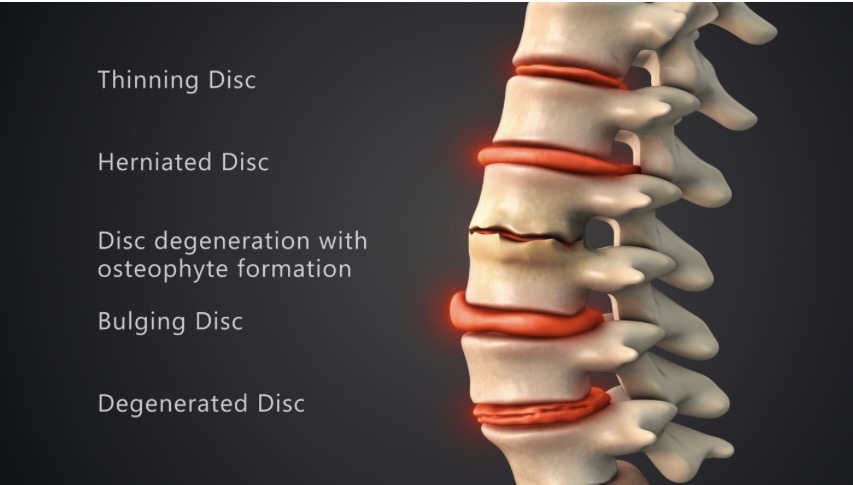
Chronic low back pain is among the most common and disabling health problems worldwide. A leading culprit is degenerative disc disease (DDD)—ageing, repetitive loading, posture issues, or prior injury gradually dehydrate the intervertebral discs, reducing their height and flexibility. As these once-supple shock absorbers dry and collapse, the spine loses cushioning and stability, predisposing to disc bulge/herniation, nerve irritation, inflammation, and stubborn pain that limits activity and quality of life.
Conventional options—analgesics, physical therapy, and epidural or facet injections—often help symptoms but seldom rebuild disc structure. By contrast, umbilical cord–derived mesenchymal stem cell (UC-MSC) therapy is being used in Thailand as a biologically driven approach that aims to restore disc health from within, rather than only masking discomfort.
Why Stem Cell Therapy Is Changing the DDD Conversation
Traditional care focuses on pain control; stem cell therapy focuses on repair. Delivering regenerative cells into a compromised disc seeks to activate local healing programs, support extracellular-matrix renewal, and improve segmental stability. Mesenchymal stem cells (MSC stem cell) can give rise to musculoskeletal-type cells and release a wide array of bioactive signals that both calm inflammation and encourage regeneration—a dual action well suited to degenerative spinal disorders. UC-MSC stem cell are particularly attractive because of their youthful phenotype and strong immunomodulatory profile.
Biological Rationale: How UC-MSC Stem Cell May Support Disc Repair
UC-MSC stem cell can differentiate toward nucleus pulposus–like cells that help rebuild the disc’s internal matrix—supporting elasticity, load distribution, and cushioning.
Degenerated discs lose proteoglycans and water. UC-MSCstem cell promote production of proteoglycans and other matrix components that bind water, aiding re-expansion of the disc and reducing mechanical stress on adjacent nerves.
Even without becoming disc cells, UC-MSC stem cellsecrete growth and survival factors that influence surrounding tissue, including:
These cues coordinate repair, reduce cell death, and improve the local microenvironment.
Persistent inflammatory signaling accelerates degeneration and pain. UC-MSC stem cell release anti-inflammatory cytokines (e.g., IL-10) and modulate immune activity, helping to reduce swelling and nerve irritation so regeneration can proceed.
Potential Benefits Reported with UC-MSC Therapy in DDD
Results vary between individuals, and outcomes depend on disease stage, biomechanics, rehabilitation adherence, and overall health. No therapy can guarantee complete reversal.
Why Thailand Is a Preferred Destination for Regenerative Spine Care
Thailand has developed a robust ecosystem for advanced regenerative medicine. Leading centers operate GMP-certified laboratories for cell processing, follow international quality systems for sourcing, characterization, sterility, potency, and traceability, and deliver care through multidisciplinary teams (orthopedics, interventional spine, rehabilitation, and pain specialists).
Patients benefit from:
The Road Ahead
The field continues to evolve. Areas of active development include:
Conclusion
For people living with degenerative disc disease, umbilical cord–derived MSC stem cell therapy offers a biologically oriented option that seeks to rebuild matrix, restore hydration and height, regulate inflammation, and ultimately improve function. Thailand’s combination of advanced cell-processing capabilities, experienced clinicians, and coordinated rehabilitation makes it a compelling venue for patients exploring regenerative strategies.