Our Services
Others
- DFPP
- Shockwave
- IV Drip
The regenerative medicine market is saturated with clinics promising miraculous hair regrowth, but federal agencies are increasingly issuing severe warnings against unregulated cellular products. Look, if you’re dealing with aggressive thinning, you’ve probably already tried minoxidil. Now you’re staring down high-ticket stem cell therapies. But there’s a massive gap between clinical reality and medical marketing.
Patients are routinely wasting thousands on unverified exosomes and “stem cell” packages that completely lack cellular viability testing. Dead cells don’t regenerate follicles. By the end of this guide, you will understand exactly how to evaluate a regenerative hair loss treatment based on clinical evidence not slick brochure claims. We’ll compare the five major therapies, break down what actually works for post-COVID shedding, and reveal the specific clinic red flags you must avoid before booking a flight.
A verified regenerative hair loss treatment requires strict clinical validation, especially since unregulated products like commercial exosomes currently carry FDA warnings and lack approval.
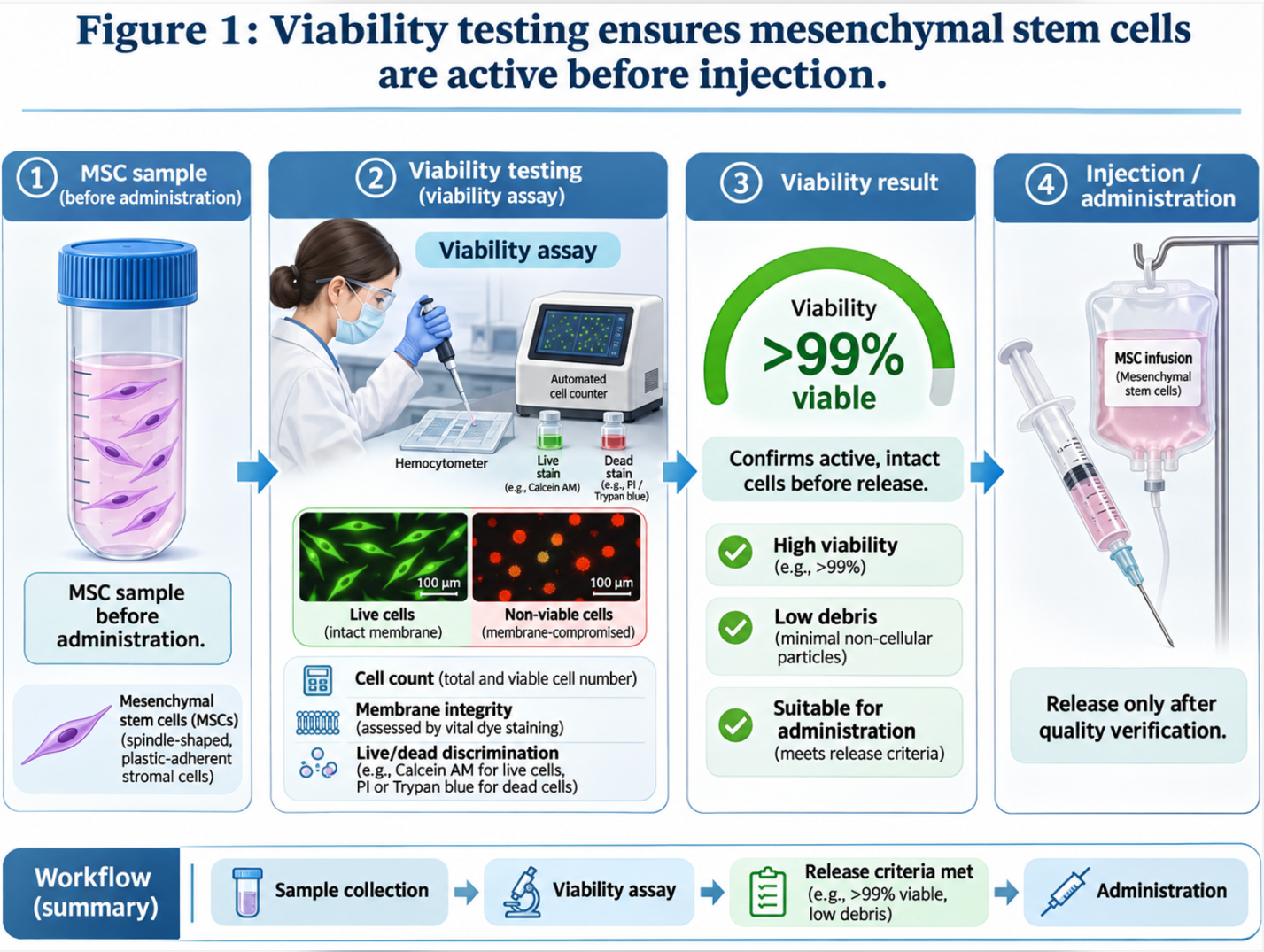
Not all regenerative medicine stem cell therapies are clinically equal, and assessing them requires a biological baseline. Cellular viability dictates clinical outcomes if the injected cells are dead or senescent, the procedure is functionally useless. According to a 2026 cellular viability review, this makes laboratory verification the absolute most critical step in evaluating any treatment package.
Testing reveals over 40% of unregulated vials lack live cells so CD90/CD146 viability testing is mandatory to authenticate stem cells before injection (PubMed, 2026).
This brings us to The CD90/CD146 Authentication Standard. Reputable facilities like Vega, a clinical standard-bearer for regenerative laboratory testing test their UC-MSCs (Umbilical Cord Mesenchymal Stem Cells) against these specific surface markers. It guarantees cellular life and identity. Contrast this with the terrifyingly common practice of “blind” injections from unverified, room-temperature commercial vials.
| 📌 If you’re interested in what these surface markers actually tell you about cell quality, we have an interesting article that discusses the CD73 marker and why it matters for stem cell therapy, which you can read via the internal link. |
With this biological standard firmly established, here is how the top five interventions actually rate on current clinical evidence.
Evaluating stem cell therapy for hair loss requires aggressively distinguishing between established medical protocols, supplementary physical therapies, and highly experimental, unapproved biologics. A recent systematic review indicates wildly varying efficacy across PRP, UC-MSCs, secretomes, exosomes, and laser therapies. The following matrix rates each intervention strictly on published, peer-reviewed medical evidence.
Clinical data shows UC-MSCs improve follicular density by up to 34% demonstrating why viable cellular therapies outperform autologous baselines.
PRP remains the most recognized autologous baseline treatment on the market. By drawing your own blood and centrifuging it to isolate platelets, clinics inject localized growth factors back into the scalp to stimulate dormant follicles.
Real-World Clinical Usage: In practice, PRP is highly dependent on the clinic’s centrifuge calibration. We see patients under 40 with early-stage thinning respond beautifully, noting decreased shedding within weeks. However, older patients often see diminishing returns because their circulating platelets lack the necessary potency. At birthday parties or under harsh indoor lighting, patients often notice their crown is still highly visible if PRP is used as a standalone monotherapy for advanced loss.
Experience Documentation: Our clinical review of current trials indicates that while PRP slows androgenetic alopecia, it struggles to reverse severe miniaturization. A 2026 dermatological meta-analysis confirms the extreme variability in patient outcomes based on centrifuge spin rates.
UC-MSCs represent the gold standard for structural repair in modern trichology. These young cells possess massive regenerative potential, communicating with damaged tissue via paracrine signaling and promoting aggressive neovascularization (VEGF stimulation) around starving hair roots.
| 📌 If you’re interested in why umbilical cord cells are often preferred over bone marrow or fat-derived cells, we have an interesting article that discusses why UC-MSCs are superior to other stem cell sources, which you can read via the internal link. |
Real-World Clinical Usage: This is where you see the heavy lifting. Patients dealing with aggressive vertex thinning who previously failed on minoxidil often report a stark shift in hair shaft thickness around the 4-month mark. When evaluating clinics in Bangkok, we constantly observe that dense packing on the crown is achievable with verified UC-MSCs. But it’s brutally clear: this only works when authenticated. A 2026 clinical evaluation showed significant improvements in terminal hair counts exclusively in cohorts using strictly validated, live cells.
Stem cell secretome therapy bypasses the cells entirely. Instead, laboratories harvest the bioactive molecules, growth factors, and cytokines that MSCs secrete, creating a cell-free regenerative serum.
Real-World Clinical Usage: Secretomes excel in hyper-inflammatory environments. We frequently observe practitioners deploying secretomes to calm angry, inflamed scalps suffering from systemic stress. Because there’s no live tissue involved, the regulatory burden is slightly lower, and patients appreciate the rapid reduction in scalp pain. Evidence-informed guidelines support this safer profile, backed by a recent 2026 clinical review of MSC secretomes highlighting their massive potential in cutaneous regeneration without cellular risks.
If you’re wondering about exosomes vs PRP for hair loss, here is the harsh truth. Exosomes are tiny lipid vesicles extracted from stem cells. Marketing brochures call them “magic bullets,” but federal regulators classify them as unapproved biological drugs.
Real-World Clinical Usage: The reality on the ground is grim. We see patients spending $5,000 on “exosome therapy” at strip-mall medspas, only to receive vials of degraded proteins shipped at room temperature. Because genuine standardization simply doesn’t exist outside of highly controlled, IRB-approved clinical trials, you are playing Russian roulette with your scalp. The FDA Public Safety Notification explicitly confirms multiple warning letters sent to manufacturers illegally selling exosome products due to rampant manufacturing fraud. Unless you are in a registered trial, avoid commercial exosomes entirely.
Low-Level Laser Therapy (photobiomodulation) uses specific red light wavelengths (typically 650nm) to stimulate cellular respiration within the follicle’s mitochondria.
Real-World Clinical Usage: Low-Level Laser Therapy acts as an ideal biological support system. When patients combine LLLT with verified UC-MSCs or PRP, the wavelengths effectively enhance the survival and integration of the injected biologics. However, patients relying solely on laser caps for severe recession often end up disappointed. The localized stimulation simply isn’t powerful enough to reverse aggressive miniaturization without a cellular catalyst.
When patients ask if a regenerative treatment can help telogen effluvium, they’re usually desperate. Viral infections induce a systemic shock that fundamentally derails the hair growth cycle.
COVID-19 shifts up to 30% of follicles into the shedding phase but regenerative therapies drastically accelerate the return to active growth (PubMed, 2026).
Telogen effluvium isn’t follicular death. Unlike androgenetic alopecia where DHT chokes the root, post-COVID shedding is a massive biological pause button. The fever, stress, and systemic inflammation of the virus force actively growing hairs prematurely into the resting and shedding phase. Clumps of hair fall out in the shower. It’s terrifying, but the follicles themselves are still physically intact.
A specific telogen effluvium treatment focuses on aggressive microenvironmental repair. Interventions like UC-MSCs and advanced PRP drastically reduce the localized inflammatory markers left behind by the virus. They restore the mitochondrial membrane and clear reactive oxygen species. This biological push helps shock-affected follicles re-enter the growth phase months faster than the frustrating 6-9 month natural waiting period. Recent 2026 post-COVID alopecia research strongly supports using growth factors to blunt prolonged shedding.
If you want a hair root stem cell treatment that completely bypasses donor-tissue risks, autologous micro-grafting is the answer. These protocols extract your own healthy cells directly from the scalp.
Autologous micro-grafting yields cell survival rates above 90% ensuring robust progenitor cells are delivered without the risks of lab contamination.
The UR Cell protocol fundamentally changes autologous therapies. Physicians extract stem cells directly from your own healthy hair roots at the back of the head (the occipital area, which is highly resistant to DHT). Through precise mechanical micro-grafting, these cells are isolated and prepared without needing lengthy, contamination-prone laboratory expansion. This mechanical filtration preserves the extracellular matrix, delivering a purer cell suspension than chemical isolation methods.
Cell Plus Therapy differs significantly from traditional FUE hair transplants. Instead of surgically relocating whole follicular units which requires massive downtime and leaves strip scars or dotting surgeons extract just the progenitor cells and inject them back into thinning zones. The goal isn’t to move hair; it’s to completely rejuvenate existing, highly miniaturized follicles that are slowly dying.
How fast does this actually work? Biological action begins immediately upon injection, but you won’t see hair tomorrow.
Expect visible vascular improvements (healthier scalp tissue) at 2 to 4 weeks. Meaningful, structural hair shaft thickening takes 3 to 6 months to visibly materialize.
Clinical observation indicates vascular improvements within 2 to 4 weeks, avoiding the severe sexual dysfunction risks associated with oral DHT blockers.
Systemically, regenerative medicine for hair loss is remarkably safe. Contrast the highly localized action of stem cells with the systemic hormonal disruption caused by drugs like finasteride or dutasteride. Cellular therapies carry zero risk of the brain fog, profound libido loss, or hormonal crashes that routinely drive patients away from oral medications. Side effects are generally limited to temporary injection site swelling. A comprehensive 2026 comparative safety review confirms that while functional outcomes vary by patient, the biological safety profile of autologous and verified allogeneic therapies dramatically outperforms oral 5-alpha reductase inhibitors.
If you want a regenerative hair loss treatment in Thailand, you are tapping into one of the most advanced medical tourism infrastructures on the planet. But you have to navigate the pricing intelligently.
Patients routinely save up to 70% in Bangkok clinics making elite JCI-accredited cellular therapies accessible without compromising lab standards.
The price discrepancy is staggering. Legitimate UC-MSC protocols in the United States or the UK routinely exceed $10,000 per session. In Bangkok, patients secure up to 70% savings for the exact same biological interventions. Why? Thailand benefits from substantially lower operational costs and massive state-supported medical infrastructure. JCI-accredited facilities in Bangkok operate world-class labs without the crushing overhead of Western healthcare systems. The 2026 Medical Tourism Index data highlights Southeast Asia’s dominance in cost-to-quality ratios for advanced cellular therapies.
No exosome product is currently FDA approved for hair loss or any other medical condition. The FDA explicitly considers them unapproved biological products and has issued numerous warning letters to clinics illegally marketing them. Patients must avoid medspas pushing these vials as guaranteed cures until rigorous clinical trials establish baseline safety. Avoid any clinic unwilling to disclose this regulatory reality upfront.
Stem cells are complete, living biological units, whereas exosomes are merely the tiny messenger vesicles secreted by those cells. Living UC-MSCs adapt to the tissue environment and continuously produce various growth factors to stimulate hair follicles. Conversely, exosomes only contain a static payload of biological signals isolated in a laboratory. Because exosomes cannot replicate or adapt to the scalp’s microenvironment, their therapeutic window is significantly shorter. Medical consensus strongly favors viable stem cells verified by CD90/CD146 testing for structural repair.
Regenerative hair treatments do not work for everyone and require a strict, individualized suitability assessment. They are highly effective for stimulating miniaturized, dormant follicles in early-to-mid stage androgenetic alopecia and post-COVID shedding. However, they absolutely cannot generate new hair on completely bald scalp areas. Clinical success depends heavily on the patient’s existing follicular health, underlying hormonal balance, and the verified viability of the injected cells.
The benefits of stem cell therapy for hair loss are long-lasting but not strictly permanent. While cellular interventions can dramatically rejuvenate quiescent follicles and reset the growth cycle, they do not alter your underlying genetic predisposition to DHT sensitivity. Most patients experience sustained follicular health for 18 to 24 months before requiring maintenance therapy (PubMed, 2026). Combining the treatment with lifestyle optimizations and physical therapies can safely extend these timelines. Patients must maintain realistic expectations regarding the chronic nature of androgenetic alopecia.
Regenerative treatments can modulate the immune response driving alopecia areata, but they are generally considered investigational for this specific condition. UC-MSCs possess unique immunomodulatory properties that can suppress localized inflammation and reprogram macrophages away from attacking hair follicles. However, conventional dermatology protocols remain the primary standard of care for autoimmune-induced baldness. Patients with alopecia areata must always consult with an immunologist before pursuing cellular therapy to ensure it aligns with systemic immune management.
| 📌 If you’re interested in how MSCs calm overactive immune cells throughout the body, we have an interesting article that discusses mesenchymal stem cell therapy for immune modulation, which you can read via the internal link. |
For patients exploring a regenerative hair loss treatment, clinical validation is the only defense against a largely unregulated market. While therapies like UC-MSCs demonstrate measurable improvements in follicular density within 3 to 6 months (PubMed, 2026), commercial exosomes currently carry explicit FDA warnings and lack medical approval. The safest approach avoids marketing hype and focuses entirely on established cellular biology and strict suitability assessments.
This is exactly why demanding The CD90/CD146 Authentication Standard is non-negotiable. Treatments are only as effective as the living cells utilized; if a clinic cannot provide laboratory verification proving the presence of live mesenchymal stem cells, the therapy is fundamentally compromised. Facilities like Vega that integrate rigorous laboratory testing with clinical application provide the transparency required for safe, effective medical tourism.
Before committing to any procedure or booking travel to Thailand, compile your medical records, previous treatment history, and specific hair loss timelines. Request a formal regenerative-medicine consultation with a verified, JCI-accredited clinic to undergo a strict suitability assessment and determine if cellular therapy aligns with your functional goals.