Our Services
Others
- DFPP
- Shockwave
- IV Drip

For many families, autism support is not a single treatment decision. It’s a long journey involving communication, learning style, sensory comfort, sleep, feeding, school readiness, emotional regulation, and daily routines at home. Some children need help with speech. Some need support with attention, transitions, or sensory overload. Others may struggle with constipation, selective eating, anxiety, hyperactivity, poor sleep, or difficulty engaging in therapy sessions.
Because autism spectrum disorder (ASD) affects children in different ways, parents often look for supportive options beyond standard therapy. One area receiving attention is UC-MSC stem cell therapy treatment using umbilical cord–derived mesenchymal stem cells, which are being studied in regenerative medicine for their potential role in immune regulation, inflammation balance, oxidative stress support, and cellular communication.
This is a topic that deserves care in how it’s explained. Stem cell therapy is not a cure for autism. It should never be described as a way to remove autism, change a child’s identity, or replace developmental therapy. Autism is a neurodevelopmental condition, and every child has a different profile of strengths, challenges, communication patterns, and support needs.
A more responsible way to understand UC-MSC stem cell therapy is as a supportive, investigational biological approach one that some families consider as part of a wider autism support plan that still includes speech therapy, occupational therapy, behavioral support, pediatric care, nutrition review, sleep management, and parent education.
Autism Support Should Be Personalized
Autism spectrum disorder covers a broad range of presentations in children. One child may speak clearly but struggle with social cues, flexible thinking, or sensory overload. Another may not use much spoken language at all, but communicates effectively through gestures, sounds, pictures, or actions. Some children rely heavily on routine and struggle with unexpected change. Others need movement, deep pressure, spinning, jumping, or long stretches of repetitive play to help regulate their bodies.
This is why one child’s autism support plan can’t simply be copied onto another. A child who sleeps poorly may need a very different plan from one who sleeps well but has significant sensory sensitivity. A child with constipation and selective eating needs medical and nutritional review. And if a child presents with seizures or developmental regression, neurological assessment should come before any consideration of advanced therapy.
An autism plan that combines developmental support, medical care, education, and family support tends to work best. Stem cell therapy should never be the whole plan it’s one supportive layer within it.
Why Families Look for Autism Support in Thailand
Thailand has become a destination for international families seeking coordinated medical and wellness services. For autism support specifically, families may choose Thailand because they want consultation, treatment planning, laboratory review, travel assistance, and a calm medical environment within a single trip.
That said, traveling with an autistic child takes real planning. A well-run autism treatment journey accounts for sensory needs, food preferences, sleep routines, communication style, waiting times, transportation, and a child’s tolerance for unfamiliar environments. Treatment itself is only part of the experience if the trip is stressful, a child may become dysregulated before care even begins.
This is why parent preparation matters. Families should share medical records ahead of arrival, explain the child’s daily routine, and flag known triggers loud sounds, bright lights, food restrictions, fear of needles, difficulty waiting. A calmer environment helps the child feel safer and makes treatment easier for the whole family.
Why Immune Balance Matters in Autism Research
Autism is not classified as an immune disease, but researchers have reported immune differences in some children with autism patterns involving allergies, inflammation, recurrent infections, gut symptoms, food sensitivities, eczema, or elevated inflammatory markers (Miyazaki et al., 2015; Hafizi et al., 2019). These factors don’t cause autism directly, but they may affect comfort, sleep, attention, and daily regulation.
When a child is physically uncomfortable, behavior and communication often become more difficult. A child in gut pain may seem more withdrawn. An under-slept child may be less focused. A child dealing with chronic inflammation is often more irritable, more sensitive, and less ready to engage in therapy.
Because UC-MSC stem cell therapy can modulate immune responses, they’ve drawn scientific interest in this context. The goal isn’t to suppress the immune system it’s to help restore a more balanced immune environment and reduce unnecessary inflammatory signaling where it’s present in excess.
This is not a guarantee that behavior will change. It’s better understood as a biological support concept that may help selected children, following proper medical review.
Neuroinflammation, Oxidative Stress, and the Brain Environment
Some autism research explores neuroinflammation, oxidative stress, and nervous system regulation. Neuroinflammation refers to immune-related activity within the brain and nervous system. Oxidative stress refers to an imbalance between cellular stress and the body’s capacity to manage it.
These processes may influence how the nervous system handles sensory input, sleep, attention, and emotional regulation. They don’t explain every case of autism, but they remain an active area of scientific interest (Rossignol & Frye, 2012)
UC-MSC stem cell therapy is being studied in this context because MSC stem cell therapy may release signals that influence inflammatory cytokines, oxidative stress pathways, and neurotrophic support biological signaling that helps nerve cells maintain healthier function and communication.
A careful explanation matters here. Stem cell therapy does not “rewire” the brain overnight, and it does not guarantee speech, eye contact, or social improvement. The more realistic goal is to support a calmer internal environment, so a child may become more ready to benefit from ongoing developmental therapy.
The Gut-Brain Axis and Daily Regulation
Many autistic children experience gastrointestinal concerns constipation, diarrhea, bloating, reflux, abdominal pain, or strong food selectivity. When the gut is uncomfortable, daily behavior often shifts. Parents may notice more irritability, sleep disruption, crying, self-stimulatory behavior, refusal, aggression, or reduced attention.
The gut-brain axis describes the ongoing communication between the digestive system, immune system, nervous system, microbiome, and brain. When the gut is inflamed or a child is physically uncomfortable, the nervous system often becomes harder to regulate.
UC-MSC stem cell therapy is being explored for its possible role in immune and inflammatory signaling relevant to this gut-brain environment. However, it does not replace pediatric or gastrointestinal evaluation constipation, reflux, food intolerance, allergies, infection, and nutritional deficiencies should always be properly assessed on their own.
For some children, improving physical comfort may be one of the most meaningful goals of all. A child who sleeps better, digests more comfortably, or simply feels calmer is often better able to participate in therapy and family life.
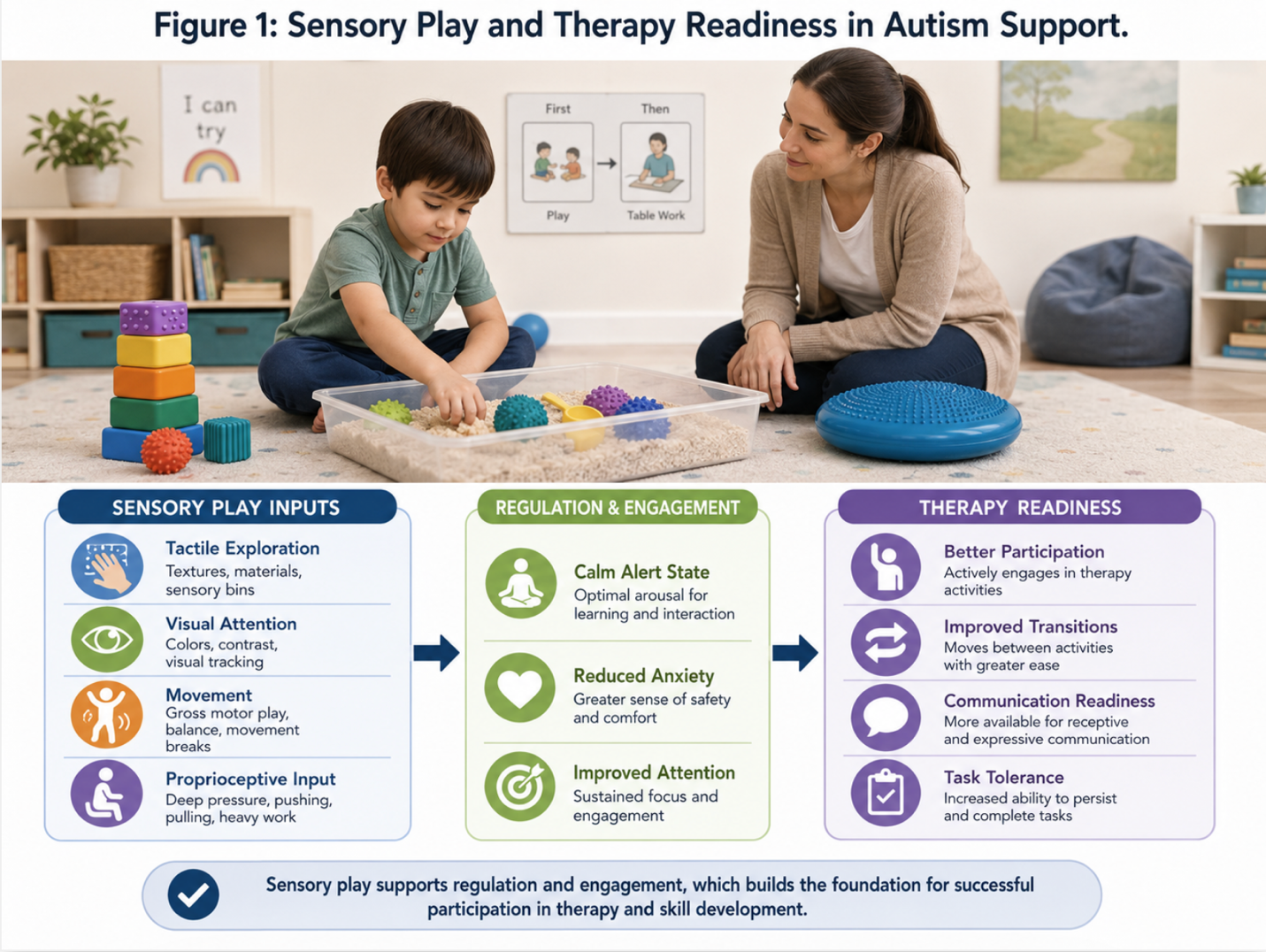
Figure 1: Sensory Play and Therapy Readiness in Autism Support
UC-MSC Therapy Should Work Alongside Developmental Therapy
Developmental therapy remains central to autism support. Speech therapy, occupational therapy, behavioral support, educational planning, social communication practice, sensory integration, play-based learning, and parent coaching all help children build real, functional skills.
UC-MSC stem cell therapy should never replace these therapies. Instead, it may be considered supportive biological care that works alongside them. If a child’s sleep, attention, sensory tolerance, or overall comfort improves, therapy sessions may become more productive as a result but the child still needs structured opportunities to practice communication, movement, learning, and daily living skills.
This is one of the most important messages for parents to take away: biology may support readiness, but therapy is what builds skills.
Who May Be a Better Candidate?
Not every child with autism is a suitable candidate for UC-MSC stem cell therapy. A better candidate is typically a child with a confirmed autism diagnosis, stable general health, ongoing developmental support, and parents who understand that this treatment is investigational and supportive rather than curative.
A careful pre-treatment review should include:
Diagnosis report
Developmental assessment
Current therapies
Medication list
Allergy history
Seizure history
Sleep pattern
Gastrointestinal symptoms
Food restrictions
Blood test history
Previous hospitalizations
Behavioral safety concerns
Neurology or pediatric reports
Extra caution is needed for children with uncontrolled seizures, active infection, severe immune disorder, unstable medical conditions, recent hospitalization, active cancer, or an unclear diagnosis. If a child has experienced sudden regression, seizures, fainting episodes, severe aggression, or unexplained neurological symptoms, specialist evaluation should always come first.
Preparing for Treatment in Thailand
For international families, preparation can make the entire experience easier. Before traveling, parents should gather the child’s medical records, therapy summaries, diagnosis documents, medication list, allergy details, and recent blood tests where available.
It also helps to prepare practical information for the clinic the child’s preferred foods, communication method, calming objects, sensory triggers, sleep schedule, and behavior support strategies. For example, some children need headphones, a tablet, a visual schedule, a favorite toy, a quiet room, or a shorter waiting time.
The goal isn’t only to deliver treatment it’s to create a medical experience that respects the child’s nervous system from start to finish.
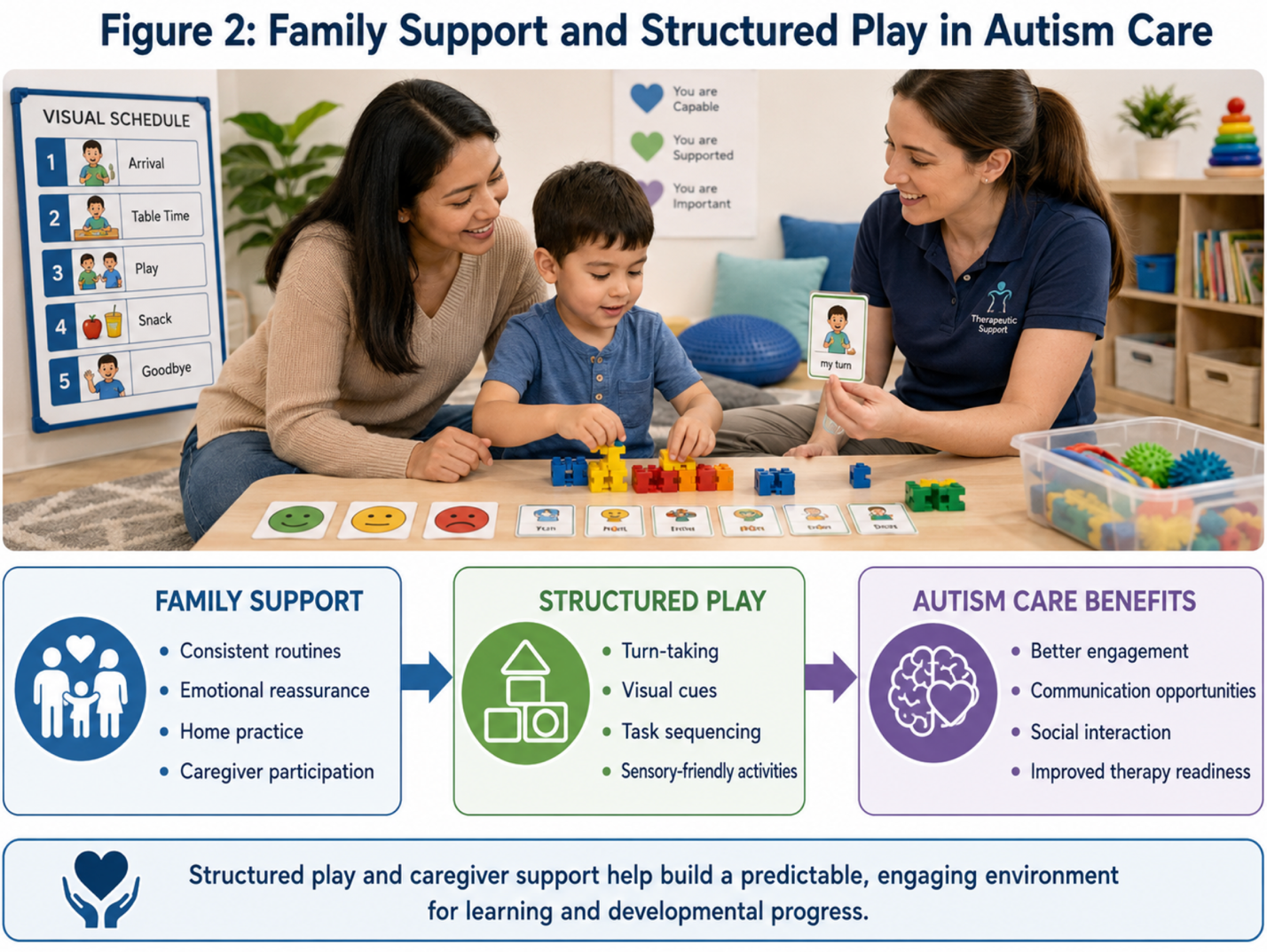
Figure 2: Family Support and Structured Play in Autism Care
Realistic Expectations After UC-MSC Stem Cell Therapy
Stem cell therapy for autism support should never be promoted as a cure. It should not be promised to make a child “normal,” remove autism, guarantee speech, stop repetitive behaviors, or replace long-term support.
More realistic goals may include improved regulation, better sleep, improved comfort, better therapy participation, reduced inflammatory burden, improved attention readiness, or broader quality-of-life support. None of these outcomes are guaranteed, and they may be influenced by many factors beyond the treatment itself.
A good follow-up plan includes ongoing observation, continued therapy, and open communication with healthcare providers. Parents are best served by comparing their child’s function over time, rather than expecting immediate transformation.
Final Thoughts
Advancing autism support in Thailand through UC-MSC stem cell therapy requires a balanced approach. The science is still developing, and the biological rationale rests on immune regulation, inflammation balance, oxidative stress support, gut-brain signaling, and cellular communication.
UC-MSC stem cell therapy remains investigational for autism. It should never be described as a cure or a replacement for developmental care. The most responsible position is that it may be considered supportive care for selected children, when families understand its limits, safety questions are properly addressed, and developmental therapy continues both before and after treatment.
For parents considering autism stem cell therapy in Thailand, the most useful question isn’t “Can this cure my child?” A better question is: “What support does my child actually need, what medical factors may be affecting daily function, and is there a realistic role for UC-MSC stem cell therapy within a broader autism care plan?”
When hope is guided by safety, evidence, and respect for the child, families can make clearer, more confident decisions.
This article is for educational purposes and does not constitute medical advice. UC-MSC stem cell therapy for autism is investigational and should not be considered a cure. Families should consult a qualified physician and continue established developmental therapies before and after any consideration of regenerative treatment.