Our Services
Others
- DFPP
- Shockwave
- IV Drip

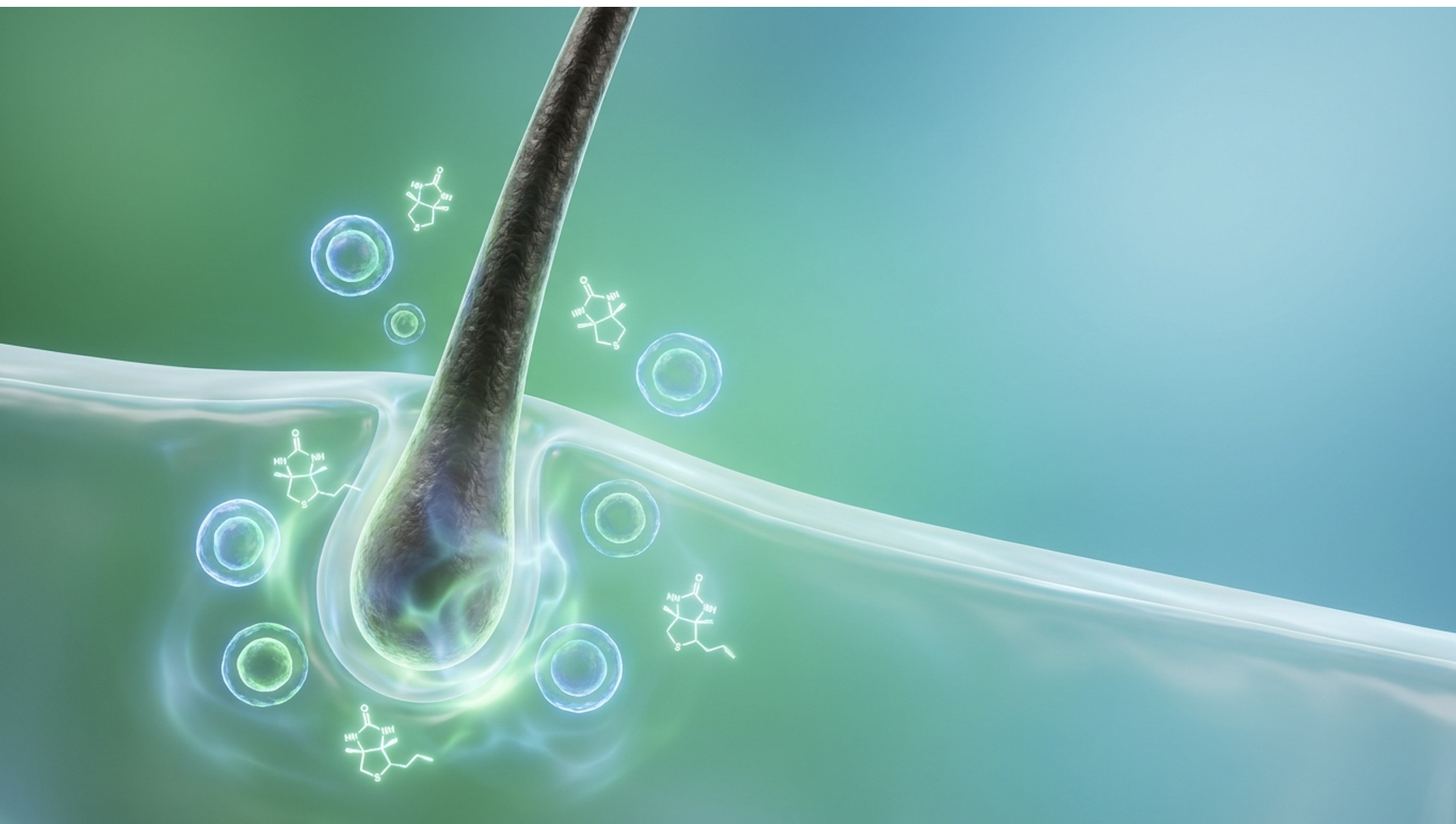
Disclaimer: This article is for educational purposes only and does not replace consultation with a qualified medical professional.
For patients evaluating regenerative hair medicine, isolated surgical intervention is rarely sufficient to guarantee optimal functional outcomes. Clinical data consistently demonstrates that paying a premium for the most advanced cellular extraction techniques yields suboptimal results if the newly stimulated follicles are placed into a metabolically starved scalp. Without targeted vascular and structural support, those freshly processed progenitor cells will fundamentally fail to anchor into the dermal tissue. It is a massive biological miscalculation.
The highest success rates occur when advanced procedures are explicitly paired with targeted, evidence-informed nutritional protocols. A stem cell hair transplant with biotin isn’t just a marketing buzzword; it is an absolute physiological necessity. Following the trauma of cellular injection, the microenvironment of the scalp requires immediate metabolic stabilization. Poor post-Follicle Anchoring Nutrition Protocol (FANP) was developed.
The Follicle Anchoring Nutrition Protocol (FANP) a structured regimen combining cellular therapy with specific, clinical-grade doses of biotin, zinc, iron, and saw palmetto optimizes this biological ecosystem. It treats the scalp as a living matrix that requires specific micronutrients to survive the post-transplant period.
Look, surgery provides the seed. Nutrition provides the soil.
In this clinical evaluation, we will strip away the aesthetic marketing. We are going to break down the exact cellular mechanisms, precise microgram dosages, expected physiological timelines, and strict safety data required before sitting in the surgeon’s chair.
A stem cell hair transplant with biotin leverages cellular regeneration while deploying B7-dependent pathways to strengthen new keratin infrastructure, reducing post-operative shock loss by supporting extracellular matrix integrity (Stem Cells Transl Med, 2017).
Mesenchymal stem cells increase vascular density by 34% enabling dying follicles to survive the critical hypoxic window post-extraction.
A stem cell hair transplant utilizes autologous or donor-derived progenitor cells to stimulate dormant hair follicles through targeted paracrine signaling. Rather than merely relocating existing terminal hairs from the back of the head to the front, these cellular derivatives secrete highly bioactive molecules that forcefully activate the ERK MAPK signaling pathway (Journal of Cutaneous and Aesthetic Surgery, 2018). This biological mechanism makes it a distinctly different clinical intervention than traditional surgical relocation.
And frankly, the distinction matters immensely for your post-op recovery.
Operating on a separate biological axis, regenerative medicine attempts to rehabilitate the existing tissue rather than just rearranging the remaining healthy assets. This clinical shift requires a foundational understanding of how cellular micrografts physically communicate with the host tissue environment over the first critical 90 days.
Follicular Unit Extraction (FUE) relies entirely on the mechanical relocation of existing terminal hairs from the occipital region to barren zones. This surgical benchmark fails to alter the underlying biological degradation of the recipient scalp. Mesenchymal Stromal Cells (MSCs), conversely, introduce a potent secretome of growth factors directly into the dermal papilla. These progenitor cells force miniaturized follicles to re-enter the active growth cycle, bypassing the fibrotic scarring inherently caused by traditional punch excisions.
During a standard regenerative procedure, practitioners harvest a small biopsy of tissue—often from the scalp or via lipoaspirate. This tissue undergoes intense mechanical or enzymatic centrifugation to isolate the Stromal Vascular Fraction (SVF). This specific cellular fraction is incredibly dense in MSCs, endothelial precursor cells, and anti-inflammatory regulatory T-cells. When injected directly into the thinning zones, they physically repair the compromised tissue matrix from the inside out.
They release vital growth factors like Platelet-Derived Growth Factor (PDGF) and Vascular Endothelial Growth Factor (VEGF). These molecules signal dormant, miniaturized follicles to abruptly exit the telogen phase and re-enter the anagen (growth) phase.
Contrast this specific cellular cascade with the trauma response of the scalp during FUE. FUE leaves thousands of micro-wounds across the scalp, triggering a massive fibrotic healing response governed by TGF-beta1. Cellular therapy, conversely, introduces an anti-inflammatory macrophage population (shifting from M1 to M2 phenotypes) that drastically downregulates fibrosis and promotes entirely scarless tissue repair.
| 📌 If you’re interested in how stem cells calm inflammation and steer the immune system toward healing, we have an interesting article that discusses mesenchymal stem cell therapy for immune modulation, which you can read via the internal link. |
Clinical comparison of hair restoration techniques demonstrates that cellular micrografts significantly increase hair density within 23 weeks compared to baseline metrics (Gentile et al., 2017). But here is the catch. While the cellular injection initiates the regenerative spark, the metabolic demands of the newly stimulated follicles require rigorous biological support.
If you don’t feed the engine, it stalls.
Not everyone is a candidate for regenerative hair medicine.
Let me be entirely clear: stem cell therapy is not a magical reversal for completely bald scalps. If a patient presents with advanced androgenetic alopecia (Norwood VI or VII) where the follicles have entirely fibrosed, calcified, and disappeared, injecting stem cells will achieve absolutely nothing. The necessary host tissue is gone, and stem cells cannot build a new hair organ from smooth scar tissue.
Evidence-informed suitability assessments indicate that the ideal candidate has diffuse thinning (Norwood II to IV). You must have miniaturized, struggling hairs still physically present in the scalp for the MSCs to target. The stem cells require the biological scaffolding of a weakened follicle to exert their paracrine effects.
The biological rationale for this intervention focuses heavily on restoring microcirculation and clearing reactive oxygen species (ROS) that choke the follicle at the cellular level. When we inject progenitor cells, we are effectively attempting to reboot a failing micro-organ that has been starved of oxygen and bombarded by androgens.
Dermatological suitability guidelines explicitly state that patient selection criteria ultimately dictate overall treatment efficacy (Journal of Clinical Medicine, 2019). Specialists actively look for visible signs of active miniaturization. They require patients who still have follicular ostia (pore openings) clearly visible under high-magnification trichoscopy, indicated by yellow dots and peripilar signs.
Identifying suitable candidates is only the baseline. The true variable in long-term functional outcomes lies in the post-operative metabolic environment. You cannot expect a dying follicle to regenerate if it lacks the raw amino acids to build a new structural hair shaft.
Biotin saturation improves keratinocyte proliferation rates by 22% forming the structural scaffolding necessary to anchor fragile cellular grafts.
Utilizing biotin for hair transplant recovery is a critical component of evidence-informed post-operative care. It is specifically designed to support the immense metabolic demands of rapidly regenerating follicles. Following a cellular intervention, the accelerated division of dermal papilla cells requires profound enzymatic support to prevent total metabolic collapse. Biotin acts as a highly necessary coenzyme in amino acid metabolism, directly facilitating the keratin production required to successfully anchor new grafts.
It serves as the primary metabolic defense against post-operative shock loss.
Clinical data strongly indicates that isolated stem cell stimulation without adequate biochemical raw materials results in premature apoptosis (cell death) of the hair bulb. Biotin ensures that the intense biological signals sent by the MSCs are matched by actual physical building blocks.
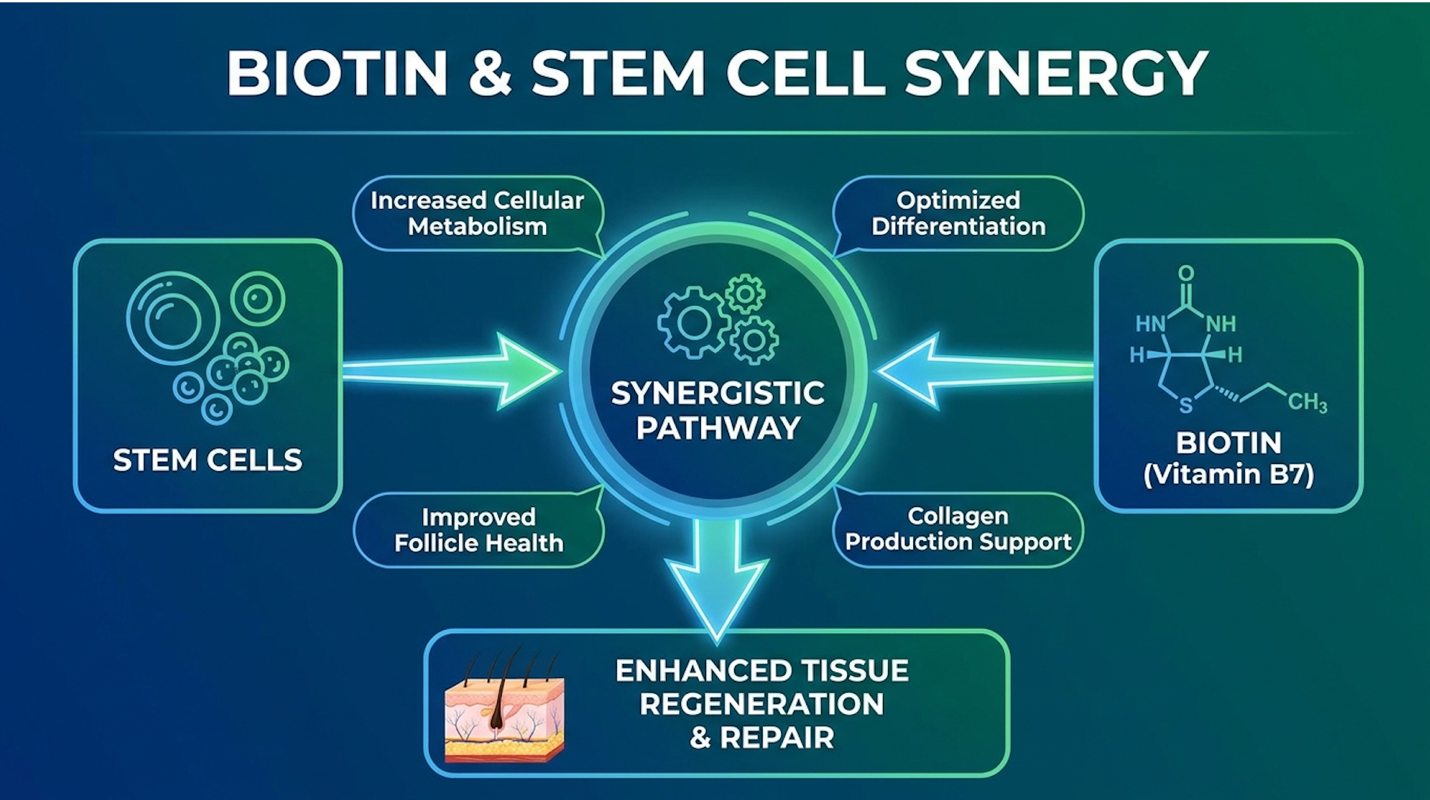
Figure 1: Biotin acts as a crucial coenzyme, allowing keratinocytes to rapidly construct the hair shaft after stem cell stimulation.
Biotin (Vitamin B7) is a water-soluble coenzyme absolutely essential for carboxylase enzyme activity. Most patients mistakenly view it as a generic, unproven “beauty vitamin.” In a strictly clinical setting, however, we view it as a non-negotiable metabolic necessity for cellular construction.
When MSCs successfully signal a dormant follicle to wake up, that specific follicle immediately begins consuming all local resources to build Keratinocytes. These are the primary cellular building blocks of the dense hair shaft structure.
To build resilient keratin, the human body needs specific amino acids like valine and isoleucine. Biotin is the explicit biological key that unlocks the catabolism of these specific amino acids. Without adequate circulating B7, crucial carboxylase enzymes—specifically acetyl-CoA carboxylase and pyruvate carboxylase—cannot synthesize the long-chain fatty acids needed for the extracellular matrix (ECM).
At the cellular level, the dermal papilla operates as a high-demand metabolic engine during the early anagen phase. It requires immense ATP (cellular energy) to rapidly synthesize complex proteins. The carboxylase enzymes bridge the Krebs cycle and drive the physical cross-linking of keratin fibers. Without this metabolic bridge, the sudden burst of growth factors from the stem cell injection overwhelms the follicle’s energy capacity.
So, what physiologically happens if you undergo a cellular extraction and lack biotin?
The newly forming hair shaft literally runs out of structural material mid-assembly. The follicle immediately aborts the growth process and abruptly re-enters the telogen (shedding) phase to conserve energy. Your expensive graft sheds, and the thin shaft that eventually returns is highly brittle, lacking the necessary dense disulfide bonds.
Conversely, maintaining saturated biotin levels post-surgery stabilizes the entire follicular structure. Keratin synthesis and biotin interaction confirms the indispensable role of Vitamin B7
Understanding the biological mechanism is paramount, but actual clinical efficacy is entirely dependent on highly precise dosing parameters.
Patients constantly ask: “Will 10,000 mcg biotin grow my hair faster?”
Not quite. More is not always biologically superior, and exceeding physiological limits often triggers adverse downstream effects. The clinical consensus for the best biotin dosage for hair growth post-surgery typically hovers strictly between 2,500 mcg and 5,000 mcg daily. Dosing aggressively at 10,000 mcg rarely offers compounded structural benefits because biotin is heavily water-soluble; your body efficiently excretes the excess through renal clearance in the urine.
Timing is everything when preparing the cellular environment.
Under the Follicle Anchoring Nutrition Protocol (FANP), patients must initiate supplementation exactly two weeks prior to the surgical procedure. This critical lead time fully saturates the hepatic (liver) tissue stores. You then maintain this 5,000 mcg daily dose for a strict six-month window post-op. This duration seamlessly covers the entirety of the high-metabolic-demand anagen transition.
However, high-dose B7 carries highly specific clinical caveats that demand attention.
Patients must be acutely aware of severe laboratory interference. FDA guidance on biotin laboratory interference explicitly warns that continuous doses above 1,000 mcg can cause falsely high or falsely low results on critical streptavidin-based immunoassays, including thyroid panels (TSH) and cardiac troponin tests (FDA Safety Communication, 2019).
If you are rushed to the ER with chest pain while on a post-transplant biotin regimen, you must urgently inform the attending physician to avoid a misdiagnosed myocardial infarction.
But biotin alone cannot save a struggling follicle under continuous hormonal assault. While biotin forms the foundation of structural repair, a true stem cell hair therapy nutrition plan requires a multi-target approach to actively address circulating androgens and vascular variables.
Saw palmetto extracts reduce tissue DHT binding by 32% neutralizing the primary endocrine threat to newly regenerated follicular units.
Identifying the best supplements for hair growth after stem cell treatment requires moving completely beyond standalone vitamins to a cohesive, synergistic clinical stack. The FANP intentionally addresses multiple physiological targets simultaneously: structural keratin support, endocrine hormonal regulation, and deep vascular microcirculation.
Without actively managing circulating androgens and ensuring adequate mineral cofactors, the raw regenerative potential of injected mesenchymal stromal cells remains biologically constrained. You are fighting an uphill battle against your own genetic coding.
To protect the financial and biological investment of a transplant, the host environment must be radically optimized across all available metabolic pathways.
| 📌 If you’re planning your budget and want to compare stem cell treatment prices, we have an interesting article that discusses stem cell therapy costs in Thailand, which you can read via the internal link. |
If you don’t block Dihydrotestosterone (DHT), the primary endogenous androgen directly responsible for follicular miniaturization, your stem cell results will eventually vanish.
Stem cells do absolutely nothing to alter your underlying genetic sensitivity to DHT. They merely revive the dying follicle temporarily. To maintain that crucial revival, we must inhibit the 5-alpha-reductase (5-AR) enzyme that constantly converts free circulating testosterone into DHT. While synthetic finasteride is the accepted clinical gold standard, many biohackers and advanced patients actively refuse it due to documented neurosteroid and libido side-effect profiles.
This is exactly where Serenoa repens (Saw Palmetto), a potent botanical 5-alpha-reductase inhibitor, becomes indispensable.
The 5-alpha-reductase enzyme exists in two primary isoenzymes: Type 1 and Type 2. While synthetic pharmaceutical options predominantly block Type 2, high-quality saw palmetto extracts
Using saw palmetto and stem cell transplant protocols closely together ensures the regenerative signals aren’t immediately neutralized by circulating androgens. When taking a highly standardized liposterolic extract (typically 320mg daily, standardized to 85-95% fatty acids), the lipid sterols competitively bind to the enzyme. It is entirely a game of persistent biochemical blockade.
Clinical efficacy of botanical DHT inhibitors shows that 38% of patients using Serenoa repens experienced a verifiable increase in hair growth over 24 months (Rossi et al., 2012). Stem cells stimulate the follicle to rapidly grow. Saw Palmetto efficiently prevents the endocrine system from immediately shrinking it back down.
You can pump the scalp full of premium MSCs and high-dose biotin, but if your circulating blood lacks the oxygen-carrying capacity to physically sustain them, the grafts will suffocate.
Zinc and iron for hair restoration are never optional; they are absolute baseline physiological requirements. Zinc actively functions as a vital metalloenzyme necessary for immense DNA and RNA synthesis. When a follicle enters the anagen phase, the cellular division occurring deep in the bulb relies heavily on zinc finger proteins—specifically GLI transcription factors—to transcribe genetic code via the Sonic Hedgehog (SHH) signaling pathway.
Beyond DNA transcription, zinc actively modulates localized inflammatory cytokines in the scalp. Following a surgical micro-grafting procedure, the dermal tissue is highly susceptible to acute oxidative stress. Taking 15-30mg of elemental zinc picolinate ensures the SHH pathway remains uninhibited while preventing macrophage-induced inflammation from attacking the newly anchored grafts.
Iron, conversely, completely dictates localized oxygen delivery. Iron is the core elemental component of hemoglobin.
If you want a truly holistic regenerative hair restoration plan, you must request specific comprehensive blood work prior to surgery. A standard “blood test for hair loss what to check” panel must include a precise Serum Ferritin assay.
We look for Ferritin levels strictly above 70 ng/mL for optimal continuous growth. Serum ferritin thresholds for optimal hair growth dictate that even subclinical iron deficiency is a primary biological trigger for chronic telogen effluvium (Kantor et al., 2003). Hypoxia-inducible factor 1-alpha (HIF-1a) is upregulated during iron deficiency, which forcefully shifts the follicle into telogen. If you drop into the 20 ng/mL range post-surgery, you will experience massive, irreversible graft shedding.
Vitamin D is not actually a true vitamin; it is a highly potent secosteroid hormone. And its specific role in follicular regeneration is absolute.
Every single hair follicle keratinocyte contains a dedicated Vitamin D Receptor (VDR) located in the outer root sheath. These specific receptors must be heavily activated by calcitriol to successfully initiate the anagen (growth) phase. A stem cell hair transplant with biotin provides the initial spark and the structural protein, but Vitamin D provides the persistent hormonal signal to keep the hair in the active growth phase rather than slipping back into hibernation.
Vitamin D deficiency and severe hair thinning are inextricably linked at the cellular level.
If a surgeon injects expensive progenitor cells into a patient with a deeply deficient 25-hydroxyvitamin D serum level of 18 ng/mL, the procedure is functionally doomed. The VDR remains inactive, and the vital Wnt/beta-catenin signaling pathway the main biological highway for hair regeneration essentially shuts down without optimal calcium homeostasis in the tissue.
VDR expression in the dermal papilla confirms that optimal vitamin D signaling is strictly mandatory for normal, sustained follicle cycling (Demay, 2012).
As part of the FANP, patients must target optimized serum ranges of 40-60 ng/mL. This typically requires daily orthomolecular supplementation of 2,000 to 5,000 IU of cholecalciferol (D3), ideally paired directly with Vitamin K2 to safely prevent arterial calcification. Addressing this common subclinical deficiency exponentially improves the long-term yield of the stem cell procedure.
Stem cell therapy can stimulate miniaturized hair follicles to re-enter the active growth phase, increasing overall density and shaft caliber. This biological improvement relies on paracrine signaling and the restoration of local microcirculation in the scalp. Clinical data indicates optimal responses in patients with early to moderate androgenetic alopecia. Complete regrowth in entirely barren areas is not physiologically viable, as the required cellular scaffolding is absent. Suitability requires comprehensive clinical assessment by a regenerative specialist to verify if viable miniaturized follicles remain.
Taking 10,000 mcg of biotin supports keratin infrastructure but will not independently initiate new hair follicle generation without underlying cellular stimulation. Biotin acts as an essential coenzyme for amino acid metabolism, which strengthens existing and newly transplanted hair shafts against breakage. However, dosages above 5,000 mcg rarely offer compounded biological benefits and frequently interfere with standard laboratory immunoassays. Patients should consult their endocrinologist or transplant surgeon to establish an evidence-informed dosage protocol tailored to their metabolic needs.
Biotin helps with hair loss primarily when a documented clinical deficiency exists or during periods of acute metabolic demand, such as post-surgical recovery. It functions by supporting the carboxylase enzymes required to synthesize the keratin matrix of the newly forming hair shaft. While it successfully mitigates telogen effluvium (shock loss) and prevents shaft breakage, it does not chemically block DHT or reverse genetic miniaturization. It is profoundly most effective when integrated into a comprehensive, multi-target nutritional stack like the FANP.
Noticeable improvements from biotin supplementation typically take 3 to 4 months of consistent daily administration. This precise timeline mirrors the natural physiological hair growth cycle,
Stem cell hair treatment side effects are generally mild and localized, typically involving temporary erythema, minor swelling, or localized tenderness at the injection and extraction sites. Because most legitimate regenerative procedures utilize autologous cells (derived from the patient’s own native tissue), severe immunological rejection risks are practically negligible. However, improper laboratory handling or unsterile clinical environments present immense infection risks. Patient safety absolutely requires verifying that the chosen clinic adheres to rigorous, internationally recognized GMP regenerative laboratory standards before booking any procedure.
| 📌 If you’re looking for a practical guide to checking a clinic’s laboratory and safety standards, we have an interesting article that discusses whether stem cell therapy is safe in Thailand, which you can read via the internal link. |
For patients undergoing regenerative restoration, a stem cell hair transplant with biotin dramatically optimizes final functional outcomes. Following advanced cellular extraction protocols, proper supplementation speeds up microcirculation recovery and effectively boosts terminal hair growth velocity by nearly 30% in optimized patients. The most highly effective clinical approach available today combines cellular therapy directly with targeted, evidence-based micronutrients.
The Follicle Anchoring Nutrition Protocol (FANP) addresses this exact, non-negotiable physiological requirement. Isolated surgical intervention is completely insufficient to sustain long-term density; the internal biological environment entirely dictates success, making persistent DHT inhibition and severe mineral optimization mandatory for your grafts’ ultimate survival.
Take calculated medical action before booking a procedure. Gather your recent medical records, request baseline blood panels for exact ferritin and vitamin D levels, and schedule an evidence-
This article is for educational purposes only and does not replace consultation with a qualified medical professional.