Our Services
Others
- DFPP
- Shockwave
- IV Drip

For women navigating premature ovarian failure or diminished ovarian reserve, traditional IVF and hormone replacement therapy often represent a frustrating plateau. Clinical reviewers evaluating reproductive case studies frequently see a familiar pattern—patients hit a wall where stimulating the ovaries yields diminishing returns. Standard medicine focuses on bypassing the failing ovaries or masking the symptoms with synthetic hormones. But what if the medical focus shifted to addressing the microenvironment of the ovary itself?
While commercial clinics rapidly market regenerative medicine as a guaranteed fix, the scientific reality of stem cell therapy to restore ovarian function is highly nuanced. It demands rigorous clinical evaluation before authorizing a massive out-of-pocket check. And in the rapidly expanding fertility industry, the marketing often outpaces the medicine.
By the end of this guide, the exact cellular mechanisms, evidenced-backed clinical timelines, and true costs of umbilical cord-derived mesenchymal stem cell (UC-MSC) interventions will be
Stem cell therapy to restore ovarian function utilizes UC-MSCs to reduce inflammation and promote tissue repair, though it remains an investigational treatment.
UC-MSC stem cell therapy for ovarian rejuvenation is an investigational regenerative protocol designed to repair damaged ovarian microenvironments. Rather than generating new oocytes, these progenitor cells secrete bioactive molecules that promote angiogenesis and reduce tissue apoptosis (NIH, 2022). This makes the therapy a highly specific tool for addressing functional ovarian decline.
Umbilical Cord-Derived Mesenchymal Stem Cells (UC-MSCs) are specific progenitor cells prized for their massive anti-inflammatory properties. When patients first hear about stem cell therapy for fertility, they usually assume the injected cells physically transform into brand-new human eggs. That commercial myth must be dispelled immediately. That is simply not how this biological process works.
UC-MSCs do not generally differentiate into new oocytes. Instead, they operate through Paracrine Signaling—the mechanism by which cells secrete exosomes and growth factors to influence surrounding damaged tissue. Think of them as a highly specialized, localized biological repair crew. They arrive, release specific vascular endothelial growth factor (VEGF) and hepatocyte growth factor (HGF), and stimulate the patient’s own quiescent ovarian fibroblasts back into biological action.
Why use umbilical cord cells instead of autologous bone marrow or fat tissue? Biologically, your own stem cells age exactly as you do. If a patient is 42, her bone marrow stem cells are also 42 years old, carrying accumulated DNA damage and oxidative stress. Umbilical cord tissue, however, represents “Day 0” biology. Sourced from the Wharton’s Jelly of donated umbilical cords following healthy, full-term cesarean births, these allogeneic cells possess vastly superior proliferation rates. They secrete a significantly higher concentration of restorative exosomes compared to adult stem cells, making them the superior choice to regenerate ovaries.
| 📌 If you’re interested in why umbilical cord cells are often preferred over bone marrow or fat-derived cells, we have an interesting article that discusses why UC-MSCs are superior to other stem cell sources, which you can read via the internal link. |
These secreted exosomes mitigate excessive tissue fibrosis and oxidative stress within the aging ovarian stroma. Traditional hormone replacement simply masks biological deterioration systemically. Conversely, UC-MSC interventions attempt to address the cellular senescence directly at the source. This strategic biological shift gives remaining primordial eggs a healthier, highly vascularized environment in which to mature.
UC-MSCs secrete over 200 distinct growth factors providing the precise biological signaling required to halt apoptosis in aging tissues.
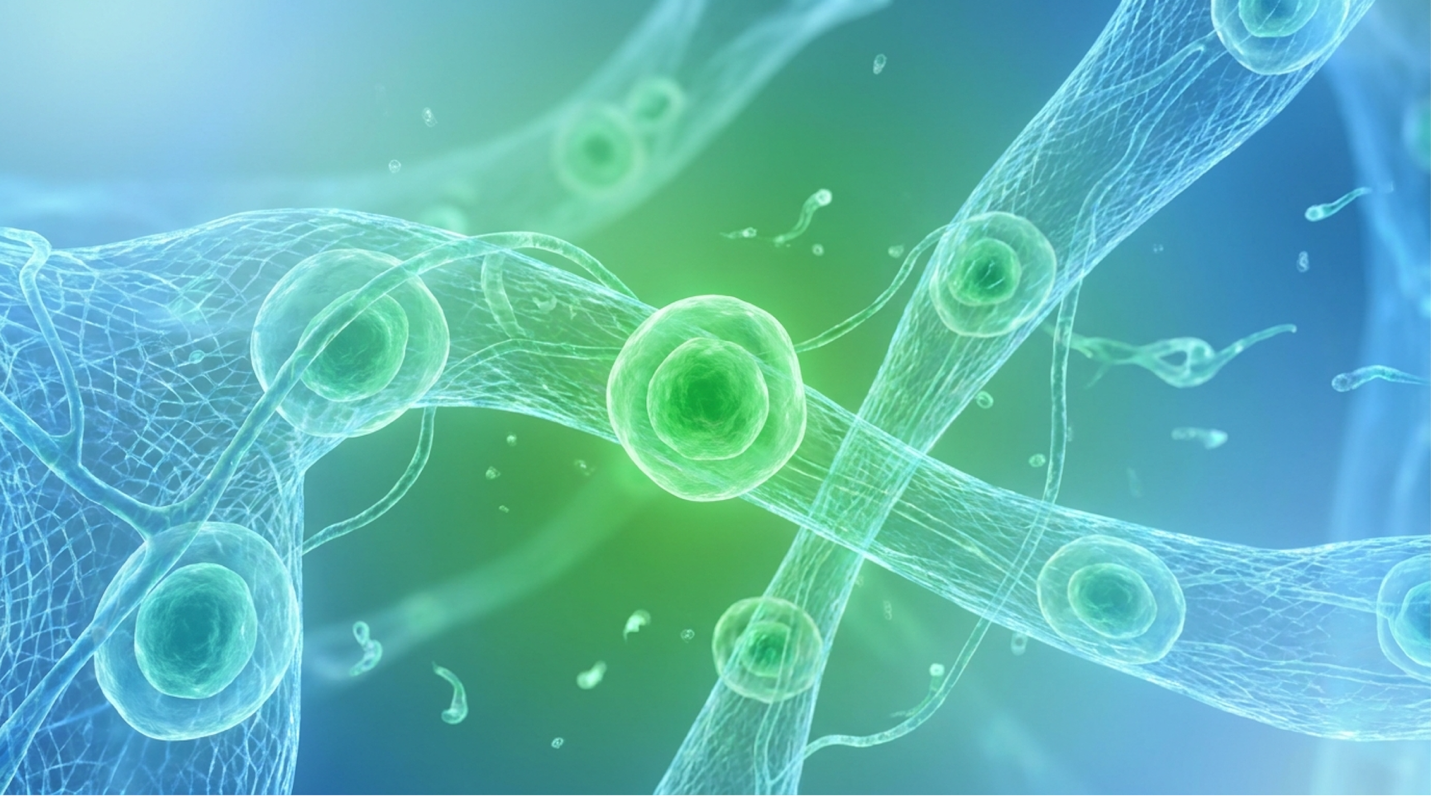
Figure 1: UC-MSC paracrine signaling relies on the secretion of growth factors to reduce oxidative stress, rather than transforming into new oocytes.
Understanding this precise paracrine function forms the absolute basis of current evaluation models. Extensive MSC mechanisms for restoring ovarian function published by the NIH shows that mesenchymal stem cells can restore ovarian function by promoting angiogenesis and actively reducing cell apoptosis in ovarian tissues (2022). Additional research on stem cell exosome delivery confirms that these microscopic vesicles are the primary, verifiable vehicles for tissue regeneration.
To objectively evaluate whether a patient will respond to this intervention, clinical analysts rely on The Ovarian Microenvironment Repair Framework (OMRF). This is a three-pillar biological model explaining exactly how UC-MSCs restore localized blood flow and modulate immune responses without actual cellular engraftment.
The first pillar is Immunomodulation. Aging ovaries often exist in a state of chronic, low-grade inflammation. UC-MSCs perform phenotypic macrophage reprogramming. They force hostile, pro-inflammatory M1 macrophages to shift into healing, anti-inflammatory M2 states. This localized immune shift prevents the body from attacking its own fragile ovarian tissue.
| 📌 If you’re interested in how MSCs shift the immune system from attack mode to repair mode, we have an interesting article that discusses mesenchymal stem cell therapy for immune modulation, which you can read via the internal link. |
The second pillar is Angiogenesis. Ovaries naturally lose their dense micro-vascular networks as women age. By secreting powerful VEGF molecules, stem cells trigger the formation of new capillary blood vessels. This neovascularization restores critical oxygen and nutrient delivery to starving tissue beds, essentially reviving the local ecosystem.
The third pillar is Senescence Reversal. This refers to repairing damaged mitochondrial membranes within the ovarian stroma. But here is the critical caveat of the OMRF: it requires existing, albeit dormant, follicles to be effective. If the OMRF principles are applied to a 38-year-old with severe localized inflammation but remaining follicles, the therapy has a biological target. If applied to a patient with zero remaining primordial follicles, there is nothing for the growth factors to stimulate. You can’t water a garden that has no seeds.
When analyzing efficacy data in MSC transplantation, patients must look completely past the glossy marketing brochures. It requires a clinical ability to distinguish between biological improvement (better lab numbers) and meaningful functional benefit (a live birth).
Recent clinical trials demonstrate highly specific, measurable improvements in pelvic tissue health. However, these improvements are almost exclusively measured in biomarkers. Patients frequently see their Anti-Müllerian Hormone (AMH) rise slightly and their wildly fluctuating Follicle-Stimulating Hormone (FSH) stabilize. But a dropping FSH does not inherently guarantee a successful full-term pregnancy. It simply indicates that the ovaries are temporarily functioning better.
In comprehensive reviews of recent trial outcomes, clinical improvements in serum hormone levels using UC-MSCs significantly improve essential serum hormone levels, including FSH, AMH, and estradiol, in women suffering from premature ovarian failure. These biomarker improvements directly correlate with the treatment of specific reproductive diagnoses. Patients are effectively purchasing a temporary biological window of optimized function, not a permanent cure for chronological reproductive aging.
For patients requiring hormonal balance restoration, UC-MSC interventions target the localized tissue degradation responsible for early follicular depletion. By applying the OMRF principles to premature ovarian failure stem cells therapies, clinicians aim to rescue dormant follicles. This biological rescue subsequently stabilizes volatile FSH and estradiol levels without relying entirely on exogenous hormone replacement.
Premature Ovarian Failure (POF) is a devastating condition characterized by the loss of normal ovarian function before age 40, affecting approximately 1% of the female population. Clinically, this is defined as hypergonadotropic hypogonadism. It’s a physiological scenario where the brain screams at the ovaries to produce eggs (resulting in sky-high FSH) and the severely degraded ovaries simply ignore the signal.
Regenerative medicine views POF not as a total absence of eggs, but often as a severe failure of the ovarian environment to nurture the remaining primordial follicles. Foundational Stanford University research on early ovarian failure treatments successfully utilized in vitro activation to stimulate remaining follicles, establishing a clinically proven alternative regenerative approach for women experiencing early ovarian failure (2013).
Nearly 30% of early ovarian failure cases stem from autoimmune issues — making immunomodulation crucial for restoring biological function.
UC-MSCs build upon this established concept. They secrete factors that actively inhibit Toll-like receptors within the ovarian tissue. This powerful action suppresses the specific localized autoimmune responses that frequently destroy follicular reserves in POF patients. Contrast this advanced approach with standard HRT. Synthetic hormones supply estrogen systemically to stop bone loss and hot flashes, but they do absolutely nothing to address the underlying follicular senescence occurring in the pelvis. While POF represents a complete cessation of function, milder forms of follicular decline present different, highly viable clinical targets.
Diminished Ovarian Reserve (DOR) indicates a severe reduction in egg quantity and quality, usually without the complete cessation of menses seen in POF. These patients still ovulate. They still get monthly periods. But their IVF cycles yield one or two fragile eggs instead of the robust expected cohort, resulting in agonizing cycle cancellations. Diminished ovarian reserve treatment via stem cells attempts to change this trajectory.
Stem cell therapy for diminished ovarian reserve attacks this entirely differently than standard stimulation medications. The regenerative goal here is to drastically improve the biological quality of the remaining oocyte pool by intensely enhancing local blood microcirculation. When senescent dermal and ovarian tissues are flushed with vital nutrients and oxygen via newly formed capillaries, the mitochondrial health of the developing eggs improves.
Think of the human ovary as a biological incubator. If the incubator’s heating element is failing and the internal environment is toxic, the eggs degrade before they even have a chance to ovulate. By restoring the integrity of mitochondrial membranes in the ovarian stroma, clinicians theoretically improve the physiological competence of the eggs retrieved during a subsequent IVF cycle. The eggs remain the exact same chronological age, but they mature in a drastically upgraded cellular environment. This biological upgrade frequently means the difference between an embryo arresting on day three in the lab, or successfully making it to the blastocyst stage.
Stem cells for estrogen deficiency are gaining massive traction strictly for quality-of-life improvements. Many women pursue this therapy with zero intention of getting pregnant. They simply want their vibrant lives back. When exploring stem cell therapy for menopause symptoms, patients are often surprised that reactivated dormant follicles resume producing endogenous estrogen naturally.
This localized, natural estrogen production buffers the severe systemic hormone drop that causes miserable physical symptoms. Stem cell interventions are uniquely positioned to help reduce menopausal symptoms:
Mitigating menopausal symptoms and improving endometrial thickness via stem cell interventions has shown the potential to effectively mitigate menopausal symptoms, such as hot flashes, while simultaneously restoring endometrial thickness in early menopause models.
Even if an IVF cycle achieves a perfectly competent embryo, it desperately needs a lush, highly vascularized uterine environment to implant. Thin endometrial linings (under 7mm) are a notorious, heartbreaking roadblock in complex IVF cases. Patients will undergo weeks of painful estrogen injections only to have their transfer canceled because their lining refuses to thicken—a condition known as refractory endometrium.
Stem cell therapy for hormonal balance in women has a downstream structural effect on the uterus, driving impressive endometrial thickness improvement. The correlation between localized ovarian hormone restoration and robust endometrial lining proliferation is remarkably strong. The sustained, natural estradiol released by reactivated follicles thickens the endometrial stripe far more effectively than transdermal estrogen patches in some refractory clinical cases, often restoring the coveted “trilaminar” ultrasound appearance required for embryo transfer.
However, clinical realities dictate a blunt assessment: achieving pregnancy naturally still requires a fully functioning reproductive tract, open fallopian tubes, and highly competent sperm. Stem cells primarily address the ovarian side of the equation. While these physiological improvements
Assessing stem cell therapy safety requires cleanly separating rigorous clinical trial data from predatory medical tourism marketing. While early data shows massive promise, patients must understand the strict biological limitations of cellular half-lives to determine exactly how long stem cell injections last. This reality goes hand-in-hand with the strict regulatory warnings surrounding investigational biologics and the FDA’s current legal framework.
Let’s address the clinical timeline directly. The paracrine effects of UC-MSCs are absolutely not permanent. Patients are injecting allogeneic (donor) cells into their bodies. While umbilical cord tissue is highly immunoprivileged—meaning it rarely triggers a severe, acute immune rejection—the body’s natural reticuloendothelial system will eventually identify and clear these foreign cells away.
Allogeneic cellular benefits plateau after 12 months — requiring patients to synchronize IVF egg retrievals within this temporary biological window.
A comprehensive meta-analysis evaluating the duration of stem cell efficacy on ovarian reserves indicated that the regenerative benefits of MSC therapy on ovarian reserve typically peak and plateau between 6 to 12 months post-transplantation. By month 18, most biological markers regress to baseline.
This is the most critical logistical reality of the therapy. If a patient sees an improvement in their AMH or their antral follicle count, they possess a finite, rapidly closing window of opportunity. Patients pursuing IVF must fiercely coordinate their egg retrieval cycles to land squarely within this 6 to 12 month therapeutic window, when local inflammation is lowest and blood flow is highest. Re-administering treatments to artificially extend this window is currently under heavy clinical study, but multi-session protocols are not yet the established clinical standard.
| 📌 If you’re interested in whether a second dose can extend the benefits of the first, we have an interesting article that discusses why double-dose UC-MSC therapy may offer greater benefits than a single dose, which you can read via the internal link. |
Any patient preparing to spend thousands of dollars on an experimental procedure searches for the legitimate downside to stem cell therapy. Clinical analysts explicitly divide these ovarian rejuvenation risks into observed surgical risks and theoretical cellular complications.
The most common observed clinical risks involve the surgical delivery method itself. Intraovarian stem cell injection requires physically puncturing the vaginal wall and the tough ovarian capsule. This carries the standard, established risks of any IVF egg retrieval: localized injection site infection, pelvic bleeding, and mild immune reactions.
The recovery profiles vary wildly based on the exact surgical approach. If a clinic uses transvaginal ultrasound-guided (TVUS) injections, the patient receives twilight sedation (like Propofol), wakes up with mild cramping, and goes home two hours later. However, if the clinic utilizes full laparoscopy, the patient faces full intubation, general anesthesia, abdominal incisions, potential bowel perforation, and a recovery spanning several days.
The theoretical risks involve unregulated cellular proliferation. Could stem cells turn into tumors? While embryonic stem cells carry a notorious teratoma risk, UC-MSCs lack pluripotency. They possess a profoundly lower tumorigenic profile and simply don’t form tumors in clinical observation. However, the absence of significant adverse immunity-related events in controlled university trials absolutely does not guarantee safety in unregulated commercial clinics where bacterial contamination is a constant threat.
Understanding the federal regulatory environment is paramount. These regenerative treatments are strictly investigational.
The FDA safety warnings regarding unproven stem cell treatments explicitly advises patients that many stem cell treatments remain unapproved, carrying severe safety risks unless conducted under an official Investigational New Drug Application.
The FDA divides human cells into two distinct legal categories under the Public Health Service Act (PHSA). Section 361 biologics are minimally manipulated for homologous use (like a standard, same-day bone marrow transplant used for blood disorders). Section 351 biologics are
Section 351 biologics are legally treated as highly regulated drugs. Therefore, any legitimate, expanded UC-MSC treatment operating within the United States requires an active Investigational New Drug (IND) application or a Regenerative Medicine Advanced Therapy (RMAT) designation. Clinics ignoring this framework and administering expanded cord cells off-label are operating outside of federal law, exposing patients to immense uncalculated risks. The FDA regularly issues severe warning letters to clinics violating these biologics regulations.
Stem cell therapy has successfully restored menstruation in specific clinical trials involving premature ovarian failure. However, this restoration is highly dependent on the physical presence of dormant follicles remaining in the ovaries. Patients without any remaining primordial follicles will not see a return of their cycle under any circumstances. Clinical data indicates that if menstruation does return, it typically occurs within 3 to 6 months post-treatment (NIH, 2021). Individual biological results vary heavily based on the patient’s exact reproductive diagnosis, chronological age, and baseline tissue damage.
Intraovarian stem cell injections can temporarily lower Follicle-Stimulating Hormone (FSH) levels in women with diminished reserves. By aggressively reducing localized ovarian inflammation and stimulating dormant follicles, the therapy prompts the ovaries to produce their own estrogen. This newly produced endogenous estrogen subsequently signals the brain’s pituitary gland to lower its FSH output. Trials show these biochemical improvements usually peak around 6 months before gradually returning to baseline. Patients must understand this is a temporary stabilization window, not a permanent cure for aging.
Current evidence suggests stem cell therapy improves the ovarian microenvironment, which may indirectly support better oocyte development. The therapy absolutely does not alter the underlying genetic competence or chromosomal normality of the eggs themselves. Instead, by dramatically increasing localized blood flow and reducing toxic oxidative stress, it allows existing eggs to mature in a vastly healthier biological environment. Older patients will still face unavoidable age-related genetic realities (like aneuploidy) during subsequent IVF cycles.
Most clinical protocols currently utilize a single intraovarian stem cell injection session to measure initial baseline response. Because the regenerative effects predictably plateau after 6 to 12 months (PubMed, 2020), researchers are actively investigating the long-term efficacy and safety of subsequent, staggered doses. Currently, there is no standardized, FDA-approved multi-session protocol for human fertility preservation. Patients should be fiercely wary of commercial clinics demanding massive upfront payments for long-term, multi-injection packages before ever assessing initial biological responses.
Ovarian stem cell injections are most effectively delivered directly into the ovarian tissue via ultrasound-guided transvaginal injection or traditional laparoscopy. While some anti-aging clinics aggressively market systemic Intravenous (IV) infusions, targeted direct injection ensures the fragile cells actually reach the damaged ovarian microenvironment. Ultrasound-guided delivery is minimally invasive and practically identical to a standard outpatient IVF egg retrieval procedure. Laparoscopy, conversely, is entirely surgical, requiring full general anesthesia, pelvic incisions, and a much longer recovery timeline.
Natural pregnancies have been recorded following ovarian rejuvenation, but they represent a vast minority of clinical outcomes. The primary, realistic goal of this therapy is to improve hormone profiles and follicular response to facilitate highly controlled, successful IVF cycles. Relying solely on natural conception after expensive stem cell therapy significantly reduces the
Ideal candidates for ovarian stem cell therapy are women under 42 with premature ovarian failure or diminished ovarian reserve who definitively still possess dormant follicles. Patients must have highly realistic expectations and explicitly understand the investigational nature of the treatment before investing any capital. Women with active cancers, complete follicle depletion, or severe uterine factor infertility are absolutely not candidates. A comprehensive, data-driven evaluation of medical records by a reproductive endocrinologist is strictly required to determine true suitability.
Stem cell therapy and HRT serve fundamentally different medical purposes and are not directly interchangeable. HRT provides systemic synthetic hormones to relieve severe menopausal symptoms and protect long-term bone health, but it does not improve fertility or address cellular ovarian degradation. Stem cell therapy actively attempts to repair the ovarian tissue itself so the body can produce its own endogenous hormones naturally. A qualified physician must evaluate which approach best aligns with the patient’s specific functional goals and risk tolerance.
For women navigating early menopause or diminished reserves, stem cell therapy to restore ovarian function offers an investigational, evidence-informed pathway to biological stabilization. With out-of-pocket costs ranging from $4,000 to $8,000 per injection (NIH), the best approach combines rigorous clinical vetting, realistic timeline management (recognizing the 6-12 month efficacy plateau), and integration with standard IVF protocols rather than relying on natural conception alone.
The clinical efficacy of these highly experimental treatments relies entirely on the principles outlined in The Ovarian Microenvironment Repair Framework (OMRF). UC-MSCs do not
Patients considering this intervention must compile their complete medical records, recent hormonal panels (AMH, FSH, Estradiol), and prior IVF embryology histories before ever seeking a consultation. Do the heavy groundwork. A thorough evaluation by a board-certified reproductive endocrinologist or a recognized clinical trial investigator is the only medically sound method to determine if regenerative therapy aligns with your specific functional goals. Head to a specialized fertility center and schedule a rigorous, data-driven consultation to properly assess your baseline follicular reserve before pursuing any out-of-pocket biologic interventions.