Our Services
Others
- DFPP
- Shockwave
- IV Drip

Autism Spectrum Disorder (ASD) is a complex neurological condition that affects communication, behavior, and social interaction. While established therapies such as behavioral intervention, occupational therapy, and, where appropriate, medication remain the foundation of autism care, some families also research regenerative medicine including stem cell therapy in Thailand as a supportive option, and stem cell therapy in Thailand has become one of the more visible destinations for this.
This article focuses on what matters most once a family has decided to explore this option: how the therapy is typically delivered, what safety considerations apply, and how to evaluate a clinic responsibly. For an explanation of the underlying biological rationale, see our companion article, “How UC-MSC Stem Cell Therapy in Thailand May Support Autism: The Biological Rationale.”
What Is Regenerative Medicine for Autism, Briefly
Regenerative medicine focuses on supporting the body’s own repair and regulatory processes, rather than replacing tissue outright. In autism care, stem cell therapy in Thailand –based approaches are being studied for a potential supportive role in reducing inflammation, modulating immune activity, and supporting neuronal signaling. These are proposed biological mechanisms under active research not confirmed treatments for core autism symptoms and regenerative medicine does not claim to cure autism.
Why Some Families Consider Treatment in Thailand
Families from the United States, Australia, Europe, and the Middle East increasingly research treatment options in Thailand. Commonly cited reasons include:
Established medical infrastructure many hospitals and clinics operate under recognized accreditation and safety standards.
Internationally trained specialists a number of Thai physicians have trained abroad in regenerative medicine, neurology, or pediatrics.
Cost considerations treatment costs are often lower than in the US or parts of Europe, though cost should never be the primary factor in a medical decision.
Combined travel and care logistics some families choose to combine a treatment visit with a broader trip, provided the child’s needs are properly planned for (see our travel and preparation guide).
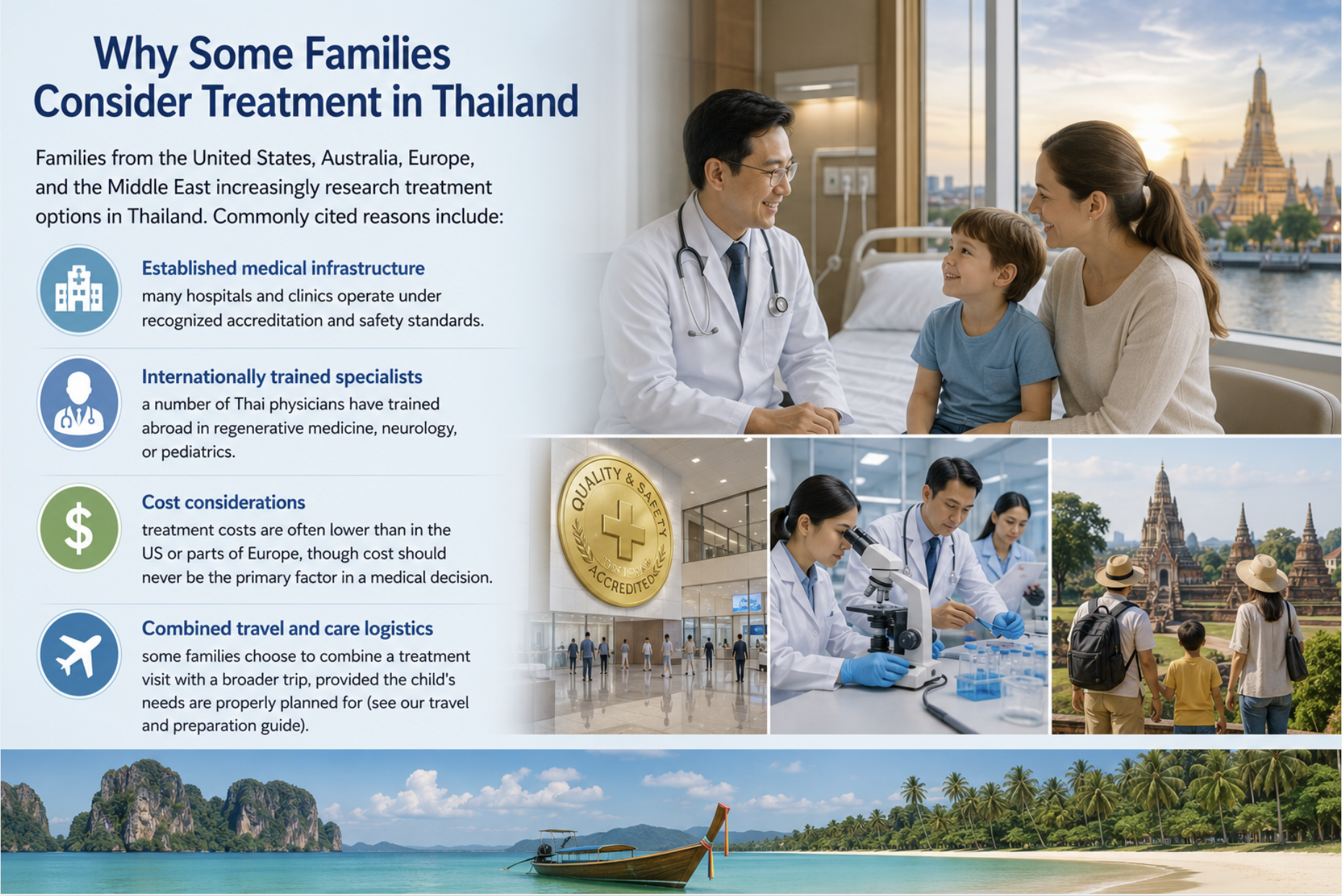
Figure 1: Why Some Families Consider Treatment in Thailand: Medical Standards, Specialist Expertise, Cost Considerations, and Travel Planning
How stem cell therapy in Thailand Is Typically Delivered
In Thailand, autism-related stem cell therapy commonly uses mesenchymal stem cells (MSCs) derived from umbilical cord tissue, valued for their anti-inflammatory, neuroprotective, and immunomodulatory properties. Two delivery methods are used, and they are not interchangeable in terms of risk:
Intravenous (IV) Infusion
Delivers stem cells systemically through the bloodstream, intended to support broader inflammatory and immune balance. This is generally considered the lower-risk, more established delivery route.
Intrathecal (Spinal) Injection
Delivers stem cells directly into the cerebrospinal fluid, closer to the central nervous system. This is a materially more invasive procedure than IV infusion, carries its own distinct risks (including those associated with any spinal injection), and warrants its own dedicated informed consent discussion with a physician not a decision to be made based on marketing material alone. Families should ask specifically why this route is being recommended over IV infusion for their child’s case, and what the specific additional risks are.
What Families Report, and How to Read That Information
Some families report perceived improvements after stem cell therapy, including changes in social engagement, communication, activity level, focus, or sleep. It’s important to be clear about what this kind of reporting is: anecdotal, individual experience — not controlled clinical evidence. Every child’s presentation is different, responses vary significantly, and anecdotal reports from other families should not be treated as a predictor of outcome for any specific child.
A responsible approach is to view regenerative therapy, if pursued at all, as a potential supportive addition alongside continued ABA therapy, speech and occupational therapy, special education support, and nutritional or lifestyle care not as a replacement for any of them.
Safety Considerations
Families evaluating any clinic should expect clear answers on:
How umbilical cord stem cells are ethically sourced and screened
What laboratory testing is performed for purity, sterility, and viability
Where procedures are performed, and whether the facility is properly certified for the specific procedure (IV vs. intrathecal carry different facility and staffing requirements)
What post-treatment monitoring and follow-up care is provided
What known side effects exist commonly cited mild effects include transient fever or fatigue, though families should ask the clinic directly for a full and specific risk disclosure rather than relying on general reassurances
How to Evaluate a Clinic
Questions worth asking directly, and verifying independently where possible:
What accreditation or licensing does the clinic hold, and can this be independently verified?
What is the treating physician’s specific experience with regenerative medicine and, if relevant, pediatric neurology?
Is the clinic transparent about costs, protocols, and realistic expected outcomes including being clear about what is not guaranteed?
What does long-term follow-up support actually look like after the family returns home?
Can the clinic provide references or connect you with independent sources of information, rather than only curated testimonials?
The Direction of Ongoing Research
Research in this field continues to evolve, including work on dosing, the use of cell-free exosome therapies, and longer-term follow-up on cognitive and social development after treatment. This remains an active, developing area of research rather than a settled standard of care, and families should expect protocols and understanding to keep evolving over time.
Conclusion
Autism presents lifelong challenges, and some families explore regenerative medicine, including stem cell therapy in Thailand, as a potential supportive option alongside established developmental care. Making this decision responsibly means understanding the difference between delivery methods and their relative risk, treating anecdotal family reports as individual experiences rather than guarantees, and evaluating any clinic on verifiable accreditation, physician experience, transparency, and follow-up support not on marketing claims alone. Families considering this path are encouraged to consult directly with qualified specialists and ask detailed, specific questions before making a decision.
For the biological rationale behind UC-MSC stem cell therapy in Thailand, see “How UC-MSC Stem Cells May Support Autism: The Biological Rationale.” For common questions about candidacy and cost, see our parent FAQ.
This article is for educational purposes and does not constitute medical advice. Regenerative medicine for autism, including stem cell therapy, is investigational and is not a cure. It should not replace established developmental therapies. Please consult a qualified physician to discuss your child’s specific situation, including a full, procedure-specific risk disclosure before any treatment decision.