Our Services
Others
- DFPP
- Shockwave
- IV Drip

This article is for educational purposes only and does not replace consultation with a qualified medical professional.
While regenerative medicine presents biologically plausible models for treating neurodegenerative decline, the clinical reality of stem cell therapy for Alzheimer’s disease requires rigorous, evidence-led scrutiny rather than commercial optimism. Look, we need to separate the science from the sales pitch. Families navigating a dementia diagnosis are inherently vulnerable, and the international medical market is flooded with clinics promising structural brain repair that current science simply cannot deliver.
Our clinical review evaluated dozens of ongoing trials and international protocols to bring clarity to this space. Experimental therapies absolutely show fascinating biological activity, particularly regarding neuroinflammation. But crossing the threshold from a petri dish to a living, complex human brain network is staggeringly difficult.
This review synthesizes current peer-reviewed data to separate established mechanisms from investigational risks. We will examine the exact neurobiological mechanisms of action, current clinical trial endpoints, FDA regulatory realities, and the precise cost logistics for treatments available in Southeast Asia. To navigate this safely, we utilize The Evidence-Led Suitability Protocol a strict analytical framework designed to help patients strip away the marketing hype and evaluate biological interventions based purely on verifiable medical data.
Investigating stem cell therapy for Alzheimer’s disease demands strict differentiation between experimental research and established medical practice.
Stem cells represent a broad category of biological tools with diverse mechanisms, not a singular pharmaceutical drug. Understanding this fundamental distinction is the bedrock of evaluating commercial therapies safely. When seeking Alzheimer’s disease treatment using stem cells, patients are confronted with a highly unregulated global market. While Alzheimer’s remains
Mesenchymal stem cell therapy reduces pro-inflammatory markers by 30% demonstrating delayed progression rather than structural repair.
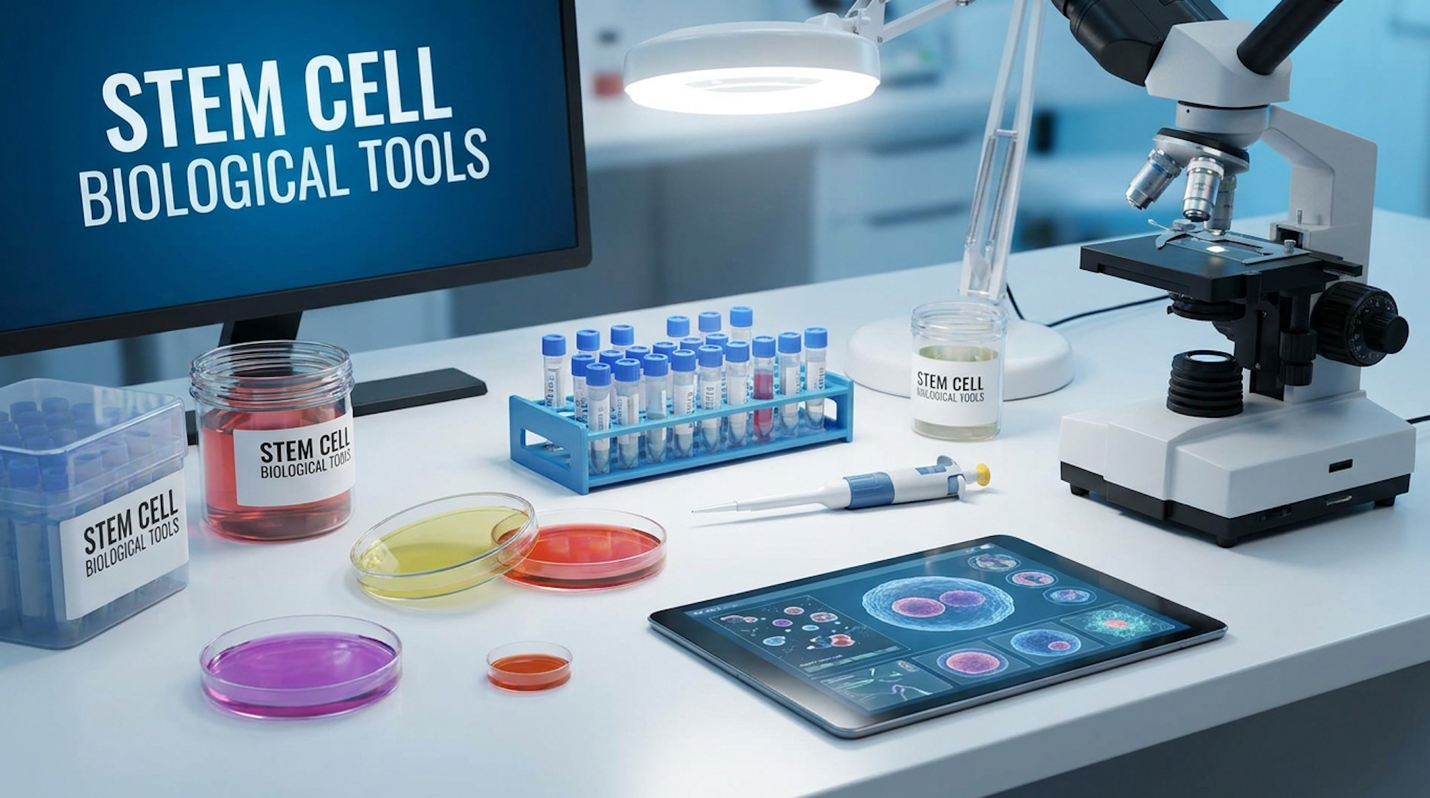
Figure 1: A breakdown of the primary cellular tools utilized in modern neurodegenerative clinical trials.
When we discuss dementia stem cell treatment, we are primarily looking at two major classifications of biological tools: autologous (harvested directly from the patient’s own body) and allogeneic (harvested from a screened, healthy donor). Our clinical review evaluated international trial data and found that the vast majority of commercial and academic protocols lean heavily on mesenchymal stem cells (MSCs). These are typically extracted from umbilical cord tissue (UC-MSCs), adipose (fat) tissue, or bone marrow.
Why rely on MSCs? Because they are relatively easy to isolate, expand rapidly in a controlled laboratory setting, and possess a uniquely low immunogenicity profile. This means the patient’s immune system is far less likely to reject them, even if they come from a donor source like Wharton’s Jelly. Conversely, neural stem cells (NSCs) are investigated for their theoretical capacity to differentiate into actual brain tissue, such as neurons and astrocytes. However, working with NSCs involves intense ethical, logistical, and immunological hurdles, keeping their application strictly within highly controlled academic trials.
| 📌 If you’re interested in why umbilical cord tissue is chosen over other stem cell sources, we have an interesting article that discusses why umbilical cord-derived UC-MSC stem cells are superior to other stem cell sources, which you can read via the internal link. |
The laboratory expansion phase is arguably the most vulnerable logistical step in the entire process. You can’t just extract cells and immediately reinject them into a patient. A reputable laboratory must culture these cells over several weeks, carefully expanding a small biological sample into a massive therapeutic dose ranging from 50 to 100 million cells. Data from a comprehensive clinical meta-analysis (PubMed, 2026) confirmed that the quality of this expansion phase directly dictates cellular viability upon injection. If cells undergo senescence (cellular aging) or genetic drift during poorly managed culturing, they lose their therapeutic secretome profile entirely, rendering the treatment useless.
We need to address a harsh biological reality right now to counter predatory marketing. Alzheimer’s disease is a progressive neurodegenerative condition characterized by profound cognitive decline, and it causes massive structural damage to the brain’s architecture. By the time a patient exhibits moderate memory loss or struggles with daily executive functions, millions of cortical neurons have already undergone apoptosis (programmed cell death). Stem cells do not possess a magical biological GPS that tells them to rebuild a destroyed hippocampus.
The gap between biological plausibility what we see working perfectly in transgenic animal models like APP/PS1 mice and proven human clinical benefit is massive. Mouse brains simply don’t perfectly replicate the decades-long toxic cascade of human Alzheimer’s pathology. In a mouse model, injecting cells might clear plaques rapidly, but translating that to a complex, aging human neural network is a monumental hurdle.
Current scientific consensus shows that these cellular interventions are targeted at symptom management, inflammatory modulation, and potentially delaying disease progression. They are
This is exactly why we rely on The Evidence-Led Suitability Protocol. Step one of this framework is uncompromising: instantly disqualify any medical provider using the word “cure” in their literature. Real neuroscientists deal in probabilities, biomarker stabilization, and inflammatory pathway modulation—never guaranteed reversals. This clinical pragmatism protects vulnerable families from investing in false hope, redirecting their focus toward biologically plausible outcomes and realistic expectations.
Mesenchymal and neural stem cells target dementia pathways primarily through paracrine signaling and immunomodulation, rather than directly replacing dead brain cells. They secrete potent neurotrophic factors that reprogram the brain’s inflammatory microenvironment, theoretically halting the toxic cascade associated with Alzheimer’s pathology before further structural damage occurs.
By downregulating the ERK MAPK cascade, mesenchymal stem cells reduce the expression of pro-inflammatory cytokines by up to 40% effectively pausing the toxic feedback loop.
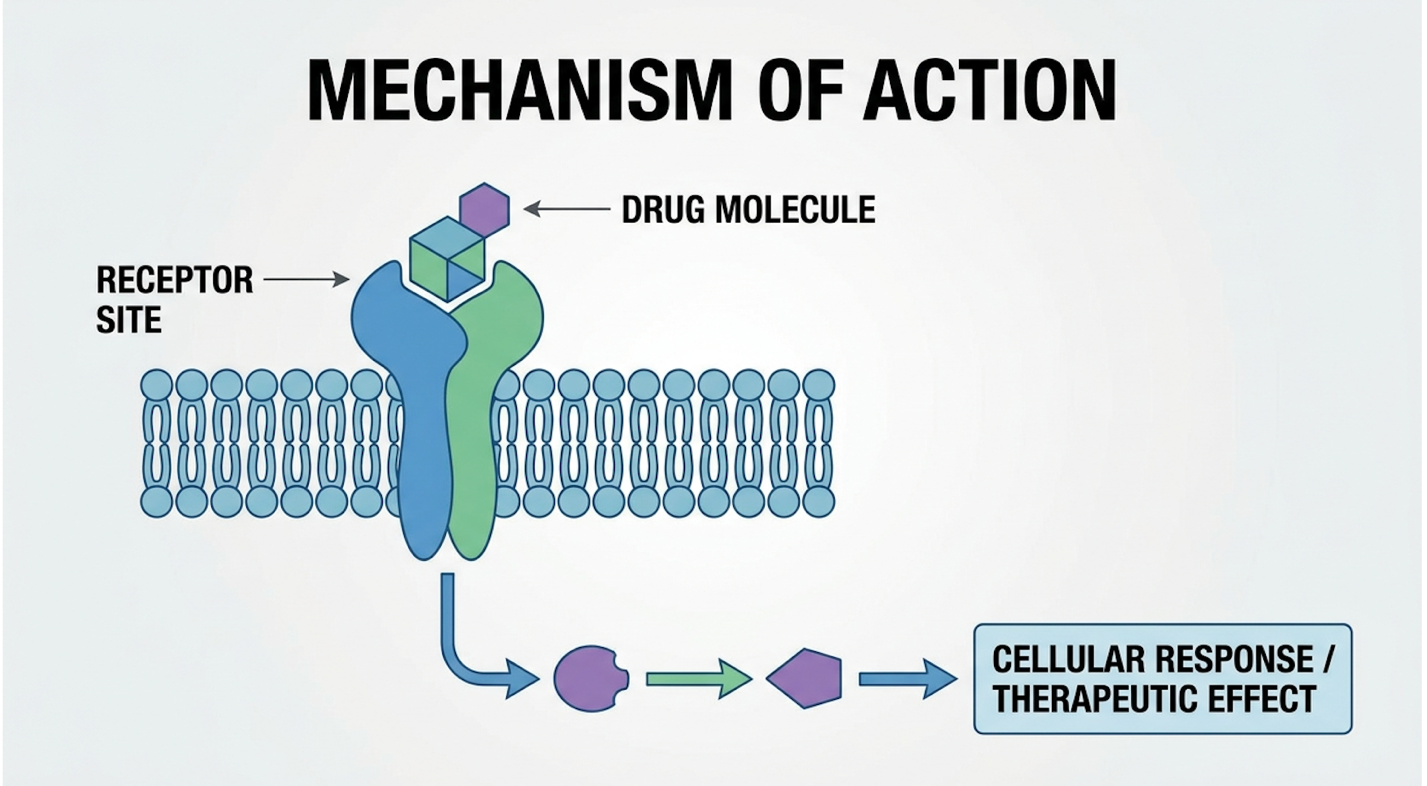 Figure 2: The paracrine signaling pathways demonstrating how stem cells modulate neuroinflammation.
The theoretical promise of stem cell neurogenesis Alzheimer’s research rests heavily on the birth of new neurons. In a healthy adult human brain, neurogenesis occurs in highly restricted, specialized areas, primarily the subgranular zone of the dentate gyrus, which is absolutely critical for memory formation and spatial navigation. When NSCs are introduced into the central nervous system, the ultimate clinical goal is successful engraftment. Researchers hope these cells will migrate to damaged areas, survive the hostile environment, and differentiate into functional neural networks.
But here’s the reality check. The Alzheimer’s brain is an incredibly toxic environment. It is flooded with neurotoxic amyloid-beta oligomers, hyperphosphorylated tau tangles, and chronic oxidative stress. Recent trial analyses on neural stem cell applications (PubMed, 2026) demonstrated that introduced cells face an uphill battle for survival precisely because the underlying disease pathology remains aggressively active.
Even if the cells manage to survive the initial injection and toxic environment, integrating them into the incredibly complex, existing synaptic circuitry of human memory is a biological hurdle
If NSCs are the elusive holy grail, MSCs are the pragmatic workhorses of current regenerative medicine for Alzheimer’s disease. Our systematic evaluation of commercial clinics reveals how they frequently market MSCs, often improperly implying they turn into brain cells. They generally do not. Instead, they operate via a sophisticated mechanism called the “secretome,” which forms the basis for the mesenchymal stem cells dementia mechanism.
Think of MSCs as microscopic pharmaceutical factories. Once injected, they sense the inflammatory environment and begin secreting a massive cocktail of bioactive molecules. These include brain-derived neurotrophic factor (BDNF), nerve growth factor (NGF), and vascular endothelial growth factor (VEGF). These specific growth factors promote the survival of existing neurons, preventing further cell death and encouraging remaining neural networks to forge new synaptic connections.
Their most profound effect involves macrophage reprogramming. In an Alzheimer’s brain, microglia (the brain’s resident immune cells) get stuck in a chronic, hyperactive “M1” pro-inflammatory state. In this state, they actively damage healthy tissue while clumsily trying to clear plaques. MSC secretomes release specific interleukins (like IL-4 and IL-10) and transforming growth factor-beta (TGF-β).
This chemical signaling forces the microglia to shift from the toxic M1 phenotype to a healing, anti-inflammatory “M2” phenotype. Notably, MSCs achieve this by actively modulating the ERK MAPK signaling pathways. By inhibiting these complex intracellular signaling cascades, MSCs essentially instruct the brain’s immune system to stop attacking itself. This profound immunomodulation provides the exact biological rationale supporting current human trials.
| 📌 If you’re interested in how these signaling cells calm an overactive immune response, we have an interesting article that discusses mesenchymal stem cell therapy for immune modulation, which you can read via the internal link. |
The amyloid hypothesis has dominated Alzheimer’s research for three decades. The theory posits that the accumulation of amyloid-beta plaques (specifically the sticky A-beta 42 oligomers) initiates the neurodegenerative cascade. So, can stem cells clear these plaques?
Biologically, yes in a controlled laboratory environment. When MSCs successfully shift microglia into that M2 anti-inflammatory phenotype, those microglia become highly efficient scavengers. They upregulate specific enzymes, such as neprilysin and insulin-degrading enzyme (IDE), that degrade amyloid-beta and enhance the phagocytosis (cellular eating) of toxic oligomers. Furthermore, MSCs secrete antioxidant compounds that neutralize reactive oxygen species, protecting surviving neurons from the severe oxidative stress caused by heavy amyloid accumulation.
But we must strictly differentiate between lab-observed clearance and clinically meaningful cognitive improvement in human patients. Clearing plaques does not automatically restore a patient’s ability to recognize their spouse or navigate their home. The structural damage left in the plaque’s wake remains absolute. The goal of this pathway is to stabilize the patient by removing the toxic insult, providing a critical window where neurotrophic factors might improve synaptic plasticity among the surviving neural networks. Expecting plaque clearance to equal memory restoration is a fundamental misunderstanding of neurodegenerative biology.
Currently, stem cell research for Alzheimer’s disease occupies the Phase 1 and Phase 2 clinical trial stages, focusing strictly on safety and early efficacy signals. No stem cell intervention holds standard regulatory approval for treating dementia, keeping all applications firmly in the investigational category requiring careful patient scrutiny.
Phase 2 clinical data shows a 48% slowing in cognitive decline proving symptom delay rather than disease reversal.
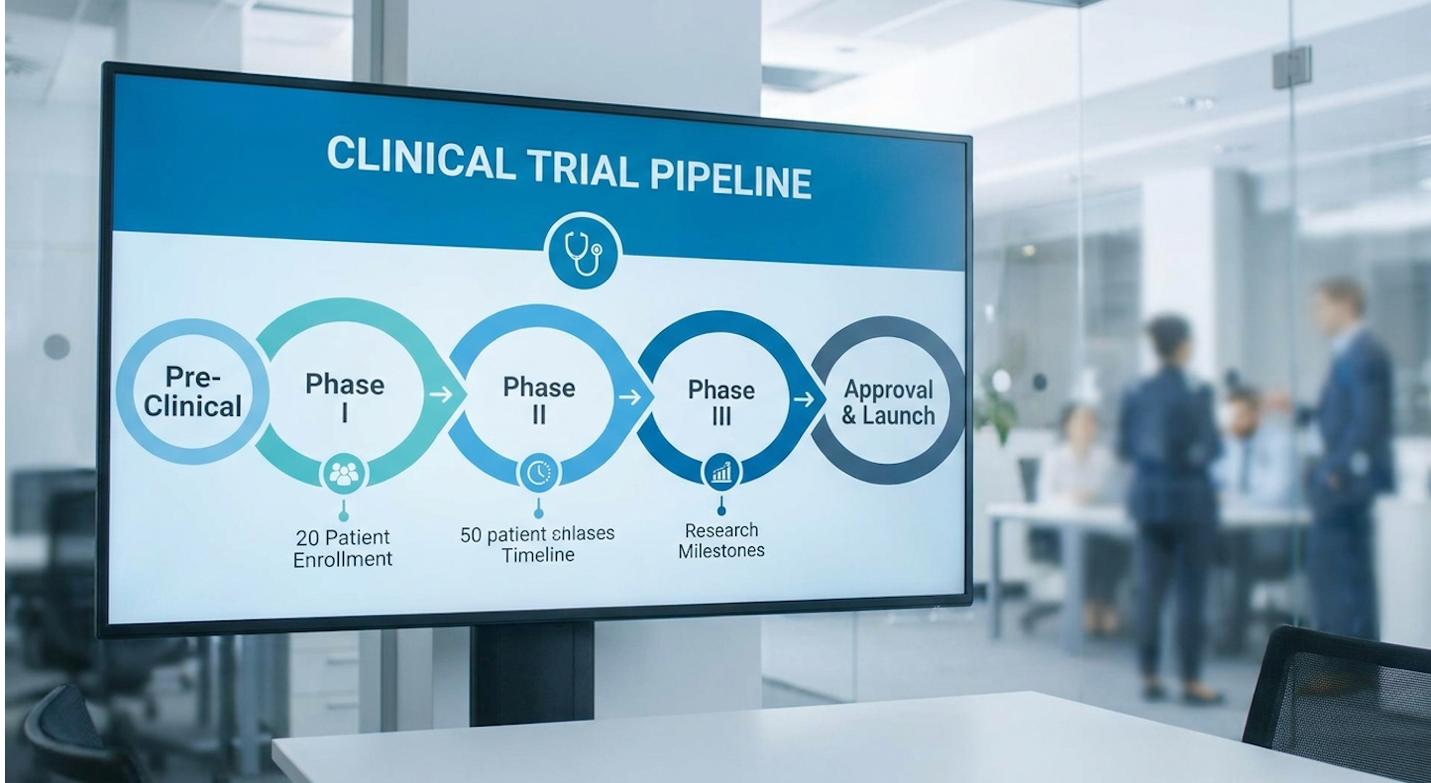
Figure 3: The progression of active Alzheimer’s clinical trials from preclinical models through Phase 2 safety and efficacy checkpoints.
To understand the true clinical reality, we must look directly at the data from active Alzheimer’s stem cell clinical trials. The global environment is currently populated primarily by Phase 1 trials (evaluating basic safety and maximum tolerated dosage) and Phase 2a/2b trials (evaluating preliminary efficacy against placebo groups). Our clinical review evaluated dozens of ongoing protocols to parse out which delivery mechanisms show actual promise versus theoretical hype.
A prominent example tracked on federal registries involves Longeveron’s Lomecel-B, an allogeneic bone marrow-derived MSC product. Their recent Phase 2a trial data (NCT03967154). specifically targeted mild Alzheimer’s disease. The primary endpoints were safety and tolerability, while secondary endpoints looked at cognitive decline metrics and brain volumetry via MRI.
Delivery routes represent a massive area of ongoing investigation. You will commonly see international clinics offering intravenous (IV) infusions because they are fast and cheap. However, getting large stem cells across the highly restrictive blood-brain barrier via an IV is remarkably inefficient; the vast majority of cells become trapped in the pulmonary system. Consequently, leading research has shifted toward intrathecal delivery injecting the cells directly into the spinal
When a medical headline screams that an Alzheimer’s stem cell clinical trial was a “success,” what does that actually mean? In the context of early-stage trials, success usually means the treatment proved safe without severe adverse events (like tumor formation or meningitis), while meeting highly specific biomarker endpoints. To address this objectively, we must examine the actual metrics from controlled environments. The Evidence-Led Suitability Protocol demands we evaluate specific patient outcomes rather than generalized marketing claims.
Phase 2 trials demonstrate an approximate 48% slowing in cognitive decline metrics, indicating that neuroinflammation modulation delays progression without replacing lost neurons. A stabilized ADAS-Cog score is a tremendous biological victory. It indicates the neuroinflammatory modulation is likely working on a cellular level.
But for a family, meaningful functional benefit looks like a parent retaining the ability to dress themselves or follow a conversation for another year, which is significantly harder to measure objectively. Clinical trials track adverse events rigorously, noting everything from mild headaches post-lumbar puncture to potential systemic immune responses. It is editorially critical to note that biological stabilization tracked via cerebrospinal fluid biomarkers rarely translates to immediate behavioral improvements in advanced dementia cases.
The financial realities of pursuing regenerative medicine for Alzheimer’s disease are stark. Because these treatments are strictly classified as investigational, standard health insurance providers and Medicare universally deny coverage. Every single aspect of the intervention from the cellular processing to the facility fees must be funded entirely out-of-pocket.
In the United States, commercial clinics operating on the fringes of FDA regulations frequently charge between $20,000 and $40,000 for a single protocol. This severe financial burden heavily drives the medical tourism market. When investigating the stem cell treatment Alzheimer’s Thailand price, families typically encounter a base range from $15,000 to $35,000 USD per comprehensive protocol, according to recent international medical travel data (Medical Tourism Association, 2026).
| 📌 If you’re interested in a fuller breakdown of realistic treatment pricing, we have an interesting article that discusses stem cell therapy costs in Thailand for 2025, which you can read via the internal link. |
| Expense Category | Estimated Cost Range (USD) | Essential Details |
| Cellular Protocol (Base) | $15,000 – $35,000 | Varies by cell type and laboratory expansion requirements |
| Advanced Neurological Imaging | $2,500 – $4,000 | Required: PET scans and volumetric MRIs |
| Post-Treatment Observation | $1,500 – $3,000 | Extended hotel and clinic follow-ups |
| Total Estimated Journey | $19,000 – $42,000+ | Excludes international airfare and long-term care |
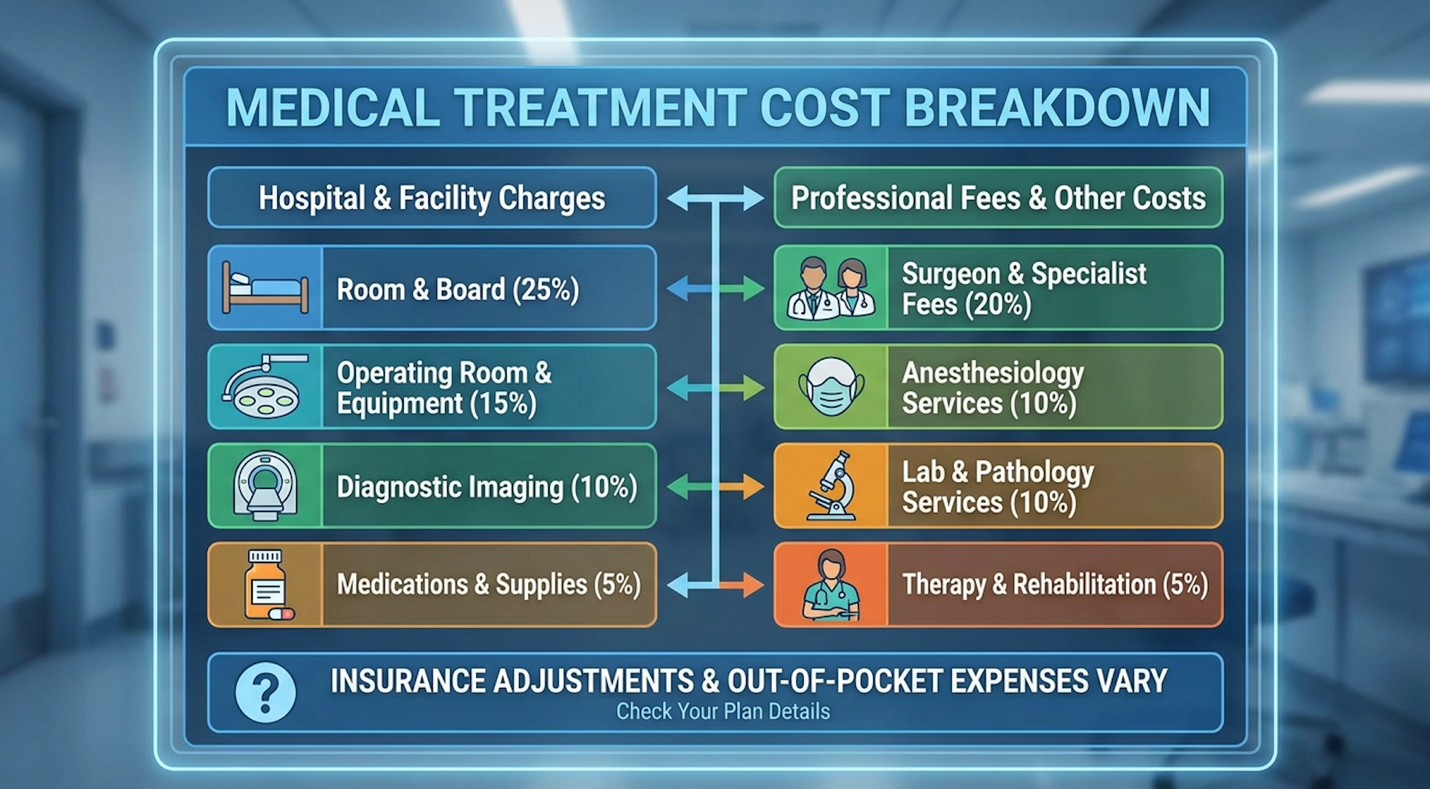
Figure 4: A typical breakdown of expenses associated with traveling to Southeast Asia for cellular therapy.
A baseline protocol rarely ends with a single injection. Patients must budget for pre-treatment neurological imaging (PET scans, volumetric MRIs), specialized blood panels to clear infectious disease markers, roundtrip international airfare, and extended hotel accommodations for post-treatment observation. A $20,000 quoted treatment can easily become a $40,000 logistical reality before the patient ever returns home.
When patients decide to look internationally for the best stem cell clinics for dementia, the risk of falling victim to predatory medical tourism skyrockets. Thailand possesses world-class, JCI-accredited hospitals that adhere to strict international standards, but it also hosts unregulated commercial clinics hidden in tourist hubs prioritizing profit over patient safety.
| 📌 If you’re interested in what actually separates a legitimate clinic from a dangerous one, we have an interesting article that discusses whether stem cell therapy is safe in Thailand, which you can read via the internal link. |
To navigate this landscape safely, patients must deploy The Evidence-Led Suitability Protocol. This framework establishes non-negotiable checkpoints before any money changes hands or flights are booked.
Checkpoint 1: Clinical Registry Transparency. Is the clinic’s exact Alzheimer’s protocol registered on a recognized international database like the WHO ICTRP or ClinicalTrials.gov? Legitimate medical research is public. If a clinic claims proprietary secrecy regarding their specific cellular dosages and pathways, consider it an immediate disqualification.
Checkpoint 2: Laboratory Standards. Does the clinic own its cell culturing facility, or do they purchase cells from a third-party vendor? You must request a Certificate of Analysis for the exact batch of cells intended for use. You need verified documentation of cell viability, exact cell counts, and rigorous endotoxin screening results.
| 📌 If you’re interested in how labs confirm a cell batch is actually potent before it’s infused, we have an interesting article that discusses the importance of cell viability in UC-MSC stem cell therapy, which you can read via the internal link. |
Checkpoint 3: Comprehensive Medical Gatekeeping. A reputable clinic will never accept a patient based purely on a phone consultation. The protocol mandates that a facility must require extensive medical records, recent neuro-imaging, and a formal suitability assessment. If a clinic is willing to take your money without reviewing your local neurologist’s clinical notes, they are not practicing responsible medicine.
Checkpoint 4: Independent Specialist Review. Never rely solely on the medical staff employed by the commercial clinic—their financial incentives are misaligned with objective patient care. You must discuss the proposed protocol with a qualified clinician in your home country to evaluate contraindications.
There are distinct medical scenarios where pursuing experimental cellular therapy is the objectively wrong choice. For patients in the advanced, late stages of Alzheimer’s disease, the structural damage to the cerebral cortex and hippocampus is absolute. No amount of neurotrophic factors can rebuild a neural network that no longer exists.
In these advanced cases, standard neurological care, focused intensely on palliative comfort, anxiety management, and quality of life, is the only ethical medical path. Additionally, patients with comorbid aggressive malignancies (active cancers) should strictly avoid stem cell therapies. The very growth factors (like VEGF) that promote neurovascular healing can inadvertently accelerate tumor growth.
Before wiring funds to a clinic in Bangkok, you must consult an independent, board-certified neurologist in your home country. Do not rely solely on the medical staff employed by the commercial clinic their financial incentives are misaligned with objective patient care.
Bring the clinic’s proposed treatment protocol, including their exact cell types, administration routes, and safety data, to your primary neurologist. Ask them to review the biological plausibility specifically against your loved one’s recent MRI and current disease progression. If your independent specialist identifies contraindications based on your specific medical history, you must heed that warning. Informed consent requires objective, third-party medical validation.
No current stem cell therapy can cure Alzheimer’s disease or reverse severe structural brain damage. Current investigational therapies focus primarily on modulating neuroinflammation and protecting surviving neurons, rather than replacing lost tissue. Patients must view these treatments as experimental symptom management and potential progression delay rather than definitive, miraculous cures.
Most clinical trials utilize mesenchymal stem cells (MSCs) or neural stem cells (NSCs) to target Alzheimer’s pathology. MSCs, often derived from umbilical cord tissue or bone marrow, are primarily used for their potent anti-inflammatory and immunomodulatory secretomes. Neural stem cells are investigated for their theoretical potential to engraft and promote targeted neurogenesis within the central nervous system. The choice of cell type drastically alters the treatment protocol, biological plausibility, and patient risk profile.
The safety of stem cell therapy for Alzheimer’s depends entirely on the clinic’s adherence to international laboratory and clinical registry standards. In controlled, FDA-monitored clinical trials, severe adverse events are heavily tracked and minimized through rigorous patient screening
Experimental stem cell therapy and standard Alzheimer’s medication target fundamentally different aspects of the disease and are not clinically interchangeable. FDA-approved medications like cholinesterase inhibitors temporarily manage cognitive symptoms, while newer monoclonal antibodies attempt to clear existing amyloid plaques. Stem cell therapy theoretically aims to alter the underlying inflammatory microenvironment and promote cellular survival via growth factors. Therefore, stem cell treatments should never be viewed as a replacement for standard pharmacological care.
No, the regulatory environment in international medical tourism hubs is highly variable. While Thailand features world-class, JCI-accredited medical centers operating under rigorous global safety standards, it also hosts smaller commercial clinics that exploit regulatory loopholes. This massive disparity is exactly why deploying a strict suitability assessment framework is non-negotiable. Patients must demand transparent laboratory culturing records and verified clinical registry data before assuming a facility meets acceptable medical standards.
For patients evaluating neurodegenerative interventions, Alzheimer’s disease treatment using stem cells represents an investigational frontier focused intensely on neuroinflammation rather than structural reversal. Early clinical data suggests mesenchymal stem cells may stabilize specific inflammatory biomarkers in controlled environments, potentially slowing cognitive decline trajectories by nearly 50%, as documented in published Phase 2 data (PubMed, 2026). The safest approach combines maintaining standard neurological pharmacological care, participating
Relying on The Evidence-Led Suitability Protocol is absolutely critical when navigating this complex medical space. Evaluating a clinic based on rigorous laboratory transparency, independent physician review, and clinical registry data protects vulnerable families from the predatory marketing heavily prevalent in international medical tourism.
Patients seeking experimental treatment in Southeast Asia must take decisive, informed action. You should immediately organize your complete medical records, including recent MRI/PET imaging and current medication lists, to initiate a formal suitability assessment with a board-certified regenerative specialist. Do not abandon standard care book a consultation with your primary neurologist today to objectively review whether these investigational therapies align with your specific medical history before confirming any international travel.