Our Services
Others
- DFPP
- Shockwave
- IV Drip

When patients and even primary care physicians ask exactly what is UC-MSC stem cell therapy used for, the answers often blur the line between rigorous clinical science and outright commercial fiction. Extensive analysis of trial protocols and patient outcomes in regenerative medicine reveals a stark reality. While umbilical cord mesenchymal stem cells (UC-MSCs) show immense biological plausibility for tissue regeneration and immunomodulation, navigating their actual clinical utility requires intense scrutiny.
Commercial offshore clinics frequently conflate established medical procedures with purely experimental interventions, putting desperate patients at massive financial and physical risk. To cut through the marketing noise, we developed The Evidence-Led Stem Cell Efficacy Matrix a rigorous diagnostic framework distinguishing between proven clinical applications, controlled experimental trials, and biologically plausible theory that lacks human data. By the end of this clinical guide, you will understand the exact mechanical applications, documented oncological risks, and complex regulatory standing of UC-MSCs. We’ll objectively analyze their efficacy in
When determining exactly what is UC-MSC stem cell therapy used for, patients must rigorously differentiate between established clinical applications and experimental trials using The Evidence-Led Stem Cell Efficacy Matrix.
To understand what is UC-MSC stem cell therapy used for across modern medicine, we have to look past the idea of these cells acting as simple replacement parts. They aren’t just biological building blocks. Umbilical Cord Mesenchymal Stromal Cells (UC-MSCs), a primary source of active progenitor cells, function more like sophisticated pharmaceutical factories. Once introduced into a damaged microenvironment, they secrete a massive array of cytokines, growth factors, and extracellular matrix proteins, including collagen and fibronectin, to orchestrate local repair.
This secretory function known as paracrine signaling is the core mechanism driving their regenerative capabilities. But biological capability doesn’t automatically translate to clinical success. According to recent clinical evaluations of UC-MSCs in regenerative applications, patient based on tissue type, local inflammatory load, and cell preparation methods. By applying The Evidence-Led Stem Cell Efficacy Matrix, we can strip away the commercial promises and evaluate what the medical application research actually supports in controlled human trials.
Clinical evaluations demonstrate that 80% of systemically infused MSCs initially trap in the lungs making targeted, localized delivery critically important for efficacy.
Let’s start with the most aggressively marketed application: orthopedic recovery, specifically knee articular cartilage repair. Avascular tissues like cartilage have a notoriously dismal capacity for self-healing. When you tear a meniscus or grind away hyaline cartilage through osteoarthritis, the body simply lacks the blood supply to deliver necessary repair cells directly to the joint space.
UC-MSCs address this biological deficit through localized trophic support. When injected intra-articularly, these cells don’t typically engraft and transform into new chondrocytes permanently. That is a massive misconception. Instead, they stimulate your existing, quiescent dermal fibroblasts and endogenous chondroprogenitors. Through the secretion of Transforming Growth Factor-beta (TGF-β) and Bone Morphogenetic Proteins (BMPs), UC-MSCs promote the synthesis of critical extracellular matrix proteins specifically collagen type II, fibronectin, and elastin. This targeted stimulation represents the core of modern joint preservation strategies.
A comprehensive review of arthroscopic data demonstrates the umbilical cord stem cell therapy benefits here are measurable, but they are not miraculous. A multicenter clinical trial published in Stem Cell Research & Therapy (2024) demonstrated that patients with moderate osteoarthritis experienced statistically significant reductions in WOMAC pain scores for up to 12 months following targeted intra-articular UC-MSC injections. However, treating a focal cartilage defect in a 35-year-old runner requires a fundamentally different approach and yields vastly different success rates than attempting to regenerate tissue in a 70-year-old joint completely stripped of its mechanical architecture.
In an osteoarthritic joint, the synovial fluid becomes highly toxic. It is saturated with pro-inflammatory cytokines and matrix metalloproteinases (MMPs) that actively degrade cartilage. UC-MSCs introduced into this hostile environment do not simply lay down new tissue; they first
Clinical evaluation of these joint injections requires precise, objective imaging. Clinicians utilize pre- and post-treatment MRI mapping, specifically T2 relaxation time sequences, to quantify the biochemical composition of the newly formed cartilage. This imaging reveals a stark reality: the regenerated tissue is frequently fibrocartilage a tougher, scar-like, less elastic substitute rather than the original, perfectly smooth hyaline cartilage. Understanding this biological distinction is absolutely critical for setting realistic patient expectations. The joint will operate with less pain and improved mechanics, but it will not structurally revert to the flawless architecture of a 20-year-old athlete.
This is exactly where The Evidence-Led Stem Cell Efficacy Matrix categorizes joint injections: they are scientifically validated for symptom modification and partial tissue regeneration in moderate disease, but they cannot reverse end-stage structural collapse. They require an existing biological scaffold to be effective.
While localized tissue repair relies heavily on extracellular matrix protein synthesis, treating systemic conditions requires a fundamentally different mechanism: immunomodulation. This is arguably the most promising frontier when evaluating an autoimmune diseases treatment protocol for conditions categorized by hyperactive immune responses, such as Rheumatoid Arthritis, Lupus, or Multiple Sclerosis.
Unlike conventional hematopoietic stem-cell transplantation (HSCT) which is an FDA-approved standard of care used to entirely reboot the immune system after chemotherapy for blood cancers commercial UC-MSC infusions for rheumatological conditions operate differently. They don’t replace your bone marrow. Instead, they actively reprogram your existing immune cells to calm systemic inflammation.
Clinical research demonstrates that UC-MSCs utilize paracrine signaling to physically force macrophage populations to undergo phenotypic reprogramming. When these cells detect high levels of inflammatory cytokines like Interferon-gamma (IFN-γ) and Tumor Necrosis Factor-alpha (TNF-α), they immediately upregulate the production of Indoleamine 2,3-dioxygenase (IDO) and Prostaglandin E2 (PGE2). This chemical response forces local macrophage populations to shift from the tissue-destroying M1 phenotype to the tissue-repairing M2 phenotype.
| 📌 If you’re interested in how UC-MSCs rebalance an overactive immune system, we have an interesting article that discusses mesenchymal stem cell therapy for immune modulation, which you can read via the internal link. |
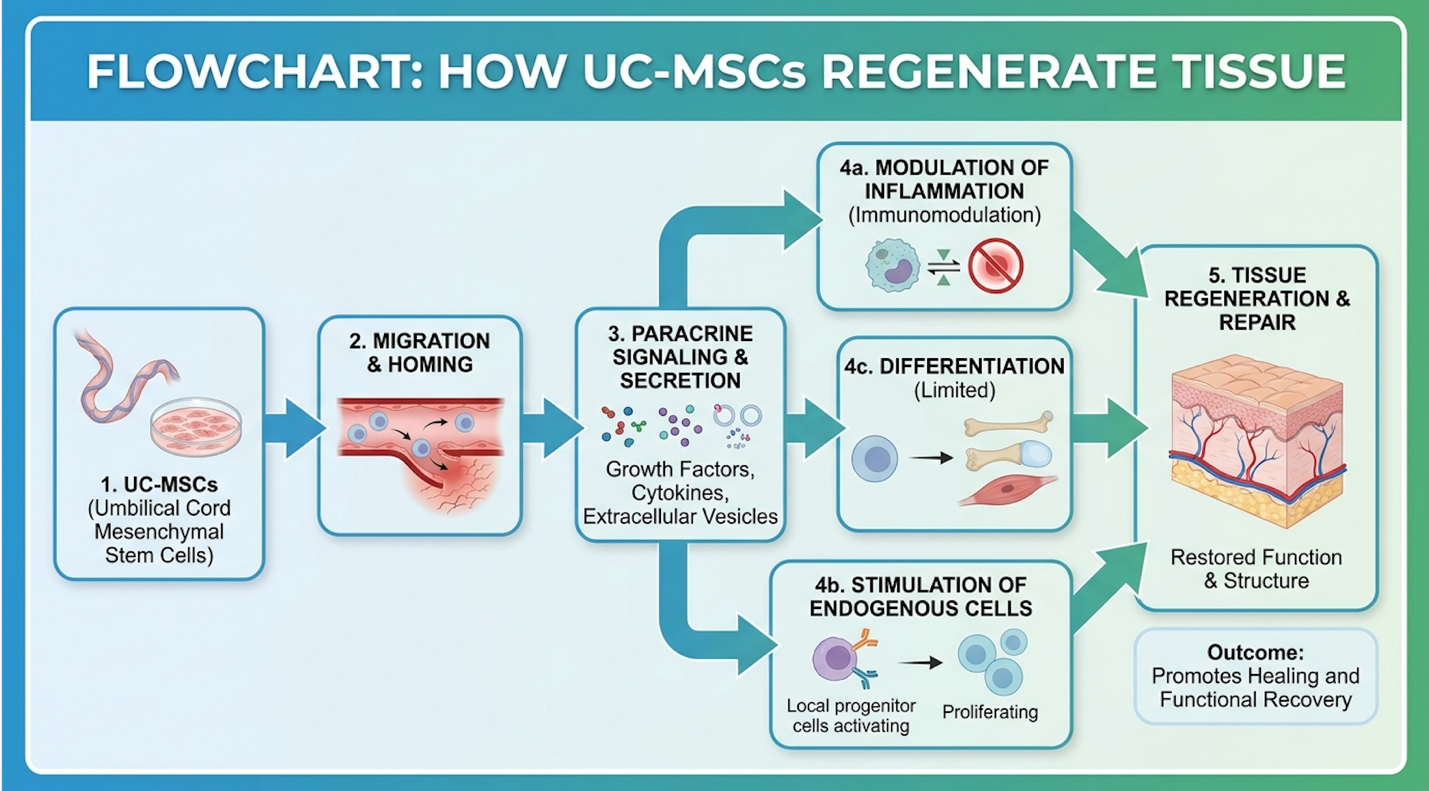
Figure 1: UC-MSC paracrine signaling pathways actively reprogramming macrophage phenotypes in inflamed tissue.
Furthermore, UC-MSCs actively inhibit Toll-like receptor signaling and promote the SIRT1 pathway, which induces the generation of regulatory T cells (Tregs). When integrating these cells into an autoimmune protocol, clinicians look for specific, validated endpoints rather than subjective pain reports. In Rheumatoid Arthritis trials, success is measured by rigorous reductions in the DAS28 (Disease Activity Score) and lowered C-reactive protein (CRP) levels. Biomarker analysis from controlled trials reveals that UC-MSCs actively downregulate the production of Interleukin-6 (IL-6). Concurrently, their signaling pathways promote the expansion of CD4+ CD25+ FoxP3+ regulatory T cells, which serve as the immune system’s natural braking mechanism against systemic self-attack.
Systemic administration introduces profound pharmacodynamic challenges. When UC-MSCs are infused intravenously, determining their exact biodistribution and engraftment longevity remains exceptionally difficult. Researchers use advanced bioluminescence tracking in models to observe cellular migration, noting that cells actively home in on sites of severe tissue injury and high inflammatory chemokine gradients. However, translating this targeted homing efficiency to human patients dealing with widespread, systemic inflammation requires extremely high therapeutic cell dosages to achieve the necessary immunomodulatory threshold.
For patients researching umbilical cord stem cells for autoimmune disease, the historical data is undeniably compelling. A comprehensive review published in Frontiers in Immunology (2023) showed measurable reductions in systemic inflammatory markers in treatment-resistant rheumatoid arthritis patients following intravenous UC-MSC delivery. But and this is a massive caveat these mesenchymal stem cell therapy applications remain strictly investigational under FDA guidelines.
The human heart presents a brutal, unforgiving environment for cellular survival post-infarction. Following a myocardial infarction (heart attack), the ischemic myocardium becomes a necrotic, highly inflamed zone that eventually replaces functional muscle with rigid scar tissue. Researchers have aggressively pursued UC-MSCs to prevent this fatal remodeling process.
The proposed mechanism here relies heavily on angiogenesis the formation of new vascular networks. UC-MSCs secrete massive amounts of vascular endothelial growth factor (VEGF), epidermal growth factor (EGF), and basic fibroblast growth factors (bFGF). When delivered directly to the ischemic boundary zone, these factors activate the ERK MAPK signaling pathway in local endothelial cells. This intense chemical signaling prompts the native cells to branch out and form new capillary networks, theoretically re-establishing blood flow and rescuing dying cardiomyocytes before they undergo apoptosis.
Measuring clinical success in these cardiac applications relies heavily on advanced, high-resolution imaging. Phase II trials utilize cardiac MRI to track the Left Ventricular Ejection Fraction (LVEF) and specific reductions in total infarct size over six to twelve months. A major
To overcome this mechanical limitation, modern research focuses on targeted endocardial catheter delivery systems and bio-engineered hydrogel scaffolds. These advanced delivery methods physically anchor the stem cells directly to the ischemic boundary zone, drastically improving local retention and maximizing paracrine output. Yet, applying The Evidence-Led Stem Cell Efficacy Matrix shows exactly where ischemic myocardium stem cells sit: firmly in the experimental trial tier. While small animal models consistently show measurable improvements, human trials have been frustratingly inconsistent.
If there is one area where commercial clinics aggressively overstep clinical reality and manipulate desperate patients, it is central nervous system regenerative medicine. Families facing devastating diagnoses like ALS, Parkinson’s, or severe spinal cord injuries frequently ask what conditions can umbilical cord stem cells treat in the brain and spinal cord.
The biological theory in isolation is fascinating. UC-MSCs secrete highly potent neurotrophic factors, including Brain-Derived Neurotrophic Factor (BDNF) and Glial Cell Line-Derived Neurotrophic Factor (GDNF). In highly controlled petri dishes, these proteins promote neurite outgrowth, protect existing neurons from apoptosis, and modulate the aggressive neuro-inflammation driven by overactive microglia in the brain.
For diseases like ALS or Parkinson’s, clinical endpoints are rigorously defined by functional rating scales, such as the ALSFRS-R or the UPDRS. While UC-MSCs readily secrete neuroprotective factors in a lab, translating this to human motor recovery is exceptionally difficult. The blood-brain barrier acts as a formidable fortress, severely limiting the penetration of peripheral IV infusions.
Consequently, researchers frequently utilize intrathecal administration injecting the cells directly into the cerebrospinal fluid. Despite this direct access, cell-based approaches have largely demonstrated only transient biomarker improvements, such as temporary reductions in microglial
Biological therapies offer incredibly novel mechanisms of action, but the downsides of stem cell therapy are substantial and frequently ignored by cash-pay clinics. We are talking about massive financial costs, highly variable patient responses, and a complex regulatory environment that is frankly disjointed. For patients looking into stem cell therapy for chronic disease, understanding the actual disadvantages of umbilical cord stem cells is just as critical as understanding their potential.
| 📌 If you’re interested in what UC-MSC treatment actually costs, we have an interesting article that discusses stem cell therapy costs in Thailand for 2025, which you can read via the internal link. |
If you walk into a clinic and the physician tells you there are zero risks because the cells are “natural,” walk out immediately. Every medical intervention carries a risk profile. To make an informed decision, we have to look unblinkingly at the oncological data, the actual duration of clinical benefit, and the reasons why the FDA frequently issues warnings regarding unregulated stem cell clinics.
Extensive clinical monitoring reveals that donor UC-MSCs typically undergo apoptosis within 28 days of administration confirming their benefits derive from temporary chemical signaling, not permanent tissue integration.
This is the most terrifying question for any patient: can stem cells turn cancerous? To answer this accurately, we must explain a fundamental biological distinction that mainstream media frequently gets wrong.
Embryonic stem cells are pluripotent. They possess the developmental capacity to form literally any tissue in the human body. Because of this raw, unrestrained power, embryonic cells carry a documented, high risk of forming teratomas tumors made of multiple tissue types (like bone, hair,
Mesenchymal stem cells (including UC-MSCs) are multipotent, not pluripotent. They are much further along the developmental pathway and are largely restricted to forming connective tissues like bone, cartilage, and fat. Crucially, MSCs exhibit a biological safety mechanism called “contact inhibition” meaning they generally stop dividing when they touch other cells in a confined space. Peer-reviewed oncological safety profiles show that UC-MSCs possess a profoundly lower risk of turning cancerous compared to their embryonic counterparts.
However, “lower risk” does not mean “zero risk.” Genomic stability is the primary safety metric. As MSCs are expanded across multiple passages in a laboratory to reach therapeutic doses (often tens of millions of cells), they endure severe replication stress. If cultured irresponsibly past passage 10, these cells can develop chromosomal abnormalities and undergo senescence. This vastly increases the risk of malignant transformation post-infusion. Is umbilical cord stem cell therapy safe? Yes, but only when processed in rigorously monitored, FDA-compliant environments that test for chromosomal stability prior to patient delivery.
Patients regularly ask: how long does stem cell therapy last? The glossy marketing brochures imply a permanent, structural fix. The biological reality tells a vastly different story regarding stem cell therapy duration.
When UC-MSCs are injected into a joint or infused systemically, they do not live forever in the host body. In fact, most infused allogeneic (donor) cells undergo apoptosis (programmed cell death) or are aggressively cleared by the patient’s reticuloendothelial system specifically the lungs, liver, and spleen within 14 to 28 days of administration. If the donor cells die within a month, how do patients experience relief for years? The answer lies back in paracrine signaling. The cells drop a massive payload of anti-inflammatory and regenerative signals that drastically alter the local tissue environment, kickstarting the patient’s intrinsic healing processes before fading away entirely.
Once the infused donor cells are cleared, the massive influx of anti-inflammatory cytokines begins to slowly dissipate. In rheumatological applications, patients frequently experience a “rebound effect” where local macrophage populations gradually revert from the tissue-repairing M2 phenotype back to the tissue-destroying M1 phenotype.
Because the half-life of these biological improvements is temporary, regenerative medicine frequently requires ongoing clinical monitoring and expensive retreatment protocols every 12 to 24 months. For localized orthopedic applications, longitudinal clinical studies indicate some patients report sustained functional outcomes for 18 to 36 months, but systemic autoimmune modulation often requires far more aggressive, sustained clinical intervention to maintain those initial benefits.
Why is stem cell therapy controversial today? A decade ago, the debate was entirely ethical, centered heavily on the destruction of human embryos to harvest pluripotent cells. Today, that ethical debate is largely obsolete in the context of UC-MSCs. Umbilical cords are classified as medical waste, ethically collected from healthy, full-term cesarean births with explicit, informed maternal consent. No embryos are involved whatsoever.
The modern controversy is purely regulatory and driven entirely by patient safety. The FDA regulates human cells under two distinct legal pathways, and clinics routinely exploit the confusion between them. Under Section 361 of the Public Health Service Act, tissues that are “minimally manipulated” and intended for “homologous use” (performing the same basic function in the recipient as in the donor) face lower regulatory hurdles.
But umbilical cord stem cells used to treat neurological diseases, osteoarthritis, or systemic inflammation unequivocally do not meet the criteria for homologous use. Under Section 351, utilizing these heavily processed cells for complex metabolic or systemic functions legally classifies them as biological drugs, necessitating rigorous, multi-phase Clinical Investigational New Drug (IND) trials before approval.
Countless direct-to-consumer clinics exploit these legal gray areas, aggressively marketing unapproved Section 351 biological drugs under the guise of Section 361 exemptions. This reckless
The explosion of regenerative medicine has fundamentally changed how we view biological waste at childbirth. Banking human umbilical cord-derived mesenchymal stem cells is now a massive global industry. But parents are often cornered in the delivery room with emotional marketing: pay thousands of dollars today, or potentially deny your child a lifesaving treatment tomorrow.
To strip the emotion from this highly pressurized decision, we have to look objectively at the cost, shelf-life, and practical utility of private versus public cord blood banking. The science of deep-freeze storage is incredible, but the financial realities require a cold, calculated assessment before signing a multi-decade storage contract.
Data indicates that the likelihood of a child needing their own privately banked cord blood for a standard pediatric treatment is exceptionally rare, falling below 0.04% prompting major medical associations to prioritize public donation.
The core consumer decision at birth involves choosing between altruistic donation and expensive private insurance.
Donating to a public registry is entirely free for the parents. The logistics of public donation require stringent maternal health screening and precise HLA (Human Leukocyte Antigen) typing. Once categorized, these cells become a vital, global resource used actively in FDA-approved, standard-of-care treatments for pediatric leukemias, lymphomas, and severe genetic blood disorders like sickle cell anemia. Donating to a public bank removes your legal ownership, but it introduces these powerful progenitor cells into a lifesaving international registry that anyone can access in an emergency.
Private family banking, conversely, costs significant money. You pay a private corporation to extract, process, and store the cells exclusively for your family. The marketing hook here is regenerative insurance: if you save stem cells from the umbilical cord, you have a genetically matched biological resource if your child ever develops a chronic disease.
While the autologous (self-to-self) match is perfect, the medical reality is exceedingly complex. If a child develops a genetic condition or pediatric leukemia, their own cord blood likely contains the exact same genetic defect that caused the disease, making their autologous stem cells medically useless for treatment. In these cases, they require allogeneic (donor) cells from a public bank anyway, negating the primary selling point of private storage.
If you pay to freeze these cells, exactly how long are stem cells from the umbilical cord good for? Cellular degradation stops entirely at -196°C. In the vapor phase of liquid nitrogen, biological time practically stands still. According to long-term cryopreservation viability studies stretching back over three decades, properly cryopreserved cells can remain viable almost indefinitely. Hematologists routinely thaw 25-year-old hematopoietic stem cells that engraft perfectly into patients without issue.
However, the freezing process itself is highly traumatic to living tissue. After extraction, processing the cells requires immense precision. The umbilical cord tissue must be transported under tightly controlled thermal conditions and processed in an ISO Class 7 cleanroom environment. If a commercial bank cuts corners using substandard reagents or allows temperature fluctuations during transit, the extracted cells will suffer widespread apoptosis before they even reach the freezer.
To prevent intracellular ice crystals from mechanically shredding the delicate cell membranes during the freezing process, technicians utilize toxic cryoprotectants like Dimethyl Sulfoxide (DMSO) paired with slow-rate, programmed freezers. Furthermore, maintaining the phenotypic integrity of UC-MSCs requires highly specific, GMP-compliant culture standards prior to the freezing process.
So, what are umbilical cord stem cells worth financially in the context of private storage? The economics are undeniably steep, and families must objectively evaluate the return on investment.
According to a longstanding policy statement from the American Academy of Pediatrics (AAP), the statistical likelihood of a child utilizing their own autologous cord blood for a standard pediatric treatment is currently estimated to be between 1 in 2,700 and 1 in 100,000. Families must weigh this extreme statistical improbability against the hard financial realities of long-term storage contracts.
Initial extraction and processing fees at reputable private facilities typically range from $1,500 to $2,500 upfront. After that, families are locked into non-negotiable annual storage fees ranging from $150 to $300 per year, which steadily increase with inflation. Over a standard 20-year period, the total umbilical cord stem cell therapy cost for private banking easily exceeds $5,000. Additionally, if the cells are ever actually needed, families face secondary costs for specialized medical couriers to safely transport the cryopreserved vials in liquid nitrogen dry shippers to a treatment facility.
Objectively evaluating this requires recognizing that you are largely paying for future, unproven potential. Currently, the FDA has not approved autologous UC-MSCs for the treatment of autism, cerebral palsy, or autoimmune conditions though clinical trials are heavily underway. You are placing a high-cost financial bet that medical science will catch up to biological plausibility by the time your family actually needs the intervention.
Public interest in regenerative medicine frequently outpaces rigorous clinical literature. The average patient dealing with chronic joint pain doesn’t read PubMed meta-analyses; they listen to long-form podcasts and watch elite sports. High-profile endorsements have single-handedly demystified these treatments, pulling them from niche academic laboratories into mainstream aesthetic and orthopedic clinics. But celebrity use does not equal FDA approval, and we have to separate the biological reality from the Hollywood spin.
Media analysis shows pop-culture endorsements overwhelmingly drive consumer demand—often conflating proven PRP injections with unverified, experimental UC-MSC therapies.
Long-form media has done more to market regenerative medicine than any pharmaceutical ad campaign in history. The “Joe Rogan stem cell therapy” narrative—where high-profile podcast guests routinely discuss traveling to offshore clinics in Colombia, Panama, or Mexico for massive intravenous cell infusions has created an unprecedented surge in consumer demand. These conversations often present anecdotal recovery stories as guaranteed medical facts, bypassing rigorous scientific debate.
Beyond orthopedic recovery, the lucrative aesthetic industry is aggressively pushing narratives surrounding “Kim Kardashian stem cells,” promoting UC-MSCs and derived exosomes as the ultimate anti-aging hack. Commercial claims suggest these exorbitant treatments can systemically reverse cellular aging, boost NAD+ levels, and rejuvenate dermal architecture. While enhancing dermal collagen density demonstrates biological plausibility in tightly controlled phase 1 trials, the systemic anti-aging claims remain wholly unverified by large-scale human data.
Critically applying The Evidence-Led Stem Cell Efficacy Matrix here is vital for patient safety. Does UC-MSC therapy for anti-aging skin have biological plausibility? Yes. Can it increase dermal collagen density in a tightly controlled clinical setting? Early data suggests it might. But these off-shore, unregulated infusions represent the most dangerous tier on the Matrix: commercial applications largely devoid of long-term peer-reviewed safety data, driven entirely by subjective celebrity anecdotes.
Professional athletes have always sought out the absolute edge of human recovery. The rapid rise of regenerative treatments in professional sports shifted mainstream focus heavily toward orthobiologics.
The famous Peyton Manning stem cell therapy story where the elite quarterback traveled to Europe in 2011 to treat a career-threatening neck injury kickstarted the modern era of off-shore stem cell
However, sports media frequently conflates entirely distinct biological treatments. A 2023 clinical review of orthobiologics in sports medicine emphasizes that elite athletes often use their own autologous bone marrow aspirate concentrate (BMAC) or simply Platelet-Rich Plasma (PRP) not allogeneic UC-MSCs. Furthermore, attributing an athlete’s accelerated recovery solely to a cellular injection aggressively ignores the massive reality of their situation. These individuals undergo grueling, multi-million-dollar daily physical therapy regimens. Their biological injections are a tiny fraction of a massive, comprehensively managed rehabilitation protocol.
Even when utilizing stem cell therapy for chronic inflammation treatment or orthopedic repair within an evidence-led framework, specific limitations exist. Cellular therapies are not magic bullets. There are distinct clinical scenarios where UC-MSCs are ineffective, contraindicated, or outright dangerous. Applying the Matrix requires understanding when to say no to cellular intervention.
Unregulated offshore clinics often lack GMP-compliant processing exposing patients to severe bacterial contamination and dangerous immunogenic reactions that conventional hospitals must subsequently manage.
| 📌 If you’re considering treatment abroad and want to know how to choose a safe clinic, we have an interesting article that discusses whether stem cell therapy is safe in Thailand, which you can read via the internal link. |
The most dangerous pitfall I see in clinical practice is patients assuming biological plausibility guarantees functional outcomes in severe neurodegenerative diseases. Just because a cell secretes neuro-protective factors in a lab does not mean injecting it into a patient with advanced ALS will restore motor neuron function.
Another massive pitfall involves the illusion of universal compatibility. While UC-MSCs are considered “immune-privileged” due to their low expression of Major Histocompatibility Complex (MHC) Class II molecules, they are not entirely invisible to a host immune system. Receiving
Perhaps the most critical error involves patients with rheumatoid arthritis halting proven conventional medications (like DMARDs or biologics) in favor of experimental stem cell infusions without physician oversight. According to an FDA statement on unapproved regenerative medicine products, abandoning standard-of-care treatments for unproven biologicals can lead to irreversible joint destruction and systemic organ damage.
There are mechanical realities that biology simply cannot overcome. If you have Grade 4, bone-on-bone osteoarthritis in your knee, where the joint space has completely collapsed and osteophytes (bone spurs) are physically grinding against each other, a stem cell injection is a profound waste of your money.
In cases of complete structural failure, surgical joint replacement (arthroplasty) remains the medically established, gold-standard alternative. Biological injections cannot replace destroyed mechanical architecture. Informed decision-making requires understanding that cellular therapies require at least a foundational scaffold of existing tissue to regenerate. They simply cannot build a new knee out of thin air.
Patients considering regenerative medicine must consult a board-certified specialist—such as a rheumatologist, neurologist, or orthopedic surgeon prior to booking any cash-pay treatments.
Do not rely on the medical opinion of the clinic selling you the cells. You need an independent expert to review your recent imaging (MRIs, X-rays), inflammatory markers, and comprehensive medical records. Only a qualified clinician can determine if your specific pathology possesses the cellular microenvironment necessary to benefit from UC-MSCs, or if you are simply exposing yourself to financial toxicity and severe medical risk.
Umbilical cord stem cells are used primarily in clinical trials for immunomodulation and tissue regeneration. Research focuses on treating severe autoimmune diseases, repairing knee articular cartilage, and addressing specific cardiovascular conditions like ischemic myocardium. Because they secrete complex extracellular matrix proteins, they heavily influence local tissue repair and reduce chronic inflammation. However, many applications for neurological or degenerative conditions remain strictly investigational. Patients must undergo rigorous suitability assessments by qualified specialists before pursuing any cellular treatment.
The primary disadvantages include high financial costs, lack of FDA approval for many conditions, and highly variable patient outcomes. Because these treatments are largely investigational, insurance rarely covers the procedures, resulting in massive out-of-pocket expenses that patients must bear alone.
The duration of stem cell therapy benefits typically ranges from six months to several years, depending entirely on the specific diagnosis, local tissue microenvironment, and patient biology. In orthopedic applications like knee osteoarthritis, some patients report sustained functional outcomes and pain reduction for up to three years. For systemic autoimmune conditions, the immunomodulatory effects may require ongoing clinical monitoring and potential retreatment protocols. Stem cell therapy is rarely a permanent cure; patients should expect a trajectory of temporary biological improvement rather than immediate, lifelong disease reversal.
Mesenchymal stem cells (MSCs) possess an inherently low risk of turning cancerous compared to embryonic stem cells. Unlike pluripotent embryonic cells, which can aggressively form teratomas, adult and umbilical cord-derived MSCs generally exhibit contact inhibition and do not
Modern stem cell therapy is controversial primarily due to unregulated clinics marketing unproven treatments directly to consumers. While historical ethical debates centered on the destruction of embryonic tissue, today’s regulatory scrutiny focuses entirely on patient safety and deceptive efficacy claims. Major health authorities frequently issue warnings against facilities offering experimental MSC therapies for incurable diseases without conducting formal, FDA-approved clinical trials. This commercial exploitation undermines the legitimate, evidence-led research occurring in recognized medical institutions worldwide.
When determining exactly what is UC-MSC stem cell therapy used for, patients must look past aggressive commercial promises directly to peer-reviewed data. While current research definitively shows these cells excel at immunomodulation with major clinical reviews detailing significant reductions in systemic inflammatory markers their application in complex neuro-musculoskeletal diseases requires strict, ongoing clinical validation. The most effective approach combines cautious optimism regarding their biological plausibility with uncompromising, rigorous medical evaluation.
Applying The Evidence-Led Stem Cell Efficacy Matrix protects patients from predatory, unproven therapies. By categorically filtering treatments into established protocols, controlled clinical trials, and purely experimental theories, individuals can accurately separate genuine paracrine signaling capabilities from dangerous marketing hype. This framework fundamentally changes how you assess biological risk, manage long-term expectations, and determine genuine clinical value in the rapidly expanding field of regenerative medicine.
For patients seriously considering regenerative medicine, taking immediate, informed action is essential. Compile your comprehensive medical records, request your most recent MRI scans, and