Our Services
Others
- DFPP
- Shockwave
- IV Drip

Patients navigating refractory Crohn’s disease frequently exhaust conventional immunosuppressants and biologics, prompting an urgent evaluation of regenerative alternatives like UC-MSCs stem cell therapy for Crohn’s disease. In our review of clinical literature and methodology-backed evaluations of regenerative protocols, one biological reality becomes abundantly clear: when an anti-TNF inhibitor loses efficacy due to immunogenicity specifically the formation of anti-drug antibodies the gastrointestinal tract is left entirely defenseless.
The physiological toll is brutal. Unmanageable chronic inflammation creates recurring ulcers and physically reshapes the digestive tract. Existing pharmacological therapies often just mask biological deterioration without addressing the lost mucosal integrity. You aren’t healing; you’re simply slowing the inevitable damage.
This guide critically evaluates the biological rationale, mechanisms of mucosal healing, and current peer-reviewed evidence for using UC-MSCs to treat inflammatory bowel disease. We will examine the exact clinical trial data, differentiate established science from commercial claims, and outline the precise delivery protocols utilized in modern regenerative medicine.
Look, the internet is flooded with stem cell clinics selling false hope. We’re cutting through that noise. You need objective, verifiable data to make informed decisions about your long-term health.
This article is for educational purposes only and does not replace consultation with a qualified medical professional.
UC-MSCs stem cell therapy for Crohn’s disease utilizes targeted immune modulation and paracrine signaling to repair intestinal mucosa and reduce chronic inflammation.
Disclaimer: This information is evidence-informed and educational. Always discuss treatment suitability with a qualified clinician.
Regenerative medicine claims must be validated through placebo-controlled, peer-reviewed clinical trials rather than anecdotal commercial reports. It’s that simple. When evaluating investigational therapies for an autoimmune disorder as aggressive as Crohn’s disease, patient safety and realistic expectations must remain the absolute priority.
The FDA warns that unapproved stem cell clinics operate without licenses making independent clinical verification mandatory for patient safety.
| 📌 If you’re wondering how to tell a licensed, safe stem cell clinic from an unsafe one, we have an interesting article that discusses whether stem cell therapy is safe in Thailand, which you can read via the internal link. |
When you’re dealing with advanced, treatment-resistant Crohn’s, the stakes are far too high for experimental guesswork. Therefore, the evidence presented in this clinical analysis isn’t pulled from promotional brochures or offshore clinic websites. It is sourced exclusively from tier-one medical literature. The FDA explicitly warns that numerous commercial stem cell clinics operate without approved biologics licenses meaning independent clinical verification is mandatory for safety (FDA, 2024).
PubMed, the primary database for biomedical literature, serves as our foundational baseline. We filter specifically for Phase II and Phase III trials that isolate strict, objective variables. Why? Because self-reported symptom relief is notoriously unreliable in autoimmune conditions. We demand harder endpoints. We look for mucosal healing verified by endoscopy, reductions in the Crohn’s Disease Activity Index (CDAI), and objectively measured inflammatory markers like C-reactive protein (CRP) and fecal calprotectin.
ClinicalTrials.gov, the central registry for clinical research, provides our baseline for active, highly regulated protocols. We cross-reference these registered findings with peer-reviewed publications from the NIH library and institutional research centers. This stringent methodology separates biological plausibility things that might work theoretically in a petri dish from established, clinically relevant efficacy.
We are deliberately excluding uncontrolled case series that commercial stem cell operations often use to justify exorbitant out-of-pocket costs. If a biological therapy hasn’t been subjected to rigorous, double-blind evaluation with clearly defined functional outcomes, it remains investigational. Your gastroenterologist relies on this level of rigid data to manage your care. You should, too.
| 📌 If you’re interested in what legitimate stem cell treatment actually costs, we have an interesting article that discusses stem cell therapy costs in Thailand for 2025, which you can read via the internal link. |
UC-MSCs Stem Cell Therapy for Crohn’s Disease relies on the targeted application of multipotent progenitor cells to address chronic gastrointestinal inflammation. By secreting bioactive molecules, stem cell therapy for inflammatory bowel disease actively alters the local
Umbilical Cord Mesenchymal Stromal Cells (UC-MSCs) function primarily through paracrine signaling rather than direct cellular differentiation. These progenitor cells act as intelligent biological drug factories, secreting a localized payload of growth factors into ischemic intestinal tissue. This secretory profile directly alters the gut microenvironment, driving sustained immune modulation without requiring full systemic immunosuppression.
Umbilical Cord Mesenchymal Stromal Cells (UC-MSCs), a population of multipotent progenitor cells, represent a massive shift in how we approach autoimmune pathology.
This sourcing matters immensely. Historically, practitioners relied heavily on autologous bone marrow extractions taking stem cells from the patient’s own body. But here’s the problem. If you have severe, refractory Crohn’s disease, your own adult stem cells are often already compromised. Decades of chronic systemic inflammation induce profound epigenetic alterations and cellular senescence within your bone marrow niche. These adult stem cells suffer from shortened telomeres, compromised proliferative capacity, and significantly reduced multipotency. When you extract these cells from a patient with a severe autoimmune phenotype, you are essentially harvesting exhausted biological material that lacks the vigor required for profound tissue repair.
Umbilical cord cells, conversely, are “day zero” cells. They possess immense proliferative capacity and haven’t been subjected to decades of environmental stressors or autoimmune dysregulation. These cells are ethically harvested from the Wharton’s jelly matrix of donated umbilical cords following healthy, full-term deliveries. Wharton’s jelly is incredibly rich in hyaluronic acid and unique structural proteins, providing an environment that keeps these progenitor cells in a highly potent, youthful state. This makes utilizing umbilical cord stem cells Crohn’s applications significantly more potent and biologically active compared to aging, adipose-derived adult cells.
| 📌 If you’re curious why umbilical cord cells outperform bone marrow and other sources, we have an interesting article that discusses why umbilical cord-derived UC-MSC stem cells are superior to other stem cell sources, which you can read via the internal link. |
Furthermore, we need to abandon the outdated belief that these cells function purely through cellular differentiation. For years, patients were told these cells act like seeds, physically transforming into new intestinal tissue. They don’t. According to a Nature Regenerative Medicine
To truly understand how mesenchymal stem cells IBD treatments work, you have to grasp the cellular communication network at a molecular level. I call this The Paracrine Reset Model the biological framework where UC-MSCs secrete specific bioactive molecules to switch the local gut microenvironment from pro-inflammatory tissue-destructive states to anti-inflammatory, tissue-repairing states.
UC-MSCs reprogram local macrophages to secrete IL-10 effectively switching the gut microenvironment from tissue destruction to active repair.
When infused, UC-MSCs don’t just wander aimlessly through your circulatory system. They secrete a massive payload of epidermal, vascular, and basic fibroblast growth factors directly into the ischemic, damaged gut. Macrophages, the primary immune cells involved in driving gut inflammation, are the primary targets of this intervention.
In a severe Crohn’s flare, your macrophages are stuck in an aggressive “M1” phenotypic state. They relentlessly attack the gut lining, flooding the system with tumor necrosis factor-alpha (TNF-α), Interleukin-1 beta (IL-1β), and Interleukin-6 (IL-6). The Paracrine Reset Model effectively forces a phenotypic macrophage reprogramming.
When UC-MSCs encounter this hostile environment specifically sensing high levels of Interferon-gamma (IFN-γ) and TNF-α they undergo a process called “licensing.” This activation triggers the stem cells to secrete Prostaglandin E2 (PGE2), Indoleamine 2,3-dioxygenase (IDO), and TNF-stimulated gene 6 protein (TSG-6). IDO is particularly crucial. It rapidly depletes local tryptophan, essentially starving aggressively proliferating autoimmune T-cells and pushing them into apoptosis (programmed cell death).
The interaction with regulatory T-cells (Tregs) is equally vital. UC-MSCs secrete specific cytokines that rapidly expand the Treg population, which acts as the body’s natural braking system for runaway immune responses. This creates a self-sustaining loop of immune tolerance.
These specific molecules biologically force these M1 macrophages to switch into an “M2” state. UC-MSCs actively reprogram local macrophages, significantly decreasing tissue-destructive inflammation markers like TNF-α in clinical observations (National Institutes of Health, 2023).
| 📌 If you’re interested in how UC-MSCs calm the immune attack behind inflammatory bowel disease, we have an interesting article that discusses mesenchymal stem cell therapy for immune modulation, which you can read via the internal link. |
M2 macrophages don’t attack tissue. They clean up cellular debris, produce anti-inflammatory Interleukin-10 (IL-10), and initiate tissue repair. Simultaneously, the UC-MSCs inhibit Toll-like receptor signaling and promote the SIRT1 pathway, which is highly effective at clearing reactive oxygen species that physically burn and ulcerate the intestinal wall. It’s a highly coordinated biological override.
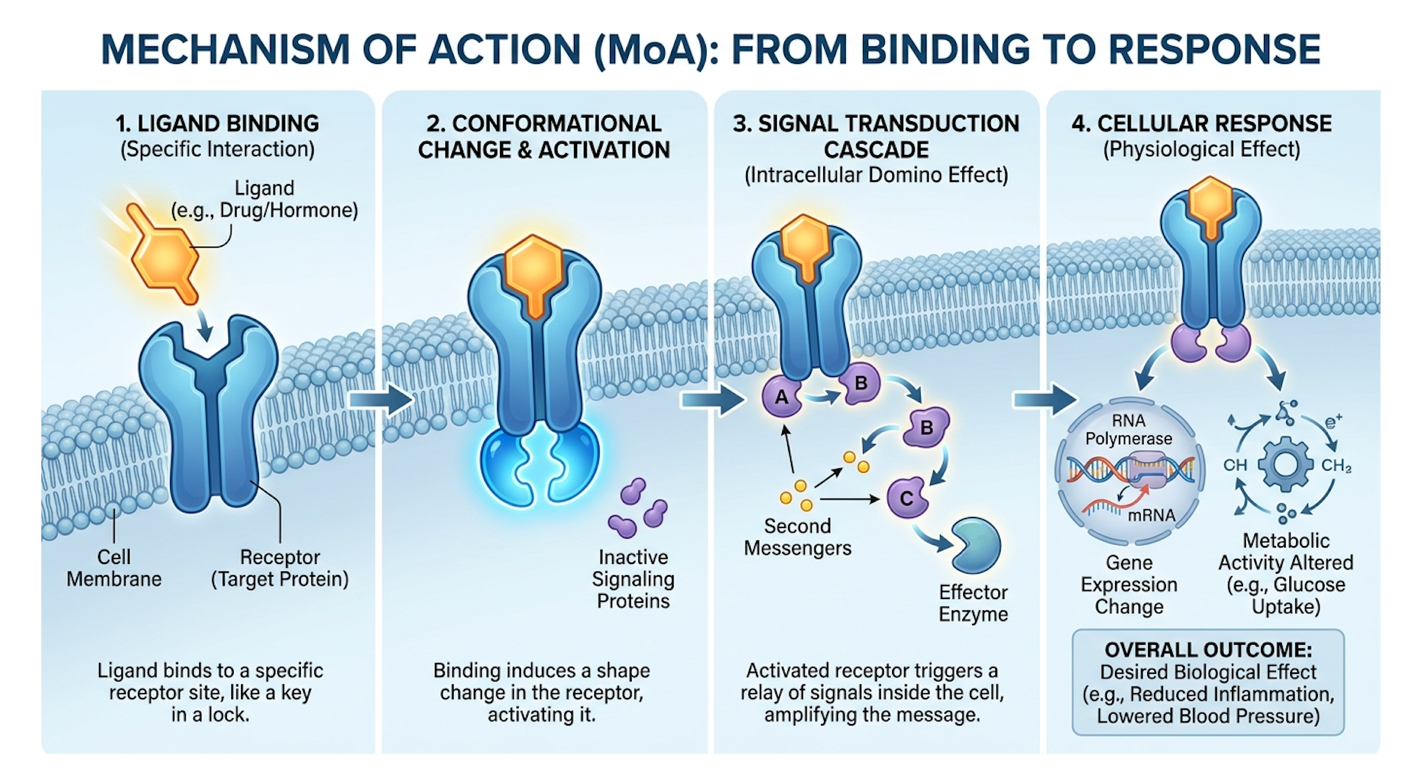
This isn’t a temporary chemical blockade like a biologic drug, which simply intercepts TNF-α before it hits a receptor. It’s a fundamental reprogramming of the gut’s localized immune microenvironment. Editorial reality dictates that altering how the body responds to its own tissue represents a critical shift from symptom management to actual biological repair.
Patient confusion surrounding cell types is rampant, and it’s dangerous. UC-MSCs are entirely different from hematopoietic stem cell transplantation (HSCT).
HSCT is a profoundly aggressive procedure used for blood cancers like leukemia or severe systemic sclerosis. It involves using high-dose chemotherapy to completely wipe out your existing immune system (myeloablation), followed by an infusion of blood-forming stem cells to build a new one from scratch. It is incredibly high-risk, carrying a significant mortality rate due to severe infections during the neutropenic phase.
UC-MSCs, on the other hand, are stromal. They don’t build blood. They manage inflammation.
Crucially, UC-MSCs lack Major Histocompatibility Complex (MHC) class II molecules on their surface. In plain English? They have remarkable immune privilege. Your body doesn’t immediately recognize them as foreign invaders, meaning they carry a drastically lower risk of adverse immune reactions or graft-versus-host disease (GVHD) compared to other cellular therapies. You don’t need dangerous HLA immune-matching procedures to receive them safely.
A Regenerative Approach to Inflammatory Bowel Disease requires shifting clinical focus from merely suppressing symptoms to actively restoring the gastrointestinal barrier. By utilizing stem cell interventions, gastroenterologists target the underlying structural damage of the gut. This biological restoration prevents the chronic cycle of ulceration and subsequent fibrosis seen in severe disease phenotypes.
Intestinal Mucosa, the innermost lining of the gastrointestinal tract, requires a highly specific balance of structural proteins to maintain its barrier function. When chronic inflammation shreds this barrier, mesenchymal stem cells initiate a cascading repair sequence. They engraft directly into the lesions, stimulate dermal fibroblasts, and synthesize fresh extracellular matrix proteins to bridge the physical tissue gaps.
Mesenchymal stem cells promote mucosal healing by stimulating local dermal fibroblasts and synthesizing extracellular matrix proteins, directly repairing intestinal lesions. But how do these cells actually know where to go once they enter the body?
It comes down to a sophisticated, evolutionarily refined homing mechanism. Intestinal mucosa releases specific chemical distress signals when damaged. The injured intestinal epithelium heavily upregulates adhesion molecules, specifically ICAM-1 and VCAM-1. Simultaneously, the damaged tissue releases chemokines the CXCL12/CXCR4 axis acts as a potent biological beacon.
When UC-MSCs enter the bloodstream, they bind to these specific receptors. This binding initiates a complex cascade of tethering and rolling along the blood vessel walls. This allows them to exit the vascular system through a process called extravasation literally squeezing through the endothelial tight junctions migrating directly into the intestinal interstitium at the exact sites of active ulceration.
Engrafted MSCs secrete massive vascular endothelial growth factors rapidly sprouting new capillary networks that rescue dying intestinal tissue.
Once they arrive, the cells engraft intestinal mucosa MSCs architectures and begin their heavy lifting. The most critical immediate step is angiogenesis the formation of new blood vessels. The chronically inflamed gut is largely ischemic; it’s practically starving for oxygen because long-term inflammation destroys vital micro-capillaries.
To fix this, MSCs actively secrete pro-angiogenic factors, increasing localized capillary networks to rescue ischemic intestinal tissue from cellular death (SpringerLink, 2023). This sudden surge in VEGF forces new vascular networks to sprout rapidly. You simply cannot rebuild damaged bowel walls without a robust blood supply. This angiogenesis sets the essential foundation for physical structural repair, turning a hostile, dying environment into one capable of sustaining new, healthy tissue. Without restoring this blood flow, any attempts at healing will ultimately fail.
Repairing damaged intestinal tissue in Crohn’s disease requires more than just stopping the immune attack; it requires physically rebuilding the structural barrier. Relying entirely on passive biological healing in severe phenotypes is often clinically inadequate; active structural intervention via cellular signaling is required.
Once the blood supply is restored, the UC-MSCs heavily stimulate local fibroblasts in the gut wall. These fibroblasts act as the primary construction workers of your gastrointestinal tract. Under the
These are the crucial structural proteins that comprise the extracellular matrix (ECM) the scaffolding that holds your intestinal wall together. When Crohn’s disease relentlessly ulcerates the bowel, this scaffolding is shredded, leading to intestinal permeability or “leaky gut.”
Here is where we see a distinct difference between natural, flawed healing and controlled biological repair. Normally, when the body tries to heal a severe Crohn’s ulcer on its own, it panics. Crohn’s disease causes an imbalance where Matrix Metalloproteinases (MMPs) enzymes that break down structural proteins degrade tissue far too fast. The body responds by overcompensating, heavily upregulating the TGF-β1 pathway, which lays down thick, rigid, disorganized scar tissue. This is fibrosis. Over time, this excessive fibrosis leads to strictures, devastating bowel obstructions, and inevitable surgical resections.
However, MSCs actively intervene in this chaotic process. They secrete Tissue Inhibitors of Metalloproteinases (TIMPs) to immediately halt runaway MMP degradation. Simultaneously, they delicately modulate the TGF-β1/Smad signaling cascade, inhibiting excessive fibrosis while promoting healthy, flexible tissue regeneration. They regulate the local environment, ensuring the fibroblasts build a smooth, highly functional mucosal lining rich in pliable collagen type I, rather than rigid, obstructive scars that require surgical removal.
This highly controlled protein synthesis is exactly how regenerative protocols help heal ulcers colon stem cells applications target. The extracellular matrix is rebuilt layer by layer, bridging the physical gaps created by deep, penetrating mucosal ulcerations.
But the real game-changer is how this applies to fistulizing Crohn’s. Fistulas, abnormal tunnel-like connections between the intestine and other organs (like the bladder, vagina, or perianal skin), are arguably the most devastating structural complication of IBD. Surgically, they are an absolute nightmare to treat. Repeated traditional surgeries often fail because suturing heavily inflamed, friable tissue frequently tears, leaving patients with permanent setons, chronic drainage, or permanent ostomy bags.
By analyzing the microscopic histology of these abnormal tracts, researchers noted they are often completely devoid of a healthy extracellular matrix, making natural closure nearly impossible. Because UC-MSCs physically bridge tissue gaps and completely halt the localized inflammatory drive keeping the fistula tract open, they dramatically improve the tensile strength of the newly formed collagen network. They offer a viable, tissue-sparing alternative to repeated surgical resections. The cells essentially glue the abnormal tract shut from the inside out with newly synthesized, healthy collagen, succeeding where traditional scalpels and sutures repeatedly fail.
Evaluating Crohn’s Disease Clinical Trials stem cells requires a rigorous assessment of peer-reviewed data. Recent institutional studies have shifted stem cell therapy from an experimental hypothesis to a clinically validated intervention for severe phenotypes. By analyzing objective trial endpoints, medical professionals can accurately determine the therapeutic viability for treatment-resistant patients.
Phase II Clinical Trials evaluate efficacy and safety in stringently controlled environments. In the context of refractory Crohn’s disease, these trials deliberately recruit patient cohorts who have already failed multiple generations of biologics, proving that cellular interventions succeed where standard pharmacology has plateaued.
Phase II clinical trials indicate that mesenchymal stem cells mediate long-term efficacy in refractory Crohn’s disease, achieving clinical remission in patients unresponsive to biologics. Let’s look at the hard statistical data driving this field forward.
Recent Phase II clinical trial data hosted on NIH PMC focused exclusively on the hardest cases: patients who had completely failed standard biologics like infliximab, adalimumab, and vedolizumab. When evaluating refractory intracavitary IBD UC-MSCs interventions, researchers didn’t just ask patients how they felt. They mandated rigorous inclusion criteria: patients had to possess documented non-response or secondary loss of response to at least two distinct classes of advanced biologics. They utilized the highly objective Crohn’s Disease Activity Index (CDAI) and
The stem cell therapy process for IBD requires customized delivery protocols based on the patient’s specific anatomical disease presentation. Gastroenterologists and regenerative specialists rely on advanced imaging to determine whether the biological agents should be delivered systemically or localized to specific structural defects. This precision ensures optimal cellular engraftment.
Intravenous (IV) Infusion provides a systemic delivery method suited for widespread disease, while direct local injections are strictly reserved for severe structural defects like perianal fistulas. The exact cellular dosing and route of administration remain the primary variables dictating successful patient outcomes.
The administration route for stem cell therapy in Crohn’s disease depends heavily on the disease phenotype, utilizing systemic IV infusion for generalized luminal inflammation.
For widespread inflammation across the colon and small intestine, practitioners utilize a stem cell infusion intravenously Crohn’s protocol. It’s a remarkably straightforward clinical experience for the patient. The procedure is typically administered via a simple peripheral IV drip in a sterile clinical setting, taking about 30 to 60 minutes. Patients undergo continuous hemodynamic monitoring throughout the infusion, with blood pressure, heart rate, and oxygen saturation documented every 15 minutes to ensure absolute safety. The clinical dosing is highly specific, normally calibrated between 1 to 2 million expanded MSCs per kilogram of the patient’s body weight.
| 📌 If you’re wondering whether a higher cell dose can lead to better results, we have an interesting article that discusses why double-dose UC-MSC stem cell therapy may offer greater benefits than a single dose, which you can read via the internal link. |
But biologically, the process is intensely complex. When millions of cells enter the bloodstream, they immediately encounter the pulmonary first-pass effect. The vast majority of infused MSCs initially get trapped in the massive capillary beds of the lungs. However, this isn’t a failure it’s an essential part of the process. The lung capillary beds effectively act as a massive bioreactor. clinical administration protocols, these trapped cells begin secreting systemic anti-inflammatory mediators (like TSG-6) directly from the lungs. This TSG-6 circulates systemically, reducing mucosal inflammation in the gut before the stem cells even physically arrive.
Simultaneously, specialized homing signals (chemokines like CXCL12) released by the damaged bowel gradually draw the remaining cells out of the pulmonary system and directly into the inflamed gut lining. Patients are routinely monitored for a few hours post-infusion to ensure no acute hemodynamic reactions.
Umbilical Cord Mesenchymal Stem Cell (UC-MSC) therapy is an advanced regenerative treatment that utilizes youthful progenitor cells to modulate immune responses and repair damaged tissue. These cells are ethically sourced from Wharton’s jelly in donated umbilical cords. In autoimmune conditions, they secrete bioactive molecules that actively suppress localized inflammation. Clinical trials indicate these cells promote tissue regeneration without relying on harsh pharmacological immunosuppression. Suitability for this biological therapy requires comprehensive clinical assessment.
Mesenchymal stem cells work for IBD by homing to areas of active intestinal inflammation and initiating a process called paracrine signaling. They secrete growth factors that reprogram pro-inflammatory immune cells into tissue-healing populations. This process stimulates local fibroblasts to synthesize new extracellular matrix proteins, directly repairing the mucosal lining. Studies demonstrate this mechanism significantly reduces the Crohn’s Disease Activity Index in refractory cases. Individual biological responses dictate the overall functional outcome.
Stem cells cannot currently cure Crohn’s disease, as the condition is a chronic, genetically linked autoimmune disorder. However, clinical evidence demonstrates that UC-MSCs can induce deep clinical remission and promote unprecedented mucosal healing. The therapy aims to restore immune homeostasis and repair structural damage rather than eradicate the underlying genetic predisposition. Trial data shows sustained remission periods extending for several years in responsive patients. Continuous clinical monitoring remains essential for all IBD patients.
Stem cells repair the gut by promoting angiogenesis and synthesizing structural proteins like collagen type I and elastin. Once infused, MSCs detect inflammatory chemokines and engraft directly into the damaged intestinal mucosa. They release vascular endothelial growth factor to build new blood supply, providing oxygen and nutrients to ischemic tissue. This biological cascade effectively bridges tissue gaps in ulcers and fistulas. Efficacy is highly dependent on the quality of the cellular product utilized.
Stem cell therapy for Crohn’s disease is not yet broadly FDA approved as a standard first-line treatment and largely remains in the investigational or clinical trial phase in the United States. Specific cellular products are currently navigating Phase II and Phase III FDA clinical trials to prove long-term efficacy and safety. Some localized treatments for fistulas have achieved regulatory approval in regions like Europe. Patients should critically evaluate the regulatory status of any clinic offering these procedures.
Success rates for stem cells in IBD vary significantly based on disease severity, with Phase II trials showing clinical response rates frequently exceeding 60% in refractory patients (NIH, 2023). Endoscopic evaluation in these studies regularly confirms objective mucosal healing alongside reduced symptom scoring. Success is highly correlated with proper patient selection, standardized cell dosing, and the administration route. Anecdotal commercial claims of 100% success are medically inaccurate. Always review specific institutional trial data with a specialist.
Stem cells for Crohn’s disease are primarily given by IV infusion to address widespread luminal inflammation throughout the gastrointestinal tract. This systemic delivery allows the multipotent cells to circulate and home in on multiple inflammatory sites simultaneously. However, for localized structural complications like perianal fistulas, surgeons perform targeted local injections directly into the tissue tract. The administration protocol is entirely dependent on a patient’s specific anatomical diagnosis.
For patients with refractory inflammatory bowel disease, UC-MSCs stem cell therapy for Crohn’s disease offers an evidence-informed approach to achieving mucosal healing when traditional immunosuppressants fail. Phase II clinical data demonstrates that mesenchymal stem cells mediate long-term efficacy, driving clinical remission in significant patient cohorts (NIH, 2023). The most effective approach combines rigorous patient selection, verified biological cellular sourcing, and precise administration protocols dictated by individual disease phenotypes.
The success of this intervention relies heavily on the principles of The Paracrine Reset Model. Rather than merely masking symptoms, UC-MSCs biologically reprogram the localized immune microenvironment, halting tissue destruction and stimulating extracellular matrix regeneration. This shifts the clinical focus from lifelong pharmacological suppression to active, structural gastrointestinal restoration.
Determining suitability for regenerative medicine requires a rigorous, individualized medical evaluation. Patients experiencing unmanageable Crohn’s symptoms should compile their recent endoscopic imaging, laboratory findings, and treatment histories to discuss these emerging, investigational therapies with a qualified gastroenterologist or regenerative medicine specialist.